Why Your Size Chart is the First Thing I Ask
Listen, I've been standing in the Anfu Economic and Trade City for over fifteen years. You walk past the same rows of stalls, smell the glue and the fresh rubber, hear the constant chatter of buyers from New York, London, and Dubai trying to figure out what "US 9" actually means on a pair of sneakers sitting right in front of you. The biggest mistake foreign buyers make isn't about the quality or the price; it's about the size chart. They come in with a rigid idea that their US size is universal, but here in Putian, the reality is a bit more chaotic.
The Myth of the Standard US Number
When you ask me for a "US 10," I don't just hand you a box labeled 10. In the Western market, we assume Nike or Adidas sizing is consistent across every factory. That is not true in Putian. We have different molds for different brands, and even within the same brand, the "factory version" often runs slightly different than the official retail version. If you are looking for Putian shoe size guide, you need to understand that our sizing is based on the actual foot length in centimeters, not just the number printed on the tongue.
I always tell my overseas clients: forget the number for a second. Bring your own insole or measure your foot length in millimeters. A US 9 in a Jordan 1 might fit like a US 8.5 in a Yeezy, and in some of our local replicas, it could feel like a loose US 9.5. This is why I insist on seeing the specific model before we talk numbers. The mold changes, the last changes, and if you order blindly based on a generic chart, you will end up with shoes that are too tight or too loose, and then you are stuck with returns that cost more than the profit margin.
Navigating the Stalls: How to Find the Right Supplier
Walking into Anfu Market can be overwhelming. It looks like a maze of plastic bags and cardboard boxes. But if you know where to look, you can find the best deals. Many foreigners think they need an agent to do everything, but honestly, coming down yourself gives you a massive advantage. You can touch the material, check the stitching, and most importantly, negotiate face-to-face.
Reading the Room at the Counter
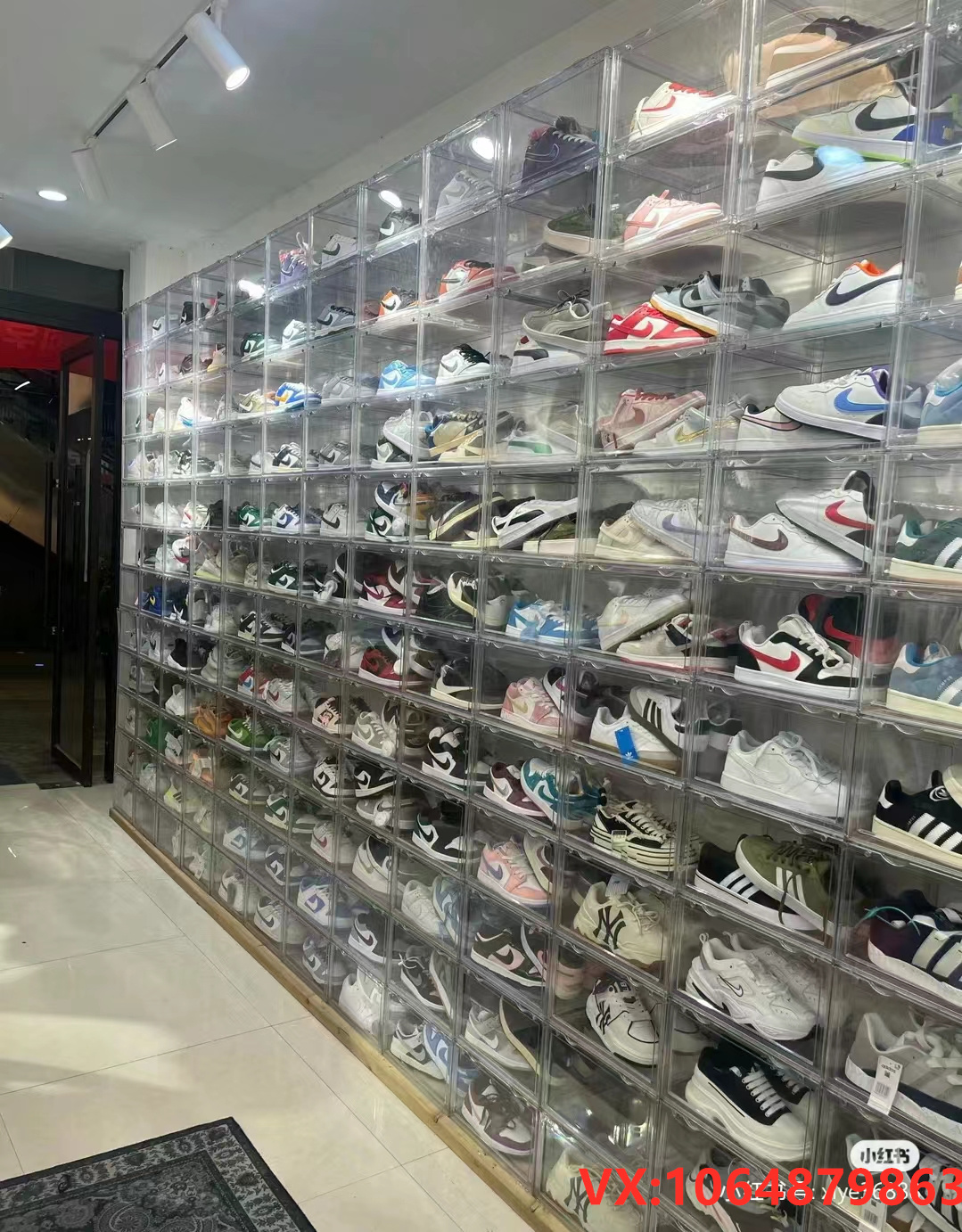
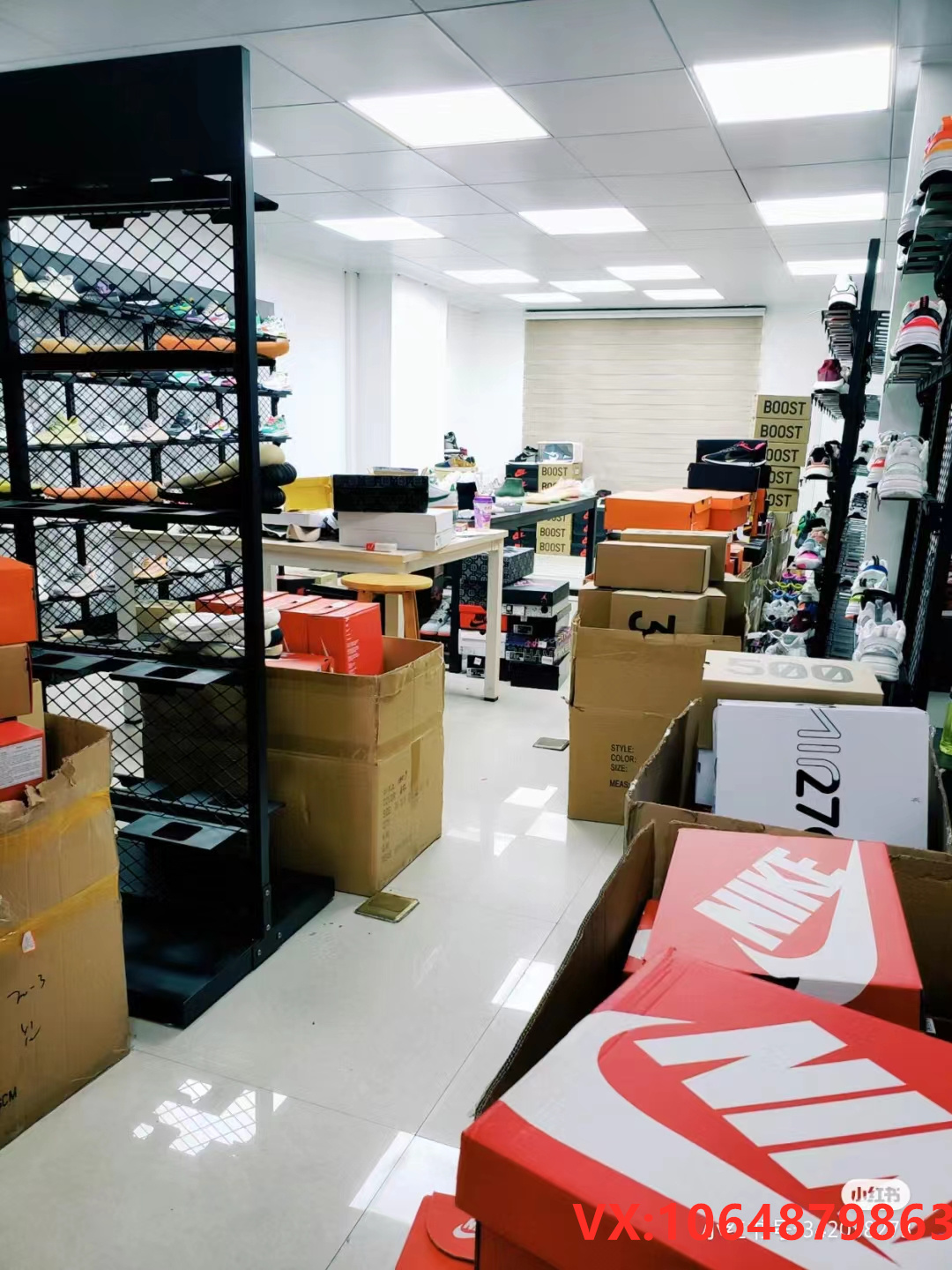
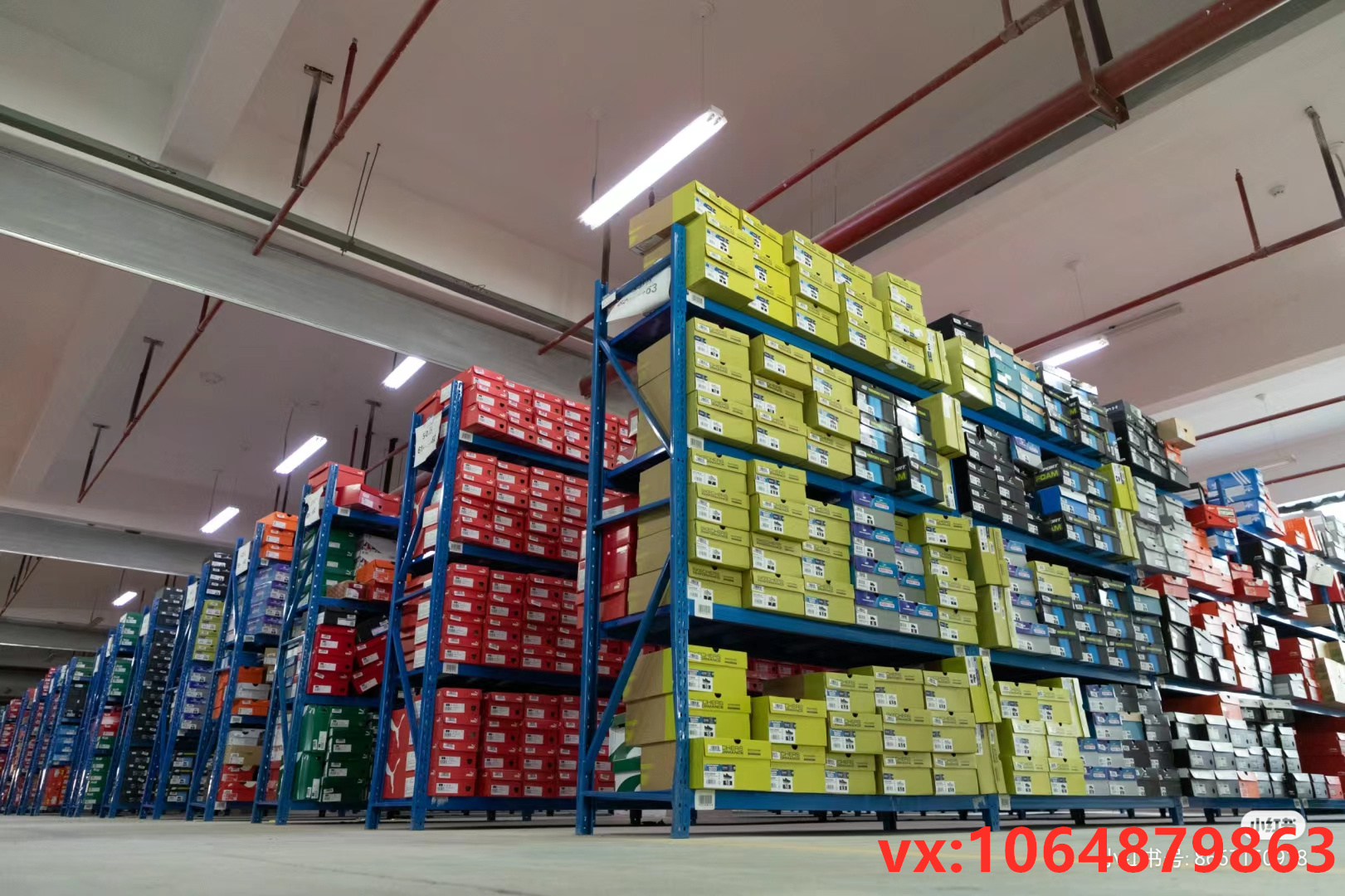
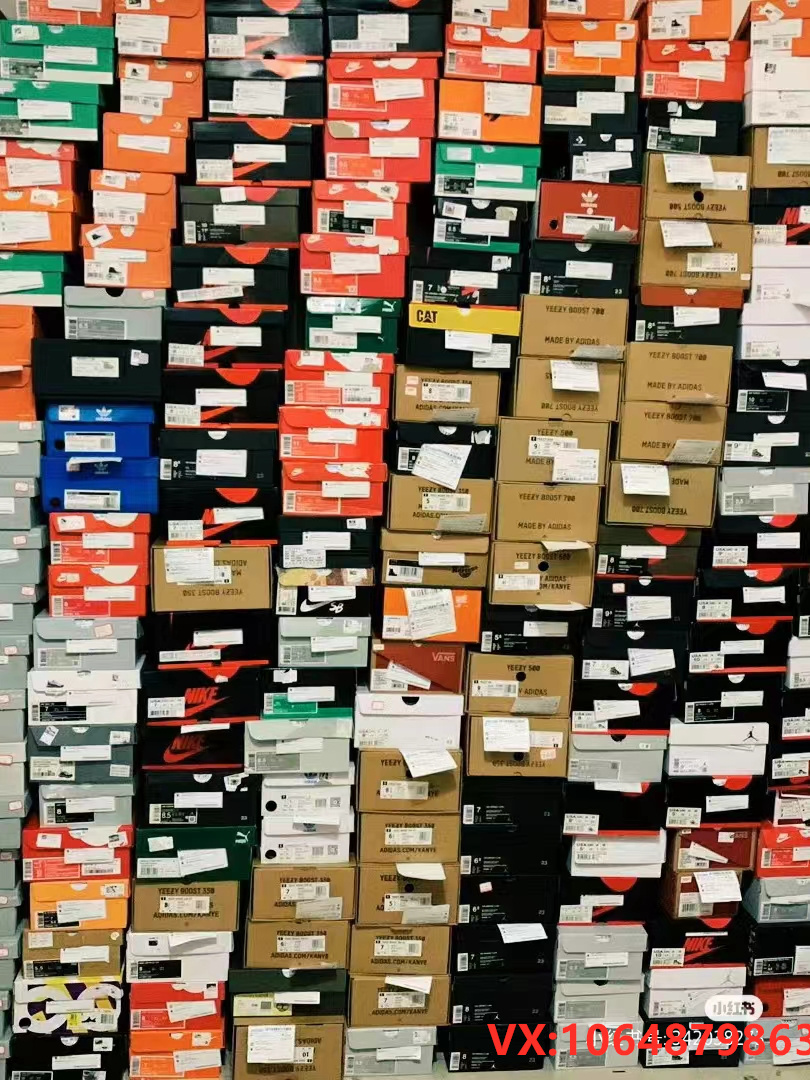
When you approach a stall, don't just ask for the price. Look at the inventory. A good supplier in Putian will have a wall of boxes stacked high, showing they move volume. If they only have one pair of a specific model, they are likely a middleman, not the source. I prefer dealing with the people who have the stock right there. When you see a vendor with a stack of high quality replica sneakers ready to ship, that is your green light.
Also, pay attention to how they handle the shoes. Do they treat them with care? Do they show you the inside lining? A bad seller will rush you. A good seller, like me, will pull out the shoe, turn it around, and point out the details. They want you to see the difference between the "low copy" and the "top tier." This transparency builds trust. If you are looking for Putian wholesale suppliers, look for the ones who are willing to explain the differences between versions, not just push the cheapest option.
The importance of Physical Inspection
You cannot judge a shoe by a photo alone. Even the best photos from Alibaba or WhatsApp can hide flaws. In the physical market, you can bend the sole, stretch the leather, and smell the materials. This is crucial for sizing too. Sometimes a shoe looks perfect in the box, but when you try it on, the toe box is narrow. By inspecting physically, you avoid the headache of sizing errors later. I always advise my international friends to bring a tape measure and a piece of paper to trace their foot. Compare that trace to the insole of the shoe. This simple step saves you from ordering the wrong size.
Dealing with Sizing Issues and Quality Control
once you pick the model, the real work begins. Sizing in Putian is not just about length; it's about width and volume. Some models run narrow, especially the basketball styles. Others are built for comfort and run wide. If you have wide feet, a standard US size might pinch you. I always recommend going half a size up if you are unsure, but better yet, ask for the specific measurements of that batch.
Verifying the Batch Before Payment
Before you transfer any money, you need to verify the batch. Every time we produce a new batch, the mold might shift slightly. What was a perfect fit last month might be a bit tighter this month. I always ask my clients to request a video call inspection. We put the shoe next to a ruler, show the insole length, and let you see the construction. This is the only way to ensure you get exactly what you expect. It also helps us build a long-term relationship because you know you aren't getting scammed.
If you are worried about fake vs real sizing, remember that even the best replicas follow the original mold closely, but minor variations happen. That is why communication is key. Tell me your foot length, tell me your usual brand preference, and I will match you with the best fit. Don't just say "I wear size 10." Say "My foot is 27cm, and I usually wear Nike size 10 but sometimes 10.5 depending on the model."
Avoiding Common Pitfalls
One of the biggest traps for new buyers is assuming all sellers are the same. Some vendors sell "super fakes" that are indistinguishable from retail, while others sell low-quality copies that fall apart after a week. The price difference is huge, but so is the risk. If you find a deal that seems too good to be true, it probably is. Stick to reputable stalls in Anfu. Ask for references from other foreign buyers. Check their social media presence. A legitimate business will have a history of satisfied customers.
Another pitfall is ignoring the shipping logistics. once you confirm the size and quality, you need to make sure the packaging is secure. Shoes can get crushed in transit if not packed properly. I always use sturdy boxes and extra padding for my international orders. This ensures the shoes arrive in pristine condition, maintaining the value you paid for.
Building a Sustainable Supply Chain
At the end of the day, sourcing from Putian is about building relationships. It's not a one-time transaction. When you return to the market, you should know which stalls have the best quality for your specific needs. Over the years, I have seen many buyers come and go, but the ones who stay are the ones who take the time to understand the process. They learn to read the sizes, they learn to spot the quality, and they learn to communicate effectively.
If you are serious about buying from Putian factories, treat it like a partnership. Be honest about your requirements, be patient with the process, and respect the local culture. The market moves fast, and the trends change quickly. By staying connected and keeping your eyes open, you can find the best deals and the highest quality products. Remember, the goal is not just to buy cheap shoes, but to buy smart. With the right approach, you can navigate the complexities of sizing and quality control and come away with a successful supply chain that serves your business well.