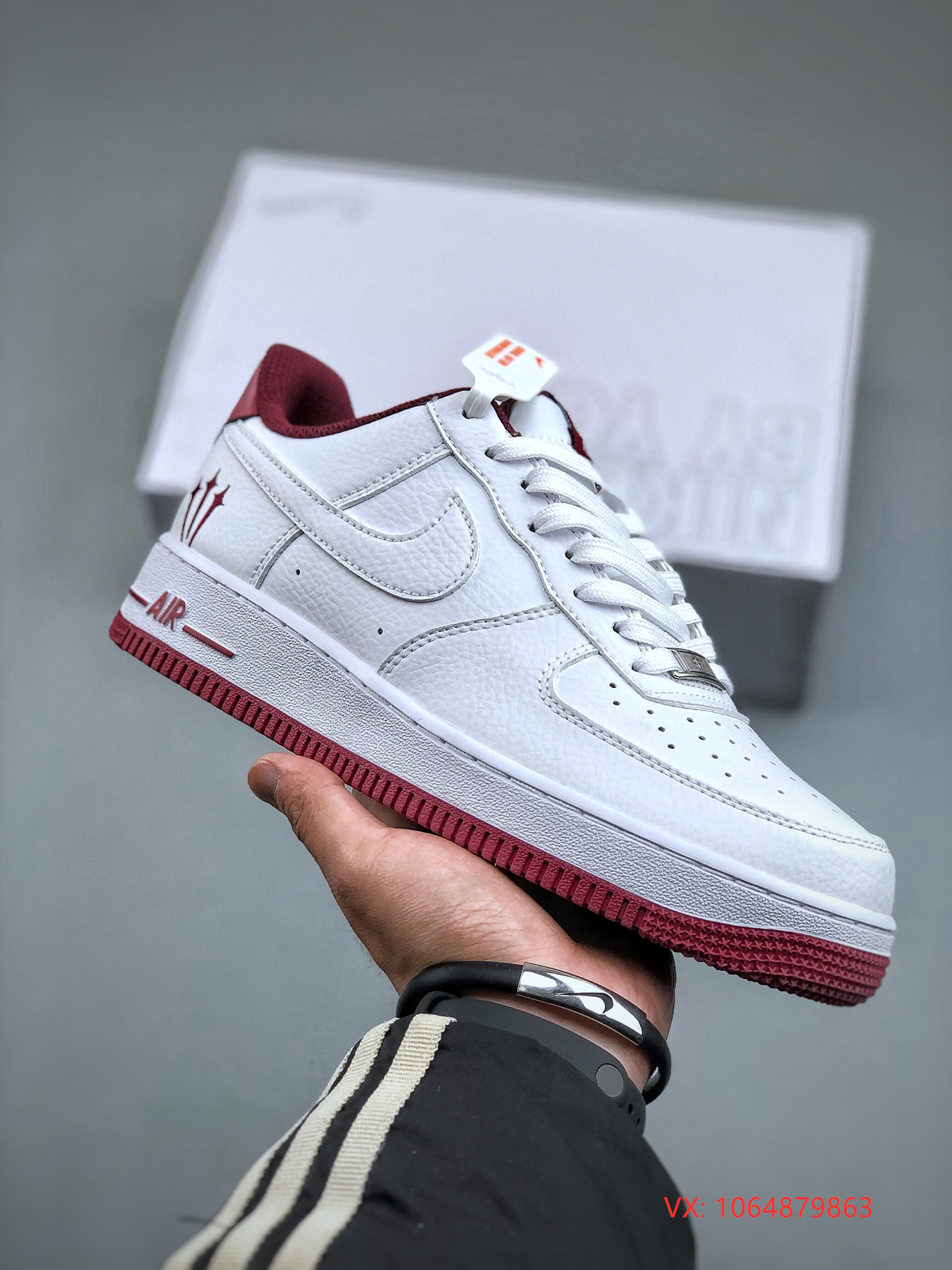
Walking the Floors of Anfu: A Veteran's Guide to Sourcing Authentic-Grade Footwear
Listen, I've been standing in the concrete corridors of the Anfu E-commerce City for over fifteen years. While you might be scrolling through Taobao on your laptop in New York or London, thinking you can just click a button and find the "real deal," let me tell you something that no algorithm will ever teach you. The world of Chinese sneakers is not about what you see on a screen; it is about what you feel under your fingertips and smell in the air when you walk into a bustling wholesale market. If you are an overseas buyer looking for high-quality replicas or sourcing from the source, forget the generic advice you read online. You need to know how to navigate the physical reality of Putian.
The Myth of online Verification
Many foreigners ask me, "How do I check if a shoe is real on Taobao?" My answer is always blunt: you cannot. Not really. When you look at a listing on Taobao, you are seeing a curated fantasy. Sellers use stolen photos from official brand sites, perfect lighting, and AI-generated descriptions to hide the truth. In my experience, the most dangerous sellers are the ones who claim their products are 100% authentic but sell them at prices that make no sense. If you are hunting for the famous "top tier" versions that come out of the factories here in Putian, relying solely on online images is a recipe for disaster. The gap between the photo and the product is where the money gets lost.
Navigating the Physical Market: Anfu and Beyond
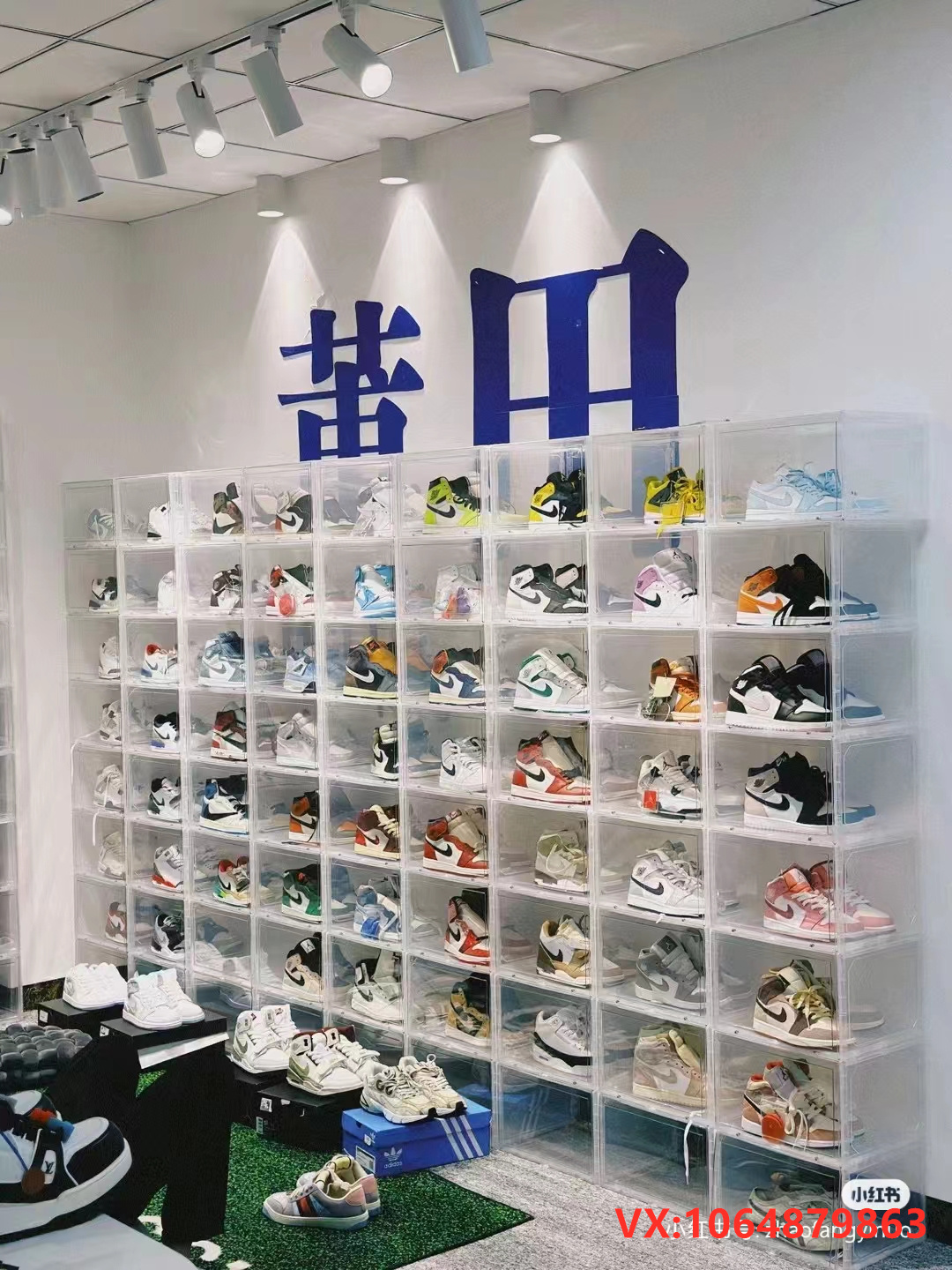
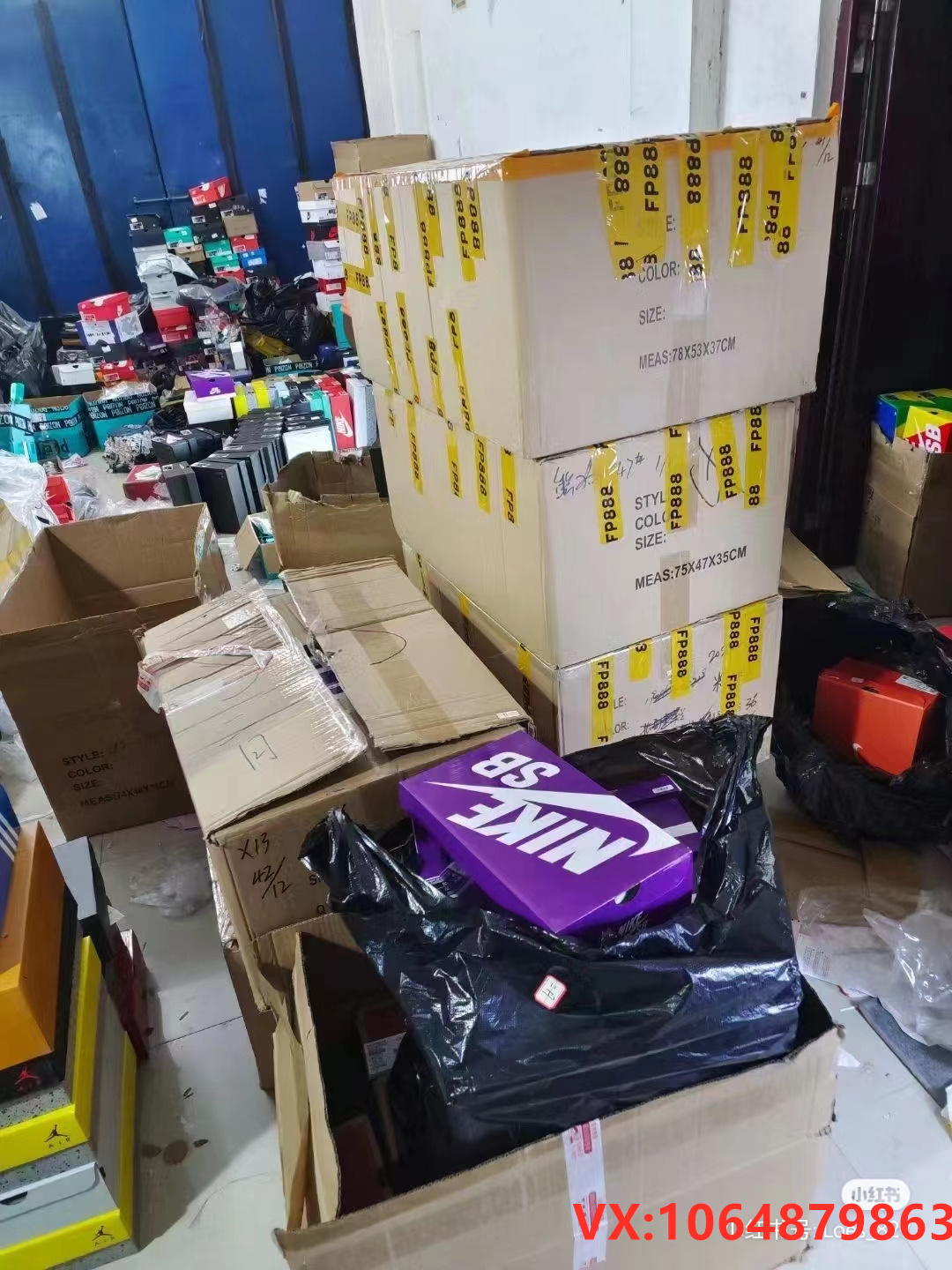
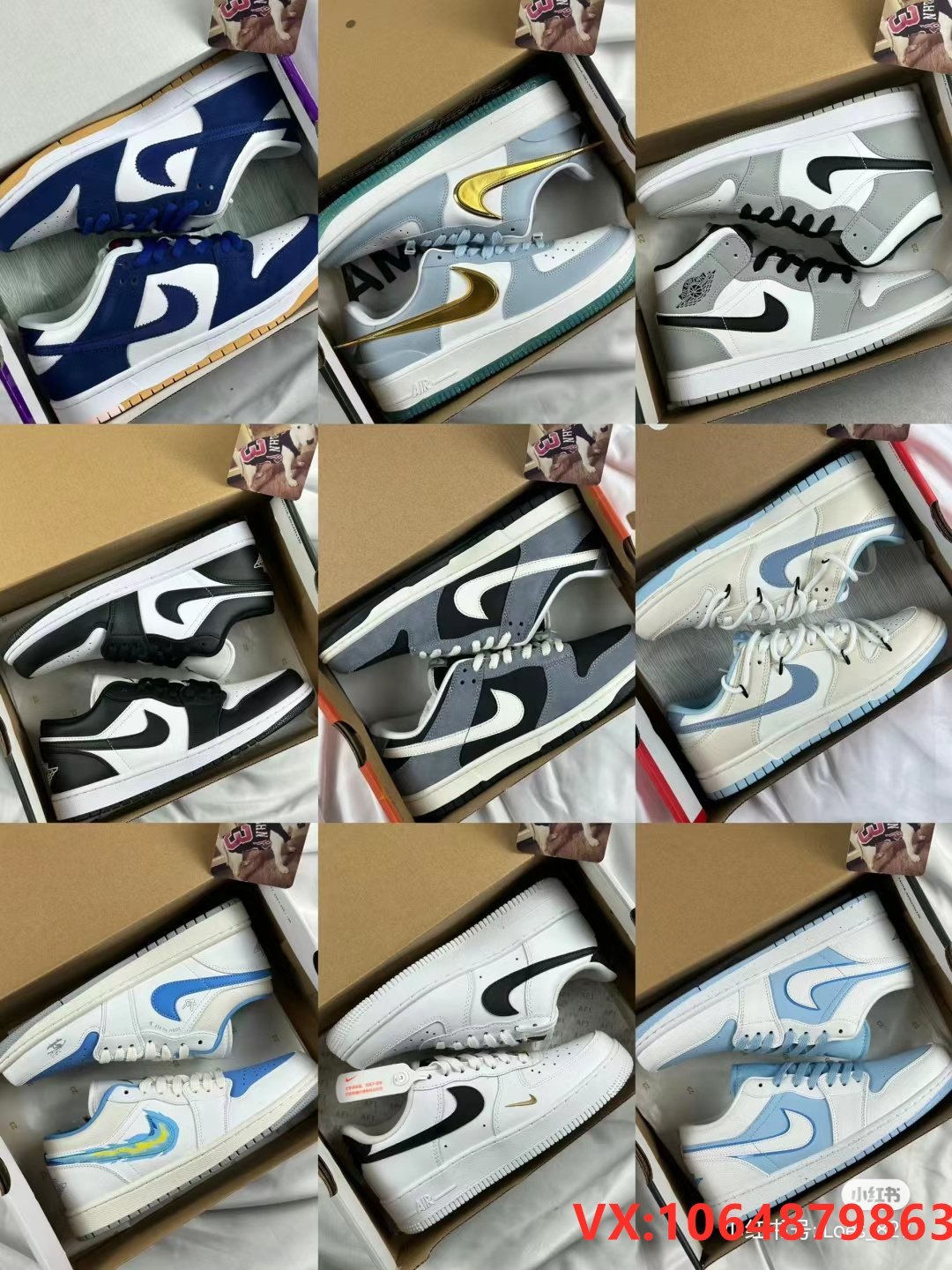
To truly understand the quality, you have to get off the couch and come here. The Anfu market is a labyrinth of small rooms stacked three stories high, buzzing with the sound of packing tape and heated arguments. This is where the real business happens. Unlike the polished storefronts in Shanghai, these are raw, functional spaces filled with boxes of shoes waiting to be shipped globally. When you walk in, you are immediately surrounded by hundreds of styles, from the latest Jordan releases to Yeezy knockoffs. But walking in is only half the battle; knowing which door to open is the skill.
Reading the Room and Spotting the Bosses
When you enter a stall, don't just stare at the shoes on the rack. Look at the people. The best suppliers are usually the ones sitting behind the counter, not the young guys running around fetching boxes. These are the bosses who know the supply chain inside out. They speak broken English, but they speak the language of business fluently. Ask them direct questions about the factory origin. Do they know the specific mold numbers? Can they show you the difference between the "low copy" and the "high copy"? If they hesitate or give you a vague answer, walk away. Real vendors in Putian are proud of their craftsmanship because they know exactly what separates their product from the junk sold elsewhere.
The Art of Inspection: What Your Eyes Need to See
once you have found a potential partner, the real work begins. This is where you separate the wheat from the chaff. I always tell my international clients to bring a magnifying glass and a flashlight. The details are in the stitching, the glue lines, and the texture of the leather. In the past, we used to rely on visual inspection alone, but now, technology has changed the game. However, nothing beats the human eye trained by years of experience.
Checking the Materials and Construction
Take the shoe in your hand. Feel the weight. Cheap versions often feel lighter because they use inferior foam or thinner rubber. Press down on the midsole; does it bounce back instantly like the original, or does it feel mushy? Look at the tongue label. Is the font sharp, or is it blurry? Check the box code. In Putian, many factories print the correct codes on the box, but the shoe inside doesn't match. That is a classic red flag. Also, smell the shoe. High-quality materials have a distinct, clean scent, while low-quality versions often smell like strong chemicals or cheap plastic. Trust your nose as much as your eyes.
Building Relationships and Avoiding Scams
Here is the secret that most guides won't tell you: trust is built face-to-face. In the West, you might think you can order $5,000 worth of inventory without ever meeting the seller. In Putian, that is suicide. You need to establish a relationship. Start small. Order a few pairs first to test their consistency. If the quality holds up, then you talk about volume. Many scams happen because buyers try to cut corners on the verification process. They send money via Western Union before seeing the goods, only to receive a box full of garbage.
Negotiating Like a Local
Don't be afraid to negotiate. Prices in Anfu are not fixed; they are fluid based on your volume and your relationship. If you act like a tourist, you will pay tourist prices. If you act like a partner, you will get wholesale rates. Be polite but firm. Show them you know the market. Mention specific details about the construction or the materials you expect. This shows you are serious. Also, always insist on video calls before shipping. Ask them to record a video of the actual shoes you are buying, showing the tags, the soles, and the box. This simple step prevents 90% of the common disputes we see every day.
The Future of Sourcing from China
The landscape is changing. More and more foreign buyers are realizing that the old way of doing business—blindly ordering from a website—is dead. The new way is immersive. It involves visiting the markets, understanding the nuances of the local industry, and building genuine connections with the people who make the shoes. Whether you are looking for "Nike Air Max replica" or "Adidas Ultraboost high quality," the path to success lies in your willingness to dig deeper than the surface level. The internet is just a tool; the real value is in the hands of the craftsmen in these small rooms in Anfu. So, pack your bags, come to Putian, and learn the trade the right way. That is how you win in this game.