Why Sizing is the First Battle in Putian
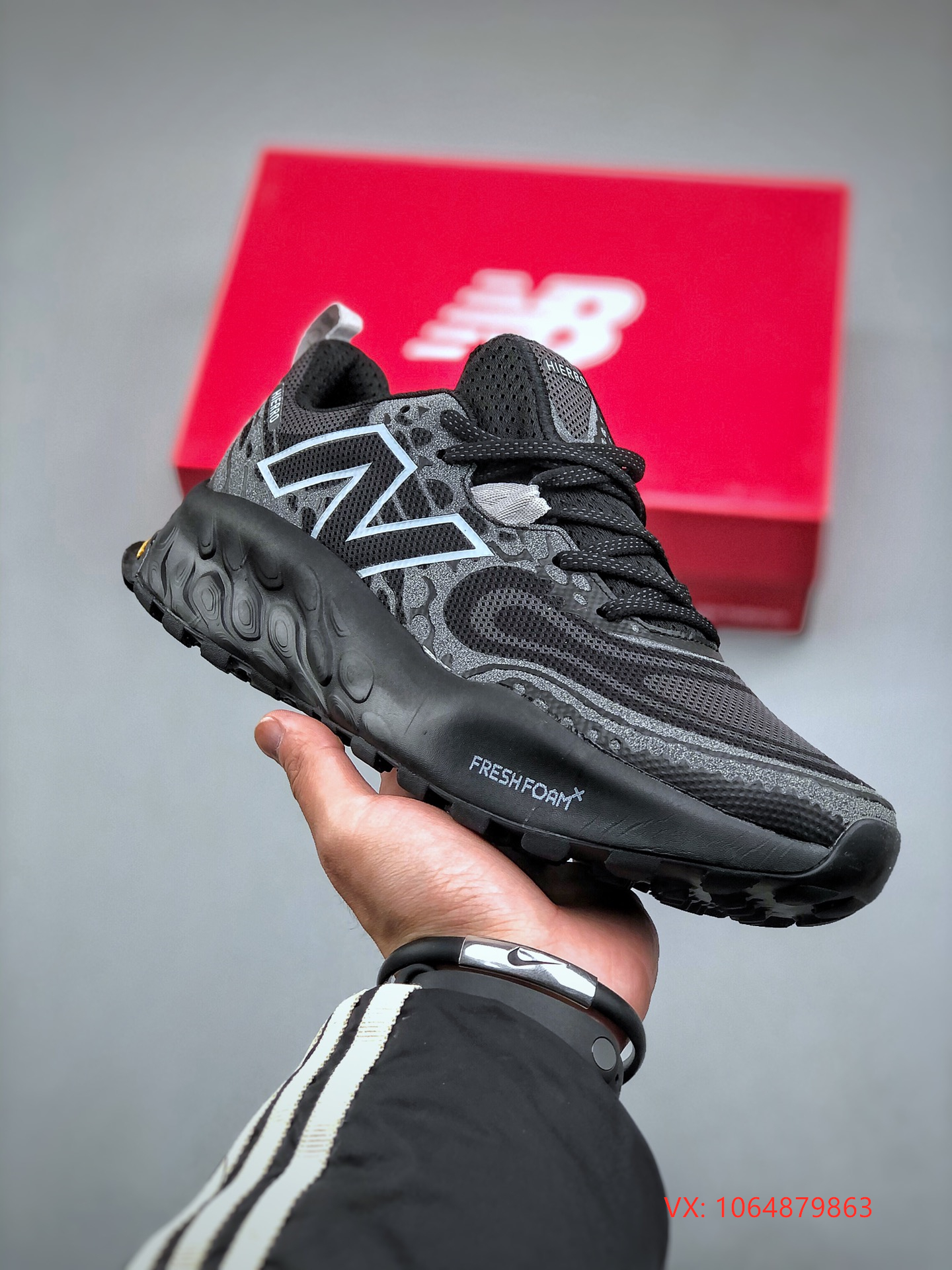
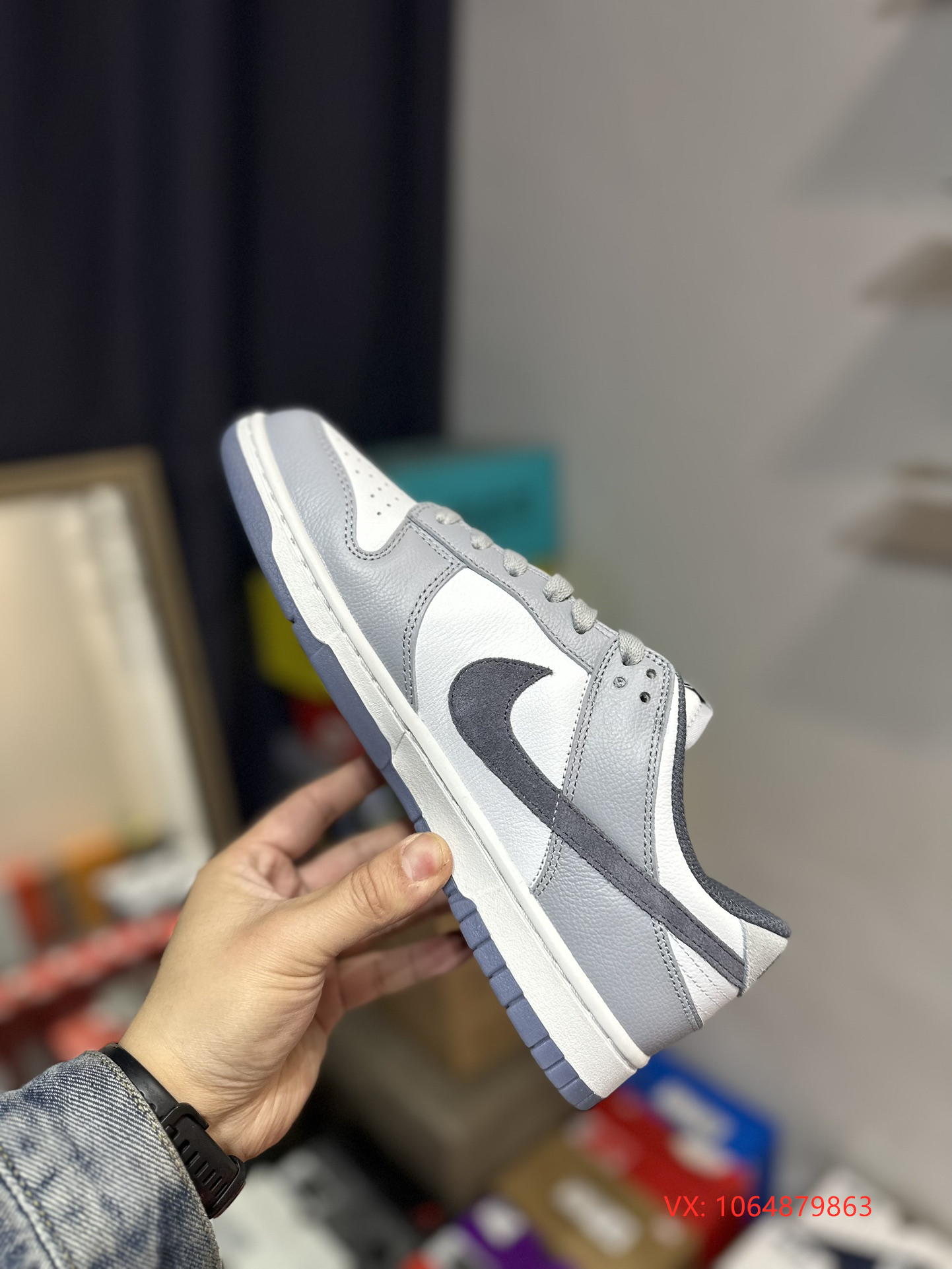
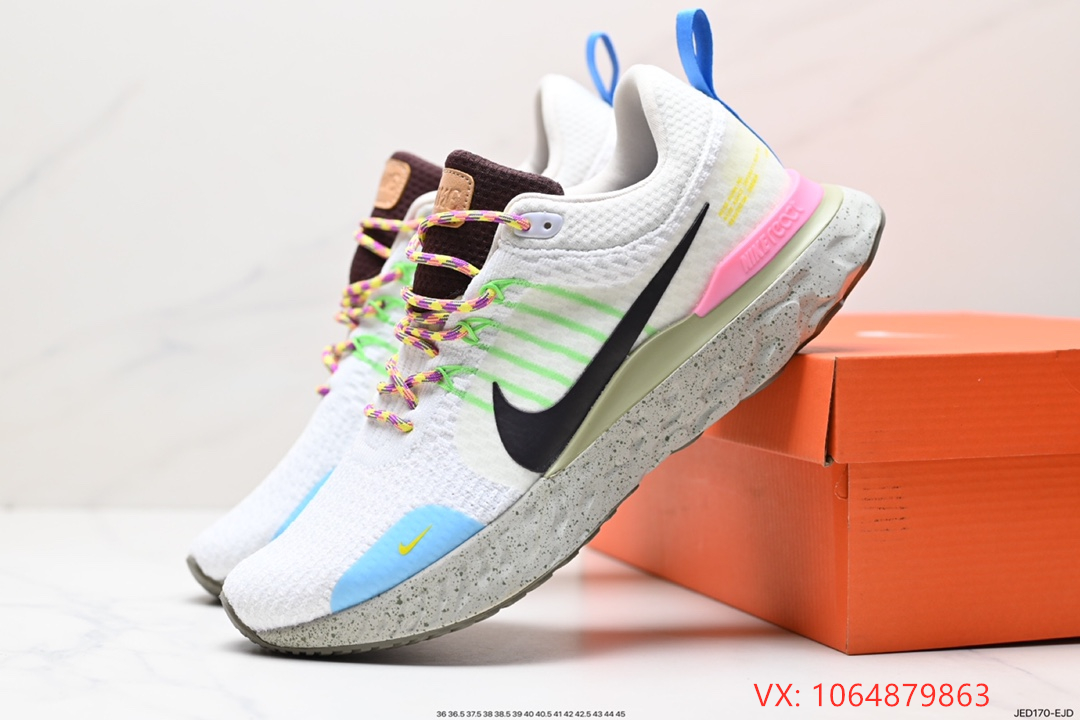
Welcome to the real world of Putian, not the glossy photos you see on Instagram or TikTok. I have been standing behind my counter in the Anfu Electronic Commerce City for over fifteen years. I have seen thousands of foreign buyers walk through those heavy glass doors, some with a clear plan and others completely lost. If you are asking me how to choose the right size for Chinese factory shoes, specifically the "Putian" replicas that everyone talks about, let me tell you something straight: there is no single magic number.
The biggest mistake new buyers make is assuming that because they wear a US 10 in Nike, they should order a US 10 from a Putian factory. It does not work like that. The sizing in these factories varies wildly depending on the mold, the specific model, and even the production batch. When I talk to clients who want to source high-quality sneakers from China, I always start by telling them to forget their usual size chart. You need to measure your foot in millimeters. That is the only universal language we speak here in the market.
Navigating the Anfu Market Floor
The Reality of Physical Inspection
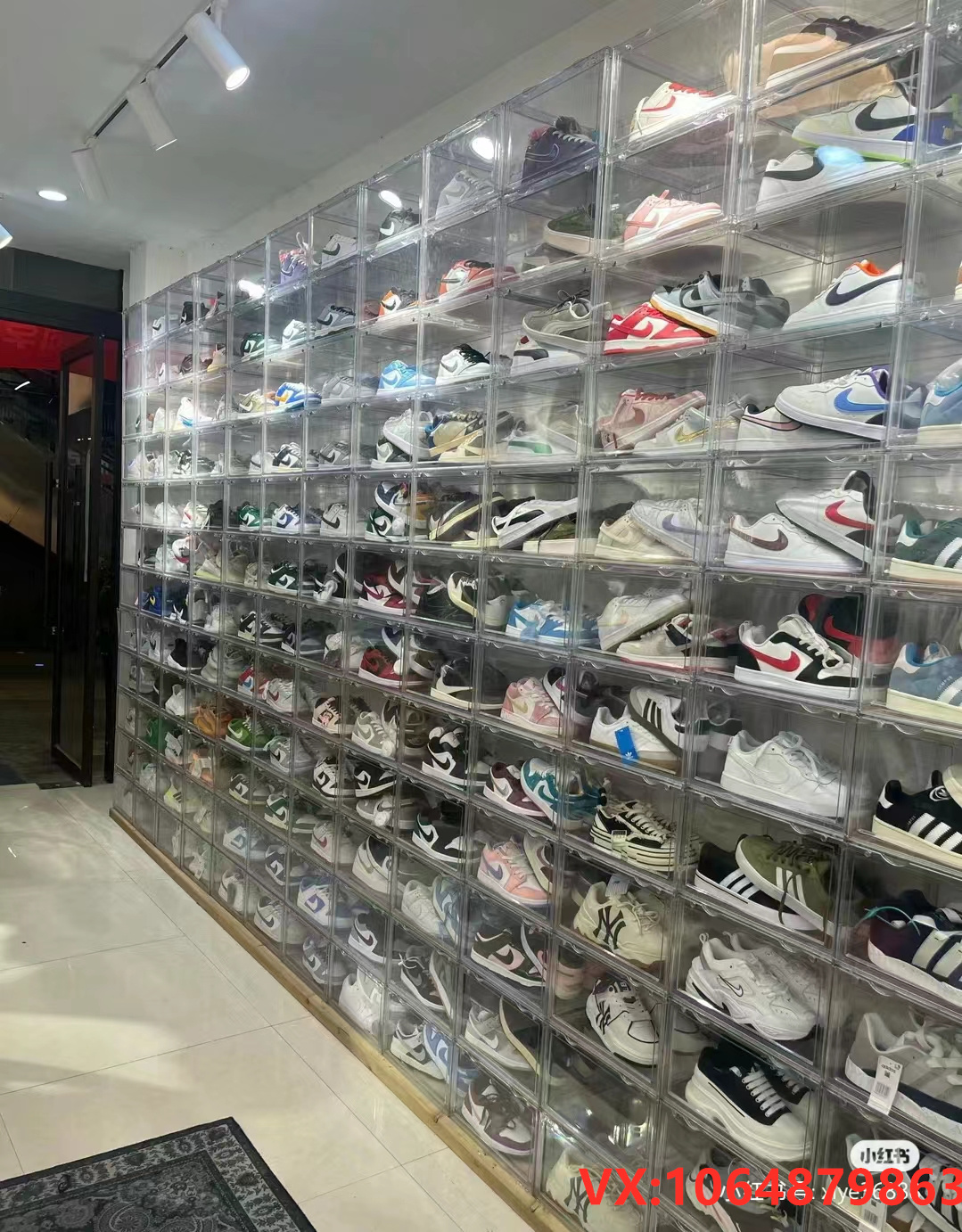
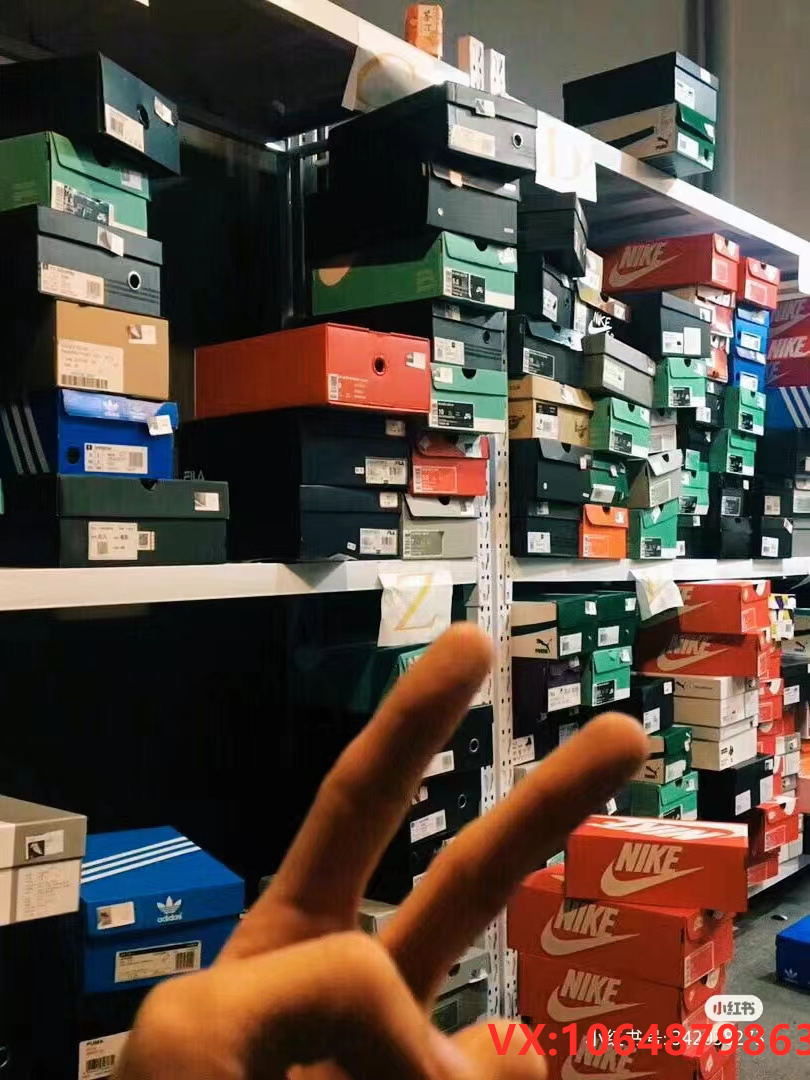
If you can come to Fuzhou, do not just rely on pictures sent via WeChat. The Anfu market is a maze of small stalls packed shoulder to shoulder. When you stand in front of a stall selling what they call "top version" or "original quality," ask to see the actual shoe box and the shoe itself. Many sellers will show you a perfect pair on the shelf, but the one in the box might be slightly different. This is why physical inspection is crucial for sizing.
I remember a buyer from New York last month. He ordered three pairs based on his phone measurements. When he arrived, he realized the length was off by half a centimeter. In the sneaker world, half a centimeter is the difference between a comfortable fit and a blistered heel. We have a saying here: "The mold changes, the size changes." Even within the same factory, if they switch the rubber outsole supplier, the internal volume might shift. Always try the shoe on before you pay the deposit.
Understanding Factory Variations
Model-Specific Fit Differences
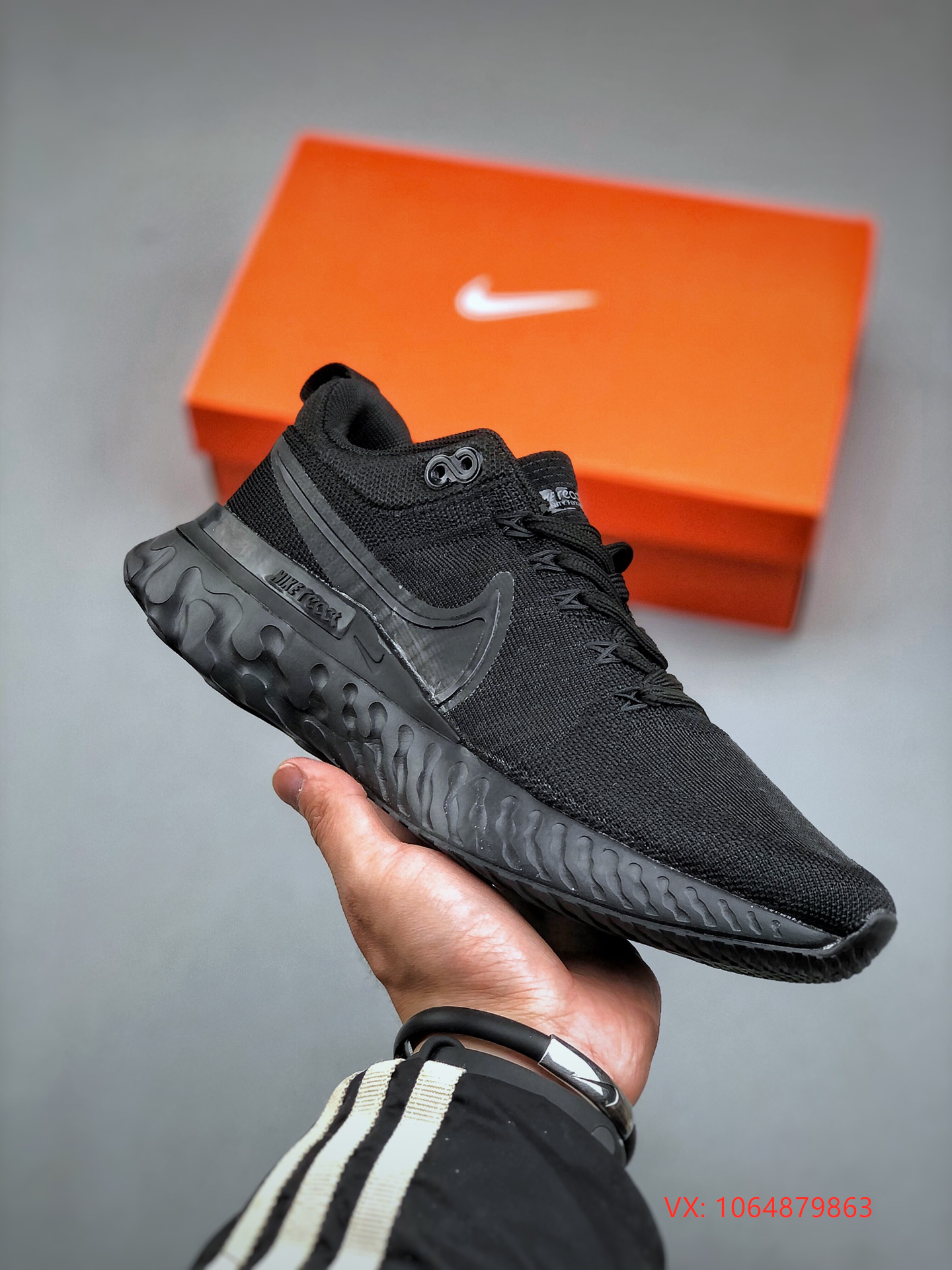
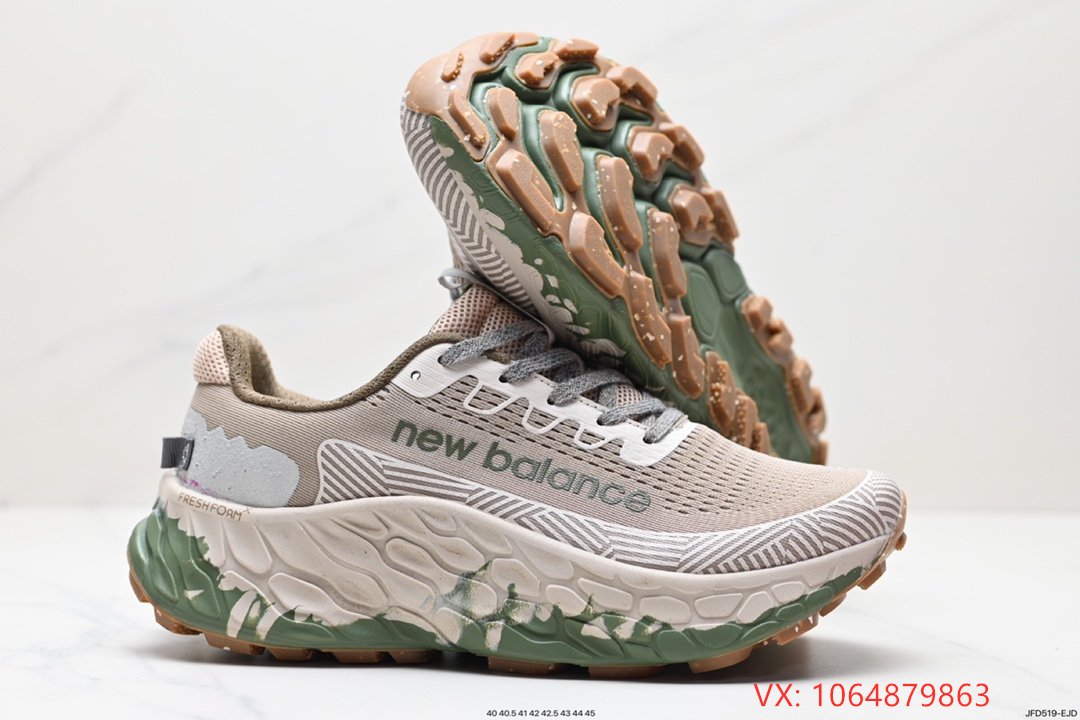
You cannot treat every shoe the same way. A Jordan 4 fits differently than an Air Max 90, and both differ from a Yeezy. In Putian, different workshops specialize in different models. Some focus on basketball shoes where a snug fit is needed for performance, while others make lifestyle runners where comfort is key. When you are sourcing, you must specify the exact model code. Do not just say "I want Jordans."
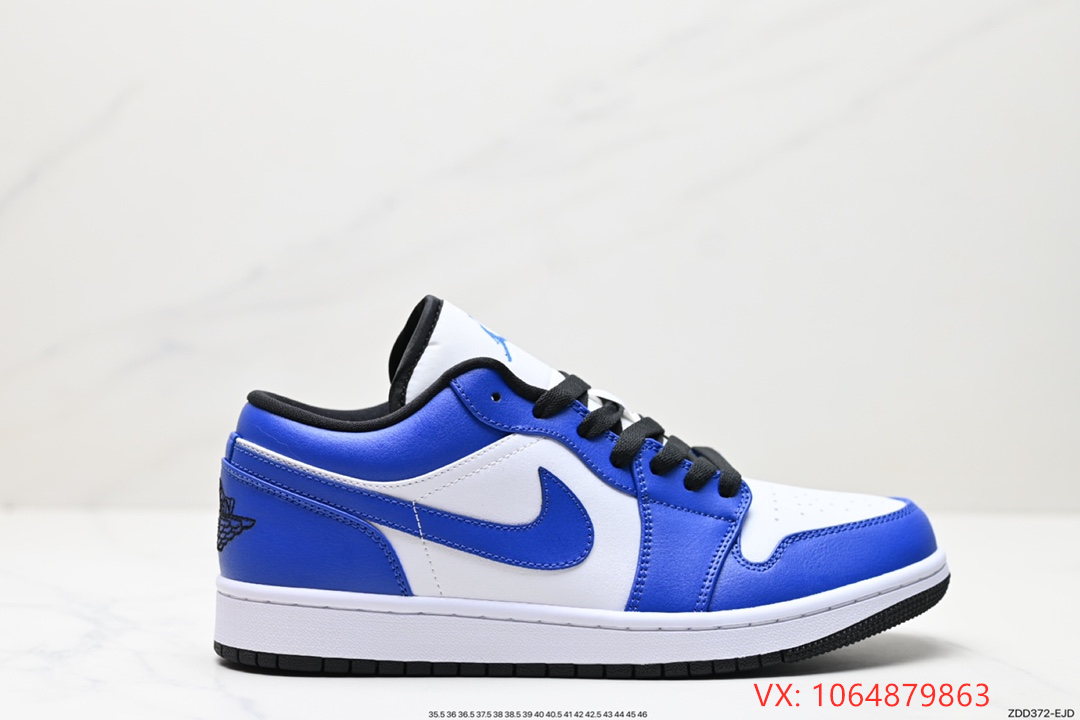
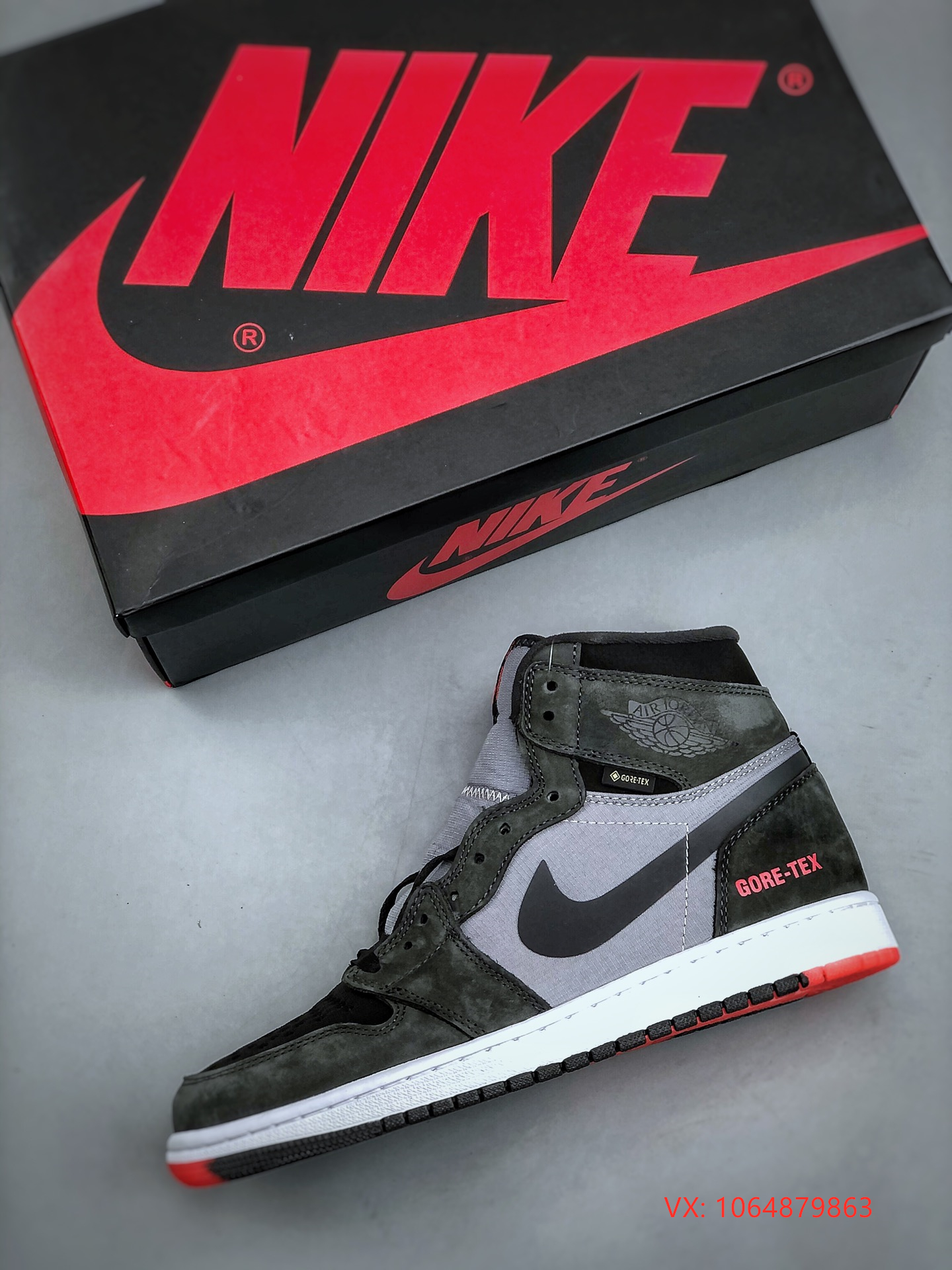
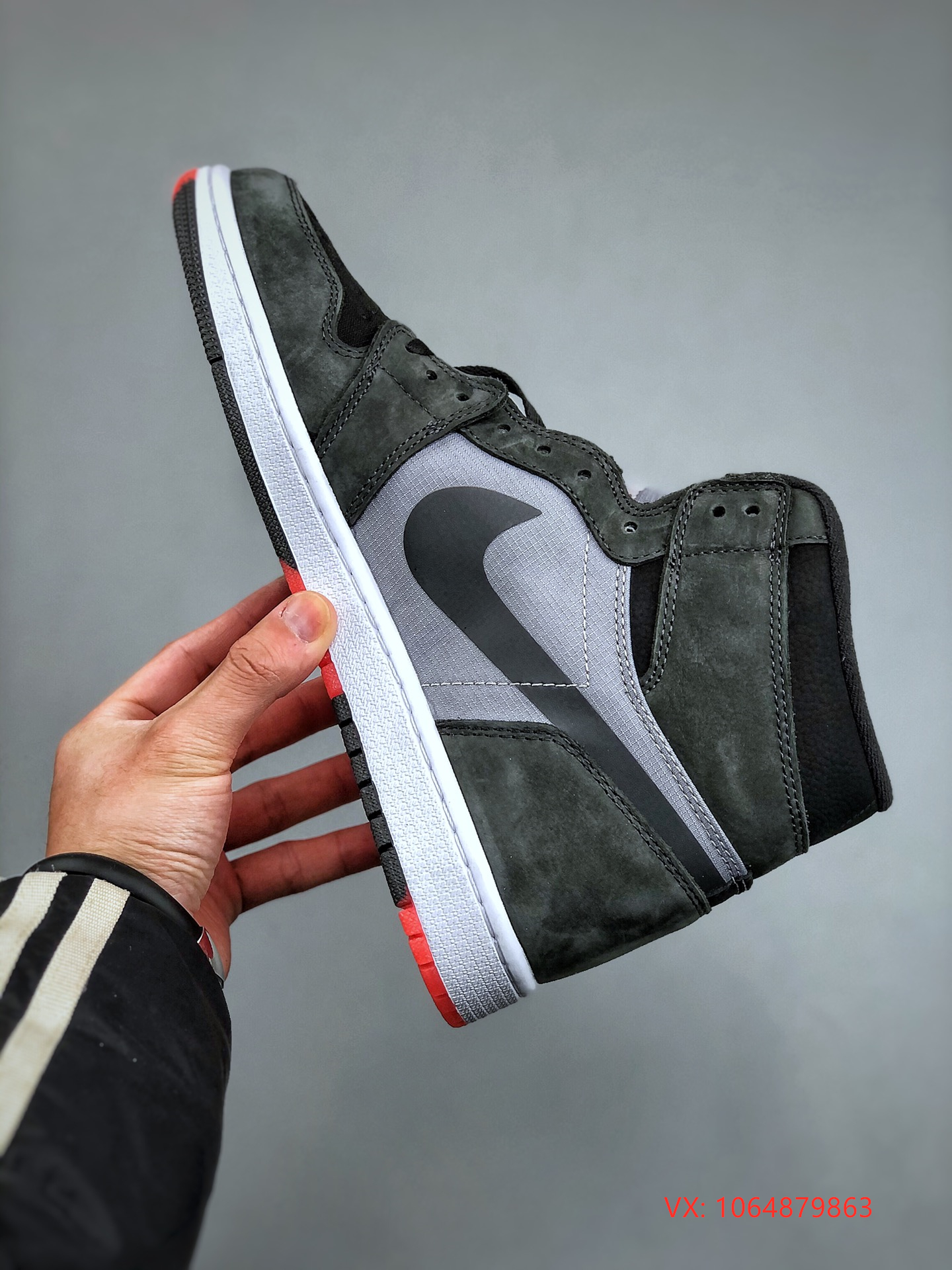
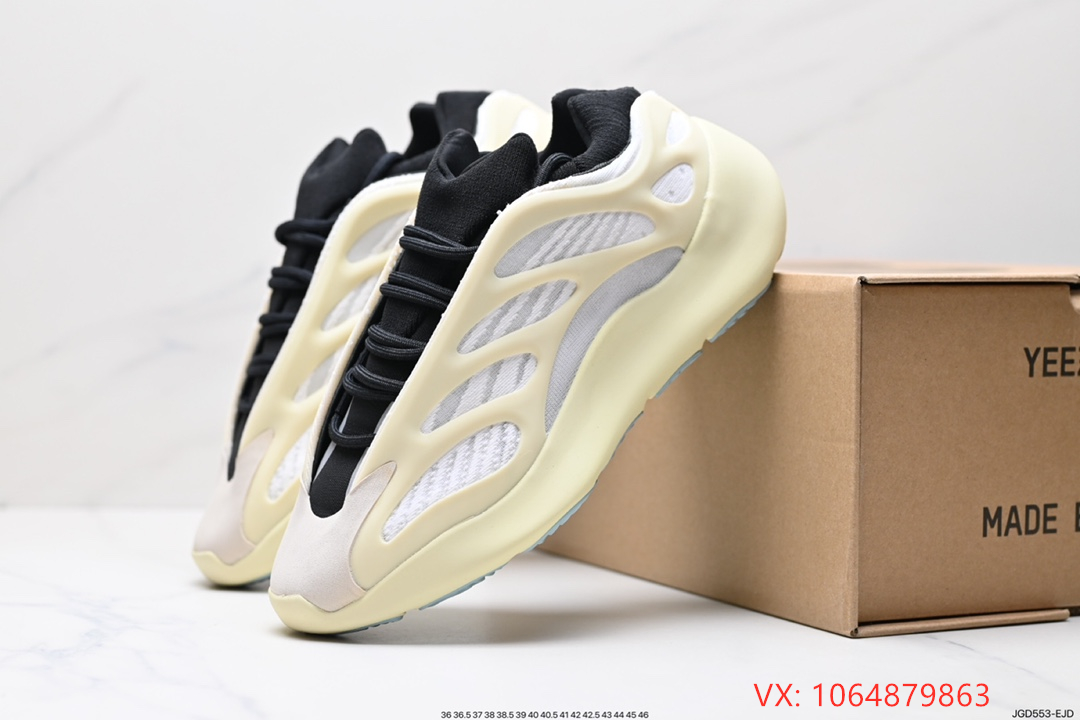
For example, the "Jordan 1 High OG" often runs true to size in the original Nike molds, but some of the better Putian versions run slightly narrow. If you have wide feet, you might need to go up half a size. Conversely, the "Yeezy 350 V2" usually requires going down half a size because the knit material stretches. I always advise my overseas partners to keep a simple spreadsheet. Write down the model, the factory name, and the size they recommend for a specific foot measurement. Over time, this becomes your personal bible for ordering.
Communication and Verification Tactics
Bridging the Language Gap
One of the hardest parts for foreigners is communicating size issues without a translator. We use WeChat, and sometimes the translation apps fail when it comes to technical terms. To avoid confusion, send a photo of your own foot next to a ruler. Show me the length from heel to toe and the width at the ball of your foot. Tell me exactly which brand you usually wear and what size it is.
When I am negotiating with a client, I ask them to send a picture of the sole of their current favorite shoe. Sometimes the wear pattern tells me if they drag their toes or if they land heavily on the heel, which affects the size recommendation. Also, never trust a seller who says "one size fits all." That is a red flag. A reputable vendor in Anfu will ask for your specific measurements before giving you a quote. If they push you to buy blindly, move to the next stall.
Avoiding Common Pitfalls
The Trap of "Original Quality"
There is a lot of marketing fluff around terms like "Original Quality" or "Mirror Image." These terms sound impressive, but they do not guarantee accurate sizing. Some factories use these labels to sell lower-quality goods that happen to look good in photos. When you are looking for reliable suppliers, focus on their consistency. Ask them: "Have you shipped to the US before? Can you show me tracking numbers?"
Another common pitfall is ignoring the packaging. Sometimes the shoe is correct, but the box is wrong, leading to returns. In Putian, the packaging is part of the product. Ensure the box matches the model and the size label inside the box matches the sticker on the outside. When you receive your shipment, check the size tag immediately. If it says US 10 but feels like a 9.5, contact the seller right away. Most honest vendors in the market will offer a replacement or a discount on your next order if there is a genuine error.
Building Long-Term Relationships
From One-Off Buyer to Regular Partner
The best way to master sizing in Putian is to build a relationship with a specific vendor. once you find a stall that understands your needs, stick with them. They will learn your foot shape and your preferences. Over time, they will know exactly which mold works best for you. This saves you money on shipping and reduces the risk of getting the wrong size.
Remember, the Putian market is competitive. Good vendors want repeat customers. If you treat them with respect and communicate clearly, they will go the extra mile to ensure you get the perfect fit. Whether you are buying for resale or personal use, taking the time to understand the nuances of sizing will save you headaches later. Come to the market, touch the leather, feel the foam, and trust your eyes more than any online chart. That is the secret to success in the world of Chinese footwear sourcing.