Why Lacing Matters More Than You Think for Putian Kicks
Listen, I've been standing in the Anfu Economic Zone since before most of you were even born. The air here smells like glue, rubber dust, and fresh coffee from the street vendors. For years, my shop has been the go-to spot for foreign buyers who want to skip the middlemen and get straight to the source. But here is a secret that 90% of new importers miss: they obsess over the box, the logo, or the "grade" of the shoe, but they completely ignore how the laces are tied. When you walk into a store in New York or London wearing a pair of high-end replicas, people don't just look at the silhouette; they look at the details. And nothing screams "cheap copy" faster than sloppy shoelace work.
I remember a guy from California last month. He wanted the latest Jordan 4s. We spent an hour discussing the leather quality, the midsole density, and the outsole grip. He was ready to drop three thousand dollars on a bulk order. Then he asked me, "What kind of laces should I use?" I told him flatly, "It depends on how you tie them." He looked confused. That's when I realized he didn't understand the psychology of the sneakerhead. In the world of Putian shoes, the laces are the finishing touch that separates a factory reject from a masterpiece. If you want your inventory to sell fast overseas, you need to master the art of the lace job.
The Anatomy of the Perfect Lace Job
Flat vs. Round: Choosing the Right Texture
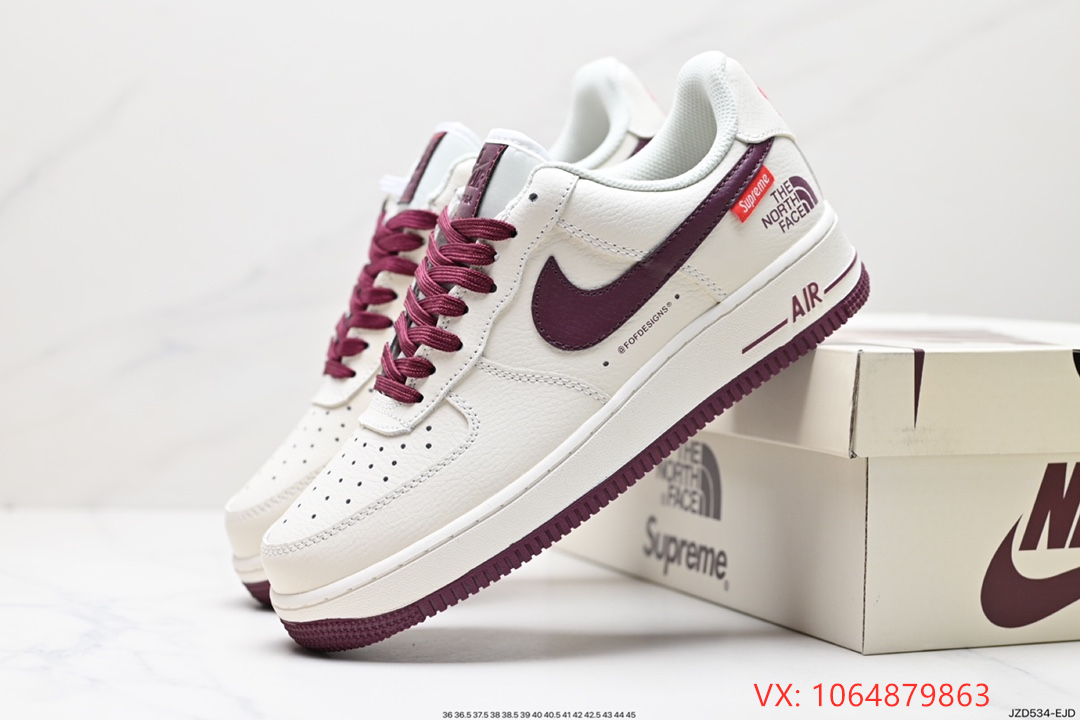
First things first, let's talk about the material. In our market, we have two main types: round waxed laces and flat cotton laces. If you are sourcing classic silhouettes like the Air Force 1 or the Dunk Low, you absolutely must go with flat laces. Why? Because those models were designed with a specific aesthetic in mind. Flat laces lay flush against the eyelets, giving that clean, crisp look that defines the original design. Round laces on a Dunk can make it look bulky and cheap, like a kid trying on their dad's shoes. I've seen too many buyers ruin a perfect pair because they ordered the wrong lace type from a supplier back home.
However, if you are dealing with performance runners or retro basketball shoes like the Jordan 11 or 13, round waxed laces are your best friend. These shoes often have tighter eyelet systems, and round laces slide through easier without fraying. Plus, the wax coating prevents them from coming undone during a workout. When I show clients the samples in my warehouse, I always swap the stock laces with premium waxed ones to demonstrate the difference. It's a small change, but it elevates the perceived value instantly. Don't be lazy with this step.
The Knot Game: Bow Size and Symmetry
Now, let's get into the actual tying technique. This is where most American buyers fail. They tie a giant, messy bow that hangs down to the toe box. Stop doing that. In the high-end replica market, symmetry is king. The knot should sit right at the top center of the tongue, not off to the side. The loops of the bow should be roughly the same size—no one loop longer than the other. If you walk into a boutique in SoHo with uneven bows, the staff will know immediately that these aren't authentic retail pairs.
I teach my regular customers a simple trick: the "double-loop method." Instead of making one big loop and wrapping it around, create two distinct loops first, then pull them tight together. This creates a structured, professional-looking knot that holds its shape all day. Also, keep the tails short. Long, dragging tails look sloppy and can get caught in bike chains or door handles. A neat, compact bow says, "I care about the details," which is exactly what you want your customers to feel when they see your product.
Navigating the Anfu Market: Sourcing and Inspection
Spotting Quality Before You Pay
When you come to Putian, specifically the Anfu area, you need to know what you are looking for before you even ask about pricing. The market is chaotic. There are hundreds of stalls, some selling genuine goods, others selling junk. My advice? Never buy based on photos alone. Always ask to see the physical pair. Walk up to the counter, pick up the shoe, and inspect the laces. Are they stiff? Do they smell like chemicals? Are the aglets (the plastic tips) melted or poorly molded?
I've had clients who tried to save money by buying from a stall that offered "free shipping" but used cheap, thin laces that snapped after a week. That's a reputation killer. When you are negotiating with a vendor, ask them specifically about the lace supplier. Good factories in Putian source their laces from specialized textile mills in Fujian province. They know the difference between a $0.50 lace and a $2.00 premium lace. If the vendor hesitates to answer, move on. Trust your gut.
Customization: Making Your Brand Stand Out
One of the biggest advantages of buying directly from Putian is customization. Many Western brands struggle with supply chain flexibility, but here, we can tailor everything. If you are building a brand around "streetwear authenticity," you can request custom-colored laces. Want neon green laces on black Dunks? Done. How about gold metallic laces for a luxury edition? No problem. I've worked with several US-based resellers who created their own signature colorways by ordering specific lace colors in bulk alongside the shoes.
This level of detail allows you to differentiate your products from the thousands of generic copies flooding the market. When you tell your customers, "These come with hand-tied, custom-matched laces," you add immediate value. It shows attention to detail that mass-market retailers simply cannot match. Just make sure you communicate your requirements clearly to the factory. Send them a photo of the exact shade you want, and specify the length. Ambiguity leads to mistakes, and mistakes lead to returns.
Avoiding Pitfalls and Building Long-Term Trust
Communication is Key
Let's be honest, language barriers can be tough. I speak English, but not everyone does. When you are communicating via WhatsApp or WeChat, be precise. Don't just say "good laces." Say "flat waxed laces, length 45 inches, color Black." Use visual aids. Send pictures of the laces you want. I once had a buyer from Germany who sent a picture of his favorite Nike laces, and we matched them perfectly within two days. That kind of communication builds trust. It shows you are serious about the business.
Also, don't rush the process. Take your time to inspect the final batch before payment. If you are flying to Putian, spend a few days walking the market. Talk to different vendors. Compare the laces, the stitching, the packaging. The more you know, the better deals you can negotiate. Remember, I am not just selling you shoes; I am helping you build a sustainable business. My goal is for you to come back next season with a larger order.
The Future of Sneaker Sourcing
The landscape of sneaker sourcing is changing. With the rise of social media and direct-to-consumer models, the demand for high-quality, detailed products is higher than ever. Buyers are smarter now. They know how to spot a fake, and they appreciate the effort put into getting the details right. By focusing on something as simple as shoelaces, you can elevate your entire product line. It's the little things that make the big difference.
So, the next time you are looking for Putian shoes, don't just focus on the box. Look at the laces. Tie them properly. Make them count. Whether you are sourcing for a local shop or an online empire, the quality of your presentation matters. Come visit us in Anfu. Let's grab a cup of tea, look at the samples, and figure out the best way to style your inventory. I promise, you won't regret it.