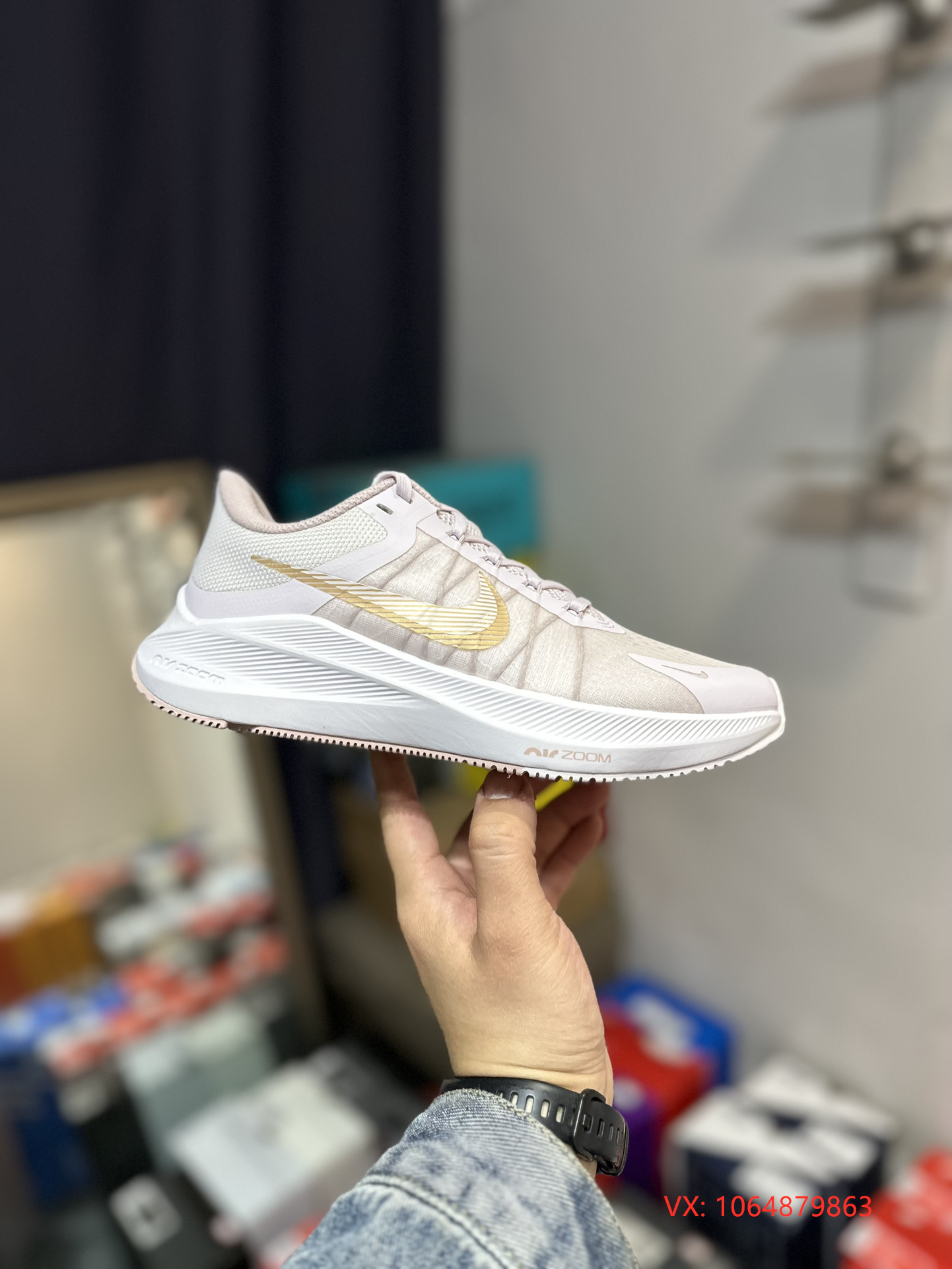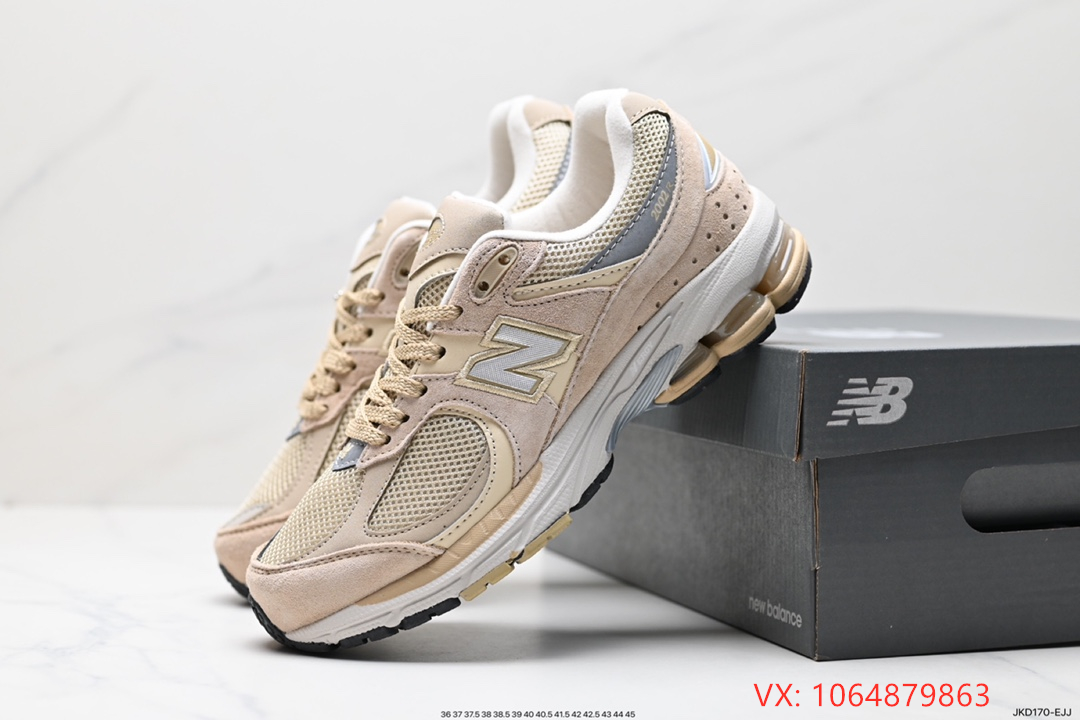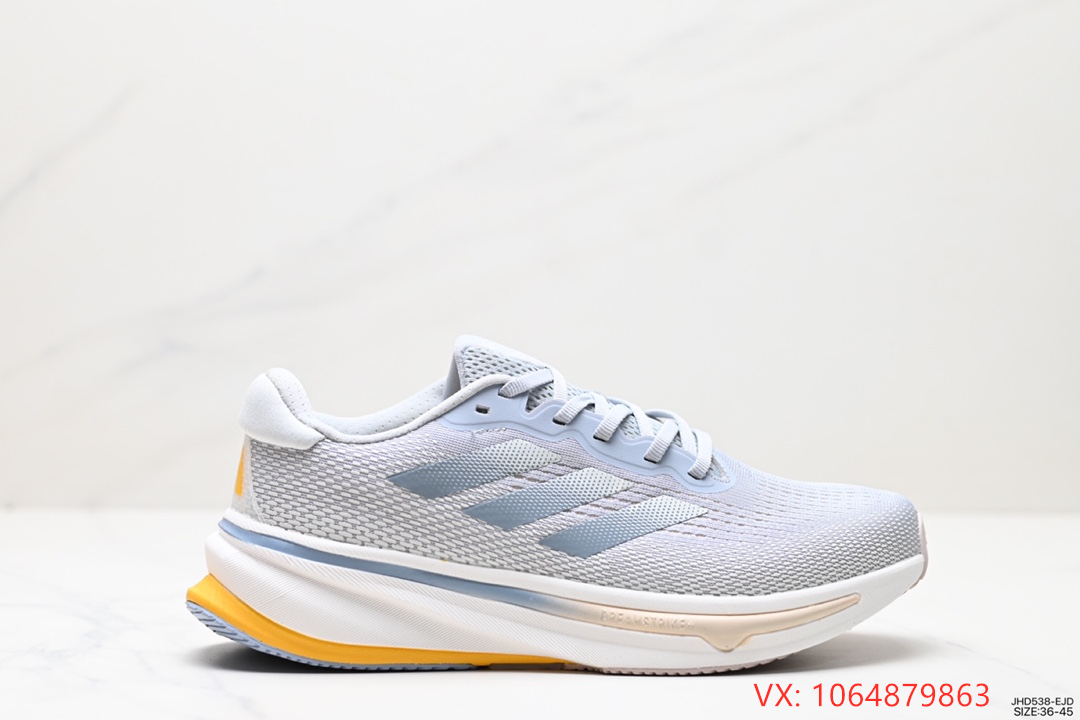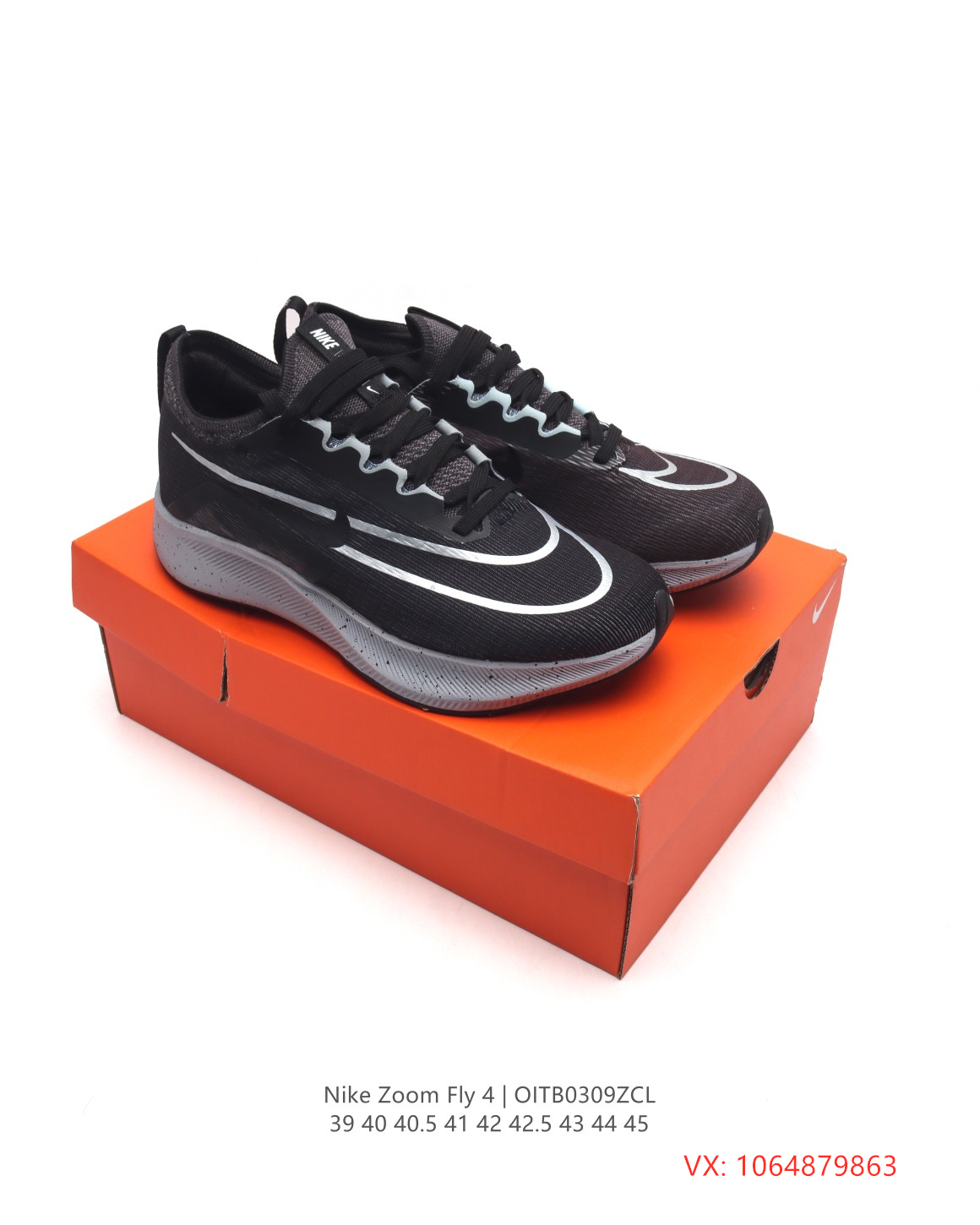
Where Do Putian Shoes Actually Come From? A Local Shopkeeper's Truth
Listen, I've been standing in the Anfu Economic and Trade City for over fifteen years. While the world calls them "Putian shoes," let me tell you exactly where they come from and what that really means for your business. Geographically, these sneakers are born right here in Putian, Fujian Province, China. But if you think this is just a small town making cheap knockoffs, you're missing the whole picture. This isn't about some random factory; it's about a massive, hyper-specialized ecosystem centered around the Anfu market. When international buyers ask me, "Where do Putian shoes belong to?", the answer is simple: they belong to the supply chain of the global sneaker industry, specifically the high-end replica sector that has evolved into something far more complex than people realize.
The Heart of the Operation: Anfu Market Reality
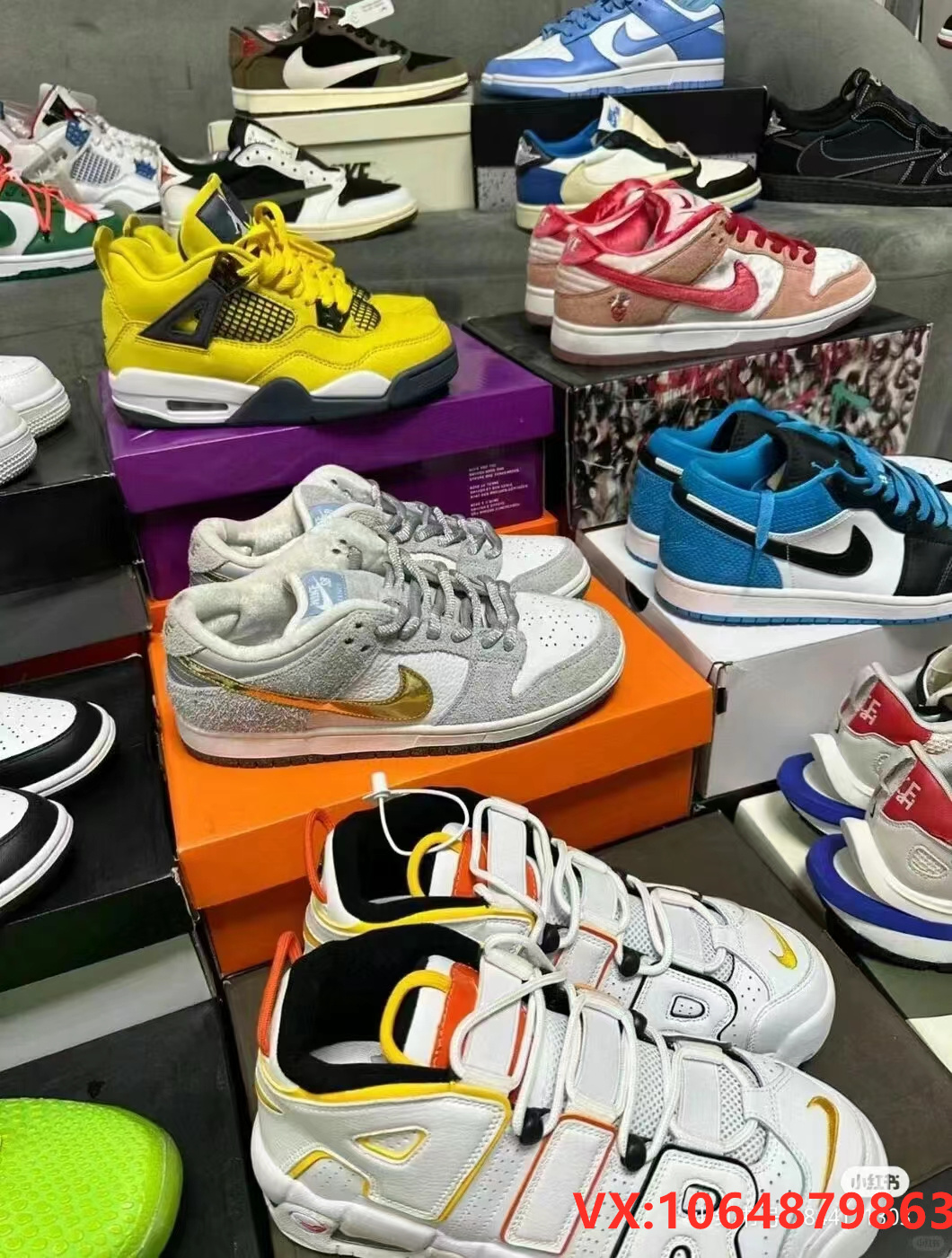
You cannot understand the origin without seeing the Anfu market with your own eyes. It's not a single building; it's a sprawling network of streets, underground malls, and office towers packed with thousands of vendors. When I walk through the corridors here, I see the pulse of the entire operation. The "Putian shoe" label is actually a brand in itself now, recognized globally by its quality tiers. We don't just make one type of shoe. You have the low-end versions sold on street corners, but the real money and reputation lie in the "top version" or "1:1" models that we produce in our private workshops behind these storefronts. If you are looking for authentic sourcing, you need to know that the design, the molds, and the raw materials all converge here before a single stitch is made.
How Foreign Buyers Find Real Suppliers Here
I meet dozens of foreign clients every month who come to Putian with a specific goal: finding reliable sources for their online stores or wholesale businesses. Most of them arrive with a misconception that they can just walk into a shop and buy branded goods at half price. That's not how it works here. The process is much more nuanced. When I guide new buyers through the market, the first thing I tell them is to forget the big flashy signs. The real deals happen in the back rooms, in the private offices, and through direct connections with the factory owners who control the production lines.
Navigating the Physical Market vs. online Scams
Many overseas buyers try to find suppliers via Google or social media before arriving, which is smart, but it's also full of traps. You will see hundreds of websites claiming to be the "official Putian shoe factory." Be careful. Many of these are middlemen or even fake agents trying to steal your deposit. The only way to truly verify a supplier is to visit the physical location. When you step into the actual workshop in Anfu, you can see the machinery, the workers cutting leather, and the glue drying stations. This transparency is what separates a legitimate partner from a scammer. I always advise my international friends to book a meeting directly at the warehouse level rather than relying on a sales rep who might not even work there.
On-the-Ground Sourcing: What to Look For
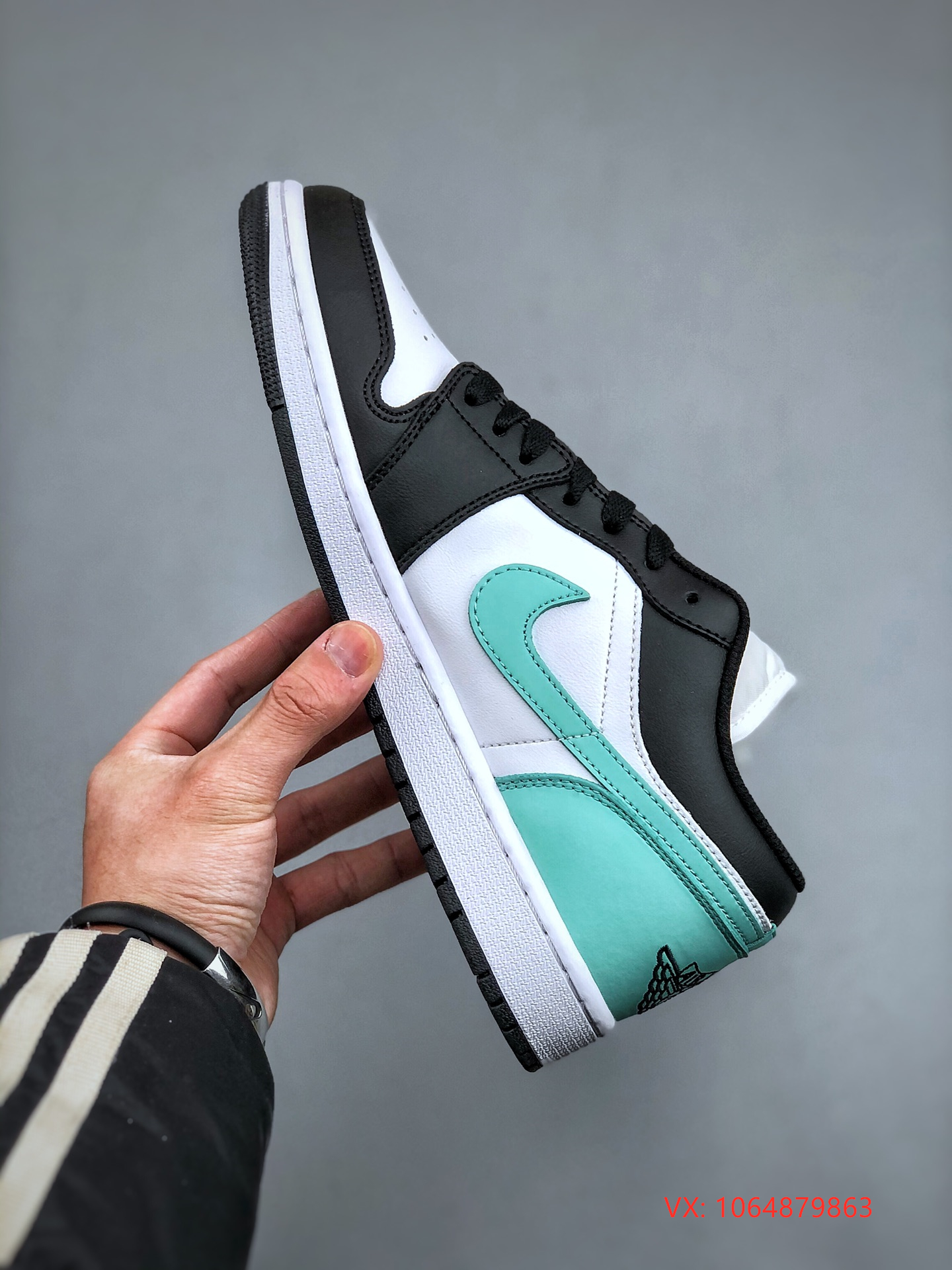
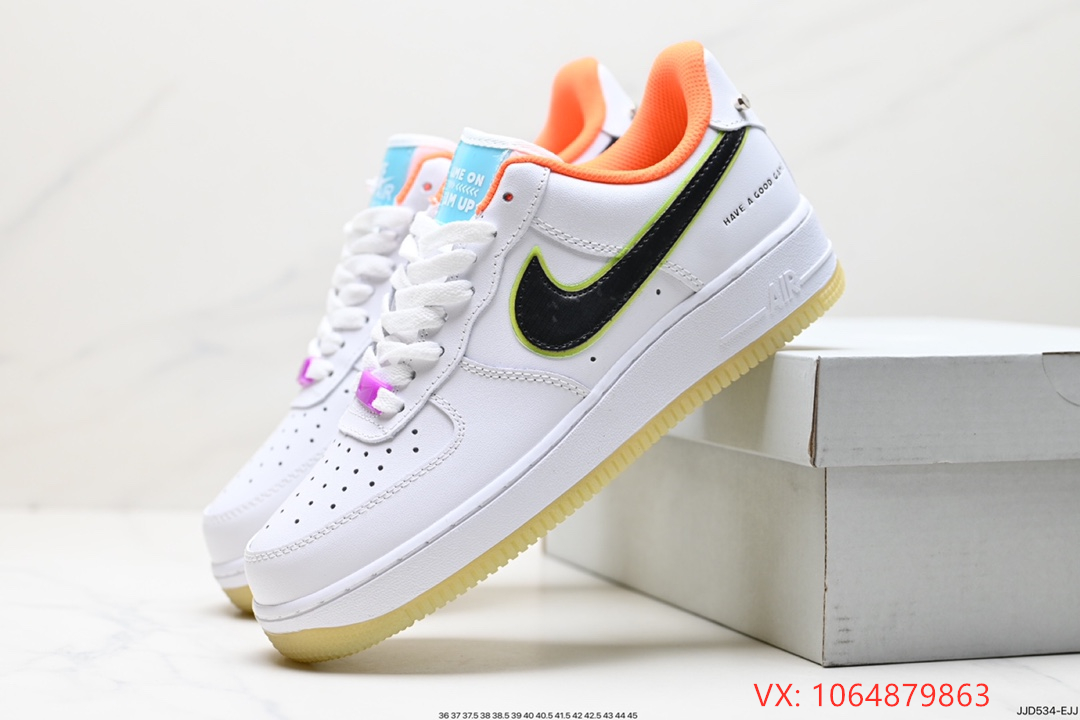
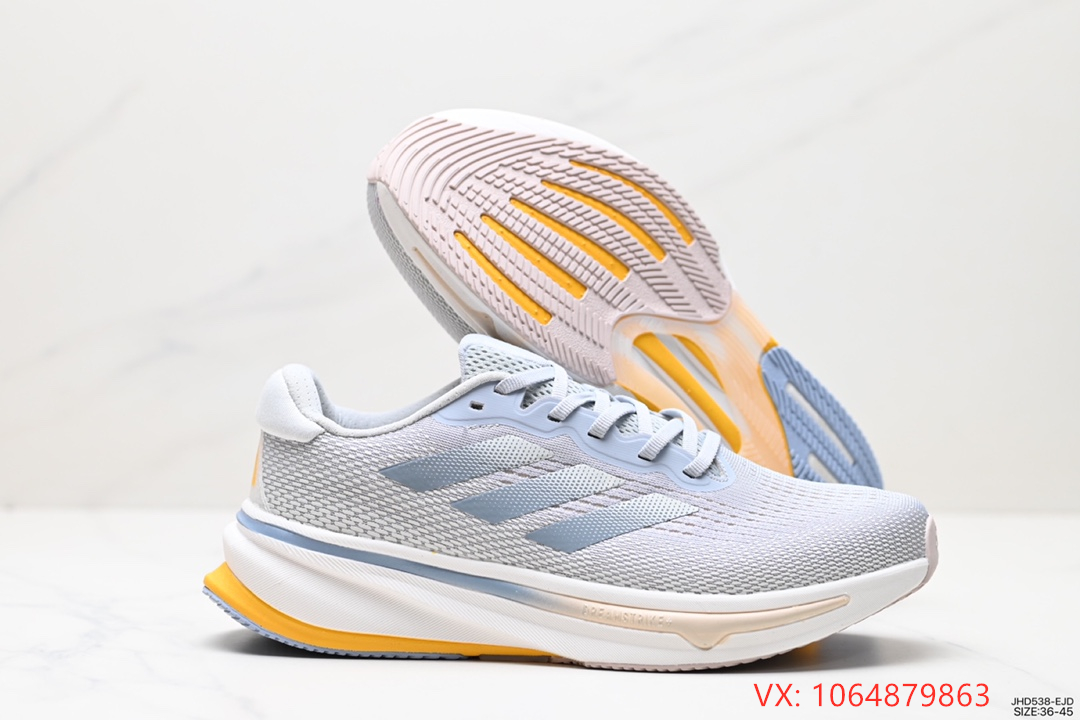
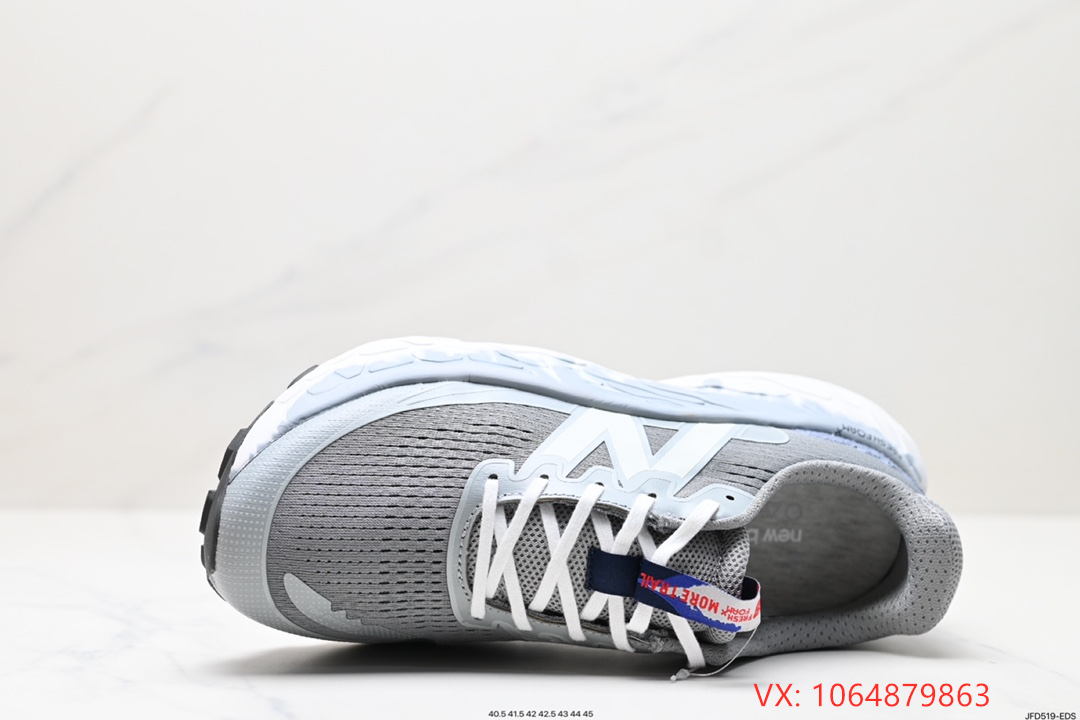
once you are here, the selection process is intense. We talk about "quality tiers" constantly. There is the market standard, the mid-range, and the top-tier versions that use the same molds as the original brands. As a local boss, I show my clients the differences between these tiers by comparing the sole material, the stitching density, and the box packaging. In the past, Putian shoes were known for poor glue smells and loose threads. Today, the technology has caught up. We use imported rubber compounds and precision molding machines that make it incredibly hard for the average consumer to distinguish a top-tier replica from the genuine article.
Selecting the Right Models for Your Niche
When you are picking inventory, don't just go for the most popular models like the Jordan 1s or Yeezys. Those markets are saturated. I recommend looking at the niche releases or the less hyped colorways that still have high demand. In the Anfu market, you can find almost any model released globally within days of its launch. However, the key is consistency. If you decide to stock a specific line, ensure your supplier can maintain that quality across thousands of units. I often tell my buyers to start with a small trial order to test the "shipping speed" and "packaging integrity" before committing to a large volume. This minimizes risk and builds trust between us.
Avoiding Pitfalls: The Buyer's Survival Guide
Let's talk about the risks. The biggest mistake foreign buyers make is focusing solely on price. Yes, Putian shoes are cheaper than retail, but if the price is too good to be true, it usually means the quality is compromised. I've seen clients lose thousands because they bought "fake" top versions that fell apart after two weeks. Another common pitfall is ignoring the logistics. Shipping from China to the US or Europe involves customs regulations that can be tricky. We handle the documentation carefully to ensure your goods clear customs smoothly, but you need to be aware of the laws in your country regarding intellectual property.
Building Long-Term Relationships Over One-Off Deals
The secret to success in Putian is relationship building. This isn't a transactional market; it's a community. When you treat your suppliers with respect, bring them coffee, and show genuine interest in their craft, they will prioritize your orders. They will give you access to the latest molds before anyone else and offer better payment terms. I remember a client from Germany who visited us three times a year. Now, he doesn't even need to negotiate prices; we just send him the new catalog, and he places his order. That is the power of being a trusted partner in the Anfu ecosystem. Don't just look for a vendor; look for a partner who understands your vision.
Conclusion: The Future of Putian Footwear
So, to answer your question again: Putian shoes belong to the heart of China's manufacturing revolution. They are a testament to the skill, speed, and adaptability of the local workforce. Whether you call them replicas, clones, or high-quality alternatives, the reality is that they are a massive part of the global footwear landscape. If you are serious about entering this market, come to Putian, walk the streets of Anfu, and talk to the people who actually make the shoes. Don't rely on internet photos or vague promises. The truth is found in the details, the smell of the glue, and the texture of the leather. That is where the real value lies, and that is where you will find the best deals for your business.