My Honest Take on Where "Putian Shoes" Are Actually Made
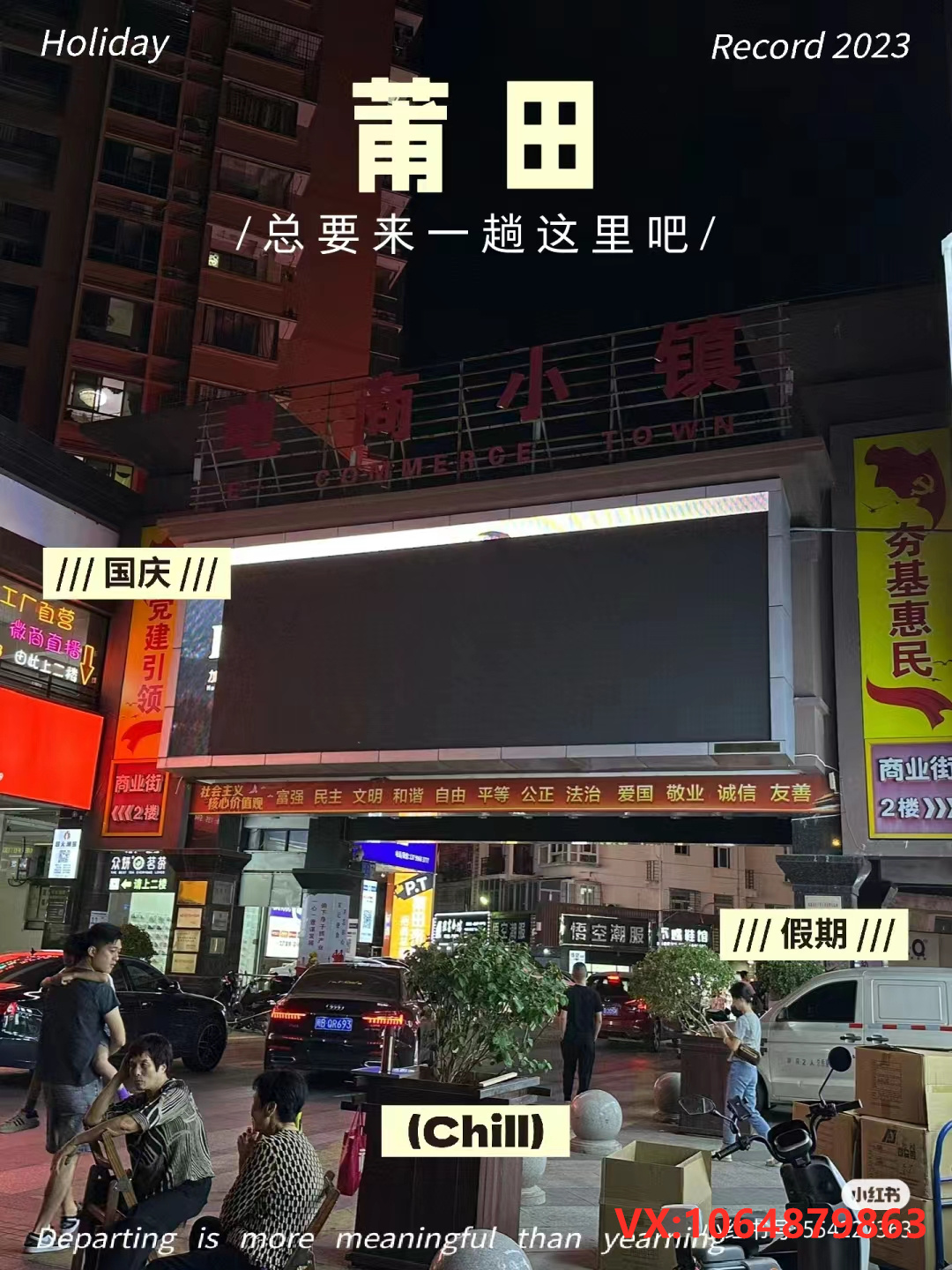
Welcome to the real story. I've been standing behind a counter in the Anfu Electronic Commerce City for over fifteen years, watching thousands of foreign buyers walk through those glass doors with maps in hand and confusion in their eyes. You keep asking me, "Where exactly are these shoes made?" or "Who is the factory that makes the Putian shoes?" Let me cut through the marketing fluff and tell you what happens behind the scenes. The truth is, there isn't just one single factory. When people talk about "Putian shoes," they aren't talking about a specific brand's production line like Nike or Adidas. They are talking about a massive, decentralized ecosystem of workshops, factories, and supply chains all clustered within this small district in Fujian province.
The Myth of the Single Factory
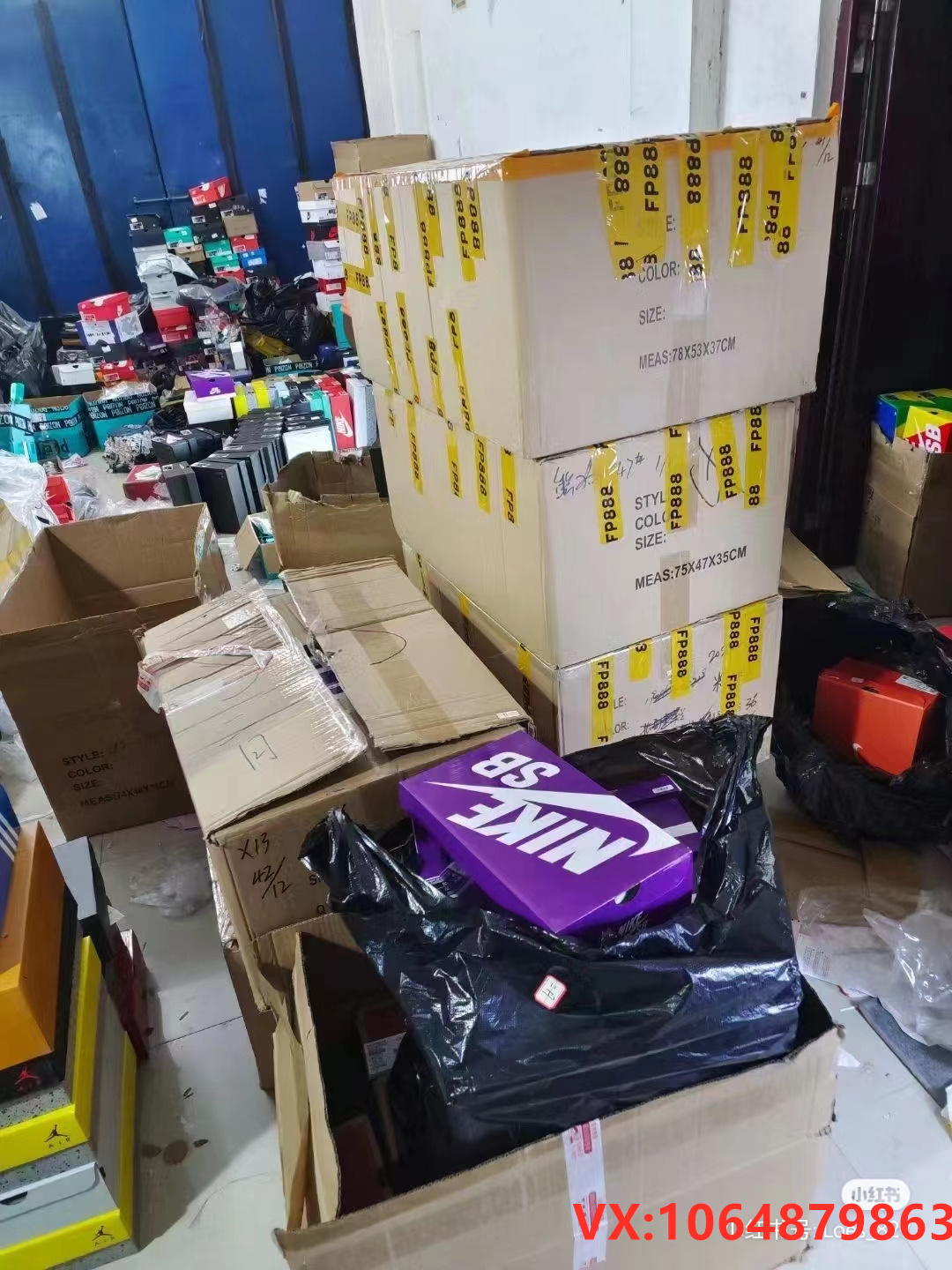
If you think there is one giant building where every single pair of high-quality replica sneakers rolls off the assembly line, you are wrong. That is how big brands operate, but not here. In Putian, we have hundreds of small-to-medium-sized workshops. Some specialize in the upper stitching, others in the sole molding, and some handle the final assembly. A shoe might start its life in a workshop in the outskirts, get its mid-sole injected at a specialized plant nearby, and finally be stitched and packaged right here in the Anfu market buildings. This fragmentation is why it is so hard for outsiders to pinpoint a single location. It is a network, not a monolith.
Navigating the Anfu Market: A Local's Guide
When I see a foreign buyer walking into the Anfu Electronic Commerce City, my first instinct is to guide them away from the flashy storefronts on the ground floor. Those shops are often just showrooms designed to catch tourists or inexperienced dropshippers. If you want to find the real source, you need to go deeper. The magic happens on the upper floors and in the back alleys connecting the main buildings. This is where the actual business gets done. The air smells of rubber glue and synthetic leather, and the noise level is deafening as workers shout orders across the room.
Why You Need to Visit in Person
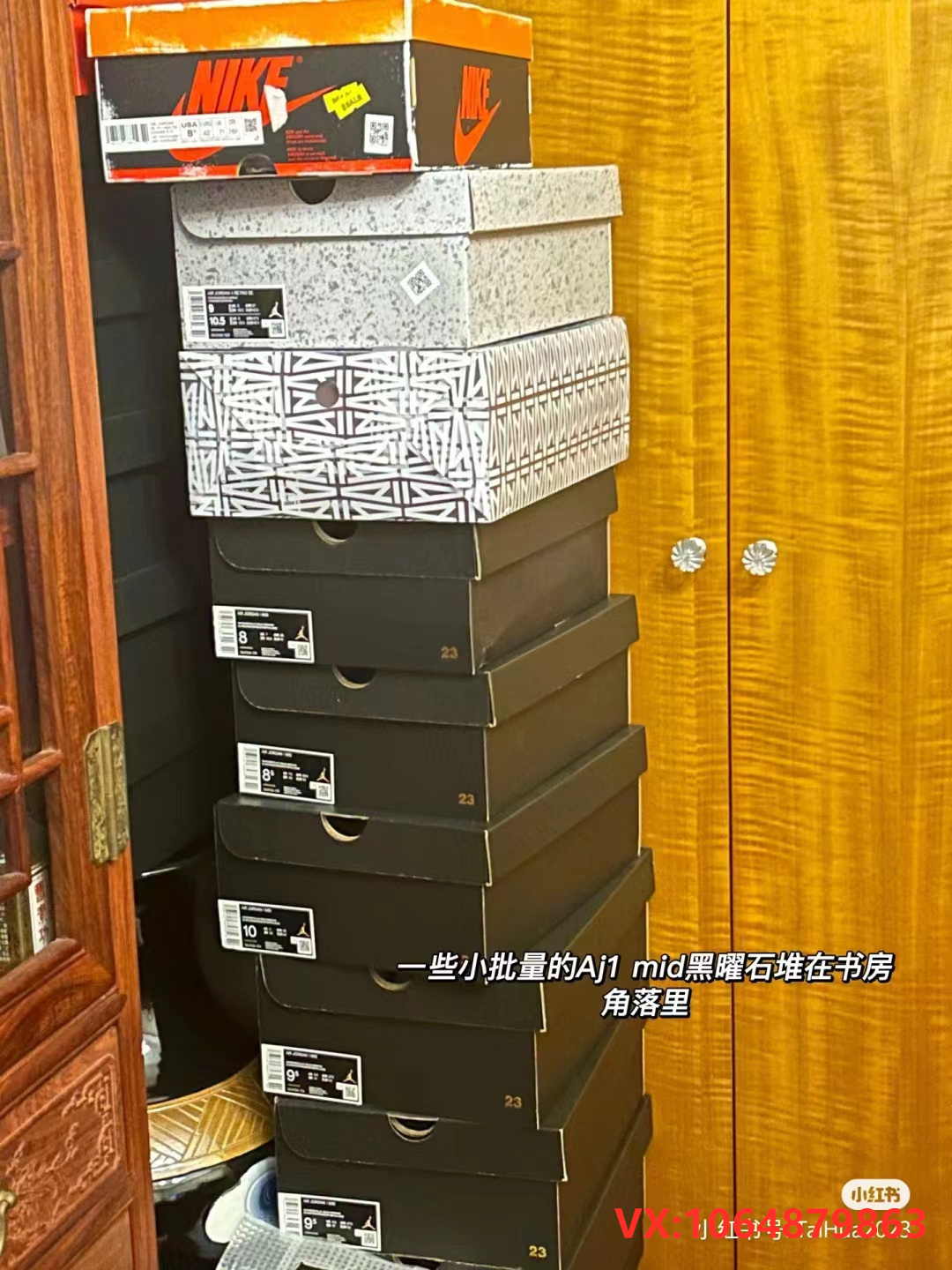
You cannot buy the best quality Putian shoes online without seeing them first. Many overseas buyers try to order via WhatsApp or WeChat based on photos alone, only to receive garbage later. Photos can be edited; screens can lie. But when you stand in front of a shoe, you can feel the texture of the Primeknit material, check the stiffness of the carbon fiber plate, and smell the difference between cheap PVC and genuine TPU. As a local boss, I always tell my international clients: come to Putian. Walk the aisles. Touch the goods. The moment you step into the warehouse area, you will see rows of boxes labeled with codes that mean nothing to you but everything to us. These are the batches ready to ship globally.
Finding the Right Supplier: Beyond the Showroom
Let's talk about how to actually find a reliable supplier. Most foreigners get stuck looking for "Putian shoe manufacturers" on Google, which leads them to scam sites or middlemen who mark up prices by 50%. The real suppliers here don't advertise on the internet much. They rely on word-of-mouth and repeat customers. To find them, you need to build relationships. Start by visiting the wholesale markets during the morning hours, usually before 10 AM. That is when the bosses are in their offices, not hiding behind the counter.
Differentiating Between Grades
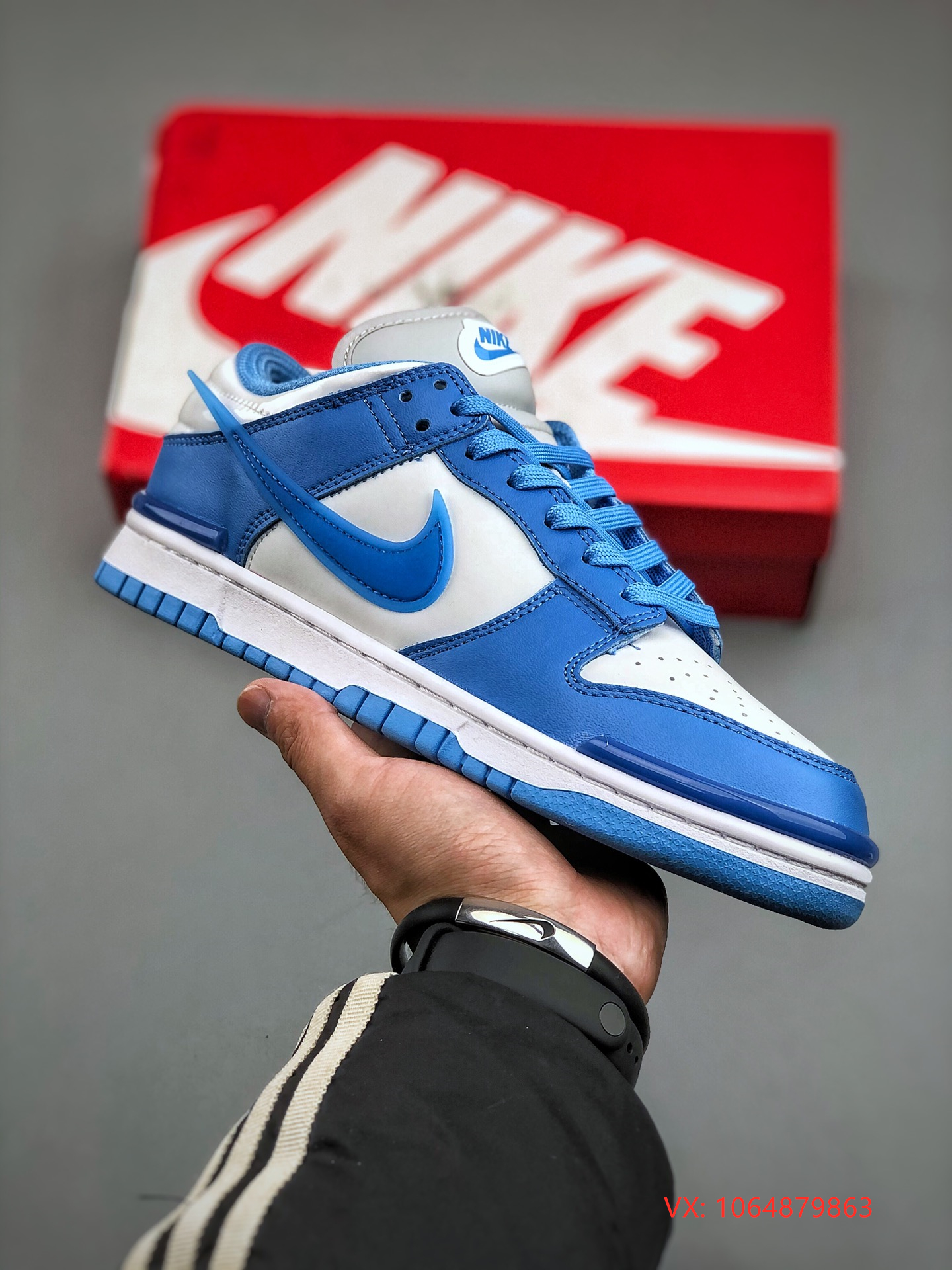
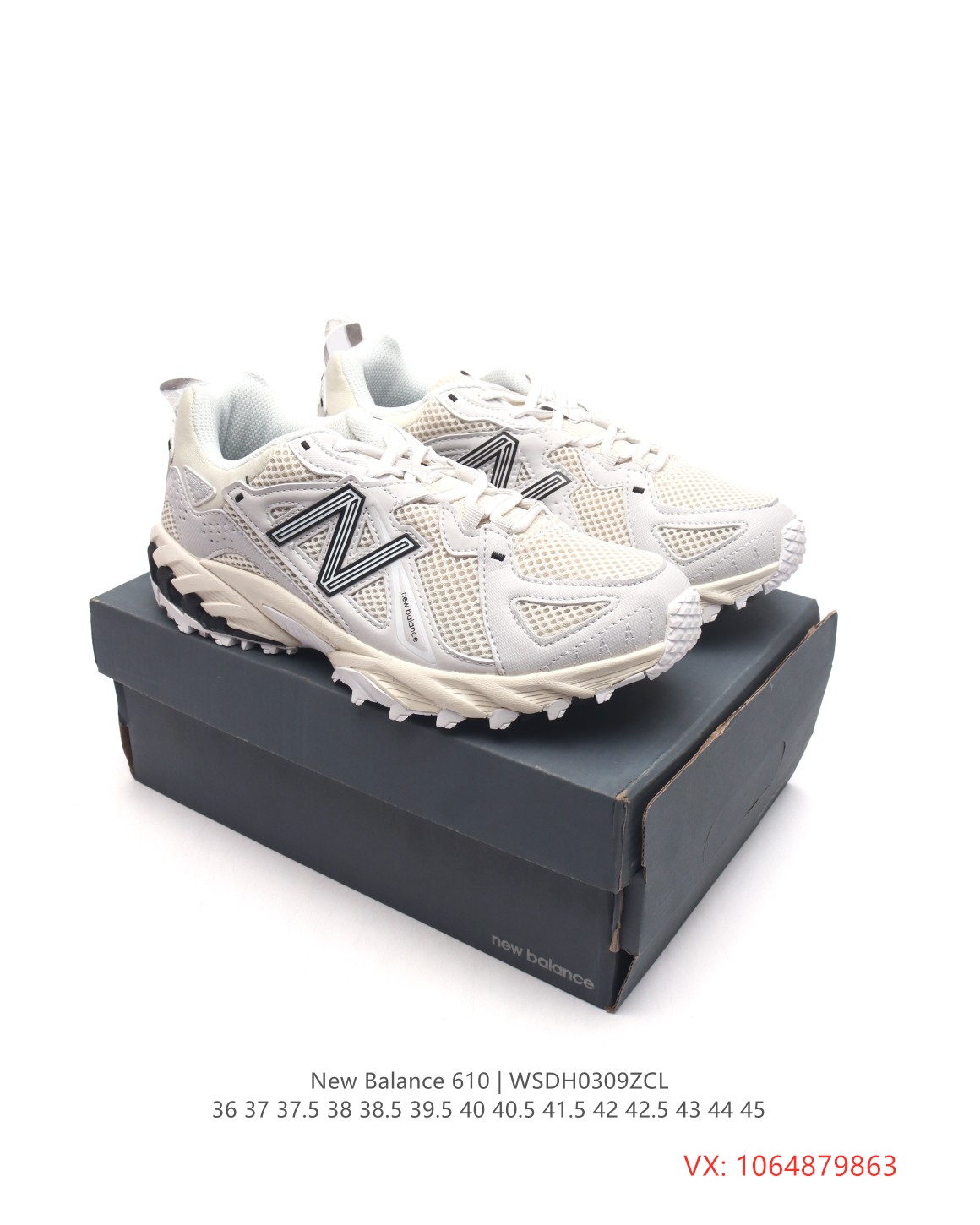
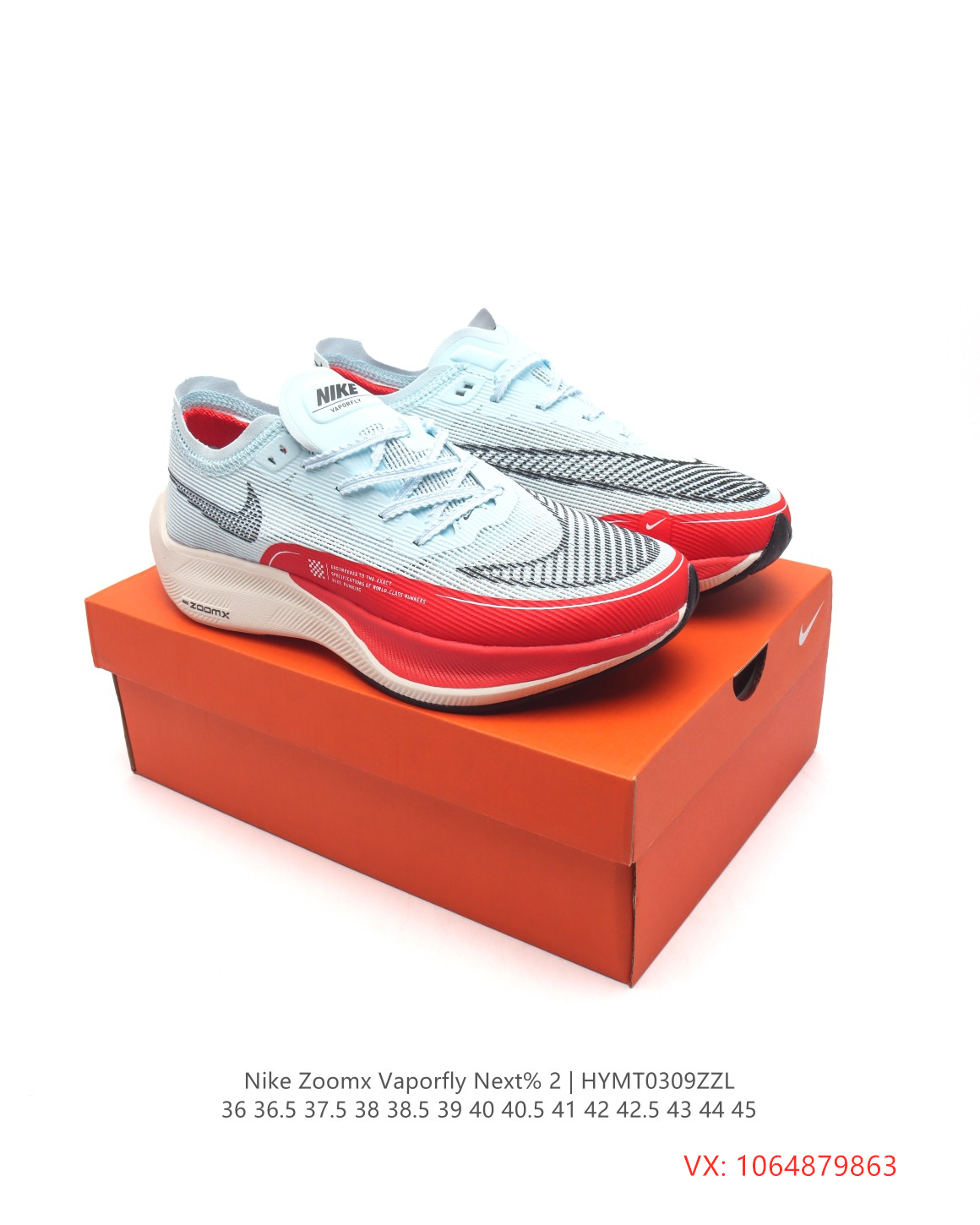
One of the biggest mistakes new buyers make is asking for "the best quality" without understanding the grading system. In Putian, we have different tiers. There is the low-end version sold for $20, the mid-range for $40, and the top-tier versions that cost $60 to $80 to produce. These top-tier versions use the same molds, the same raw materials, and sometimes even the same workers as the original brands. But if you ask for the "best" without specifying the details, you might get the mid-range stuff. You need to be specific. Ask about the "Luka version" or the "Jordan 4 OG." Tell them you know the difference between the soft foam and the hard foam. When you speak their language, they respect you and show you the real goods.
Inspection and Quality Control: Don't Get Scammed
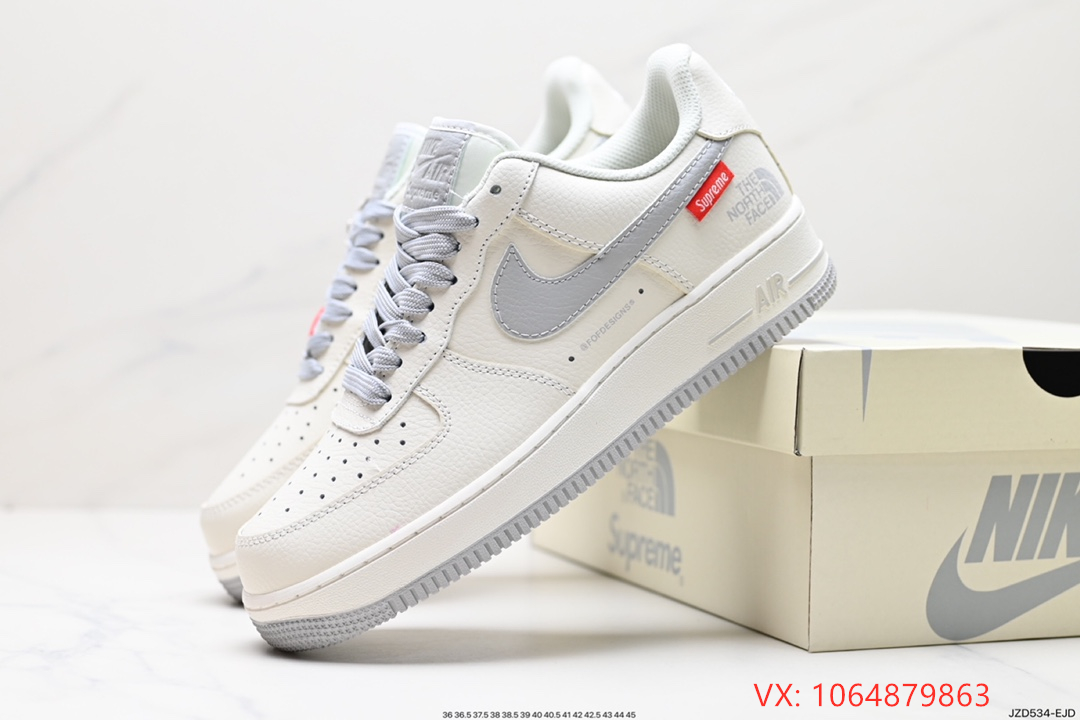
once you pick a supplier, the next step is inspection. Never pay 100% upfront unless you trust them implicitly. Even then, I recommend using a third-party agent or meeting in person to inspect the batch. Here is a trick I learned after decades: look at the box. The box should be sturdy, with the correct barcode and size labels. Then, check the inside of the shoe. Look for loose threads, uneven glue lines, or misaligned logos. In the Anfu market, we have a saying: "The devil is in the details." If the tongue logo is crooked by two millimeters, it is not the top tier. If the heel tab feels flimsy, it will break after a week of wear.
The Art of Negotiation
Negotiation is an art form here. Foreigners often try to haggle aggressively, thinking they are getting a deal. But in our culture, price is secondary to trust. If you push too hard on price, the seller knows you are a novice and might lower the quality to match your budget. Instead, focus on volume and long-term partnership. Tell them you plan to order fifty pairs this month and five hundred next month. That kind of commitment opens doors. They will give you access to the "secret" batches that aren't shown to casual walk-ins. They will let you choose the exact colorways and sizes you need. Remember, we are in business together. If you sell well, we sell more.
Shipping and Logistics: Getting Your Goods Home
After you have selected your shoes and paid, the final hurdle is shipping. Many buyers worry about customs seizures. While I cannot advise on illegal activities, I can tell you that reputable suppliers in Putian have established logistics channels. They know how to pack the shoes to avoid detection, using plain boxes and neutral labeling. They work with freight forwarders who specialize in sending goods to the US, Europe, and Southeast Asia. The process usually takes two to three weeks. Do not expect overnight delivery. If someone promises you the shoes in three days, they are lying. Real logistics take time.
Building Long-Term Relationships
Finally, remember that Putian is not a place you visit once and forget. It is a community. If you treat the shop owners with respect, learn a few Chinese phrases, and bring gifts occasionally, you will become a VIP. I have clients from New York, London, and Dubai who have been buying from me for ten years. They know exactly what to ask for, and I know exactly what they need. This relationship is the key to success. So, if you are planning your trip to China, skip the tourist traps and head straight to the Anfu Electronic Commerce City. Bring your friends, bring your camera, and most importantly, bring an open mind. The world of Putian shoes is vast, complex, and incredibly rewarding if you know how to navigate it.