Why the "Putea" Market Still Rules Global Sneaker Sourcing
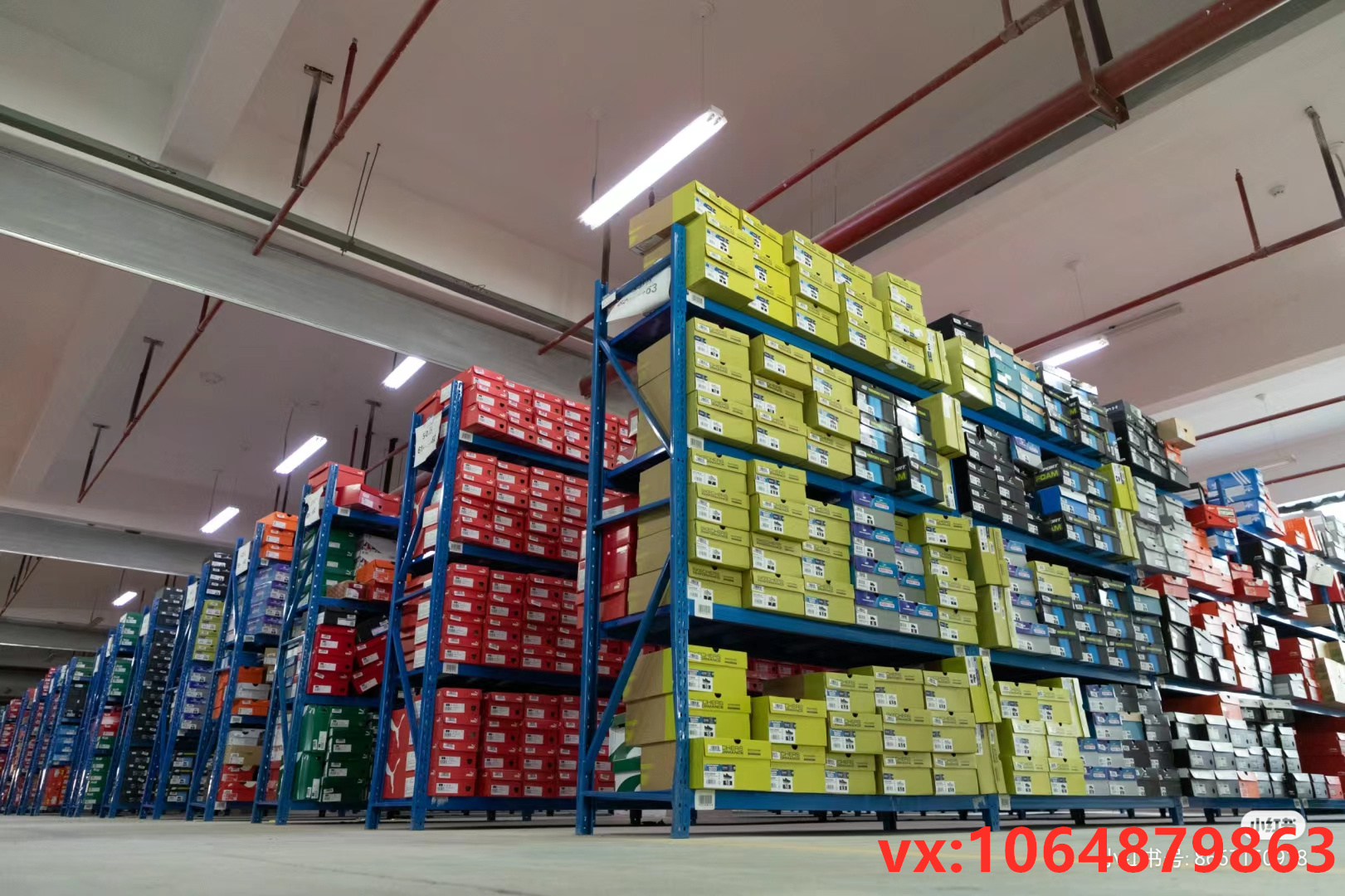
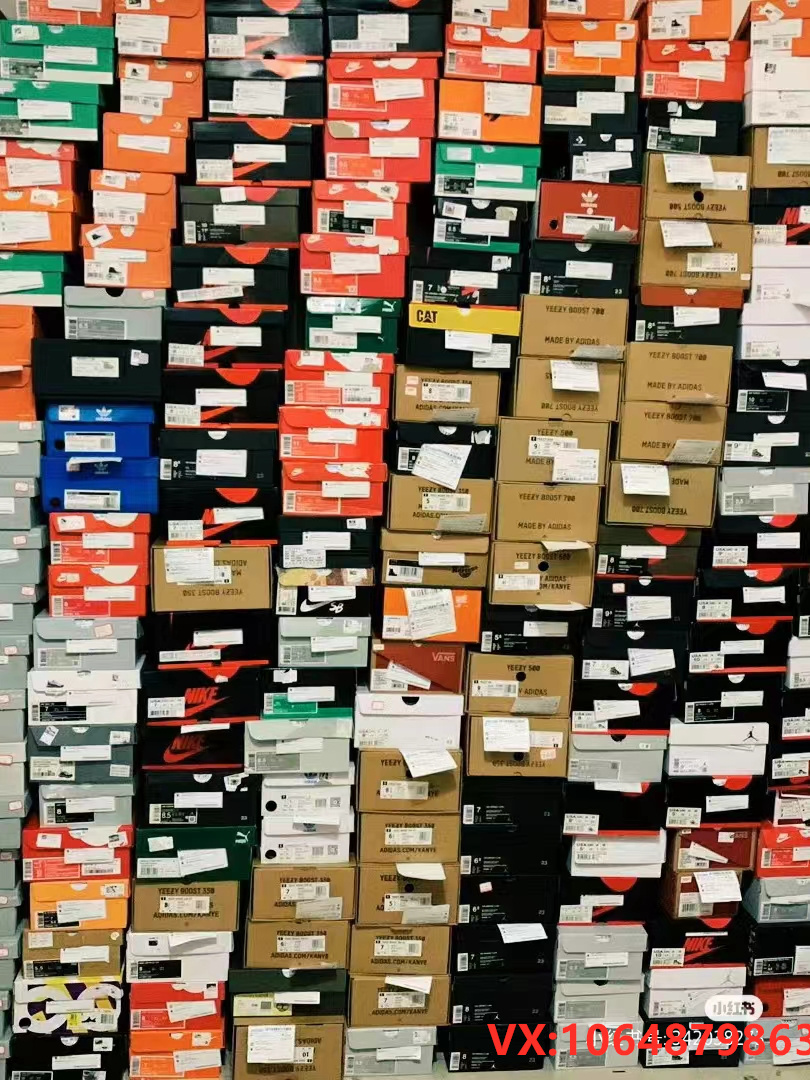
Listen, I've been standing behind the counter in Anfu Street for over fifteen years. Before the internet took over, before everyone was Googling "high quality replica shoes," my shop was just a small stall where local wholesalers came to grab stock for their regional markets. Now? The world has come to me. I see guys from New York, London, and Dubai walking through those crowded corridors every single day. They think they know what they are looking for, but most of them walk right past the real deals because they don't understand the hierarchy of the market. If you want to source sneakers that actually sell and keep your customers coming back, you need to stop looking at generic listings online and start talking to people like me who live this life.
The biggest mistake foreign buyers make is asking for specific model names immediately. They say, "I want the Jordan 1 High OG Chicago." But here in Putea, we don't just have one version of that shoe. We have the "market version," the "mid-grade," the "top tier," and then there's the "pure original" which is basically impossible to get unless you have connections deep inside the factories. When I tell you about the best models, I am talking about which ones hold up best when you pay for the top-tier craftsmanship. It's not about the logo; it's about the leather, the stitching, and the sole compound.
The Heavy Hitters: Models That Actually Move Inventory
Jordan 1s: The King of Volume and Variety
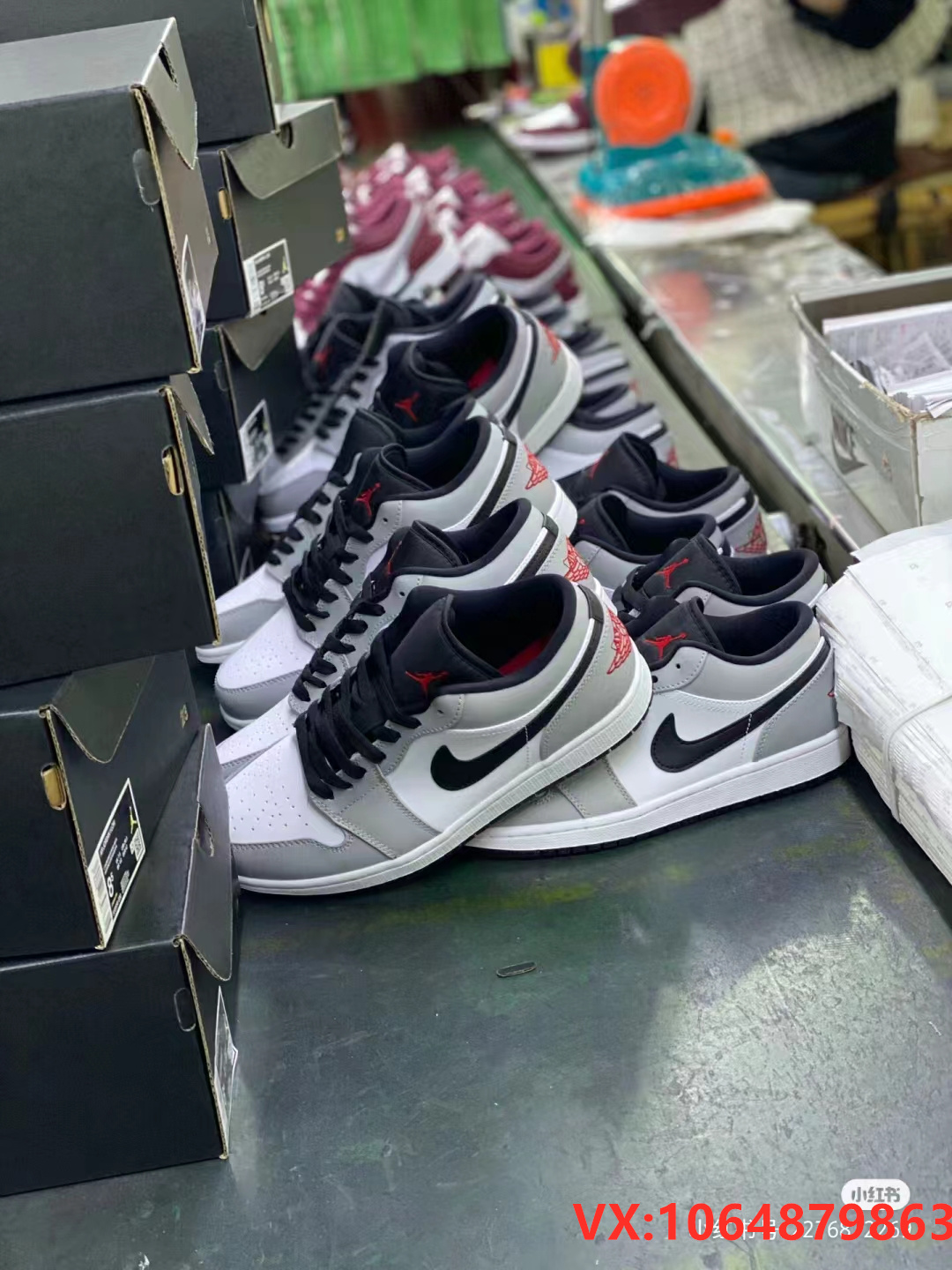
If you are new to sourcing, start with the Air Jordan 1. It is the bread and butter of our entire industry. Why? Because the demand is infinite, and the variations allow us to show off different levels of quality. For the US market, the "Chicago," "Bred," and "Royal" colorways are non-negotiable. But here is the secret: do not settle for the cheap leather on the lower tiers. In my experience, the best-selling pairs are the ones made with genuine cowhide or high-quality synthetic leather that mimics the texture of the real deal. When you inspect the shoe, look at the perforations on the toe box. On the bad versions, the holes are too big or uneven. On the good ones, they are precise. Also, check the midsole paint. A thick, clean white line separates the upper from the sole. If it looks messy or yellowish, put it back. The Jordan 1 is forgiving, but only if you pick the right grade.
Dunk Low: The Streetwear Staple
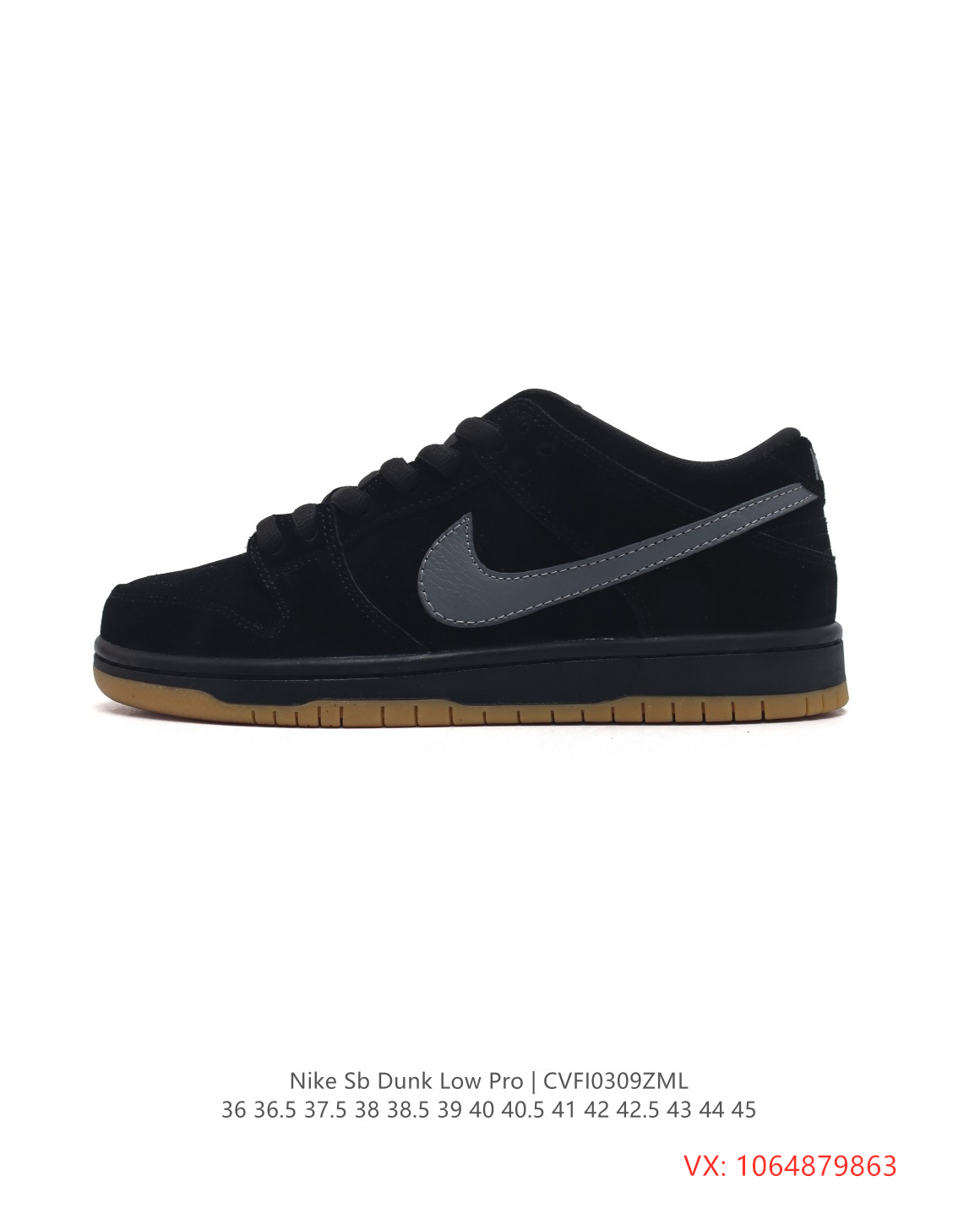
Next up, the Nike Dunk Low. This model exploded globally, and honestly, it is easier to replicate well than the Jordan 1 because the silhouette is simpler. The "Panda" (black and white) is still moving out of our warehouse faster than anything else. But for the serious resellers, I recommend focusing on the "Syracuse" or the "Kentucky" colorways. These require more attention to detail in the suede work. Many factories cut corners on the suede nap, making it look flat and plastic-like. When you are picking stock, run your hand over the suede. It should feel soft and fuzzy, not stiff. The best vendors in Anfu will show you the difference between the standard PU suede and the premium materials used in the higher-end batches. If you can find a supplier who consistently uses the right materials for Dunks, you have found a goldmine.
Air Force 1: The Classic Workhorse
You cannot talk about Putea without mentioning the Air Force 1. It is the most copied shoe in history, which means the competition is fierce. However, the best versions are the ones that nail the shape of the toe box. Cheap copies often have a toe that is too pointy or too wide. The authentic shape is rounded and robust. Also, pay close attention to the heel tab. On the low-quality versions, the tab is often crooked or the stitching is loose. The top-tier AF1s have a perfect curve and tight stitching. Since these are often worn daily by your customers, durability matters more than flashiness. If the sole peels after a month, your reputation is gone. Stick to the suppliers who use the correct rubber compound for the outsole.
Navigating Anfu: How to Spot Real Quality in Person
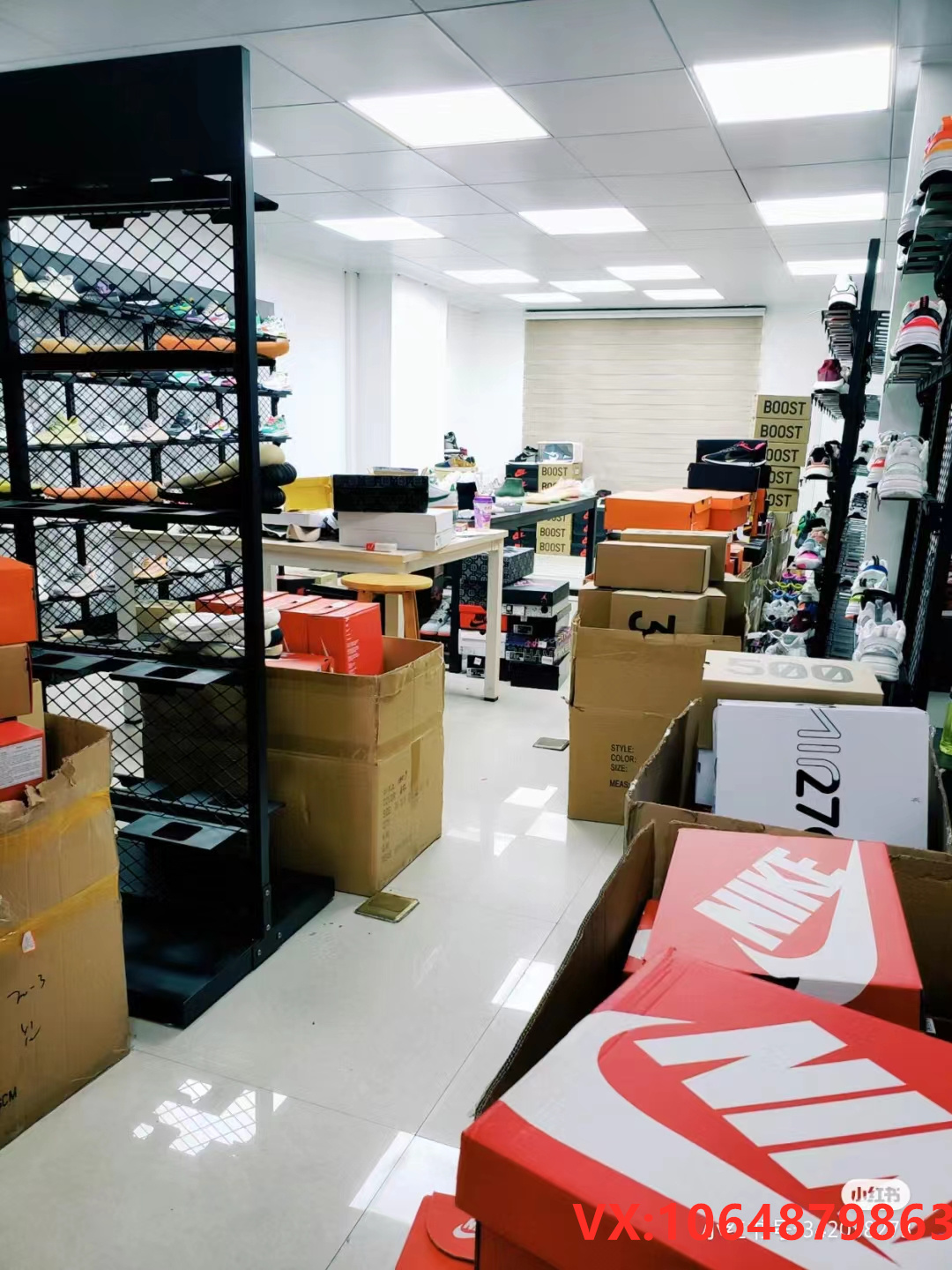
Walking into Anfu Electronic City can be overwhelming. There are hundreds of shops, and many claim to be the "best." Here is how I separate the wheat from the chaff. First, ignore the flashy storefronts that scream "wholesale." The real action happens in the smaller, quieter rooms upstairs or in the back alleys of the market. These are the places where the actual factory reps sit. When you approach a vendor, do not ask for a catalog. Ask to see the "sample room." A good boss will take you to a table filled with boxes of different grades. He will show you the same shoe in three different qualities so you can compare them side-by-side. This is the only way to truly understand what you are paying for.
When you are inspecting the shoes, bring a flashlight. Seriously. You need to look at the glue lines, the stitching density, and the texture of the materials under bright light. Don't trust the photos on WeChat. Those are often edited to hide flaws. Look at the tongue label. Is the font sharp? Is the spacing correct? Check the insole. Does it have the proper cushioning technology, or is it just a thin foam pad? And finally, smell the shoe. If it smells like strong chemical solvents, the glue quality is poor, and it might hurt your customers' lungs. Good shoes should smell like leather and rubber, not chemicals.
Building Trust and Avoiding Scams in the Supply Chain
One of the biggest fears for overseas buyers is getting scammed. They send money, and then receive a box full of trash. To avoid this, never pay via Western Union or direct bank transfer to an individual account without a contract. Always use a platform that offers buyer protection, or better yet, meet in person first. If you are buying remotely, insist on video calls where the seller shows you the specific batch of shoes you are ordering. Ask for unedited videos of the packaging process. A legitimate wholesaler in Putea knows exactly what they are selling and won't mind showing you the details.
Another critical tip is to build a relationship. Do not treat every transaction as a one-off. Find one or two reliable bosses who understand your standards. Tell them clearly what you need. "I want the top-tier Jordan 1s, no compromises on the leather." once they know you are serious and willing to pay for quality, they will prioritize your orders. They will even send you updates before shipping. In this business, trust is currency. If you find a partner who respects you, they will help you navigate the complex logistics of shipping to the US or Europe. They know how to pack the boxes so they don't get crushed, and they know how to handle customs declarations so your goods don't get stuck.
So, if you are ready to dive into the Putea market, remember that the best shoes aren't always the cheapest. They are the ones that balance cost with craftsmanship. Focus on the Jordan 1, Dunk Low, and Air Force 1, but always verify the quality yourself. Whether you are visiting Anfu Street or working with a remote agent, stay vigilant, ask the right questions, and never settle for less than what you deserve. The market is huge, and the opportunities are endless, but only for those who know how to look.