Why You Can't Find "Mazu Shoes" in Putian (And What You Should Be Looking For Instead)
Listen, I've been standing behind the counter at the Anfu Electronic City for over fifteen years. I've seen tourists come in with maps, I've seen dropshippers panic, and I've seen serious buyers walk right past me because they were asking the wrong question. If you are searching online for "where to buy Mazu shoes in Putian," let me stop you right there. You won't find a single factory or stall selling "Mazu shoes." That is a misunderstanding of what this city actually does.
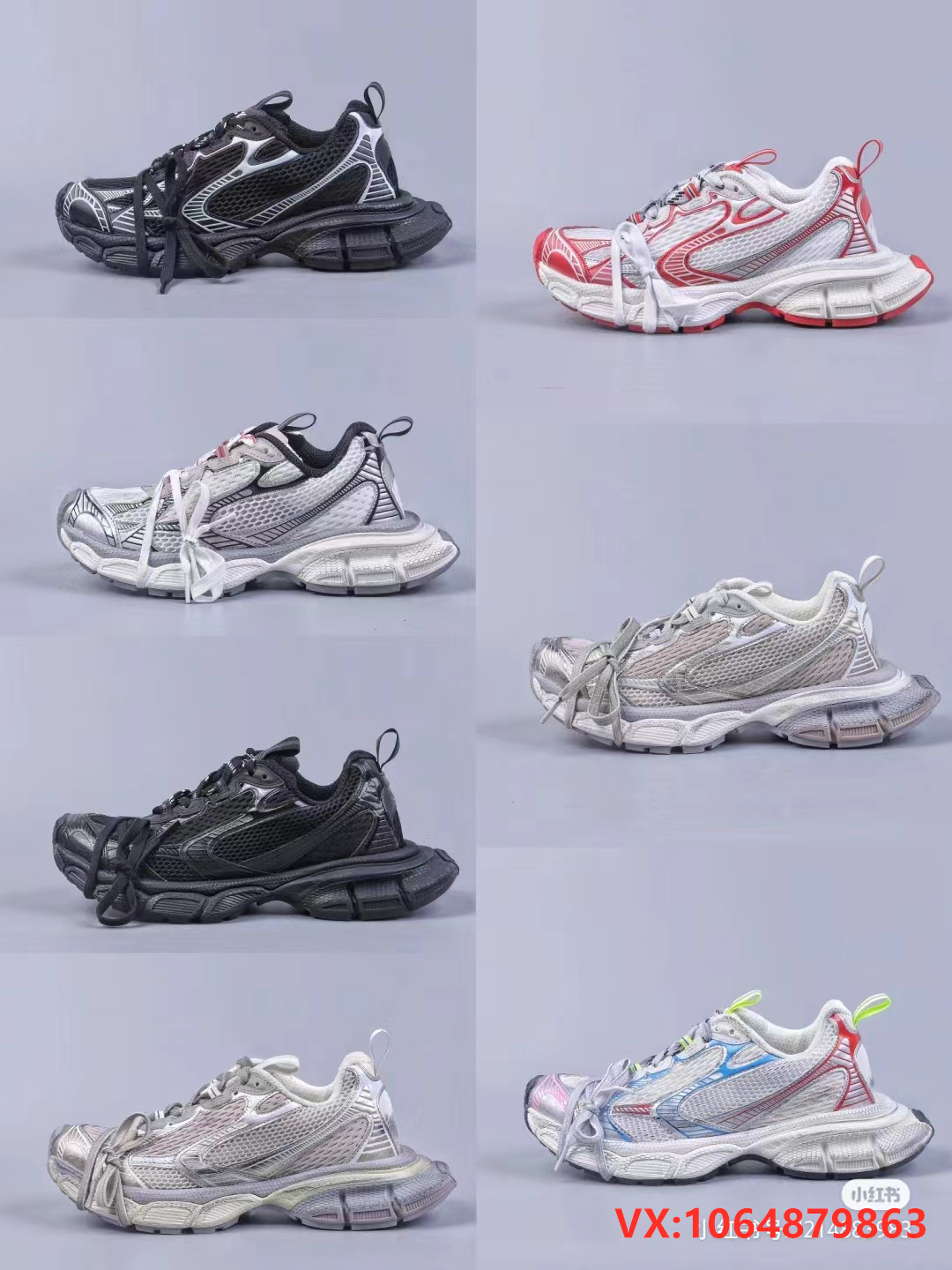
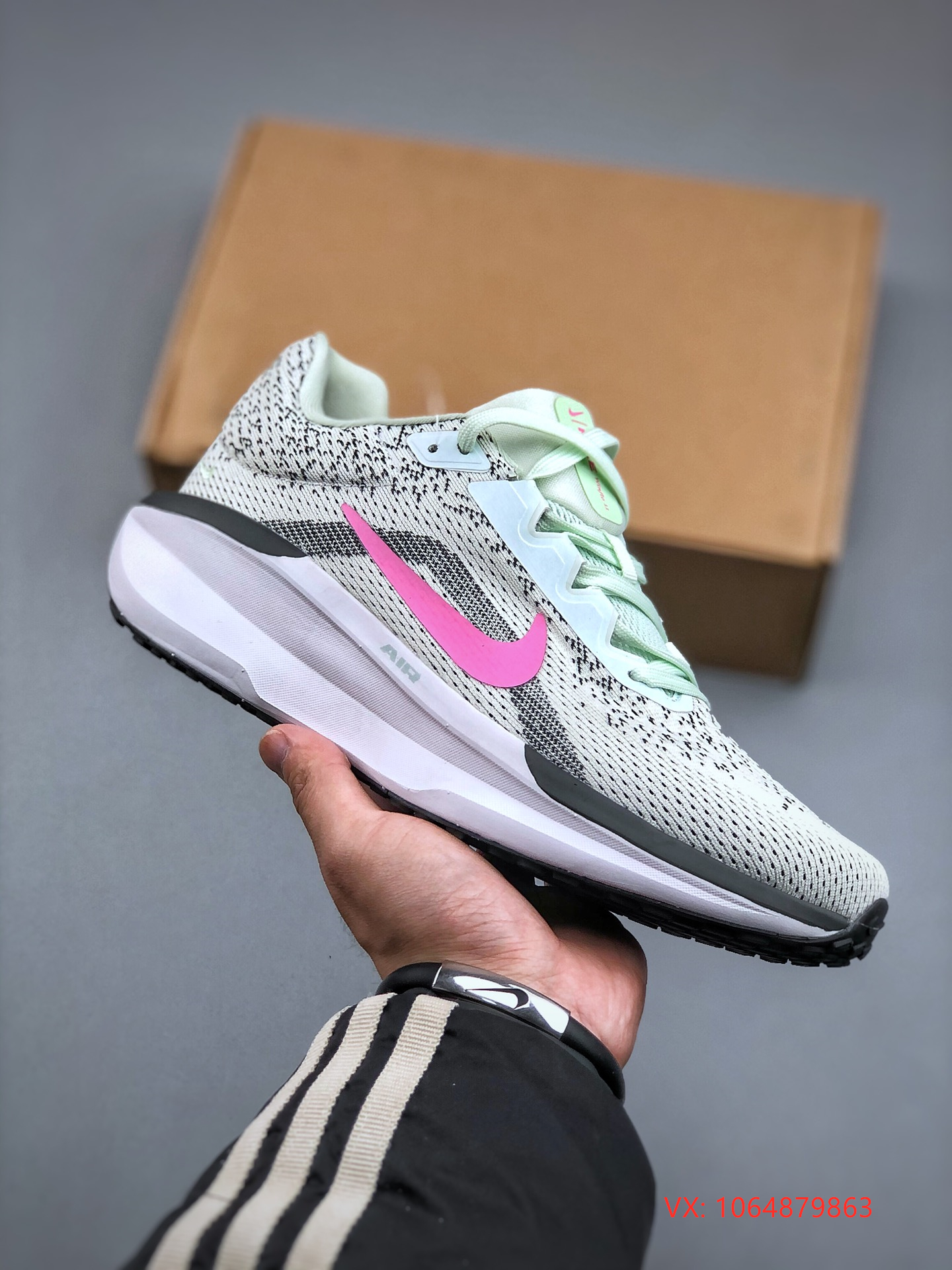
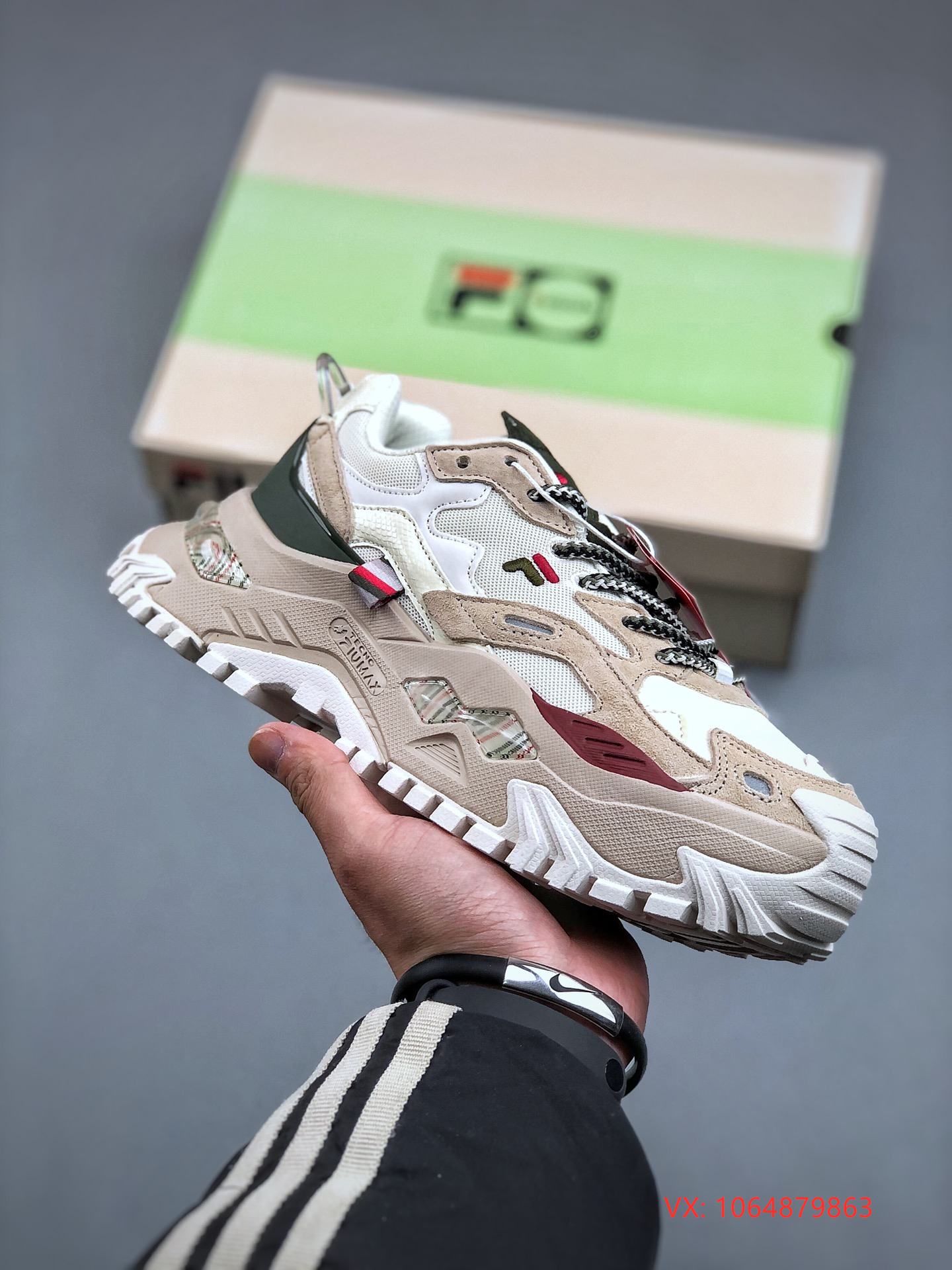
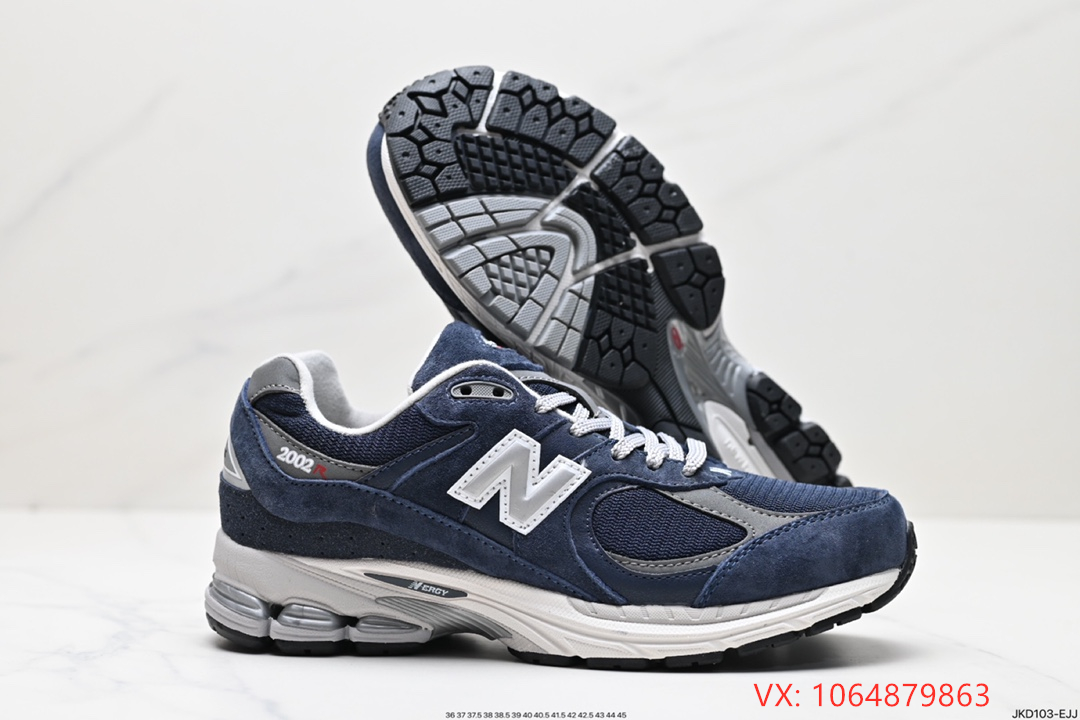
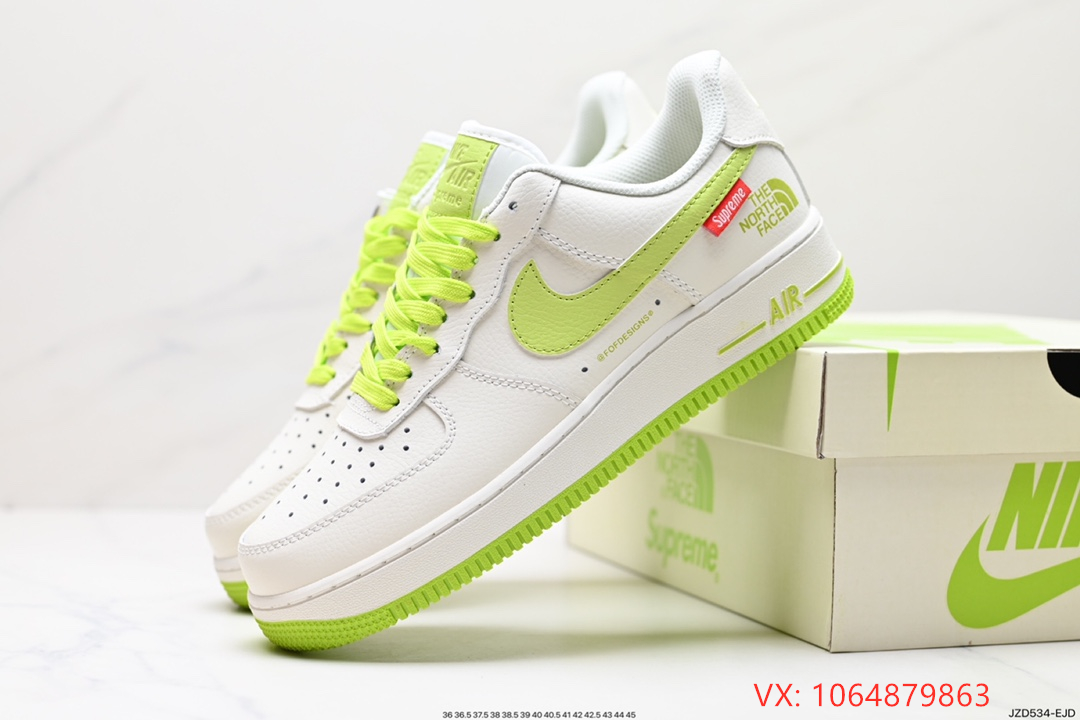
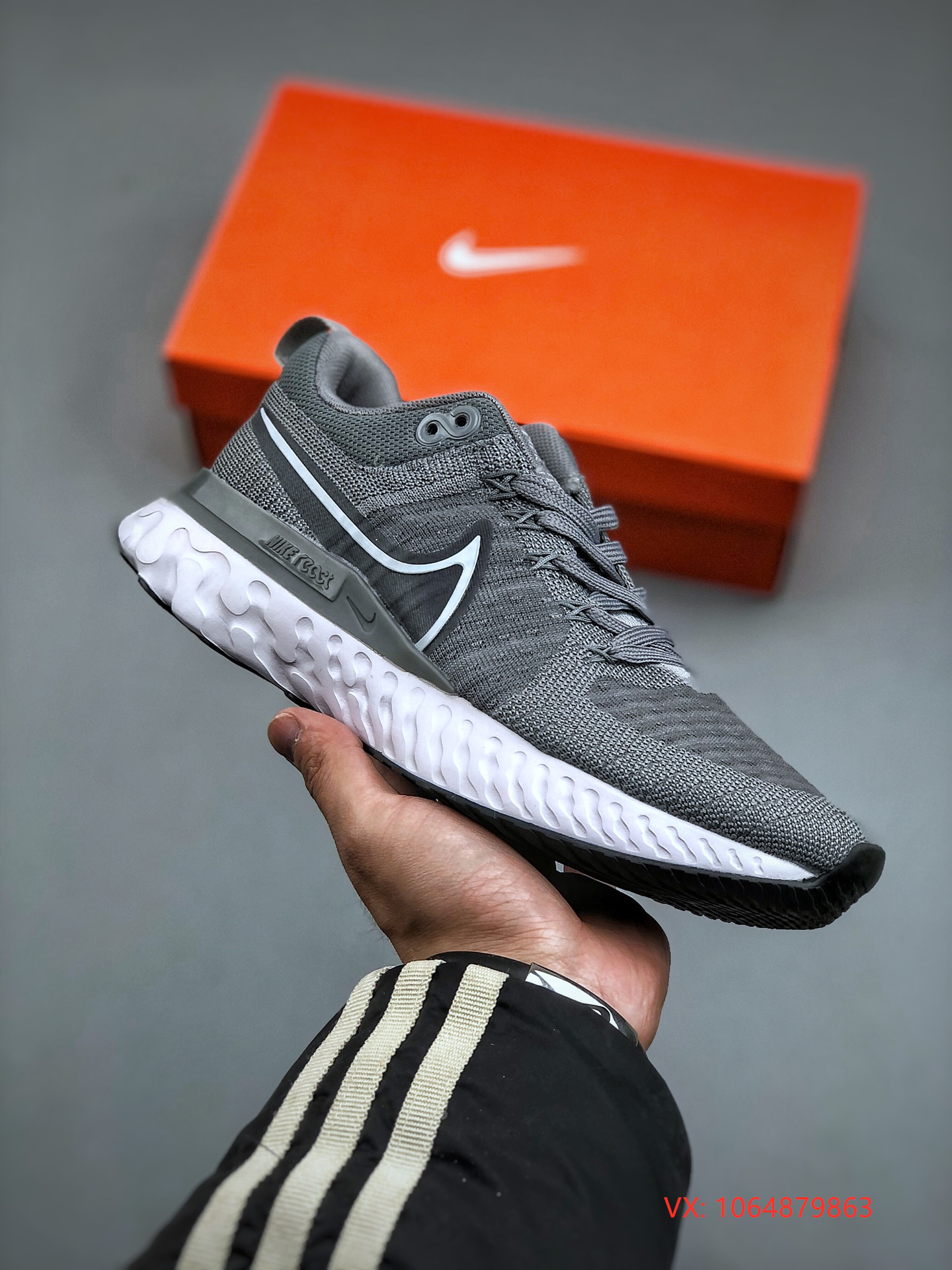
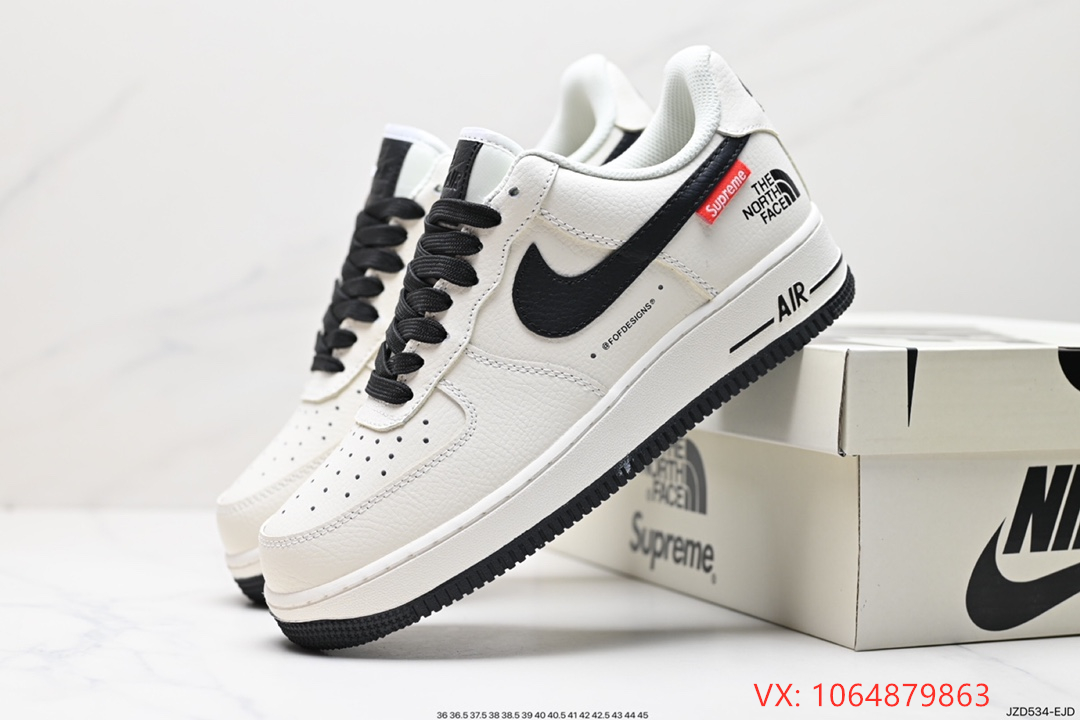
Mazu is the goddess of the sea, revered in my hometown of Meizhou, which is just next door to Putian. While we have temples dedicated to her everywhere, our economy runs on sneakers, not religious footwear. The confusion usually comes from foreigners trying to translate concepts directly or seeing misleading search results. In Putian, we don't sell "Mazu shoes"; we sell high-quality replicas of global brands like Nike, Adidas, and New Balance, often referred to locally as "high-end versions" or "top-tier copies." If you want to source these products, you need to know exactly where to go, how to talk to the bosses, and how to avoid getting ripped off by middlemen who claim to be factories.
Navigating the Anfu Market: A Local's Guide to the Real Action
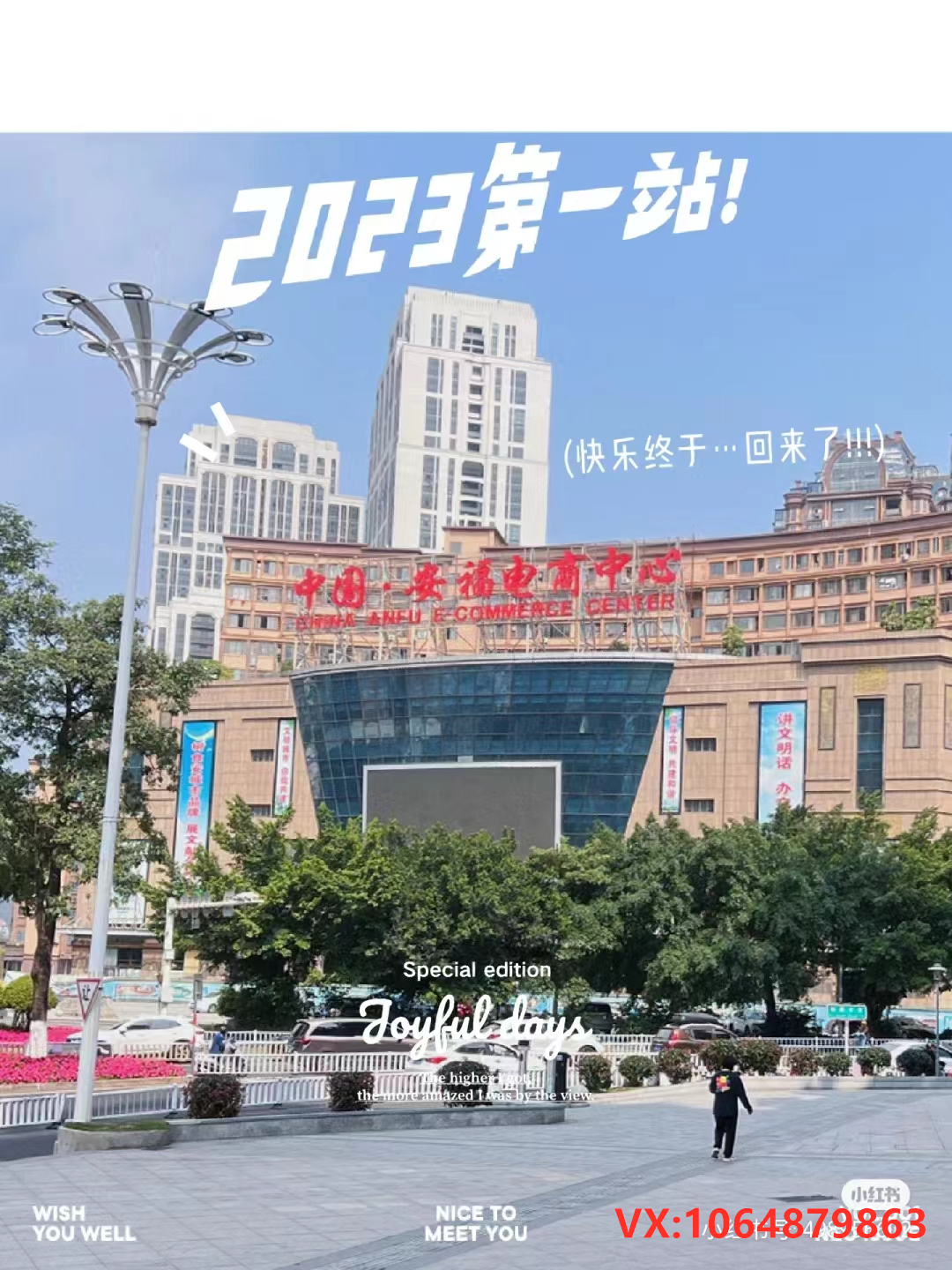
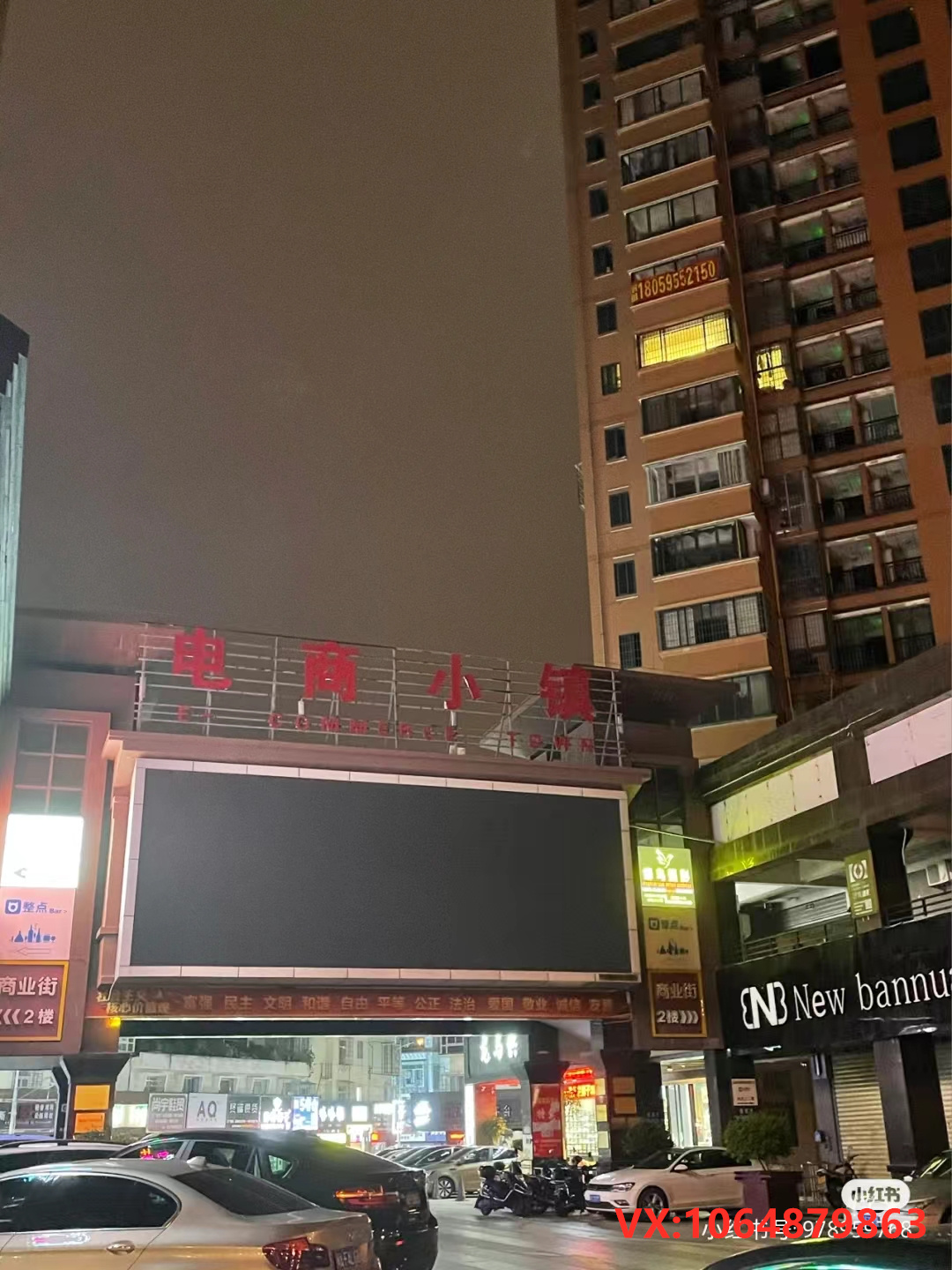
The heart of our industry is the Anfu Electronic City. It's not a quiet mall; it's a chaotic, buzzing warzone of commerce that never truly sleeps. When I tell you to come here, I mean the physical location, not just an app. This is where the real deals happen, but only if you know the layout.
The Layout Matters: Where the Quality Lives
When you walk into Anfu, don't just wander aimlessly. The market is divided into specific buildings, and each building has a reputation. Building 1 and Building 2 are mostly for lower-end goods, the kind you see on street corners. If you are looking for quality that rivals the original retail price point, you need to head straight to Building 4 and Building 5. These floors house the heavy hitters—the actual workshops that supply the top exporters.
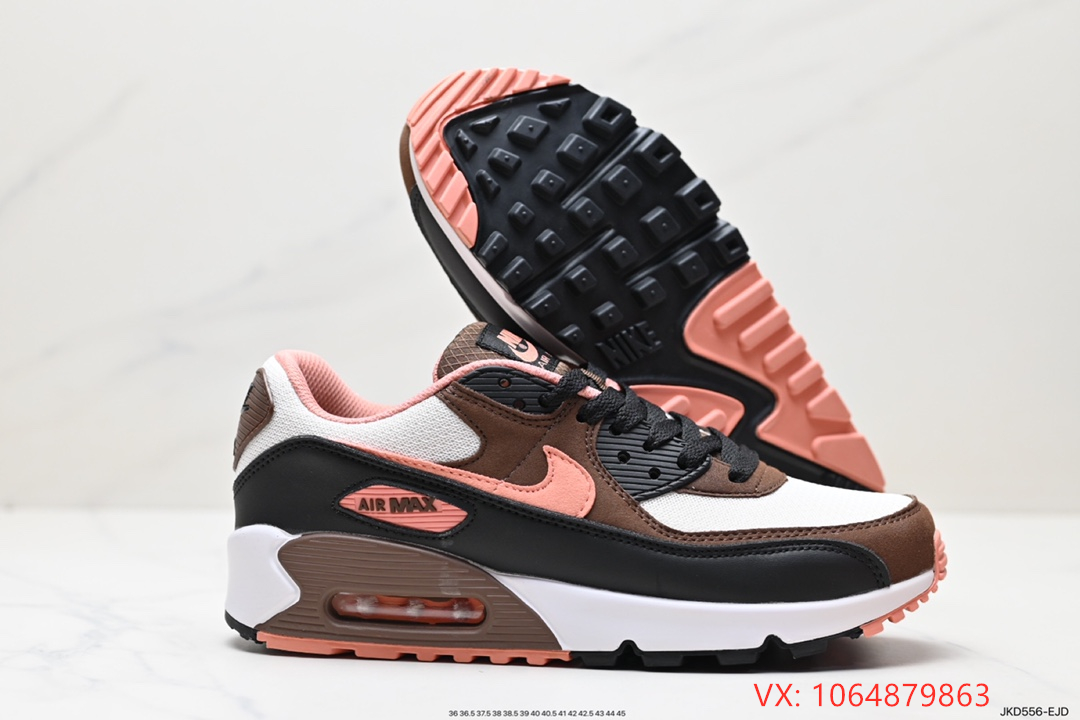
I remember a buyer from Germany last year who spent three days looking for "Mazu shoes" before finding me. He was frustrated. once I explained he needed to look for "Nike Air Max 90s" instead, we went up to the fourth floor of Building 4. There, in a small office without a sign, sat the boss of a factory that supplies major distributors in Europe. He showed me a pair of shoes that cost him $18 to make but retailed for $160. That is the reality of Putian sourcing. You aren't buying a cultural artifact; you are buying manufacturing capability.
Reading the Room: How to Spot a Real Factory vs. a Middleman
This is the most critical skill you can learn. In Anfu, everyone claims to be a factory owner. They will tell you, "I am the boss, no middleman fee." But half of them are just resellers renting a desk. Here is my secret trick: Ask about the mold. A real factory owner knows the specific mold number for every shoe model they produce. If you ask, "What is the mold ID for this Jordan 1 High?" and they hesitate or say, "We just get them from upstairs," run away. They are a middleman.
Also, look at the inventory. A true factory has boxes stacked high, often labeled with internal codes, not just brand logos. They have workers in the back cutting leather and stitching soles. If the person talking to you is sitting in a clean, air-conditioned room with no production noise nearby, they are likely a trader. I once caught a "factory owner" trying to sell me fake stock; when I asked to see the glue drying area, he panicked. Trust your gut, but verify with questions.
The Sourcing Process: From Sample to Shipment
once you find the right stall, the negotiation begins. This isn't like buying groceries. We deal in volume, and the price depends entirely on your order quantity. Let's break down the actual process I use with international clients.
Sample First, Always
Never place a bulk order without seeing a sample first. Even if you think you know the product, the quality varies wildly between batches. In my shop, we charge a sample fee, usually around $30 to $50 per pair, depending on the complexity. But here is the deal: if you place an order of 50 pairs or more, I refund that sample fee immediately. This is standard practice in Anfu. It filters out the tire-kickers and shows you are serious.
When you inspect the sample, check the stitching density, the smell of the glue, and the flexibility of the sole. I had a client from the US who ordered 200 pairs based on photos alone. When they arrived, the rubber soles were too hard and cracked after two weeks. He lost thousands. If you visit us, bring a ruler and a flashlight. Check the box labels against the shoe size. These details separate the pros from the amateurs.
Negotiating Prices and MOQs
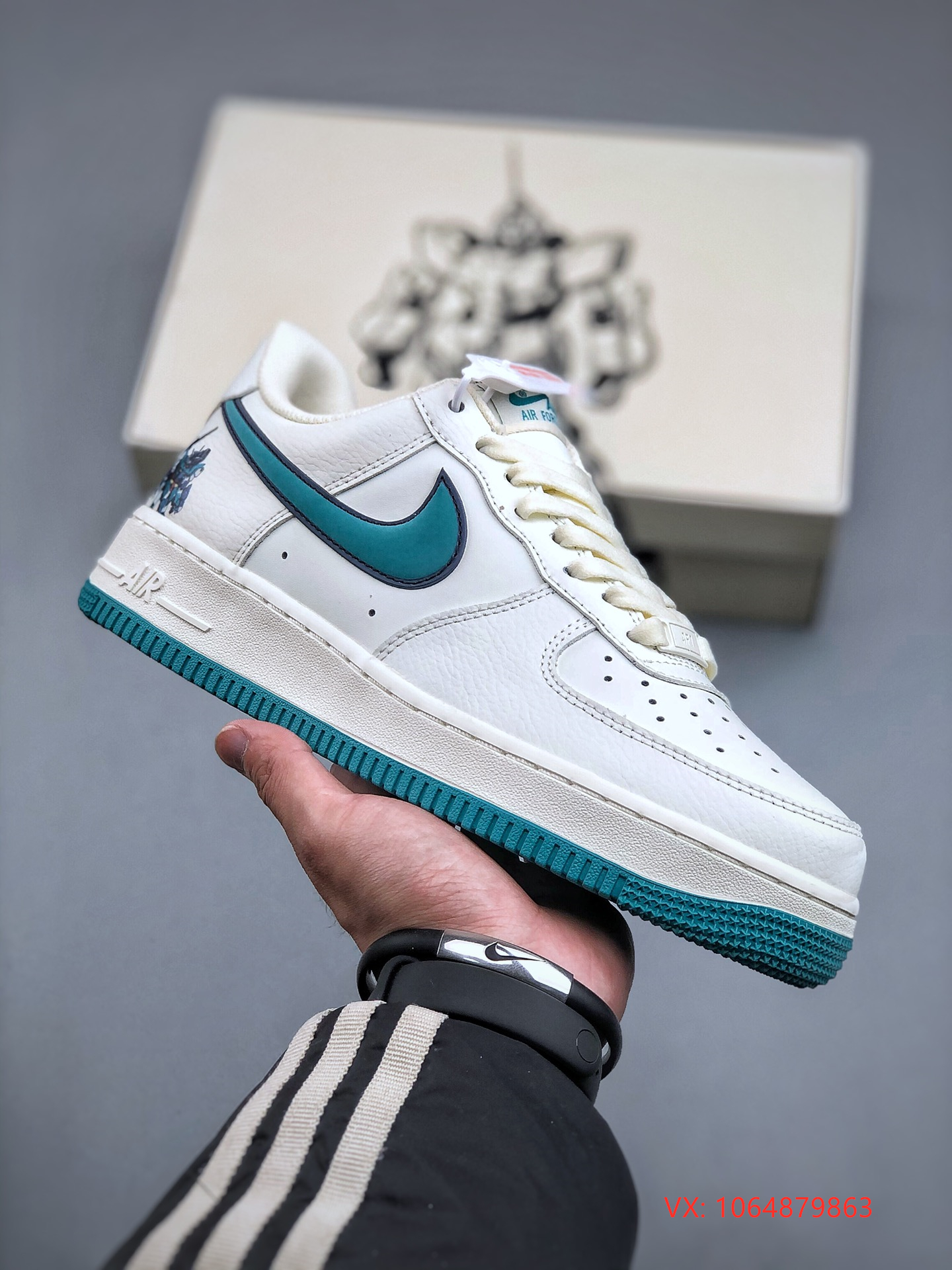
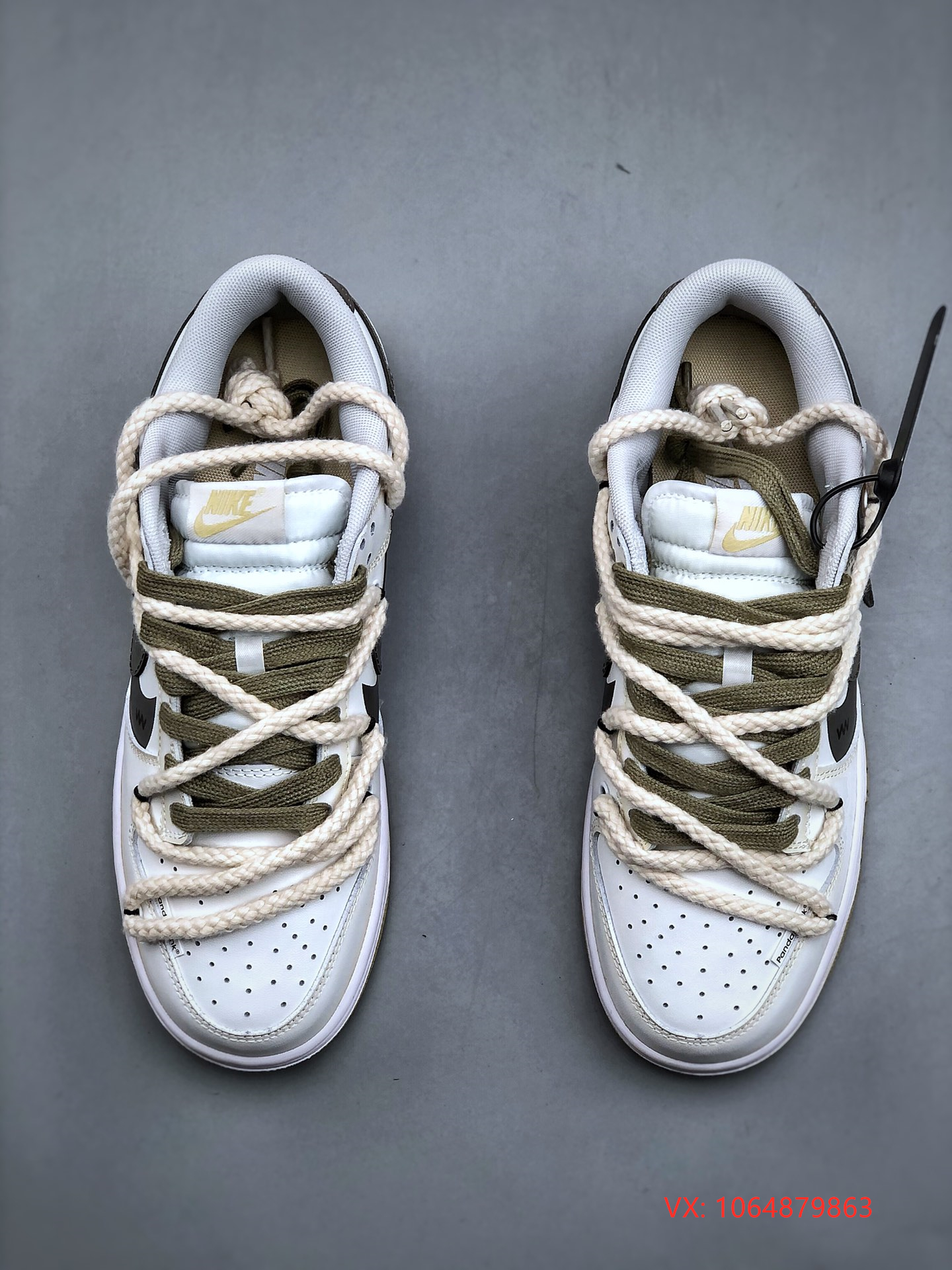
Let's talk numbers. For a standard Nike Dunk Low, the wholesale price in Anfu ranges from $15 to $25 depending on the material grade. The "low version" might be $12, but the "top version" using premium leather and proper molding is closer to $22. If someone offers you a pair for $8, it is a scam. The materials alone cost more than that.
The Minimum Order Quantity (MOQ) is another hurdle. Most stalls require 50 pairs per style to get the best price. However, if you are willing to mix styles—say, 20 pairs of Dunks, 20 pairs of Jordans, and 10 pairs of Yeezys—you can sometimes negotiate a lower total MOQ of 30-40 pairs. I always advise my foreign friends to build a portfolio of styles rather than going all-in on one SKU. It reduces risk and keeps cash flow moving.
Avoiding Pitfalls: Lessons Learned the Hard Way
I've seen too many buyers lose money because they didn't understand the local culture or the logistics. Here are the biggest traps I've seen in the last decade.
The "Direct Shipping" Trap
Many sellers promise to ship directly from their warehouse to your country. Sounds convenient, right? Wrong. Often, they send the shoes from a third-party forwarder who doesn't care about quality control. By the time the package reaches you, the box might be crushed, or worse, the contents swapped. I always recommend using a freight forwarder you trust, or having the goods sent to a consolidation warehouse in Xiamen or Shenzhen first. This way, you can inspect the goods before they leave China.
Payment Security
Do not send money via Western Union or direct bank transfer without a contract. Use platforms like Alibaba Trade Assurance or PayPal Goods & Services. In Anfu, cash is king, but for international buyers, digital security is non-negotiable. I have a written agreement template that covers shipping timelines, quality standards, and refund policies. If a seller refuses to put anything in writing, do not do business with them.
Summary of Key Sourcing Data
| Item Category | Estimated Wholesale Price (USD) | Minimum Order Quantity (MOQ) | Recommended Location in Anfu |
|---|---|---|---|
| Low-End Replicas | $8 - $12 | 100+ pairs | Building 1 & 2 (Ground Floor) |
| Mid-Range Versions | $13 - $18 | 50 pairs | Building 3 & 4 (Upper Floors) |
| Top-Tier / "God Version" | $19 - $28 | 30-50 pairs | Building 4 & 5 (Private Offices) |
| Custom Orders | $25+ | Negotiable | Specialized Workshops (By Appointment) |
Final Thoughts: Your Next Step
If you are still looking for "Mazu shoes," you are looking in the wrong place. But if you want to source high-quality sneakers from the capital of Chinese footwear manufacturing, Putian is the place to be. The Anfu Electronic City is a treasure trove waiting for those who know how to dig. Come with an open mind, bring a checklist, and be ready to negotiate. The prices here are unbeatable, but the quality requires your own eyes to verify.
Don't rely on Google Maps alone. Call ahead, schedule a meeting, and come to the streets. I'll be waiting at my stall in Building 4, ready to show you what real sourcing looks like. The market is loud, the energy is electric, and the deals are real. Just remember: in Putian, knowledge is the only currency that matters.