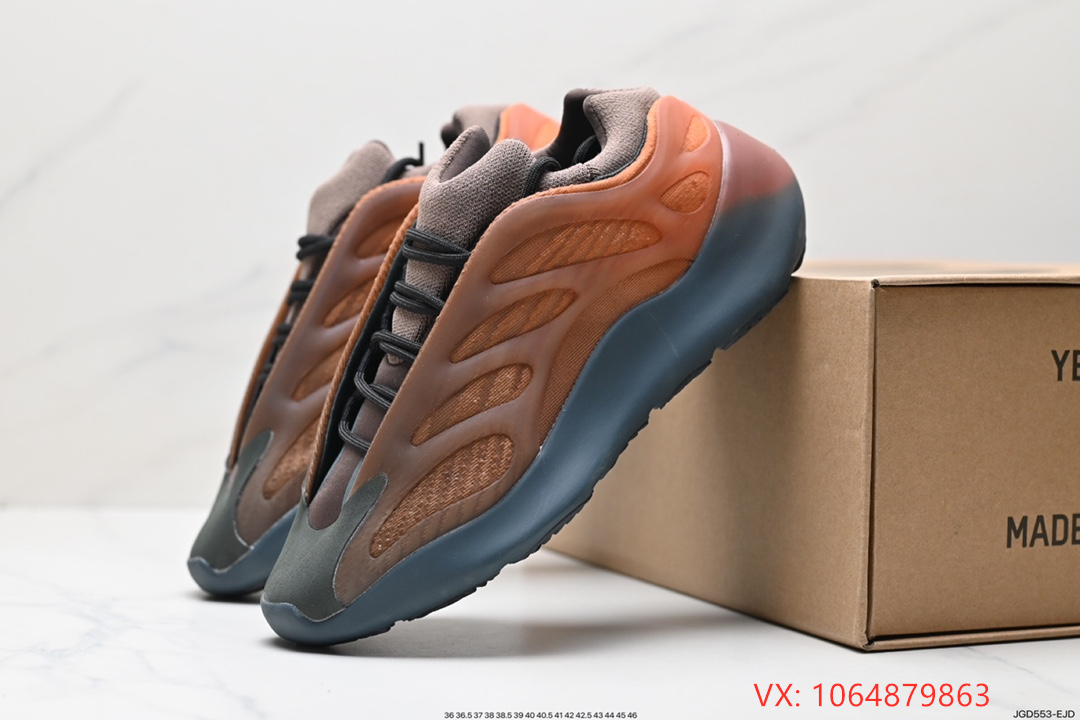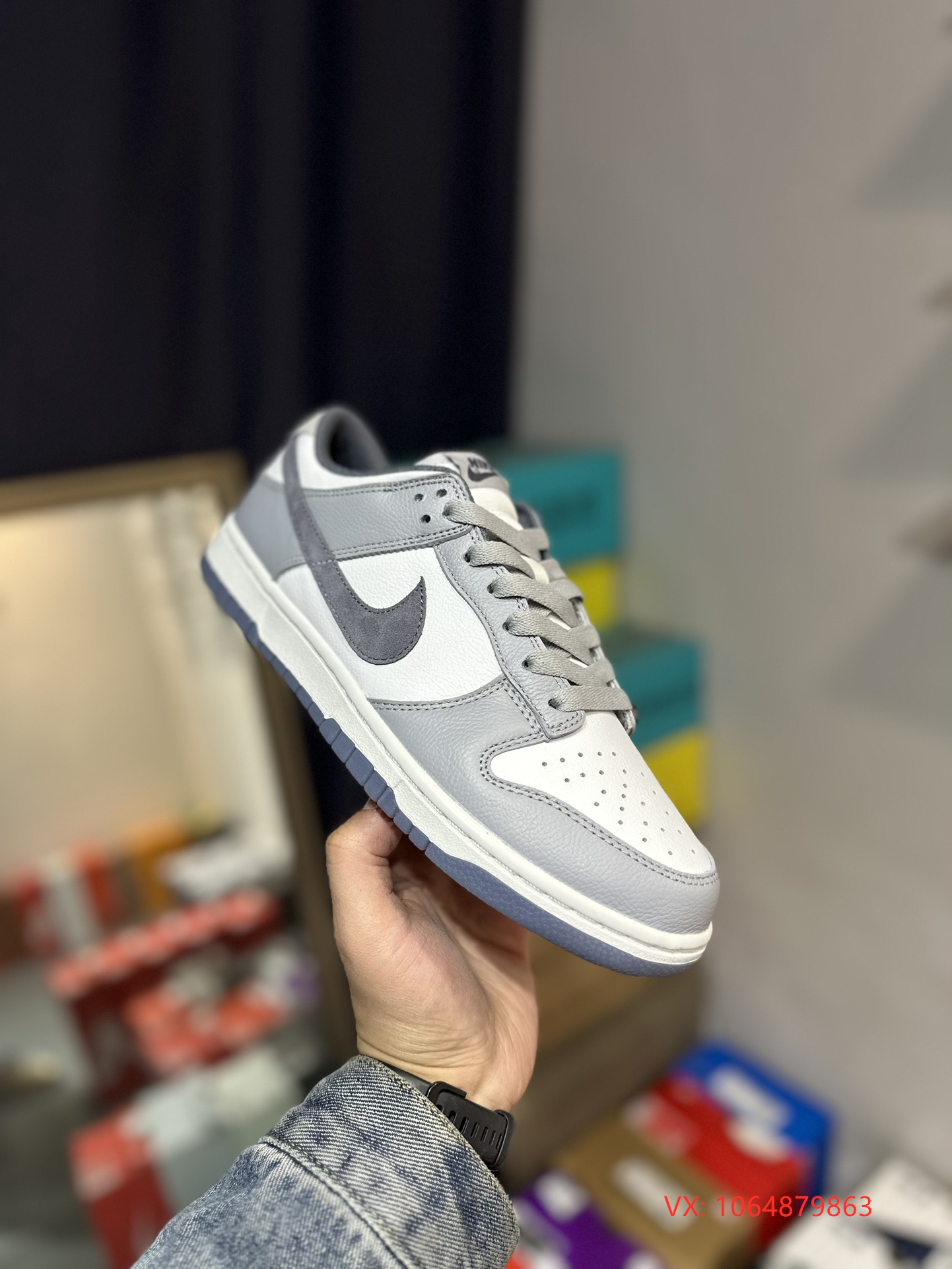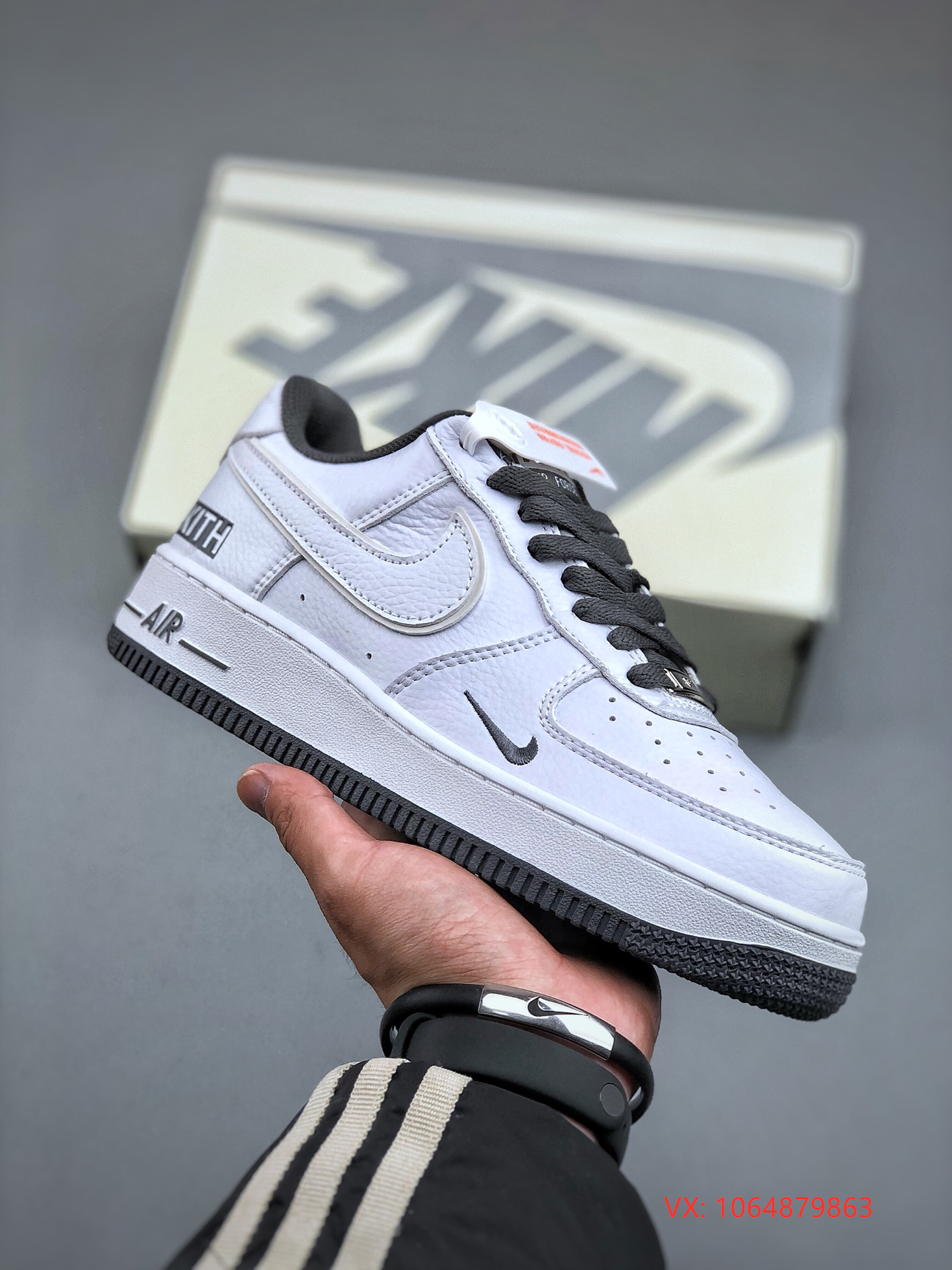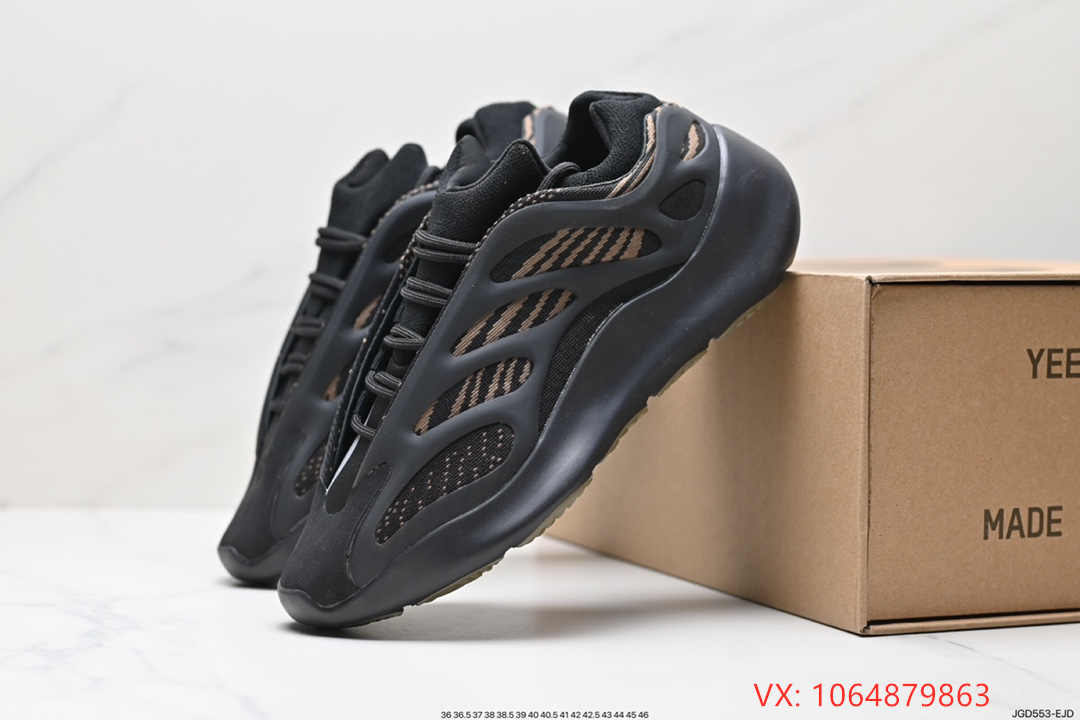
Why You're Looking in Baiyun When the Real Action is in Putian
Listen, I've been standing behind my counter in the Anfu Economic and Trade City for over fifteen years. I've seen tourists from Europe, America, and Australia walk in with maps of Guangzhou's Baiyun District, asking me where to find "Putian shoes" there. It makes me laugh every single time. Let me be straight with you: if you are looking for the source of high-quality replica sneakers in China, Baiyun is a dead end. Baiyun is where the logistics companies pack your boxes, not where the molds are made or the leather is cut. The real heart of this industry beats in Putian, Fujian. If you fly into Guangzhou and head straight to Baiyun thinking you'll find the factories, you are wasting your flight money and your time.
The Myth of the Baiyun Connection
I understand why you think this. Many international buyers hear that "Putian goods" are shipped out of Guangzhou. They see trucks leaving Baiyun International Airport or the Baiyun Logistics Center. So, they assume the market is there. But here is the truth: those trucks are just moving finished products from the distribution hubs back to the warehouses. The actual production and the wholesale market are 400 kilometers away in Putian. When you ask a local shopkeeper in Baiyun for a supplier, they will usually point you to a contact in Putian because they know we all work together. But you need to go to the source to get the real deal.
Navigating the Anfu Market: A Local's Guide to Sourcing
once you land in Fuzhou and take the high-speed train to Putian, you arrive at the epicenter: the Anfu Economic and Trade City. This isn't a mall; it's a sprawling complex of buildings where thousands of vendors operate. Walking in for the first time can feel overwhelming, but let me guide you through the layers so you don't get lost or scammed.
Understanding the Building Layout
Anfu isn't one single building. It's a cluster. The most famous ones are Building 1, Building 2, and the newer Building 5. If you are looking for the top-tier replicas, often called "Pure Originals" or "1:1 versions," you need to focus on the upper floors of Building 1 and the specialized sections in Building 2. The ground floor is mostly for lower-end stock and quick-turnover items. My advice? Skip the ground floor unless you are buying bulk for street markets. Go up. The quality drops significantly as you go down.
How to Spot the Real Dealers
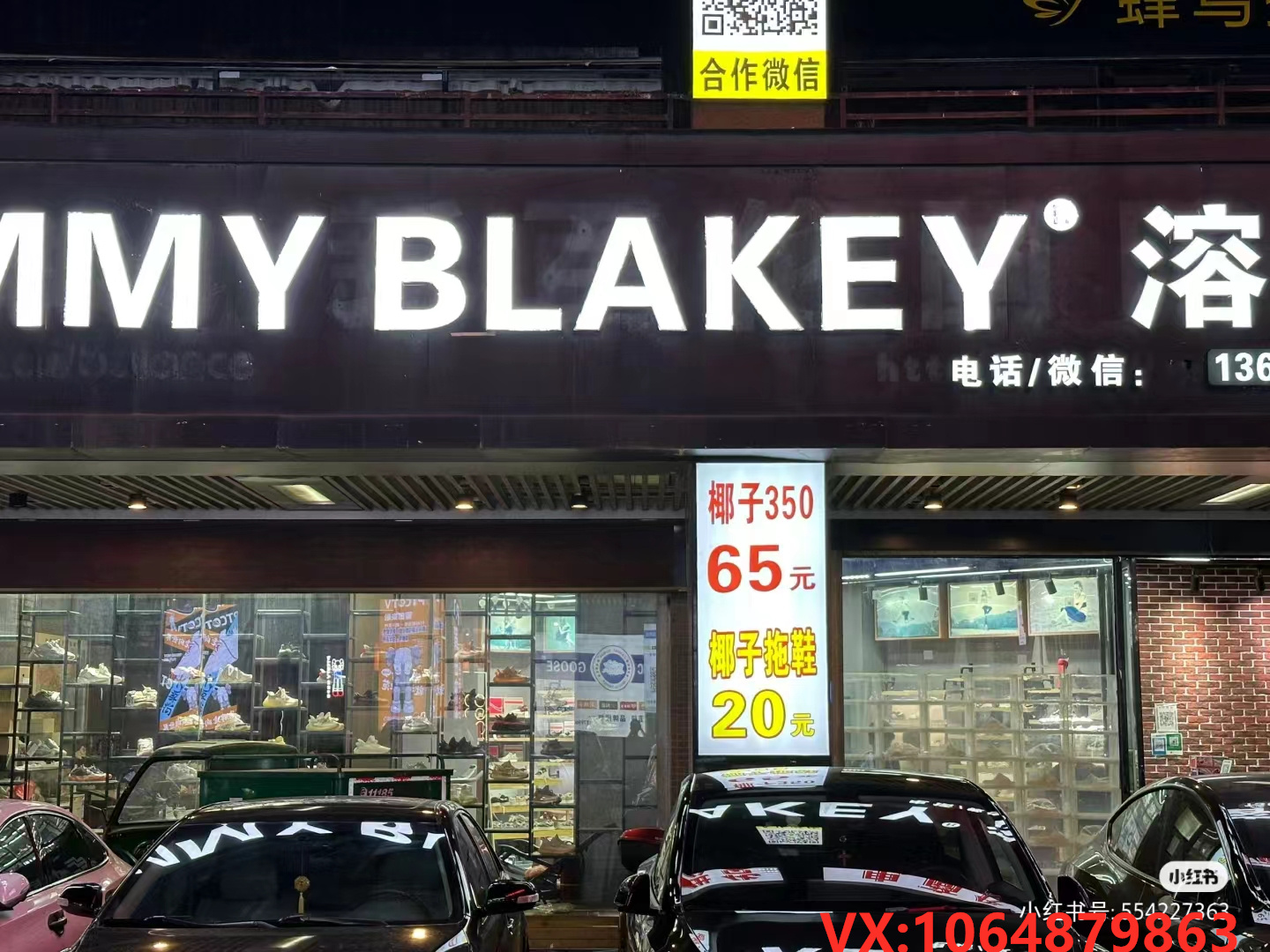
You will see hundreds of shops. Some have flashy neon signs, others look like small offices. Don't judge by the sign. The best dealers often have no sign at all, just a nameplate on the door. Look for the people who are busy packing boxes or talking on WeChat. These are the active sellers. Avoid the guys sitting around playing games on their phones; they are likely middlemen trying to resell your order to someone else. When you approach a stall, don't say "I want cheap shoes." Say, "Show me the latest Jordan 4s and Yeezy 350s, specifically the version with the boost sole." Using specific terminology tells them you know what you are talking about.
Insider Tips: Selection, Inspection, and Negotiation
Buying in Putian is different from buying online. You need to touch, smell, and inspect. Here is how I handle my foreign clients when they come to my shop.
The Art of Quality Control
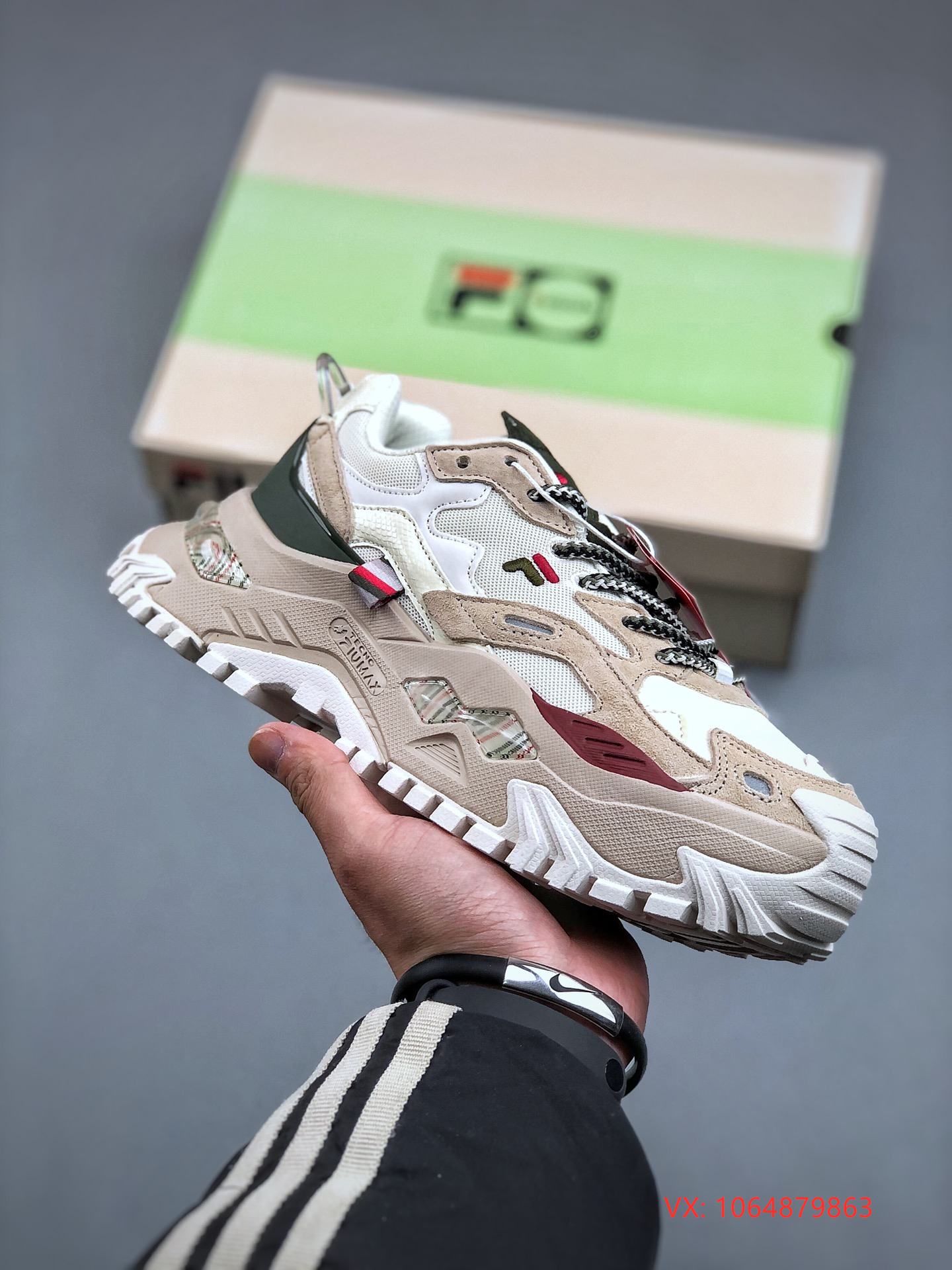
When you pick up a shoe, check the stitching first. In the past, the glue lines were messy, but now the top factories use automated machines. Look for consistency. Then, check the midsole. Does it feel soft and responsive? That's the Boost material. If it feels hard like plastic, it's a fake Boost. Also, check the box. The top-tier suppliers send you the original packaging, including the dust bags and extra laces. If the box looks flimsy or the barcode doesn't match the style number, walk away. I once had a client buy a batch from a competitor who sent him "high quality" shoes that looked great in photos but smelled like chemicals. He lost $5,000. Never skip the physical inspection.
Negotiating Like a Pro
Pricing in Putian is flexible. The price you see on the tag is rarely the final price. If you are buying more than ten pairs, you have leverage. Start by asking for the "wholesale price" (da huo jia). For example, a pair of Air Jordan 1s might be listed at $80, but if you buy fifty pairs, the price could drop to $65. Don't be afraid to haggle. However, be careful. If a price seems too good to be true, it is. A pair selling for $20 is almost certainly low quality. The sweet spot for high-quality replicas is usually between $50 and $70 per pair depending on the model.
Building Trust with Suppliers
This is the most critical part. Most transactions happen via WeChat. Do not pay via Western Union or PayPal Goods and Services immediately. Instead, start with a small trial order. Pay for five pairs first. If the quality matches the photos and the shipping is fast, then you build trust. once you establish a relationship, many suppliers will offer you a credit line or better shipping rates. I recommend finding a supplier who speaks English well or has a translator. Communication is key to avoiding mistakes in sizing and colorways.
Common Pitfalls and How to Avoid Them
Even with experience, mistakes happen. Here are the biggest traps I see foreign buyers fall into.
The "Baiyun" Confusion
As I mentioned earlier, do not waste time searching for factories in Baiyun. It is a distribution hub. If someone claims they are a factory in Baiyun, they are lying. Factories are in Putian. If you insist on meeting in Baiyun, you are dealing with a middleman who takes a cut of your profit.
Sizing Issues
Chinese sizing runs differently. A US size 9 might be labeled as 42 or 43 in China. Always measure your foot in centimeters and compare it to the vendor's size chart. Do not rely on standard US sizing. I always tell my clients to bring their own shoes to the shop to compare the length and width directly.
Shipping Risks
Customs can be tricky. Many suppliers offer "DDP" (Delivered Duty Paid) shipping, which means they handle the customs clearance. This is safer for beginners. However, be aware that some countries have strict laws regarding counterfeit goods. While I am sharing this information for educational purposes, always check your local regulations. Use reputable shipping agents who specialize in sneaker logistics.
Summary of Key Takeaways
| Topic | Key Insight | Actionable Advice |
|---|---|---|
| Location | Baiyun is logistics, Putian is production. | Fly to Fuzhou, take the train to Putian Anfu Market. |
| Quality Check | Glue lines, sole flexibility, and box quality matter. | Inspect physically before paying full amount. |
| Pricing | Wholesale prices vary by volume. | Aim for $50-$70 range for high quality; negotiate for bulk. |
| Communication | WeChat is the primary tool. | Start with small trial orders to build trust. |
| Risks | Sizing errors and customs issues. | Measure feet in cm; use DDP shipping options. |
So, if you are ready to dive into the world of sourcing, forget the Baiyun rumors. Head straight to Putian. The Anfu Market is a maze, but with the right guidance, it is a goldmine. I've seen countless buyers turn a small investment into a thriving business by following these steps. Remember, patience and due diligence are your best tools. Don't rush. Visit multiple stalls, compare the details, and build relationships. That is how you win in this game.