Why You're Looking in Zibo Instead of Putian: A Local Truth
Listen, I've been running a stall in the Anfu Electronic City for over fifteen years. I've seen thousands of foreign buyers walk through those heavy metal doors, eyes wide, clutching their translation apps like life rafts. But here is the hard truth that most "agents" won't tell you: if you are searching for "where to buy Putian shoes in Zibo," you are already on the wrong path. Zibo is famous for ceramics and BBQ, not sneakers. The real action, the heartbeat of the global replica sneaker market, is strictly in Putian, Fujian. If you find someone in Zibo claiming they have the "real source" from Putian, they are likely just a middleman reselling what they bought elsewhere, adding a markup before you even get started.
I want to save you time, money, and the headache of shipping errors. As a local who has dealt with US, UK, and Australian clients directly at the factory gates, I need to correct this misconception immediately. The supply chain doesn't flow from Zibo to Putian; it flows from the factories in Xuefeng and Anlu villages straight to the world. Let's talk about where you actually need to be to get the best quality, the lowest price, and the most reliable service.
The Real Heartbeat: Inside Putian's Anfu Market
Navigating the Labyrinth of Anfu Electronic City
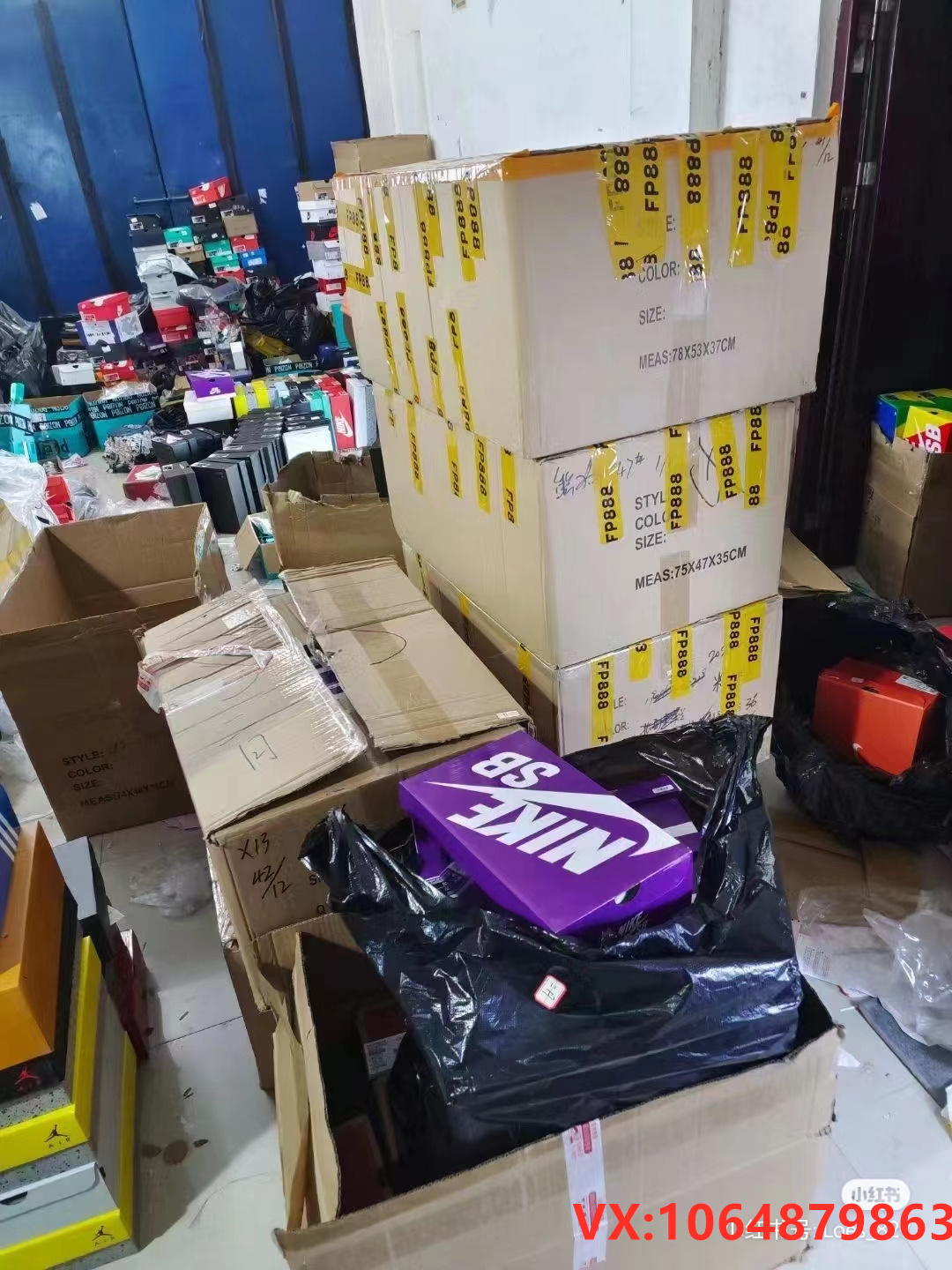
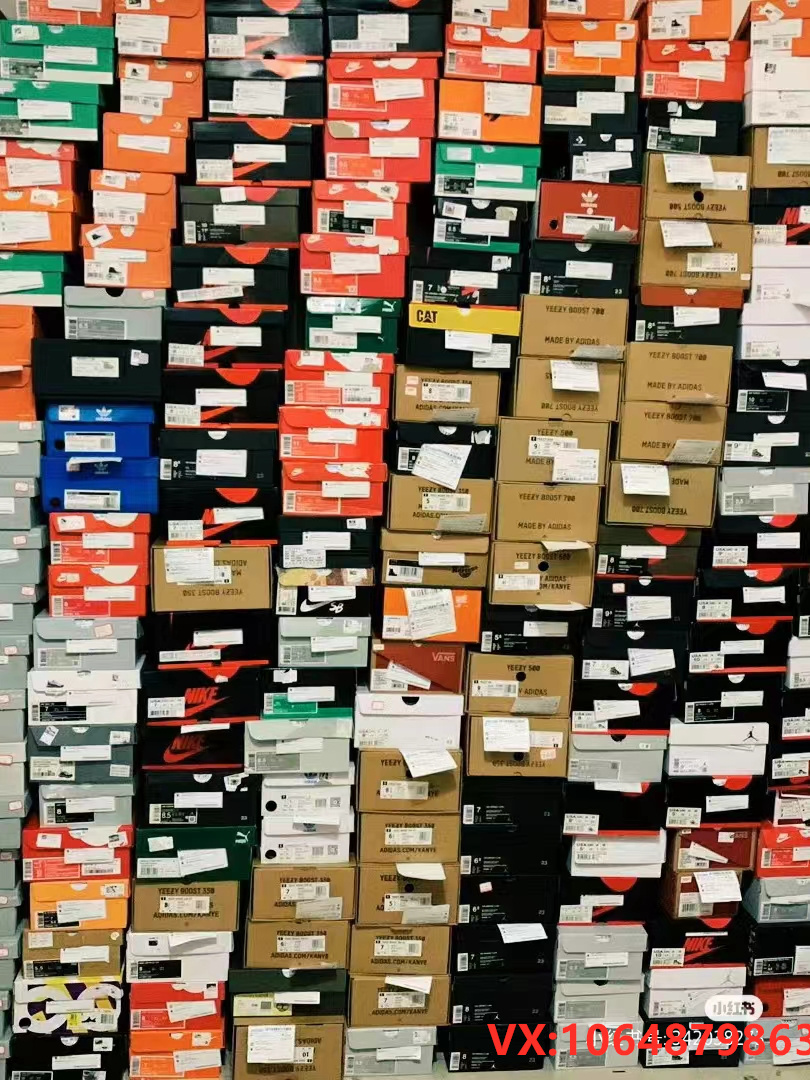
When you finally land in Putian, the first place you must visit is the Anfu Electronic City (Anfu Dianzi Cheng). This isn't a mall; it's a chaotic, buzzing ecosystem of commerce. Imagine three massive buildings packed floor-to-ceiling with shoe boxes, neon signs flashing "High Quality," and workers rushing around with packing tape. For a foreign buyer, this can feel overwhelming. Do not try to wander alone without a guide or a clear plan. The layout is confusing, and the "shops" often change names or locations overnight.
The key to success here is understanding the hierarchy. The ground floor is mostly for retail and low-end stock. To find the actual manufacturers and serious wholesalers, you need to go up. Most of the high-end "1:1" replicas and top-tier versions are located on the upper floors or in the back alleys connected to the main complex. When I show my international clients around, we skip the flashy front displays and head straight for the offices behind the counters. That is where the real deals happen.
Factory Direct vs. The Middleman Trap
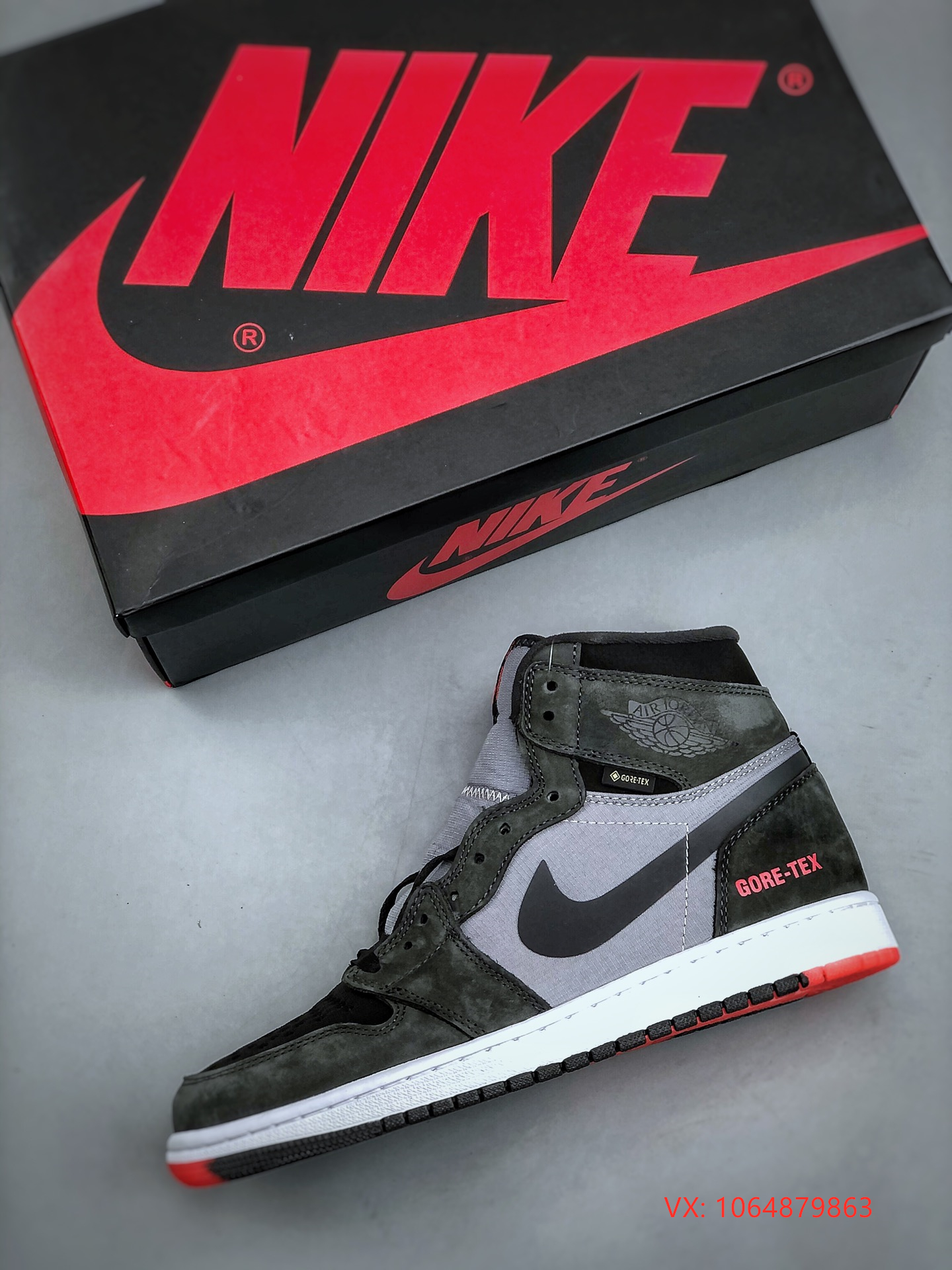
One of the biggest mistakes foreign buyers make is thinking every shop owner is a factory owner. In reality, 80% of the stalls in Anfu are distributors. They buy from the factories in the nearby villages—like Xuefeng Village or Dongshan Village—and sell them to you. If you want the absolute best margin, you need to cut out the middleman. This means finding the specific factory codes. For example, when looking for Nike Air Jordan 1s, there are specific factories known as "L-Factory" or "C-Factory" that produce the leather used by the top brands. These factories do not usually have storefronts in the main mall; they operate out of industrial compounds nearby.
I remember a client from Texas who spent weeks trying to negotiate prices in Zibo, only to realize he was paying a 30% premium because the seller in Zibo was buying from a distributor in Putian. By the time we switched him to a direct contact in Xuefeng Village, his cost per pair dropped by nearly $15. That is the power of going straight to the source. You need to ask for the "factory code" or the specific batch number. If a seller cannot give you a photo of the production line or the specific mold used, they are not the source.
Practical Sourcing: How to Inspect and Negotiate Like a Pro
The Art of Physical Inspection
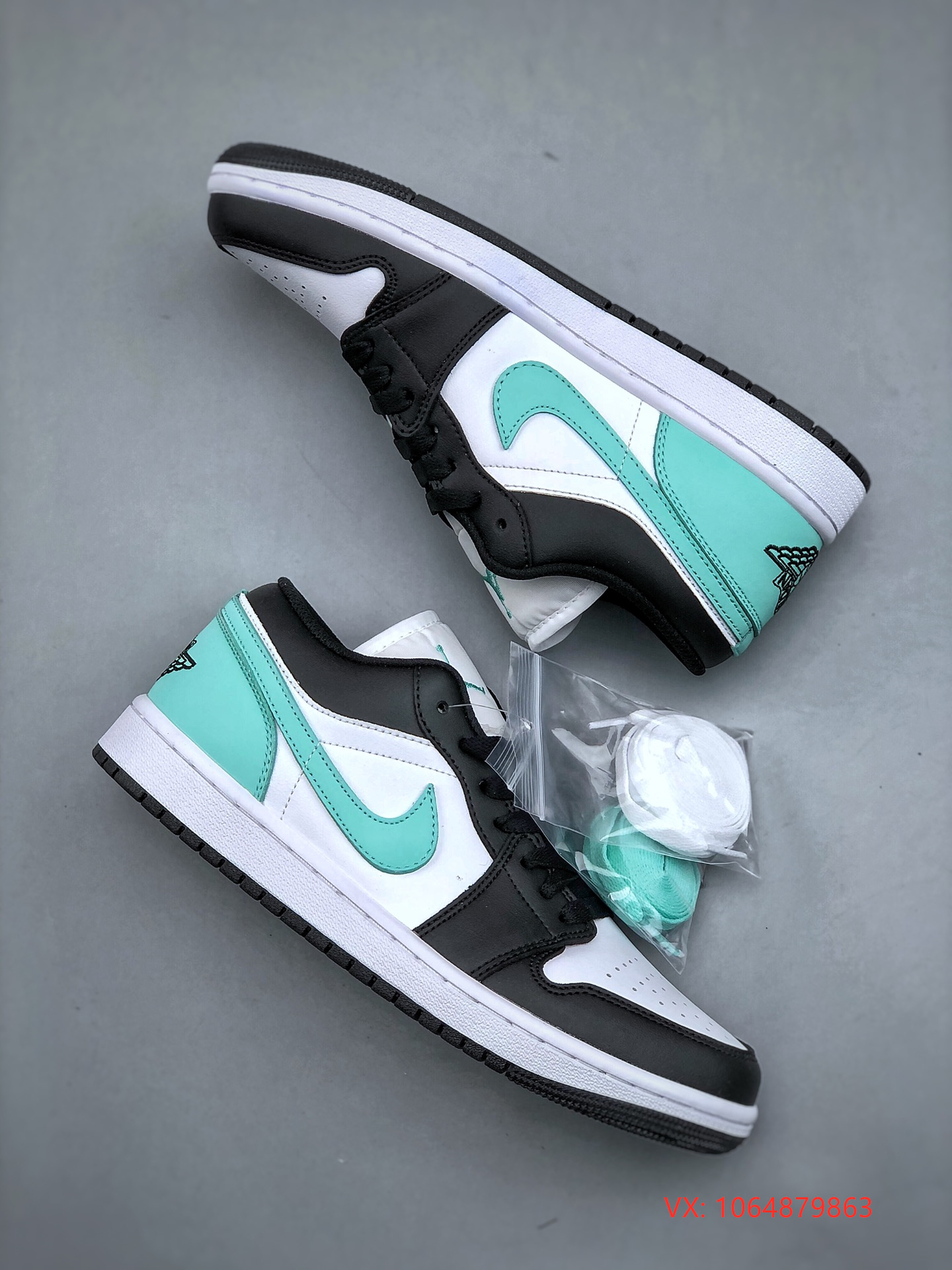
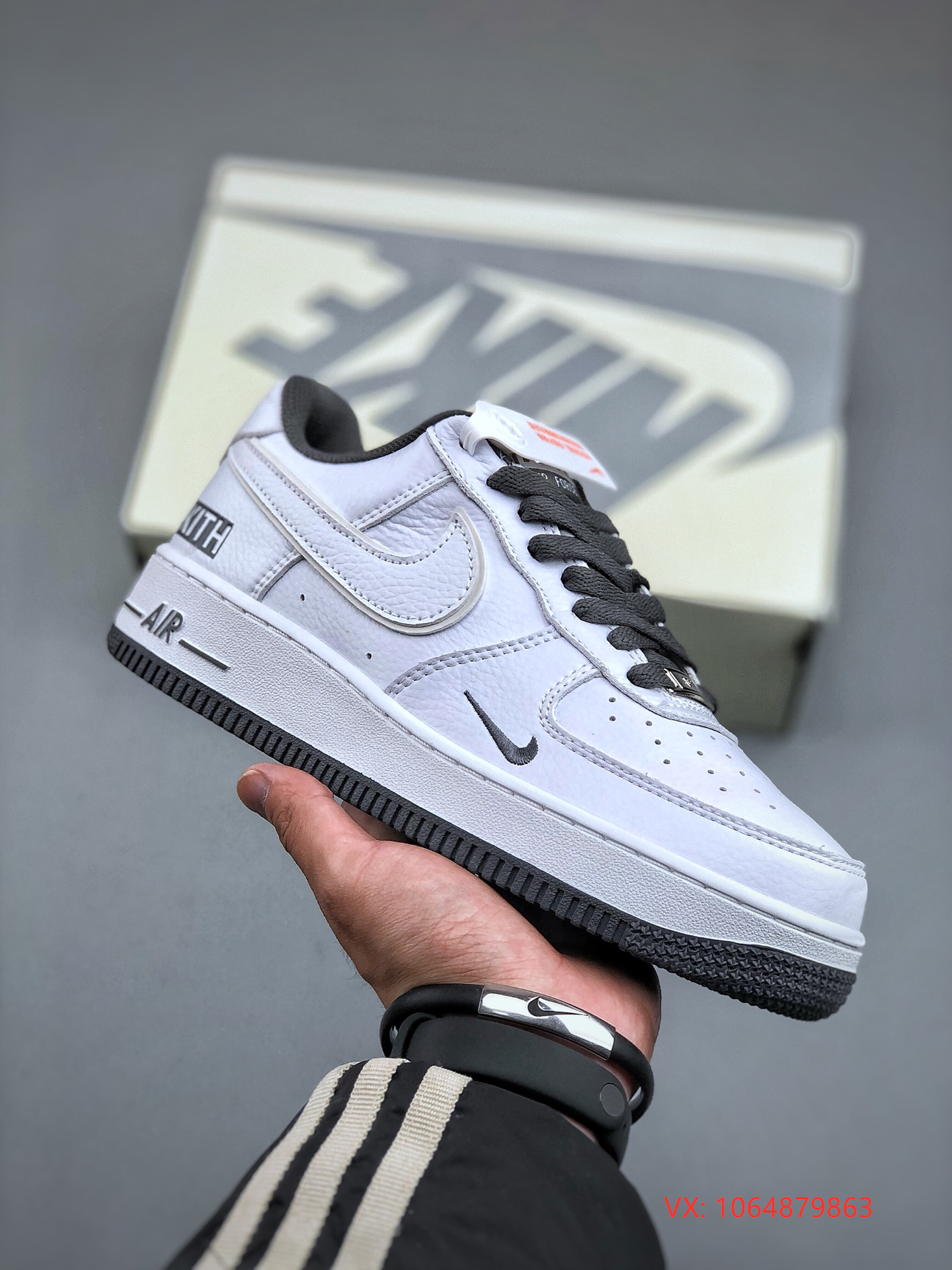
You cannot rely on photos sent via WeChat. The lighting, the angle, and the compression of JPEG files can hide critical flaws. When you are physically in Putian, your eyes are your best tool. I always tell my clients to bring a magnifying glass and a ruler. Check the stitching density. High-quality versions should have consistent stitch counts, usually around 14-16 stitches per inch on the toe box. Look at the glue lines; cheap versions have messy, visible glue stains, while top-tier ones have clean, almost invisible bonding.
Another critical check is the midsole material. Many sellers claim to use "EVA foam" but use recycled rubber instead. Press the sole with your thumb. It should bounce back instantly. If it feels soft and leaves a dent, it's lower grade. Also, smell the shoe. High-quality PU leather smells like nothing or has a faint chemical scent, whereas cheap materials have a strong, pungent odor that lingers. I once caught a "premium" batch that smelled terrible; after testing, we found the leather was dyed with toxic chemicals to mimic the look of genuine calfskin. Never skip the smell test.
Negotiation Tactics and Pricing Reality
Pricing in Putian is fluid. It depends on the order volume, the season, and the specific model. A common mistake is asking for the "retail price" equivalent. No one sells these at retail prices. The standard range for a high-quality Jordan 1 is between $35 and $55 USD depending on the tier. If someone quotes you $20, run away; it will fall apart in two weeks. If they quote $80, they are ripping you off unless it includes custom packaging and expedited shipping.
When negotiating, never say "I want to buy." Say "I am planning a bulk order for next month." This signals seriousness. Ask for a sample first. Pay the extra $5-$10 for the sample; it saves you thousands in potential losses. once you have the sample, compare it side-by-side with a genuine pair from a store. If the difference is negligible to the naked eye, you have a winner. Then, lock in the price based on the sample. Always agree on the defect rate. A good agreement states that if more than 2% of the batch has defects, the factory must replace them at no cost.
Logistics, Shipping, and Avoiding Customs Traps
The Shipping Dilemma
once you have your goods, the next challenge is getting them to your country without customs seizing them. This is where many buyers fail. Do not ship individual packages labeled as "Nike" or "Adidas." That is a guaranteed seizure risk. The smartest way to handle this is to use a specialized freight forwarder who understands the grey market. They will repack the shoes into plain boxes, remove all branding labels, and declare them as "sports accessories" or "textiles."
I recommend using a courier that offers "DDP" (Delivered Duty Paid) services. This means the shipping company handles all taxes and duties for you. While it costs a bit more upfront, it prevents nasty surprises when your package arrives. For small orders under 5 pairs, express couriers like DHL or FedEx are okay, but for bulk orders, sea freight is the only economical choice. It takes 30-45 days, but the cost per unit drops significantly. I have a list of trusted forwarders in the port area who handle hundreds of containers weekly for clients in Europe and North America.
Summary of Key Sourcing Steps
| Step | Action Item | Common Pitfall to Avoid |
|---|---|---|
| Location | Go to Anfu Electronic City, Putian (Not Zibo) | Buying from Zibo resellers adds unnecessary markup |
| Verification | Inspect stitching, glue, and smell physically | Relying solely on WeChat photos leads to disappointment |
| Sourcing | Find factory codes in Xuefeng/Dongshan villages | Dealing with middlemen who don't own the molds |
| Shipping | Use DDP shipping and repackaging services | Shipping branded boxes invites customs seizure |
| Payment | Pay samples first, then deposit for bulk | Transferring 100% upfront without a contract |
Final Thoughts from the Ground Floor
The sneaker market in China is vast, complex, and constantly evolving. If you are an overseas buyer looking for "Putian shoes," stop searching in cities like Zibo. Go to the source. Visit Anfu, meet the people behind the counters, and understand the product. The difference between a bad experience and a profitable business lies in your preparation and your willingness to dig deeper than the surface. Don't be afraid to ask questions, demand samples, and verify everything. The industry rewards the informed, not the naive. If you follow these steps, you will find the quality and reliability you need to build a sustainable business.