Inside the Anfu Market: A Veteran's Guide to Sourcing "High-End" Putian Footwear
Welcome to the real world of Putian. If you are reading this, you are likely an overseas buyer tired of the generic dropshipping sites and the endless "high quality" spam on social media. I have been standing in the Anfu E-commerce City for over fifteen years. I've seen the market evolve from a chaotic street stall operation into a sophisticated supply chain hub that feeds the global sneaker culture. Let's cut through the noise. When foreign buyers ask me about "China high-end Putian shoes," they usually mean one thing: the top-tier replicas that mimic the original factory molds with near-perfect accuracy. But here is the hard truth I tell my clients every day: there is no single brand called "Putian." The term refers to the manufacturing ecosystem. The "high-end" tier is what we call the "1:1 version" or the "top grade," sourced directly from specific factories in the Xuefeng and Anfu areas.
The Myth of the Brand Name
First, let's clear up a massive misconception. You will never find a store sign saying "Nike High End Putian." That is illegal and would get your shop shut down instantly by local authorities. Instead, the shops display the shoe models without logos, or they use terms like "Original Version," "Top Quality," or simply show the mold number. In my experience dealing with US and European importers, the biggest mistake they make is looking for a specific "brand" of fake shoes. The reality is that the quality depends entirely on the factory's mold acquisition and the materials used. Some factories buy the genuine molds directly from the original manufacturers' leakages, while others reverse-engineer them using 3D scanning technology. This is where the price gap between $50 and $300 per pair comes from.
Navigating the Physical Market: Anfu and Beyond
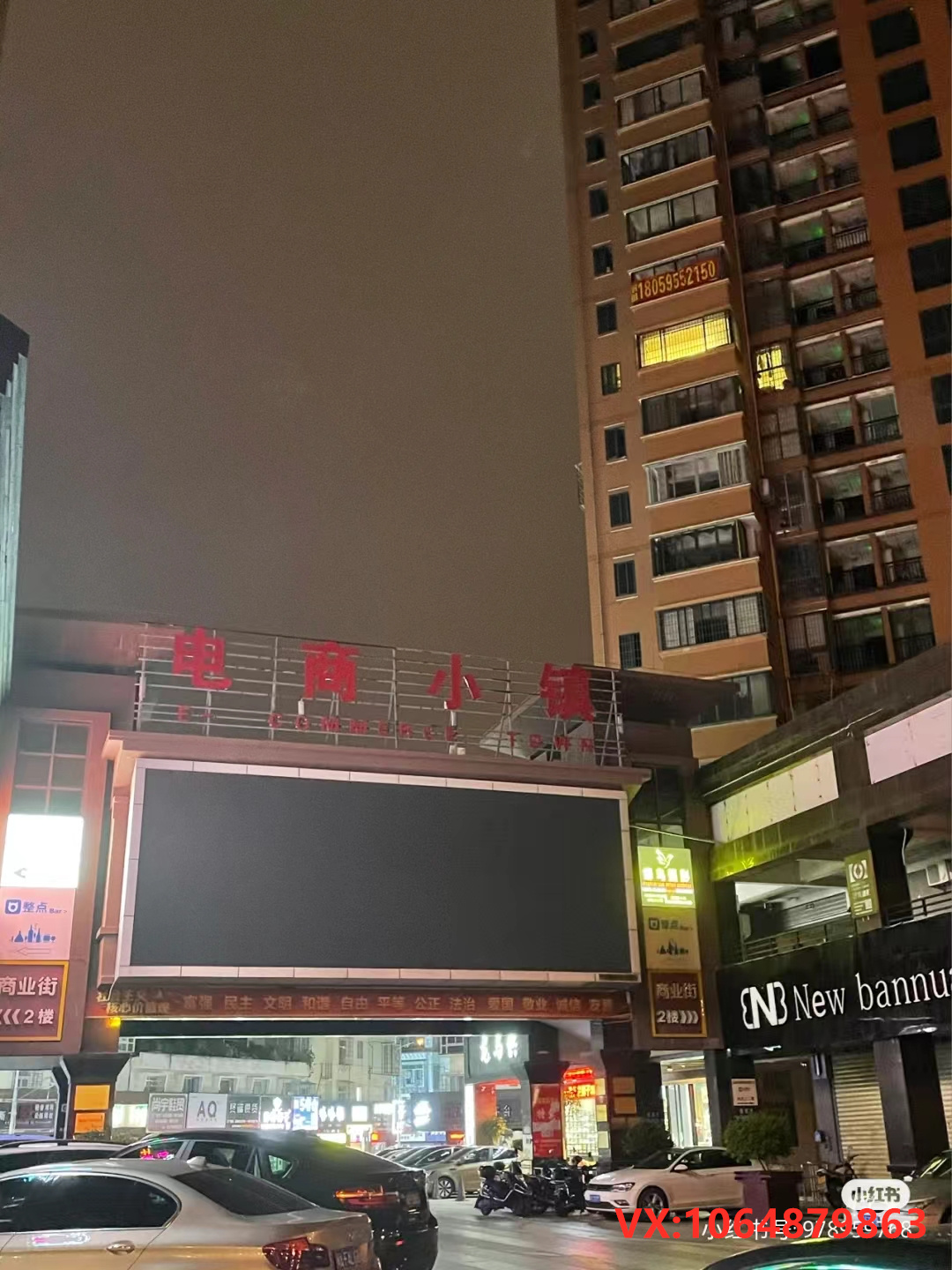
If you want to source the absolute best, you cannot rely solely on WeChat catalogs. You must come to Putian. The heart of this industry is the Anfu E-commerce City. It is a multi-story beast of concrete and neon lights, buzzing with energy 24/7. For those new to the area, it can be overwhelming. Let me walk you through the layout so you don't waste time wandering aimlessly.
The Hierarchy of Floors
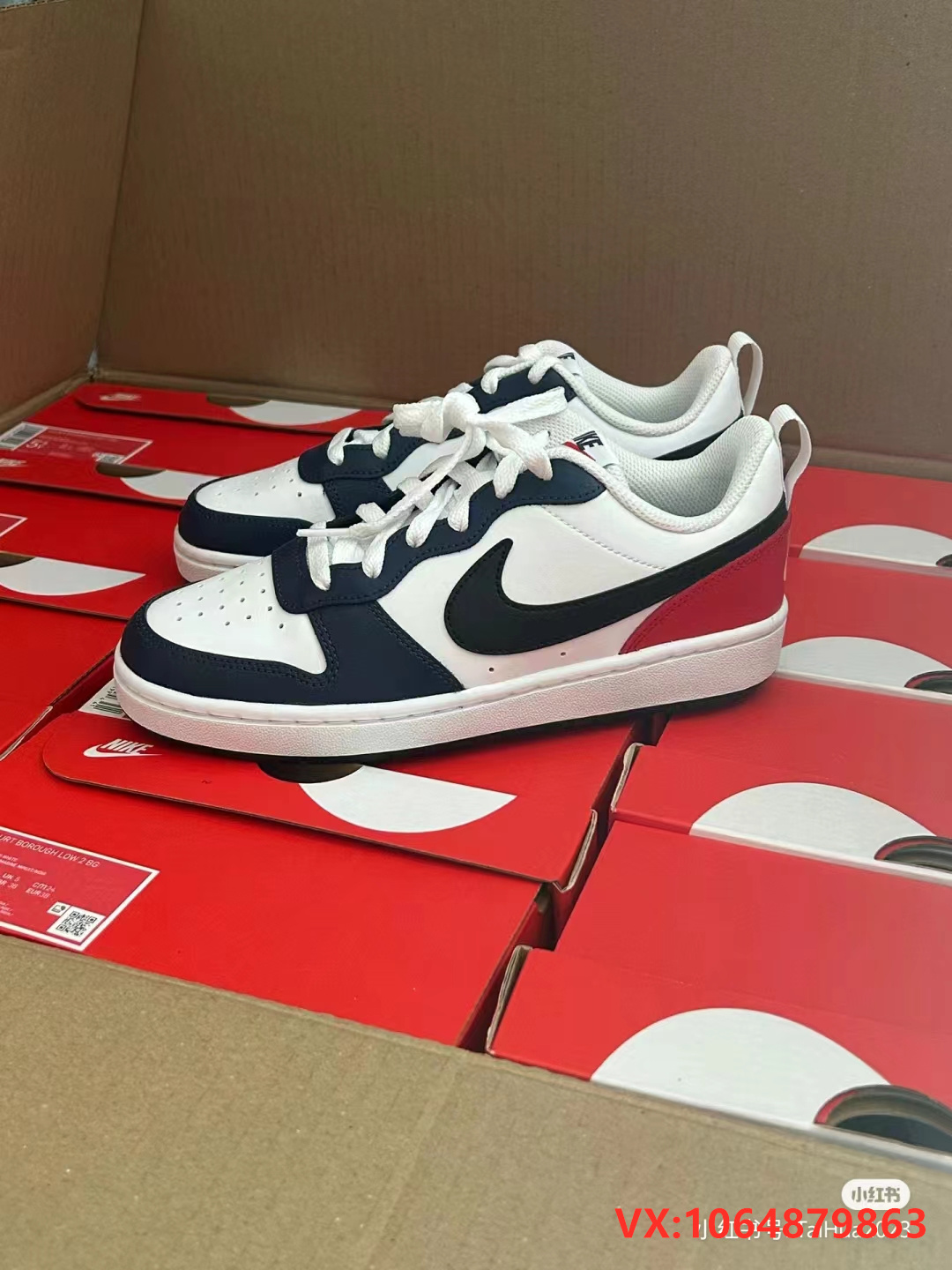
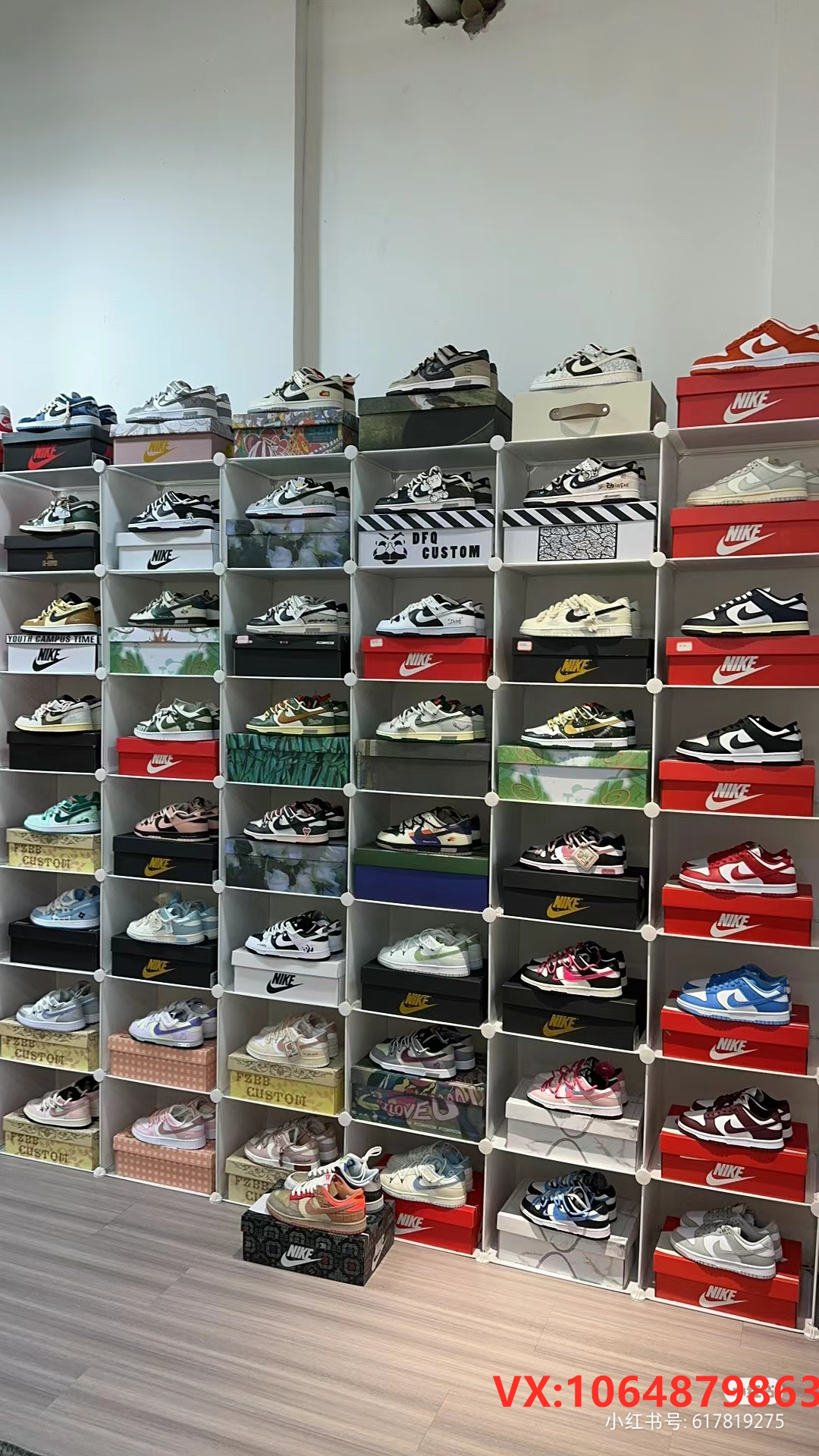
When I guide my international partners through the building, I always start at the lower floors. Floors 1 and 2 are mostly for retail and low-grade wholesale. You will see boxes stacked everywhere, but the quality here is often inconsistent. These are the "mid-grade" shoes that might pass a casual glance but fail under close inspection of the glue lines or the sole texture. If you are looking for the "high-end" tier that competes with the $200 originals, you need to go higher. Floors 3 through 6 are where the serious business happens. This is the domain of the "factory direct" booths.
On these upper levels, the atmosphere changes. The displays are cleaner, the staff speaks better English (or has translators), and they are more willing to discuss technical details like the carbon fiber plate density or the specific rubber compound of the outsole. I remember a client from Germany who insisted on seeing the "Zoom Air" units in his own hands. He went to a booth on Floor 4, and the owner didn't just show him the box; he opened a sample pair, cut the heel counter, and showed him the airbag structure. That level of transparency is only found in the top-tier sections of the market.
Specific Hotspots and Factory Directories
You asked for specific locations? Here is the insider info I give to my VIP clients. While names change frequently due to crackdowns, certain buildings remain consistent hubs for high-quality production. The most famous cluster is around the Anfu Building (Anfu Da Sha). Specifically, look for the booths on the 4th floor facing the central atrium. One of the most reliable long-term operators I know is located in Room 408, often referred to locally as "The Master Workshop." They specialize in Jordan 1s and Yeezy 350s. Another key location is the Xuefeng Building, which is slightly further from the main Anfu entrance but houses some of the most advanced molding facilities. On the 5th floor of Xuefeng, you will find a cluster of vendors known for their "Luka Dončić" and "LeBron" signature lines. They use the same TPU materials as the official factories.
Do not trust random Google Maps pins. Many of these shops operate on a "by appointment only" basis during the day because they are busy packing orders for domestic e-commerce platforms like Taobao and Pinduoduo. The best strategy is to contact me or a trusted agent beforehand to schedule a visit. When you arrive, ask for the "Top Grade" section. If a vendor tries to sell you a $40 pair claiming it is "1:1," walk away. Real high-end Putian shoes, with genuine leather, proper stitching, and accurate colorways, cost significantly more to produce. The wholesale price for a true top-tier pair usually ranges between $60 and $90 USD, depending on the complexity of the model.
The Art of Inspection: Seeing What Others Miss
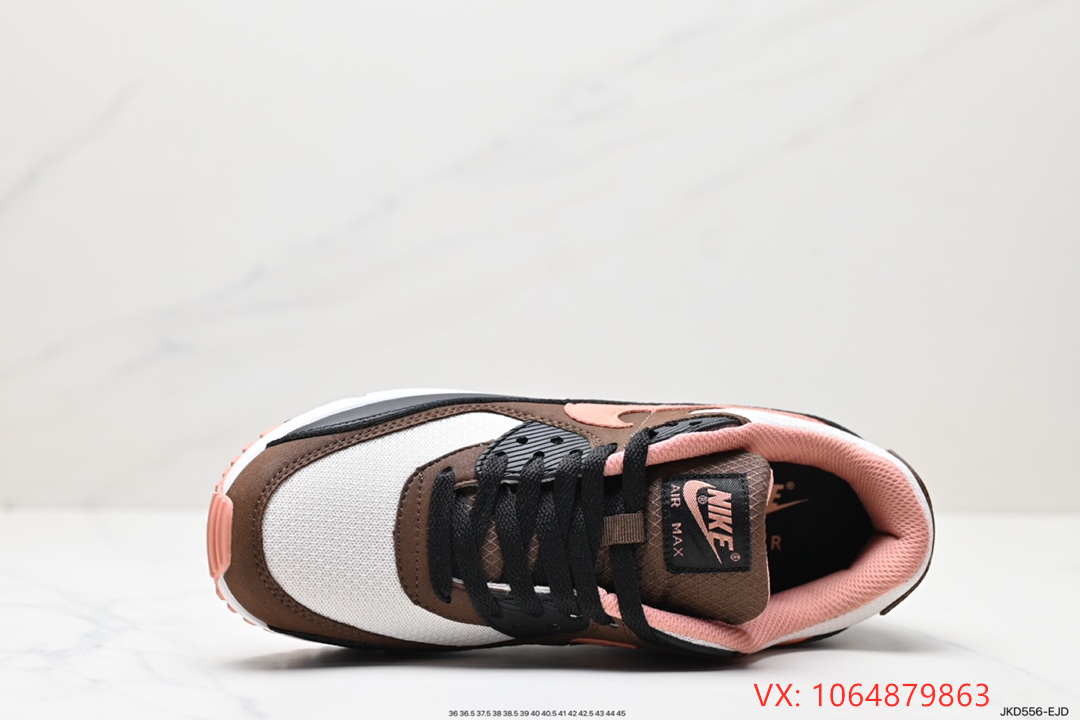
once you are in the booth, how do you verify the quality? This is where many overseas buyers get scammed. They rely on photos sent via WeChat, which are heavily edited. I teach my clients to bring a magnifying glass and a flashlight. The first thing I check is the midsole paint. Cheap versions have rough edges and excess glue. High-end versions have smooth, precise painting that matches the original factory standards. Next, check the tongue tag. The font weight and spacing must be identical to the authentic pair. I once saw a batch of "high-end" shoes where the font was slightly too thin—a detail invisible to the naked eye but obvious under a macro lens.
Another critical test is the smell. Genuine leather and high-density foam have a distinct, mild scent. Low-quality synthetic materials emit a harsh chemical odor that lingers for days. If you smell strong chemicals, the materials were likely sourced from cheap suppliers, not the premium ones used in the top-tier factories. Also, inspect the insole. High-end versions often use memory foam with the correct arch support curve, whereas cheaper copies use flat, hard foam that causes foot fatigue after an hour of walking.
Dealing with MOQ and Customization
One of the advantages of sourcing directly from Putian is flexibility. Unlike big brands, these factories are willing to work with small Minimum Order Quantities (MOQ) if you build a relationship. For the "high-end" tier, the standard MOQ is often 10 pairs per style, but for repeat customers, I have negotiated deals for as low as 3 pairs. However, if you want custom colors or slight modifications—like changing the logo placement or the material texture—you need to talk to the factory manager directly. This requires a deposit, usually 30% upfront, and a lead time of 7 to 10 days. Be prepared to pay for the mold fee if you are requesting a completely unique design, which can range from $500 to $2,000 depending on the complexity.
Pitfalls to Avoid: The Scams and Shortcuts
Having seen thousands of transactions, I can tell you exactly where people lose money. The biggest scam is the "Sample Trap." A vendor sends you a perfect sample, looks amazing, and then when you place the bulk order, the quality drops by 50%. This happens because they switch to cheaper materials for the bulk run. To avoid this, always insist on a "pre-production sample" before mass manufacturing. Pay for it, but ensure it is made from the exact same materials as the final batch. Another common issue is shipping. Many vendors claim they can ship via DHL or FedEx easily, but customs seizures are a real risk. I recommend using a specialized freight forwarder who knows how to handle "replica" goods discreetly. Do not try to hide the contents in plain sight; it leads to delays and confiscation.
Building Trust in a Digital Age
In today's market, trust is currency. Since I started my business, I have built a network of verified factories. I do not recommend buying from random Instagram ads or TikTok links. Those are often middlemen marking up prices by 200%. If you want the real deal, you need to connect with the source. My advice is to visit the market personally at least once. Even if you plan to order online later, seeing the scale of the operation, meeting the team, and shaking hands builds a foundation of trust that digital communication cannot replicate.
Summary of Sourcing Strategy
| Aspect | Low-Grade / Retail | High-End / Factory Direct |
|---|---|---|
| Location | Floors 1-2, Street Stalls | Floors 3-6, Anfu & Xuefing Buildings |
| Price Range (Wholesale) | $30 - $50 USD | $60 - $100+ USD |
| Materials | Synthetic leather, basic foam | Genuine leather, premium TPU, Zoom/Air units |
| MOQ | 1 pair (Retail) | 10 pairs (Negotiable for VIPs) |
| Quality Control | Visual check only | Magnifying glass, smell test, structural analysis |
As I wrap up, remember that the Putian market is dynamic. What works today might change tomorrow due to regulations or supply chain shifts. But the core principle remains: quality costs money, and transparency is key. Whether you are looking for the latest Jordan releases or classic Yeezy styles, the "high-end" options are available if you know where to look and how to negotiate. Don't settle for mediocrity. Come to Anfu, meet the masters, and source the products that truly stand out in the global market. If you need a personal guide or a list of current verified contacts, feel free to reach out. The market is open, and the best deals are waiting for those who are willing to dig deeper.