My Honest Take on Sourcing from Putian: A Veteran Shopkeeper's Guide
Welcome to the real world of Putian. If you are reading this, you probably think buying "high-quality replicas" is as simple as clicking a button on an app or sending a WeChat message to a random contact. Let me stop you right there. I have been running a stall in the Anfu E-Commerce City for over fifteen years. I have seen thousands of foreign buyers come and go, some making millions, others losing everything because they didn't understand the game. The truth is, the supply chain here is deep, complex, and incredibly layered. You cannot just ask for "Nike Air Max" and expect to get the best product at the best price without doing your homework.
The Myth of the "One-Stop-Shop"
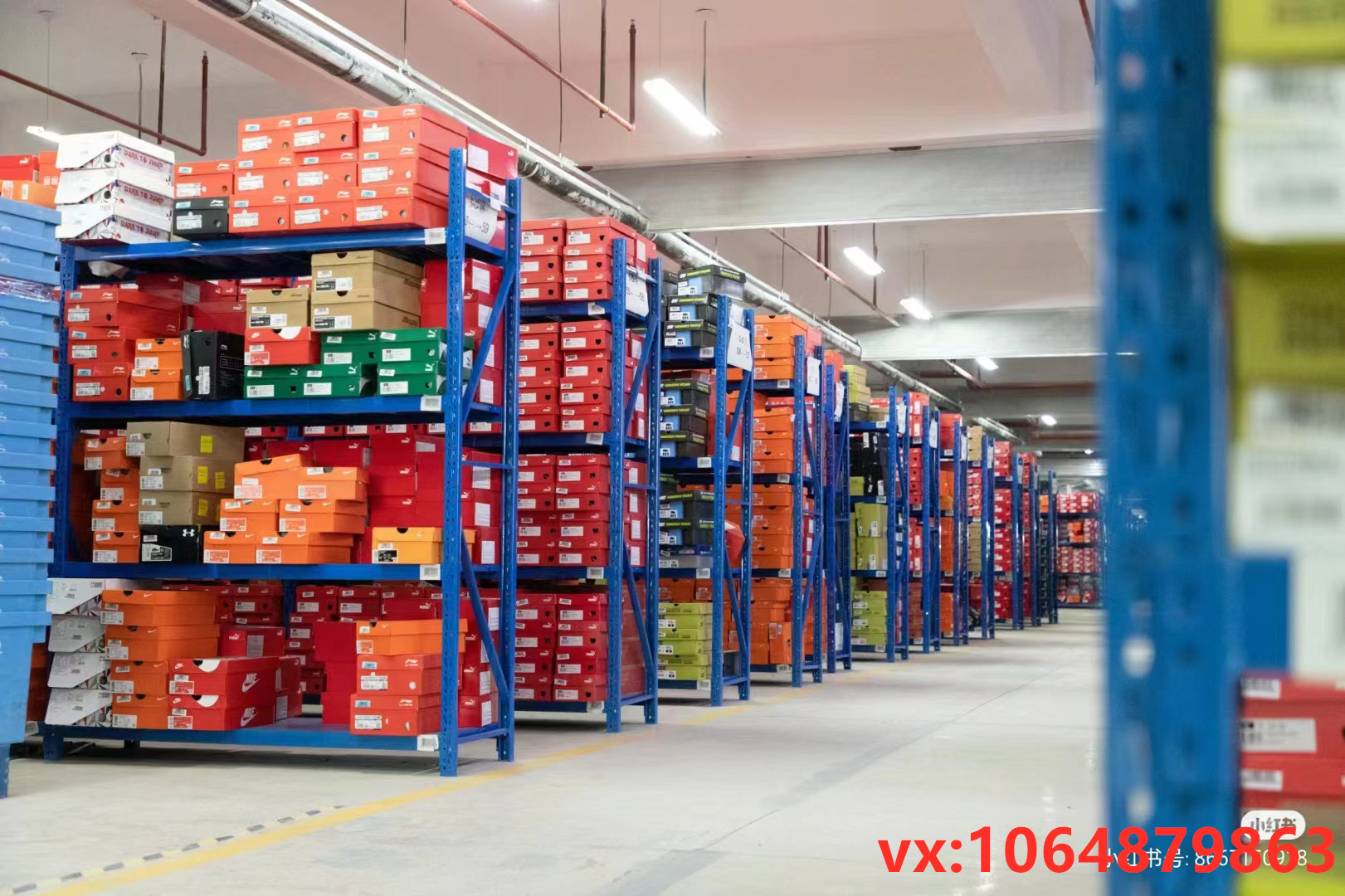
Many foreigners believe there is one giant factory that makes everything. That is a lie. In Putian, the ecosystem is fragmented. There are factories that specialize only in soles, others that focus on upper stitching, and then there are the traders who assemble the final product. When you walk into Anfu, you will see hundreds of small shops. Some are front-facing retail stores, while others are just offices where the real deals happen. My advice? Never trust a shop that claims to be the "original source" for every single brand. Real factories don't usually have flashy storefronts; they are often hidden in residential buildings or industrial parks behind the main market.
Navigating Anfu E-Commerce City: The Physical Reality
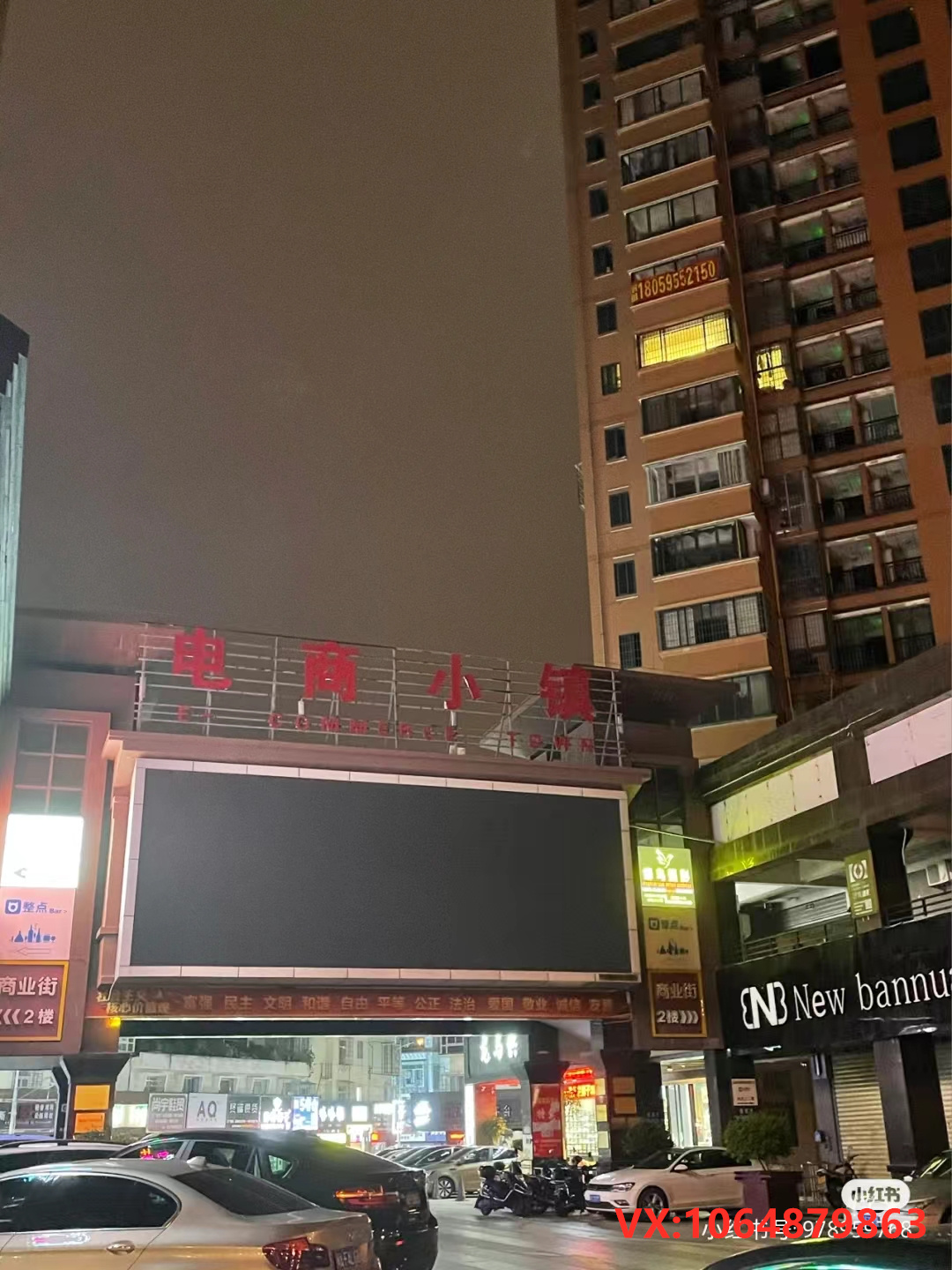
If you want to find the real deal, you must come here physically. The internet is full of scams, but the streets of Anfu tell a different story. The market is not just one building; it is a sprawling network of connected structures. The most famous area is the Anfu Building itself, but the real action happens in the surrounding alleys like the Xingfu Road and the backstreets near the railway station.
Where to Stand and What to Look For
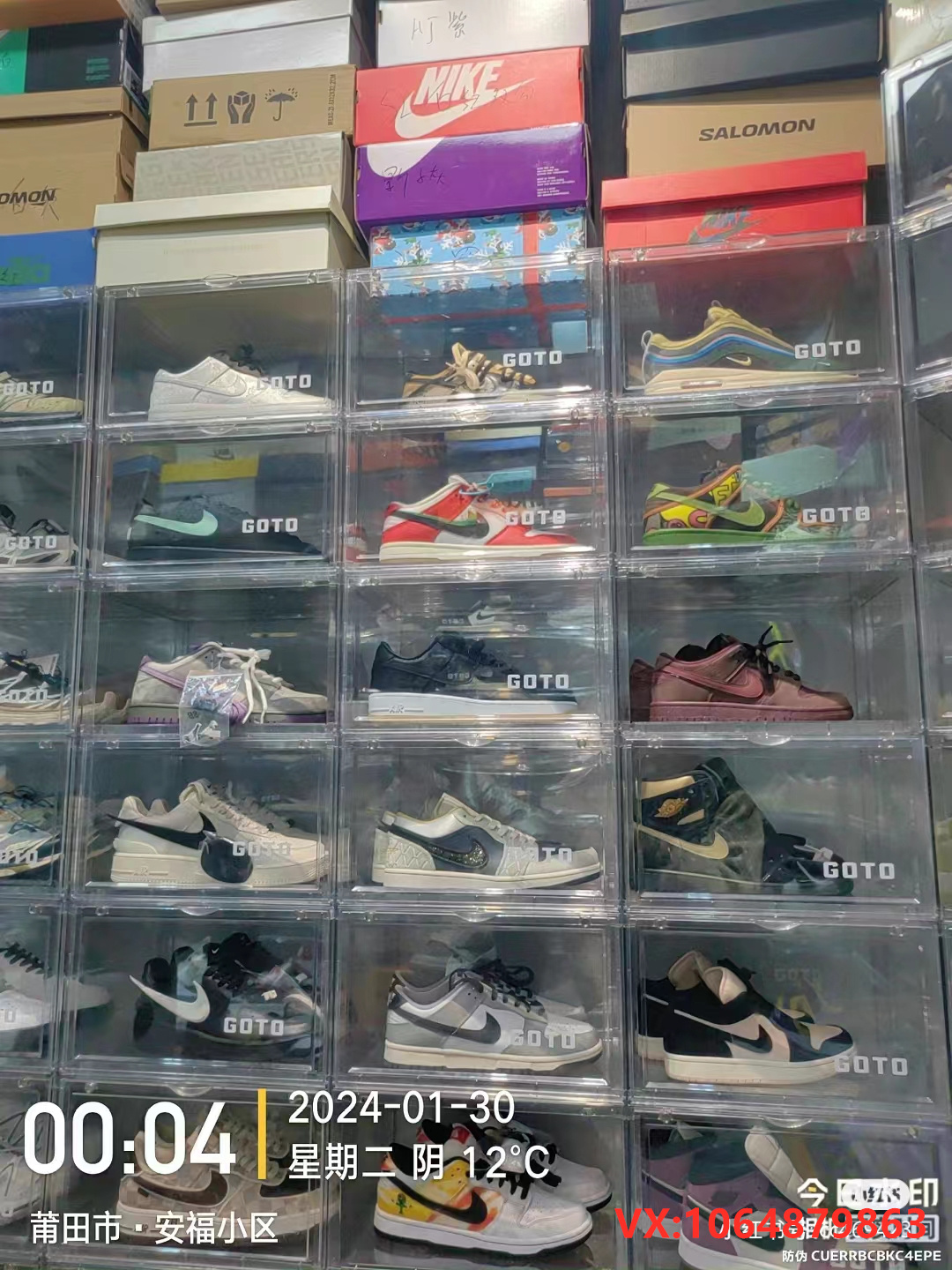
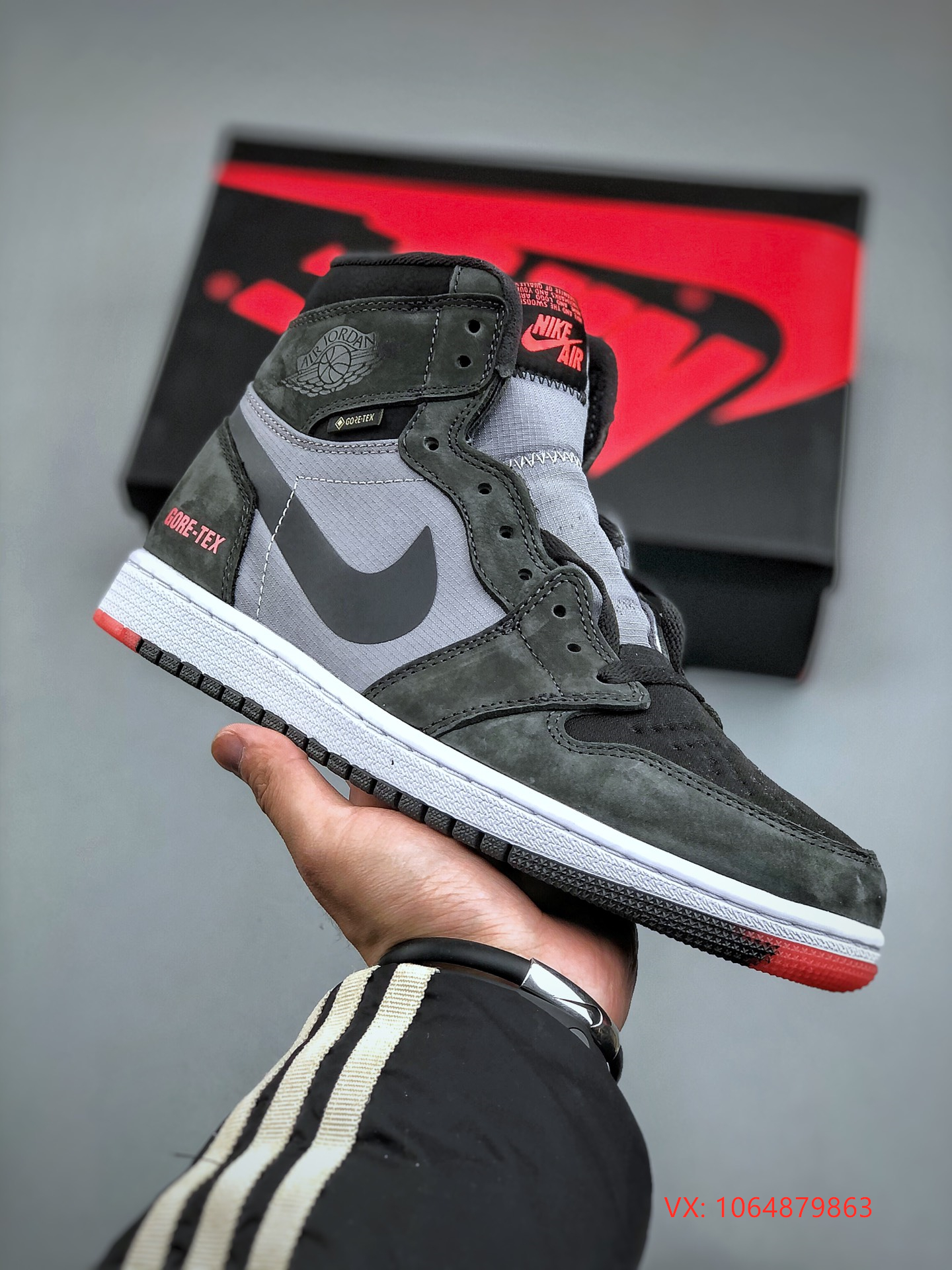
When I guide my regular clients through the market, we avoid the ground floor first. The ground floor is mostly for tourists and low-end knockoffs. The quality goods are usually on the second or third floors, tucked away in smaller offices. For example, if you are looking for top-tier Jordan 1s, head towards the east wing of the main Anfu complex. There is a specific corridor on the third floor where several long-term suppliers operate. One of my trusted partners, let's call him Brother Lin, has a booth labeled "Lin Sports Supply" on the 3rd Floor, Room 305. He doesn't advertise online much, but his stock is always fresh.
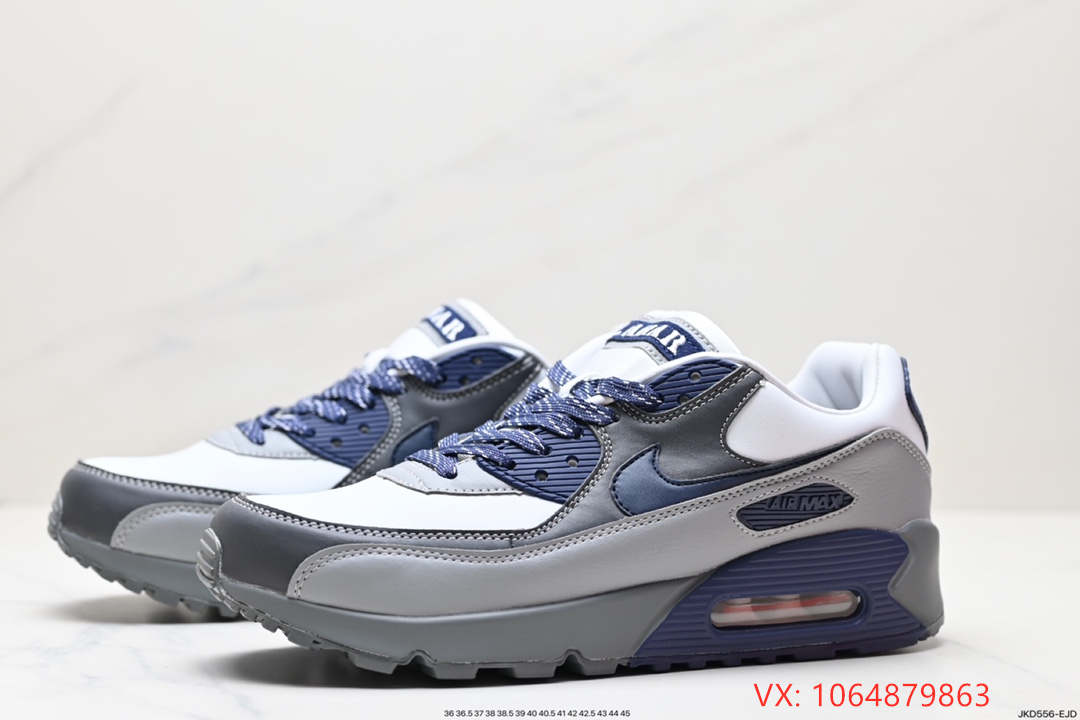
Another critical spot is the "New Anfu" building nearby. This is where the newer, more aggressive sellers hang out. They often have better lighting and display cases, but you have to be careful. Not everyone here sells the same quality. I recommend visiting the "High Quality Zone" on the fourth floor, where you will find shops specializing in the "LJR" (Liu Jia Ren) version or the "OG" (Original Grade) versions. These terms might sound confusing, but in our industry, they refer to the mold used. LJR uses molds that are very close to the original Nike molds, resulting in a fit and feel that is nearly indistinguishable from the authentic pair.
The Art of Inspecting Goods On-Site
once you are in the shop, do not just look at the box. Open the shoe. Feel the glue smell. Check the stitching density. A common mistake I see foreign buyers make is focusing too much on the logo placement. While that matters, the midsole foam density and the heel counter stiffness are what determine the comfort and durability. I remember a client from Germany who bought 50 pairs based on photos alone. When he arrived, he found the foam was too hard. He lost $3,000. If you are serious about sourcing, bring a tape measure and a flashlight. Measure the sole thickness. Compare it with a genuine pair you brought with you. Ask the seller to show you the "raw material" samples. If they hesitate, walk away.
Building Relationships: The Secret to Better Prices
In Putian, price is not fixed. It is fluid, depending on your relationship with the seller. If you walk in as a stranger asking for the "best price," you will get the highest price. But if you act like a partner, things change. I always tell my international friends to start small. Buy five pairs first. Test the quality. Then, come back and negotiate for a larger order. This builds trust.
Understanding the Tier System
You need to understand the tiers of products available. There is the "Market Version," which is cheap and easy to spot. Then there is the "Mid-Grade," which is decent but lacks the premium materials. Finally, there is the "Top Version" or "S-Level." The Top Version uses the same rubber compounds and leather grades as the authentic brands. The price difference between Market Version and Top Version can be huge, sometimes double. But the profit margin for you is also higher if you sell the Top Version. I have seen sellers charge $40 for a Top Version pair and sell them for $80-$90 online. The key is knowing which factory produces which tier.
Specific Factory Recommendations
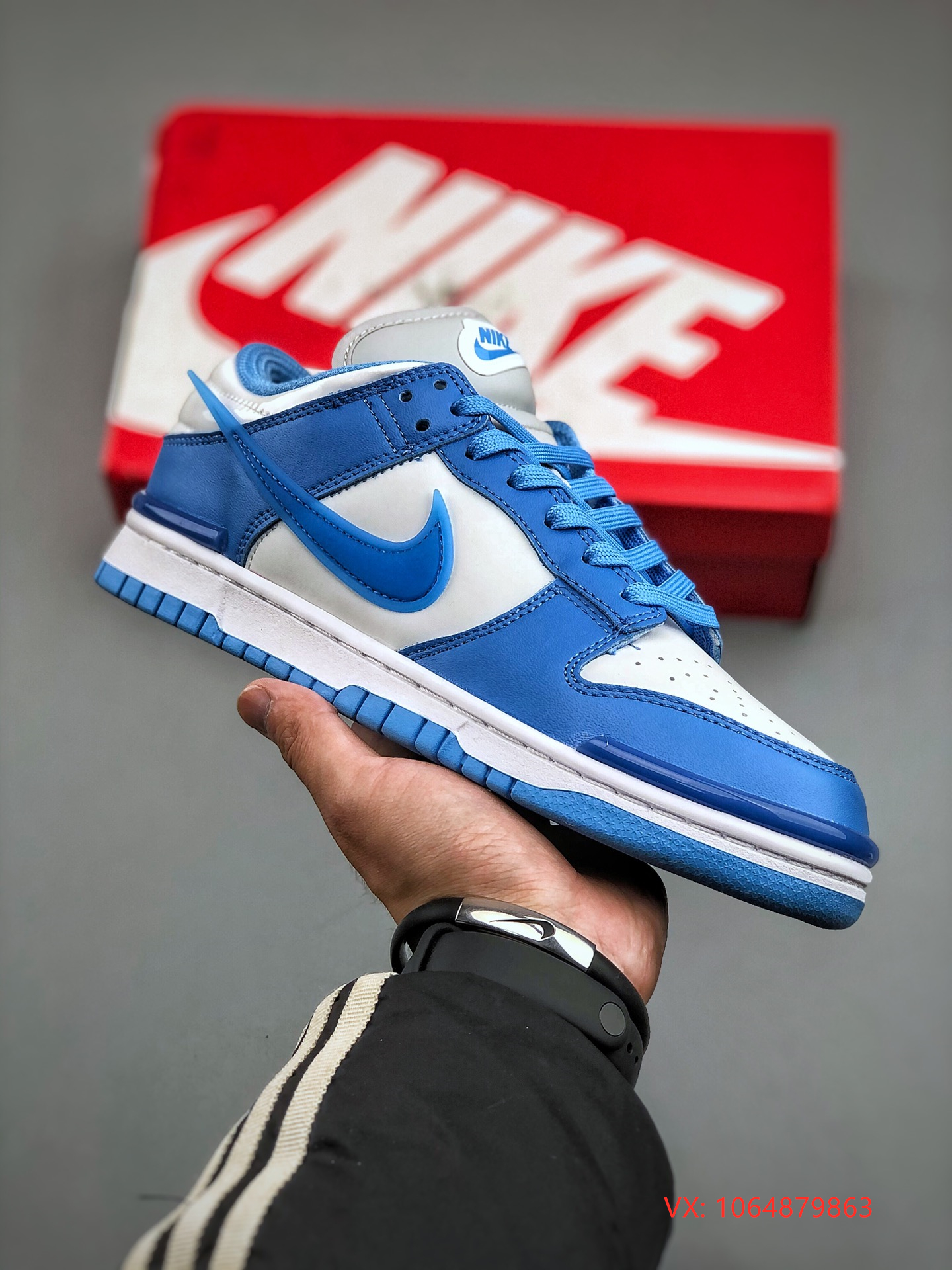
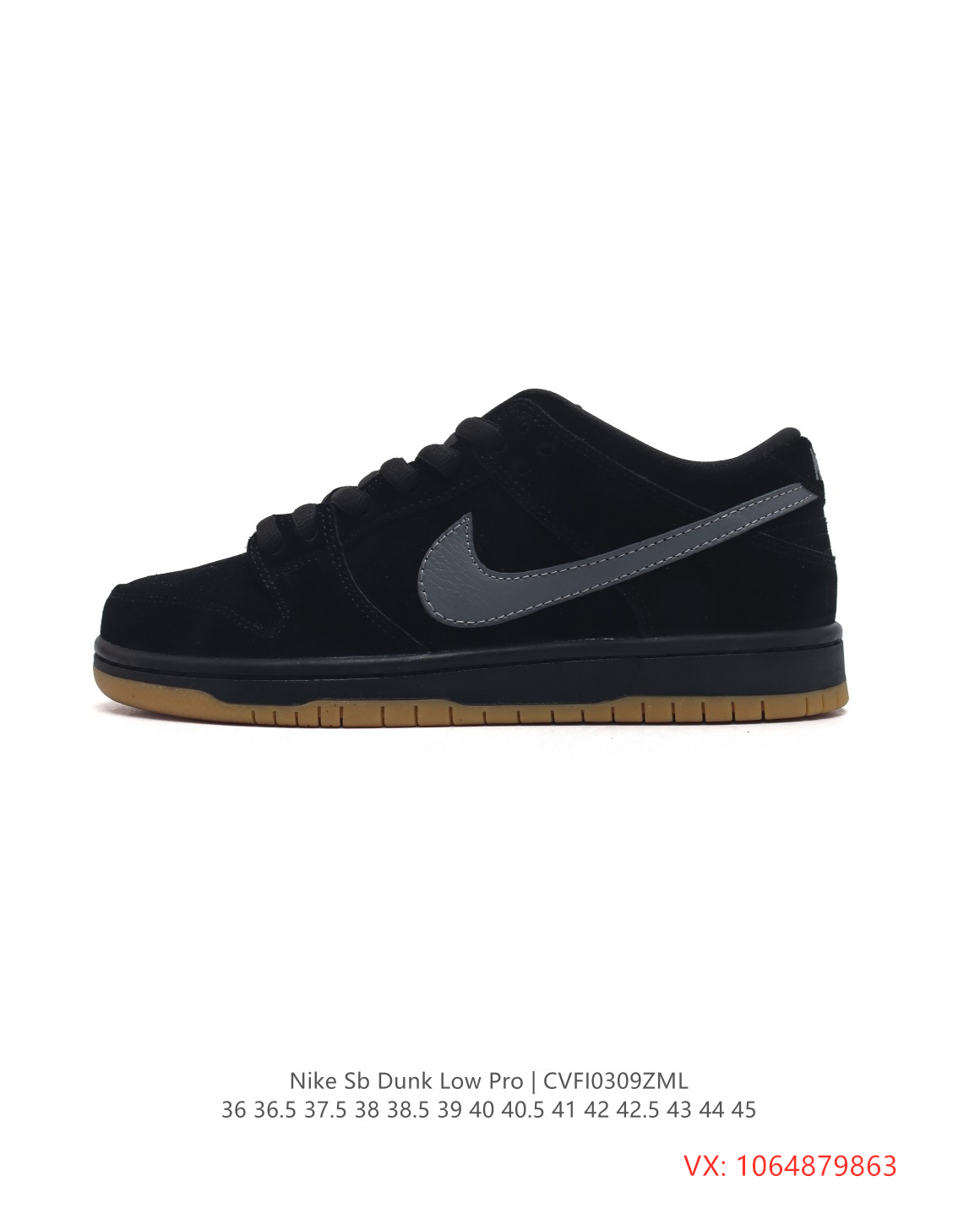
While I cannot name every factory due to confidentiality agreements, I can point you to specific areas known for high production standards. For Nike Dunk Low, the workshop located in the basement of the Anfu Commercial Center, specifically under the sign "Dongfang Shoe Factory," is renowned for their leather quality. They use a specific tanning process that gives the leather a soft, buttery texture. For Yeezy models, look for the suppliers in the "Xingfu Industrial Park" off the main road. One specific unit, Unit 12, has been producing consistent quality for years. They often work with multiple molds, so ask to see the "3D printed" prototypes before committing to a bulk order.
Avoiding Pitfalls: Lessons from a Decade in Business
There are traps everywhere. The biggest one is the "sample trap." Sellers will send you a perfect sample via courier, but the bulk order will be inferior. To avoid this, insist on video calls during the packing process. Watch them pack the shoes. Ensure the boxes are sealed correctly. Another issue is shipping. Many sellers claim they can ship via DHL or FedEx, but customs seizures are common. I advise using a reliable freight forwarder who specializes in China-to-US or China-to-Europe routes. Do not rely on the seller's shipping method unless they have a proven track record.
Payment Security
Never pay 100% upfront. A standard deal is 30% deposit, 70% before shipment. If a seller demands 100%, run. Use secure payment methods like Alipay or WeChat Pay with buyer protection if possible. For large orders, consider using a third-party inspection service. I have worked with companies like QIMA that can verify the quality before the goods leave the warehouse. It costs a bit extra, but it saves you from receiving a container full of garbage.
Summary of Key Sourcing Strategies
| Strategy | What to Do | Why It Matters |
|---|---|---|
| Physical Visit | Go to Anfu, check 3rd/4th floors | Verify quality firsthand, build trust |
| Tier Selection | Focus on "Top Version" or "S-Level" | Higher margins, better customer retention |
| Factory Specifics | Target Dongfang Shoe Factory (Anfu basement) | Consistent leather quality for Dunks |
| Payment Terms | 30% Deposit, 70% Pre-Shipment | Protects against fraud and poor quality |
| Shipping | Use specialized freight forwarders | Reduces risk of customs seizure |
Buying from Putian is not a gamble if you approach it with knowledge and caution. It is a business that requires patience, observation, and relationship building. The market is vast, and the opportunities are endless for those who know how to navigate it. Don't rush. Take your time, visit the stalls, talk to the owners, and test the products. If you follow these steps, you will find the best sources and build a profitable business. Remember, the best deals are not found online; they are found face-to-face in the bustling streets of Anfu.