What It Really Costs to Make a "Putian Shoe": A Local Shop Owner's Truth
Welcome to the real story behind the shoes you see online. I have been standing in the Anfu E-commerce City for over fifteen years, watching thousands of foreign buyers walk through my door or message me from across the ocean. You keep asking one question that never goes away: "How much does it actually cost to make these Putian shoes?" Let me tell you straight from the floor, no corporate jargon, just the raw numbers and reality of our market.
The Myth of the $5 Pair
First, let's kill the biggest rumor immediately. If someone tells you they can sell you a high-quality replica for five dollars, they are lying to you. In this business, price is not just about materials; it is about the mold, the labor, and the supply chain. When we talk about the actual production cost, we are looking at a range that depends entirely on what tier you want. The cheapest pair, the ones made with low-grade rubber and glued poorly, might sit around 18 to 22 US dollars in pure factory cost. But if you are talking about the "Top Copy" or the "1:1" versions that look so close even experts struggle to spot, the cost jumps significantly.
Breaking Down the Real Production Numbers
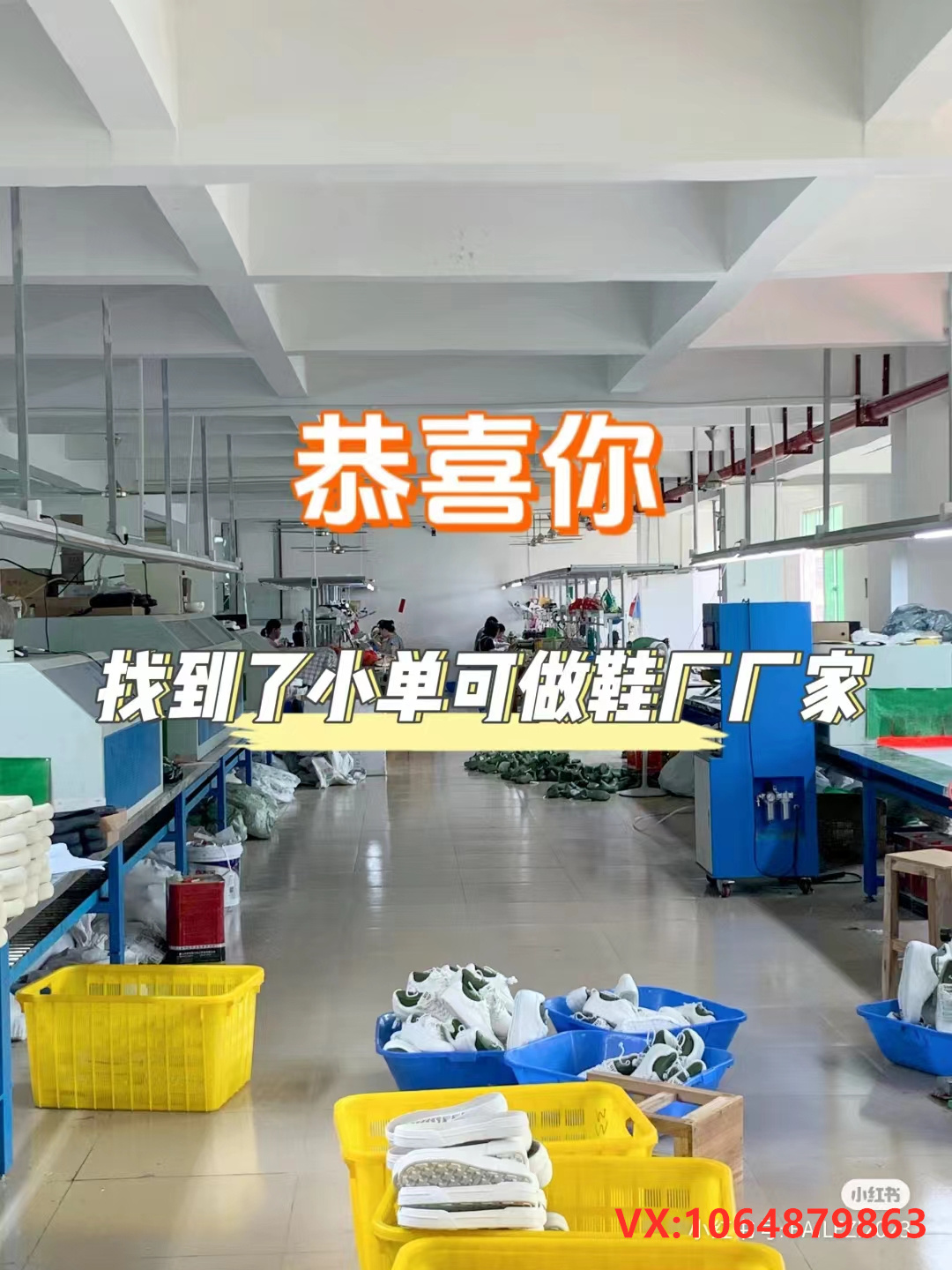
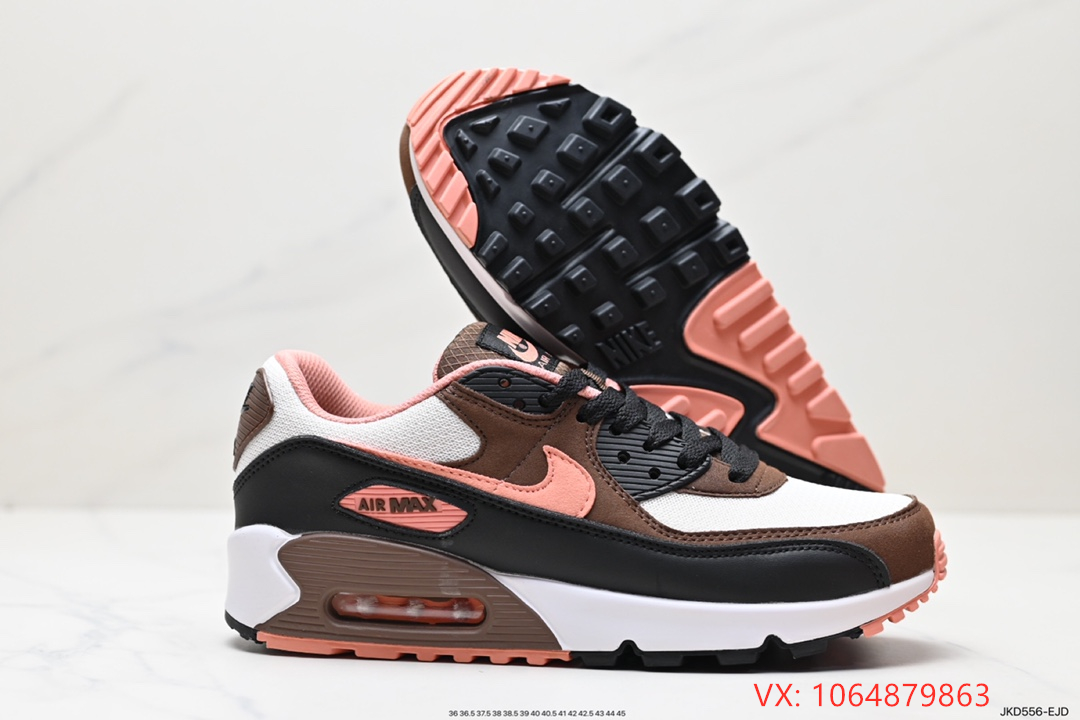
So, where does the money go? For a standard mid-tier shoe, the upper material alone—whether it is genuine leather, premium synthetic, or knit fabric—costs between 6 and 9 dollars. Then you have the sole unit. This is where the magic happens. We use molds that are often identical to the original brand factories. These molds cost hundreds of thousands of dollars to create, but once they are paid off, the per-unit cost for a high-density EVA or rubber sole is about 4 to 6 dollars. Add in the glue, the laces, the box, and the packaging, and you are already at 15 dollars before a single worker touches it.
Labor is the next big chunk. In Putian, skilled workers who know how to stitch without loose threads or apply glue without mess charge a premium. For a complex sneaker, the assembly line takes time. That labor cost adds another 4 to 7 dollars depending on the complexity of the design. So, when you add it all up, a truly high-quality pair costs us roughly 25 to 30 dollars to produce. Anything sold below that range is almost certainly cutting corners on the foam density or using recycled rubber that will crack after a month of wear.
Navigating the Anfu Market: A Buyer's Guide
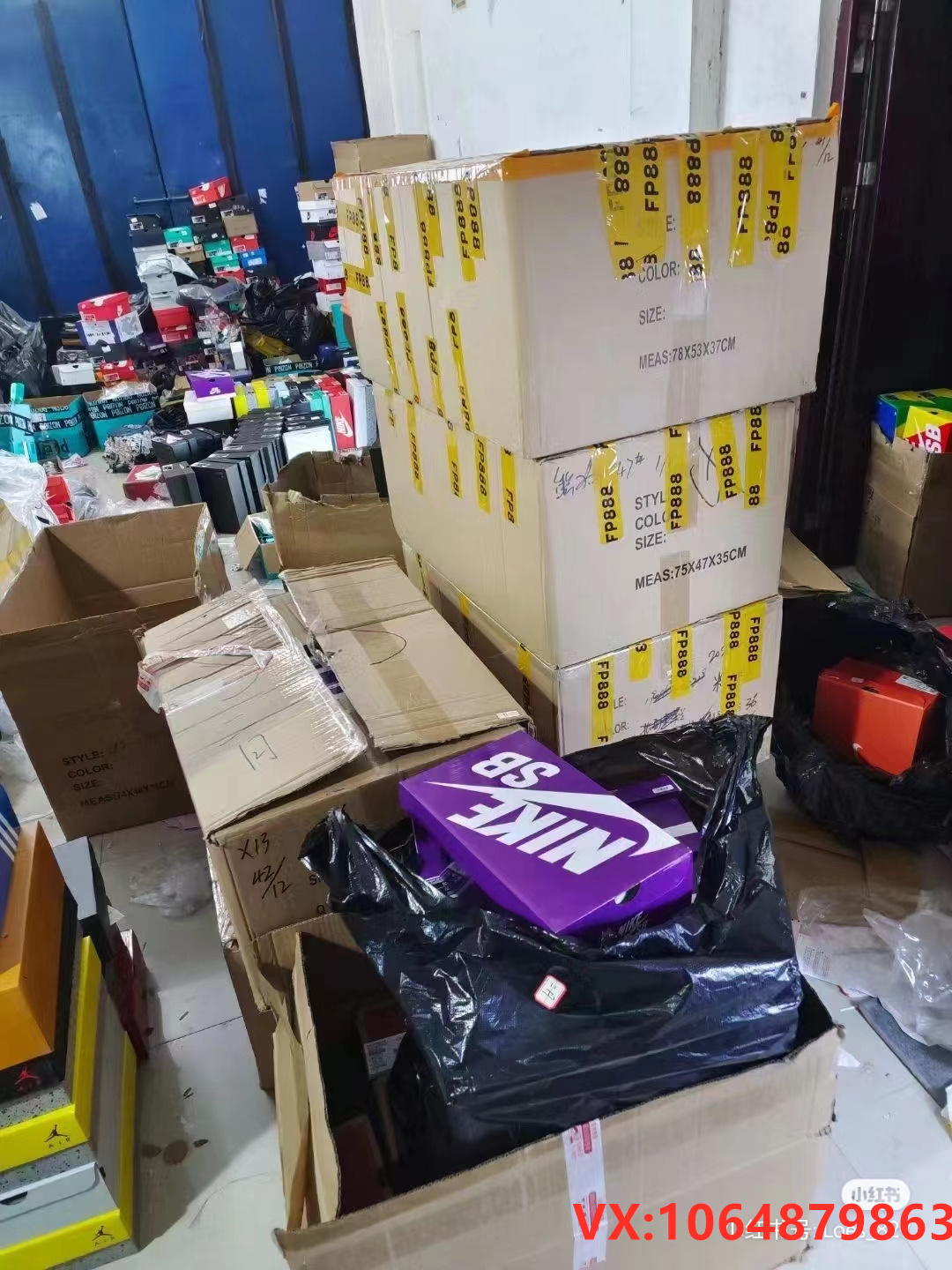
Many foreigners try to order directly from Alibaba or Taobao without ever seeing the product. They think they are getting a deal, but they end up with garbage. The secret to finding the best source is coming here to the physical markets. Anfu E-commerce City is not just a building; it is a maze of hundreds of stalls, each specializing in different brands and quality levels. Walking the floor gives you an advantage that no website can match.
Why Physical Inspection Matters
I cannot stress this enough: never buy a sample based on photos alone. Photos can be edited, colors can be shifted, and textures can be hidden. When you come to my shop, I will hand you three pairs of the same model. One is the "low version," one is the "mid version," and one is the "top version." You feel the difference in the heel padding, you smell the glue, and you check the stitching density. This is how you verify the true cost versus the value. If you skip this step, you are gambling with your reputation as a reseller.
Understanding the Tier System
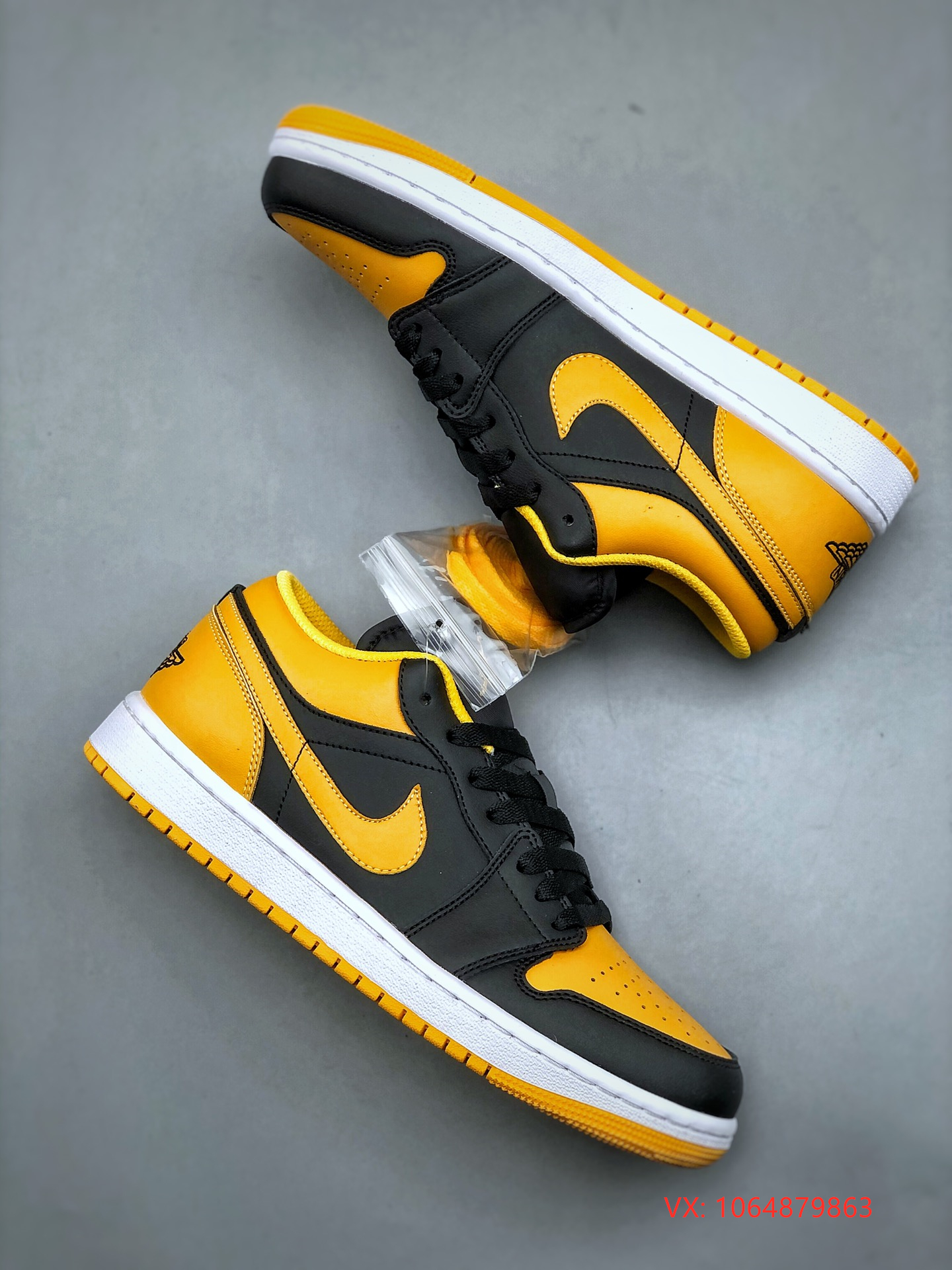
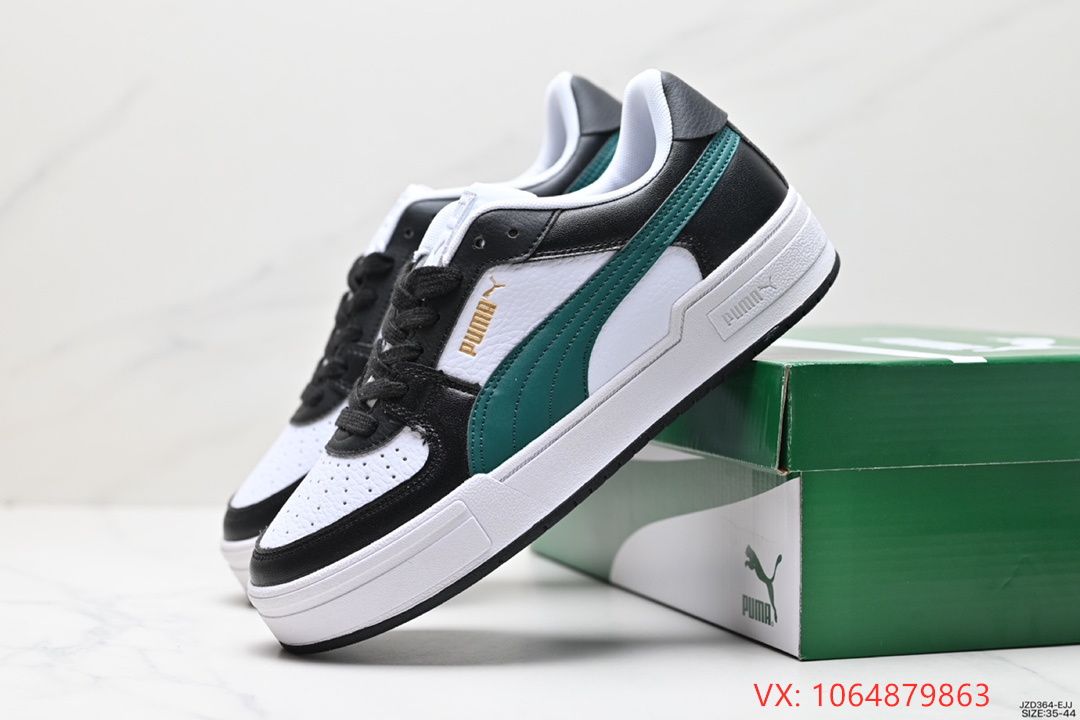
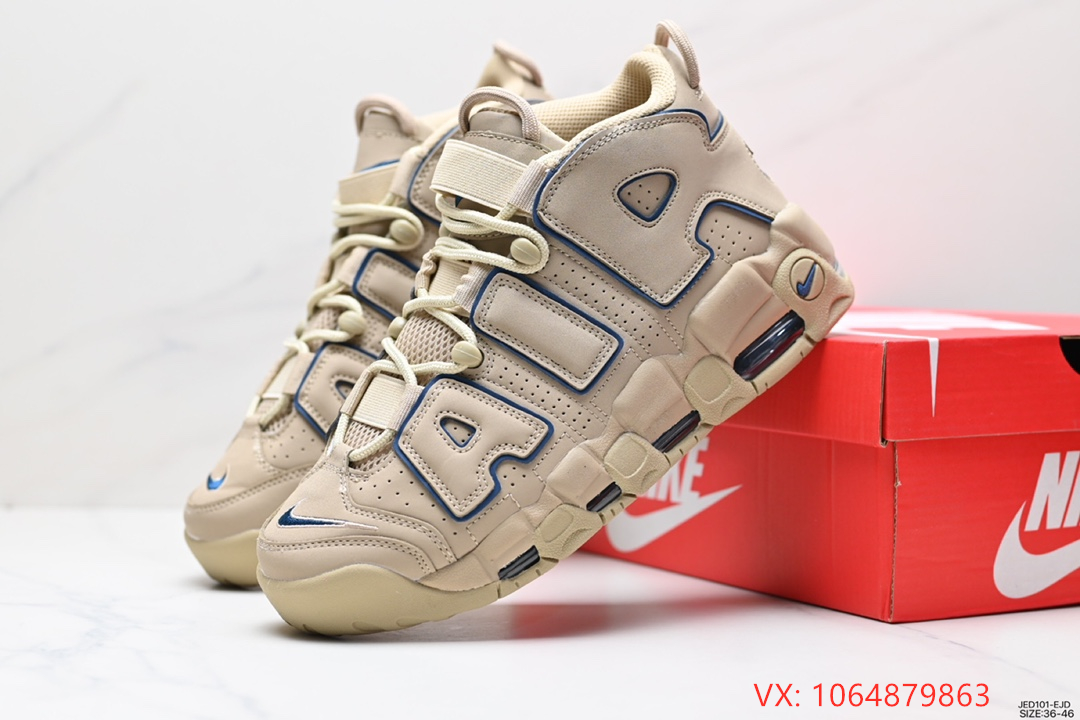
In our market, we do not just say "good" or "bad." We have specific tiers. There is the "Market Version," which is decent for casual wear but lacks durability. Then there is the "Pure Version," which uses better materials but might miss some subtle branding details. Finally, there is the "Lucky Version" or "Top Grade," which uses the exact same molds and materials as the original factories. As a buyer, you need to decide which tier fits your budget. If you are targeting customers who care about comfort and longevity, you must pay for the top tier. Trying to sell a low-tier shoe as a premium product will ruin your brand quickly.
Dealing with Suppliers and Avoiding Scams
Communication is key when dealing with overseas clients. Many buyers get frustrated because they do not understand how we operate. We are not a giant corporation with a customer service hotline. We are small business owners running tight margins. When you contact us, be clear about what you need. Do not just ask for "Nike Air Max." Ask for the specific batch number or the specific mold code. This shows you know the game and makes us more willing to give you the best price.
The importance of Samples Before Bulk
Before you commit to a bulk order of 500 pairs, you must order samples. Yes, it costs more upfront, but it saves you from disaster. I always tell my international friends: pay for the sample shipping. It proves you are serious. once you receive the sample, compare it side-by-side with the official product images. Check the box label, the QR code, and the inner lining. If the sample matches the description, then we move forward. If not, we adjust until it does. This process builds trust and ensures that your final shipment meets your expectations.
Shipping and Logistics Realities
Another common pitfall is underestimating shipping costs. Shipping a single pair is expensive, but shipping a pallet of 500 pairs requires careful planning. We work with logistics partners who specialize in moving goods out of China efficiently. However, customs regulations vary by country. Some countries are strict about branded footwear, while others are more lenient. You need to discuss this with your supplier beforehand. We can help you package the goods discreetly, but ultimately, you are responsible for ensuring your cargo clears customs without issues.
Final Thoughts on Sourcing Quality Footwear
At the end of the day, the cost of a Putian shoe is not just a number on a spreadsheet. It is a reflection of the effort, skill, and materials put into every step. Whether you are looking for the cheapest option or the highest quality replica, understanding the breakdown helps you make smarter decisions. The market is vast, and opportunities are endless, but only those who take the time to learn the ropes will succeed.
If you are ready to start sourcing, come to Anfu. Walk the floors, talk to the owners, and see the products with your own eyes. Do not rely on screenshots or promises. Build relationships with suppliers who value transparency and quality. That is the only way to build a sustainable business in this industry. Remember, in Putian, the truth is written in the soles of the shoes, not in the marketing brochures.