Walking the Floors: My Real Talk on Sourcing and Preserving Footwear from Putian
Welcome to the real world of Putian. If you are reading this, chances are you have been burned by online scams or confused by the endless "factory direct" claims on social media. I have been standing in the Anfu E-Commerce City for over fifteen years. I have seen thousands of foreign buyers walk through those gates, some with a clear plan, others completely lost. Today, I am not going to give you a textbook answer on how to store shoes. Instead, I want to share the hard-earned wisdom I have gathered while helping international clients navigate the chaos of the Putian sneaker market. Because let's be honest, buying high-quality replicas is only half the battle; keeping them in pristine condition until they reach your customer or your closet is where most people fail.
The Reality of the Market Before You Even Think about Storage
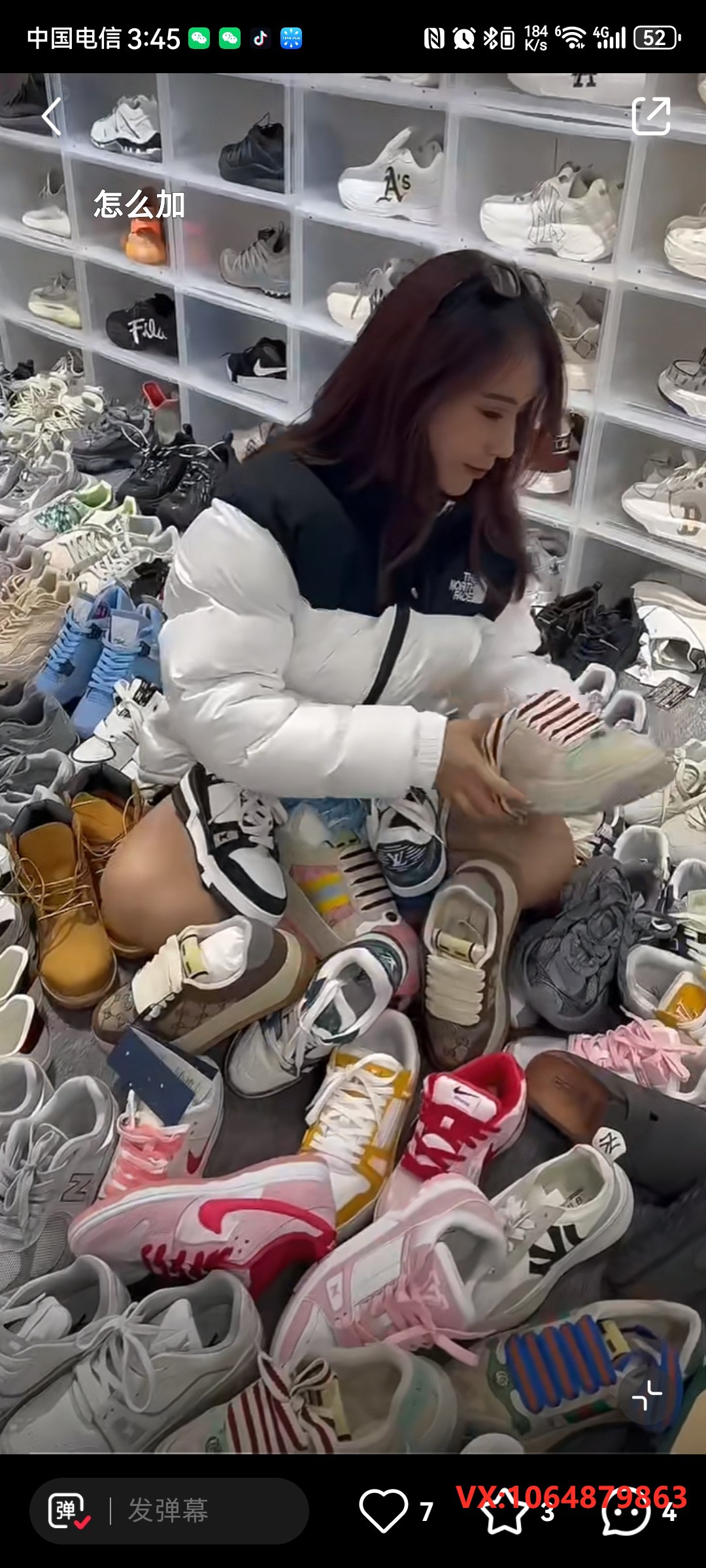
You cannot talk about preservation without first talking about acquisition. In Putian, specifically around the Anfu complex, the environment is humid, dusty, and chaotic. The air conditioning is often inconsistent, and the humidity can spike rapidly during the rainy season. When you are sourcing, do not just look at the box. Look at the floor. Look at the shelves. If the shoes in the warehouse are already gathering dust or showing signs of yellowing because they were left under fluorescent lights for months, no amount of careful storage later will save them. As a local boss, my advice is simple: never buy stock that has been sitting in a back room without ventilation. Always ask to see the actual inventory on the shelf, not just photos on a phone screen. This is the first step in ensuring your product is ready for long-term storage.
Mastering the Art of Preservation: A Local's Guide
once you have secured your goods, whether it is a small batch for personal use or a container load for resale, the clock starts ticking. The biggest mistake I see foreign buyers make is treating these sneakers like luxury items that need to be displayed immediately. They do not. They need to breathe. Here is exactly how we handle stock here in Fujian province to keep the rubber soles from cracking and the leather from drying out.
Climate Control is Your Best Friend
In Putian, the weather is tropical. We get hot summers and damp winters. If you are storing shoes in a non-climate-controlled space, you are asking for trouble. Moisture is the enemy of glue and leather. It causes the midsoles to delaminate, which is that dreaded separation between the sole and the upper. To prevent this, you must maintain a relative humidity level between 40% and 60%. If you are storing in a basement or a garage, invest in a dehumidifier immediately. Do not rely on air conditioning alone; it cools the air but does not always remove enough moisture. Also, keep the temperature stable. Extreme heat accelerates the chemical breakdown of the adhesives used in construction. Keep your storage area cool, dark, and dry. Direct sunlight is a killer; it fades colors and dries out materials faster than anything else.
The importance of Proper Boxing and Stuffing
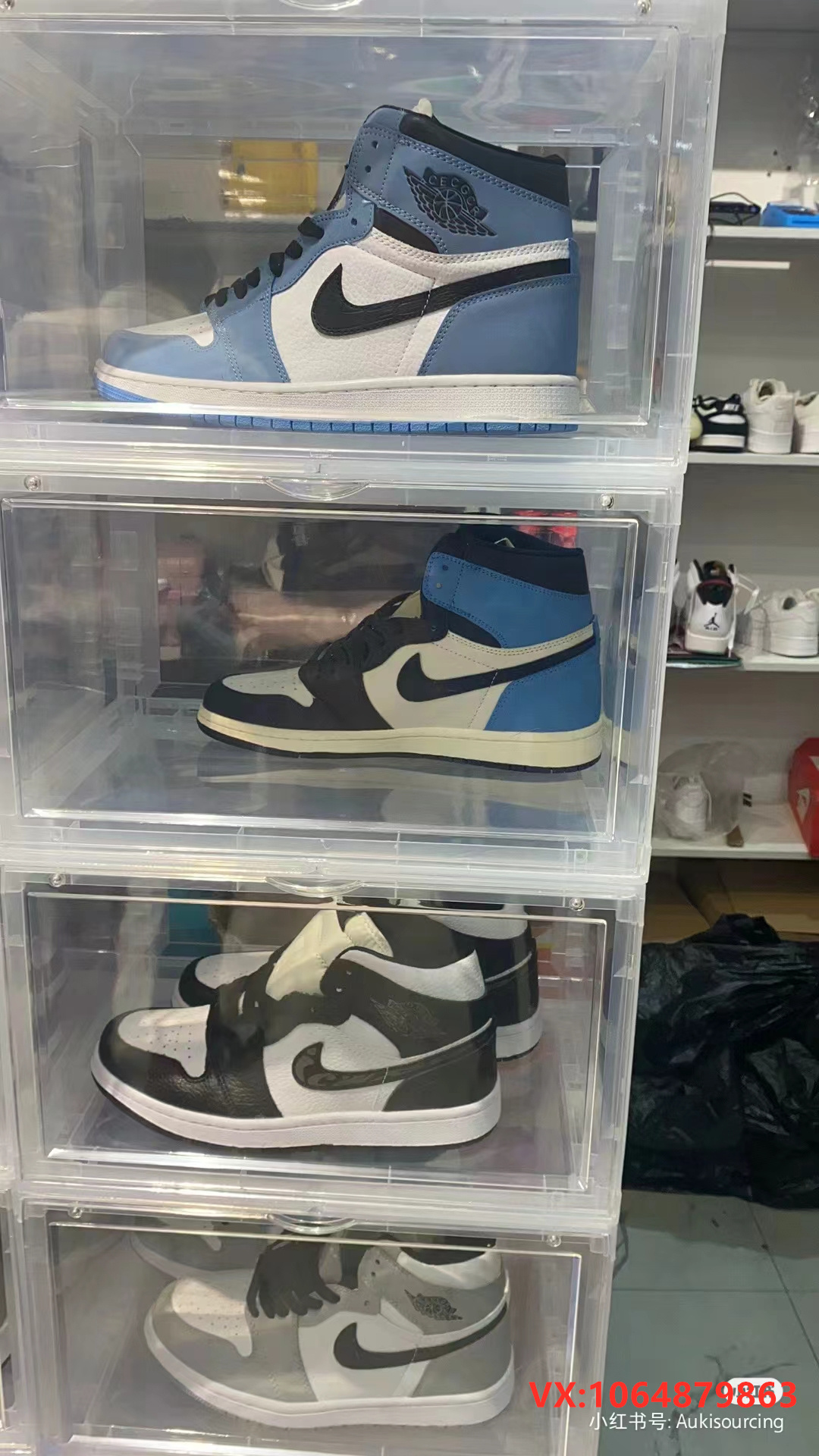
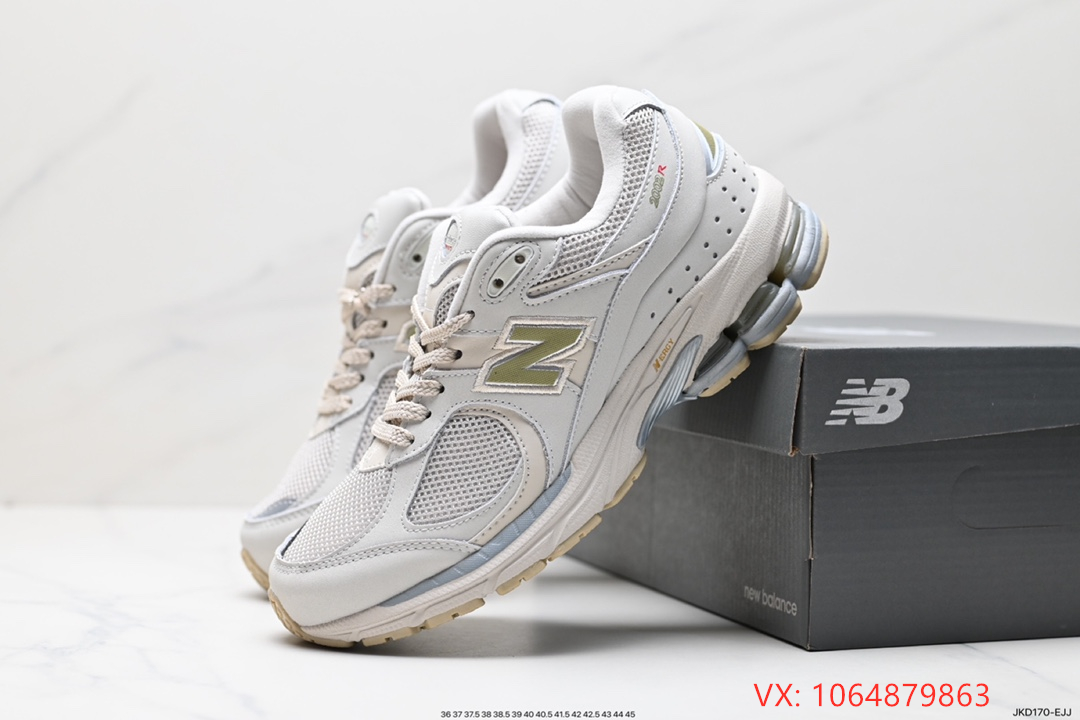
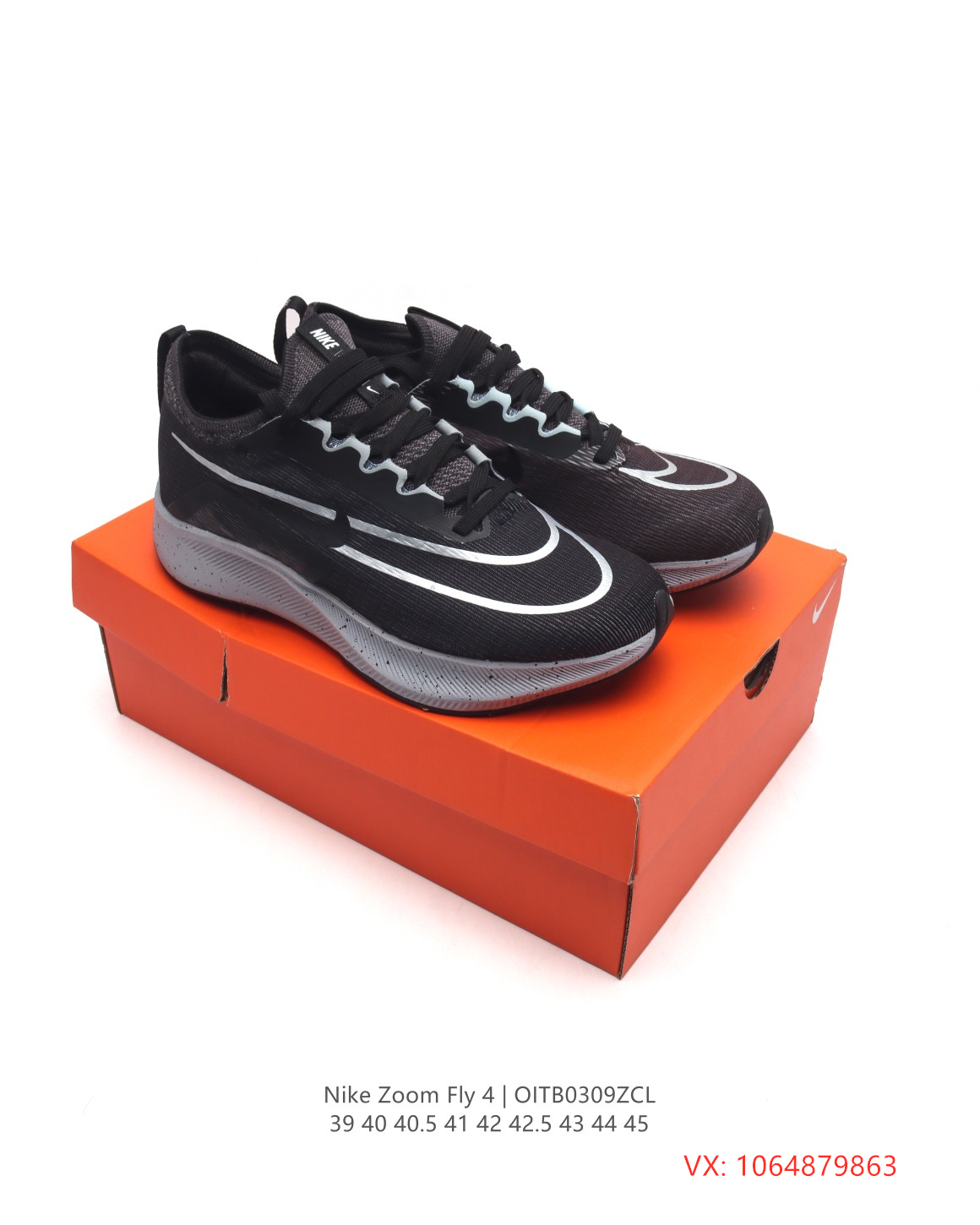
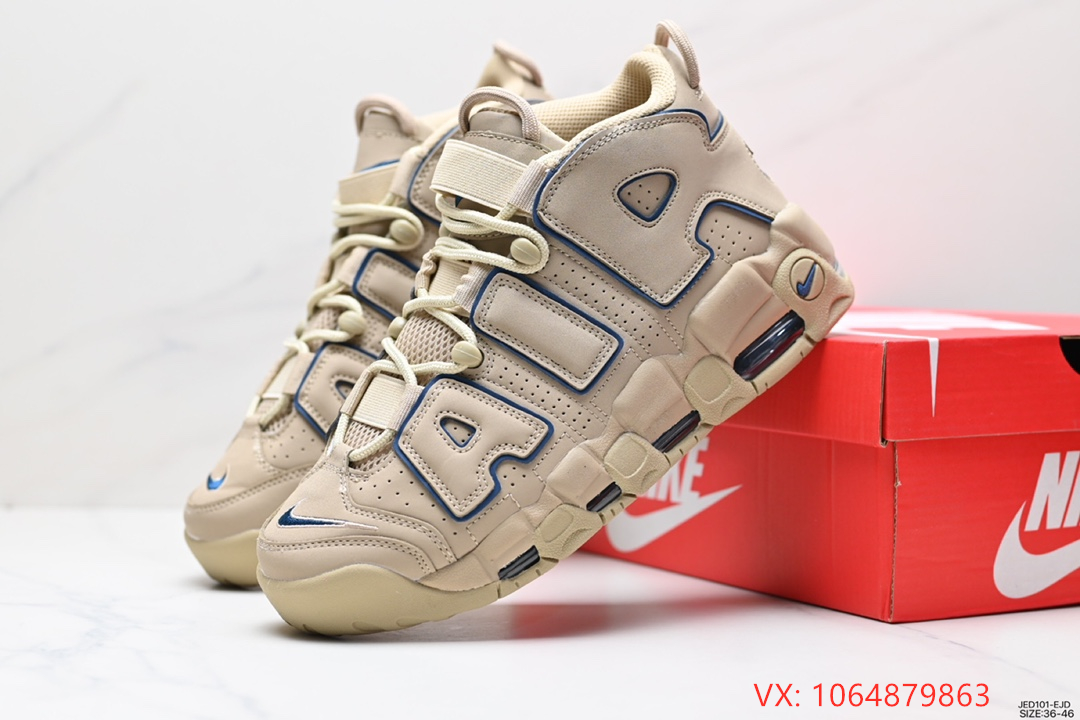
I remember seeing a shipment arrive from a buyer who thought he could save money by removing the original boxes. Big mistake. The cardboard box is not just packaging; it is structural support. It keeps the shoe from being crushed and protects it from light. However, simply putting them in a box is not enough. You must stuff the toe box. Use acid-free tissue paper or specialized shoe trees. Why? Because if the shoe sits empty, the material will crease permanently, and the shape will collapse. Over time, those deep creases become cracks. For long-term storage, especially for premium models, I recommend using cedar shoe trees. They absorb moisture and maintain the silhouette perfectly. Never use newspaper; the ink transfers onto the lining, and the paper is too acidic for delicate leathers.
Navigating the Supply Chain: Avoiding Pitfalls in Putian
When you are dealing with suppliers in the Anfu market, communication is key. Many foreigners try to negotiate purely on price, but as a veteran seller, I tell you that quality comes at a cost. If you find a deal that seems too good to be true, it usually means the materials were compromised. During our negotiations, I always emphasize the importance of the "sample check." Do not trust the factory photo. Ask for a video call where we inspect the specific pair you are buying. Check the stitching density, the smell of the glue, and the flexibility of the sole. This is crucial because if the raw materials are poor, no amount of perfect storage will fix the inherent flaws.
Building Trust with Local Vendors
Trust is built on transparency. When I work with overseas clients, I encourage them to visit the physical shop. There is no substitute for walking into a stall, shaking hands, and looking at the stock in person. This allows you to verify the quality firsthand and discuss storage requirements directly. Tell your supplier exactly how you plan to ship and store the goods. If you are shipping via sea freight, the containers can get incredibly hot and humid. We often advise clients to include desiccant packs inside every box before sealing them for transit. These little packets absorb excess moisture during the journey, preventing mold growth before the shoes even reach their destination. It is a small detail that saves thousands of dollars in damaged goods.
Long-Term Maintenance Strategies for Resellers
If you are running a business, your inventory turnover might be slow, meaning you have stock sitting for months. This requires a proactive maintenance schedule. once a month, rotate your stock. Move the boxes from the back to the front. Inspect them for any signs of mold or discoloration. If you notice any white spots, that is likely salt or mold, which needs immediate attention. Clean them gently with a soft brush and mild soap, then let them air dry away from direct heat. Do not use harsh chemicals. Furthermore, ensure your storage racks are elevated off the concrete floor. Concrete wicks moisture up from the ground, which can ruin the bottom of the boxes and the shoes inside. Use pallets or wooden slats to create an air gap.
documentation and Inventory Management
Finally, keep detailed records. In the fast-paced world of Putian sourcing, it is easy to lose track of when a batch was received. Label your boxes with the date of arrival and the specific model details. This helps you practice "First-In, First-Out" rotation. Older stock should be sold or distributed before newer arrivals to prevent aging issues. By managing your inventory this way, you ensure that every pair reaches the end user in the best possible condition. Remember, the reputation of your brand depends on the quality of the product you deliver. Whether you are selling "replicas" or authentic-style footwear, the care you take in preservation defines your professionalism.
So, there you have it. From the humid streets of Anfu to the climate-controlled warehouses of your own home, preserving your footwear requires attention to detail, proper tools, and a bit of local know-how. Do not rush the process. Take the time to source correctly, pack properly, and store wisely. That is the secret to success in this industry. If you follow these steps, you will avoid the common pitfalls that plague new importers and build a sustainable business based on quality and reliability. Happy sourcing, and may your inventory always stay fresh.