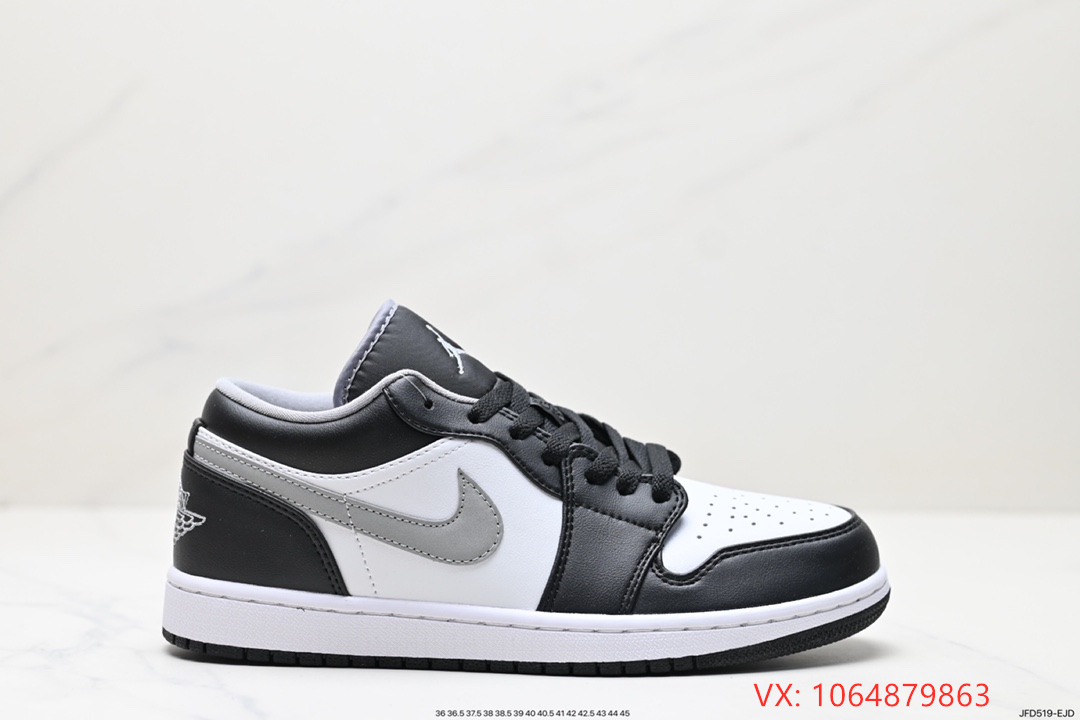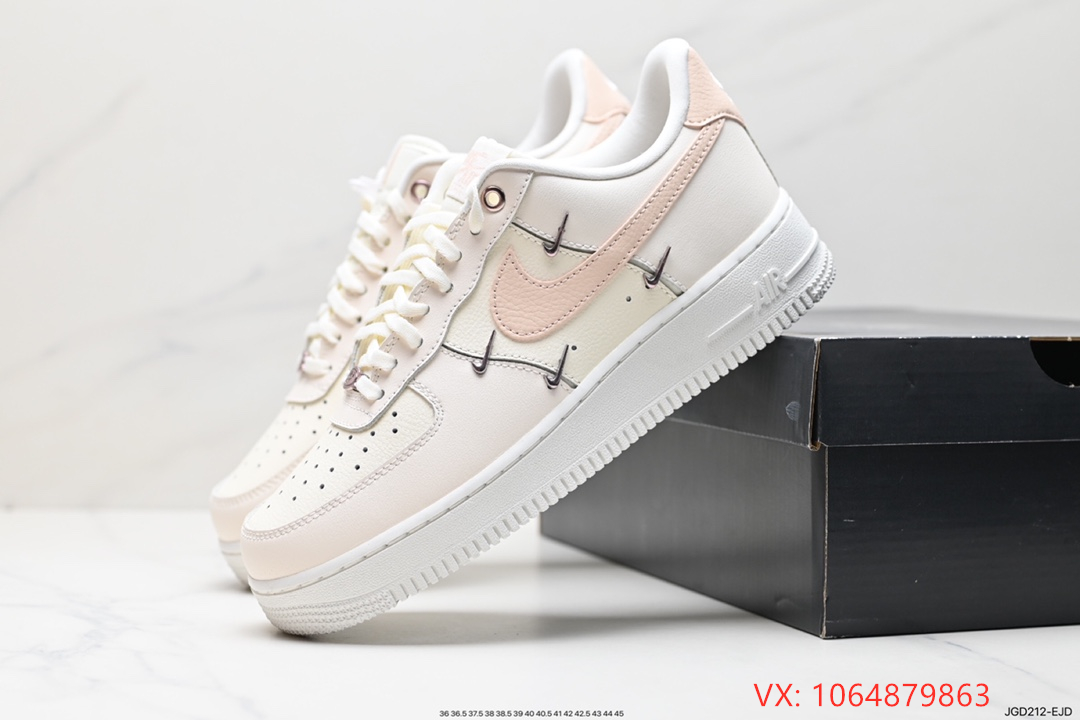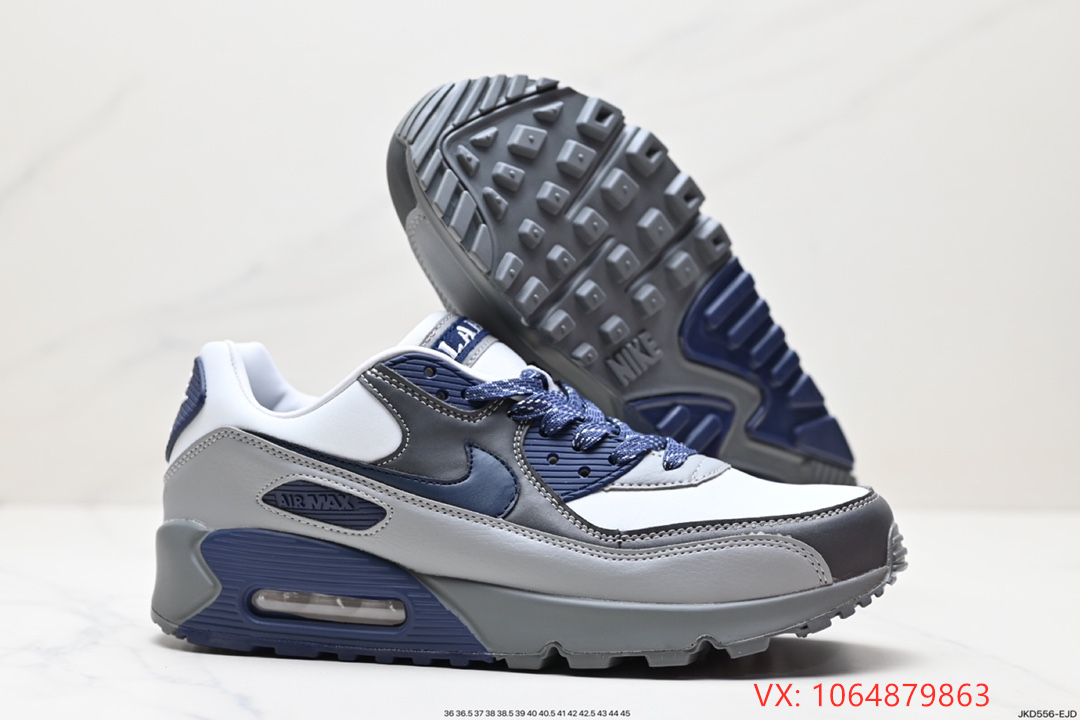
Walking the Floors: My Honest Guide to Sourcing Footwear in Putian
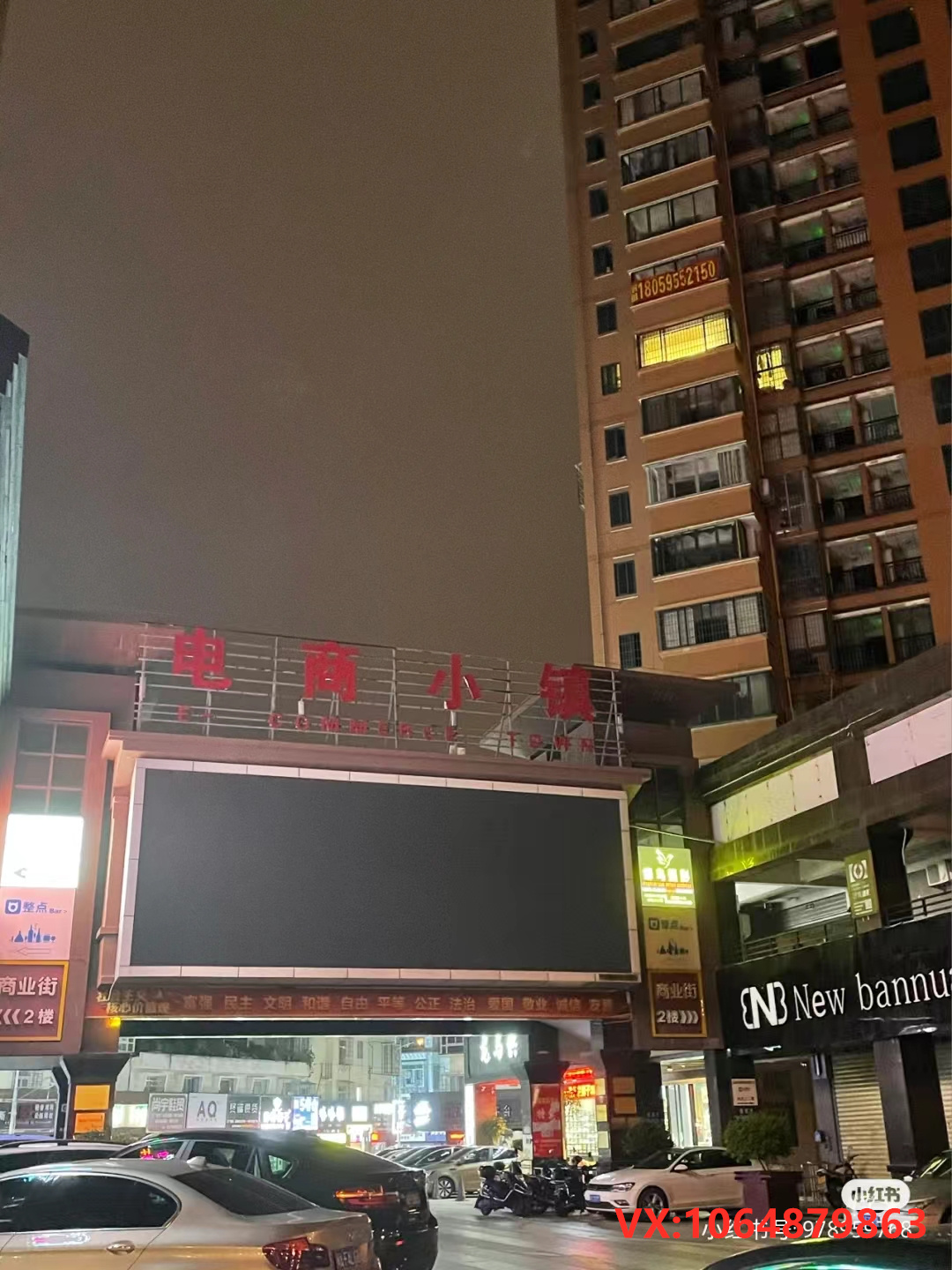
I have been standing behind this counter in the Anfu E-Commerce City for over fifteen years. While the world outside sees "Putian shoes" as a blurry concept of replicas or cheap knockoffs, inside these walls, we see it as a massive, complex ecosystem of manufacturing, design, and logistics. If you are an overseas buyer looking to source footwear directly from the source, forget what you read on generic forums. The real game happens on the ground, in the sweat and noise of the markets here. I am going to walk you through exactly how to navigate this landscape, from finding the right stall to inspecting the final product before it leaves China.
The Myth of the Single Warehouse
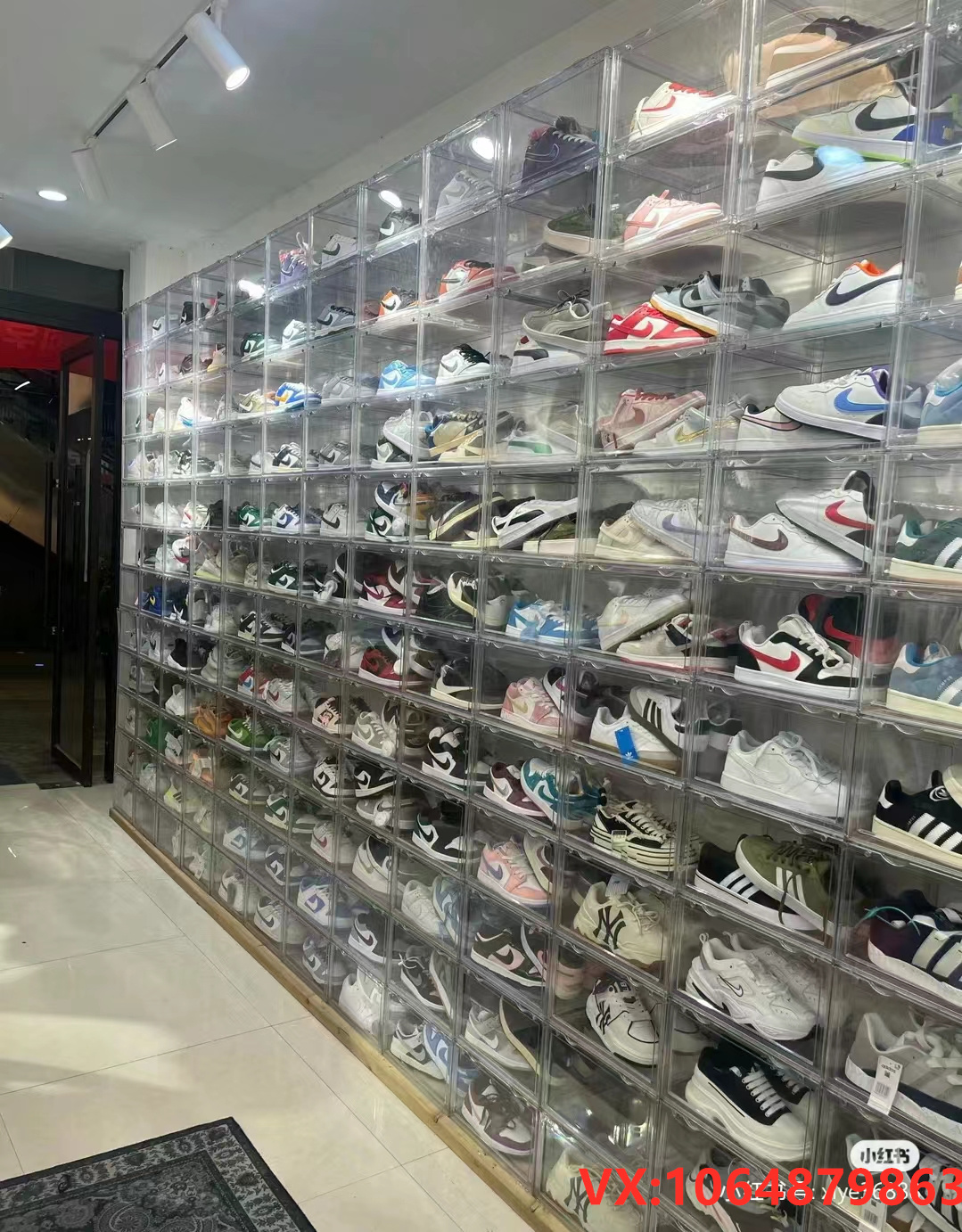
Many foreigners come to Putian expecting one giant warehouse where they can buy everything under one roof. That is a fantasy. The reality is that Putian is a city of thousands of small workshops and showrooms scattered across districts like Chengxiang and Xiaguan. The famous Anfu E-Commerce City is just the tip of the iceberg. It is the hub for the online sellers, but the actual production lines are often hidden in residential buildings or industrial parks nearby. When you arrive, do not look for a "factory store." Look for the showrooms first. These are the front-facing shops where the latest molds and samples are displayed. They are your entry point into the supply chain.
Navigating the Anfu Market: A Local's Strategy
Anfu is chaotic. It is loud, crowded, and moves at a speed that can overwhelm a new visitor. To succeed here, you need a strategy, not just a shopping list. The market operates on a specific rhythm. Mornings are for the serious buyers and the factory reps checking inventory. Afternoons are often slower, with more time for negotiation. Do not rush. Walk the entire perimeter of the building before entering any specific shop. Notice which stalls have fresh stock versus those displaying old models. The quality of the display often hints at the quality of the goods inside.
Identifying the Right Stall
Not every stall sells the same tier of product. You will see signs advertising "Top Version," "1:1," or "Original Quality." As a local owner, I tell you this: ignore the flashy signs. Instead, look at the people working there. Are they busy packing orders? Do they have a stack of boxes ready to ship? Those are the active players. Ask them about their lead times. If they say "one day," be skeptical. Real production takes time. A good stall will have a mix of high-end leather goods and synthetic materials. They should be able to explain the difference between the "mid-cut" and "low-cut" versions of a popular model without hesitation. This knowledge separates the resellers from the actual suppliers.
The Art of Inspection and Sampling
This is where most international buyers fail. They order based on photos sent via WeChat, only to receive subpar goods weeks later. Never, ever skip the physical inspection. When you visit my shop or any reputable partner, bring a magnifying glass and a ruler. Check the stitching density. In Putian, the difference between a $50 shoe and a $150 shoe often lies in the glue application and the alignment of the sole. Look at the tongue padding; does it feel firm or flimsy? Check the box labels. High-quality vendors know that the details on the box matter as much as the shoe itself.
Testing the Materials First Hand
Smell the leather. Real premium leather has a distinct scent, while cheap synthetics smell like chemicals. Bend the sole. Does it crack immediately, or does it flex smoothly? Ask to see the "mold" or the last used for the shoe. If the vendor refuses to show you the mold, run. That is a red flag. We pride ourselves on transparency because our reputation depends on repeat business. If you are sourcing for a specific brand style, ask to see the original sample alongside the version you are buying. Compare the weight. The heavier the shoe, generally, the better the material density, though this varies by design. Trust your hands more than your eyes when it comes to texture.
Negotiation and Building Relationships
In Putian, price is not fixed; it is fluid. It depends on volume, payment terms, and your relationship with the seller. Do not start by asking for the lowest price. Start by asking for the best quality. once you establish trust, the price will follow. Foreigners often try to haggle aggressively, which can backfire. Instead, focus on long-term partnership. Tell me you plan to order monthly, not just once. Show me you understand the market. When you speak English, use clear terms. Avoid slang. Be direct about your shipping requirements. Do you need dropshipping? Do you need custom packaging? These details change the cost structure significantly.
Payment and Logistics Realities
We accept various methods, but cash or direct bank transfers are often preferred for large orders to avoid fees. For smaller quantities, platforms like Alipay or WeChat Pay are standard. Regarding shipping, do not let the vendor handle it unless you trust them completely. Many vendors will offer a "door-to-door" service, but the rates can be inflated. It is often better to hire your own freight forwarder who specializes in China-to-overseas logistics. They know the customs regulations better than a shoe seller. Ask the vendor to pack the goods securely, but leave the final shipping arrangement to your agent. This gives you control over the tracking and insurance.
Avoiding Common Pitfalls
The biggest mistake buyers make is falling for "too good to be true" prices. If a pair of shoes is selling for half the market rate, it is likely a scam or made from recycled materials. Another trap is relying solely on video calls. A video can hide defects. Always request a video call with the specific batch you are buying, showing the serial numbers and the condition of the soles. Also, beware of middlemen. Some agents claim to be factories but are actually just reselling your order with a markup. Visit the location yourself. If they cannot give you a tour of their workshop or showroom, find someone else.
Building Trust Over Time
Trust is the currency of Putian. It takes months to build, but seconds to break. Treat every interaction with respect. Learn a few basic Chinese phrases if you can; it goes a long way. Even saying "hello" or "thank you" in Mandarin shows you care. Remember, we are all trying to make a living here. If you treat us like partners rather than targets, we will treat you like VIPs. We will hold the best stock for you, warn you about potential delays, and help you solve problems when they arise. The goal is not just a transaction; it is a sustainable business relationship that benefits both sides.