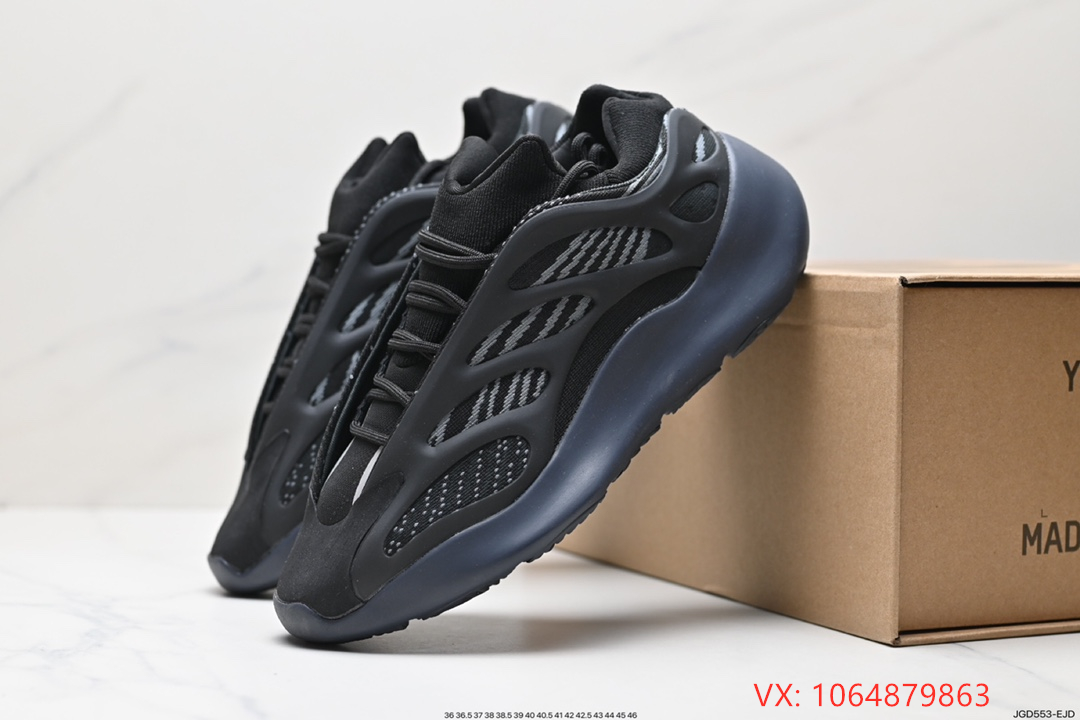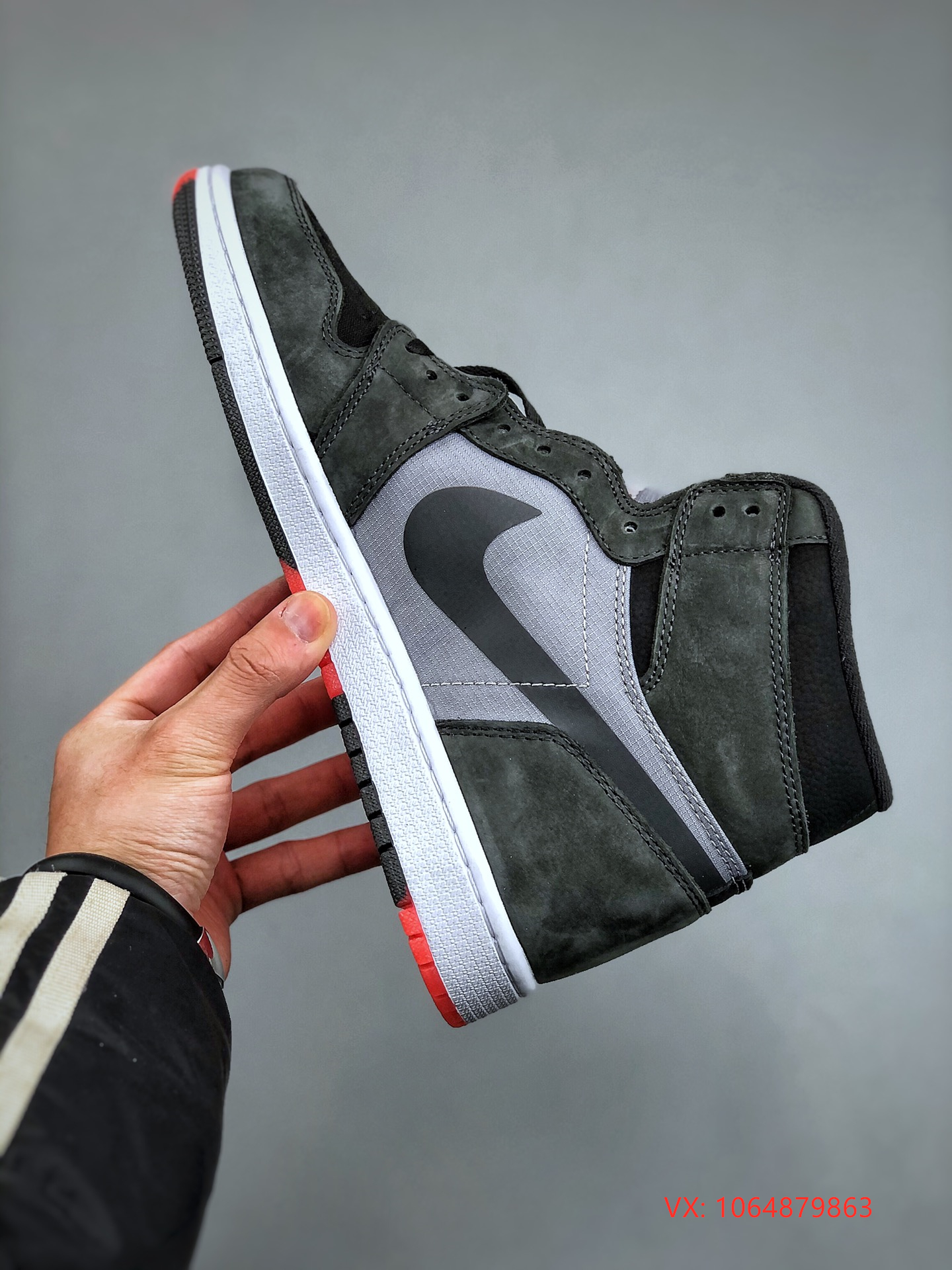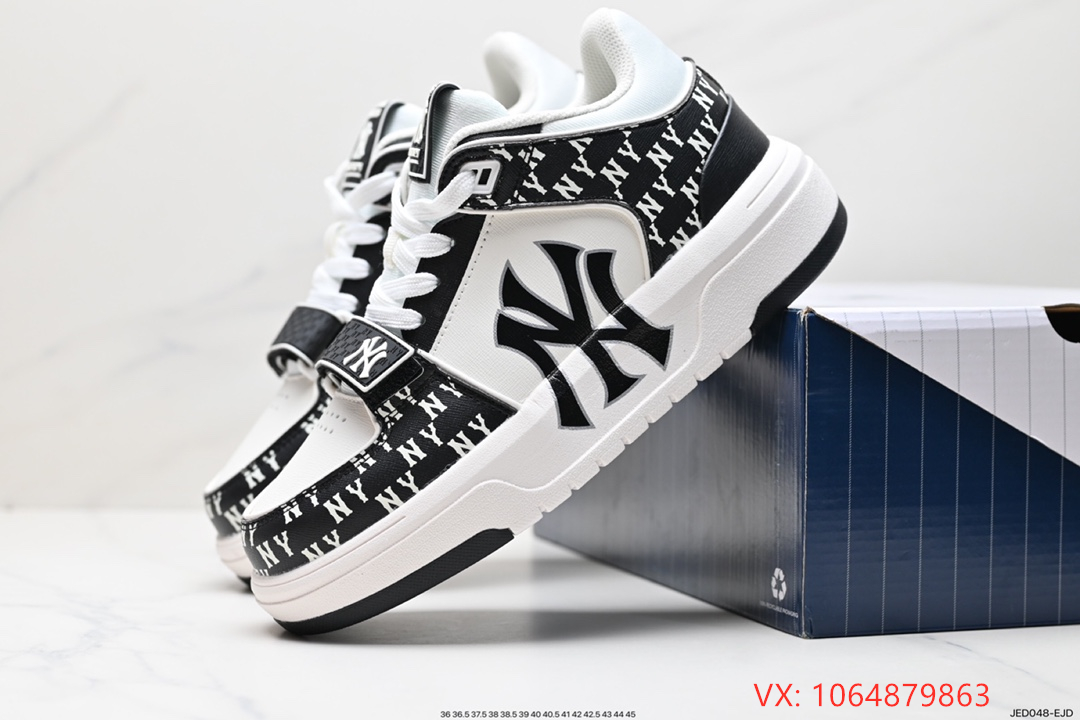
Why "How Much" is the Wrong Question for Men's Puxian Shoes
Welcome to Anfu, the beating heart of the sneaker world. I've been standing behind this counter in the market for over fifteen years, watching thousands of foreign buyers walk through these doors with the same confused look on their faces. They ask me immediately, "Boss, how much are the high-quality men's shoes? What is the price difference between the low and high versions?" It's a question that has stopped more deals than any bad translation ever could. Let me tell you something straight from my experience: if you are asking about a single fixed price, you are already losing money. In Puxian, the price isn't just a number; it is a direct reflection of the mold, the leather grade, and the glue quality inside that box.
The Myth of the Fixed Price Tag
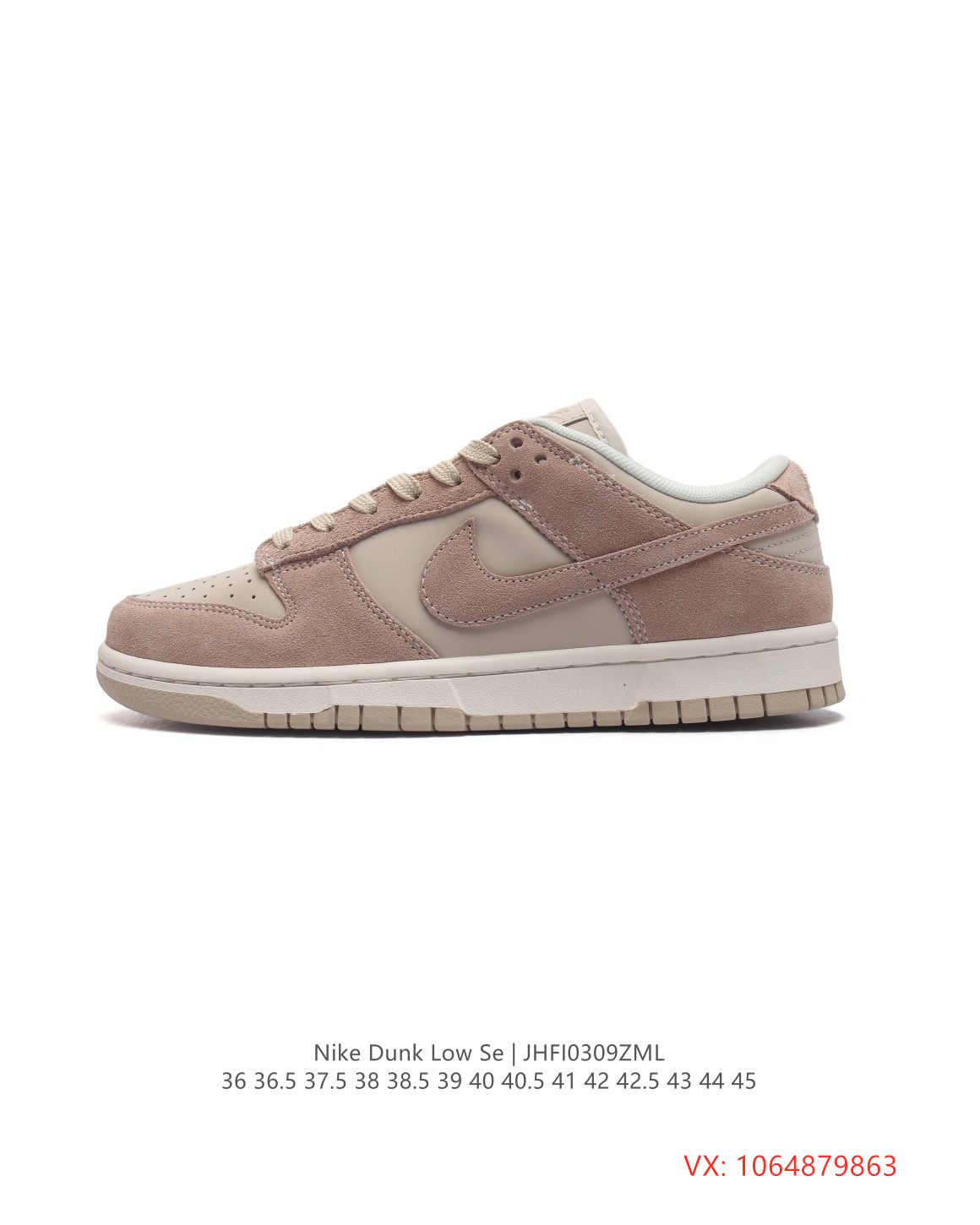
When you see those online listings claiming a specific price for "top tier" or "low tier," they are lying to you. The reality here is fluid. A pair of men's sneakers can range from forty dollars to two hundred and fifty dollars depending entirely on what factory produced them and which version of the mold was used. I have seen buyers come in looking for the cheapest option, only to leave with a pair that looks like a toy after three days of wear. Then I have others who pay double, thinking they got the real deal, but actually bought a mid-range copy because they didn't know how to inspect the stitching. The gap between the low-end and high-end isn't just ten dollars; it is a chasm of craftsmanship.
Navigating the Physical Market: Seeing is Believing
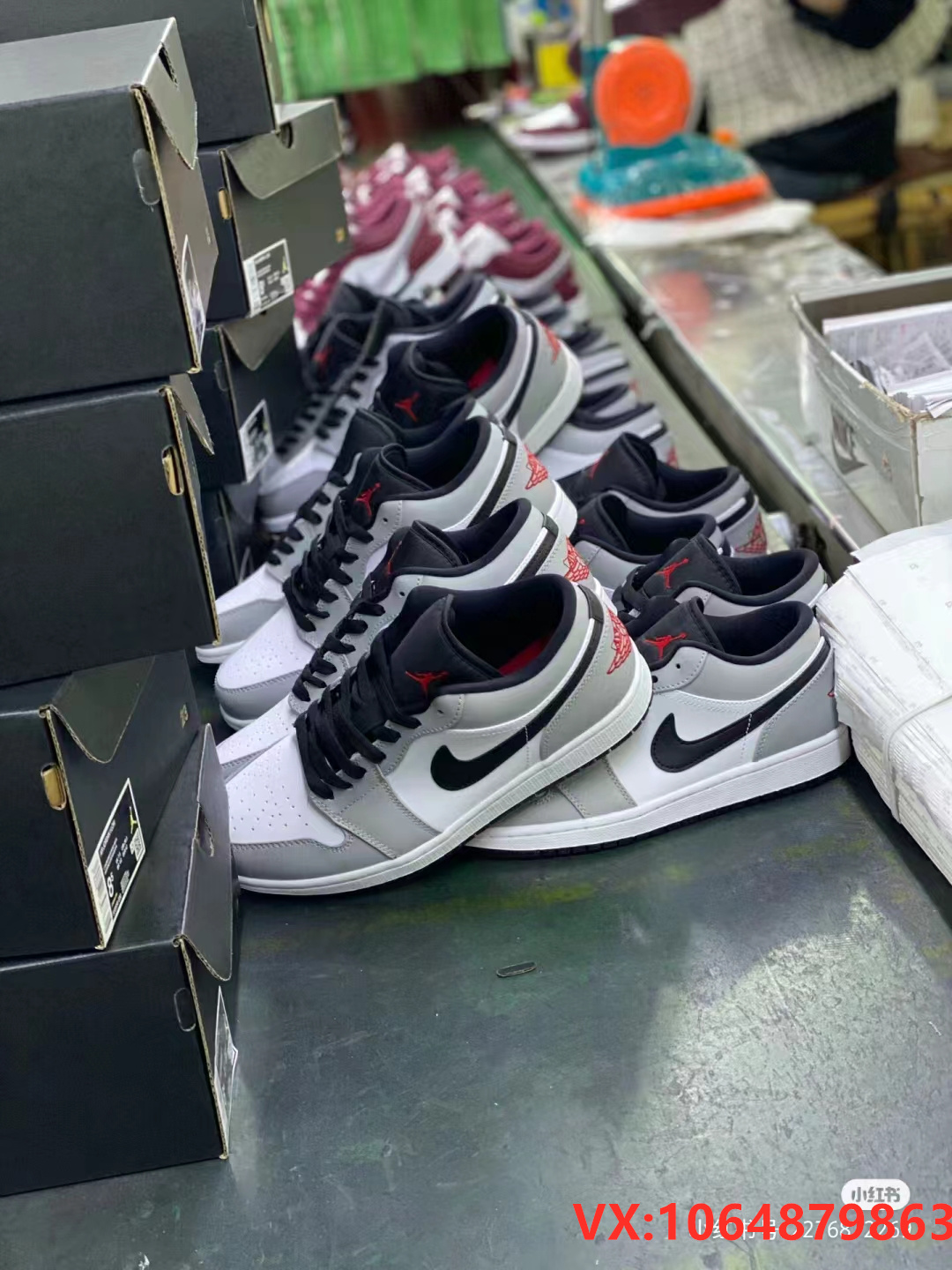
You cannot buy authentic sourcing from Puxian without stepping into the physical environment. The internet is full of scams, but the Anfu Electronic Commerce City is a different beast. When you walk into the main building, you will see rows upon rows of stalls. This is where the magic happens, but also where the traps are hidden. Foreigners often try to order via WeChat without ever seeing the product. That is a recipe for disaster. You need to stand in front of the stall, touch the material, and smell the rubber.
Inspecting the Leather and Stitching
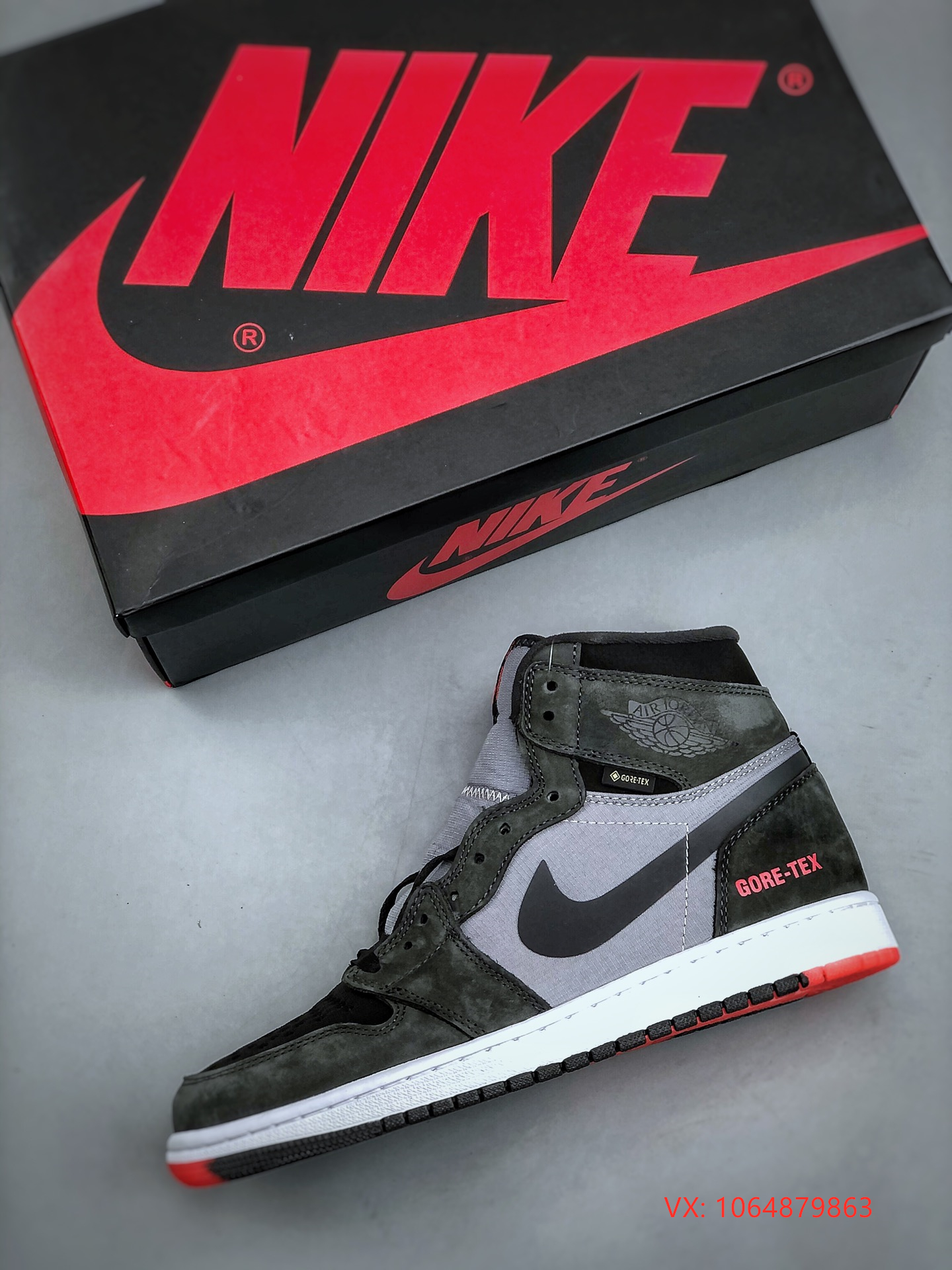
Let me show you how we do it here. When I am helping a client choose men's shoes, I don't just look at the side profile. I pull out the shoe and check the toe box. The low-tier versions use synthetic leather that feels stiff and plastic-like. It cracks easily. The high-tier versions use genuine cowhide or premium kangaroo leather that breathes and molds to your foot. Run your fingers along the stitching. If the thread is loose or the spacing varies by even a millimeter, put it back on the shelf. The high-end models have consistent, tight stitching that matches the original factory standards. I have seen buyers get ripped off buying "high quality" shoes that had visible glue stains on the sole because the worker rushed the process.
Checking the Midsole and Sole Unit
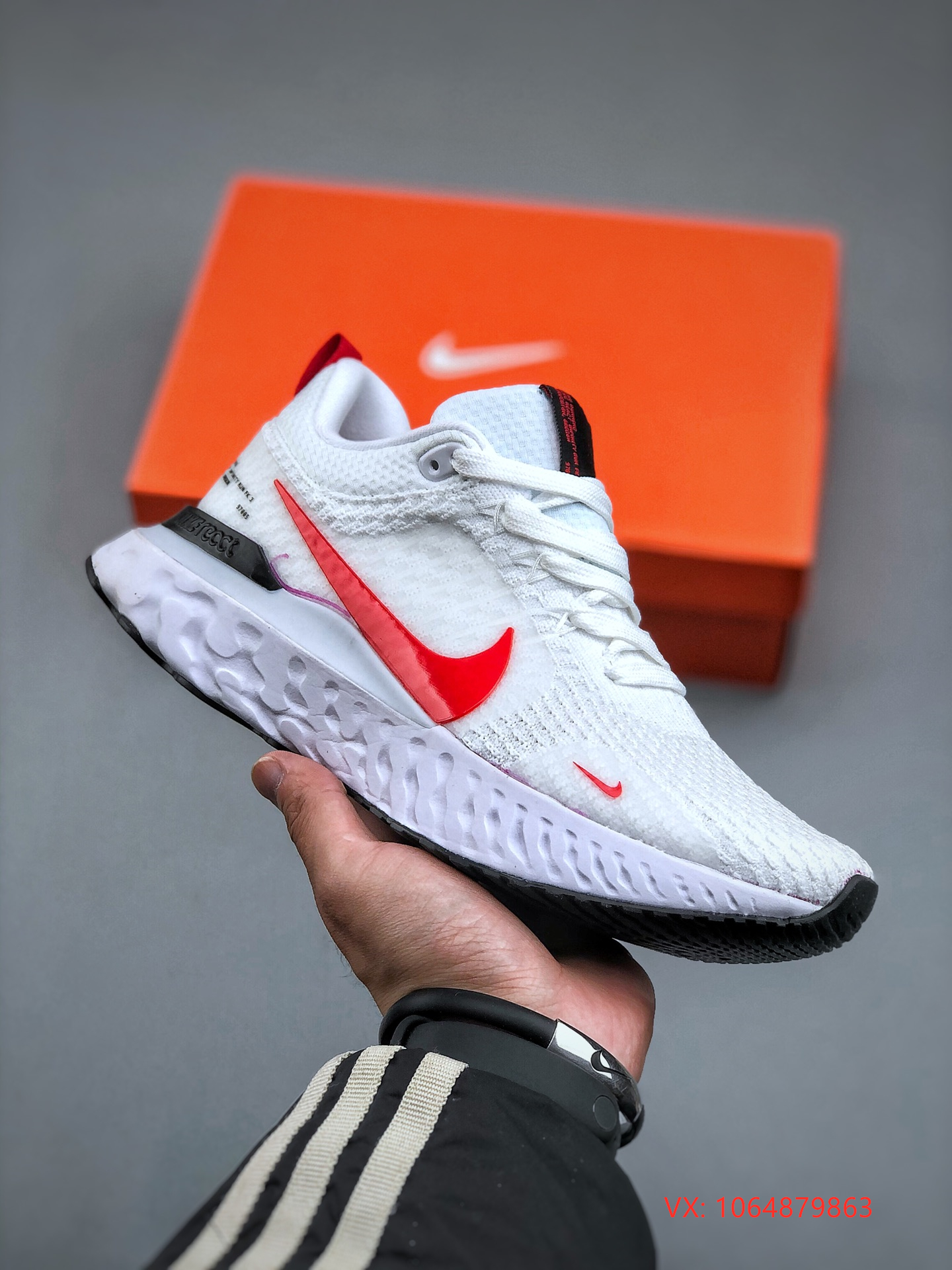
This is the most critical part for durability. The midsole foam in the cheap versions is often recycled rubber mixed with cheap EVA. It feels heavy and offers zero bounce. The high-end versions use the actual TPU injection molds or the correct density foam that provides that signature cushioning. I always ask my clients to press down on the heel. Does it rebound quickly? If it stays depressed, it's a low-tier knockoff. Also, look at the outsole pattern. The traction grooves must be sharp and deep. In the lower grades, these patterns are often blurred or shallow, making the shoe slippery and unsafe for daily wear.
The Sourcing Strategy: How to Talk to the Boss
once you are in the market, how do you negotiate? Most foreigners think they need to speak perfect English or Chinese. They don't. They need to speak "sourcing." When you approach a stall owner, do not say, "I want to buy shoes." Say, "Show me the 1:1 version." This term is common here and signals that you know the difference between the standard copy and the top-tier replica. If the boss hesitates or tries to push a generic model, walk away. There are hundreds of other stalls right next door.
Built-in Trust and Long-Term Deals
I have found that the best deals happen when you treat the transaction as a partnership, not a one-time sale. If you are planning to resell these shoes in the US or Europe, tell me. I will give you access to our private warehouse stock, not just the display items. Many sellers hide their best inventory until they trust you. By showing up in person, you prove you are serious. We can discuss bulk pricing tiers. For example, buying five pairs might cost you eighty dollars each, but buying fifty pairs drops the price to sixty-five dollars per unit. This is the kind of margin you need to make a profit in the international market.
Avoiding the "Fake High" Trap
One of the biggest pitfalls I see is the "fake high" trap. Some sellers take a low-tier shoe, clean it up, and sell it as a high-tier version for a premium price. They might replace the box and the laces to make it look better. But once you open the box and step inside, the difference is obvious. The insole padding will be thin, and the arch support will be non-existent. Always ask to see the raw materials before the assembly is complete. If the seller refuses, run. Real factories are proud of their materials and will let you inspect them.
Final Thoughts on Quality and Value
So, to answer your initial question about the price difference: the low-tier men's shoes might start around thirty to fifty dollars, while the high-tier versions sit comfortably between one hundred and two hundred dollars. But remember, the value lies in the details. If you are looking for a quick flip, maybe the lower end works, but if you want to build a reputation for selling premium footwear, you must invest in the high-tier molds. The extra cost pays for itself in customer satisfaction and fewer returns. Come to Anfu, walk the floors, touch the leather, and talk to the people who have been doing this for decades. Don't let the digital noise fool you. The truth is in the hands of the craftsmen right here in Puxian.