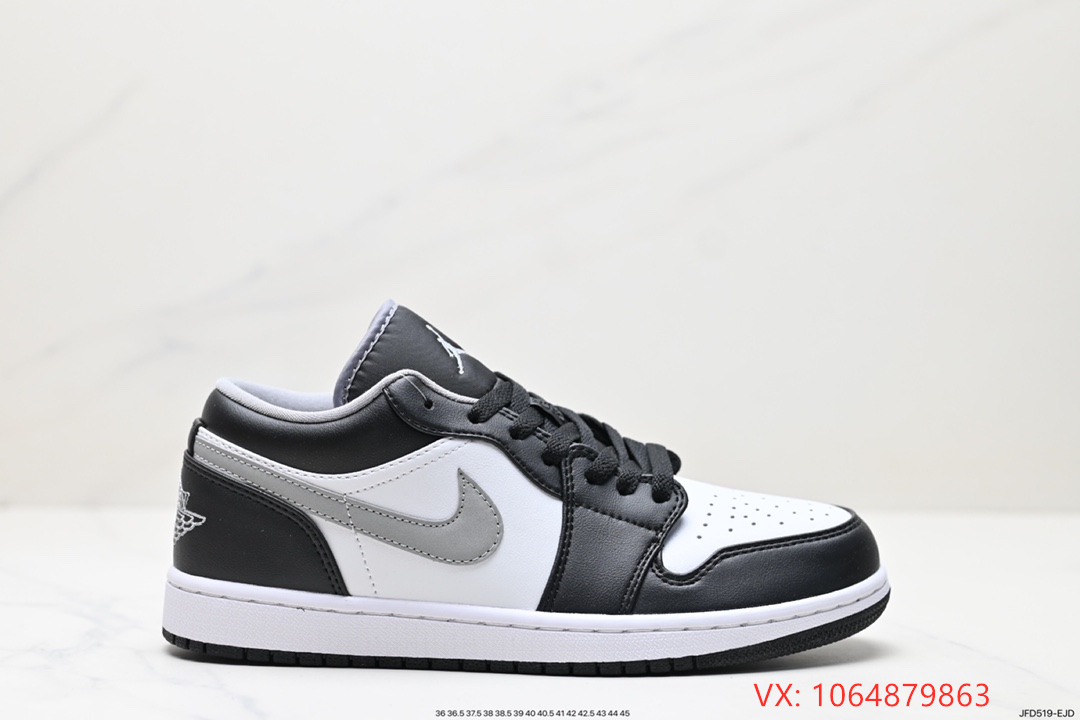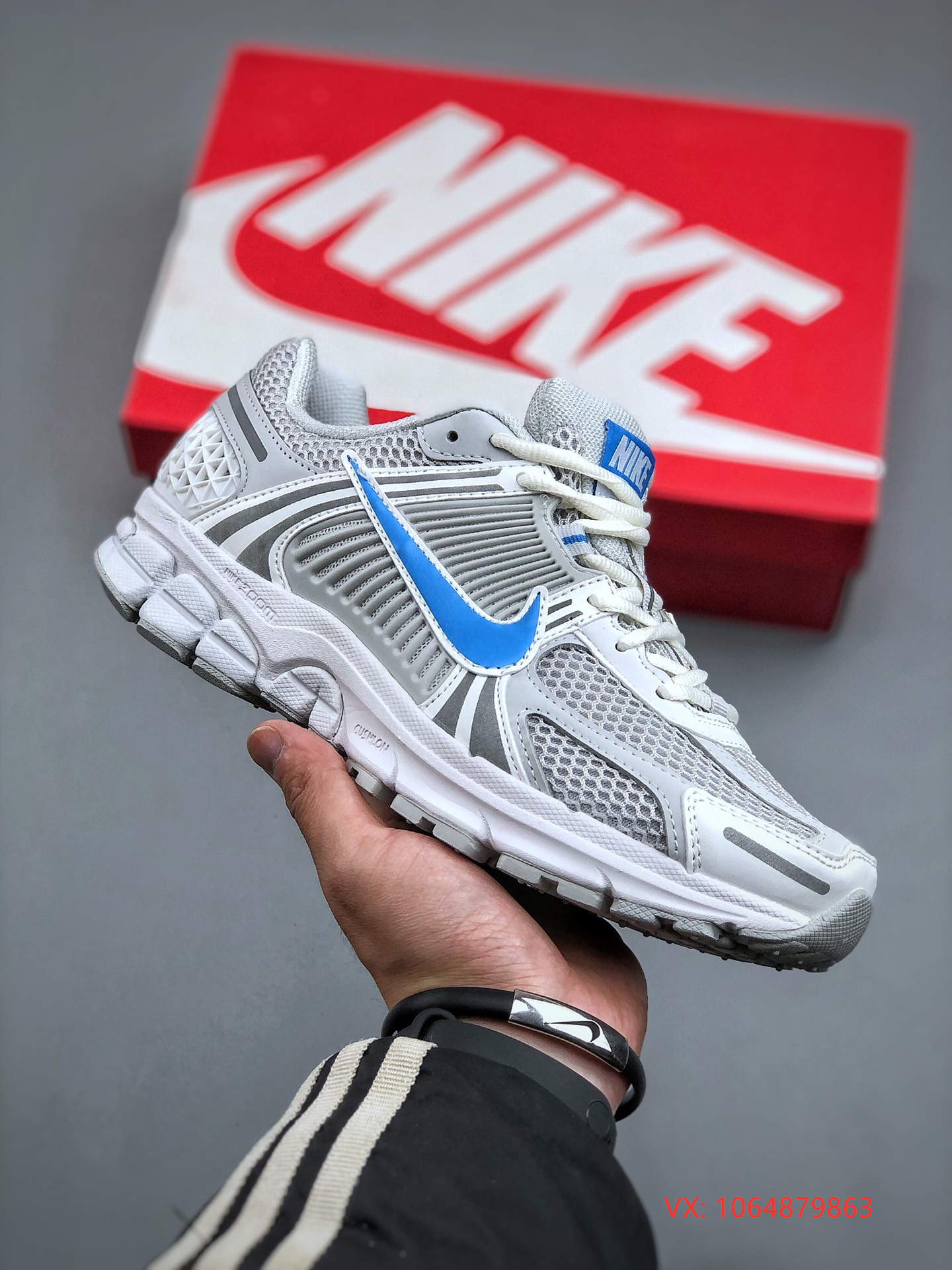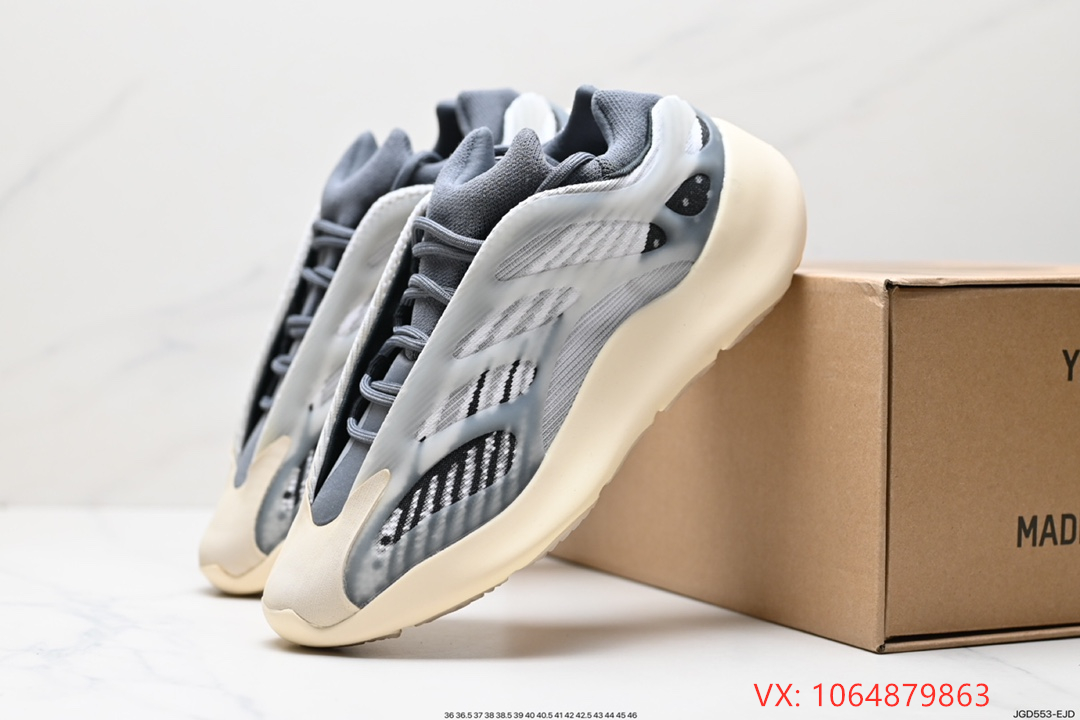
Walking the Floors of Anfu: A Veteran's Guide to Spotting Real Factory Goods
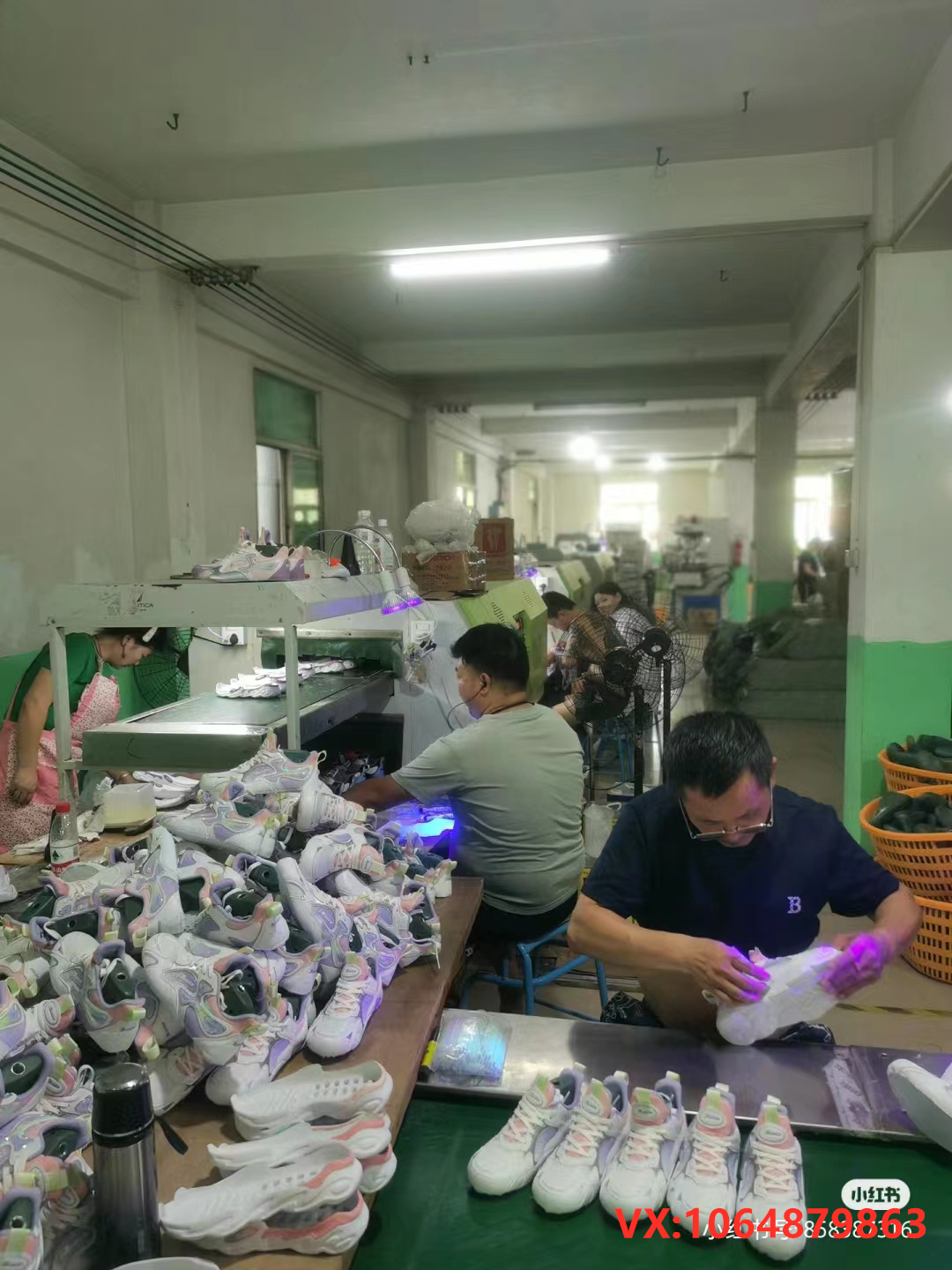
I've been standing on these concrete floors of the Anfu E-Commerce City for over fifteen years. While the world outside sees "Pu Xie" as a blurry concept of fakes, inside here, we know the truth is far more nuanced. You ask me how to distinguish an original factory shoe from the rest? Let me tell you, it starts with understanding that in this market, "original" doesn't mean Nike or Adidas sent us the box. It means the genuine mold, the same materials, and the exact production line that was supposed to be locked away.
When foreign buyers first walk into my shop, they often look confused. They are used to buying from official websites where everything is perfect. Here, perfection is a moving target. The real secret isn't just looking at the logo; it's about the relationship you build with the stall owner. If you treat me like a vendor selling you a knockoff, I will give you the lowest grade goods. But if you come as a partner looking for the top-tier "1:1" or "OG" quality, I will show you what actually comes out of the high-end workshops.
The First Step: Seeing Is Believing in Person
Navigating the Chaos of Anfu Market
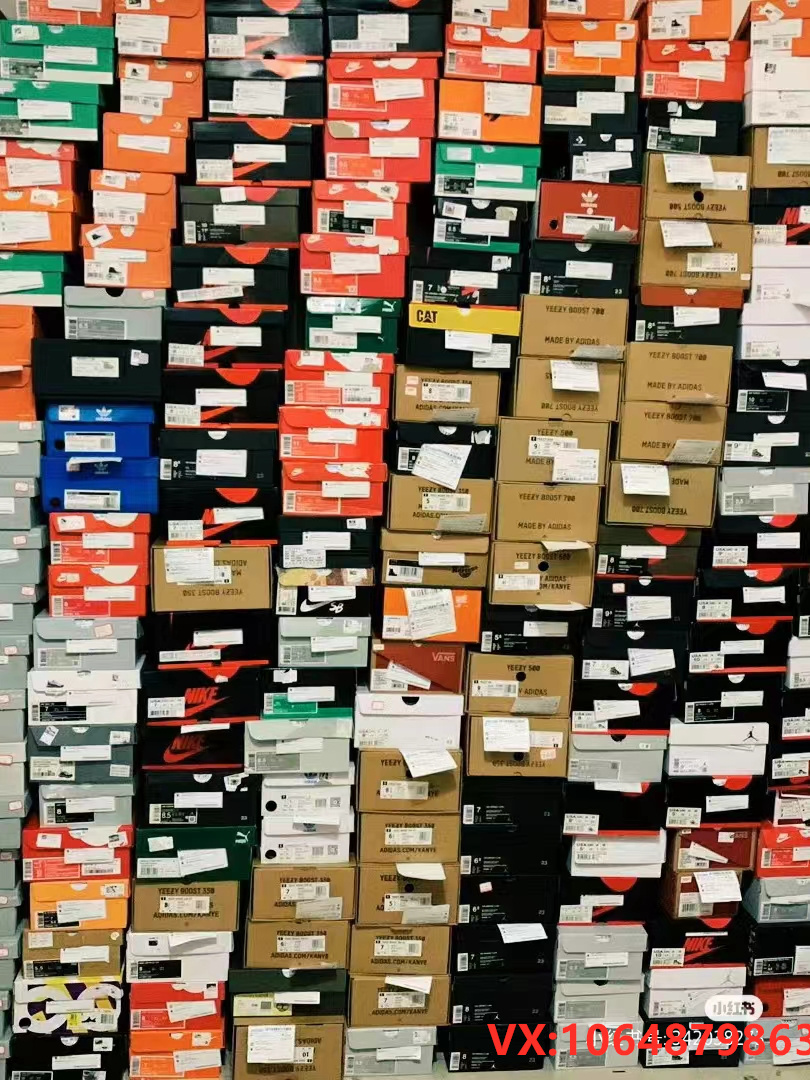
You cannot buy authentic factory shoes online without seeing them first. Many overseas clients try to order based on photos sent via WhatsApp, but that is a recipe for disaster. The lighting in our shops changes everything. A shoe that looks perfect in a dimly lit photo might have glue stains or uneven stitching when held under the harsh fluorescent lights of the corridor. When you visit Anfu, you need to walk the aisles. Look at the stalls that don't scream for attention. The ones with the flashy neon signs are usually pushing low-quality stock to tourists. The serious business happens in the quieter corners where the owners are busy packing orders for regular customers.
Reading the Stall Signage
Here is a tip most people miss. In the back rooms of the market, you will see signs saying "Original Quality" or "Top Version." Do not trust the sign alone. Ask the owner specifically about the "factory source." Are they talking about the molds taken directly from the brand factories, or are they using old molds that have been worn down? A true factory direct seller will talk about the specific batch numbers and the raw material suppliers. If they can't explain where the leather came from, move on. We deal in details, not marketing buzzwords.
Differentiating the Tiers: What Makes a Shoe "Factory Grade"
The Material Test
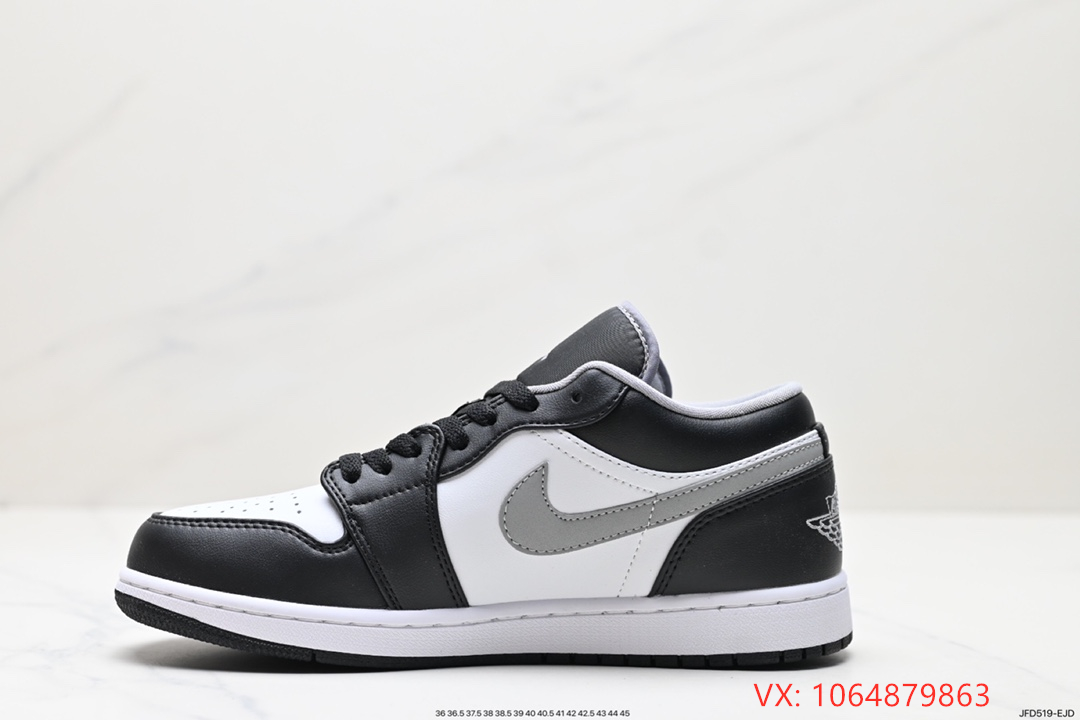
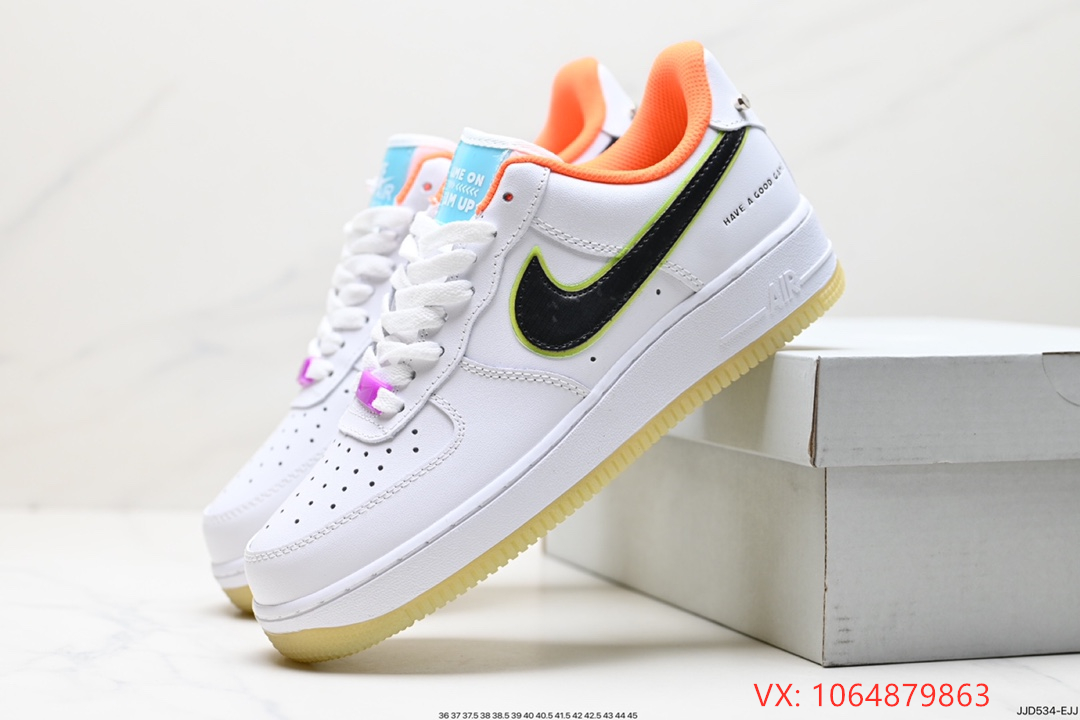
Let's get technical. How do you distinguish the real deal from the cheap copy? It starts with the smell and the touch. High-end factory shoes use the same TPU, Flyknit, or Primeknit materials as the big brands. When you press the heel counter, it should feel firm but flexible. Cheap versions use hard plastic that cracks after a week. Run your fingers over the upper. Does it feel soft and breathable, or does it feel like stiff cardboard? The best factory shoes mimic the texture of the original so closely that even experts struggle to tell them apart without a microscope. This is what we call the "top tier" or "lucky version."
Sole Construction and Glue Lines
The sole is where most fakes fail. Look at the midsole foam. Is it uniform? Does it have the right density? When you bend the shoe, does the crease pattern match the original design? In the lower grades, the glue lines are messy, and you can see excess adhesive oozing out. In the factory-grade shoes, the glue application is precise, almost invisible. The outsole rubber should have the correct tread pattern depth. If you drop the shoe and it sounds hollow, it's likely filled with cheap foam instead of the proper Boost or Zoom Air technology. Always compare the weight. A heavy shoe often means poor craftsmanship, while a light one indicates high-quality engineering.
Building Trust: Negotiation and Sourcing Strategies
Establishing Your Identity
When you approach a stall, don't pretend to be a casual shopper. Tell them you are sourcing for a boutique in the US or Europe. Mention that you plan to place recurring orders. This shifts the dynamic immediately. Owners know that a one-time buyer gets the leftovers, but a repeat customer gets access to the new molds before anyone else. We have private channels where we share samples of upcoming releases. If you want these, you need to prove you are serious. Bring a sample of your own inventory or show proof of previous purchases. This builds the trust necessary to get the real factory goods.
The Sample Protocol
Never skip the sample phase. Even if you have bought from us before, always request a new sample for every new model. Pay the extra fee for the sample shipping; it shows commitment. once you receive the sample, inspect it thoroughly. Check the size run, the colorway accuracy, and the packaging. Does the box look like the real thing? Is the dust bag included? These small details matter. If the sample passes your inspection, then we discuss bulk pricing. This process filters out the scammers who promise the moon but deliver sand.
Avoiding Pitfalls: Common Mistakes Foreign Buyers Make
Ignoring the "Fake" Stigma
One of the biggest mistakes I see is buyers being too embarrassed to ask questions. They think asking about the origin makes them look bad. It doesn't. In our industry, transparency is key. If you ask, "Is this the same mold as the retail version?" and the owner hesitates, you know something is wrong. Don't be afraid to dig deep. The market is full of variations, and only by asking the right questions can you find the genuine factory output.
Relying Solely on Price
If a price seems too good to be true, it is. There is no such thing as a $50 pair of high-quality replica sneakers that cost $200 to make. The cost of labor, materials, and logistics adds up. If someone offers you a deal that is 50% cheaper than the standard factory rate, they are cutting corners somewhere. Maybe they are using recycled materials or skipping the quality control step. As a veteran owner, I advise you to pay for quality. The difference between a $60 shoe and a $90 shoe is the difference between a product that lasts a year and one that falls apart in a month.
Final Thoughts on Sourcing in Putian
Buying from Putian is not about finding a shortcut; it is about finding a partner who understands the craft. The market has evolved. We are no longer just making copies; we are mastering the art of replication. By visiting the physical market, testing the materials, and building relationships with trusted vendors, you can secure the highest quality products available. Remember, the goal is not just to sell shoes, but to sell confidence. When you hold a shoe that feels and looks like the original, you know you have found the real factory goods. Come to Anfu, walk the floors, and let the quality speak for itself.