Walking the Floors: A Veteran's Guide to Finding Real Factories in Putian
I have been standing on these concrete floors of the Anfu E-commerce City for over fifteen years. While the world calls it "Putian shoes," I call it home. If you are an overseas buyer scrolling through Google looking for "Putian shoe factories" or trying to find "reliable suppliers in Fujian," let me tell you something straight from the market: there is no single giant factory that owns everything like Nike or Adidas does in their corporate brochures. The reality here is messy, dynamic, and incredibly layered. When foreigners ask me about the big brands, they often expect a list of names like Li-Ning or Anta, but in the context of the high-end replica and OEM market we operate in, the structure is completely different.
The Myth of the Single Giant Factory
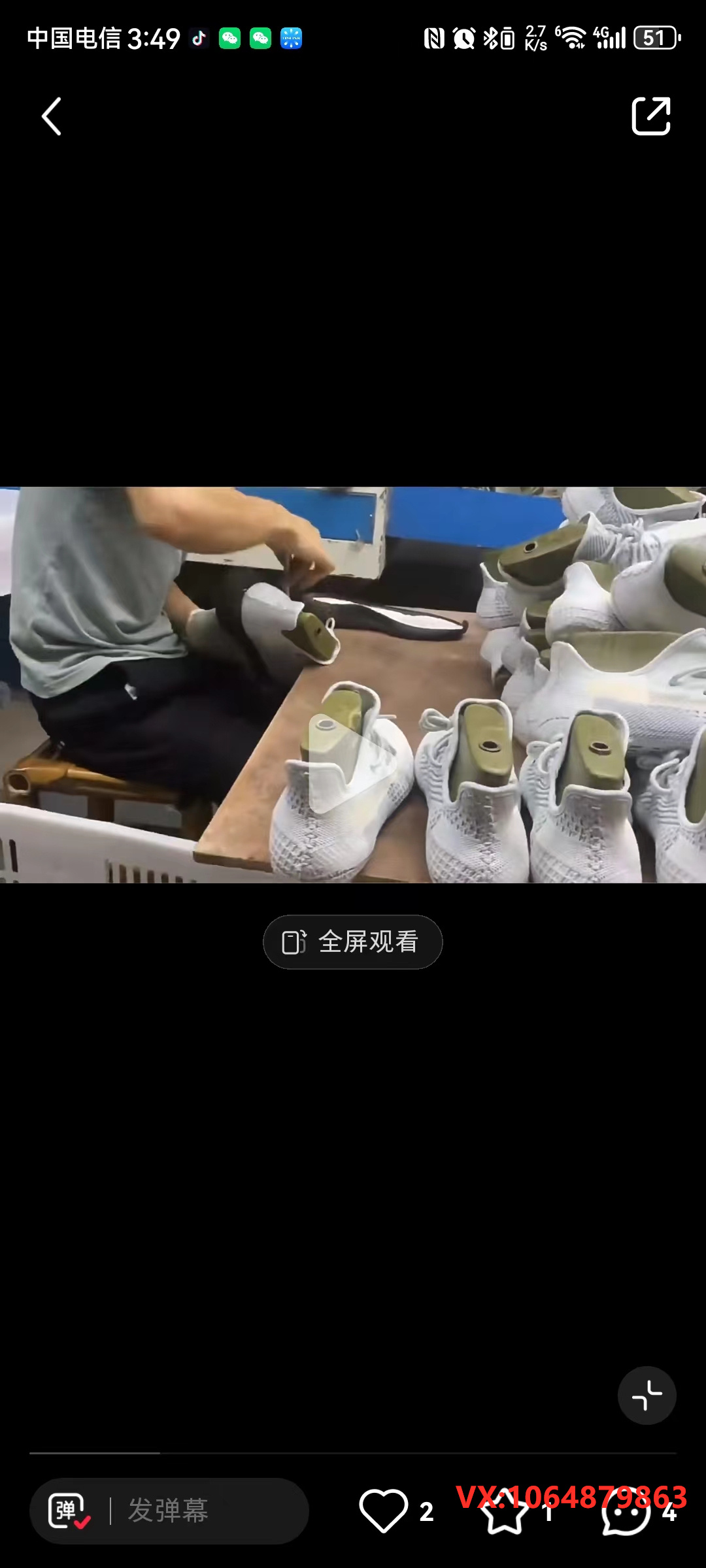
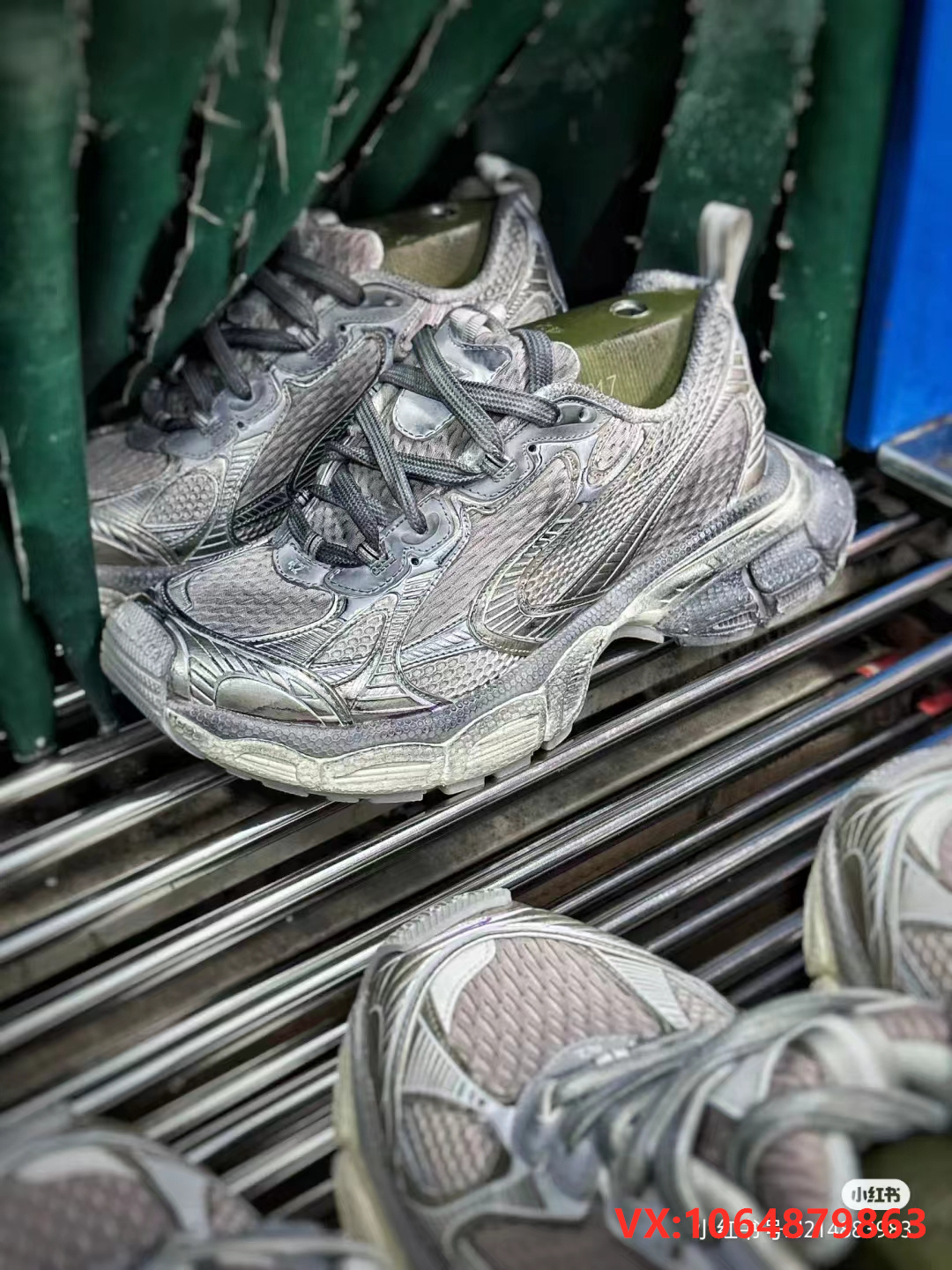
You will hear many people online claiming that one specific factory produces all the top-tier goods. That is a lie sold by middlemen to make themselves look important. In Putian, the supply chain is fragmented. What you see as a "factory" is often just a massive workshop with fifty sewing machines and a few hundred workers. The real power lies in the clusters. There are specialized workshops for uppers, separate ones for soles, and assembly lines that stitch them together. When you walk into the Anfu market, you aren't visiting a monolithic corporation; you are walking through a network of hundreds of small-to-medium enterprises that collaborate daily. If you are looking for "best quality Putian sneakers," you need to understand that quality comes from the specific workshop, not necessarily a brand name attached to the building.
Navigating the Anfu Market: Where the Real Action Happens
If you fly into Xiamen and take a taxi to Putian, do not expect to find a sleek showroom waiting for you. The heart of this industry is the Anfu E-commerce City and the surrounding streets like Shengli Road. This is where the magic happens, but only if you know how to look. For international buyers, the first mistake is trying to buy directly from a factory without seeing the product. You cannot order "custom molds" over WhatsApp without a handshake and a cup of tea.
Scouting the Showrooms vs. The Workshops
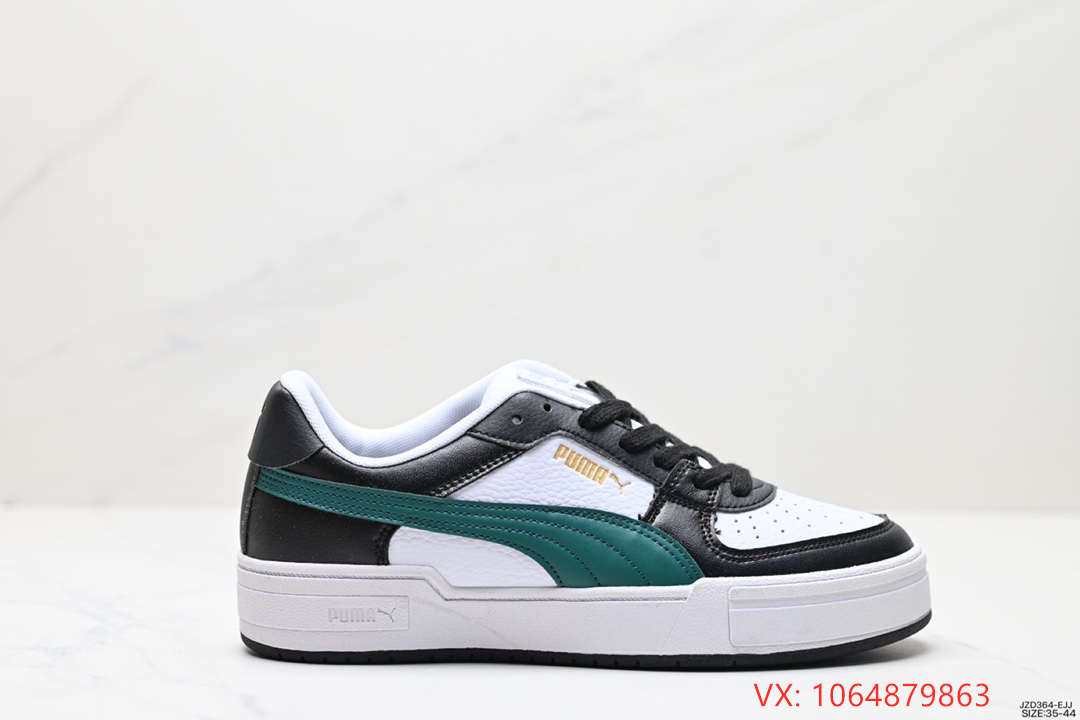
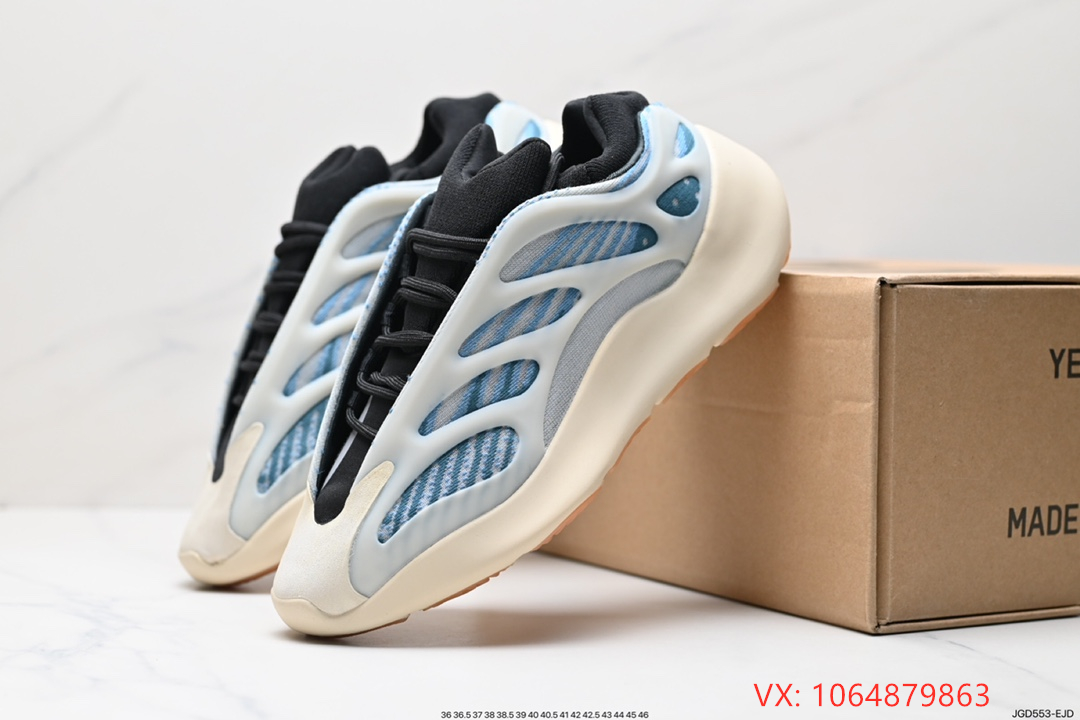
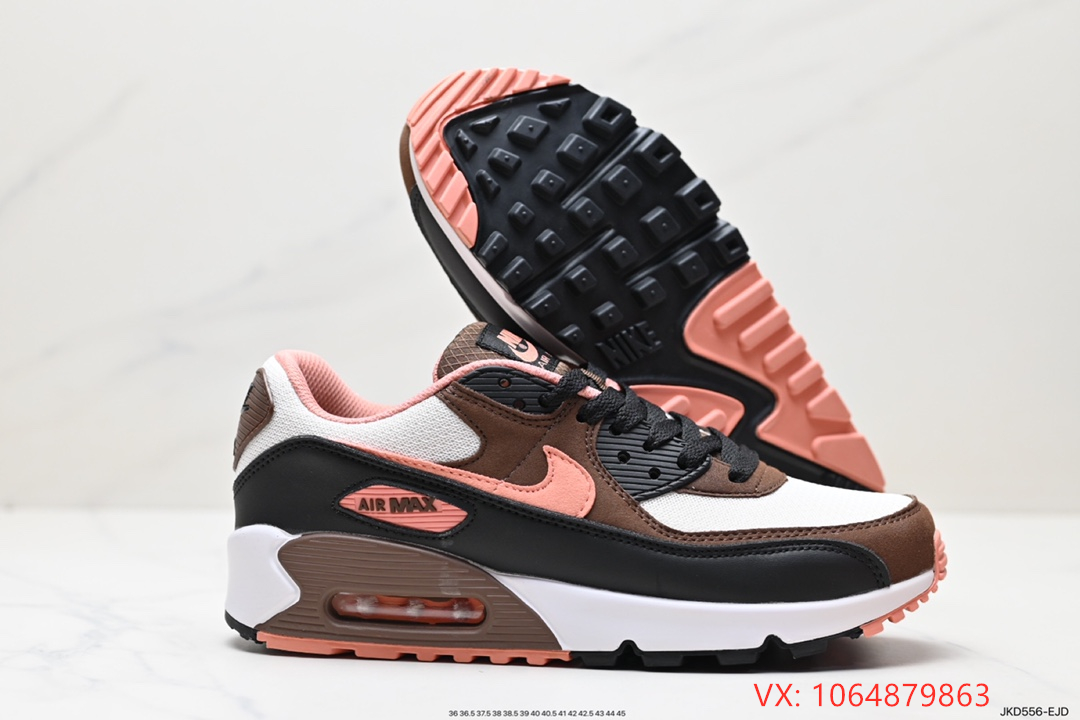
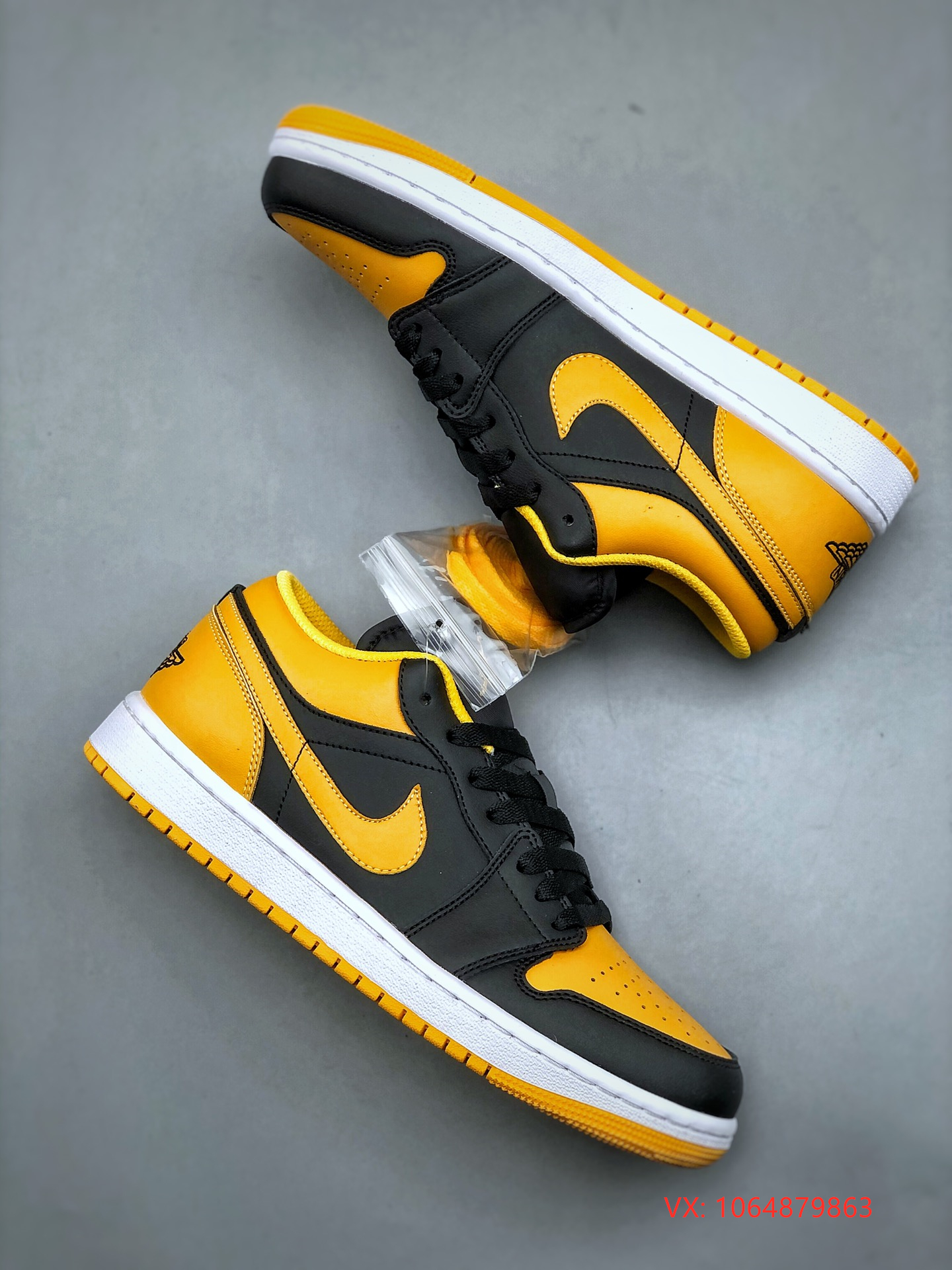
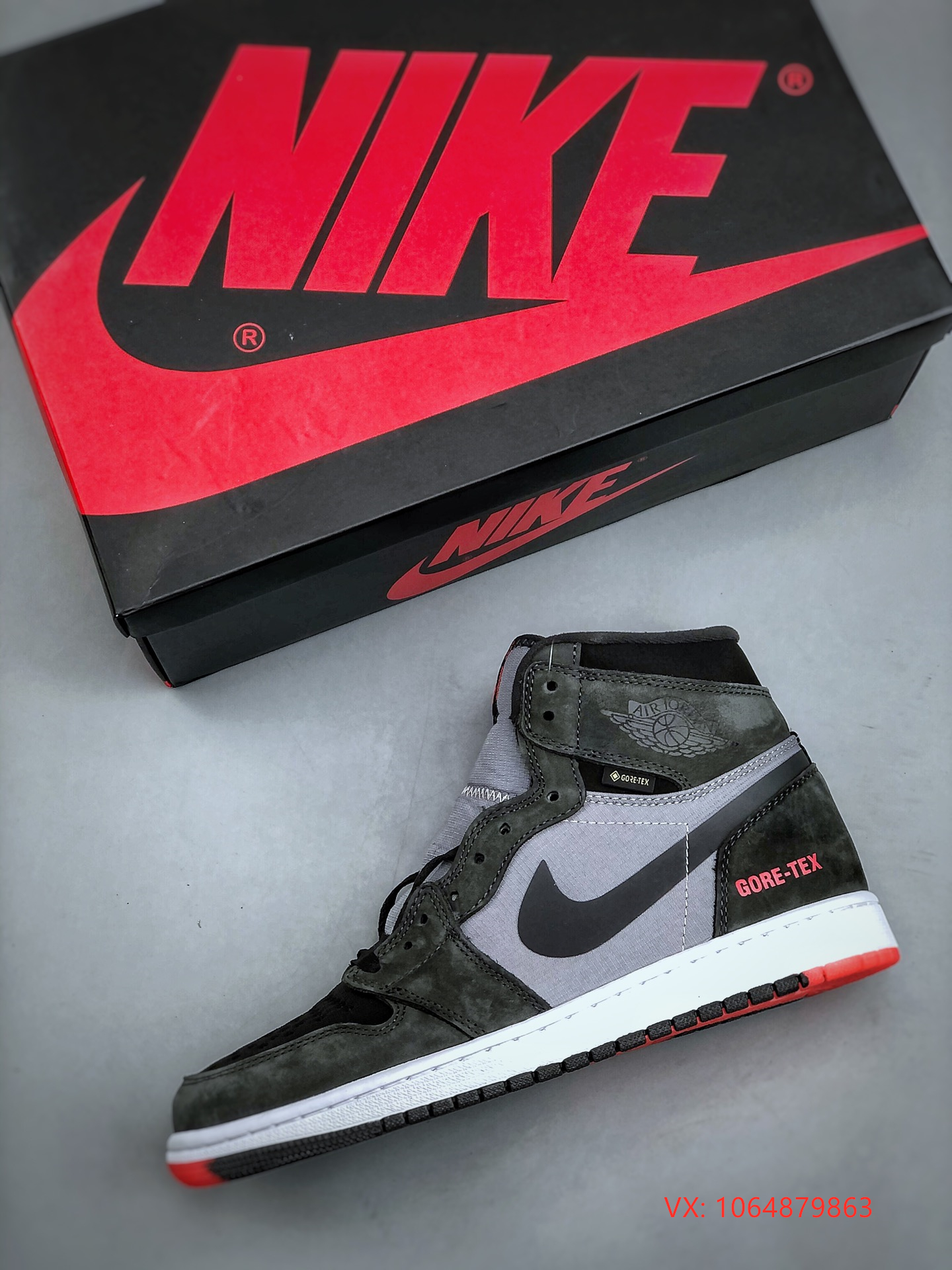
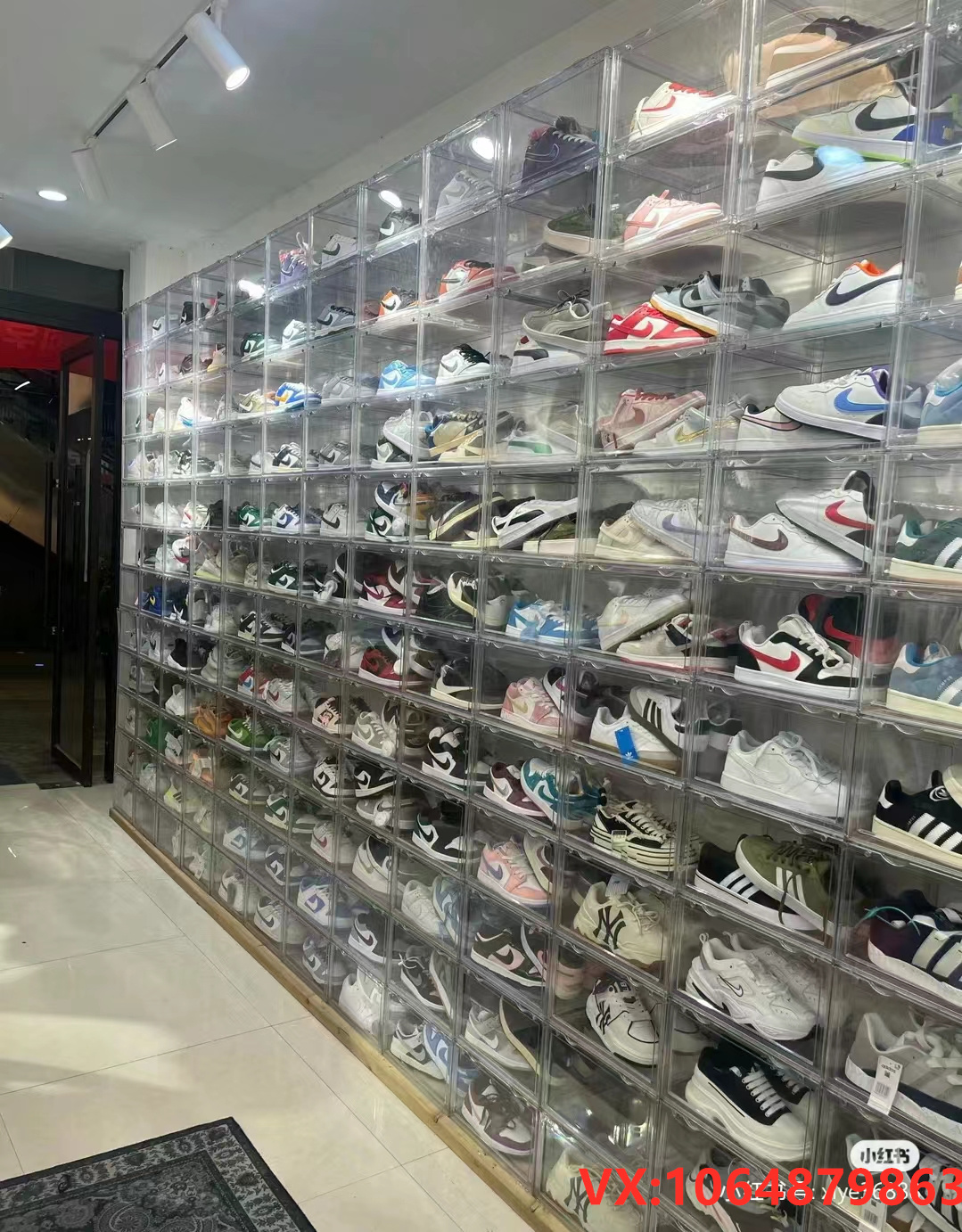
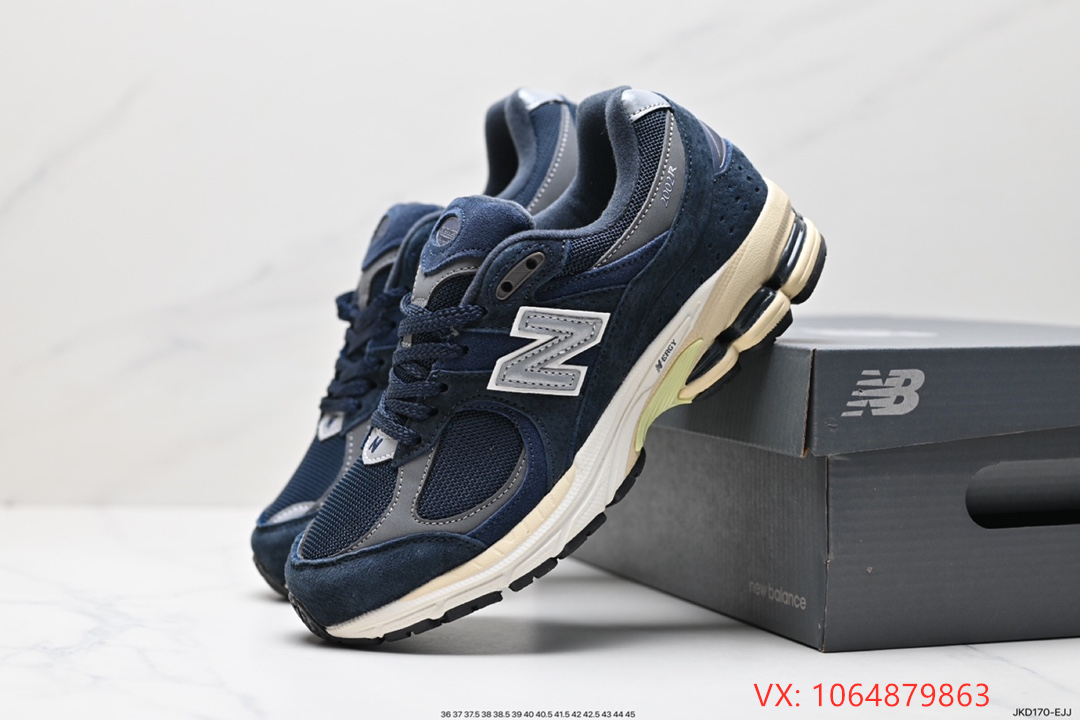
There is a distinct difference between the showrooms on the upper floors of the commercial buildings and the actual production bases. The showrooms are where the agents meet clients. They display the latest samples, often labeled with codes like "1:1 version" or "Top Tier." These rooms are air-conditioned and filled with boxes of Air Jordan 1s, Yeezys, and New Balance 530s. However, the real work happens down the street or in the industrial zones nearby. As a local veteran, I always advise my foreign friends to skip the flashy front desk and ask to see the "back room." This is where the glue dries and the stitching happens. If a seller refuses to show you the production floor, run. It means they are just a reseller marking up prices, not a source.
The Art of the Sample Inspection
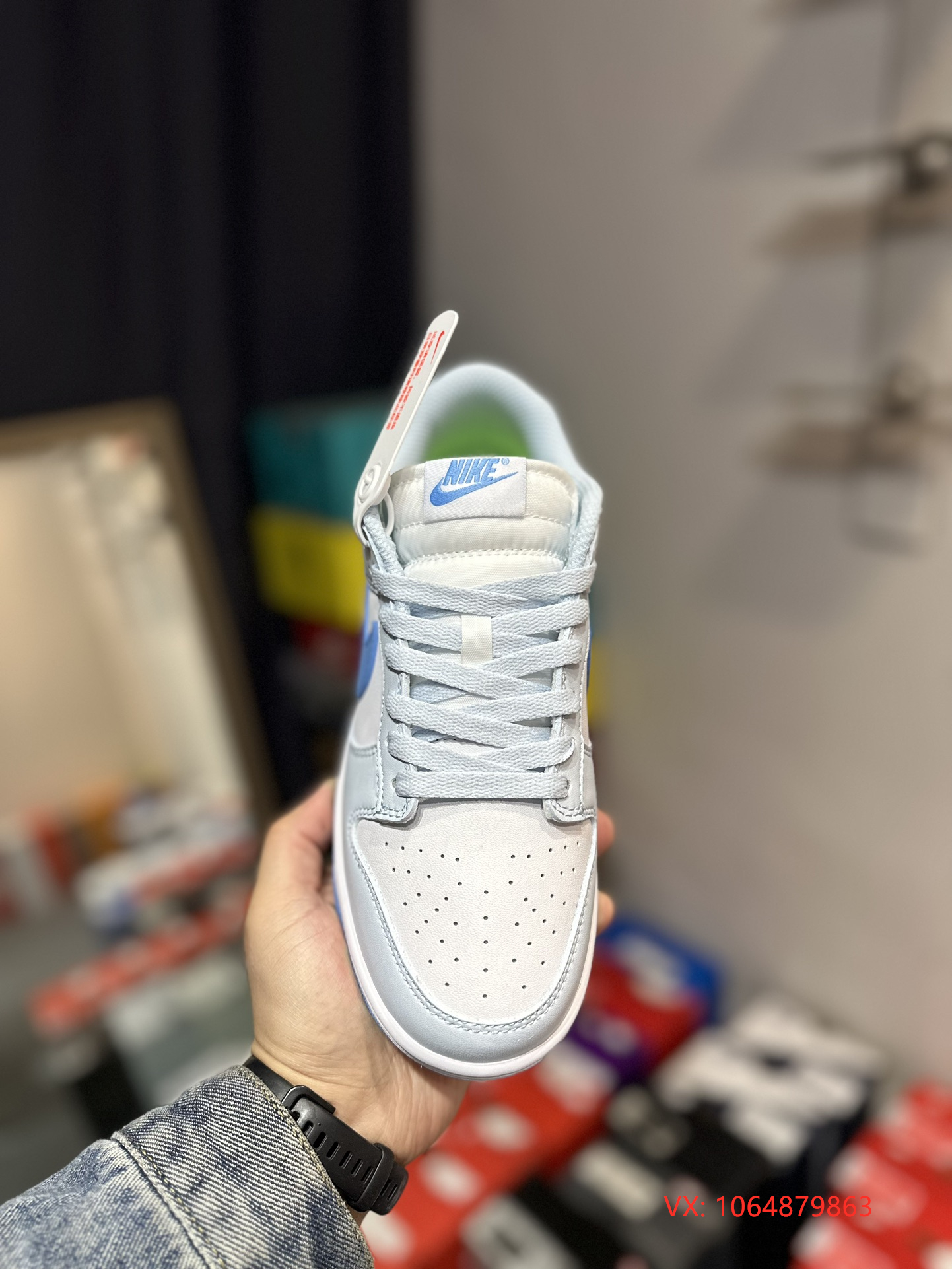
When you are physically here, your eyes are your best tool. Do not rely on photos sent via WeChat; those can be edited or stolen from other sellers. Stand the shoe up, feel the leather grain, and check the stitching density. In Putian, the term "quality control" is taken very seriously by the good workshops. They know that if the glue smells too strong or the sole alignment is off by a millimeter, the reputation dies instantly. When you are negotiating, pick up a pair and inspect the tongue label, the heel counter stiffness, and the midsole foam density. Ask the shop owner specifically about the mold used. Are they using the original mold from the mainland China supplier, or a modified version? This detail separates the $30 shoes from the $80 shoes.
Building Trust and Avoiding Scams in the Supply Chain
One of the biggest challenges for overseas buyers is trust. The internet is full of stories about scams, deposits lost, and fake shipments. But in my experience, the scams usually happen when buyers try to bypass the local ecosystem. They want to deal with a "factory manager" they found on Alibaba who claims to be in Putian but is actually in another province. To avoid this, you must immerse yourself in the local culture.
The Power of Face-to-Face Negotiation
In Putian, business is done on relationships. You cannot simply send an email and expect a discount. You need to sit down, drink tea, and talk. When you visit a stall, bring a sample of what you want to replicate or discuss your volume requirements honestly. If you say you want to order 5,000 pairs but act like you are buying five, you will get the lowest quality batch. Be transparent about your target price point. Good workshops in Anfu have tiered pricing based on materials. If you want genuine rubber soles and premium suede, you pay for it. If you want PU leather and EVA foam, you get a different price. Don't try to trick them into giving you luxury materials at budget prices; they will know immediately.
Logistics and Shipping Realities
once you have selected your goods, the next step is shipping. Many buyers worry about customs seizures. Here is the truth: reputable exporters in Putian know exactly how to pack and declare goods to minimize risk. They use neutral packaging and specific shipping channels that have worked for years. Do not insist on shipping under your own company name if you are unsure of the regulations. Work with the local agent who handles the logistics daily. They know which courier services are currently reliable for Europe, the US, or Southeast Asia. Also, always request a video of the packing process before the box leaves the warehouse. This ensures that the shoes you inspected are the exact same ones being shipped.
Final Thoughts for the Global Buyer
So, to answer your question about which are the "big factories": there isn't one. There are hundreds of skilled workshops, each specializing in different models and quality tiers. The "biggest" ones are the ones that have survived the longest because they consistently deliver on their promises. My advice is simple: come to Putian. Walk the streets of Anfu. Talk to the owners. Touch the shoes. The information you get from a three-minute video call will never match the insight you gain from standing in the bustling market for a week. The supply chain here is deep, complex, and rewarding for those willing to put in the effort. Whether you are looking for "high quality replicas," "OEM manufacturers," or "wholesale sneaker suppliers," the key is to build a direct line to the source. Don't settle for the middleman. Find the workshop that respects your business, and you will find success in this vibrant industry.