What the "Black Edge" on Putian Shoes Really Means
Welcome to the real world of footwear sourcing. I've been standing behind the counter at the Anfu Electronic Commerce City for over fifteen years, watching thousands of foreign buyers walk through those heavy glass doors, eyes wide with a mix of hope and confusion. You see them scanning the racks, asking about "high quality," "top tier," and then suddenly, they point at a specific pair of sneakers and ask, "What is this black edge?" It's a question that trips up more than a few new importers who think they know the market.
Let me be straight with you: there is no official industry term called "black edge" in the legitimate sneaker world, and frankly, if you are looking for it as a standard specification from a factory, you might be chasing a ghost or falling for a very specific type of marketing trick. In my experience dealing with overseas clients, when people mention the "black edge," they are usually referring to one of three things: the stitching line on the sole, the trim on the upper material, or, most commonly, a misunderstanding of what they saw in a photo online.
The Reality of the "Black Edge" in Local Slang
When I first started hearing this phrase from foreigners, I thought it was a translation error. But after years of explaining to guys from Europe, South America, and the US, I realized it often points to the contrast stitching or the rubber outsole detailing on certain models. In the local Putian dialect, we don't call it "black edge." We talk about "the glue line," "the stitching color," or "the sole trim."
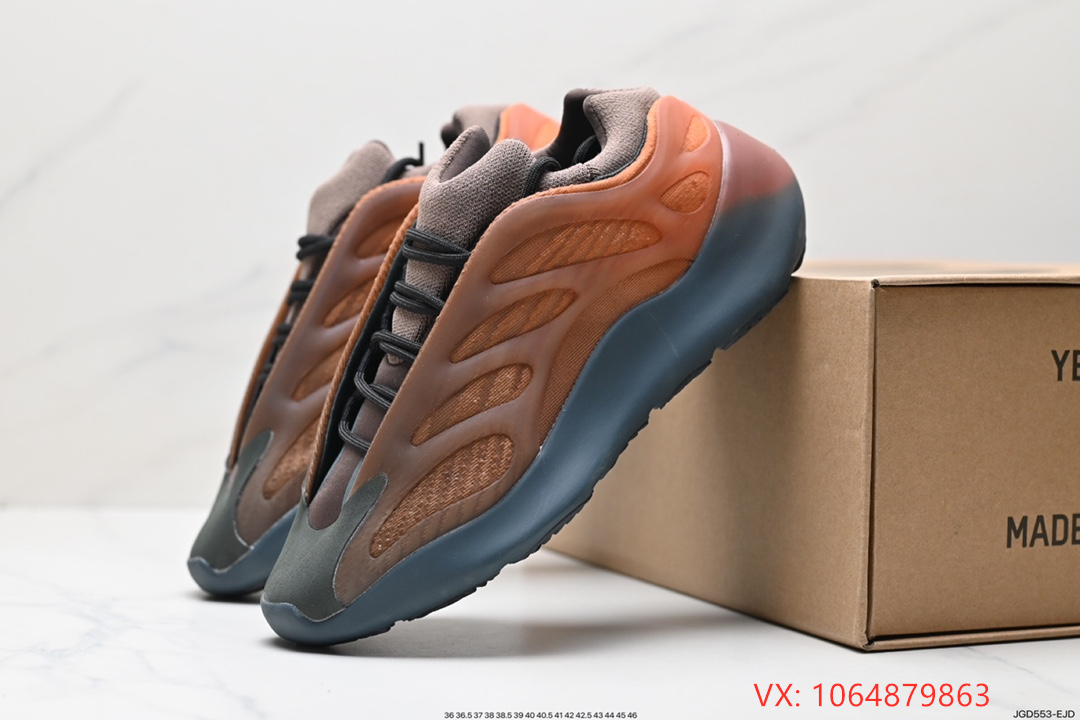
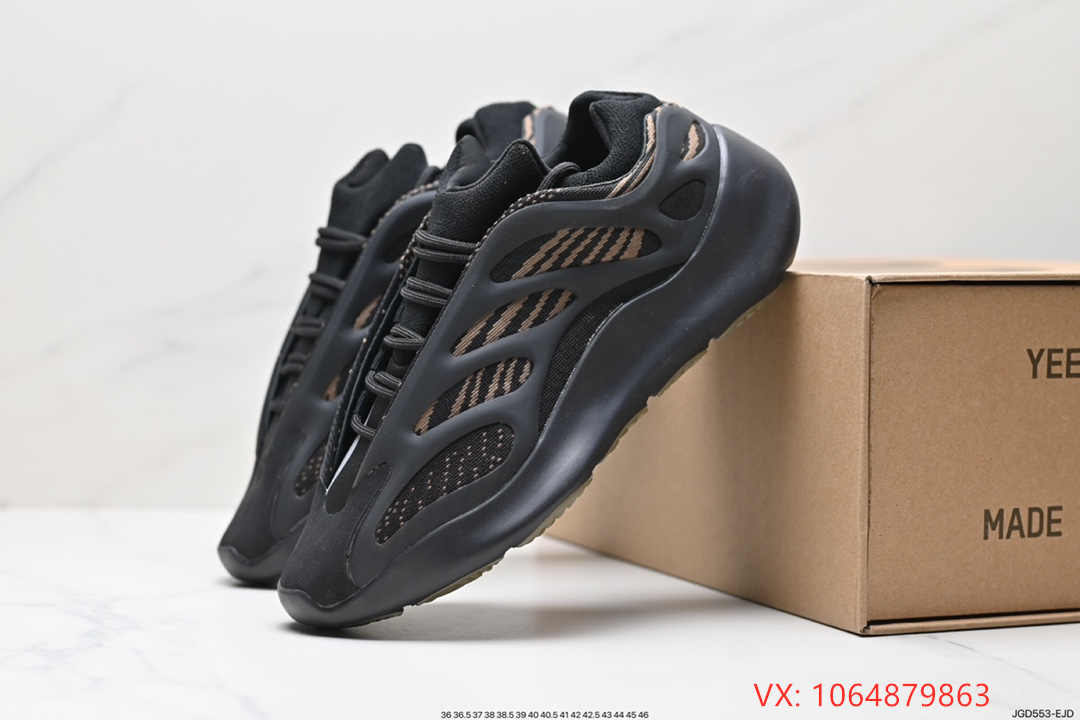
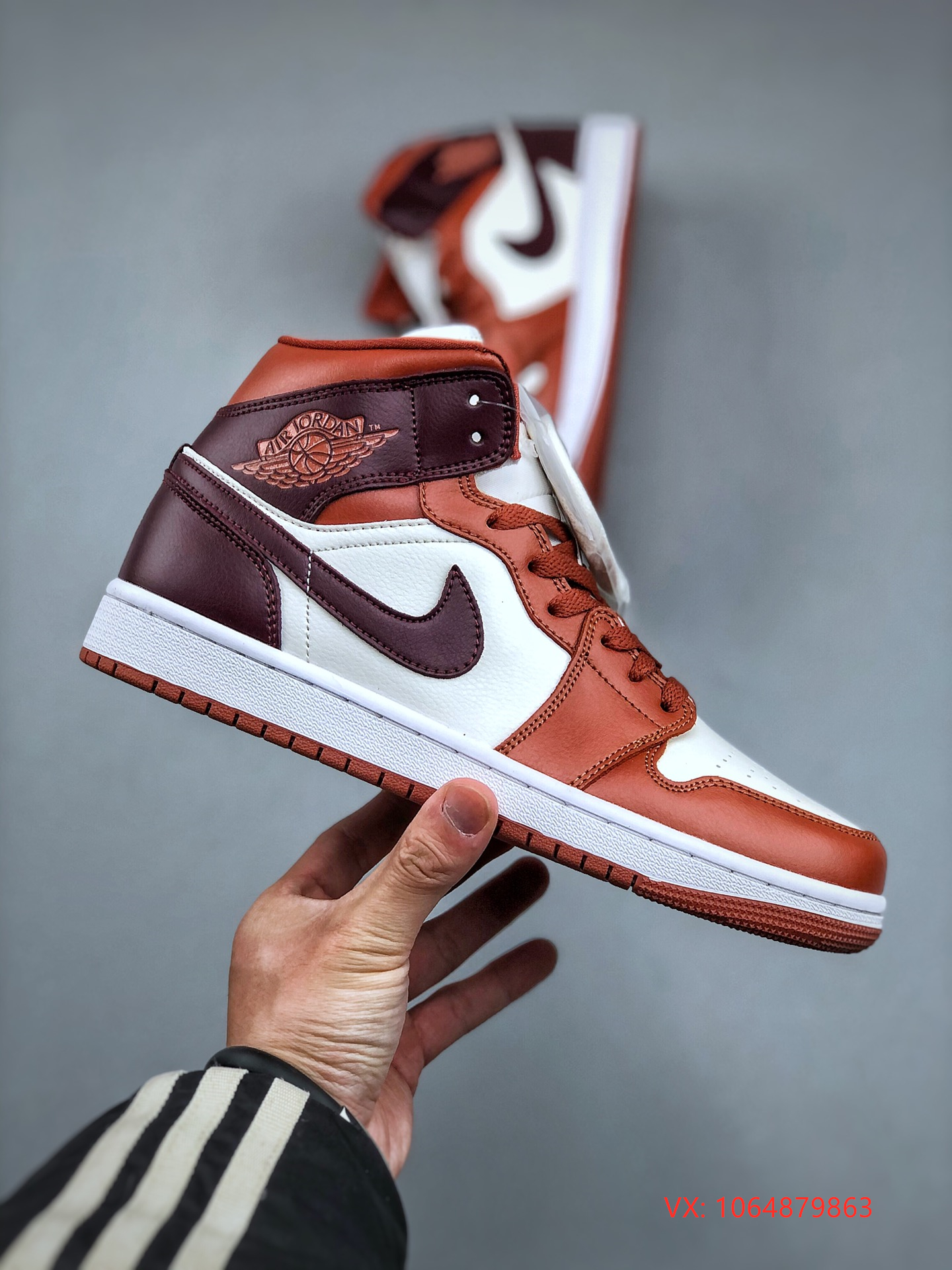
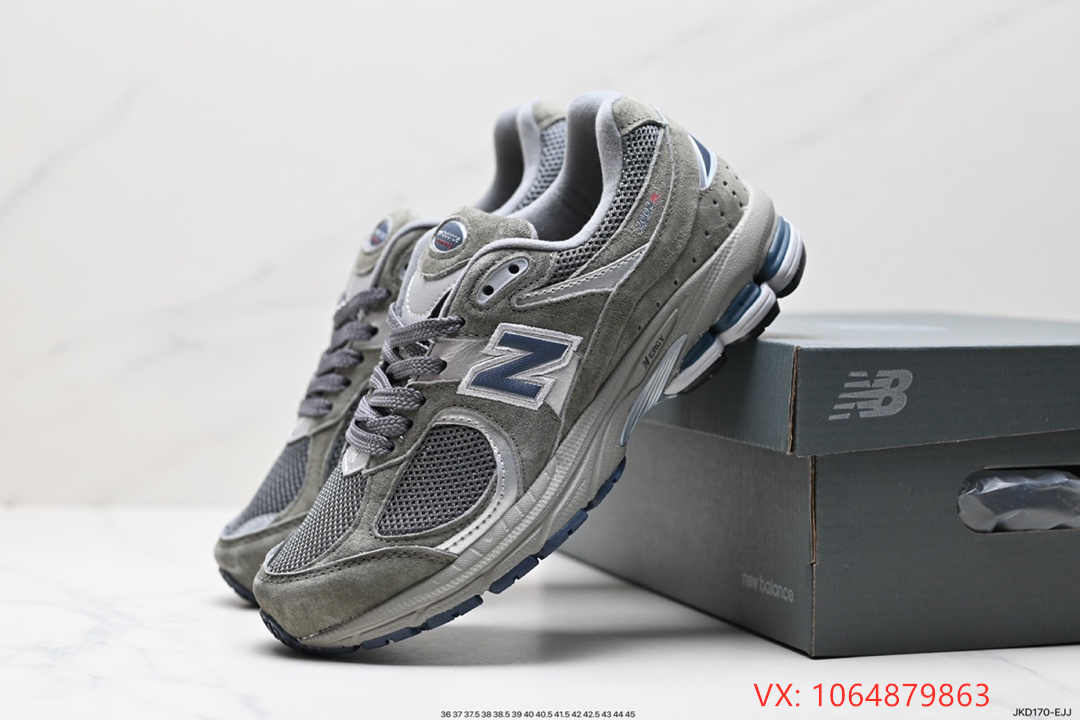
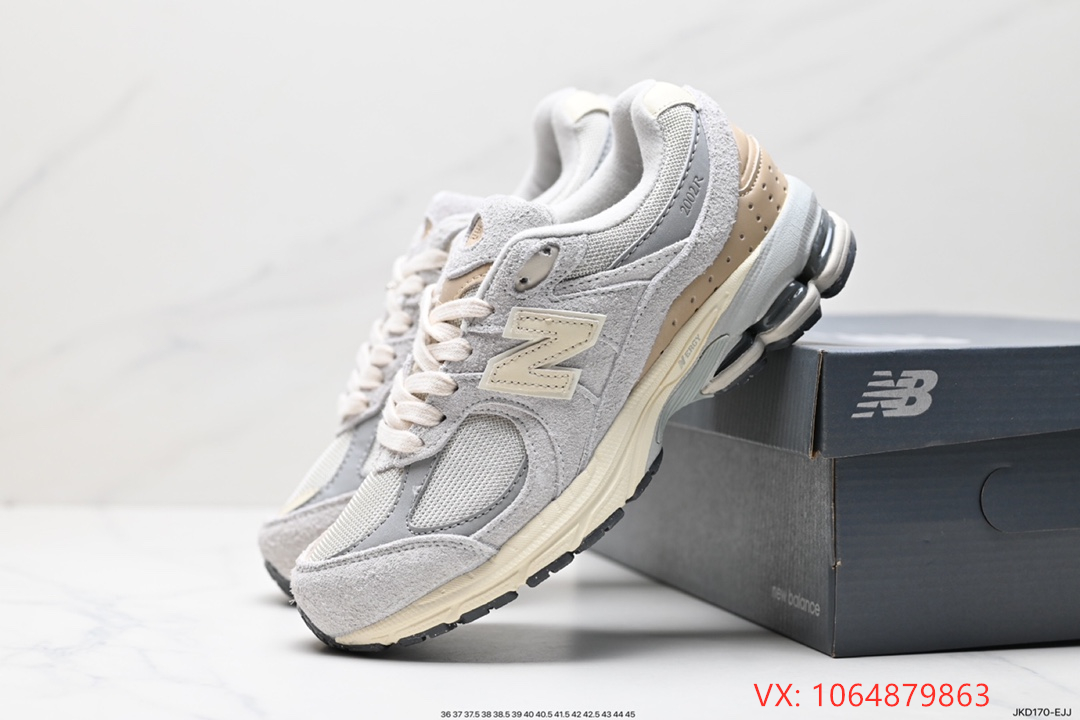
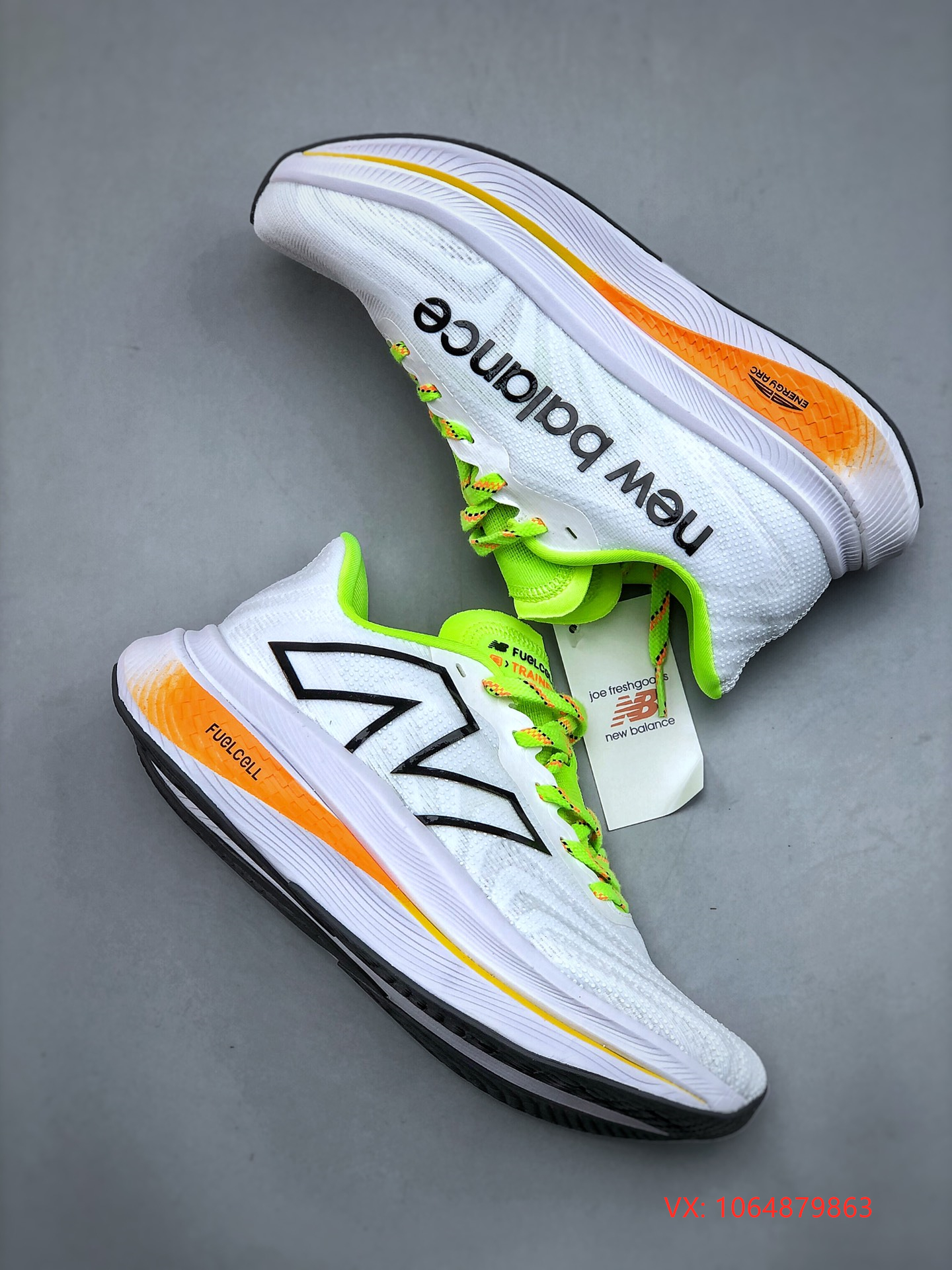
Here is the truth: some factories produce versions where the midsole has a distinct black line running along the perimeter, separating the foam from the rubber outsole. This is often done to mimic the aesthetic of specific high-end brands that use this design element. However, not every shoe has it. If you are hunting for a specific model and the supplier tells you, "We have the black edge version," they are likely talking about a specific batch or a custom mold variation. It is not a universal feature like size or width. If you go into a stall and demand the "black edge" without showing a reference photo, the owner will just look at you blankly because the term doesn't exist in their catalog.
Navigating the Anfu Market: A Veteran's Guide to Sourcing
So, how do you actually find these shoes? How do you navigate the chaos of the Anfu market without getting ripped off? Let me take you through a typical day on the floor. The market isn't like a mall; it's a war zone of boxes, samples, and aggressive negotiation. When you walk in, you need to know exactly what you want. Don't just say "I want Nike Air Max." That gets you nowhere. You need to show the picture, the style code, and yes, if you want that specific "black edge" detail, you must point to it.
Step-by-Step: From Stall to Sample Room
First, forget the idea of walking around with a camera phone taking pictures of everything. Most vendors here are smart. They know you are a buyer, but they also know you might be a competitor or a reseller trying to steal their designs. The best approach is to build a relationship. Find a stall that specializes in the brand you are targeting. Look for the ones with the cleanest displays and the most organized shelves. These are usually the "top tier" suppliers.
once you find a vendor you trust, ask for the sample room. This is where the magic happens. You won't see the finished goods here; you will see the molds, the materials, and the prototypes. This is the moment to check for that "black edge." Ask the boss, "Can you make the sole with a black trim line like this photo?" If they nod and say, "Yes, we can adjust the mold," then you are on the right track. If they hesitate or say, "That costs extra," you know you are dealing with a custom order, not an off-the-shelf item.
Inspecting the Goods: What to Look For
When you finally get the sample in your hands, do not just look at the outside. Flip it over. Check the stitching density. Look at the glue lines. In Putian, the quality varies wildly between batches. One week, the "black edge" might be perfectly aligned; the next week, due to a change in the worker or the glue formula, it might be messy. This is why I always tell my foreign friends: never place a bulk order based on a single photo sent via WhatsApp. You must see the physical product.
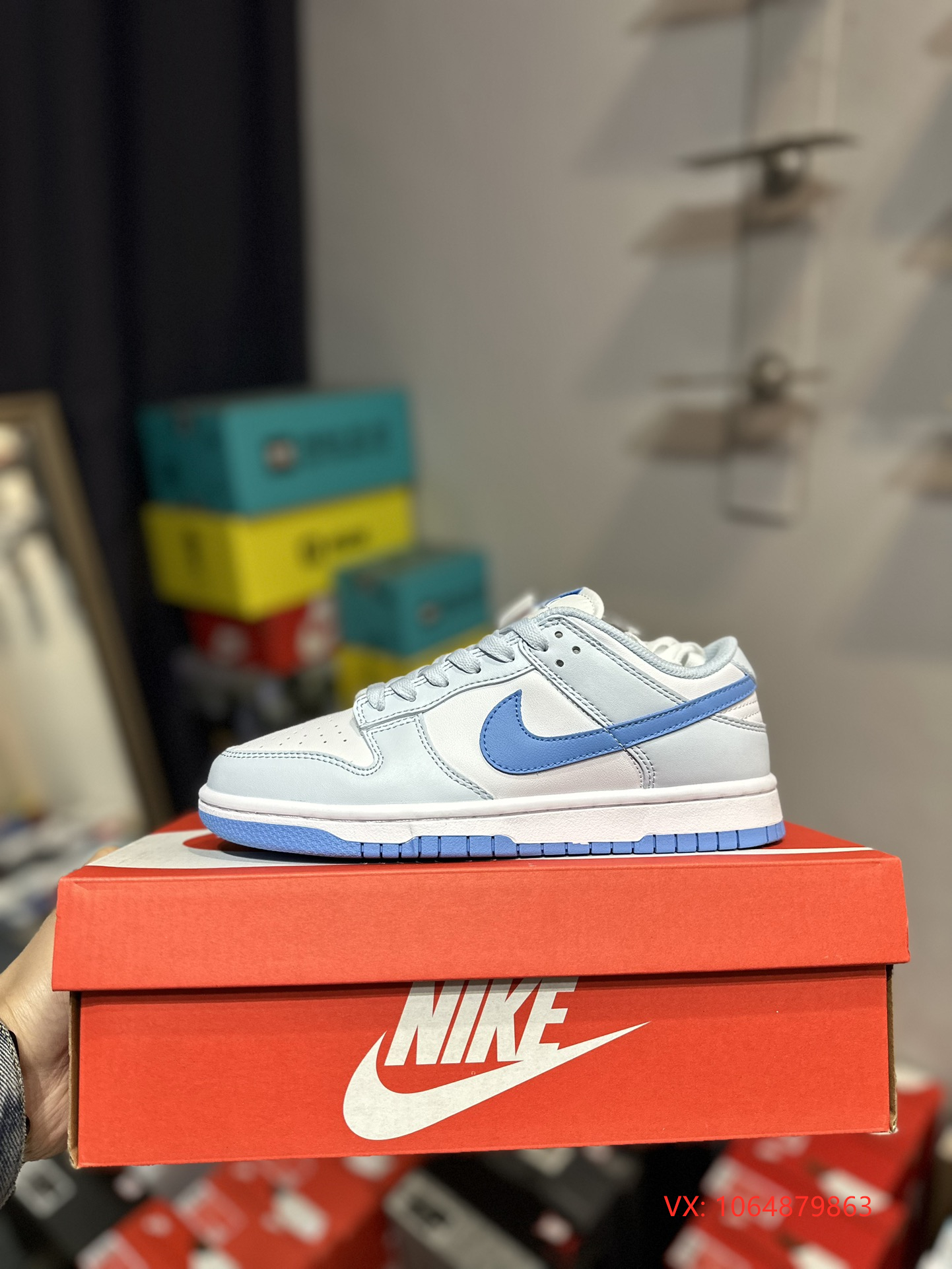
Pay attention to the box. Yes, the box matters. In the Chinese market, the packaging is part of the product. A good box should have the correct logo, the right barcode, and the proper texture. If the box looks cheap, the shoes inside probably aren't worth the price either. Also, check the smell. High-quality leather and rubber shouldn't smell like chemical fumes. If it stings your nose, put it back on the shelf.
Avoiding Pitfalls: Common Mistakes Foreign Buyers Make
I have seen so many buyers come here, spend thousands of dollars, and leave with nothing but regret. Why? Because they fall for the same traps. The biggest mistake is trusting the internet too much. There are hundreds of websites claiming to be the "official distributor" of Putian shoes. They are all fake. The real action happens offline, in the stalls of Anfu, Xuefeng, and the surrounding industrial zones.
The Price Trap and Quality Expectations
Another common issue is the price. If someone offers you a pair of "top grade" sneakers for $15, run away. Real production costs, even in Putian, are higher than that. The "black edge" detail you asked about might require a different mold or extra labor, which drives the cost up. Do not expect luxury prices for luxury quality. You are buying replicas, not authentic goods. The goal is to get the best possible quality for the lowest possible price, but there is a limit.
Also, be careful with payment terms. Never send money directly to a personal bank account without a contract or a third-party escrow service. Many scams happen because the buyer sends the deposit and the seller disappears. Always meet in person if possible. If you cannot come, hire a trusted agent or a local sourcing company that you can verify. I have seen agents who charge a small fee but save their clients from losing thousands by checking the goods before shipment.
Building Long-Term Relationships
Finally, remember that this business is built on relationships. If you treat the vendors with respect, speak honestly, and pay on time, they will treat you better. They will give you priority on new releases, better pricing, and help you solve problems when something goes wrong. In the long run, having a reliable partner in Putian is worth more than finding the cheapest deal once. So, when you are looking for that "black edge" or any other specific detail, come to the market, talk to the people, and see the products with your own eyes. That is the only way to succeed in this industry.