Why the Price Gap Between Putian and Korea Isn't What You Think
Welcome to Anfu, the beating heart of the sneaker world. I've been standing behind this counter for over fifteen years, watching trucks come and go with boxes that could fill a warehouse. You ask me about the price difference between Putian shoes sold here in China versus what you see in South Korea? Let's cut through the marketing fluff. It's not just a simple currency conversion or a "tax" fee. The gap is real, but it's built on layers of logistics, risk premiums, and the sheer complexity of getting these goods across borders without getting caught.
The base Cost: Same Factory, Different Shelf
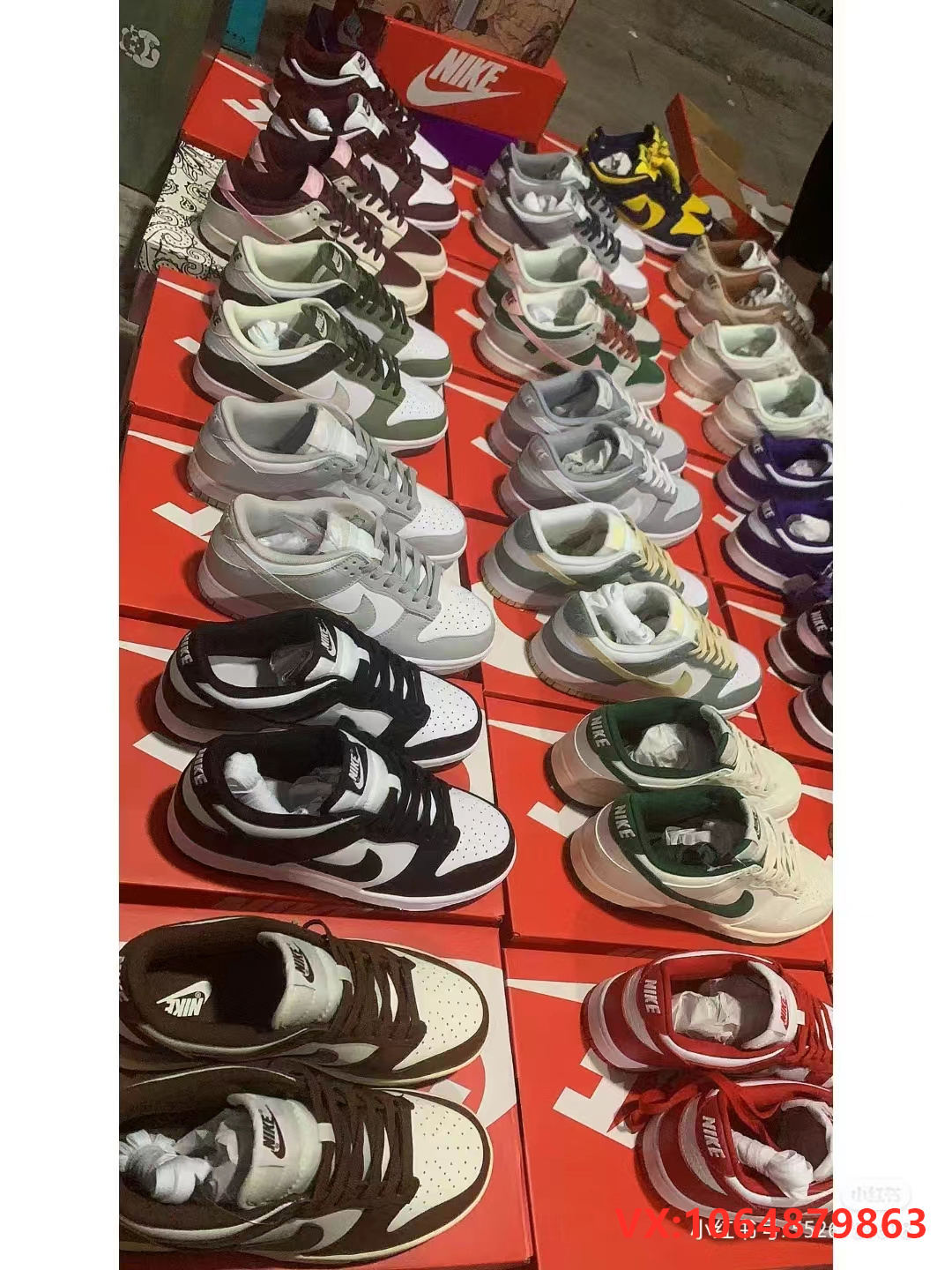
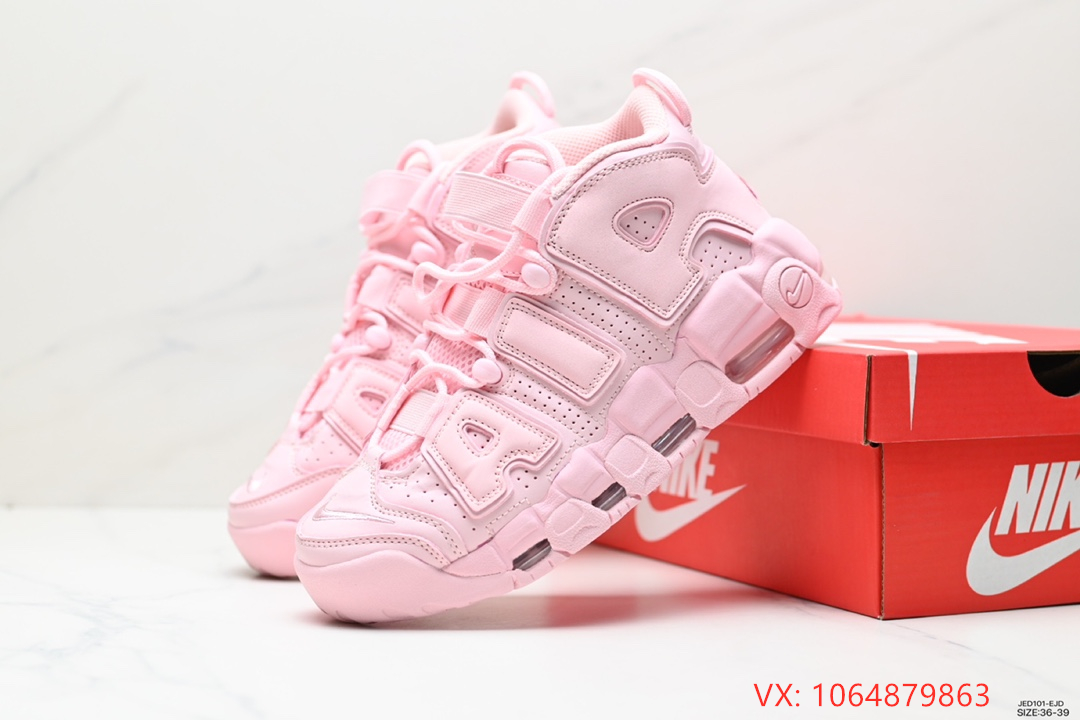
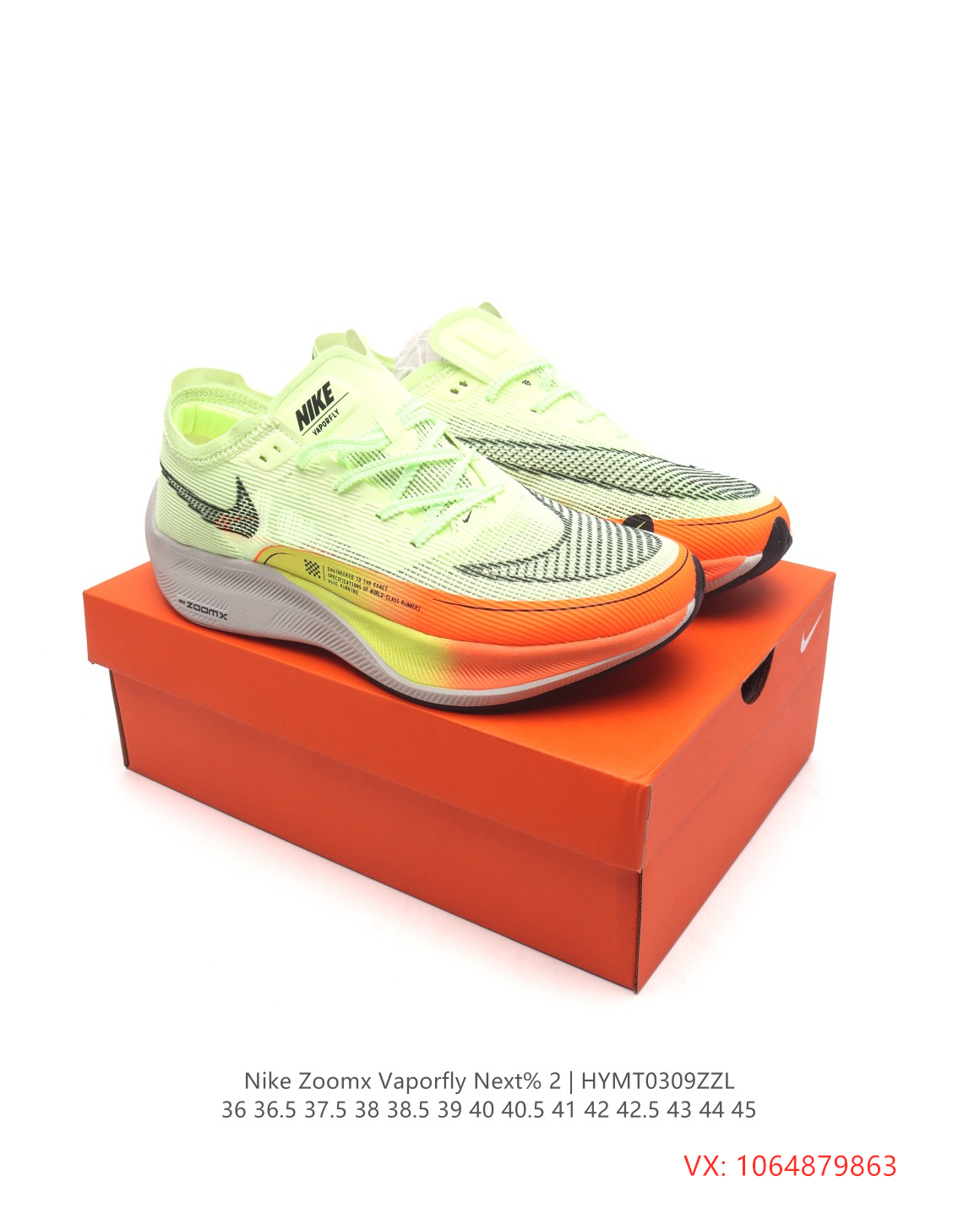
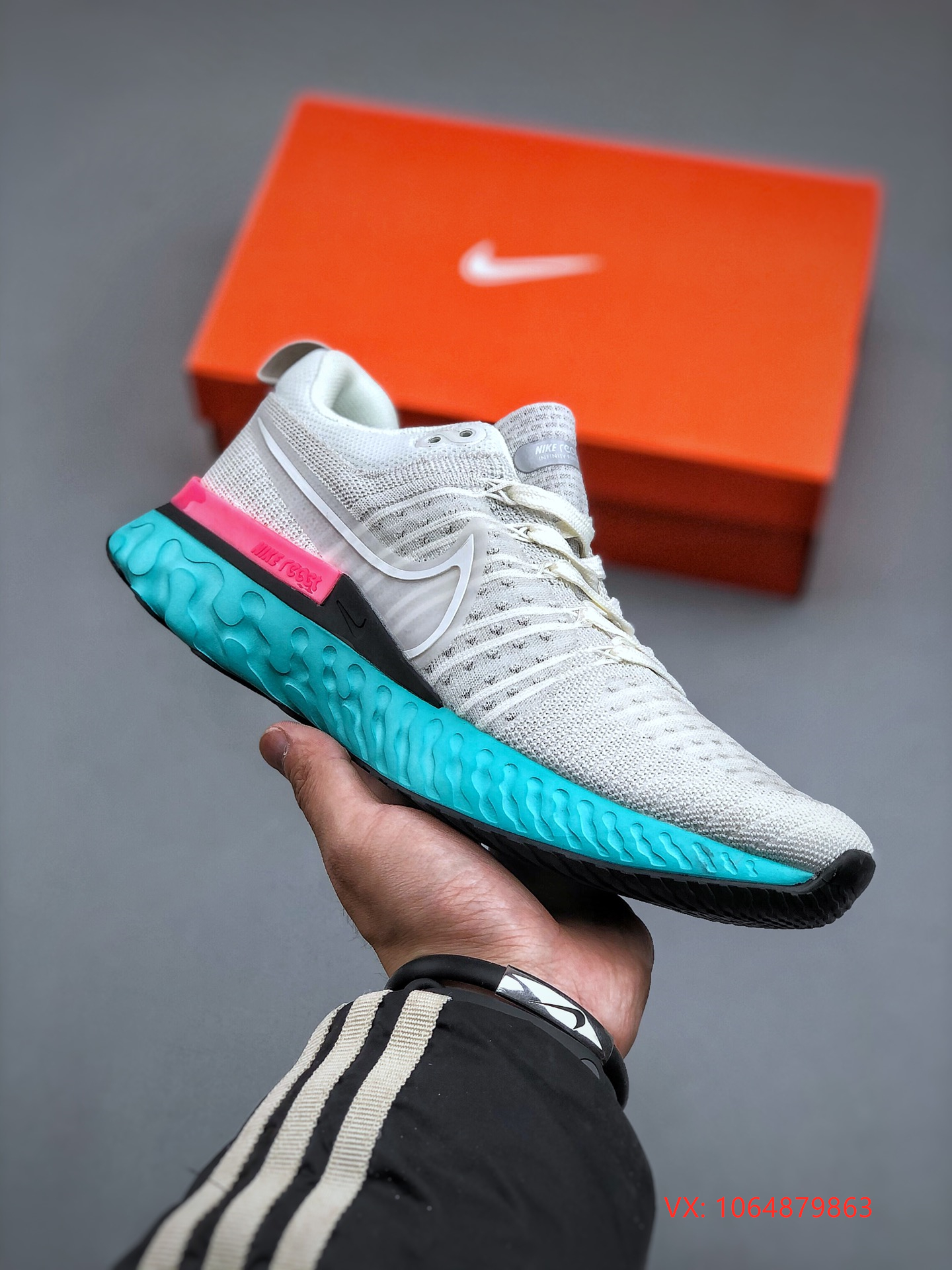
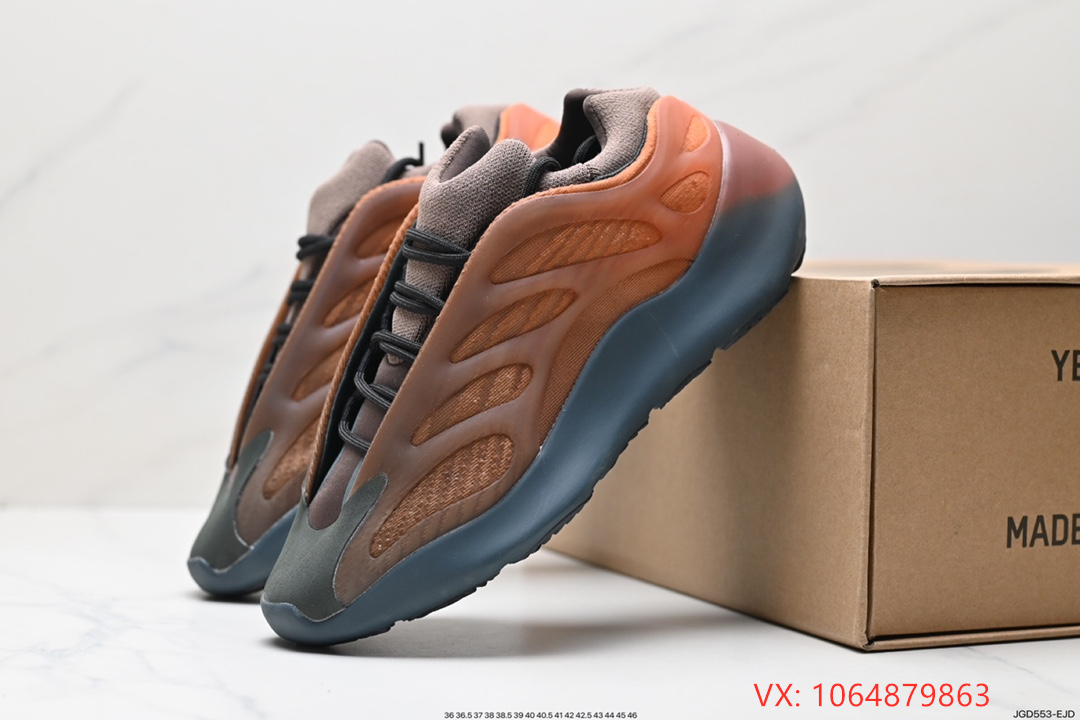
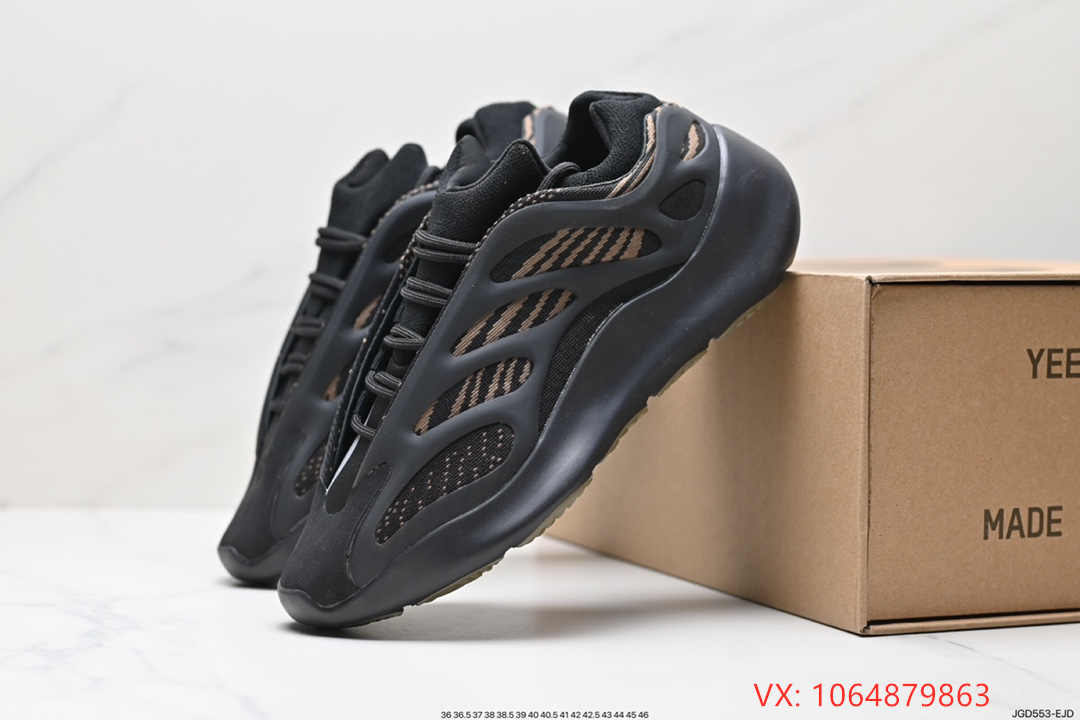
First off, let's be clear: the shoe sitting on your shelf in Seoul and the one sitting on my table right now are often made from the exact same mold, using the same TPU material, and stitched by the same pair of hands in the same workshop in Xuefeng Village. When you walk into a high-end boutique in Gangnam, they aren't selling a different product; they are selling a service package wrapped around the product. In Anfu, if you buy a top-tier replica, the wholesale price might be 150 to 200 RMB. That's the raw cost. But once that box crosses the border, gets inspected, gets shipped via air freight, and lands in a Korean distributor's warehouse, that number doubles or triples before it even hits the retail rack.
The Hidden Costs of Cross-Border Logistics
When I talk to foreign buyers who want to source directly from me, the first thing they always underestimate is the shipping nightmare. In Korea, the market is saturated with "grey market" goods, which means the supply chain is incredibly efficient but also heavily regulated. If you try to import large quantities of branded footwear without proper authorization, customs will seize them. That's why Korean resellers pay a massive premium for "safe" channels. They aren't paying for better leather; they are paying for insurance against confiscation.
Risk Premiums and Customs Evasion
I've seen clients lose thousands of dollars because they tried to ship too many pairs in one go. In Anfu, we operate on a cash-and-carry basis or small parcel forwarding. We don't worry about customs duties because we assume the buyer handles the final leg. But in Korea, the "risk premium" is baked into the price. A seller there has to account for the possibility of raids, the cost of bribes (let's call it "expediting fees"), and the storage costs while waiting for clearance. This is why a pair of sneakers that costs $20 here can easily sell for $80 to $120 in Seoul. It's not inflation; it's survival.
Quality Perception and the "Grade" Confusion
Here is where things get tricky. Many overseas buyers think "Putian" means low quality. That is a myth. The reality is that Putian produces everything from the lowest grade "market version" to the highest "Luka" or "OG" versions that are indistinguishable from the authentic ones. The problem is that when these shoes reach Korea, the grading system changes. Korean retailers often repackage the shoes, change the tags, and claim they are "premium imports." They strip away the Chinese context and present it as a unique Asian luxury item.
How to Spot the Real Deal in the Market
If you are coming to Anfu to find the best deals, you need to know how to spot the difference between a factory sample and a mass-produced knockoff. Walk past the flashy storefronts on the main street; those are for tourists. Go deeper into the alleys near the residential buildings. That's where the real wholesalers are. Ask for the "high version" or "top tier." Don't settle for the pictures on WeChat. Inspect the glue lines, check the stitching density, and smell the rubber. In Korea, you rarely get to do this. You only get the finished product. Here, you get to touch the raw materials. That tactile experience is worth the trip, even if the price seems lower than what you expected.
Direct Sourcing vs. The Middleman Trap
Most foreigners make the mistake of trying to buy from a middleman in their home country or a third-party agent who claims to have "exclusive access." These guys add their own markup on top of the already inflated Korean prices. If you want the true Putian price, you have to deal with the source. I've had clients fly in from Los Angeles and London, stay for three days, and negotiate directly with the factory owners. They save 40% compared to buying from a local distributor in their home country.
Negotiating Like a Local
Don't walk in expecting to haggle like a tourist. Treat it like business. Show up with a list of specific models you want. Ask for the "factory direct price." If you are buying more than fifty pairs, you can demand a discount. In Anfu, volume is king. I remember a client from Busan who wanted to stock his shop for the holiday season. He didn't care about the brand names initially; he cared about the sole durability and the upper material. once he showed me he knew his stuff, I took him straight to the workshop. We skipped the showroom entirely. That's how you get the best price. The Korean market relies on speed and branding, but the Putian market relies on relationships and volume.
Practical Tips for Foreign Buyers in Anfu
Let's talk about the nitty-gritty of actually doing business here. First, bring a translator if you don't speak Mandarin. While many young sellers speak English, the technical terms for materials and molds are often lost in translation. Second, never pay 100% upfront unless you have a long-standing relationship. Use Alipay or WeChat Pay, but insist on seeing the goods before the final transfer. Third, be aware of the "sample tax." Some factories charge extra for sending samples abroad, so factor that into your budget.
Avoiding Scams and Fake Goods
The biggest pitfall for new buyers is falling for the "fake original" scam. Some vendors will show you a shoe that looks perfect but use inferior foam that breaks after a week. Always ask for the "quality control report" or simply test the flexibility yourself. Also, be careful with payment methods. Wire transfers to personal accounts are risky. Stick to platforms that offer buyer protection. And finally, understand that shipping times vary. Air freight takes a week, sea freight takes a month. If you need stock fast for a Korean launch, plan accordingly. The price difference isn't just about the shoe; it's about the timeline and the reliability of the supply chain.
Final Thoughts on the Global Sneaker Game
So, to answer your question: yes, the price in Korea is significantly higher. But it's not because the shoes are better. It's because the ecosystem in Korea demands a higher level of service, security, and branding. As a veteran in Anfu, I tell every foreign buyer this: if you want the real deal, come here. Don't rely on intermediaries who inflate prices just to cover their overhead. The gap between Putian and Korea is wide, but it's filled with opportunity for those willing to dig deep, inspect the goods, and build genuine connections. The sneakers are the same, but the journey to get them is where the value lies.