Why the "Authentic" Myth in Putian is a Trap for Foreign Buyers
Welcome to Anfu, the beating heart of the sneaker world that most people outside China only know as a rumor. I have been standing behind this counter for over fifteen years, watching thousands of foreigners walk through these doors with wide eyes and a specific question: "How do I verify if these Putian shoes are authentic?" Let me stop you right there. If you are looking for "authentic" Nike or Adidas made in a factory in Putian, you are already walking into a trap. There is no such thing as an authentic fake. The moment a shoe leaves a factory here, it is either a genuine product from the official brand's supply chain (which we don't sell) or it is a replica. My job isn't to trick you; my job is to tell you the truth so you don't lose your money.
When I first started dealing with overseas clients, many of them came with a mindset shaped by Western marketing. They wanted the "real deal" at a fraction of the price. But here in Fujian, the reality is different. We operate in a gray market where quality varies wildly. Some factories produce what we call "high copy" or "1:1," which look almost identical to the real thing, while others churn out garbage that falls apart after one week. The confusion comes from the fact that some sellers lie and claim their high-end replicas are "authentic." That is a lie. So, instead of trying to verify authenticity, you need to learn how to verify quality and find a reliable supplier who won't scam you.
Navigating the Chaos of Anfu Market Floor by Floor
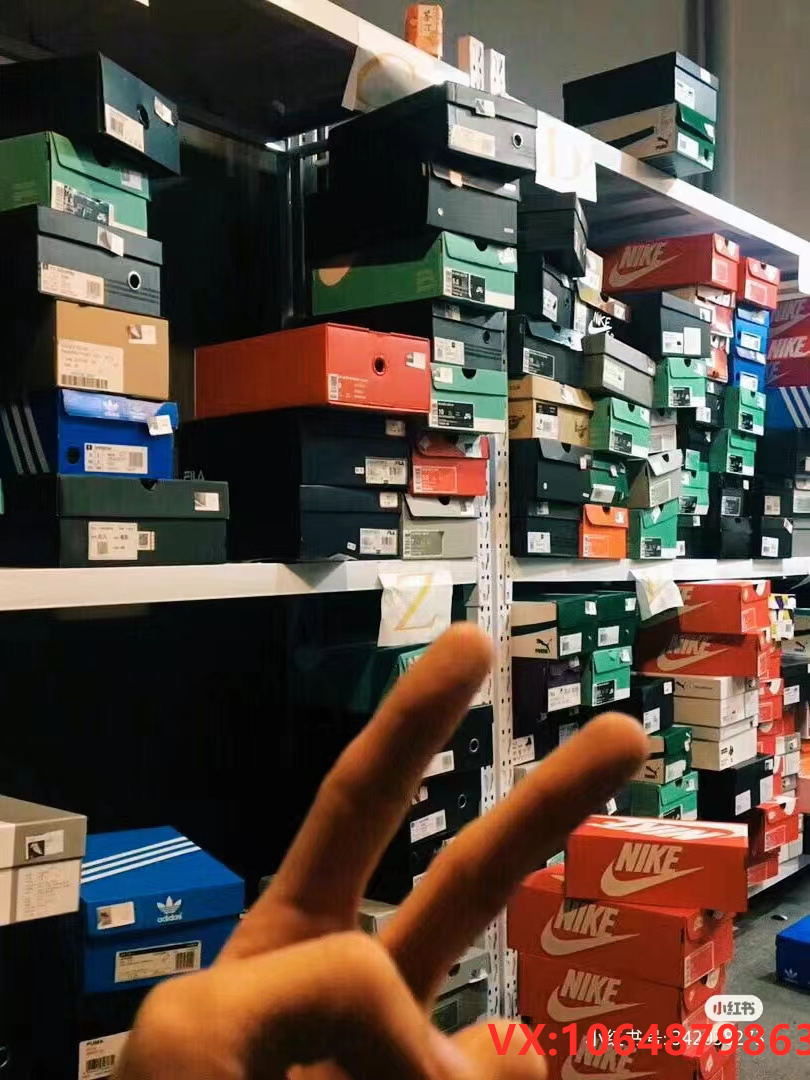
If you want to see the real operation, you have to come to Anfu E-commerce City. It is not a clean mall like you see in New York or London. It is a maze of narrow corridors, flashing LED signs, and piles of boxes stacked to the ceiling. When you walk in, you will see hundreds of shops. Most of them claim to be the "best source." Do not believe them immediately. The key to finding a good partner is to ignore the flashy storefronts and look for the ones that actually have stock on hand.
The Art of Physical Inspection Before You Buy
As a local boss, I always tell my foreign friends: never buy based on photos alone. Photos can be edited, and videos can be staged. When you visit a stall, ask to see the actual pair in your size. Look at the stitching. Real sneakers have consistent, tight stitching. Cheap fakes often have loose threads or uneven patterns. Check the glue lines on the sole. High-quality versions use precise gluing machines, leaving minimal residue, while low-end copies are messy. Feel the material. Is the leather soft and breathable? Does the foam feel responsive? This tactile experience is something you cannot get from a website listing.
Differentiating Between "Market Grade" and "Top Tier"
You will hear terms like "market grade," "mid-grade," and "top tier" constantly. These are industry slang used to describe the quality level. "Market grade" is the cheapest option, often sold in bulk to dropshippers who don't care about details. "Top tier" refers to the best versions available, sometimes using the same molds and materials as the original brands. When you are negotiating, be specific. Ask the seller, "Is this the version with the carbon plate?" or "Does this have the correct heel tab alignment?" A trustworthy seller will answer honestly. If they hesitate or try to change the subject, run. In Anfu, honesty is rare but valuable.
Building Trust and Avoiding Scams in Cross-Border Deals
once you have found a shop that looks promising, the next step is negotiation. Many foreigners make the mistake of asking for "authentic" prices. If you ask for a price that is too low, you will get a bad product. If you ask for a price that is too high, you might get scammed. The sweet spot is understanding the value of the craftsmanship. We charge based on the complexity of the mold and the quality of the materials. For example, a Jordan 4 Retro with a complex mesh upper costs more than a simple canvas slip-on.
Communication Channels and Verification Methods
In today's digital age, most deals start online via WhatsApp or WeChat before you even arrive. This is where scams happen. A common tactic is sending you a video of a perfect shoe, then shipping you a box of trash. To avoid this, insist on live video calls. Ask the seller to pick up a specific pair from the shelf, show you the barcode, and then pack it in front of you. Better yet, hire a third-party inspection service in Putian. There are many agents here who specialize in verifying goods for international buyers. They will go to the factory, check the quality, and send you a detailed report before you pay the final balance.
The importance of Sample Orders
Never place a large order without ordering a sample first. Even if you have visited the market, the production line might have changed. Order one pair of the exact model you intend to resell. Inspect it thoroughly. Compare it to the original photo you saw online. Check the box, the laces, the insole, and the smell. If the sample passes your rigorous test, then you can proceed with a larger quantity. This small investment saves you from losing thousands of dollars later. Remember, in the business of sourcing from Putian, patience is your biggest asset.
Long-Term Strategies for Sourcing Sneakers from China
Finally, let's talk about the long game. Building a relationship with a supplier in Anfu is not a one-time transaction. It is about trust. once you find a vendor who consistently delivers high-quality products and communicates clearly, stick with them. They will give you priority when new models drop, and they might offer you better pricing for repeat orders. Don't jump from shop to shop every time you need stock. Loyalty pays off in this industry.
Understanding Logistics and Shipping Challenges
Another critical aspect is logistics. Shipping sneakers from China to the US or Europe involves customs, duties, and potential delays. A good supplier will help you navigate this. They should be able to provide you with accurate weight and dimensions for shipping quotes. Some suppliers even have partnerships with freight forwarders who specialize in handling footwear. Ask them about their shipping methods. Air freight is fast but expensive, while sea freight is cheaper but takes longer. Choose the method that fits your business timeline. Also, be aware of the legal implications of importing replicas. While many countries turn a blind eye to personal use, commercial importation can lead to seized goods. Always check your local regulations.
Staying Ahead of Trends and Quality Standards
The sneaker market moves fast. What was popular last year might be outdated now. As a local insider, I keep my finger on the pulse of what designs are trending globally. If you want to stay competitive, you need to source the latest releases quickly. However, speed should never compromise quality. The best strategy is to build a network of multiple suppliers. If one factory runs out of stock or has a quality issue, you have another option ready. This flexibility is crucial for survival in the cutthroat world of sneaker retail.
So, to answer your original question: you cannot verify "authenticity" because these shoes are not authentic. Instead, verify quality, verify the supplier's reputation, and verify the product against your own standards. Come to Anfu, walk the floors, touch the shoes, and build relationships. That is the only way to succeed in the Chinese sneaker market. Good luck, and may your inventory always fly off the shelves.