Walking the Floors: My Honest Guide to Sourcing Footwear in Putian
Listen, I have been standing behind this counter in the Anfu Electronic Commerce City for over fifteen years. While the world talks about "Putian shoes" as a single entity, the reality on the ground is a chaotic, buzzing ecosystem of hundreds of factories and thousands of showrooms. If you are an overseas buyer looking for the actual source, you need to stop searching Google Maps for a specific factory address and start understanding the supply chain structure here. Most foreign buyers make the mistake of trying to find a massive factory building with a signboard. In Putian, that rarely exists in the way you imagine. The real action happens in these dense clusters of buildings where the line between a showroom and a workshop is blurred.
The Myth of the Single Factory Address
You will hear many people tell you to go to Xiangyang Road or look for the "Big Factory." Let me be clear: the top-tier production lines are often hidden inside residential compounds or industrial parks in the outskirts like Chengxiang or Hanjiang Districts, not right in the city center. However, if you want to see the product, negotiate the price, and build trust, you must come to the Anfu market first. This is where the "showroom owners" operate. They are the middlemen who hold the relationships with the actual workshops. When I say "factory," I am talking about a network. A single brand might be produced by three different small workshops depending on the order volume and material availability. Trying to bypass the showroom owner to find the workshop directly is often a dead end unless you are ordering container loads.
Navigating the Anfu Market: Where the Real Deals Happen
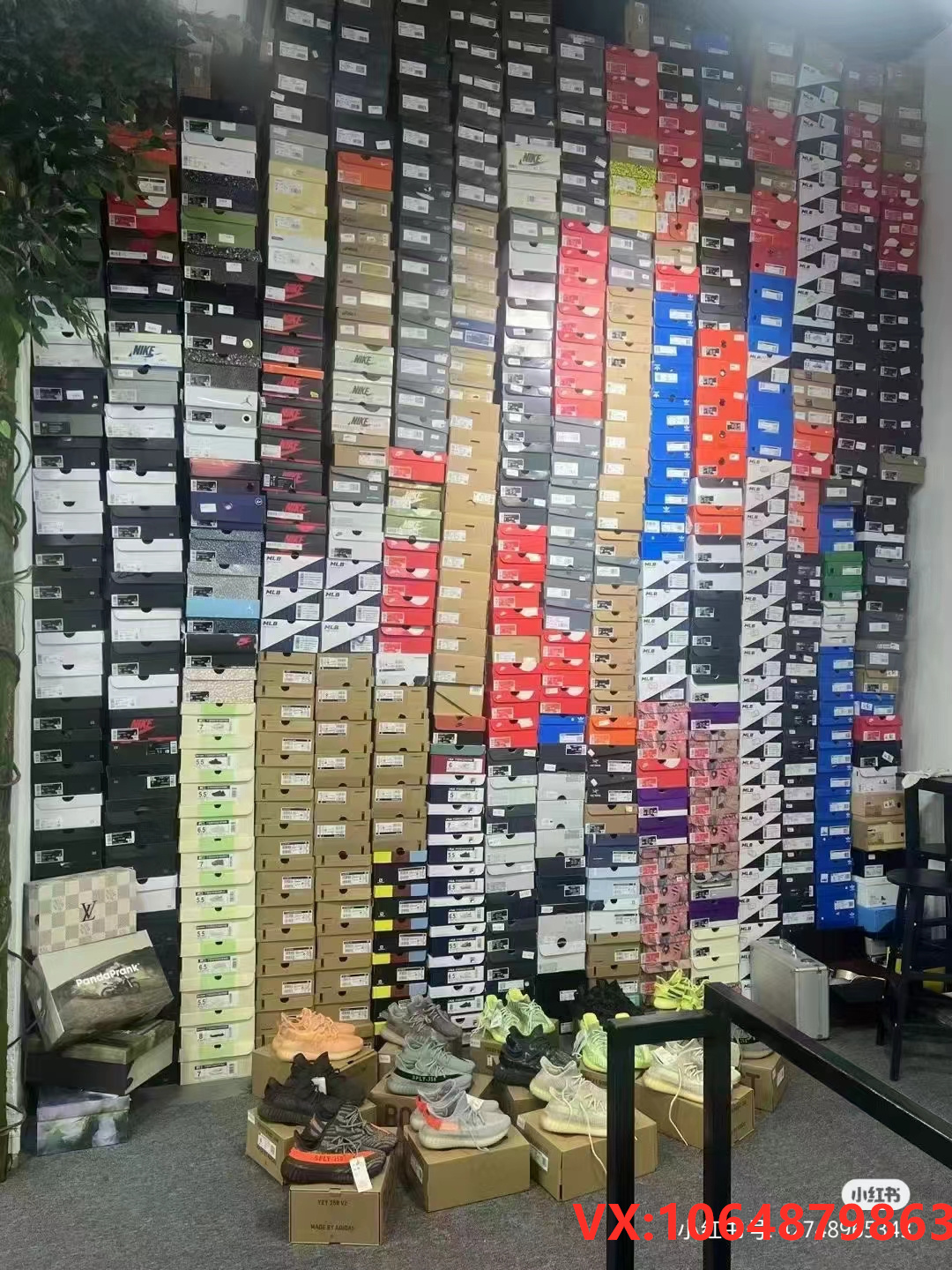
The Anfu Electronic Commerce City is the beating heart of this industry. It is not just one building; it is a sprawling complex of interconnected structures. For a new buyer, it can feel overwhelming. The air smells of glue and rubber, and the noise level is deafening. But this is exactly why you should be here. You cannot source high-quality replicas or OEM goods purely through WeChat messages without seeing the physical quality. The difference between a "high copy" and a "low copy" is visible only when you hold the shoe in your hand under bright lights.
Identifying the Right Showroom
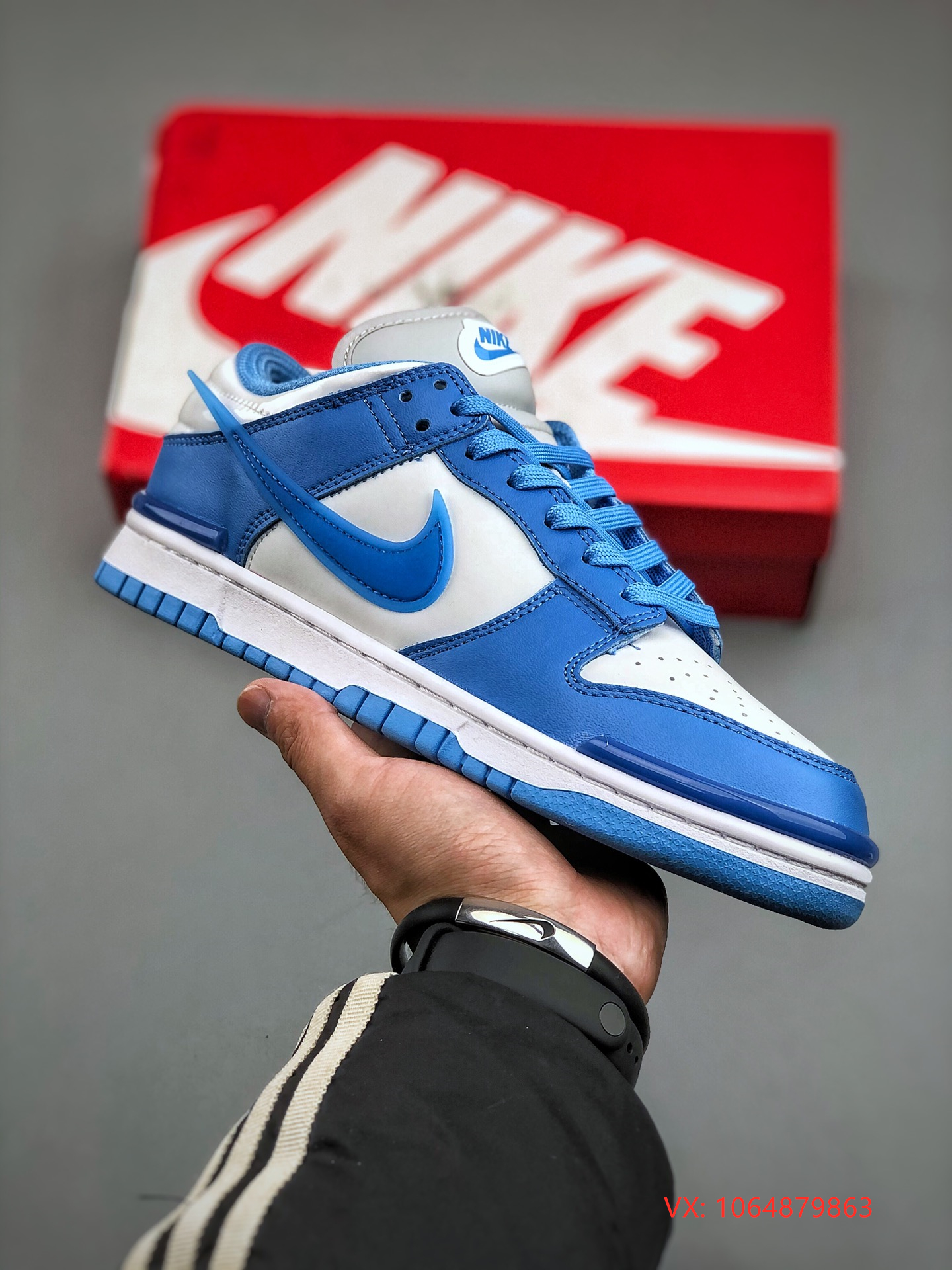
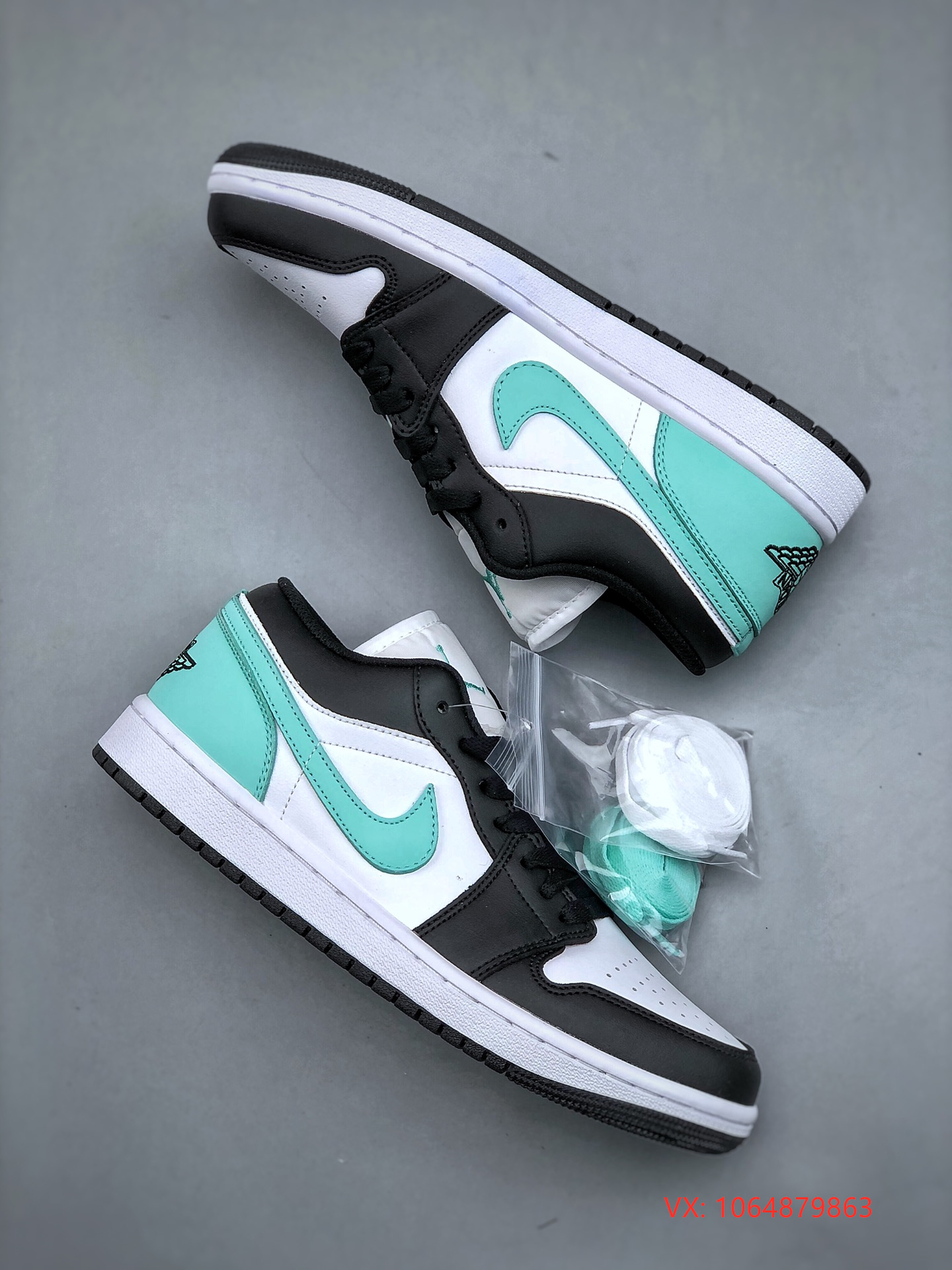
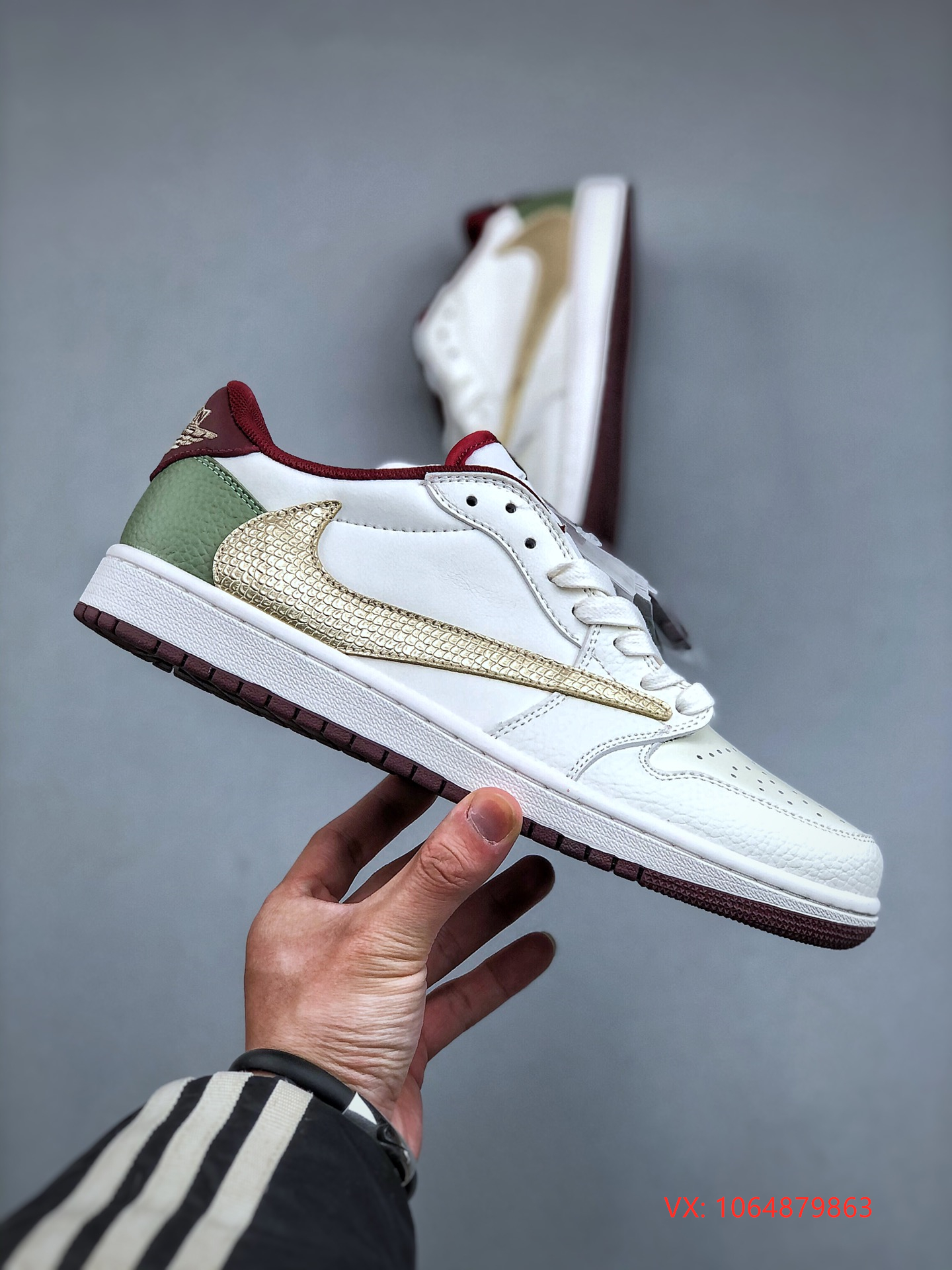
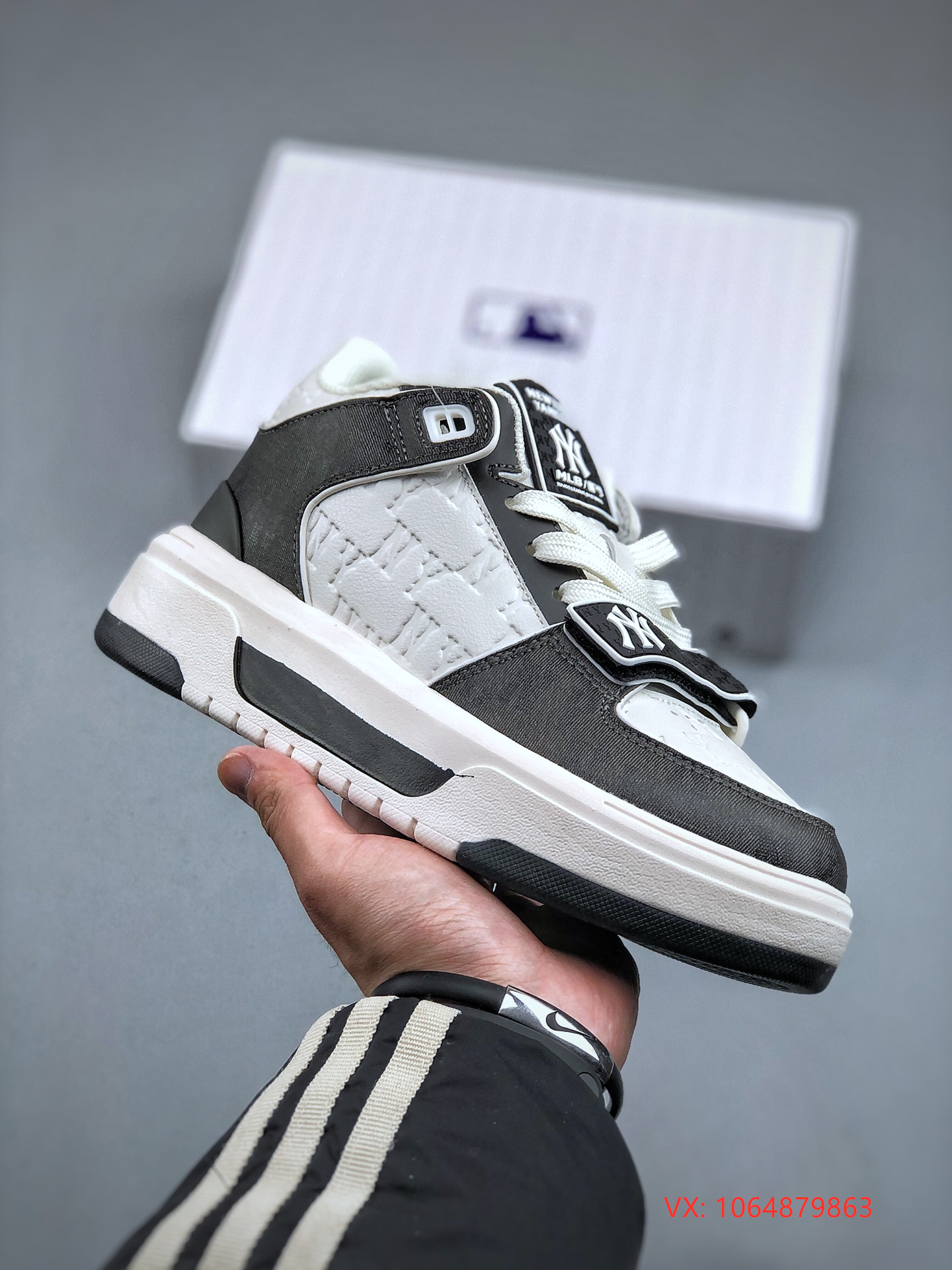
When you walk into Anfu, ignore the flashy signs advertising "Nike" or "Adidas" in huge letters. Those are often bait for tourists or low-end bulk buyers. Look for the smaller, quieter booths with fewer logos but more detailed product displays. These are usually run by experienced bosses like me. We don't scream at passersby; we wait for serious inquiries. Ask to see the "master samples." These are the prototypes made before mass production. If a seller refuses to show you the master sample, they are likely selling stock from a lower tier. Also, pay attention to the packaging. In Putian, the box quality is a direct indicator of the factory's capability. High-end factories use sturdy boxes with precise printing, while cheap ones use flimsy cardboard.
The Art of Inspection and Negotiation
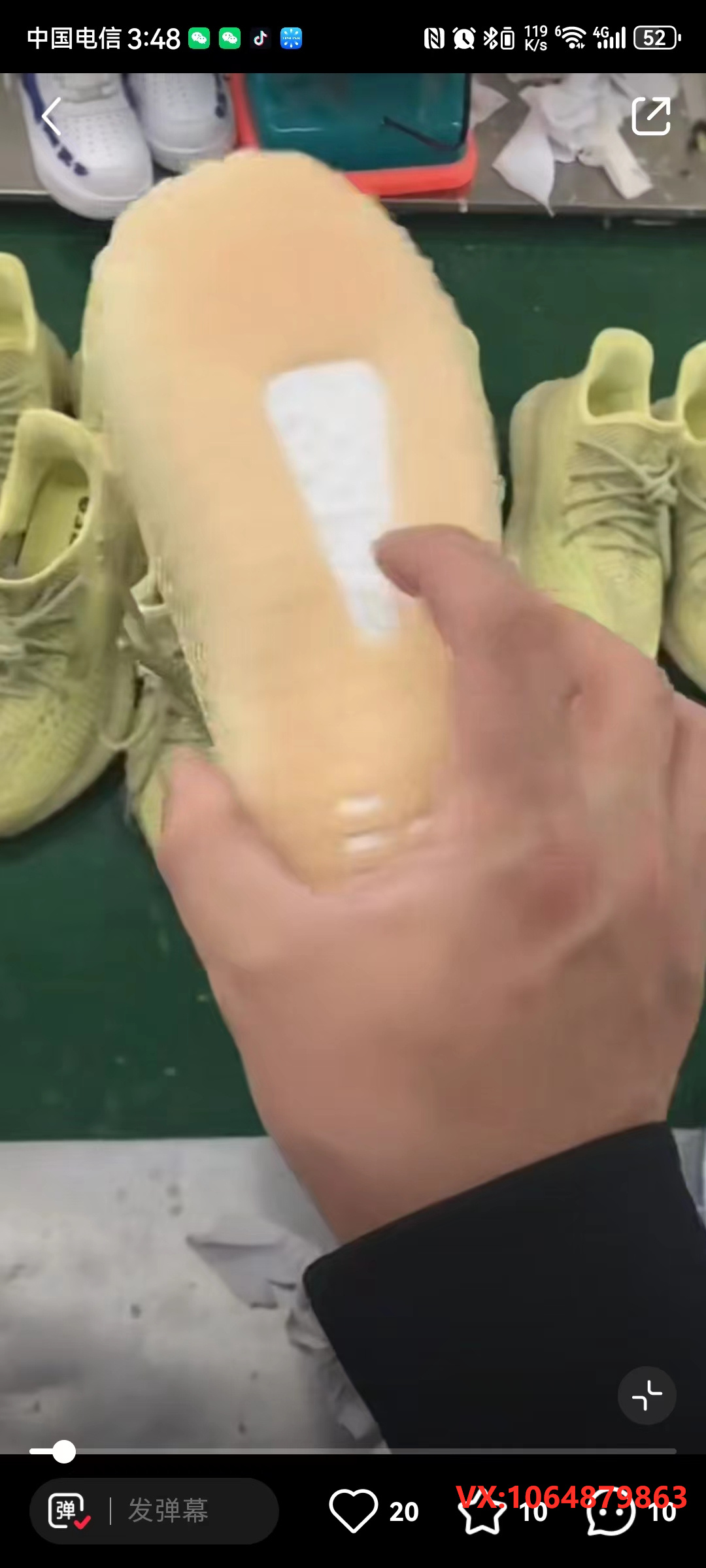
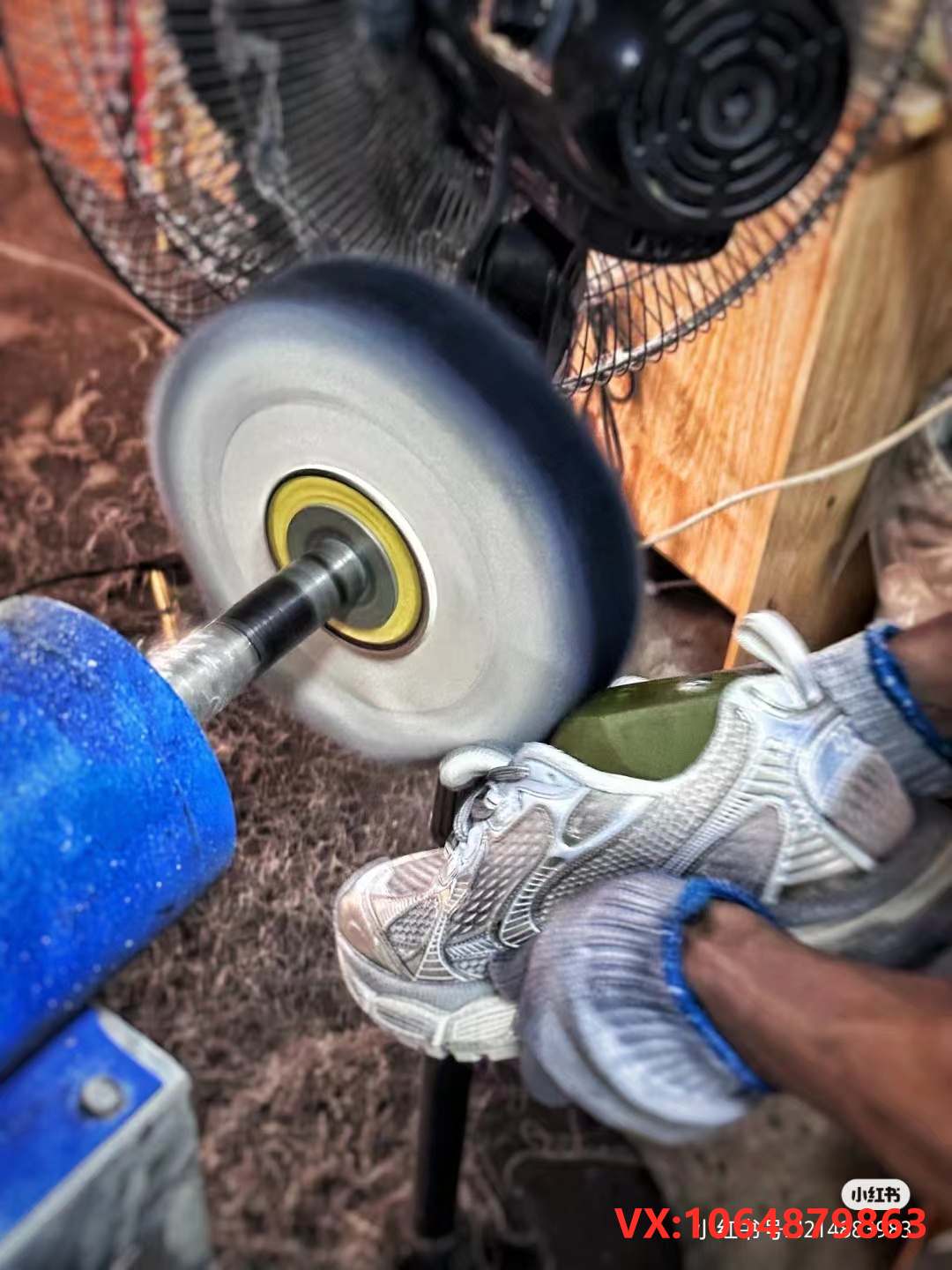
once you have identified a potential partner, the real work begins. Do not just ask for photos. Photos can be edited, and videos can be staged. You need to inspect the stitching, the glue marks, and the sole density. I always tell my international clients to bring a magnifying glass and a light source. Check the midsole foam. Is it too soft? Does it smell like strong chemicals? These are red flags. In our local dialect, we call this "checking the soul" of the shoe. If the craftsmanship feels off, walk away. There are hundreds of other shops down the hall.
Talking Numbers and MOQs
Negotiation in Putian is a dance. Foreign buyers often try to haggle aggressively on the unit price without considering the Minimum Order Quantity (MOQ). Here is the truth: the price per pair drops significantly as your order volume increases. If you are asking for fifty pairs of a specific model, expect to pay a premium. If you want the factory-direct price, you need to talk about hundreds of pairs. Don't be afraid to ask for a mixed order. Many of us allow you to mix styles across different models to reach a higher total value. This helps us manage inventory better and keeps the production line running smoothly. Be honest about your target market. Are you targeting the US, Europe, or Southeast Asia? The sizing and color preferences vary wildly, and a good supplier will adjust their advice based on your destination.
Avoiding Pitfalls and Building Trust
The biggest risk for overseas buyers is getting scammed or receiving substandard goods after payment. I have seen too many friends lose money because they trusted a random contact found online without verifying their physical presence. Always insist on a video call tour of the warehouse. If they refuse, do not send money. Another common trap is the "fake shipping." Some sellers will provide a tracking number that looks real but leads nowhere. Use secure payment methods and consider using a third-party inspection service if you are placing a large order. In Putian, reputation is everything. A bad seller gets blacklisted quickly within the community. A good seller, like me, relies on repeat business and word-of-mouth referrals from satisfied international partners.
The Future of Sourcing Here
The industry is changing. With stricter regulations and rising costs, the focus is shifting towards quality and compliance rather than just copying famous brands. Many factories are now focusing on private label manufacturing and developing their own original designs. If you are looking for long-term partnerships, look for suppliers who are willing to invest in R&D. The days of simply churning out cheap copies are fading. The future belongs to those who can offer unique designs, superior materials, and reliable logistics. Come to Putian, walk the floors, meet the people, and you will see that this place is much more than just a shadow economy; it is a sophisticated manufacturing hub ready to serve global markets.