
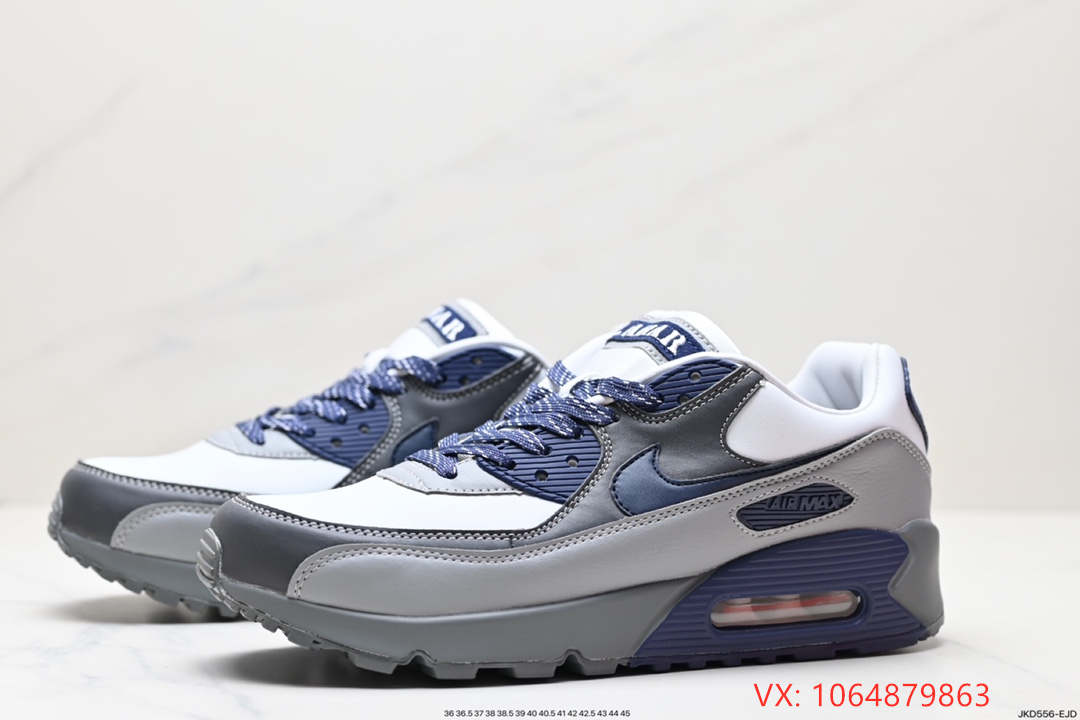
Why You Need to Stop Searching for an App and Start Walking the Streets
Listen, I've been standing in the Anfu Commercial City for over fifteen years. I've seen thousands of foreigners walk through those heavy glass doors, looking at their phones with a confused expression, asking me, "What software do you use to sell Putea shoes?" It's a funny question because it reveals a huge misunderstanding about how this place actually works. There is no single magical app wher you can just download something, click a button, and have a warehouse full of authentic-looking sneakers shipped to your doorstep like ordering pizza. If someone tells you there is a specific "Putea Shoe App" that guarantees quality and direct factory access, they are trying to scam you.
The reality is much more grounded, and frankly, much more effective if you know what you are doing. The business here isn't run on some centralized digital platform; it runs on WeChat, face-to-face negotiations, and trust built over decades. When you ask about software, you are looking for the wrong tool. The real tool is your own eyes and your ability to navigate the physical market. Let me tell you exactly how we operate down here so you don't waste your money or get stuck with low-quality junk.
The Real Digital Backbone: WeChat is King
Forget Apps, Master the Chat
If you want to find suppliers in Putea, stop searching for an app store listing. The entire ecosystem here lives on WeChat. This is not just a messaging app; it is our operating system. Every single vendor, from the guy running a small stall to the owner of a massive distribution center, uses WeChat to showcase their inventory. They post photos and videos of new arrivals every morning. These aren't static catalogs; they are dynamic feeds showing the actual product in hand.
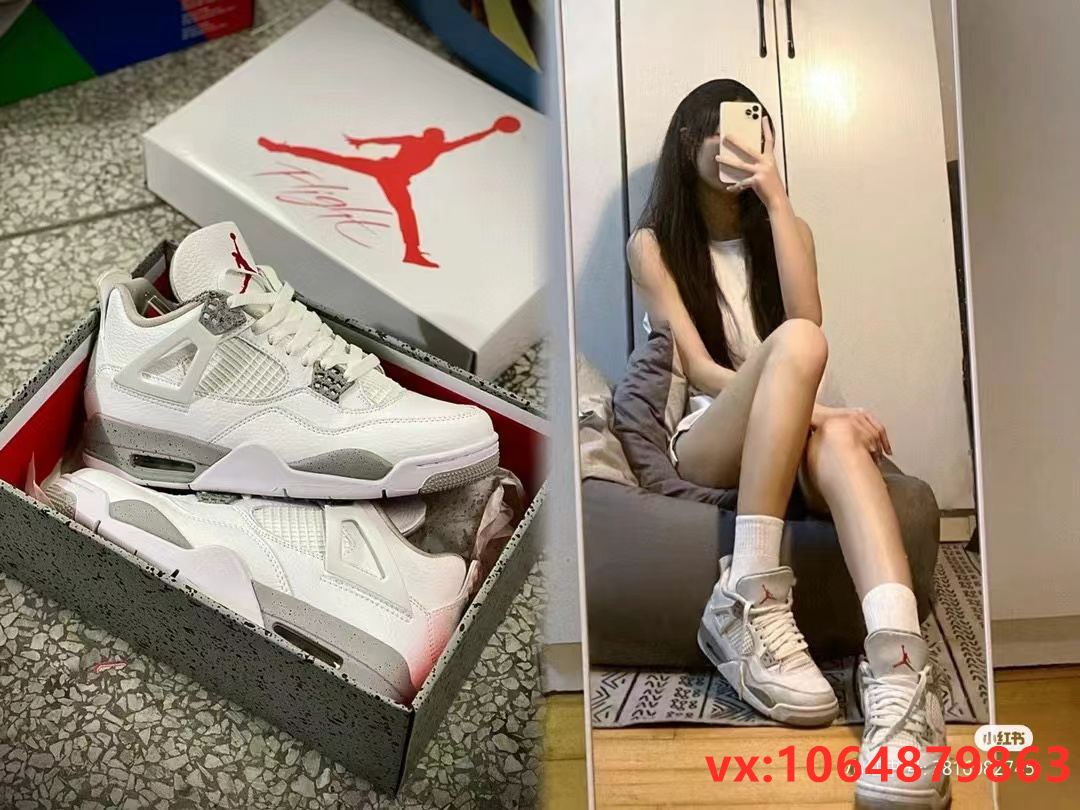
When you first arrive, you won't find a login screen. You will find QR codes everywher. You scan them, add the contact, and suddenly you have access to their private album. That is wher the real work happens. You send a message saying, "I need the Jordan 4 Retro High," and within minutes, you get a flood of images. Some are high-resolution, some are shaky phone videos taken in the warehouse. This is how you vet the quality before you even touch the shoe. If a supplier refuses to communicate via WeChat or insists on using a third-party website that looks generic, run away. That is usually a sign of a middleman or a scammer who doesn't have stock.
Navigating the Physical Market: Anfu and Beyond
Seeing is Believing in the Hallways
You cannot buy good Putea shoes without walking the floor. The Anfu Commercial City is a maze of corridors, each floor dedicated to different brands and styles. On the ground floor, you might find replicas of Nike and Adidas, while higher floors specialize in luxury brands or niche basketball models. But here is the secret: the best deals are often not in the flashy front-facing shops. They are in the back rooms or the smaller stalls tucked away in the corners.
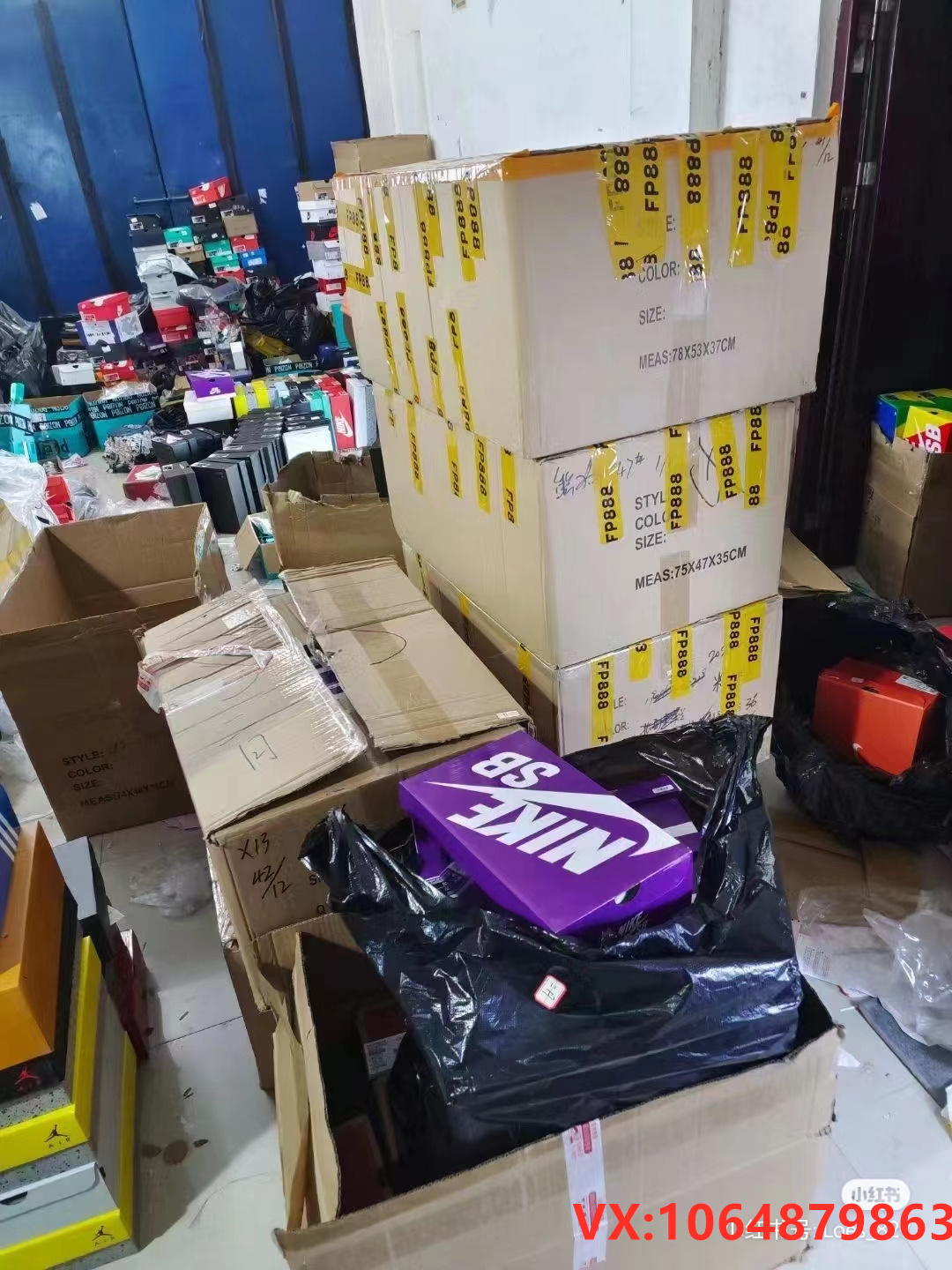
When I meet foreign buyers, I always take them straight to the wholesale section. We skip the retail displays that look too perfect. Instead, we go to the areas wher boxes are stacked high and the air smells like glue and rubber. This is wher the real volume business happens. I show my clients how to identify the "dabang" (the main distributor) versus the "xiaodai" (the small reseller). The distributors have the stock and the connections to the factories, while the small resellers just mark up the price. By walking the aisles, you can compare prices instantly. If one shop sells a pair for $80 and the next door neighbor sells the exact same model for $65, you know which one has the better margin and likely the better deal.
Selecing the Right Product: Quality Tiers Explained
One of the biggest mistakes foreigners make is assuming all Putea shoes are the same. In this market, quality is tiered. We call them L1, L2, L3, and the top-tier "Pure Version." When you are selecting products, you need to understand these differences. The lower tiers look okay from a distance but fail on materials and stitching when you hold them. The top-tier versions use the same molds and sometimes even the same raw materials as the big brands.
As a local boss, I advise my international partners to bring a sample of what they want to copy. We call this "bringing the original." You show the factory the real shoe, and they match the sole, the leather texture, and the colorway. This process requires physical presence. You can't do this over an app. You need to feel the stiffness of the midsole and check the alignment of the logo. I always tell my friends, "Don't buy blind." Ask to see the box, the dust bag, and the extra laces. If they hesitate, they are hiding something. In Anfu, transparency is the currency of trust.
The Art of Negotiation and Avoiding Scams
Haggling Like a Local
once you have selected your goods, the negotiation begins. Prices here are never fixed. The number on the tag is just a starting point. As a veteran seller, I know that foreigners often get quoted a "tourist price" which is double the wholesale rate. To avoid this, you need to act like you belong here. Ask about the minimum order quantity (MOQ). Most vendors require a mix of sizes, usually 10 pairs per style, but if you are buying multiple styles, they might be flexible.
We discuss payment terms openly. For new customers, we usually ask for a deposit via WeChat Pay or Alipay, and the balance upon shipping. Never wire money directly to a bank account unless you have established a long-term relationship. Use secure platforms or meet in person to finalize the deal. Also, be wary of "free shipping" offers. In this industry, shipping costs are calculated by weight and volume. If someone promises free shipping globally, they are likely inflating the product price to cover it, or worse, they are taking your money and disappearing.
Inspection and Shipping Logistics
Before you leave the market, we do a final inspection together. We check the left and right shoes for symmetry, the glue lines, and the smell. A bad batch will have a strong chemical odor, while a good one smells like fresh rubber. once everything is approved, we pack the boxes carefully. We don't just throw them in a bag; we use proper cardboard boxes with dividers to prevent crushing.
For shipping, we have relationships with logistics companies that handle customs clearance. This is crucial. Many buyers worry about their packages getting seized. We use specific shipping channels that are known to be reliable for this type of merchandise. We provide tracking numbers immediately after the package leaves the warehouse. Remember, the goal is to build a sustainable supply chain, not a one-time transaction. If you treat us with respect and pay fairly, we will treat you with the best quality and priority shipping. That is the unwritten rule of the Putea market.

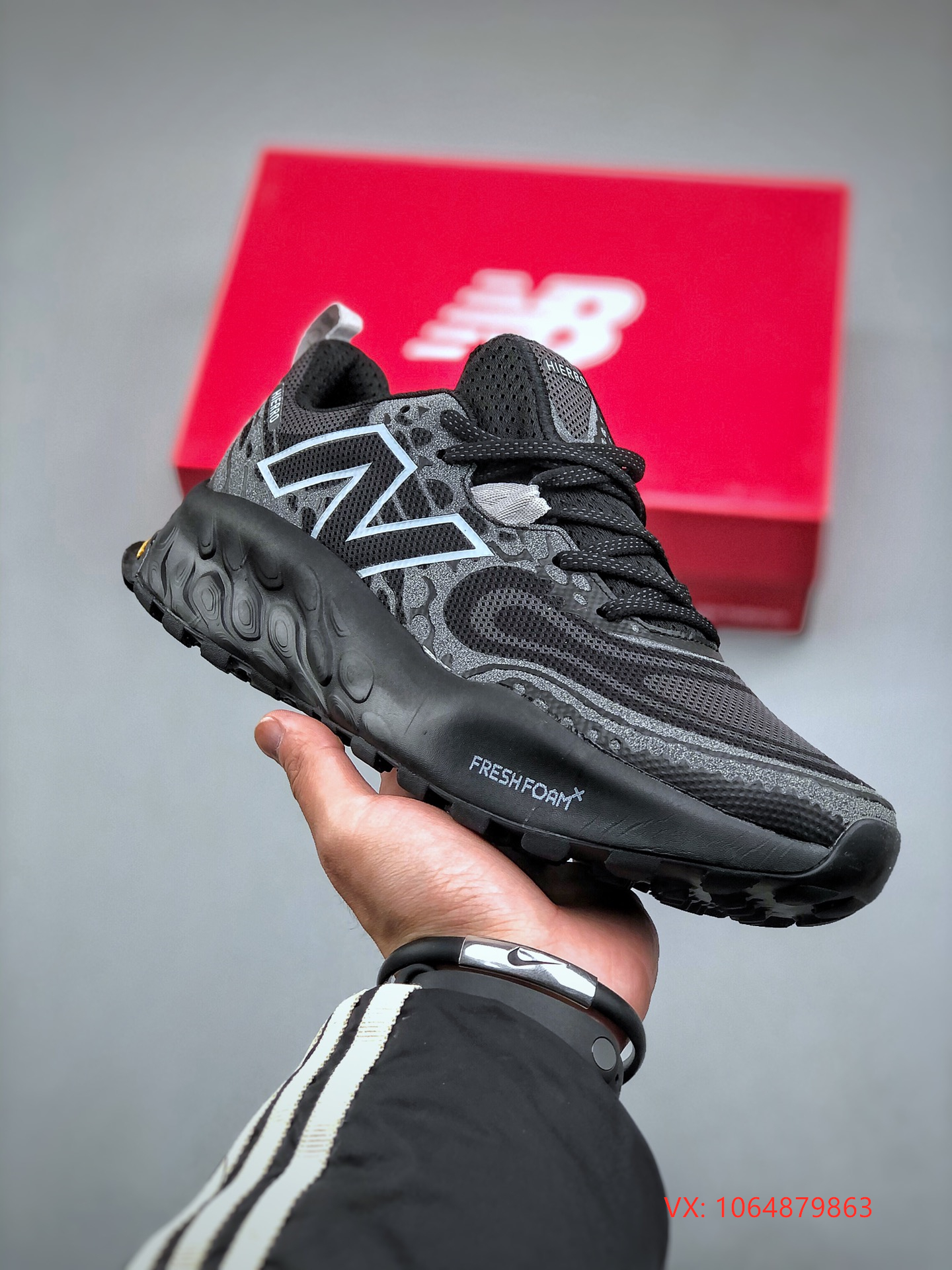
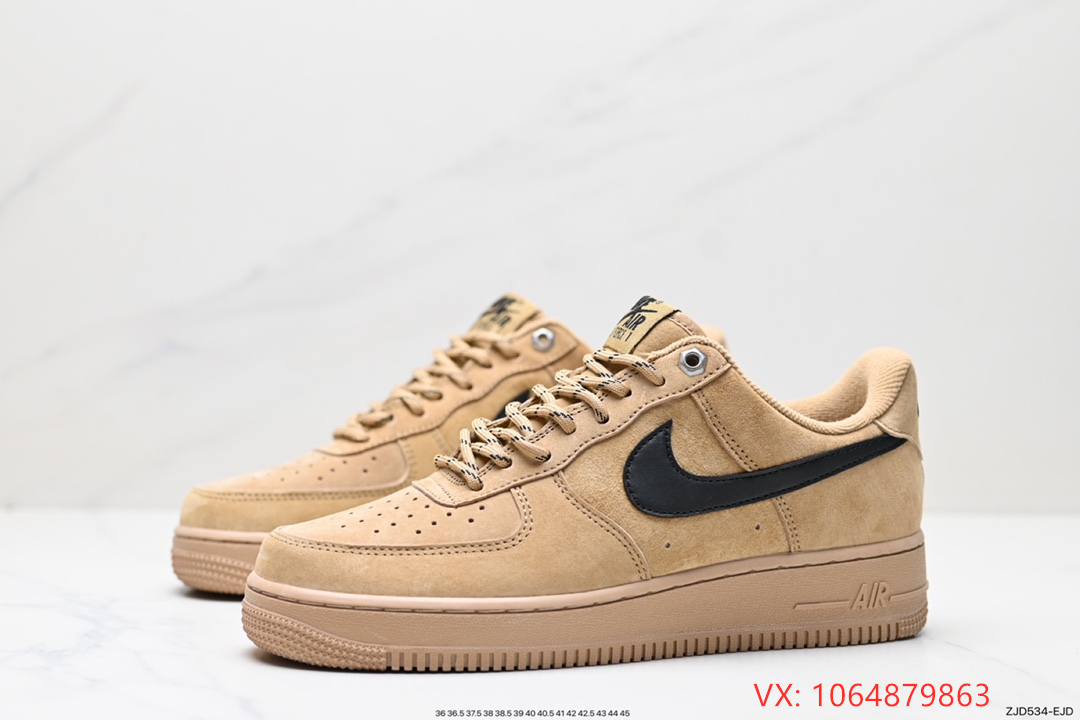
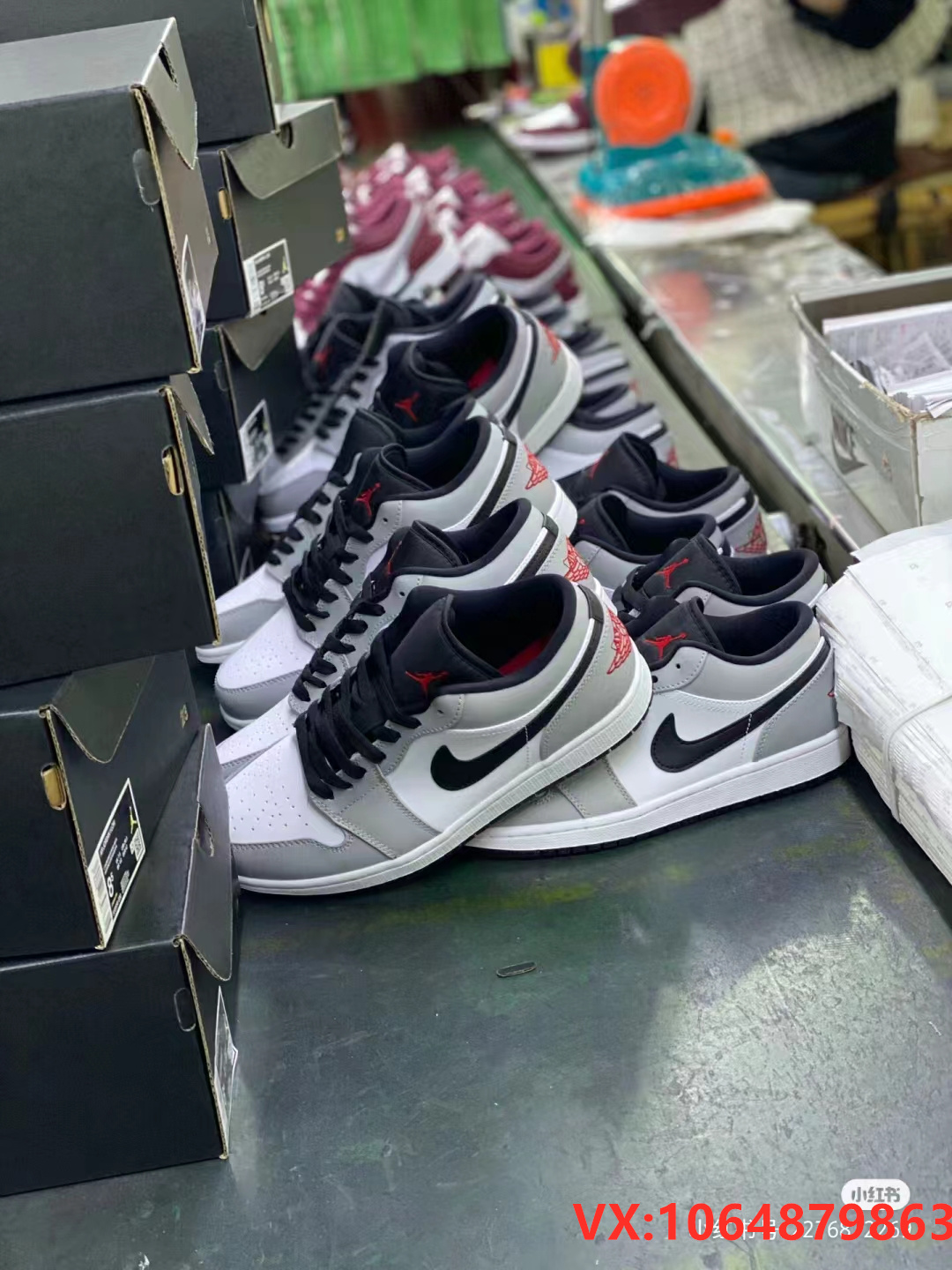
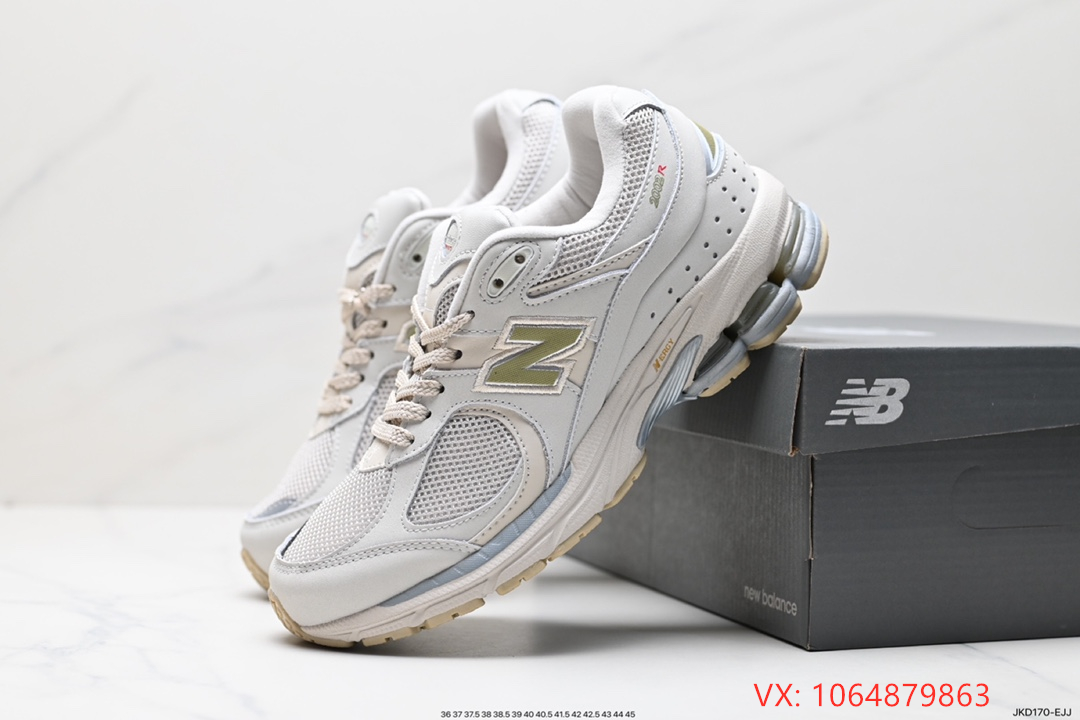
 On-site Visits
 Free Sharing
 Avoid Scams
 Updated Frequently
 For Reference Only