
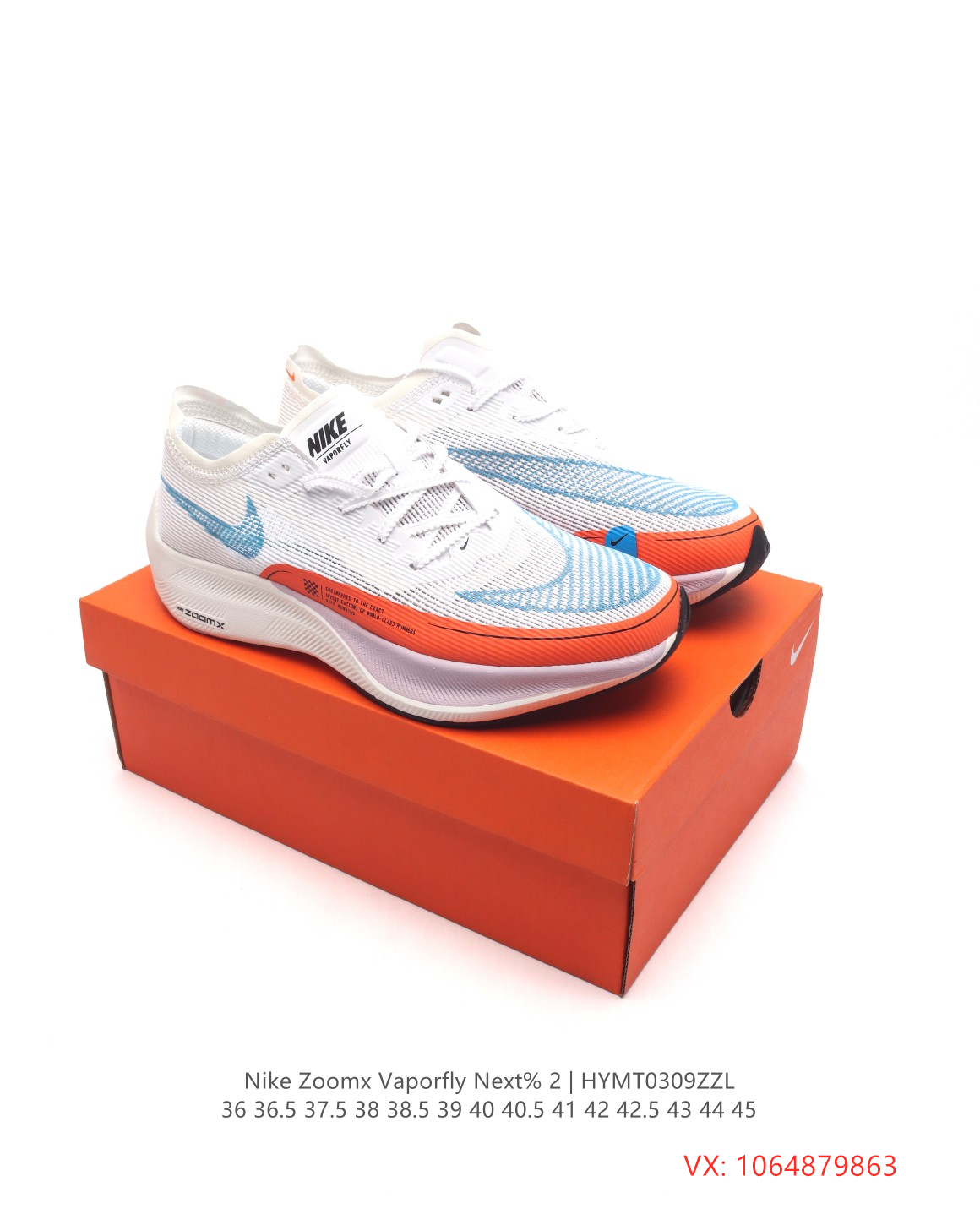
Walking the Floors: How to Spot Real vs. Fake "Putian Shoes" in Anfu
I've been standing behind the counter at my stall in the Anfu Electronic Commerce City for over fifteen years. I've seen thousands of foreigners walk through those heavy glass doors, eyes wide, clutching their translation apps, looking for what they call "high-quality replicas." But here is the hard truth that most guides on Google won't tell you: there is no such thing as a "fake Putian shoe" if you are talking about the goods coming out of our factories. The confusion comes from the fact that we produce different tiers of quality, and many buyers think "Putian" means low-end junk. It doesn't. When you ask me how to distinguish between the "square" (standard) and the "round" (premium) versions, or how to tell if a seller is lying about the grade, you need to stop thinking like a tourist and start thinking like a wholesaler.
The Myth of the "Fake" Label
First, let's clear up the biggest misconception. In the West, people search for "fake Nike shoes" or "replica Jordan 1s," but in Anfu, we don't use those words. We talk about grades. There is the market version, which is the cheap stuff you see on street corners, and then there is the top-tier version, often called the "pure version" or "original factory version." When a foreign buyer asks me to "distinguish the real from the fake," I have to correct them. The question isn't about authenticity; it is about quality consistency. A pair of shoes made in the same factory can vary wildly depending on the materials used that day. If you buy the wrong tier, you aren't getting a fake; you are just getting the wrong product for your price point.
Navigating the Chaos of Anfu Market
Walking into the Anfu market without a local guide is like walking into a maze blindfolded. The streets are packed with stalls selling everything from socks to full sneakers. Many tourists get scammed because they approach the first shop they see. They don't know that the best deals are hidden in the back rooms or require a relationship built over months. To find the right source, you must understand the layout. The ground floor is for the quick sales, the flashy displays, and the tourists. The upper floors and the side alleys are wher the serious wholesalers operate.
Reading the Stalls Before You Buy
When you approach a stall, look at the boxes. A legitimate supplier who has been in business for years will have stacks of specific models ready to go. If a seller shows you one shoe in a box and says, "I can make anything," run away. That is a middleman trying to flip your order. A true factory owner or a senior distributor will show you the actual inventory. They will pull out the same model in different colors to show you the consistency of their dye jobs. This is the first step in verifying if they are a direct source or just a reseller. Also, pay attention to the packaging. High-end suppliers use high-quality dust bags and sturdy boxes. Cheap sellers use flimsy cardboard that crumbles when you open it.
The Art of Inspection: What Your Eyes Need to See
This is the core of your question. How do you tell the difference between the "square" standard and the "round" premium? It comes down to the details that mass-market brands ignore. When I am showing a client the goods, I always hand them a magnifying glass. You cannot judge these shoes by looking at them from three feet away. You need to get close.
Checking the Stitching and Glue Lines
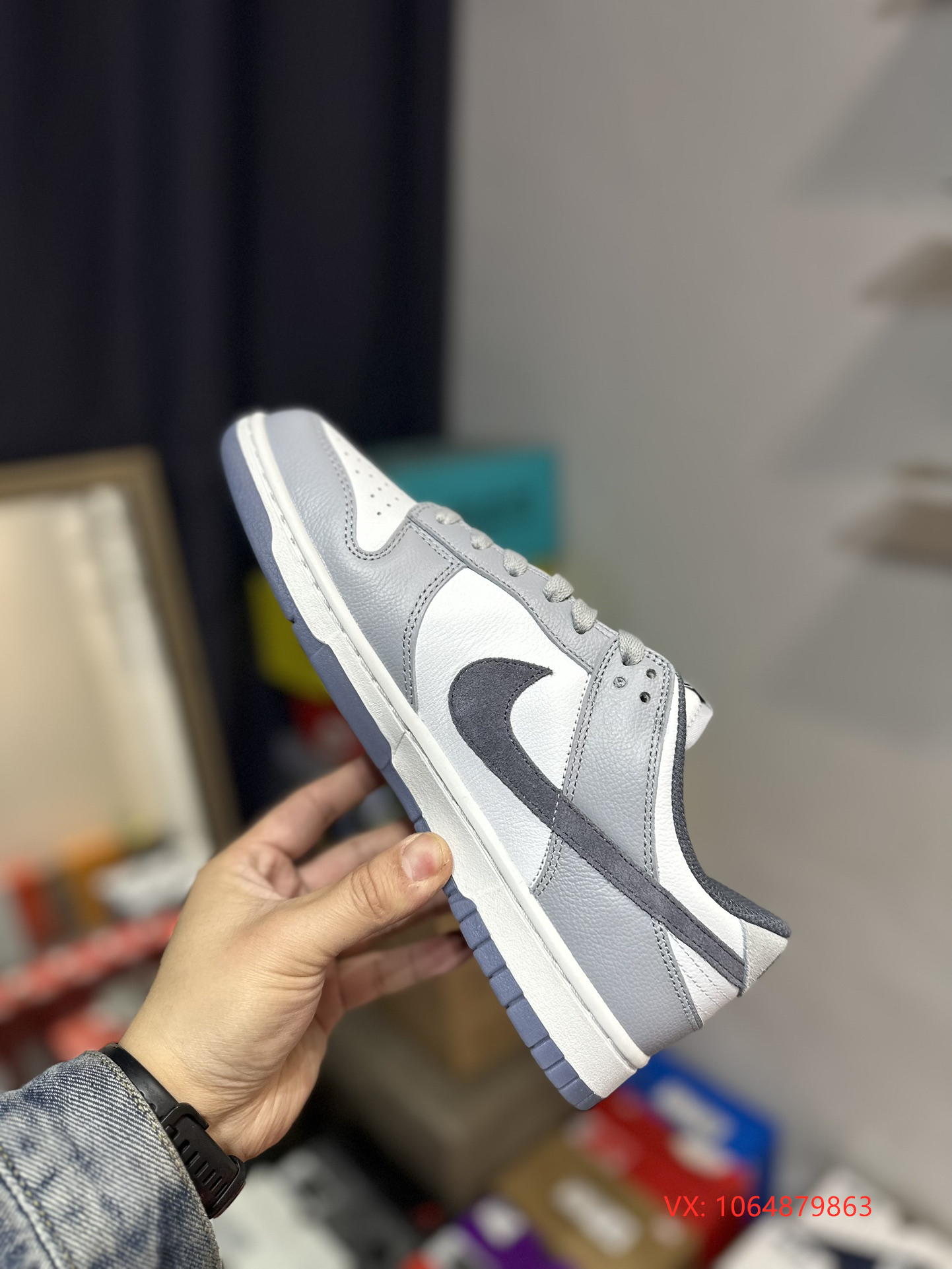
Look at the stitching on the toe box. On the lower-tier versions, the stitches are often uneven, with loose threads hanging off. On the top-tier versions, the stitch count per inch is precise, and the thread tension is perfect. Next, check the glue lines. In the past, Putian shoes were notorious for messy glue stains. Today, the best factories use automated gluing machines that leave almost invisible seams. If you see yellowish glue residue around the sole, that is a sign of a lower-grade batch. However, be careful; sometimes a seller will clean the glue off to hide the mess, so smell the shoe. Strong chemical odors usually indicate cheaper solvents used in the assembly process.
Sole Flexibility and Material Density
Another critical test is the midsole. Take the shoe and bend it. The bottom should flex naturally at the ball of the foot, not in the middle of the arch. If the shoe bends too easily or feels like plastic, it is likely using recycled rubber or poor-quality EVA foam. The premium versions use the exact same raw materials as the big brands, which gives them that distinct bounce and durability. I always tell my clients to press their thumb into the heel counter. If it feels soft and collapses, it lacks support. If it feels firm and springs back, you are looking at a high-quality build.
Negotiating and Avoiding Scams
once you have inspected the goods, the negotiation begins. Foreigners often try to haggle aggressively, thinking they can drive the price down to zero. In Anfu, this strategy fails. We know our costs. If you offer a price that is too low, the seller knows you are either inexperienced or trying to trick them. Instead, focus on volume. If you say, "I want to take fifty pairs of this model," the price dros significantly. This is how the wholesale game works.
Building Trust Through Communication
One of the biggest pitfalls for overseas buyers is the lack of trust. Many sellers will send photos of the best shoes, but ship the worst ones. To avoid this, insist on video calls. Ask the seller to record a video of the specific pair you are buying, showing the serial numbers, the tags, and the details we discussed earlier. Some reputable suppliers even offer a "video inspection" service wher they walk you through the warehouse live. This transparency is the only way to ensure you are getting what you paid for. Never transfer money via Western Unio or crypto without a contract or a trusted third-party escrow service.
Final Thoughts on Sourcing from China
Buying from Putian is not about finding a counterfeit; it is about finding value. The supply chain here is incredibly sophisticated. If you take the time to learn the differences between the grades, inspect the physical products yourself, and build relationships with honest suppliers, you can get shoes that are indistinguishable from the retail originals at a fraction of the cost. Don't rely on Google reviews alone; go to the market, talk to the owners, and see the shoes with your own eyes. That is the only way to truly master the art of sourcing in Anfu.

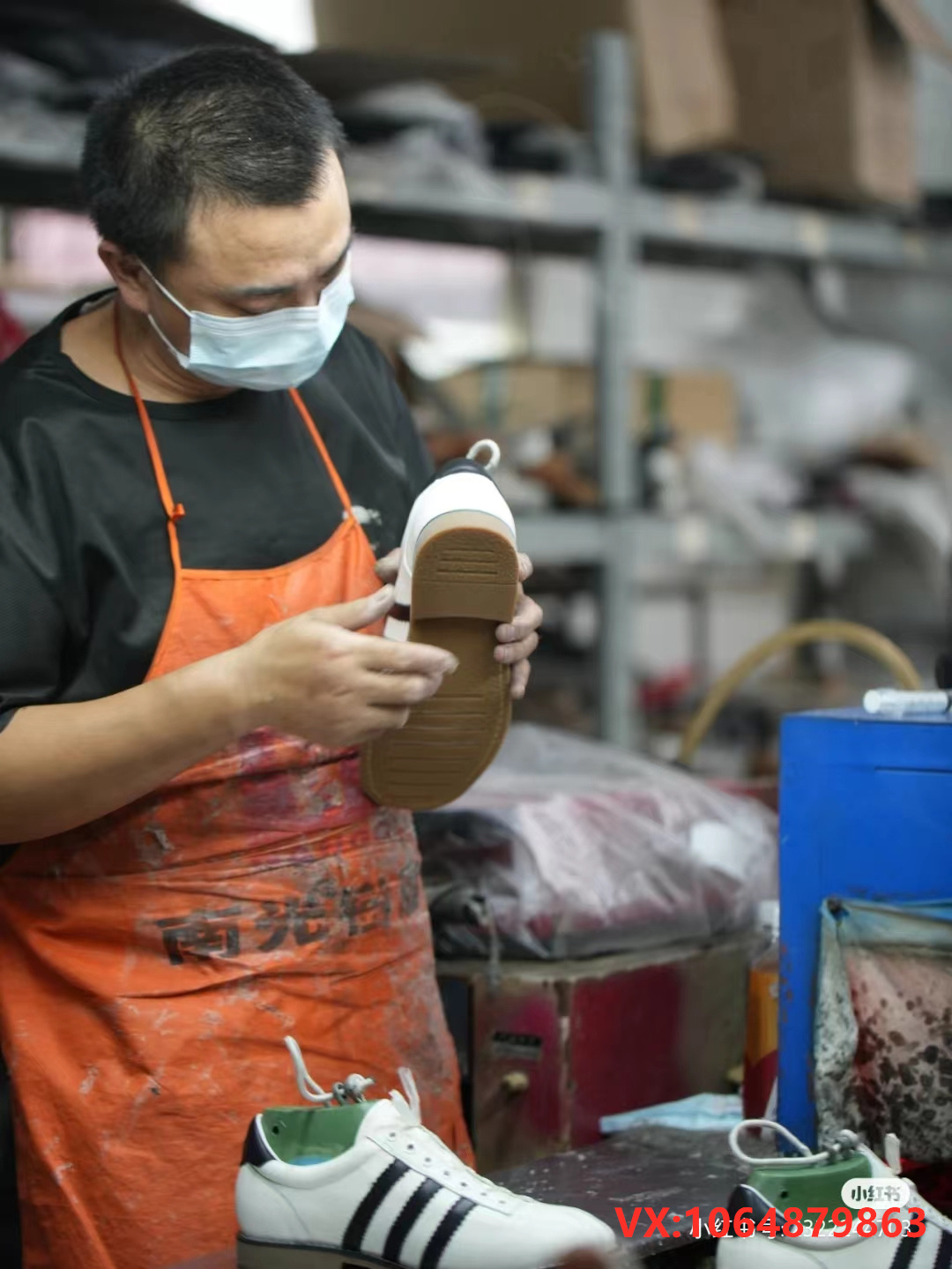
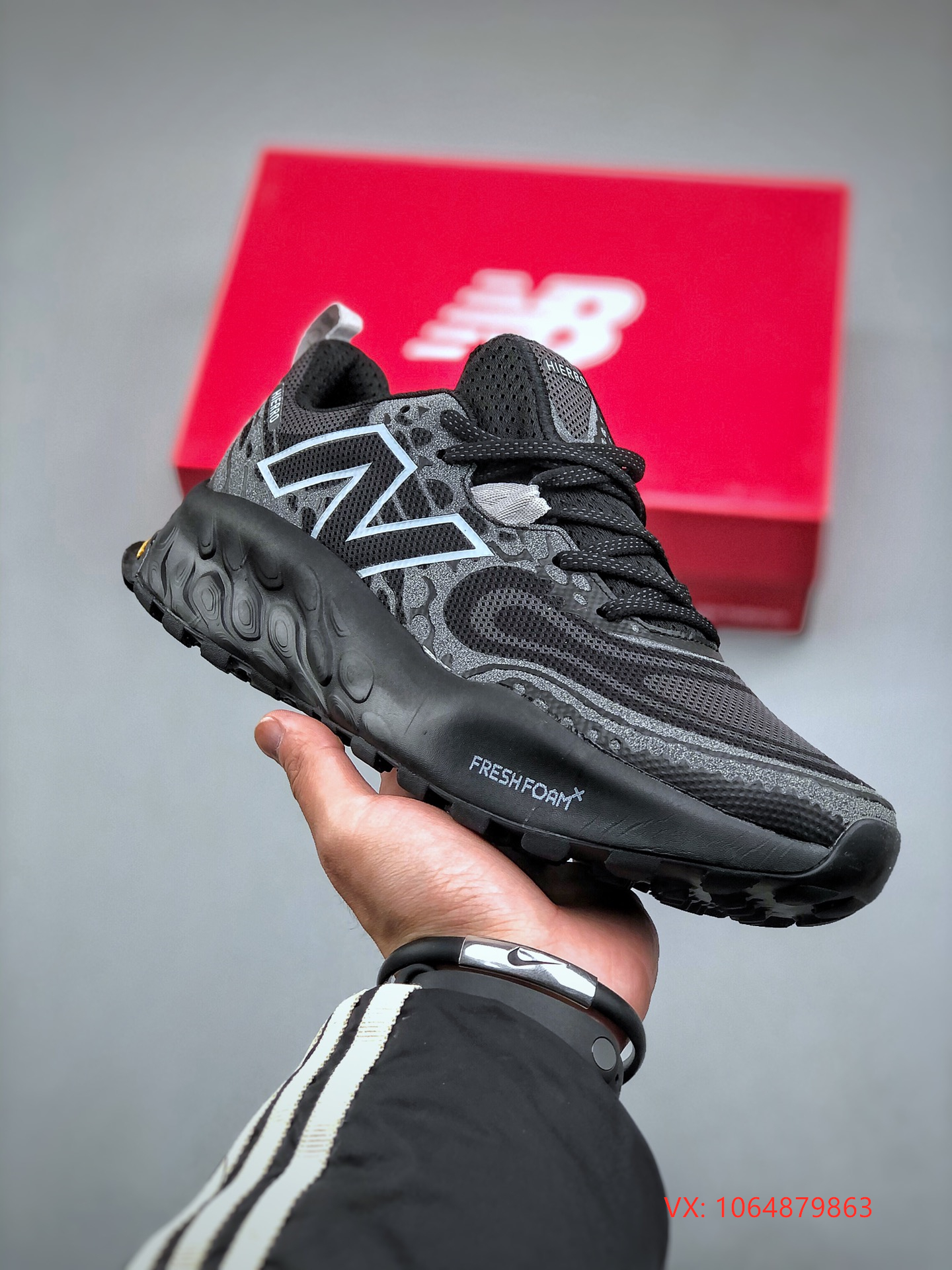
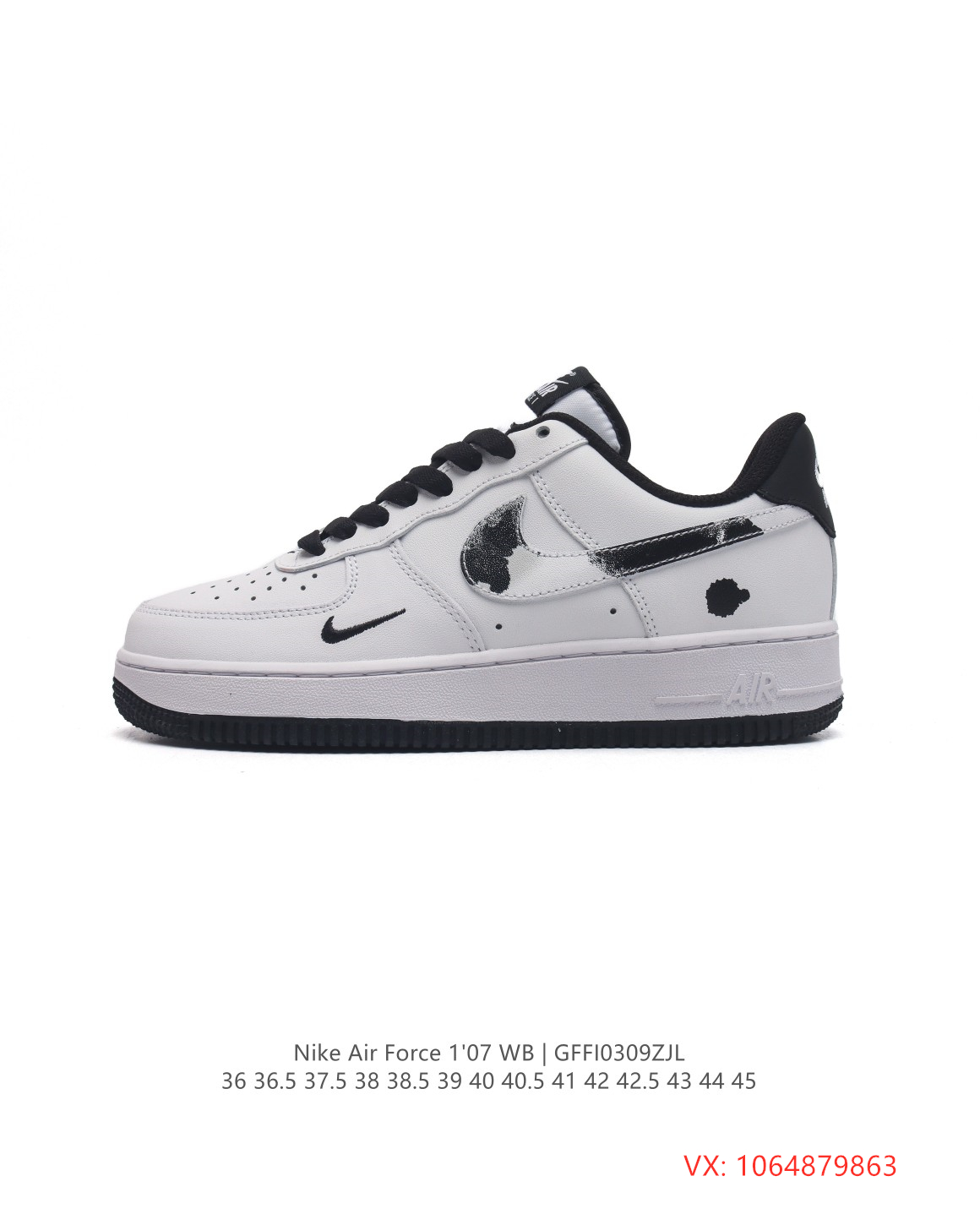
 On-site Visits
 Free Sharing
 Avoid Scams
 Updated Frequently
 For Reference Only