
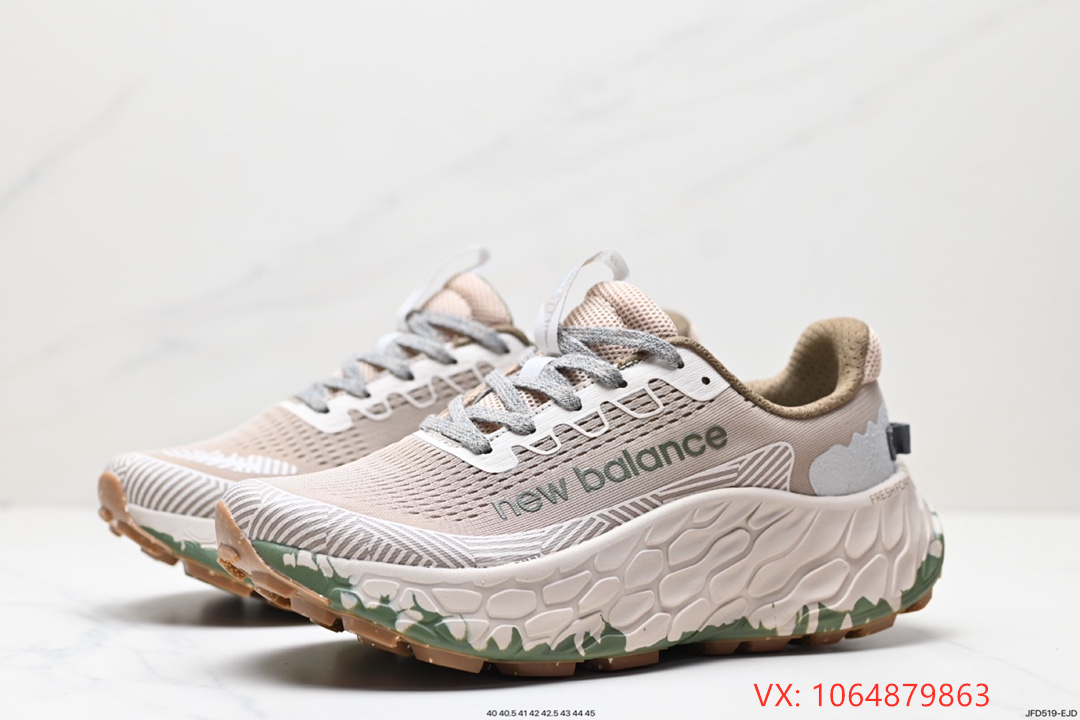
Why Most Foreign Buyers Fail at Anfu Market (And How to Fix It)
Welcome to the real deal. I've been standing in the same spot in the Anfu Electronic Commerce City for over fifteen years, watching thousands of foreigners walk through those heavy glass doors with big dreams and zero clue about what they are actually looking for. You ask me, "What kind of Putian shoes are the most stable?" Let me tell you something straight from the heart: there is no single "stable" model that works for everyone. The stability comes entirely from your ability to navigate the market, not just the brand name on the box.
When I see a buyer asking this question online, I usually sigh. They think if they find one specific factory or one specific "top version," they will never have problems again. That is a myth. In my experience dealing with clients from the US, Europe, and Australia, the ones who succeed are the ones who understand that "stability" is a process, not a product. If you want to build a business that lasts, you need to stop looking for magic bullets and start learning how to talk to us locals.
The Truth about "Stable" Models and Quality Tiers
Understanding the Hierarchy of Goods
First, let's clear up the confusion about quality tiers. When you search for "Putian shoes wholesale," you will hear terms like LJR, OG, and PK. These are just nicknames we use internally. For a foreign buyer, the most important thing is understanding that "stable" means consistent quality control, not necessarily the highest price tag. The so-called "top tier" might be perfect for a high-end boutique, but if you are targeting the mass market, it might kill your profit margins because the cost is too high.
I always tell my international friends to focus on the mid-to-high range first. Why? Because the gap between the cheap junk and the premium goods is huge, but the gap between the premium and the absolute top-tier is often negligible in terms of actual wear and tear. A pair of shoes that costs $40 to make and sells for $80 is much more "stable" for a new importer than a pair costing $60 that sells for $150. The risk of returns is lower, and the customer satisfaction rate is higher. Don't get obsessed with finding the "best" version; find the version that fits your target audience.
Navigating Anfu Market: A Local's Guide to Physical Inspection
Don't Buy Blindly Online
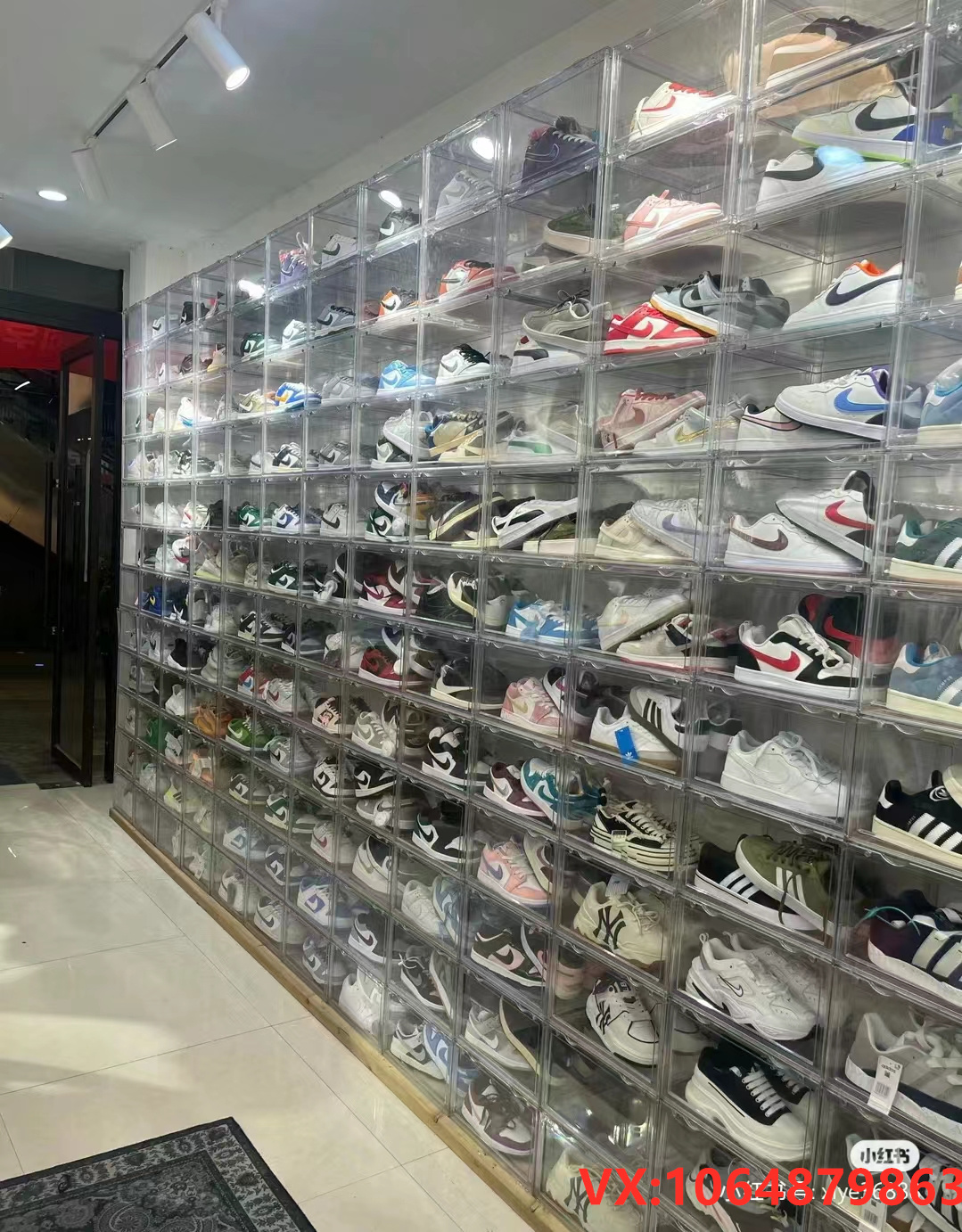
Here is the biggest mistake I see every day. People try to order their first batch based on photos sent via WhatsApp or WeChat. This is a recipe for disaster. Photos can be edited, lighting can hide defects, and videos can be looped. If you are serious about sourcing, you must come here. Walk into Anfu. The atmosphere is chaotic, loud, and electric. You need to feel the energy of the place to understand wher the real deals are hidden.
When you arrive, ignore the flashy storefronts on the main street. Those are mostly showrooms for tourists. Go deeper into the alleys behind the main buildings. That is wher the actual production lines and the serious wholesalers operate. Look for shops that don't scream "Buy Now!" but instead invite you to sit down and look at the stock. A shop that offers tea and lets you inspect the sole stitching without pressure is usually a sign of a reliable partner.
How to Inspect the Product Like a Pro
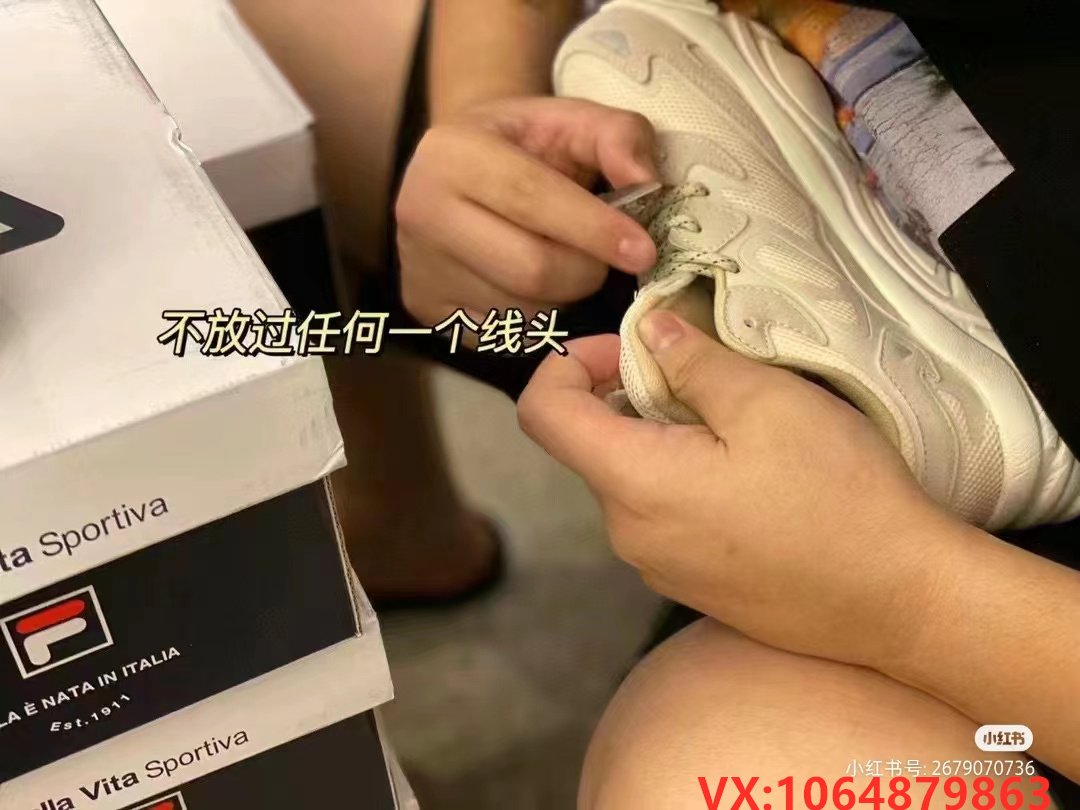
once you are at a booth, do not just look at the upper part of the shoe. Grab a pair and bend it. Feel the stiffness of the midsole. Check the glue lines around the toe cap. In Putian, the difference between a good pair and a bad pair is often in the details that take seconds to miss. Ask the owner to show you the "defective" pile. Yes, they have a pile of rejected shoes. If they refuse to show it, run. A confident boss knows his quality standards and won't mind showing you why some shoes didn't pass inspection.
Also, pay attention to the packaging. Are the boxes sturdy? Is the dust bag included? Are the laces the right color? These small things add up to the perceived value of your product. If you are selling to customers who care about the unboxing experience, you cannot cut corners here. I have seen many buyers lose money because they bought great shoes but terrible boxes, leading to angry reviews upon arrival.
Bridging the Gap: Communication and Negotiation Tactics
Building Trust Beyond Language Barriers
Language is a barrier, but trust is universal. Many foreigners think they need to speak perfect Chinese to negotiate. They don't. What you need is patience and respect. When you meet a vendor, treat them as a partner, not a vending machine. Bring a translator if you can, but try to learn a few basic phrases like "quality check" or "sample fee." It shows you are serious.
When discussing prices, do not haggle aggressively on the very first meeting. Start by asking for samples. Pay for the sample fee; it proves you are a legitimate buyer. once you receive the sample, test it thoroughly. If it meets your standards, then you can discuss bulk pricing. The key to getting the best price is volume and consistency. Tell the boss, "I plan to order 500 pairs next month if this batch is good." That kind of commitment gets you better rates than saying "I want the cheapest price."
Avoiding Pitfalls: Red Flags Every Buyer Must Watch
Scams and Fake Promises
The market is full of sharks. Some sellers promise "1:1 replicas" or claim they have exclusive access to factories that don't exist. Be careful with these claims. No one has an exclusive factory in Putian; everyone shares the same supply chain. If someone claims they are the only source for a specific model, they are likely lying to inflate their prices.
Another red flag is when a seller refuses to meet in person or insists on sending payment before you see the goods. Always insist on a face-to-face meeting or a live video call wher you can see the actual inventory. Never send money to a personal bank account without a contract or a verified trade assurance platform. Protect yourself. The goal is to build a long-term relationship, not to get ripped off once.
Final Thoughts: Your Journey Starts Here
So, what kind of Putian shoes are the most stable? The answer is simple: the ones you personally verify, the ones you understand inside out, and the ones you source from a supplier you trust. There is no shortcut. Come to Anfu, walk the floors, touch the materials, and talk to the people who know the industry best. If you follow these steps, you won't just find a supplier; you will find a partner who helps you build a sustainable business. The market is waiting for you, and I'll be here to welcome you.

 On-site Visits
 Free Sharing
 Avoid Scams
 Updated Frequently
 For Reference Only