
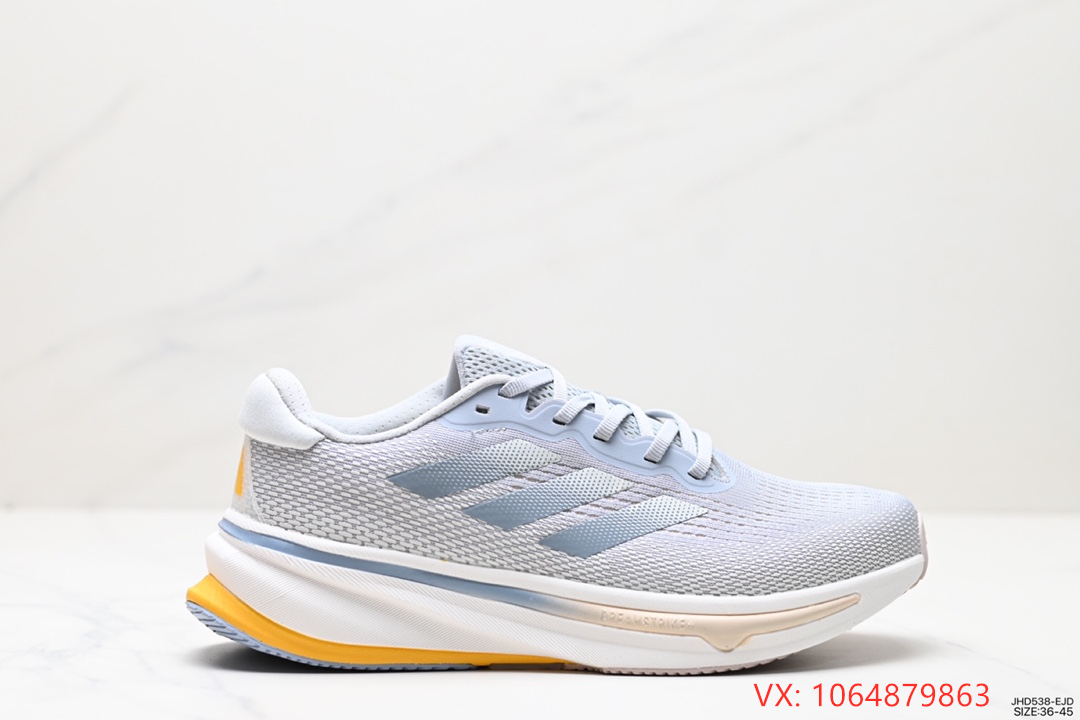
Inside the Anfu Market: A Veteran's Guide to Putian Shoe Grades
Welcome to the real deal. I've been standing in the same spot in the Anfu E-commerce City for over fifteen years, watching the market evolve from a chaotic street stall area into a global logistics hub. If you are an overseas buyer scrolling through Google looking for "Putian shoe grades" or trying to understand the difference between "L1" and "Top Version," you have likely encountered a wall of confusing jargon. Let me cut through the noise. In this industry, there is no official ISO standard. The grading system is entirely internal, born from the competition between factories and refined by the traders who know how to move product.
The Myth of the Official Hierarchy
First, let's clear up a massive misconception. You will hear terms like "Market Grade," "Factory Grade," and "Top Counter Quality." These aren't labels printed on a box by a government agency. They are slang used between us locals. When a foreigner asks me, "What is the highest grade?", I don't give them a textbook definition. I ask them what they plan to do with the shoes. Are they selling them as replicas on eBay? Are they reselling them as authentic on StockX? Or are they just wearing them for themselves? The answer dictates which "grade" you need.
Decoding the Real-World Tiers
In my shop, we don't use complex acronyms. We talk about quality tiers based on materials and craftsmanship. Understanding these tiers is the first step to avoiding being ripped off.
The Entry Level: "Market Goods"
This is what most people see when they first walk into the lower-end stalls. These are often called "Market Grade" or simply "Low End." The leather is usually synthetic or low-grade cowhide that feels stiff. The glue smell is strong, and the stitching might be slightly uneven if you look closely at the heel. The sole rubber is hard and doesn't flex like the original. For a price-conscious buyer who wants to sell cheap knockoffs, this works. But if you are looking for longevity or a high resale value, stay away. This is the tier wher the "fake" label is obvious even to the untrained eye.
The Mid-Tier: "Factory Standard"
As you move up, you hit what we call the "Factory Standard." This is the bread and butter of the Anfu market. The materials here are much closer to the originals. We use better leather, sometimes sourced from the same supply chains as big brands, though not always the exact same batch. The construction is tighter, and the glue smell is minimal. For many overseas buyers who want to run a legitimate droshipping business without getting flagged immediately, this is the sweet spot. It offers a balance between cost and appearance. However, the details—like the texture of the tongue or the specific shade of the logo—might still differ slightly from the retail version.
The Top Tier: "The 1:1s" and "Custom Molds"
This is wher the magic happens. When serious buyers ask for "Top Version" or "1:1 Quality," they are referring to the absolute peak of our production capabilities. These shoes are made using custom molds that are purchased directly from the original factories or reverse-engineered with extreme precision. The materials are identical to the retail versions, down to the density of the foam and the grain of the leather. The stitching count matches the original exactly. In my experience, the only way to distinguish these from the real thing is by checking the serial number against the brand's database or feeling the microscopic imperfections that mass production leaves behind. This is the tier for high-end resellers who need their customers to believe they are buying authentic gear.
Navigating the Physical Market: A Buyer's Field Guide
You cannot learn this trade just by reading online forums. You have to be here. The Anfu market is a maze, and the best deals are rarely advertised on social media. Here is how I guide new international clients through the physical process.
Scouting the Stalls and Building Trust
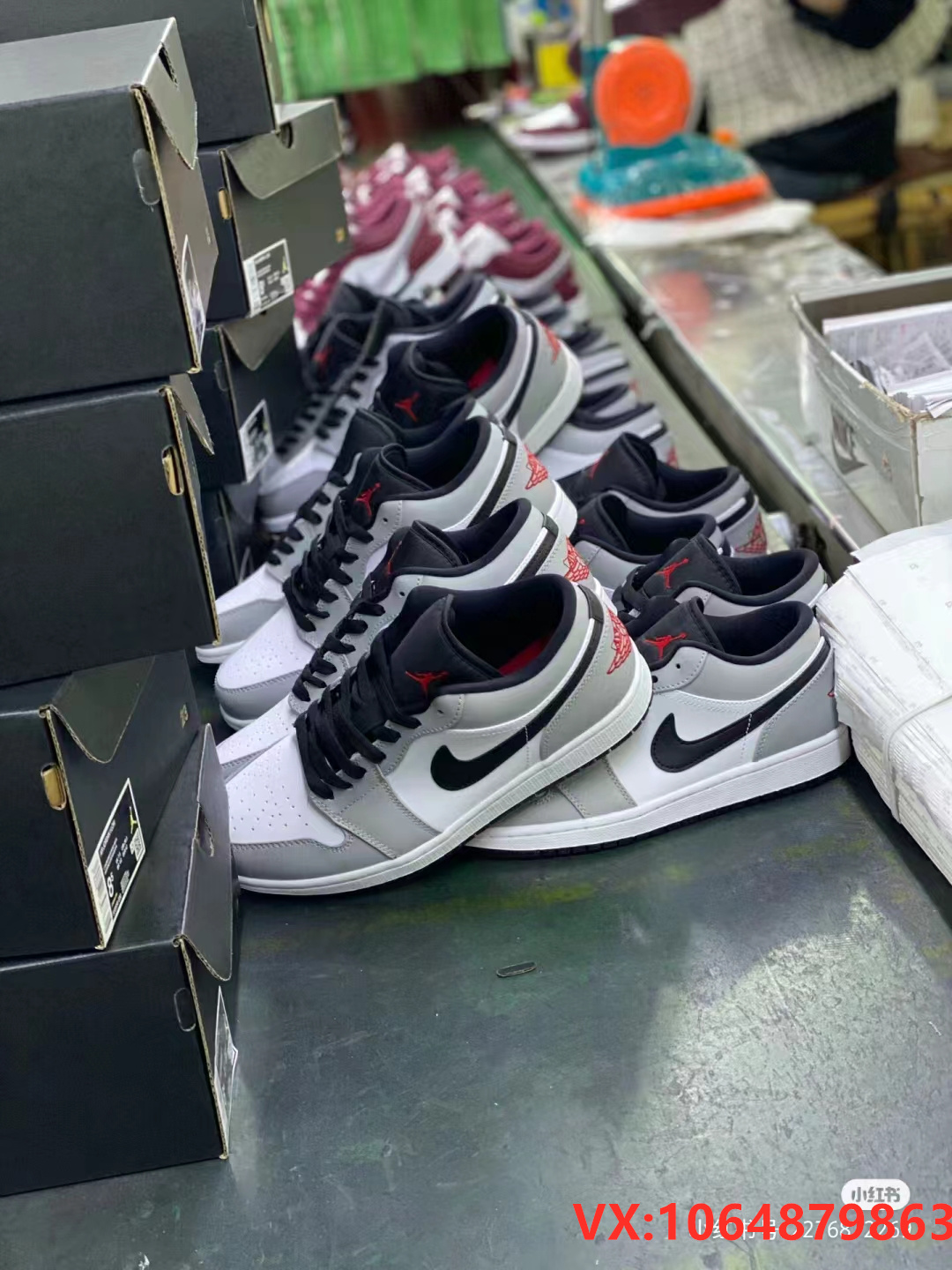
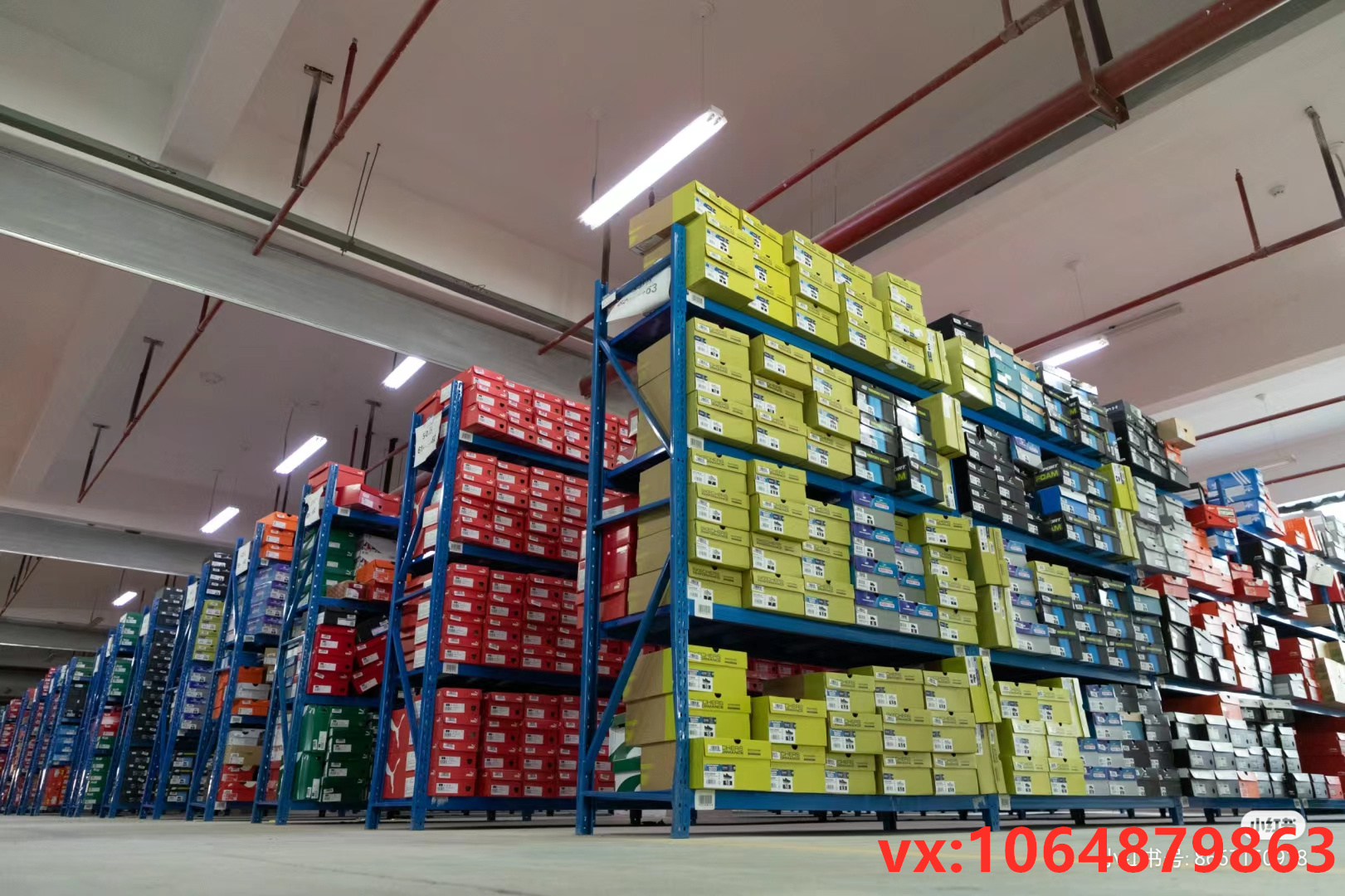
When you arrive, don't go straight to the flashy storefronts with neon lights. Those are for tourists. Walk deeper into the alleys. Look for the shops with stacks of boxes in the back and owners who are busy packing orders. These are the real suppliers. When you approach a stall, don't just say "I want to buy." Ask specific questions about the mold source. If they hesitate or give a vague answer, walk away. Trust is built on transparency. Show them you know the difference between a "rebuilt" mold and a "new" mold. once they realize you are a professional buyer, they will show you the actual samples, not just the display models.
The Art of Sampling and Inspection
Never place a bulk order without seeing a sample first. This is non-negotiable. In the past, I had clients send money via Western Unio for a shipment of "Top Quality" shoes, only to receive boxes filled with mid-tier goods. To avoid this, insist on a video inspection. Zoom in on the stitching, check the sole flexibility, and smell the material. If you are visiting in person, bring a flashlight. Check the inside of the shoe for any loose threads or glue residue. Pay attention to the box quality too; a cheap box can ruin the perceived value of a premium shoe. We have seen many buyers fail because they ignored the packaging details.
Avoiding Pitfalls and Securing Your Supply Chain
The biggest risk for overseas buyers isn't bad quality; it's getting scammed or havin your goods seized. The logistics of shipping from China to the US or Europe require careful planning.
Logistics and Shipping Strategies
Direct shipping via DHL or FedEx is risky for large quantities of replica footwear due to customs seizures. Most of us work with specialized forwarders who handle "duty-free" channels or split shipments to reduce detection risks. As a local owner, I recommend working with a forwarder who has a proven track record with your specific destination country. Do not trust random agents found on Facebook groups. Ask for references from other buyers in your region. Also, ensure your supplier knows how to pack the boxes to prevent crushing during transit. A damaged box looks suspicious and can lead to returns.
Payment Security and Communication
Never pay 100% upfront unless you have a long-term relationship. A standard deposit of 30% to 50% is common. Use secure payment methods like PayPal (Goods and Services) or bank transfers with escrow services. Avoid direct wire transfers to personal accounts. Communication is key. If you speak English poorly, hire a translator or use a reliable agent. Misunderstandings about size charts or color codes can lead to costly mistakes. Always confirm every detail in writing before production begins.
Final Thoughts from the Front Lines
The Putian shoe market is dynamic, fast-paced, and incredibly competitive. The "grades" you hear about are fluid and change with every season. What was considered top quality last year might be average today. My advice to any foreign buyer is to build relationships, not just transactions. Come to the market, meet the faces behind the screens, and understand the craft. Whether you are looking for "cheap wholesale sneakers" or "high-quality replica shoes," the secret lies in knowing exactly what you want and havin the right partner to deliver it. The Anfu market is full of opportunity, but it rewards those who do their homework. Stay sharp, stay curious, and remember: in this game, knowledge is your best inventory.

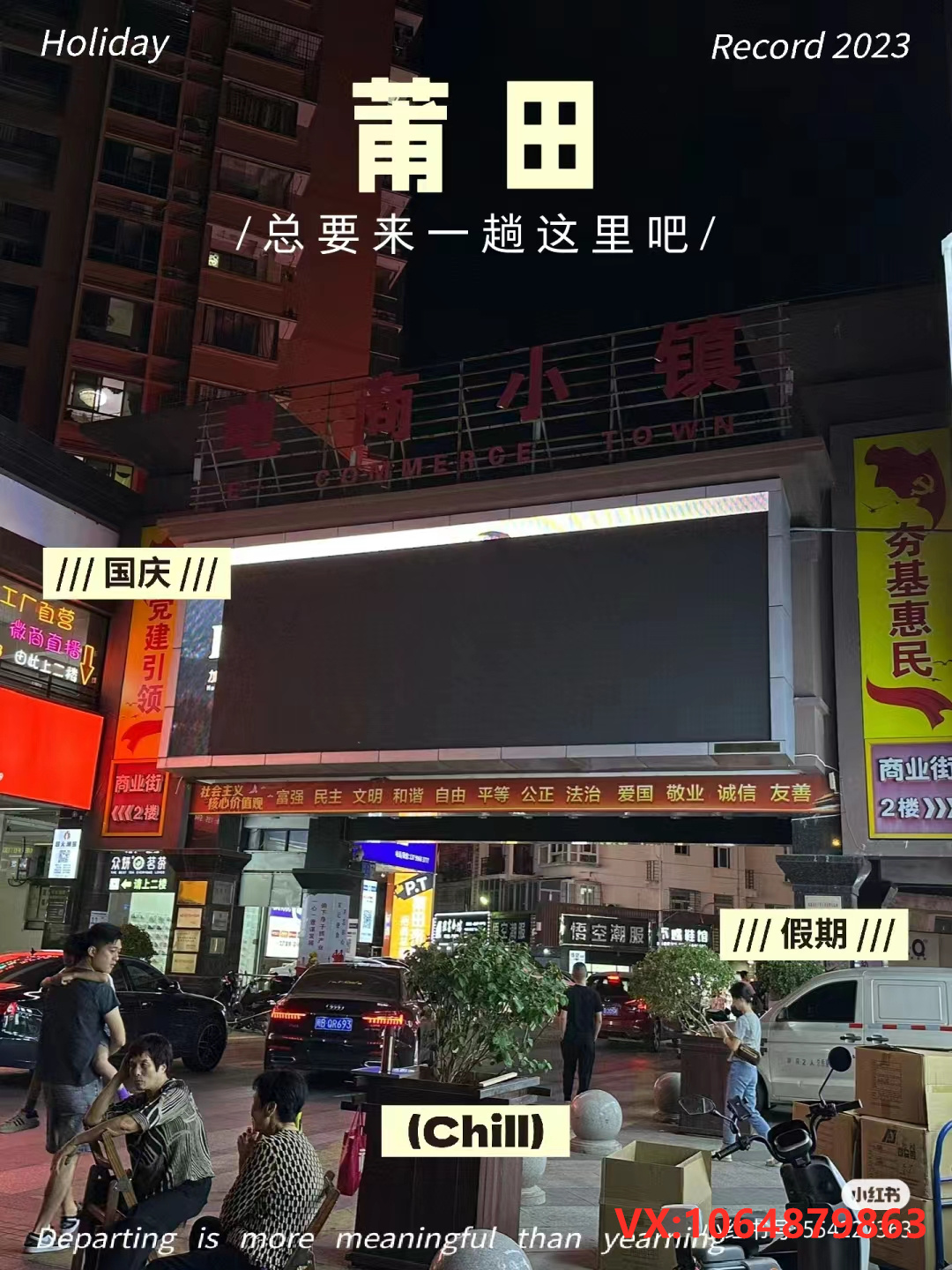
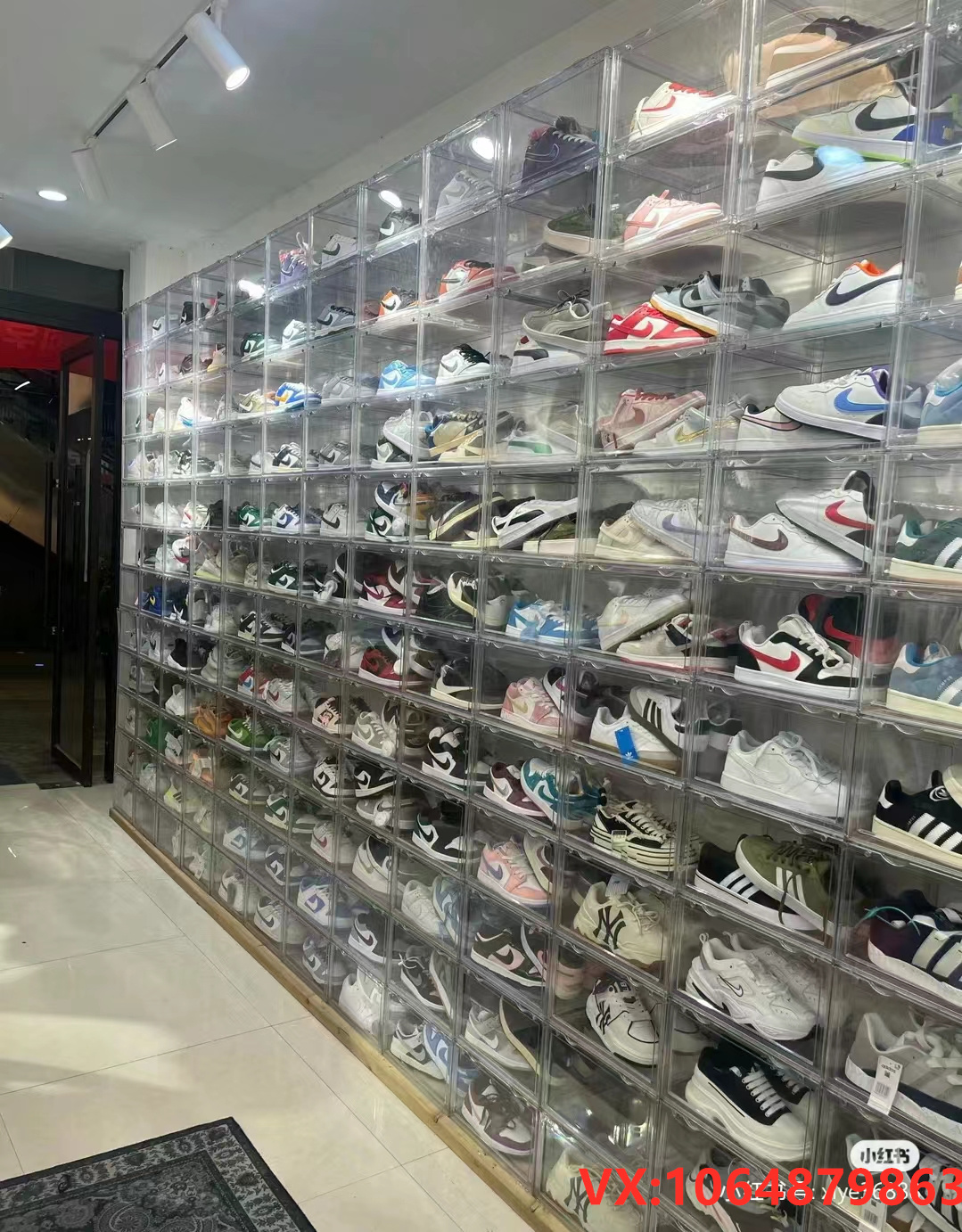
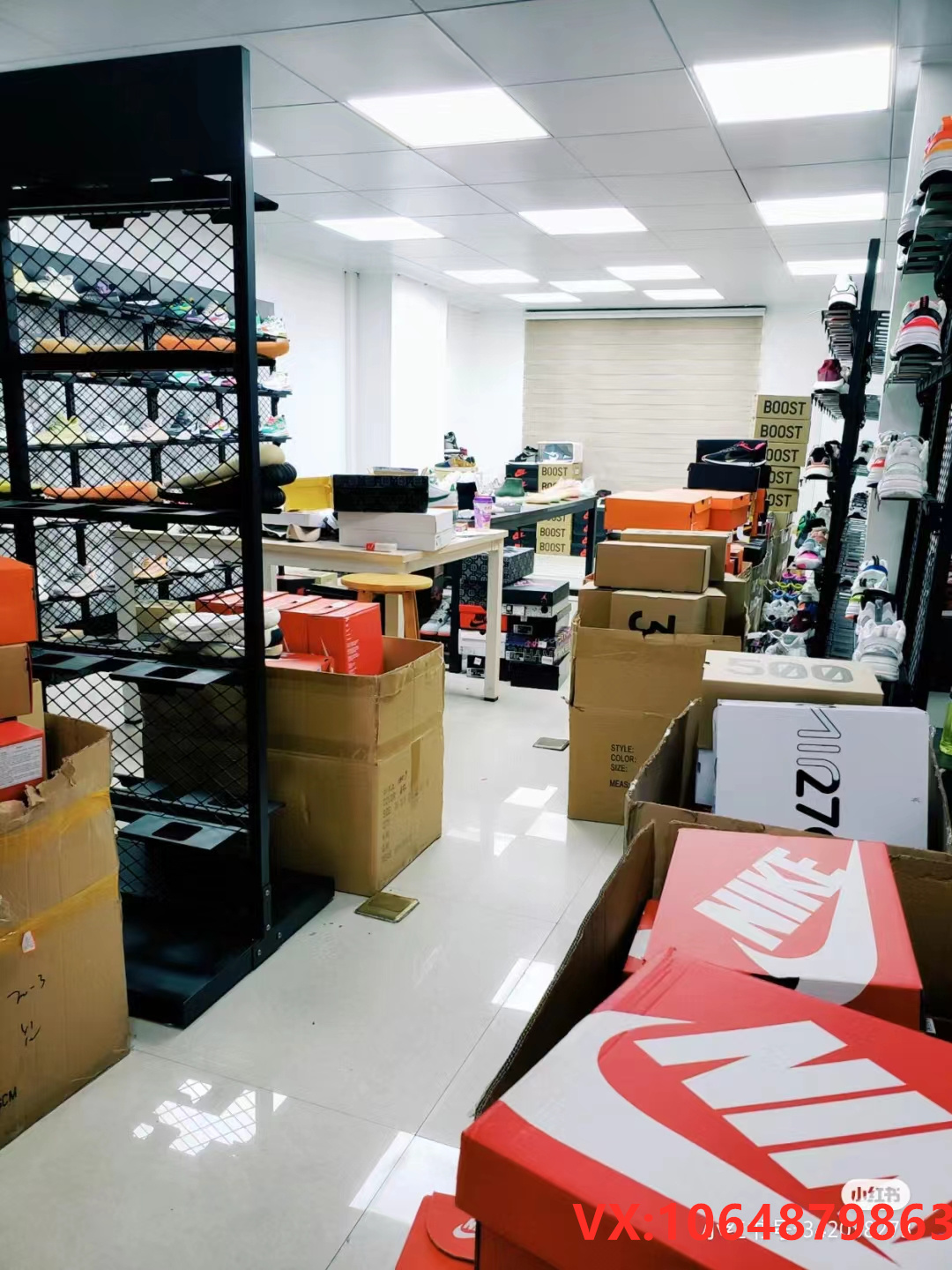
 On-site Visits
 Free Sharing
 Avoid Scams
 Updated Frequently
 For Reference Only