
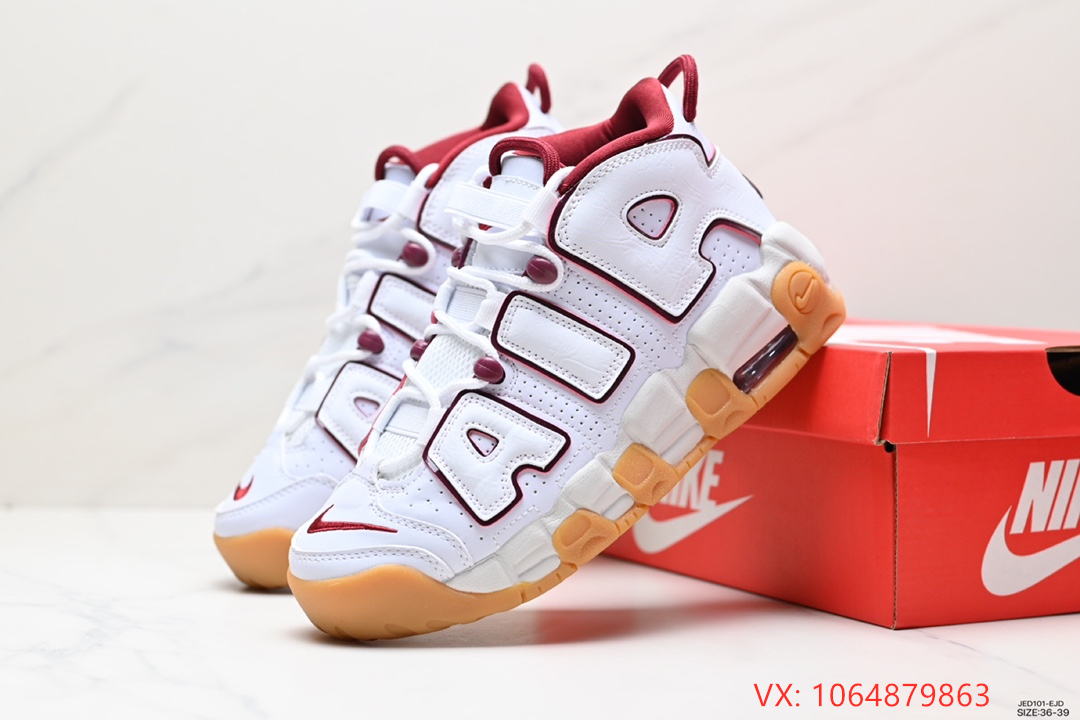
Why the "Made in Putian" Label is Everywher on Your Car
Welcome to the real story. I've been standing behind this counter in the Anfu Electronic City for over fifteen years, watching trucks roll in and out every single night. You ask me wher these shoes are being loaded? Let's be honest, they aren't just sitting in one warehouse waiting for a magic moment. The process of getting those sneakers from my shop to your car, or rather, to the shipping containers that will eventually end up in your country, is a chaotic, high-speed dance that happens right here in this district.
When you hear people talk about "Putian shoes," they often imagine a factory line churning out identical pairs. That's not how it works in the wholesale market. It starts with the sourcing. My customers, especially the ones coming from overseas who don't speak Chinese well, always ask me, "Wher do you find the best stock?" The answer isn't a single location; it's the entire network of buildings surrounding Anfu. We have the main street, the underground malls, and the hidden residential compounds wher the top-tier "1:1" replicas are made. When a truck arrives at my loading dock, it's usually carrying a mix of styles that we curated over the last few days based on what's trending in New York, London, or Dubai.
The Night Shift: How Inventory Moves from Shop to Truck
The 8 PM Rush Hour Reality
You need to understand the rhythm of our business. While the tourists are sleeping, we are wide awake. The actual loading of goods onto trucks for domestic distribution or international consolidation happens mostly between 9 PM and 4 AM. This is when the "car" part of your question becomes most relevant. In Putian, we don't use big semi-trucks for small batches. Instead, we rely on a fleet of vans, minivans, and even cargo bikes that weave through the narrow alleys of the Anfu area.
I remember a specific Tuesday last month when a buyer from Brazil wanted to pick up fifty pairs of limited edition Jordan 4s. He didn't want to wait for a container ship. So, we packed them into his rental van right outside my shop. But for larger orders, say five hundred pairs, we load them onto the back of a logistics truck parked in the designated zone near the main gate. These trucks are the lifeline. They take the goods to the nearby ports like Xiamen or Ningbo, but before they leave, they stop at various consolidation centers. That's wher the "loading" really gets technical.
Consolidation Centers: The Hidden Hubs
If you are an overseas buyer looking for reliable suppliers, you must know about the consolidation warehouses. Many foreign buyers think they can just walk into a factory and buy directly. That rarely works unless you are buying thousands of units. Most of us operate as middlemen. We gather the stock from different booths in Anfu, verify the quality, and then load everything into a central truck. This truck goes to a bonded warehouse or a private logistics hub just outside the city limits. Here, the shoes are repacked, labeled, and prepared for export.
This is wher the confusion lies for many new importers. They see a truck leaving the city and assume it's going straight to a port. In reality, it might be heading to a sorting facility wher orders from ten different shops are mixed together. This is why finding a trustworthy local partner is crucial. If you don't have someone like me checking the boxes, you might get a truck full of mismatched sizes or lower-quality versions that look good from the outside but fail the durability test.
What Foreign Buyers See vs. What Actually Happens
The "Showroom" Illusion
When foreigners visit Putian, they often expect to see massive factories with rows of machines. Instead, they find themselves in crowded shopping malls filled with glass display cases. This is the first layer of deception. The actual production happens miles away in industrial zones, while the sales happen here in the commercial hubs. When you ask me wher the shoes are being loaded, I have to explain that the "loading" is a two-step process. First, the shoes move from the workshop to the showroom. Second, they move from the showroom to the logistics truck.
Many buyers get frustrated because they can't see the trucks leaving the factory. They don't realize that the factory owners often sell their stock to us, the wholesalers, who then handle the logistics. So, when you see a truck leaving Anfu, it's likely carrying a mix of products from dozens of different workshops, all consolidated by us. This is standard practice in the industry. It allows us to offer a variety of brands without needing to own every single factory.
Quality Control Before the Wheels Turn
Before any truck leaves my shop, I personally inspect every pair. This is non-negotiable. I check the stitching, the glue lines, the sole texture, and the box condition. If a customer asks for "high quality," I make sure they get the version that passes the strictest standards. I've seen too many buyers get scammed by agents who load cheap copies into trucks and claim they are premium. Don't fall for that. The difference between a $50 pair and a $150 pair is often in the details that only a seasoned eye can spot.
We also pay attention to the packaging. A proper box, correct labels, and even the dust bags matter. When we load the truck, we ensure that the boxes are stacked correctly to prevent crushing. A damaged box can ruin the perceived value of the product, even if the shoe inside is perfect. This attention to detail is what separates the old-school merchants like me from the fly-by-night operators.
Practical Tips for Sourcing Without Getting Burned
Building Trust Through Face-to-Face Interaction
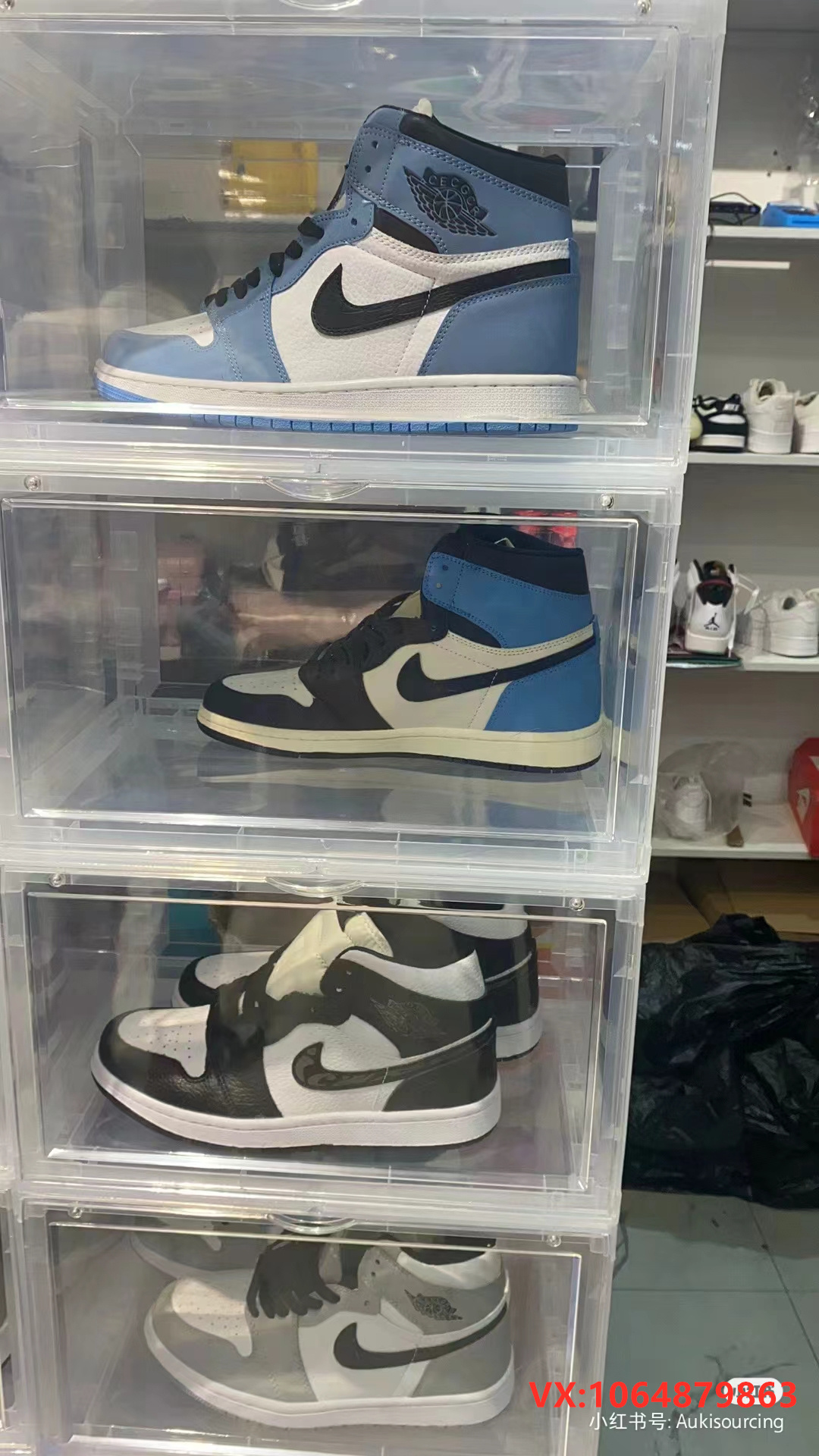
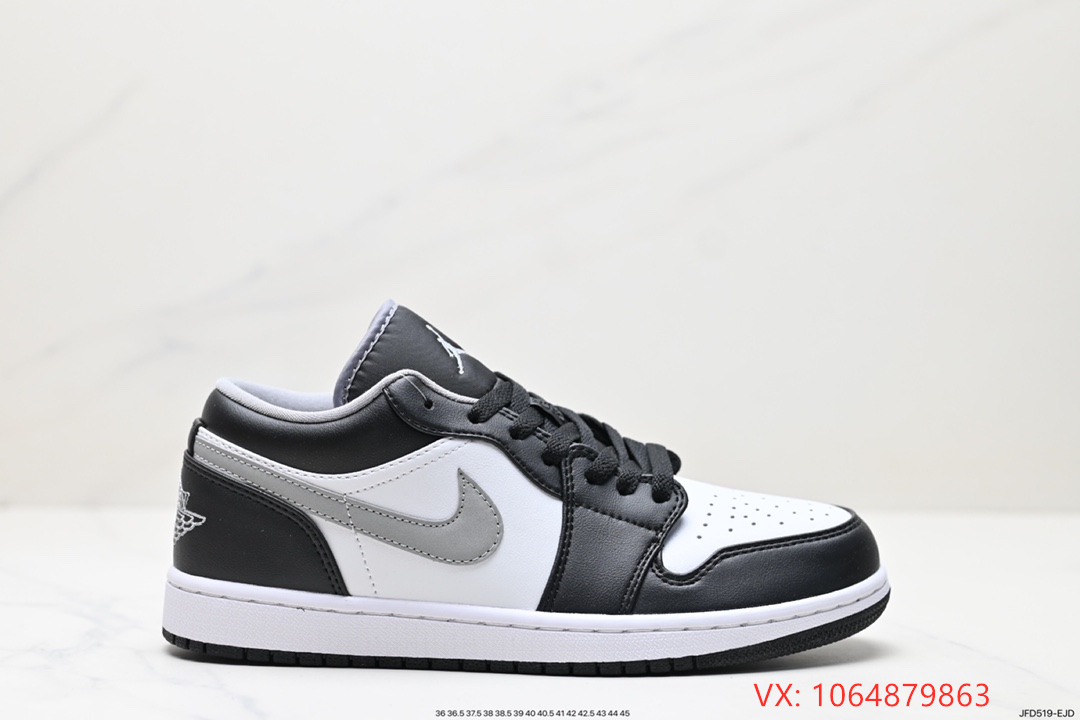
If you are planning to come to Putian to source sneakers, my advice is simple: don't rely solely on WeChat or email. Come here. Walk the streets of Anfu. Talk to the shop owners. Look at the shoes in person. The market is huge, and the variety is overwhelming. You need to see the leather, feel the foam, and compare the colors side by side. This is the only way to truly understand what you are buying.
Also, be wary of prices that seem too good to be true. If someone offers you a deal that is significantly cheaper than the market rate, they are likely cutting corners. The cost of materials, labor, and logistics adds up. A legitimate supplier knows their margins. When you negotiate, focus on building a long-term relationship rather than squeezing the price down to the absolute minimum. A good partnership means better quality control and more reliable shipping schedules.
Navigating the Logistics Maze
once you have selected your shoes, the next challenge is getting them out of China. This is wher the "loading" phase becomes critical. You need to work with a freight forwarder who understands the nuances of exporting footwear. They will coordinate with the trucks leaving Anfu, handle the customs documentation, and ensure the goods reach your destination safely. Don't try to do this alone unless you have experience. The paperwork can be tricky, and mistakes can lead to delays or seizures.
Finally, remember that the Putian market is constantly evolving. New styles come out every week, and trends change rapidly. Stay connected with your local partners. Follow the news, keep an eye on the latest releases, and adjust your inventory accordingly. The key to success in this business is adaptability and trust. If you treat your suppliers with respect and transparency, they will treat you the same way. That's the secret behind the endless stream of trucks rolling out of this district every night.

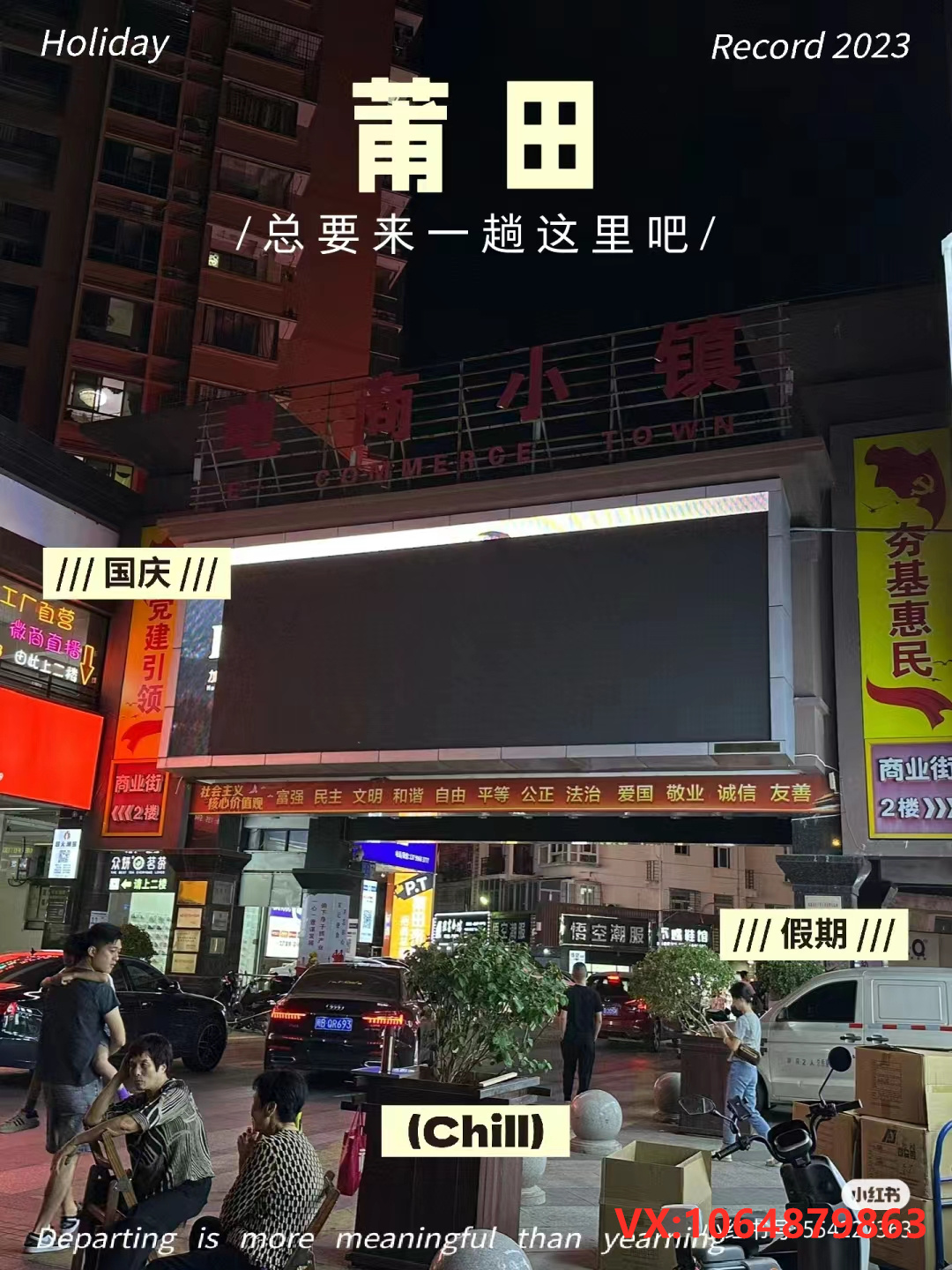


 On-site Visits
 Free Sharing
 Avoid Scams
 Updated Frequently
 For Reference Only