
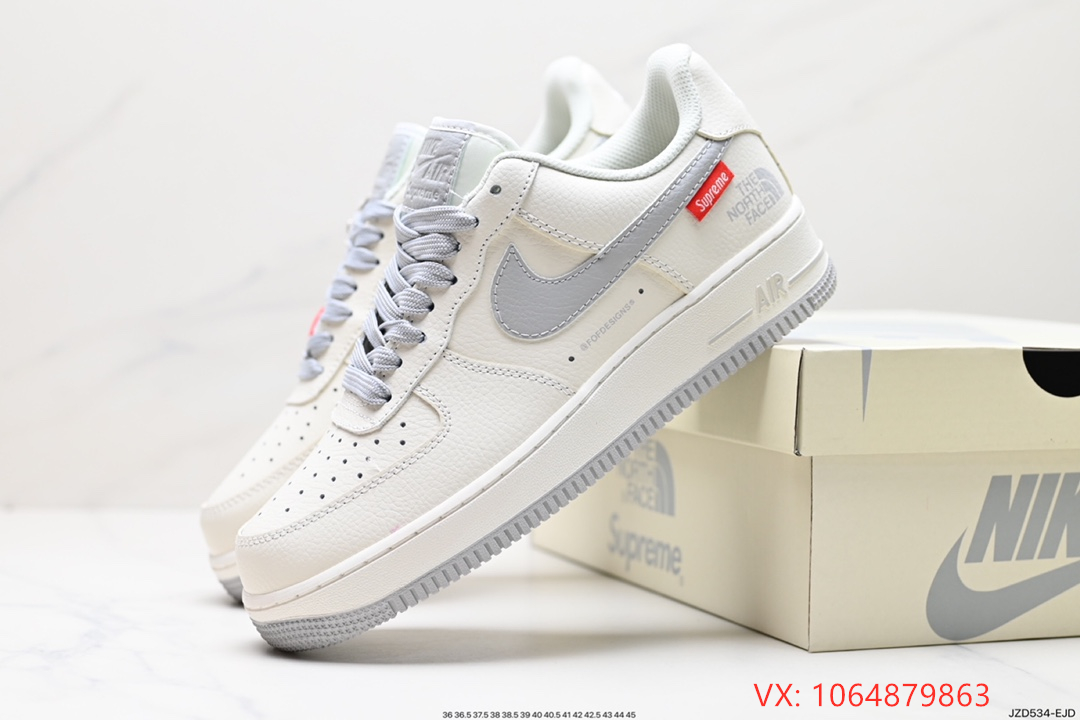
My Years in the Anfu Market: The Real Truth about "NB" Shoes from Putian
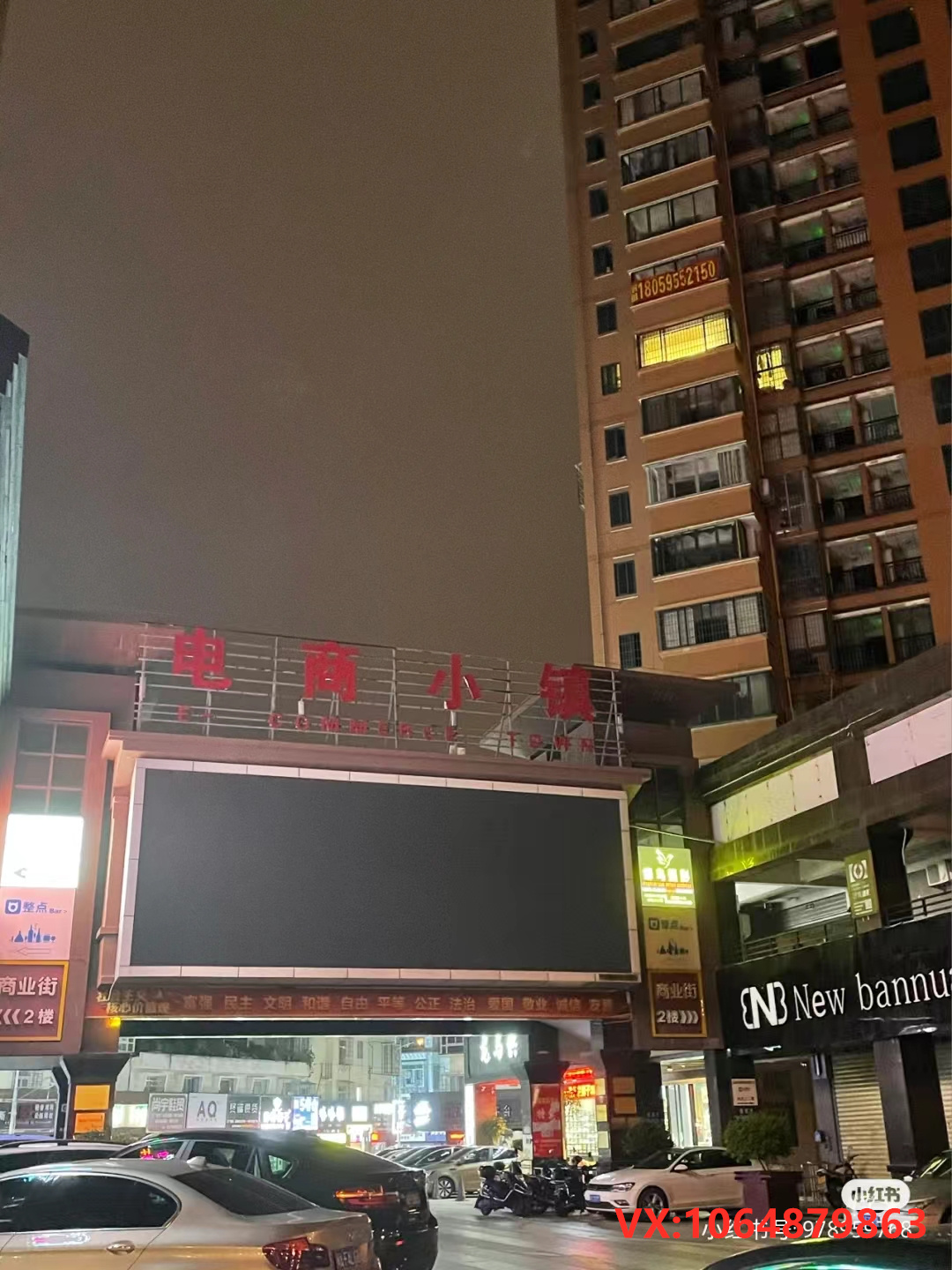
Welcome to my shop. I've been standing behind this counter in the Anfu E-commerce City for over fifteen years, watching thousands of foreign buyers walk through those heavy glass doors, eyes wide with a mix of hope and confusion. You are probably asking me right now, "Wher exactly in Putian do these NB shoes come from?" Let me tell you something straight from the horse's mouth: there is no single factory that owns the name "Putian." Instead, it is a massive ecosystem of hundreds of workshops, some hidden in residential buildings, others sprawling across industrial parks, all feeding into the legendary Anfu market.
When foreigners ask me about the location, they often expect a specific address like "Factory No. 5 on Street B." But the reality is messier and more interesting. The core of the production lies in the surrounding towns of Chengxiang District, specifically around the Huangting and Xuefeng areas. However, the face of the business—the place wher you actually meet the boss, touch the leather, and negotiate the price—is here, in the Anfu E-commerce City. This is wher the supply chain converges. If you want to find the real source, you cannot just look at the map; you have to understand the flow of goods.
The Anatomy of the Supply Chain: From Workshop to Counter
Let's break down how an "NB" shoe actually gets here. Most of the high-quality replicas, what we call the "top version," are not made inside the mall itself. They are manufactured in specialized factories located in the outskirts. For instance, many of the best molds for the New Balance 990 series come from workshops in the Jinshan Industrial Zone, just a ten-minute drive from the city center. These factories produce the upper, the sole, and the midsole separately before shipping them to our stalls for final assembly or quality control.
I remember a buyer from Germany last year who insisted on visiting the factory immediately. I had to explain that without a proper introduction, most factories won't even let him step foot inside. They are busy producing for big domestic brands and international clients who sign strict NDAs. The Anfu market acts as the filter. We, the stall owners, are the bridge. When you see a pair of shoes on my shelf, I can trace it back to a specific workshop in the Huangting area. That is the real answer to your question: the shoes are born in the suburbs but sold in the heart of Anfu.
Navigating the Chaos: How to Find the Right Source Without Getting Scammed
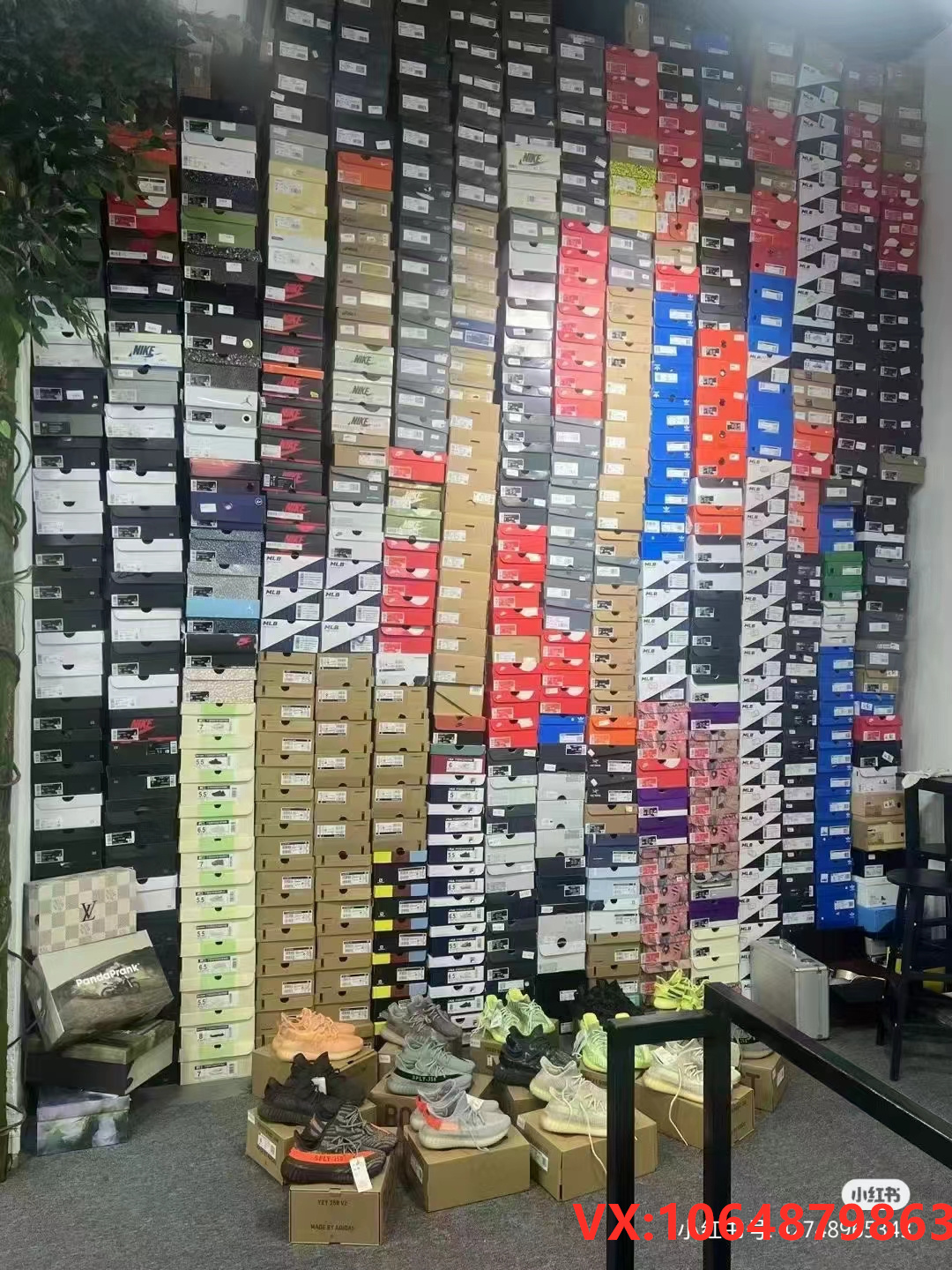
Walking into Anfu for the first time is overwhelming. It looks like a maze of neon lights and stacked boxes. Many foreign buyers get lost within hours because they don't know which floor holds the premium goods versus the cheap junk. Here is my advice based on years of seeing people waste money and time.
Floor by Floor: Wher the Quality Lives
You need to ignore the ground floor if you are looking for top-tier "NB" shoes. The ground floor is mostly for tourists and low-end bulk orders—shoes that look okay from a distance but fall apart after a week. To find the real deal, you must go up. Specifically, head to the third and fourth floors of the main Anfu buildings. This is wher the serious wholesalers operate.
I recommend starting your search at the "Anfu International Trade Center" on the third floor. Look for stalls with names like "Elite Footwear" or "Premium Sneaker Hub." These aren't random shops; they are established dealers who have relationships with the top three factories in the region. One specific stall owner, Uncle Lin, runs a booth on the third floor near the escalator. He specializes in the New Balance 574 and 996 models. His stock is always fresh, and he doesn't hide his sources. If you ask him about the mold used for the midsole, he will tell you exactly which factory produced it. That transparency is rare.
The Art of Inspection: What to Look For Before You Pay
Never buy based on photos alone. I have seen too many buyers send money via Western Unio only to receive a box full of glue stains and misaligned stitching. When you are at my counter, or any reputable stall, demand to see the "raw materials." Ask to feel the suede on the toe box. Is it soft? Does it smell like real animal hide or chemical plastic? Then, check the sole. The rubber compound in a good Putian NB should be flexible but firm, not brittle.
Here is a trick I use with my regular clients: compare the tongue label. In the authentic world, the font spacing is precise. In the lower-quality copies, the letters are often too close together. In the top versions, the spacing matches the original perfectly. Also, check the "Made in China" tag. A common mistake is finding a tag that says "Made in Vietnam" on a shoe that is clearly local. That is a red flag for a scammer trying to pass off old stock or fake origin stories.
Dealing with Foreign Buyers: My Honest Advice on Sourcing
Many of my customers are Americans, Europeans, or Australians who want to start their own sneaker resale business. They often ask me, "Can you give me a list of factories?" The honest answer is no, because the industry is too fluid. Factories change names, move locations, and merge constantly. However, I can give you a strategy that works better than any list.
Building Trust Through Face-to-Face Interaction
If you are planning to visit Putian, book a hotel near the Anfu market, not in the city center. Spend at least three days walking the floors. Talk to five different stall owners. Don't just ask for prices; ask about their production capacity. A legitimate supplier will tell you, "We can make 500 pairs a day, but if you order 2000, we need two weeks." If they say they can make 10,000 pairs overnight, run away. That is impossible.
One of the biggest mistakes foreign buyers make is trying to negotiate the lowest possible price immediately. Instead, focus on building a relationship. Tell them you are interested in long-term cooperation. once they trust you, they will show you their "secret" inventory—the shoes that haven't hit the open market yet. These are the ones that sell out in days.
Understanding the Pricing Tiers
Let's talk numbers. A standard "low version" NB might cost you $15 to $20 wholesale. A "mid-version" is around $25 to $35. The "top version," the one that fools experts, ranges from $40 to $60 depending on the model. Do not expect to pay $10 for a top-tier shoe. If someone offers you that, they are selling you a fake that will crack in a month. The cost of high-quality leather and the precision molding machines simply does not allow for such low prices.
| Quality Tier | Wholesale Price (USD) | Target Audience | Common Issues |
|---|---|---|---|
| Low Version | $15 - $20 | Budget Resellers | Poor glue, wrong colors, uncomfortable |
| Mid Version | $25 - $35 | General Consumers | Minor stitching errors, average durability |
| Top Version | $40 - $60 | Expert Collectors | Very few flaws, high durability, accurate details |
Final Thoughts: Your Journey Starts Here
So, wher are the NB shoes made? They are made in the workshops of Chengxiang, assembled in the Anfu market, and sold to the world. But the real secret isn't the location; it's the person you choose to work with. Whether you are looking for "Putian sneakers wholesale," "New Balance replica suppliers," or "China sneaker sourcing," the key is to be present, be patient, and be smart.
Don't rely on Google Maps or random websites. Come to the streets. Walk the halls of Anfu. Talk to the guys behind the counters like me. We have seen every scam, every trend, and every failure. We are here to help you succeed if you are willing to put in the effort. Remember, the best deals are not found online; they are found in the handshake between a buyer and a seller who knows the value of their product. Go to the third floor, find Uncle Lin, and start your journey. The shoes are waiting for you.

 On-site Visits
 Free Sharing
 Avoid Scams
 Updated Frequently
 For Reference Only