
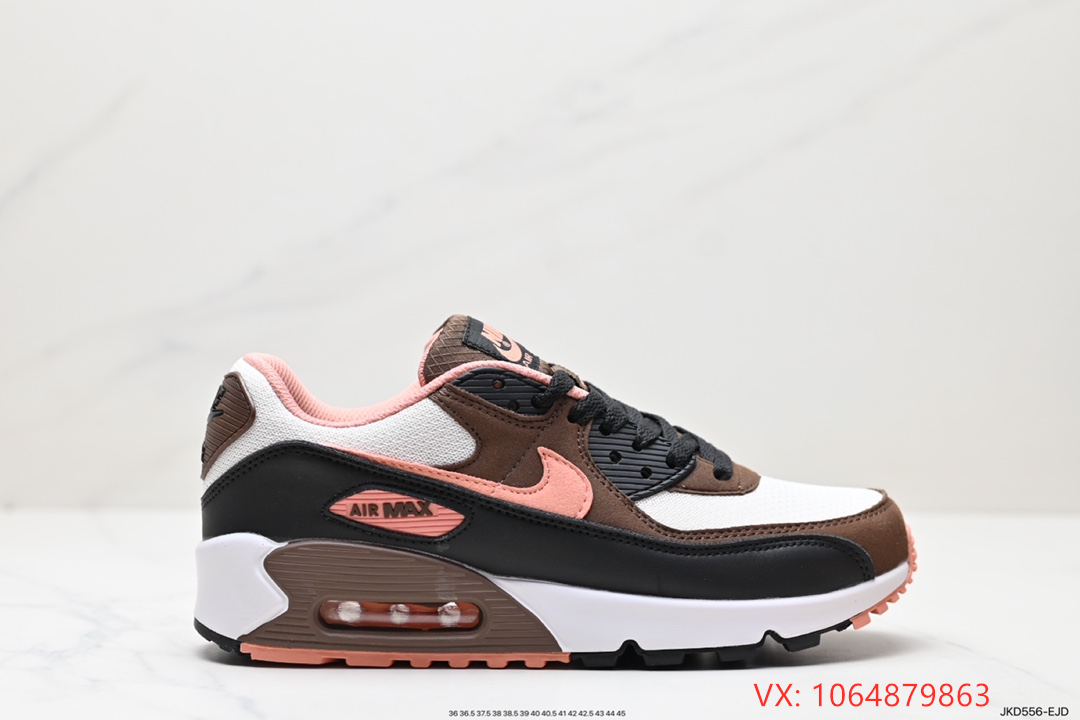
Real Talk: The True Cost of Putting on a Pair in Putian
Welcome to the floor. I've been standing behind this counter in Anfu for over fifteen years, watching the dust settle and the trends shift from Jordan 1s to Yeezys and back again. You are probably asking me, "How much does it actually cost to make these shoes?" It is a question I hear every single day from guys scrolling through Instagram or sending emails from New York, London, and Dubai. They want a number, but the truth is, there is no single price tag. If you walk into my shop and ask for the "cost," I will tell you that the answer depends entirely on what you are looking for and how deep your pockets are.
The Myth of the $5 Shoe
Let's clear up the biggest misconception right now. Many overseas buyers think they can get a replica for five dollars. That is a fantasy. In the early days, maybe, twenty years ago, you could find some junk for that price. But today? If someone offers you a pair for five bucks, run away. Those are the "super fakes" that fall apart after one week. The real cost of materials alone—leather, rubber, foam, glue, and packaging—has gone up significantly. We are talking about raw material costs that have doubled since the pandemic. A decent pair of high-quality replicas, the kind that look and feel like the real deal, starts costing us around thirty to forty-five dollars just to manufacture. That is the factory gate price before we even add our profit margin or shipping fees.
Navigating the Anfu Market: Wher the Real Deals Happen
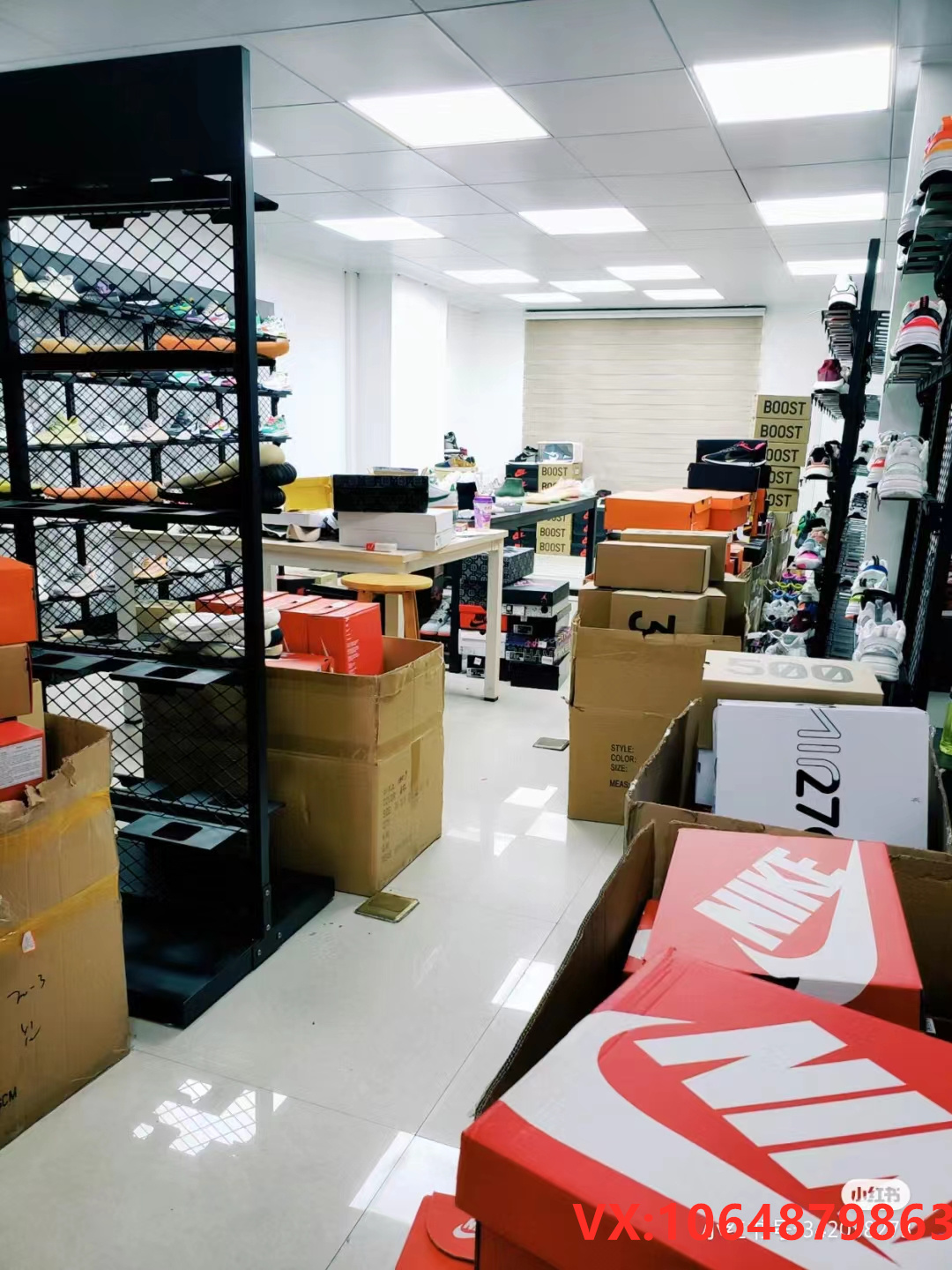
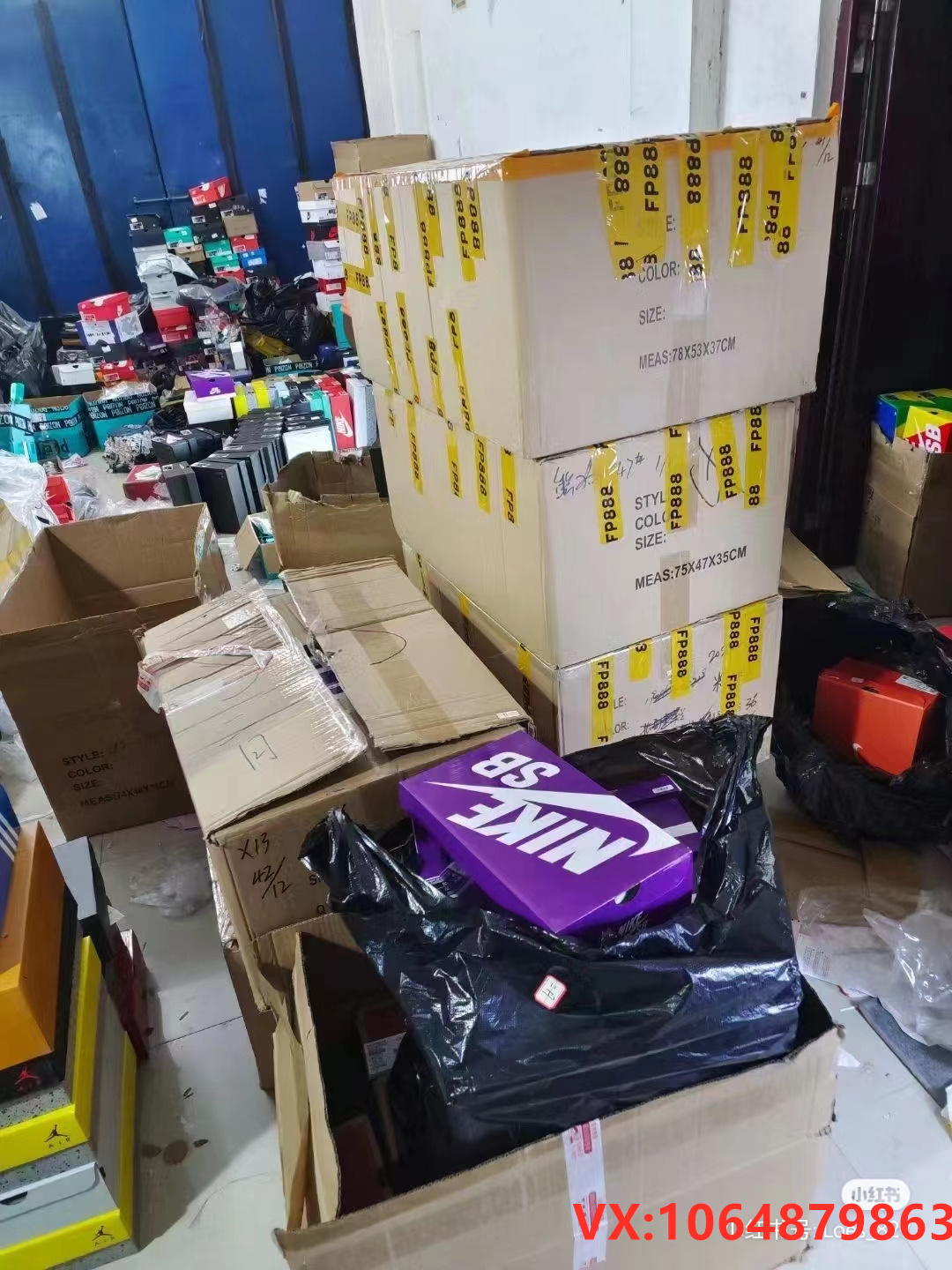
You cannot buy the best goods sitting at home. You have to come here. The Anfu E-Commerce City is not just a building; it is a living ecosystem. When I show new foreign clients around, I always take them straight to the back alleys first. The front shops are for tourists and small-time droshippers who pay retail prices. The real action happens in the corridors wher the lights are dimmer and the boxes are stacked to the ceiling.
Seeing is Believing: The Art of Sampling
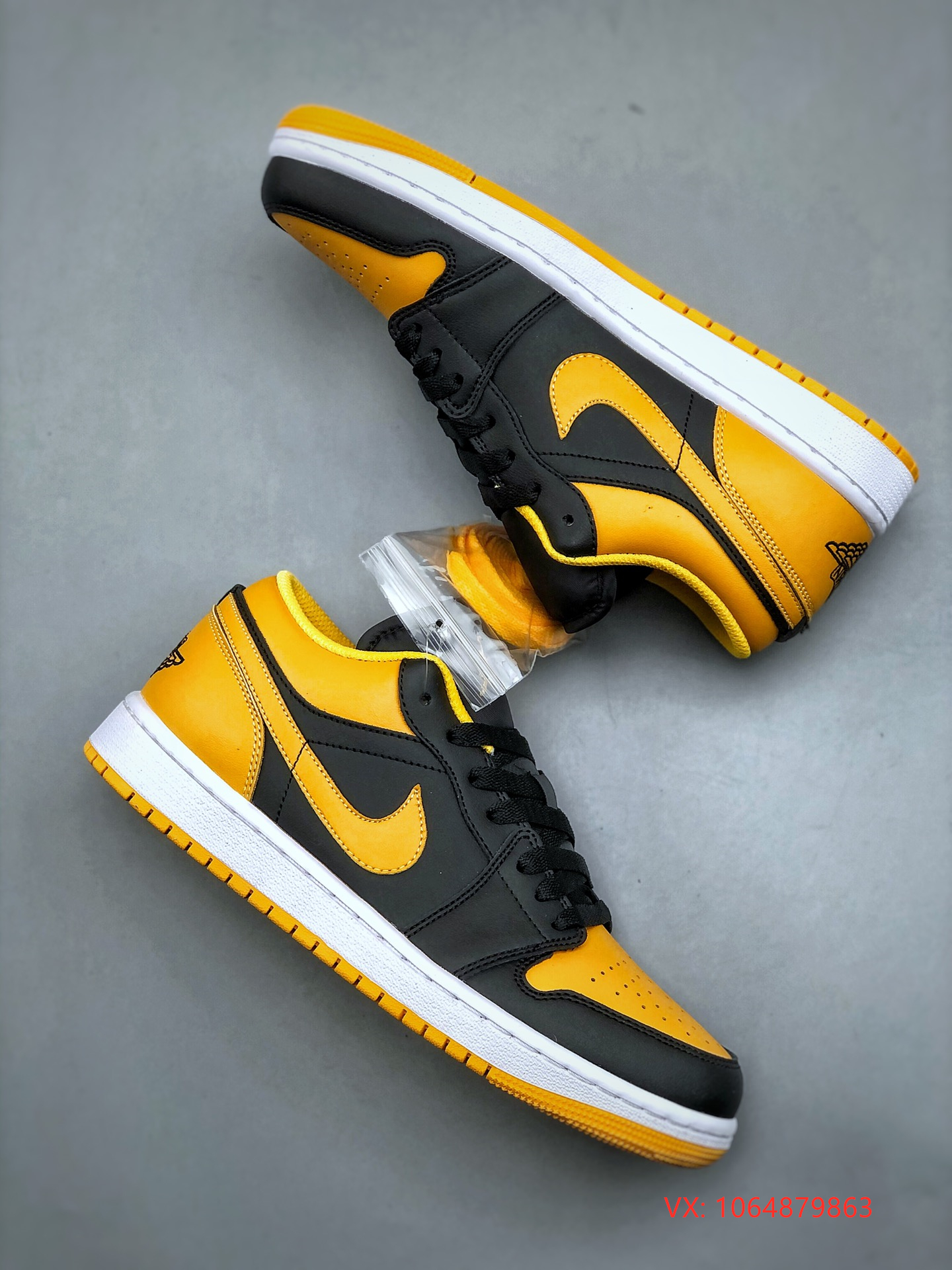
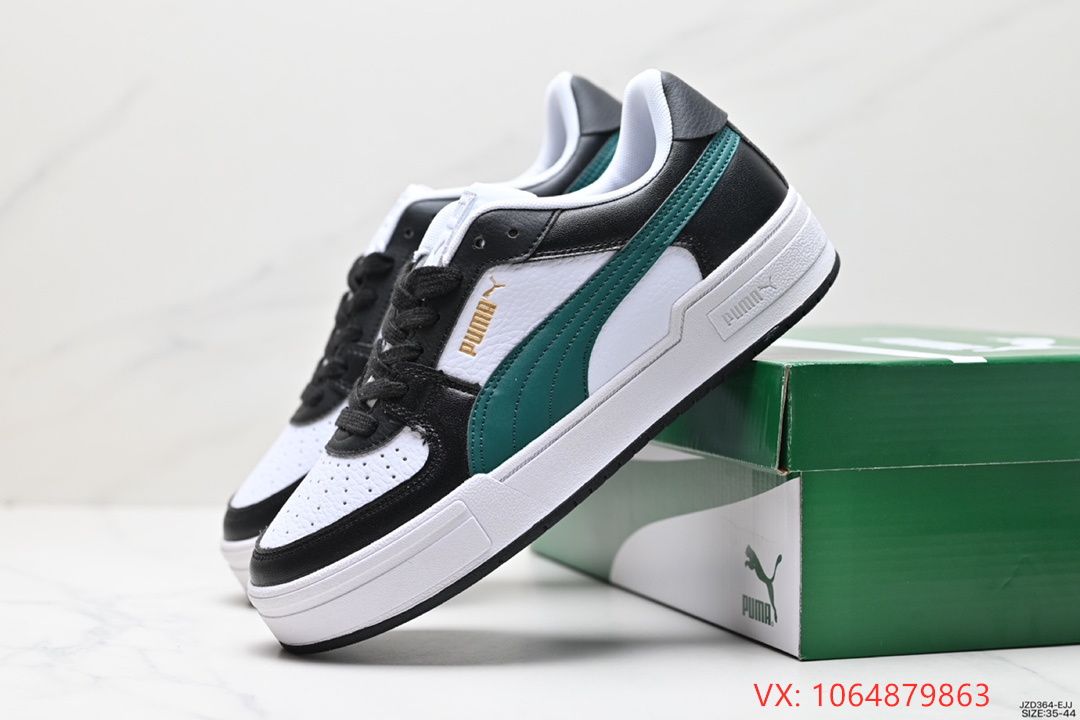
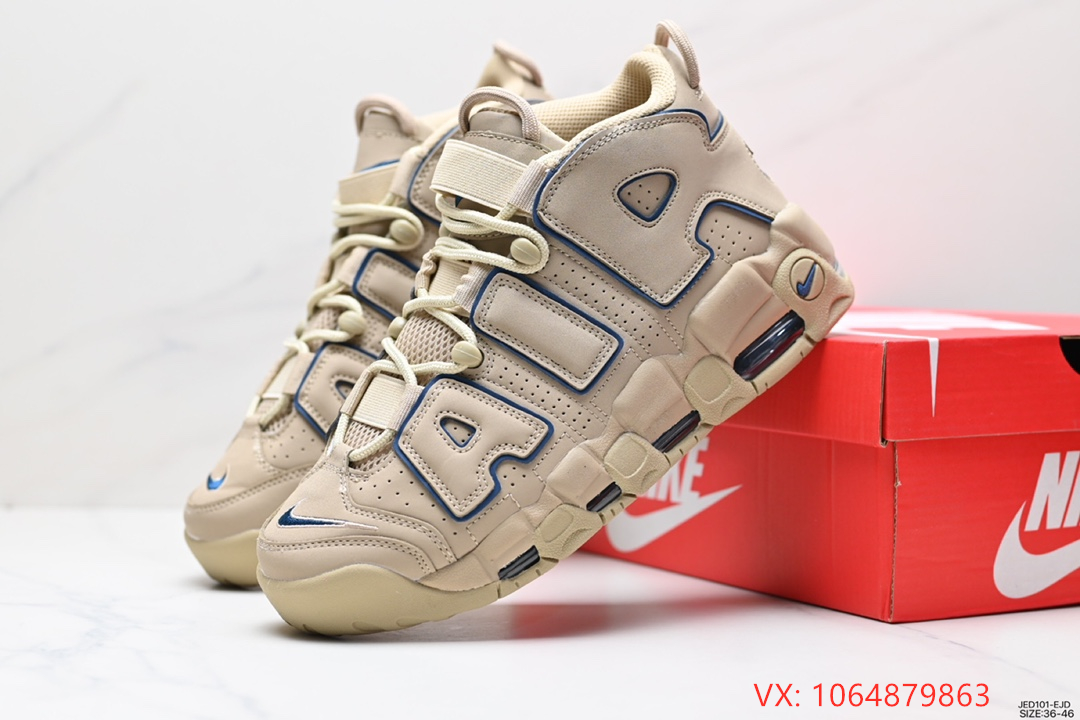
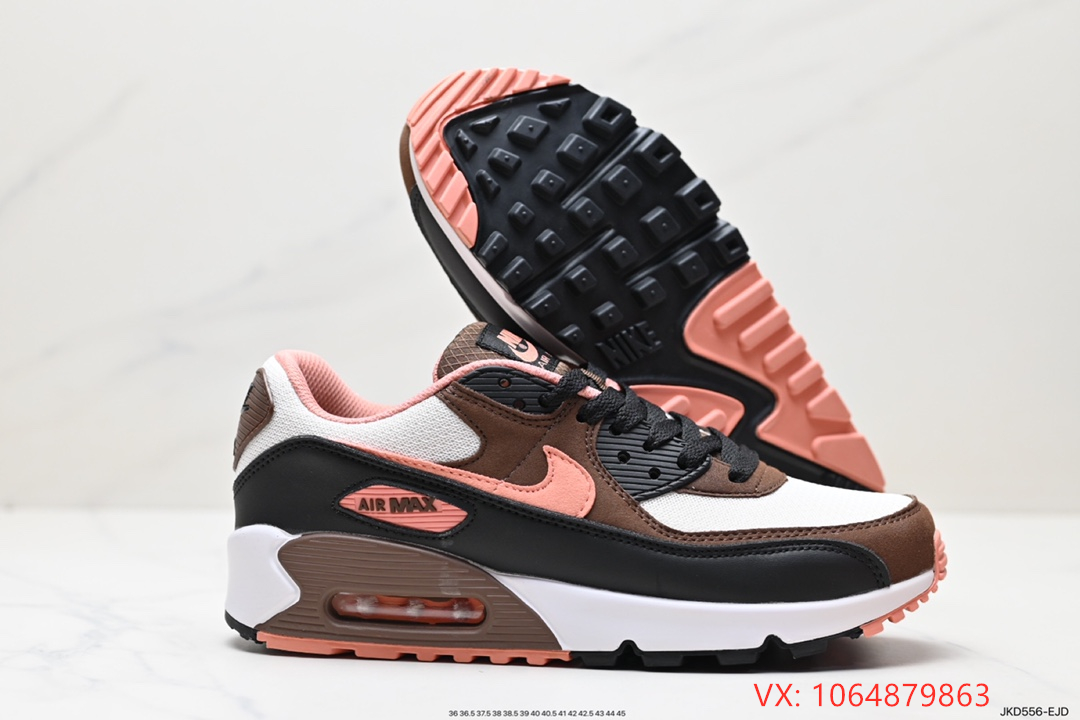
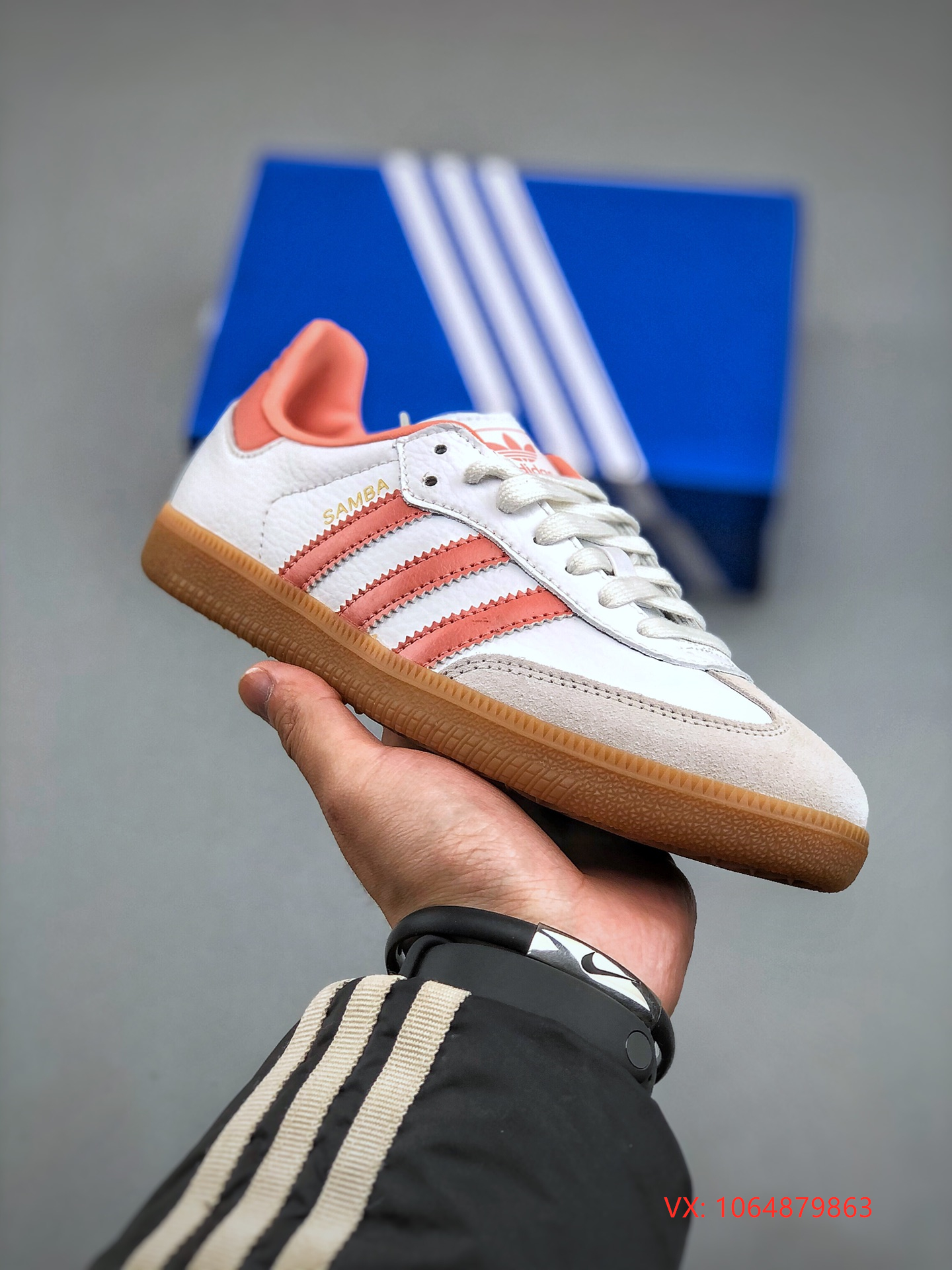
When you visit my warehouse, do not just ask to see the catalog. Ask to hold the shoe. Feel the weight. Squeeze the midsole. This is wher the difference between a cheap copy and a premium version becomes obvious. We have different tiers of production. There is the "market version," which is okay for casual wear, and then there is the "top tier" or "OG quality" that uses the same molds as the big brands. The cost difference between these two can be ten to fifteen dollars per pair. If you want the top tier, you need to inspect the stitching, the alignment of the logo, and the smell of the glue. Good glue smells like nothing; bad glue stings your nose. I tell my customers: never order based on photos alone. Photos can be edited, but the texture of the leather cannot be faked in a picture.
Direct Factory vs. Middleman: Cutting Out the Noise
One of the biggest mistakes foreign buyers make is dealing with middlemen. They find a seller on WhatsApp or Telegram, send money, and wait weeks for a box that arrives smelling like chemicals. As a local boss, I can tell you that the supply chain is complex. There are factories that only make the upper, others that stitch, and specialized workshops for the soles. To get the best price, you need to talk to the people who control the inventory directly.
Building Trust Before the Deal
Trust is the currency of this market. When I negotiate with a buyer from Europe or the US, I do not start with the price. I start with the relationship. I ask them what their target market is. Are they selling to students who want cheap kicks, or to collectors who demand perfection? once I know that, I can recommend the right product line. For example, if they want to sell Nike Air Force 1s, I might suggest a specific batch of leather that is currently available. This transparency builds trust. When you build trust, the price dros because we are working together, not fighting over every cent. We share the risk. If the market shifts, we adjust. That is how long-term business works in Putian.
Quality Control and Shipping: The Hidden Costs
So, you have picked your shoes. Now comes the part that often surprises people: the logistics. The manufacturing cost is just the beginning. You also need to factor in quality control, packaging, and international shipping. In my shop, we have a dedicated QC team. Every pair gets inspected three times before it leaves the floor. We check for glue stains, loose threads, and color mismatches. This process adds time and labor costs, but it saves you from returns and angry customers later. Then there is the shipping. Air freight is fast but expensive, while sea freight is cheap but takes months. Most of my regular clients use a hybrid approach. They ship a small batch by air to test the market, then move the bulk by sea.
Avoiding the Scams: What to Watch Out For
I have seen too many buyers get burned by scams. Some sellers promise "100% authentic quality" at rock-bottom prices, but they deliver garbage. Others take the deposit and disappear. Here is my advice: always ask for video proofs of the actual stock. Not a pre-recorded video, but a live video call wher you can point to a specific pair and ask them to rotate it. Look for the QR codes on the boxes if they are using the latest tracking systems. Also, be wary of sellers who refuse to meet in person or insist on full payment upfront without any escrow service. In Putian, face-to-face meetings are still the gold standard. If you can come here, bring a sample from another supplier and compare it side-by-side with ours. That is the only way to truly know the value.
Final Thoughts on Pricing and Value
To answer your original question simply: the cost of a high-quality pair of sneakers in Putian ranges from thirty-five to sixty dollars depending on the model and the materials used. Anything lower is likely a compromise in quality, and anything higher is usually a markup by a reseller. But remember, the real value is not just in the price tag. It is in the reliability of the supply chain, the consistency of the quality, and the ability to scale your business without headaches. If you treat this market with respect and do your homework, you will find partners who can help you grow. Come down to Anfu, walk the floors, shake hands, and let's talk business. The shoes are waiting, and the deals are real.

 On-site Visits
 Free Sharing
 Avoid Scams
 Updated Frequently
 For Reference Only