
What "Putian Shoes" Really Means: A Veteran Shopkeeper's Truth
Welcome to the real story. If you are reading this, you probably heard the term "Putian shoes" from a friend or saw it on a forum, and now you are confused. You might think it is just a brand name or a specific factory code. Let me tell you straight from my shop floor in Anfu Street: Putian shoes are not a brand. They are a phenomenon. When I say "Putian," I am talking about a city in Fujian province that has become the global hub for high-end replica sneakers. For over twenty years, my family has run a wholesale stall here, dealing with buyers from New York, London, Dubai, and everywher in between. The word itself carries a heavy weight. To some, it means cheap fakes; to others, like us who live here, it represents an incredible ecosystem of craftsmanship, supply chains, and logistics that no other place on earth can match.
The Myth vs. The Reality of the Name
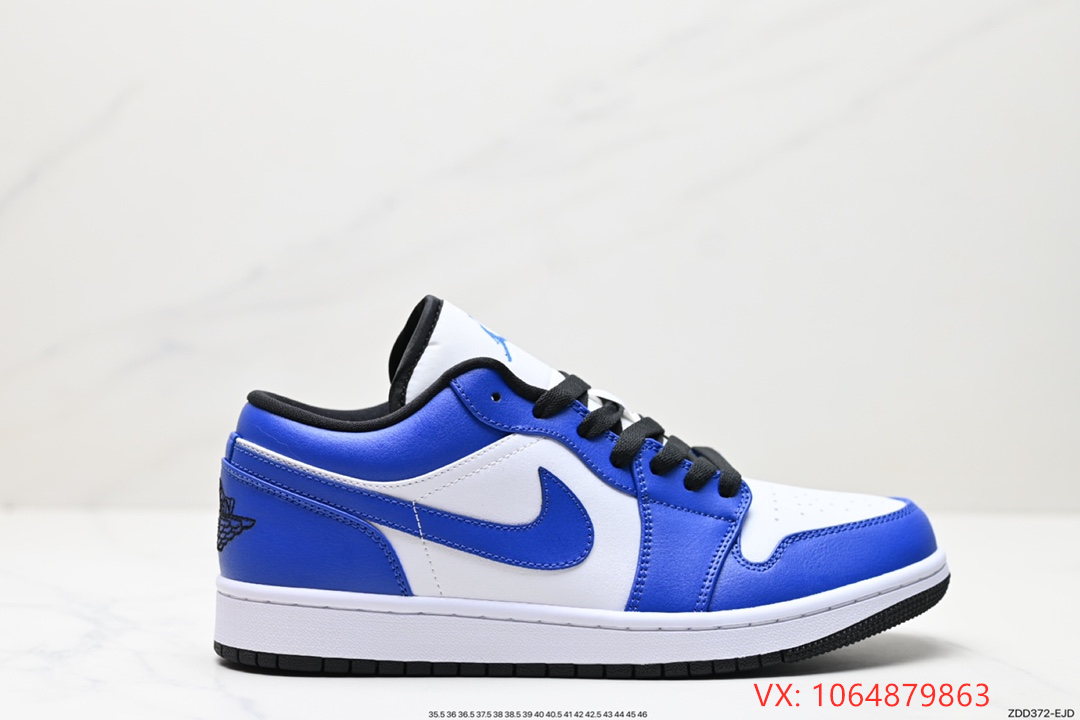
Many foreigners come to China looking for "Putian shoes" thinking they will find a specific logo or a single product line. That is the biggest mistake. There is no such thing as a "Putian Brand." Instead, when people ask for Putian, they are asking for the highest quality replicas of major global brands like Nike, Adidas, Jordan, and Yeezy. In our local market, we don't sell "Putian shoes"; we sell "1:1 versions," "top tier," or "pure original leather." The terminology changes based on the quality level. If you walk into a random street vendor, they might sell you low-quality junk. But if you know wher to go, you will find products so close to the originals that even the manufacturers sometimes struggle to tell them apart. This is what the world calls "Putian," but inside the market, we call it "the craft."
Navigating the Anfu E-Commerce City: A Local's Guide
If you want to source properly, you must understand the geography. The heart of this industry is the Anfu E-Commerce City. It looks like a normal shopping mall from the outside, but step inside, and you enter a different world. It is a maze of hundreds of small stalls, each packed with boxes of sneakers. As a veteran owner, I have seen thousands of buyers get lost here because they treat it like a retail store. It is not. This is a B2B wholesale environment. You cannot just walk up and buy one pair at full price. You need to know how to talk, how to negotiate, and most importantly, how to spot the difference between a "market version" and a "factory version."
First Impressions and Finding the Right Stall
When you first arrive at Anfu, do not be intimidated by the noise. The air smells like rubber glue and fresh leather. Your first goal is to find a stall that specializes in the specific model you are interested in. Some shops only do Air Jordans, while others focus on Yeezy Boosts. Do not waste time at a stall that sells everything under the sun; those are usually middlemen reselling goods they bought elsewher. Look for the owners themselves. In my experience, the best deals come from the bosses who stand behind the counter, not the young sales assistants. Ask them directly: "Wher is your factory?" If they hesitate or give a vague answer, move on. Real suppliers in Putian are proud of their direct connections to the factories that produce these shoes.
The Art of Sampling and Quality Inspection
This is wher the magic happens. Before you commit to a bulk order, you must see the sample. Never trust photos sent via WeChat alone. Photos can be edited, angles can hide flaws, and lighting can make cheap glue look perfect. Always ask to see the physical shoe. When I inspect a shoe for a foreign buyer, I check three things: the stitching density, the smell of the material, and the flexibility of the sole. High-quality Putian shoes use materials imported from Japan or Korea, which gives them a distinct texture compared to mass-produced fakes. Feel the midsole; it should bounce back immediately. Check the tongue label; the font spacing must be precise. If you are buying "top tier" or "LJR" (a famous factory code), the details will be flawless. If you are buying "market grade," expect minor imperfections. Be honest with yourself about what you need.
Dealing with Suppliers: Negotiation and Logistics
once you have found the right stall and verified the quality, the negotiation begins. Prices in Putian are not fixed. They depend on volume, season, and your relationship with the seller. As a local, I can tell you that the initial quote is always inflated. Start by offering 20% less than their asking price. Show them you know the market. If you are a serious buyer planning to import containers, you will get the best factory-direct pricing. However, if you are ordering small batches, expect to pay a bit more for the convenience. Also, discuss shipping carefully. Many buyers forget that customs duties can be tricky. We often work with freight forwarders who specialize in sneaker exports to the US and Europe. They know how to pack the boxes to avoid detection and ensure the goods arrive safely without being seized.
Avoiding Common Pitfalls for Foreign Buyers
I have seen too many overseas entrepreneurs lose money because they fell for scams. The most common trap is paying 100% upfront before seeing the goods. Never do this. Always pay a deposit, say 30%, and then request detailed videos of the actual inventory before the balance is released. Another pitfall is trusting "guaranteed" delivery times. Shipping from China can be delayed due to weather, customs checks, or logistical issues. Build a buffer into your timeline. Also, beware of sellers who promise "original factory" goods at rock-bottom prices. If the price is too good to be true, it is fake. Real high-quality production costs money. If you want genuine craftsmanship, you must be willing to pay for it. Finally, communication is key. Use clear language. Don't rely on translation apps for technical terms like "suede," "knit," or "rubber compound." Send pictures of exactly what you want to avoid misunderstandings.
Why Putian Remains the Global Hub for Sneakers
So, why does this industry thrive? Why do buyers keep coming back to Putian year after year? It comes down to speed and adaptability. When a new Jordan release dros in New York, the molds in Putian are ready within days. The supply chain is incredibly efficient. From raw material sourcing to final packaging, everything happens locally. This allows us to produce thousands of pairs in a week. For international buyers, this means you can stay ahead of trends. Whether you are running a boutique in Los Angeles or an online store in Berlin, havin access to this supply chain gives you a competitive edge. The term "Putian shoes" might sound controversial to some, but for those of us in the business, it represents a level of manufacturing capability that is unmatched globally. We are not just making copies; we are mastering the art of replication with precision that rivals the giants themselves.
Building Long-Term Relationships
My advice to any foreign buyer is simple: build a relationship. Treat us like partners, not just customers. Come visit us. Sit down, drink tea, and talk about your business goals. When you show respect and genuine interest, we open our doors wider. We share our latest samples, we offer better credit terms, and we help you solve problems when they arise. The Putian market is built on trust and networks. once you find a reliable supplier, stick with them. The market changes fast, but a good partnership lasts forever. So, if you are looking for the next big thing in footwear, look no further than the streets of Anfu. Just remember to do your homework, inspect your goods, and never stop learning about the craft.

 On-site Visits
 Free Sharing
 Avoid Scams
 Updated Frequently
 For Reference Only