
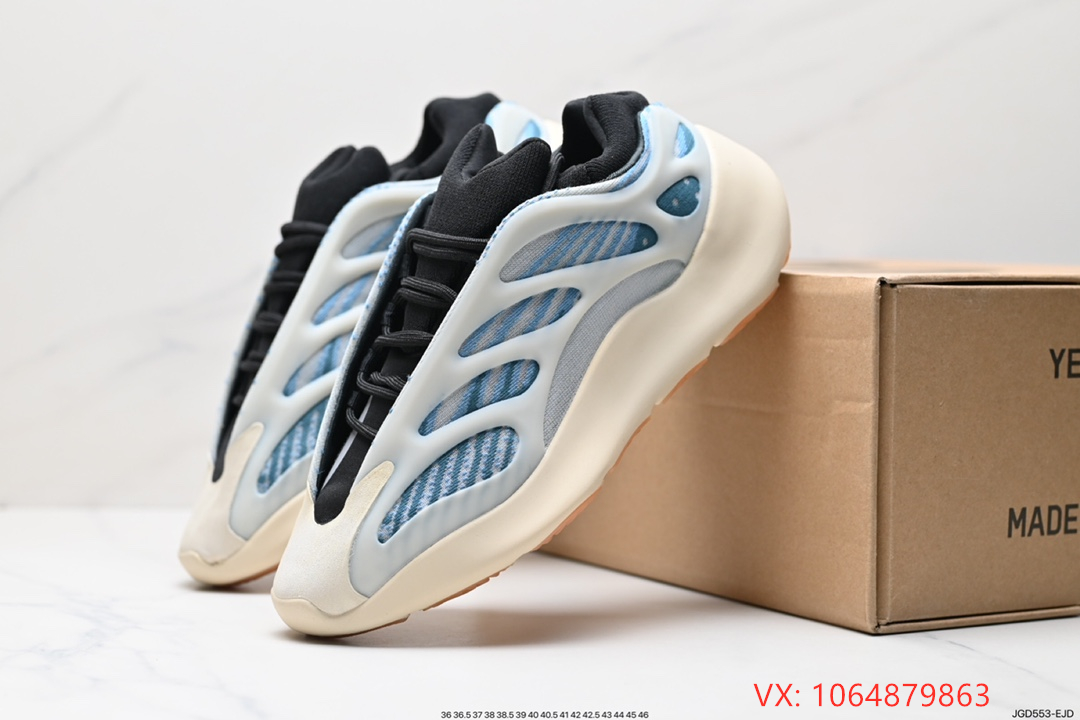
Inside the Anfu Market: A Veteran's Guide to Putian Shoe Grading
Welcome to the real deal. I've been standing in the same spot in the Anfu E-Commerce City for over fifteen years, watching the dust settle on the concrete floors and seeing thousands of foreign buyers walk through those revolving doors with varying degrees of confidence. You are probably here because you want to know about "Putian shoe grades," but let me tell you something straight from the horse's mouth: there is no official government standard or a single factory manual that defines these levels like a Michelin star rating. The grading system we use here is entirely organic, born out of necessity between us sellers and the savvy buyers who keep coming back.
When you first step into the market, you might hear terms like "High Copy" or "1:1" thrown around by sales agents trying to upsell you. But if you want to survive this business without getting ripped off, you need to understand the actual hierarchy of quality that exists on the ground. It's not just about how close it looks to the original; it's about the materials, the glue, the stitching, and most importantly, the mold used to create the shape. Let's break down what you will actually find when you start digging into the inventory.
The Hierarchy of Quality: From Street Level to Top Tier
The "Street" Grade: What You Should Avoid
Let's be honest about the bottom of the barrel. In the back alleys of the market or on some sketchy online listings, you will find shoes that are barely wearable. These are often made with cheap synthetic leather that feels like plastic, stiff soles that crack after a week, and glues that smell like chemical fumes. We call this the "street grade" or sometimes just "low copy." If you see a price that seems too good to be true, it's almost certainly this tier. The molds here are old, meaning the silhouette is slightly off compared to the authentic version. The toe box might be too narrow, or the heel counter won't hold its shape. For an overseas buyer looking to build a brand or even just resell decently, this is a dead end. It ruins your reputation instantly.
The "Mid-Tier": Good Enough for Casual Wear
This is wher the bulk of the volume moves, but it's also wher many new buyers get confused. These shoes are often marketed as "mid-grade" or "standard quality." Visually, they look 80% to 90% similar to the originals. The leather is softer, and the colors are closer to the real thing. However, if you look closely at the stitching, you'll notice inconsistencies. The midsole foam might be a bit denser than the authentic version, affecting the bounce and comfort. The glue lines might be visible upon inspection. For a casual buyer who just wants a pair of sneakers to wear to the gym or hang out with friends, this is acceptable. But if you are planning to sell these as premium products, you need to be careful. Many agents try to pass this off as "top quality" to inexperienced foreigners, which is why trust is so critical.
Navigating the Real "Top Tier" and Custom Molds
The "1:1" Standard: The Gold Rush of Anfu
Now, let's talk about the holy grail that everyone asks for: the "1:1" grade. This is the term you will hear most frequently in the main corridors of Anfu. When we say 1:1, we aren't talking about marketing fluff; we are talking about specific production runs. These shoes are made using the exact same molds as the original factories, often sourced from the same supply chains before the brands cut them off. The materials are identical—real kangaroo leather, genuine Boost foam, Primeknit uppers that match the texture perfectly. The difference between a fake 1:1 and a real one comes down to the QC (Quality Control) process.
In my shop, when we produce a 1:1 batch, we inspect every single stitch. The glue application must be invisible, and the weight of the shoe must match the authentic spec within a gram. This is the level that serious resellers target. It's expensive, yes, but it commands a higher price point in the US and European markets. You can't just ask for "1:1" and expect to get it for $20. If a vendor offers you a top-tier shoe for a street price, they are lying. The cost of the raw materials alone dictates the floor price.
The "Custom" and "Private Mold" Secret
Here is a secret that most guides won't tell you. Some of the best shoes in Putian don't even use the original molds anymore. They have developed their own "private molds" that are arguably better than the originals in terms of durability and comfort. These are often called "custom versions." The design might be slightly tweaked to fit Asian foot shapes better, or the sole compound might be more durable for long-term wear. As a local boss, I recommend these to clients who want something unique. They look like the popular models but feel different. This is the cutting edge of our industry, moving away from pure copying to innovation. If you are looking for a competitive edge, ask your supplier about their private mold inventory.
On-the-Ground Sourcing: How to Verify Before You Pay
The Art of Physical Inspection
You cannot source Putian shoes effectively just by looking at photos on WhatsApp or WeChat. That is how people get scammed. You need to come to the market. When you visit my warehouse or a partner's stall in Anfu, do not just look at the box. Take the shoe out. Bend the sole. Smell the material. Check the inside lining. I always tell my international partners: "Touch it, feel it, compare it." Bring a reference photo of the authentic pair on your phone, but rely on your hands. Look at the alignment of the stripes on the side. Check the tongue logo embroidery. Does it sit flat? Is the thread count high? If you are buying in bulk, insist on seeing the "sample" before the full order is packed. We can set up a video call with a live feed from the factory floor, but nothing beats physical presence.
Building Relationships and Negotiating
The biggest mistake foreign buyers make is treating every transaction as a one-off. In Anfu, relationships are currency. If you walk in as a stranger asking for the lowest price, you will get the lowest quality product. But if you show up, buy a few pairs to test, and then come back for a larger order, the dynamic changes. We start sharing our real stock lists. We give you access to the newest molds before they hit the general market. We help you with packaging and shipping logistics. Don't be afraid to negotiate, but respect the value of the goods. A good relationship means you get priority when a hot colorway drops. We prioritize our regulars over random walk-ins. So, treat us like partners, not just vendors.
Avoiding Pitfalls and Final Advice for Overseas Buyers
There are traps everywher in this market. One common scam is the "fake sample." You order a sample, it arrives perfect, and then the bulk order is terrible. To avoid this, establish a clear contract or agreement on the specific grade you are ordering. Use escrow services or trusted payment methods if you are dealing with a new supplier. Another issue is shipping. Customs seizures happen, especially with branded logos. Always discuss shipping strategies with your supplier. Some prefer discreet packaging, while others offer specialized logistics channels that minimize risk. Never assume the shipping method is standard; ask specifically about "DDP" (Delivered Duty Paid) options if available.
Finally, remember that the Putian market is evolving. It's not just about making cheap knockoffs anymore. There is a massive push towards quality and branding. If you are looking for "high quality replica sneakers" or "wholesale Putian shoes," you need to be selective. Do your homework. Visit the market if you can. Talk to multiple bosses. Compare the leather, the foam, and the craftsmanship. The difference between a bad experience and a great one lies in your ability to distinguish between the tiers I've described today. Trust your instincts, verify everything, and build a network that lasts. That is the only way to succeed in the sneaker game.

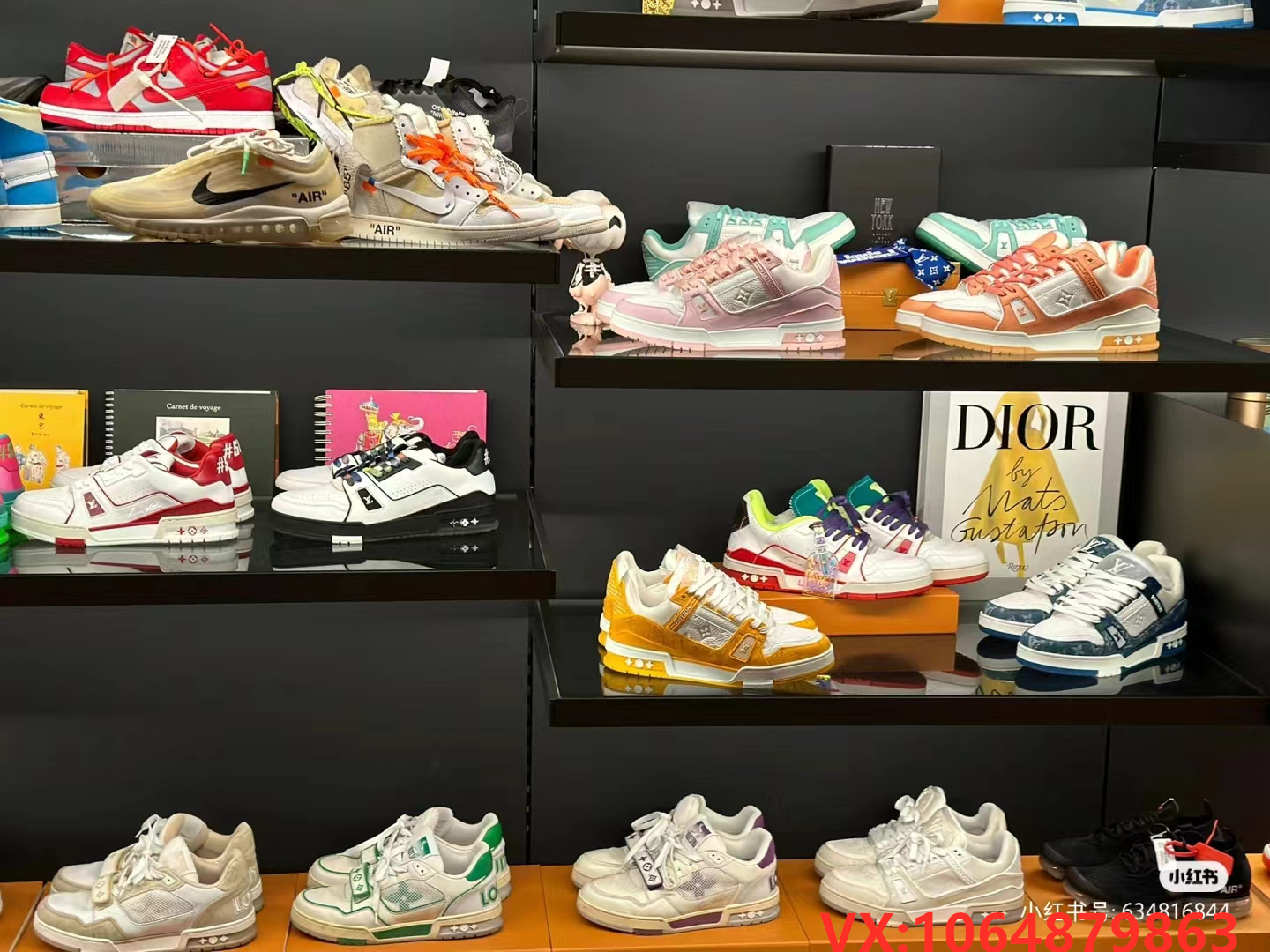
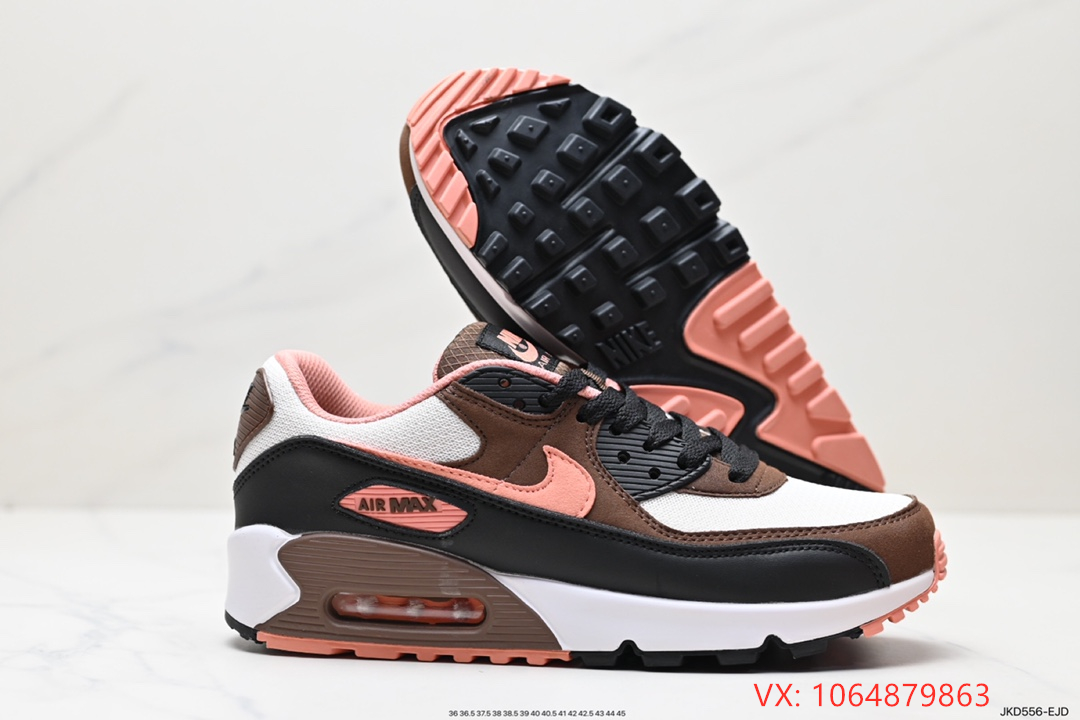
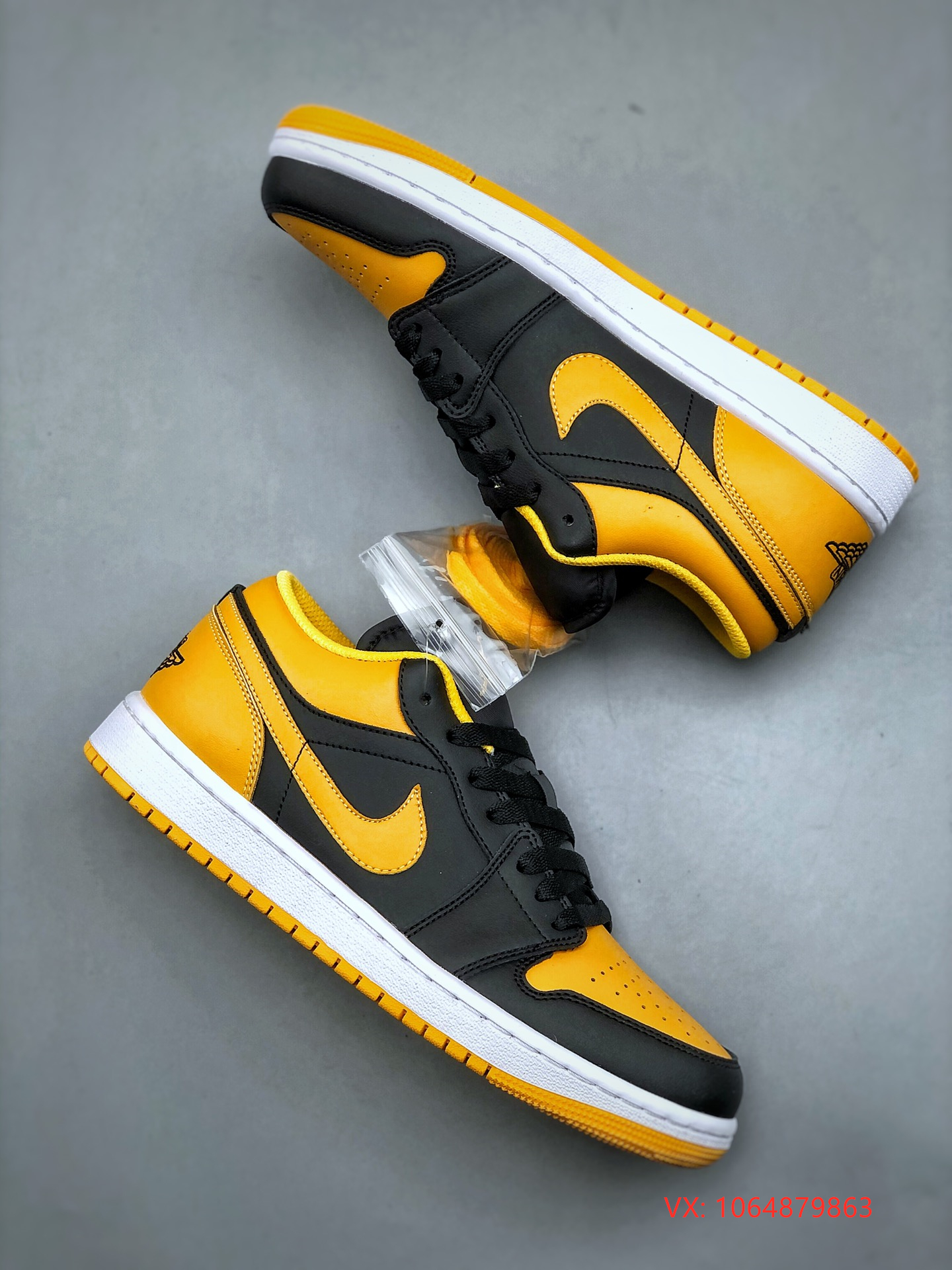
 On-site Visits
 Free Sharing
 Avoid Scams
 Updated Frequently
 For Reference Only