Walking the Floors: How Real Putean Shoes Are Actually Made and Sourced
I've been standing in the Anfu E-Commerce City for over fifteen years. While the internet tells you a thousand stories about "super copies" or "1:1 replicas," the truth of how these shoes are produced and sold is far more grounded, messy, and fascinating than any algorithm suggests. If you are an overseas buyer looking for genuine supply chains, stop reading generic guides and listen to what happens when the sun goes down and the lights come on in this district.
The Myth vs. The Reality of Production
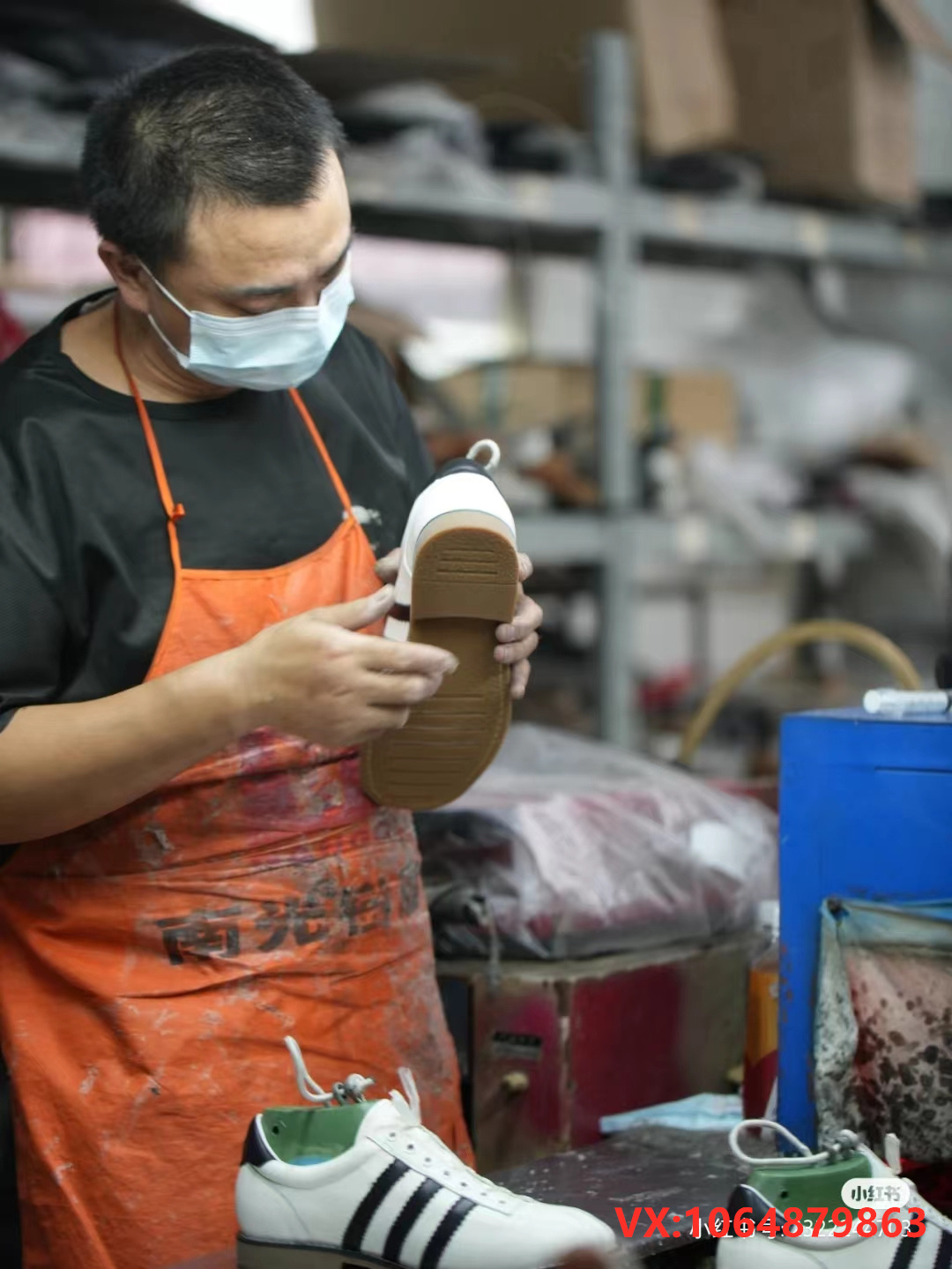
First, let's clear up the biggest confusion. When people ask how Putean shoes are made, they often imagine a secret factory churning out fake Nikes in the dark. That isn't quite it. The production ecosystem here is built on legitimate manufacturing capabilities that have existed for decades. Many factories here actually produce for major global brands under contract. When those contracts end or capacity frees up, the same molds, the same high-grade rubber compounds, and the same skilled laborers turn their attention to the domestic market.
This means the "production" process isn't about forging documents; it's about utilizing existing industrial infrastructure. You will see workers stitching leather with precision that rivals the original factories because they use the same machines. The difference lies in the branding tags and the specific design tweaks. We don't just copy; we reverse-engineer based on the latest samples that hit the market within days. This speed is why buyers from the US and Europe keep coming back.
Navigating the Physical Market: A Buyer's Guide
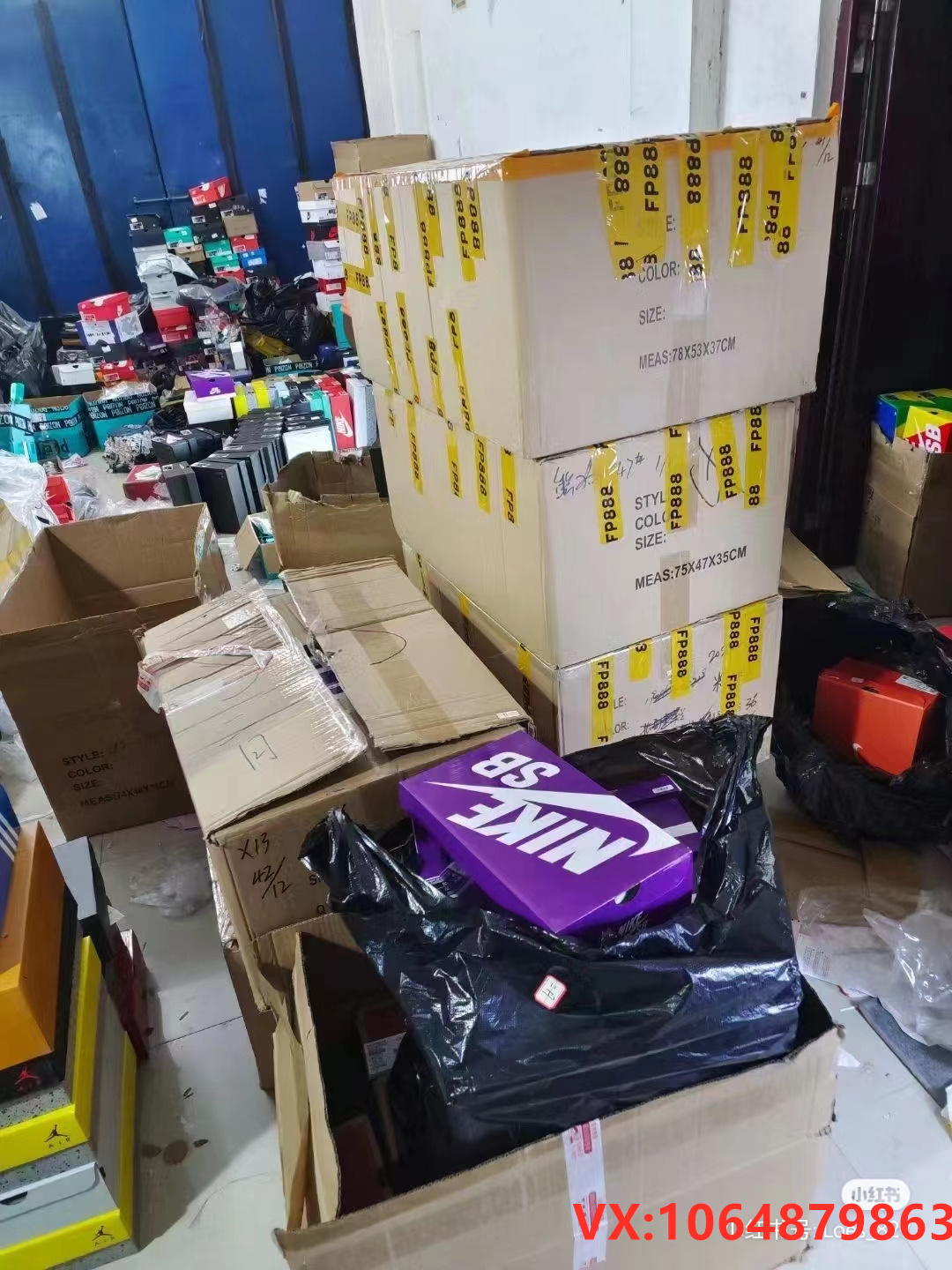
If you want to find real suppliers, you cannot rely solely on WhatsApp or Alibaba. The heart of the operation beats in the physical alleys of Anfu. I've seen too many foreign clients get scammed by agents who claim to be "factory owners" but are actually just middlemen renting a desk. To cut through the noise, you need to walk the floors yourself.
Scouting the Stalls and Identifying Quality Tiers
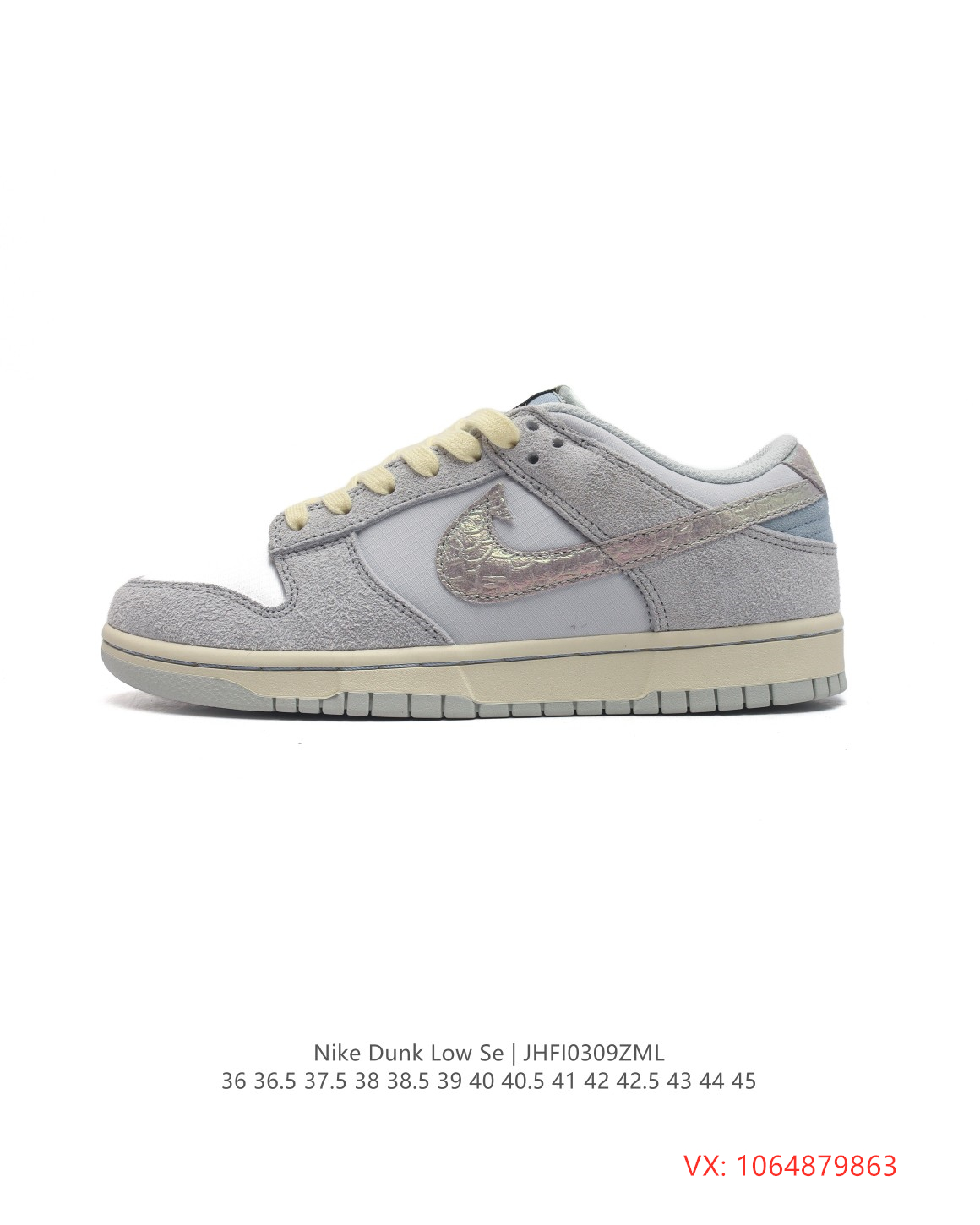
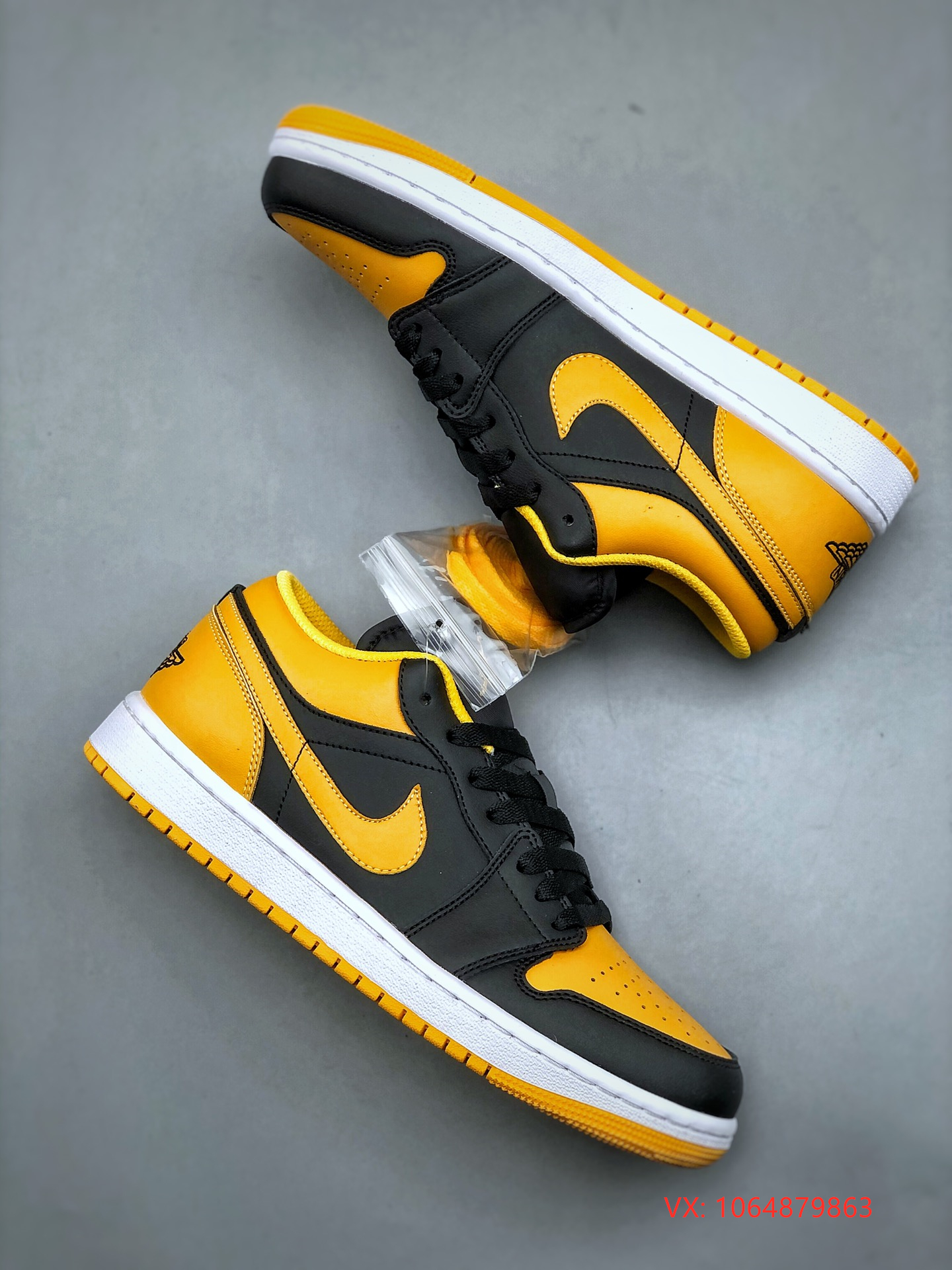
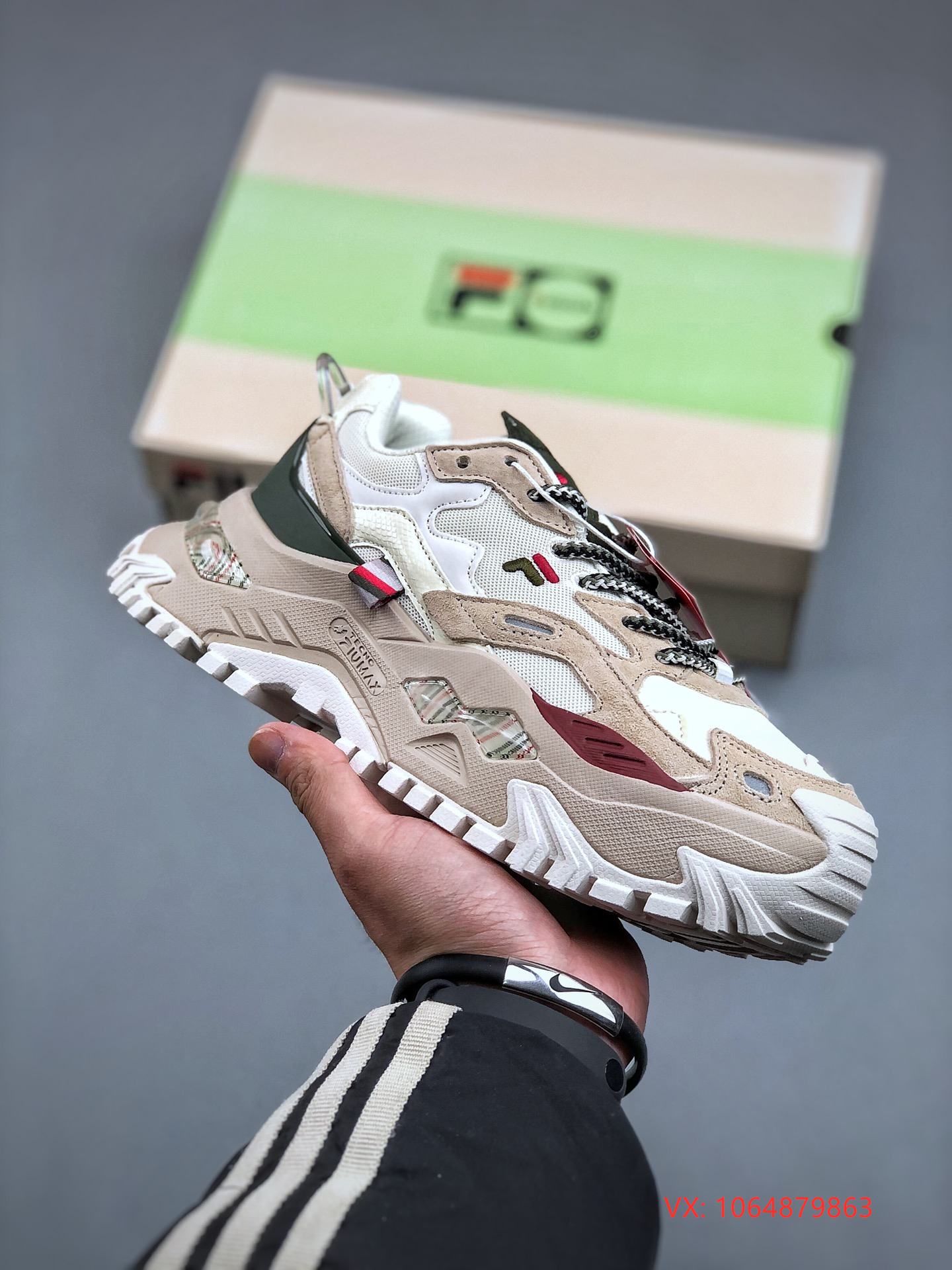
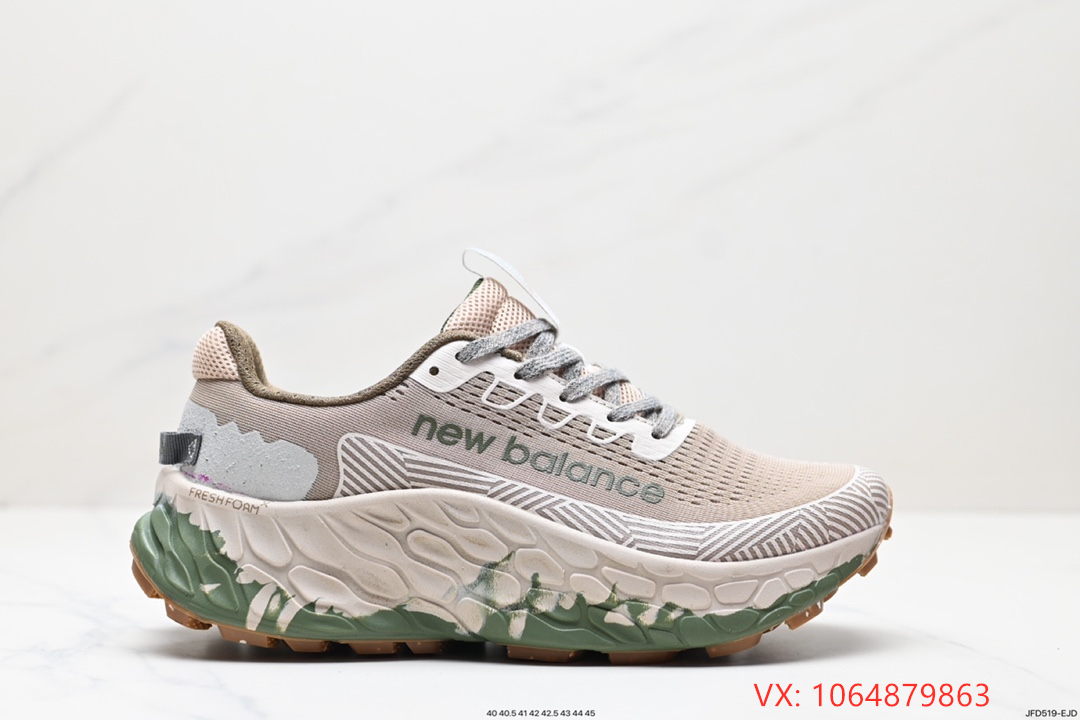
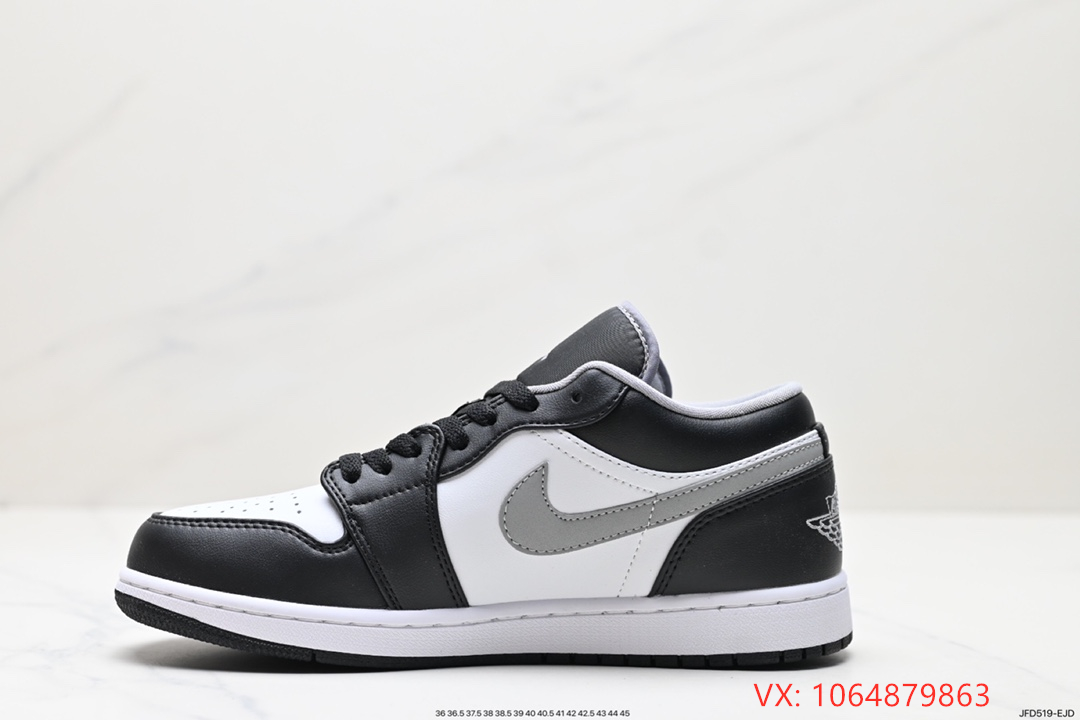
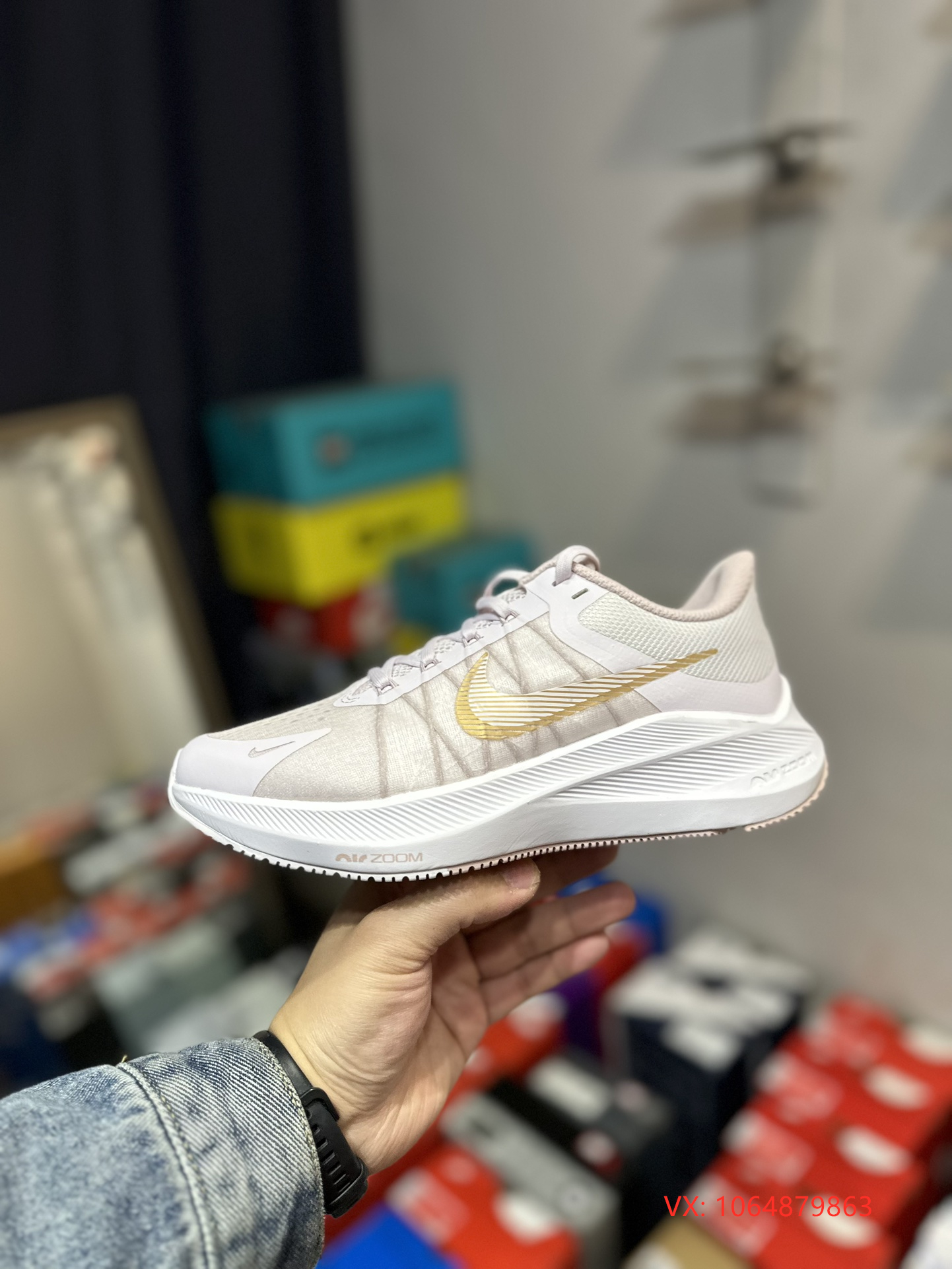
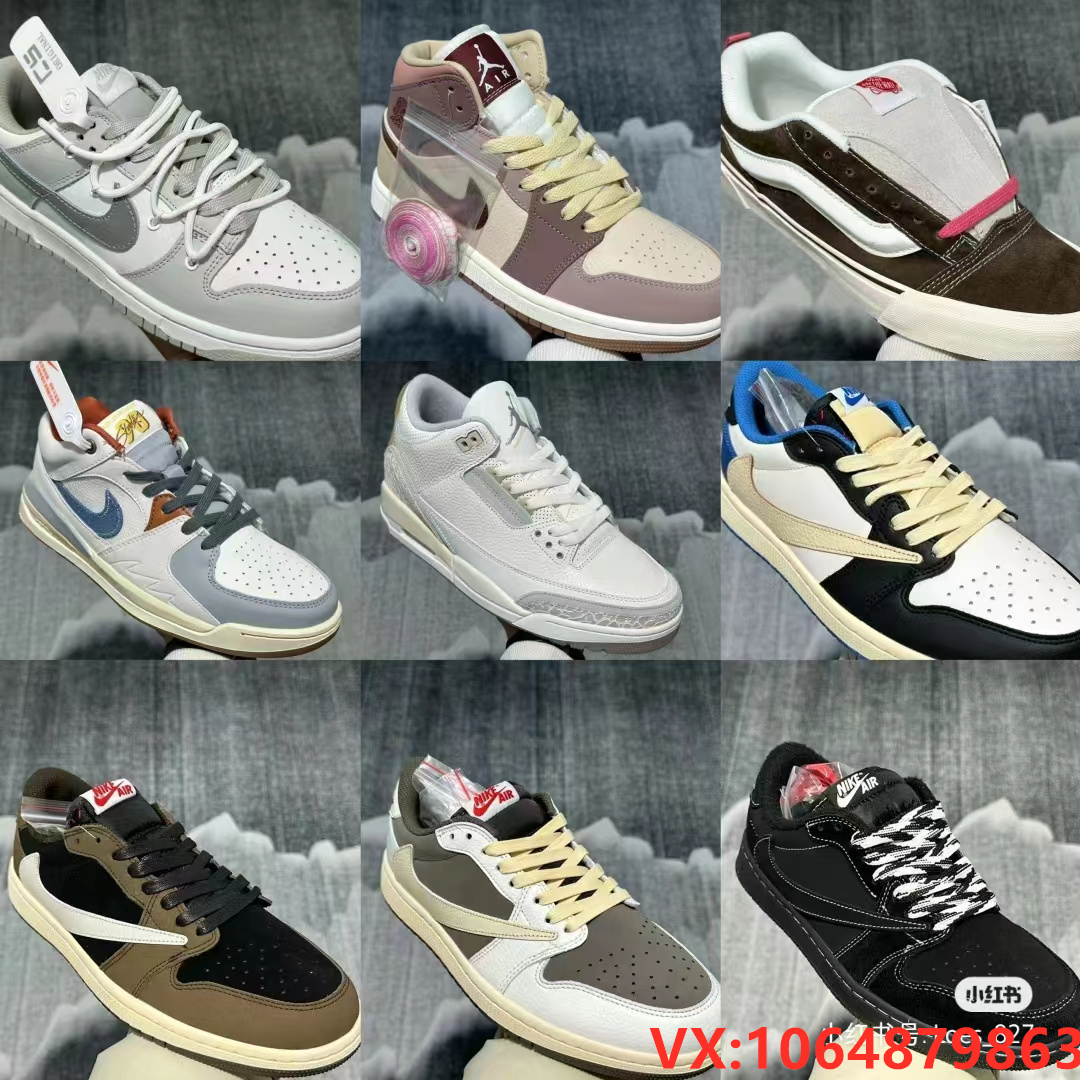
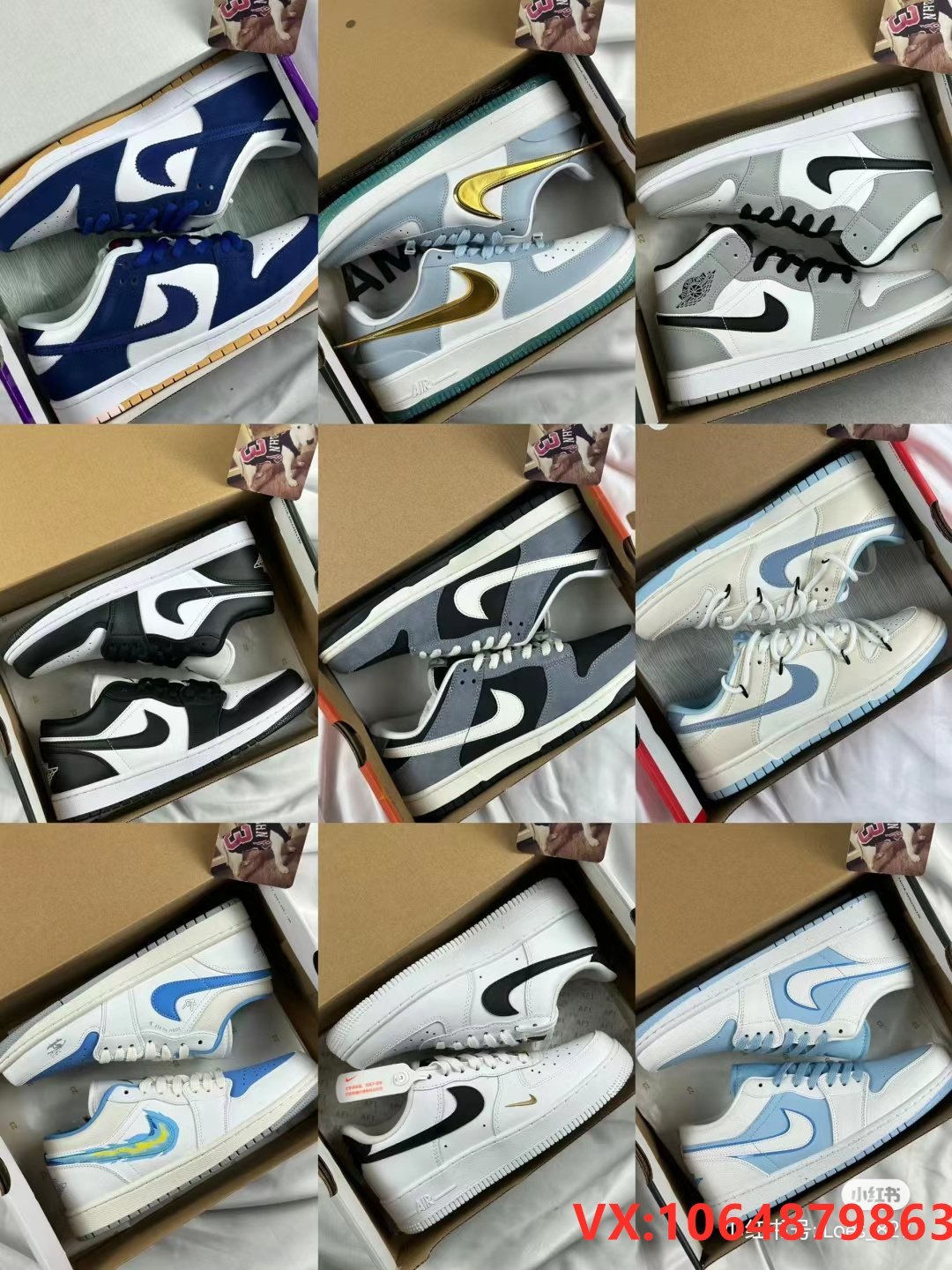
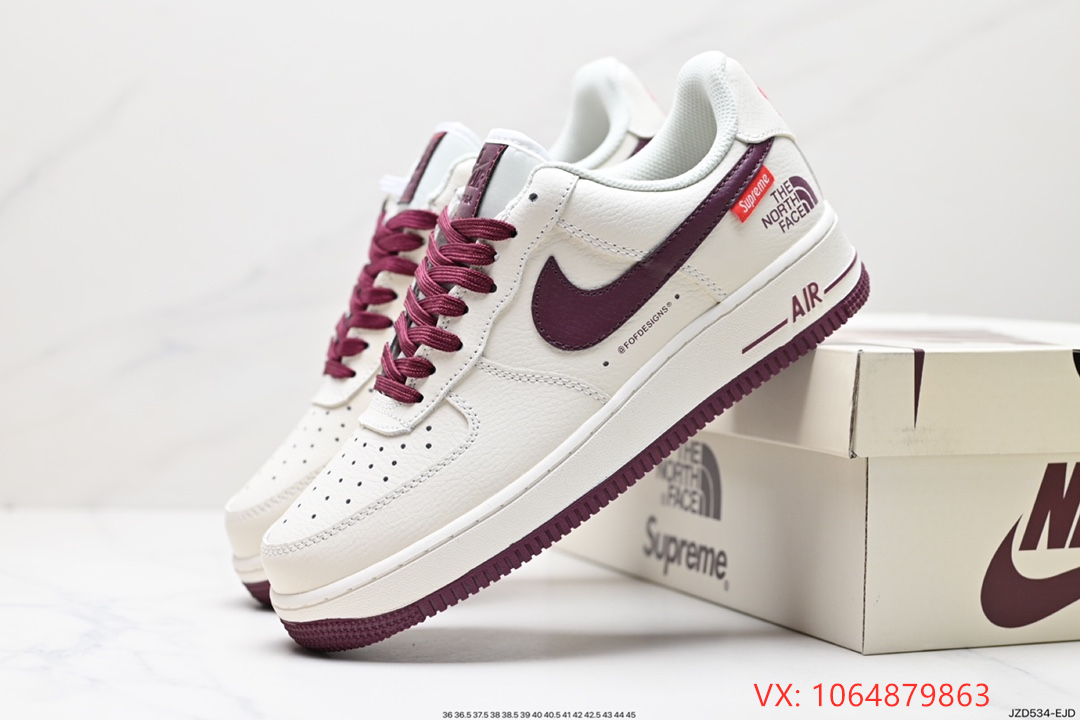
When you enter the market, ignore the flashy signs promising "Top Tier." Instead, look at the shoes on the shelves. In my experience, the quality tiers are distinct. There is the "market version" which is cheap and obvious, the "mid-range" which looks good from a distance, and the "top version" which is indistinguishable from the retail pair even to experts. The top-tier stalls usually don't have big displays; they keep their best stock behind the counter or in the back room.
Ask to see the "raw materials." A confident vendor will show you the leather grain, the density of the foam, and the glue used. If they hesitate or only show you finished products, move on. I always tell my international partners to check the stitching density. Real production here uses industrial sewing machines that create consistent, tight stitches. If the thread is loose or uneven, it's a sign of a lower-quality workshop, not a premium manufacturer.
The Art of Negotiation and Sampling
once you find a stall that looks promising, the negotiation begins. Don't talk about "wholesale prices" immediately. Ask for a sample first. In Putean, the sample culture is strict. You pay for the shoe, and if you order a large quantity later, the sample fee is often deducted. This protects both sides. When you discuss pricing, be realistic. If a pair costs $50 to make, no one will sell it to you for $10. The price reflects the complexity of the mold and the material grade.
Here is a pro tip: Build a relationship. The vendors here value long-term trust over a single transaction. If you treat them like a partner, they will give you access to new molds before anyone else. They might say, "We got a new batch of Jordan 4s coming in tomorrow, do you want to see?" That kind of insider access is only available to regulars who visit the shop consistently.
Avoiding Pitfalls and Ensuring Smooth Logistics
Even with the best intentions, things can go wrong. As someone who has shipped thousands of boxes globally, I know the common traps. The biggest risk is miscommunication regarding quality standards. What looks "good enough" to a local buyer might be rejected by a customer in New York or London. Always send photos of your specific requirements before mass production starts.
Quality Control and Shipping Logistics
Never skip the inspection phase. Before you pack the goods, I recommend hiring a third-party inspector or doing a spot check yourself. Look for glue stains, alignment issues on the soles, and color consistency. In Putean, the term "QC" (Quality Control) is taken very seriously by reputable sellers. If a seller refuses to let you inspect, run. It's a red flag.
Regarding shipping, the logistics network here is incredibly mature. Most vendors work with established freight forwarders who handle customs clearance to the US, UK, and Australia daily. They know exactly how to package the goods to avoid detection while ensuring the shoes arrive in perfect condition. Don't try to ship via personal couriers unless you are experienced; stick to the professional channels your supplier recommends. They have the volume discounts and the expertise to navigate the complexities of international trade.
Final Thoughts on Building a Sustainable Supply Chain
Producing and sourcing shoes in Putean is not a game of luck; it is a game of knowledge and relationships. The industry has evolved from simple copying to a sophisticated ecosystem of design, manufacturing, and distribution. For foreign buyers, the key is to immerse yourself in the environment, understand the nuances of the product, and build trust with the people on the ground.
Don't be afraid to visit the market. Walk the streets, talk to the bosses, and see the machinery in action. That is where the real story of Putean shoes is written. Whether you are looking for "Putean sneakers wholesale" or "high quality replica shoes supplier," the answer lies in the details you discover when you step off the plane and into the bustling streets of Anfu. Trust your instincts, verify everything, and you will find a supply chain that works for you.