Walking the Floors of Anfu: A Local's Guide to Spotting Fake vs. Real in Putian
I have been standing on these concrete floors of the Anfu E-Commerce City for over fifteen years. While the world outside sees "Putian shoes" as a synonym for cheap fakes, inside this market, we are talking about a complex ecosystem of craftsmanship, supply chains, and quality tiers that most foreigners simply do not understand. When I see a buyer from Europe or America walking into my shop with a confused look, asking how to distinguish the real deal from the trash, I know exactly what they need. They aren't just looking for a logo; they are looking for value, consistency, and a partner who won't run them over.
The Myth of the "Real" Logo
First, let us clear up the biggest misconception. In Putian, there is no such thing as a "real" Nike or Adidas shoe made here unless it is an official factory sample, which you will never find in a retail stall. What you are actually hunting for is the "1:1 replica," the "top tier," or the "OG quality." These terms are often used interchangeably by sellers to confuse buyers, but in reality, they represent different levels of materials and molding precision. If someone tells you they can sell you a genuine pair at half the price, walk away immediately. That is the first sign of a scammer trying to offload dead stock or low-grade junk.
Physical Inspection: The Eyes Don't Lie
Stitching Patterns and Glue Marks
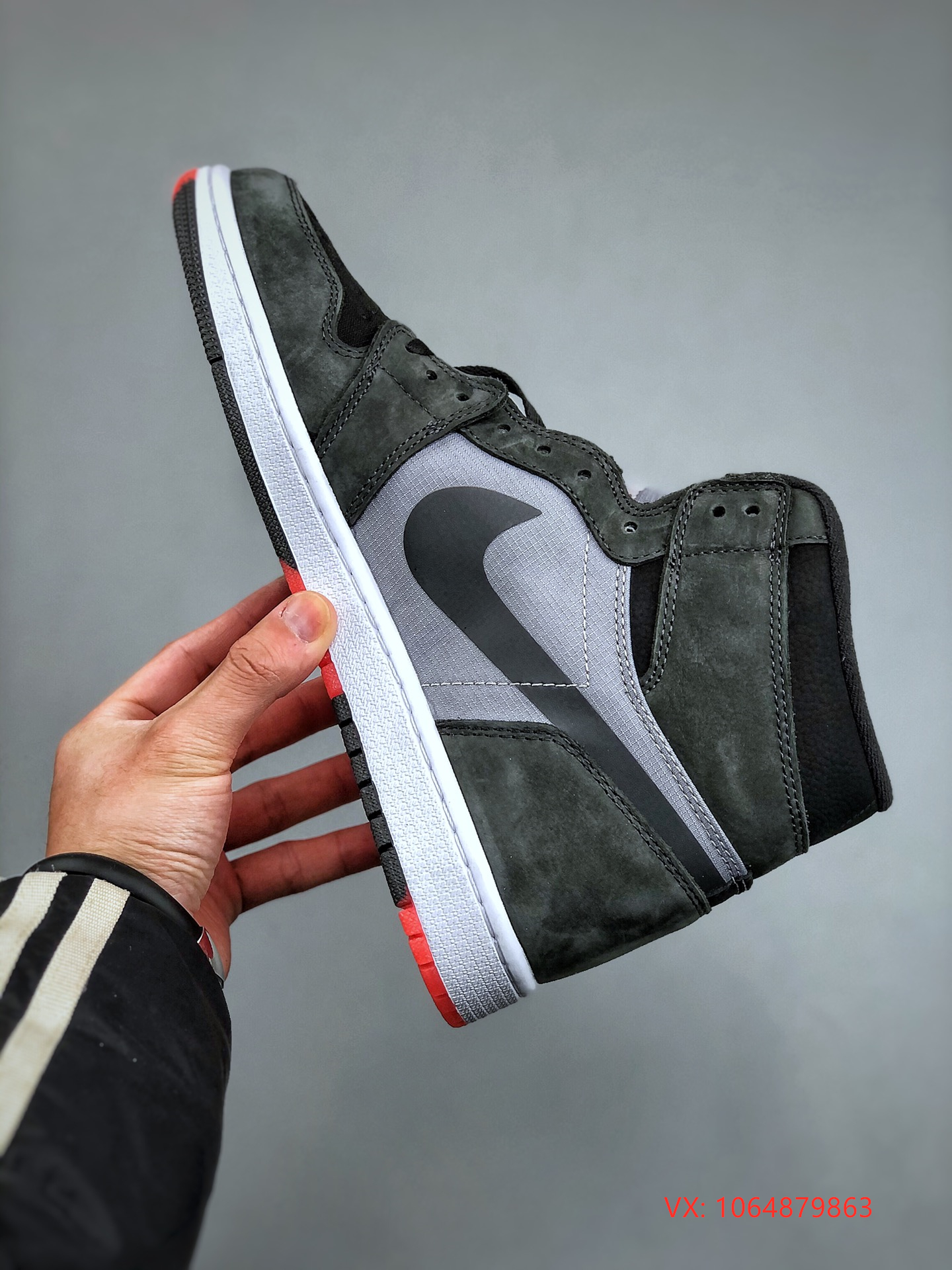
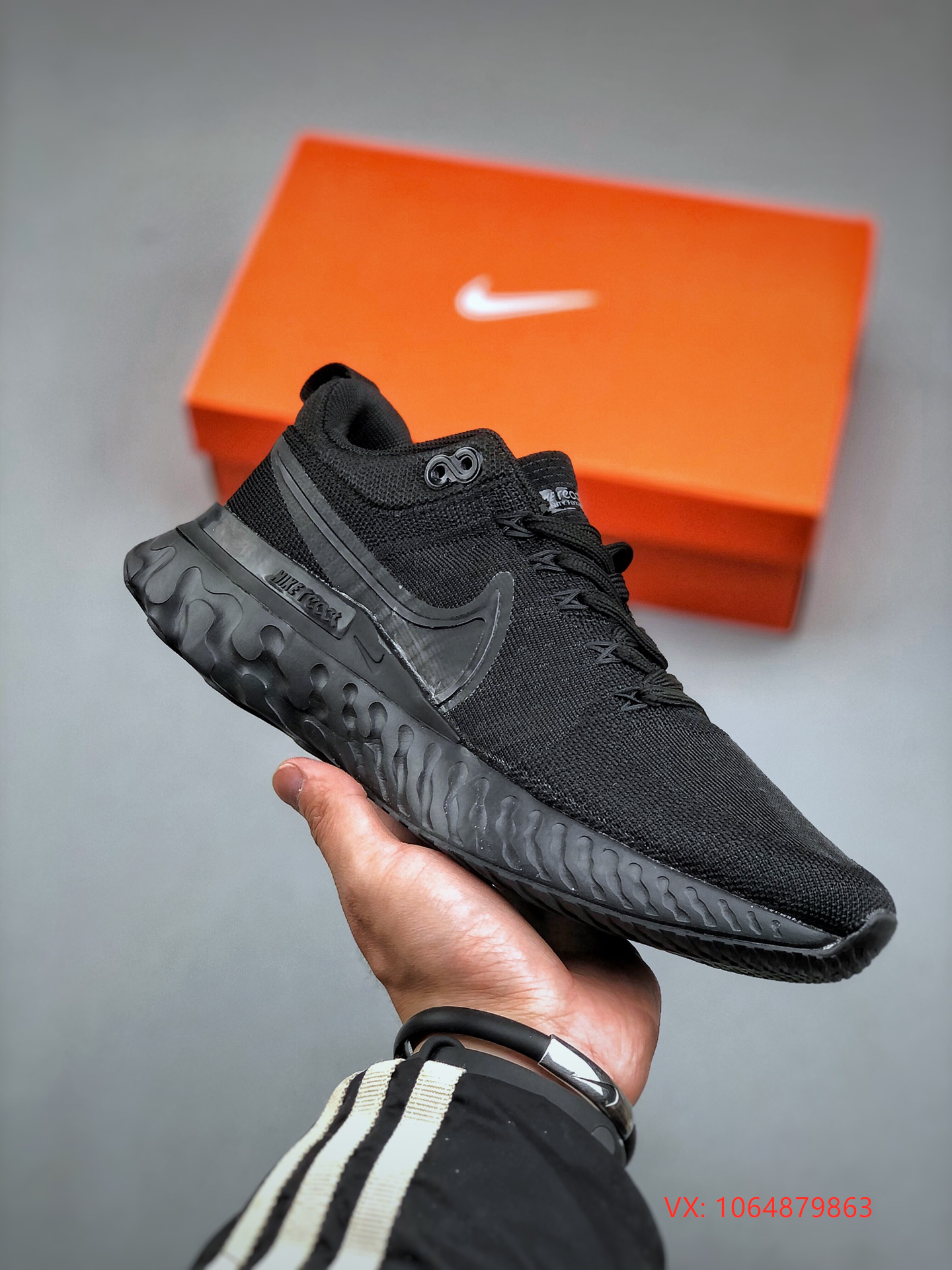
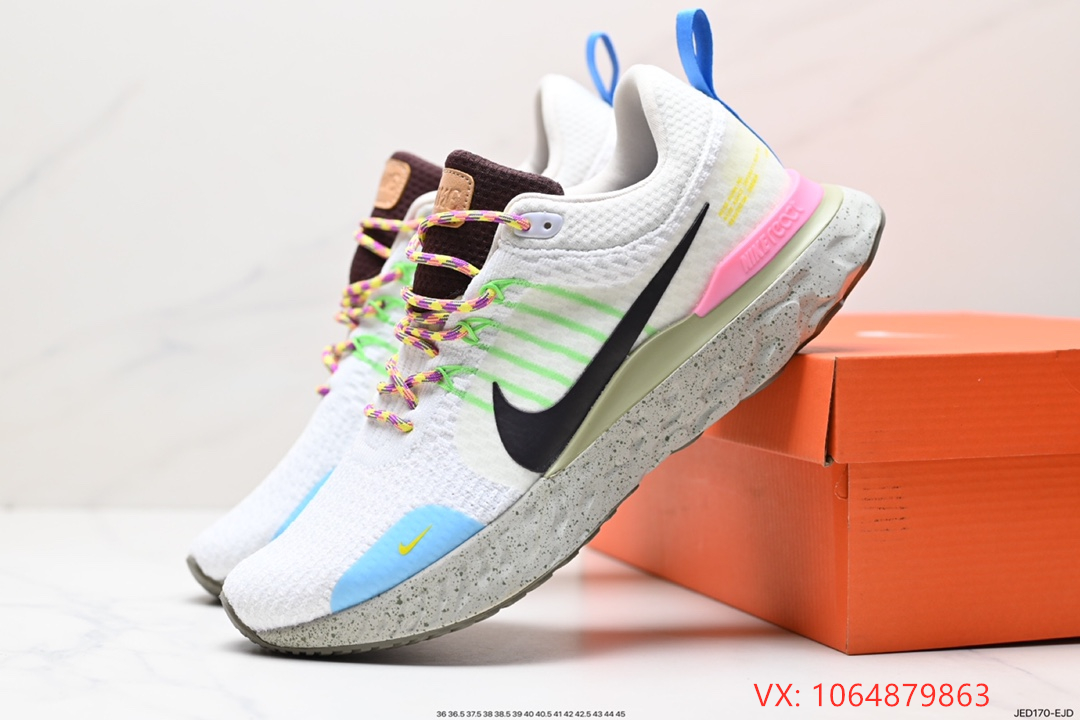
When you are physically standing in front of a shoe in my warehouse, the first thing I tell you to check is the stitching. Low-quality replicas, often called "market goods," usually have uneven stitch lengths, loose threads, or glue stains visible on the midsole. High-end versions, however, use machines calibrated to match the original factory specifications. The thread tension should be consistent, and the glue lines should be invisible or perfectly aligned with the design curves. I remember a client from Canada who bought a batch last month; he rejected the entire shipment because the heel counter was slightly misaligned. He was right. Even a millimeter difference ruins the silhouette.
Sole Flexibility and Material Feel
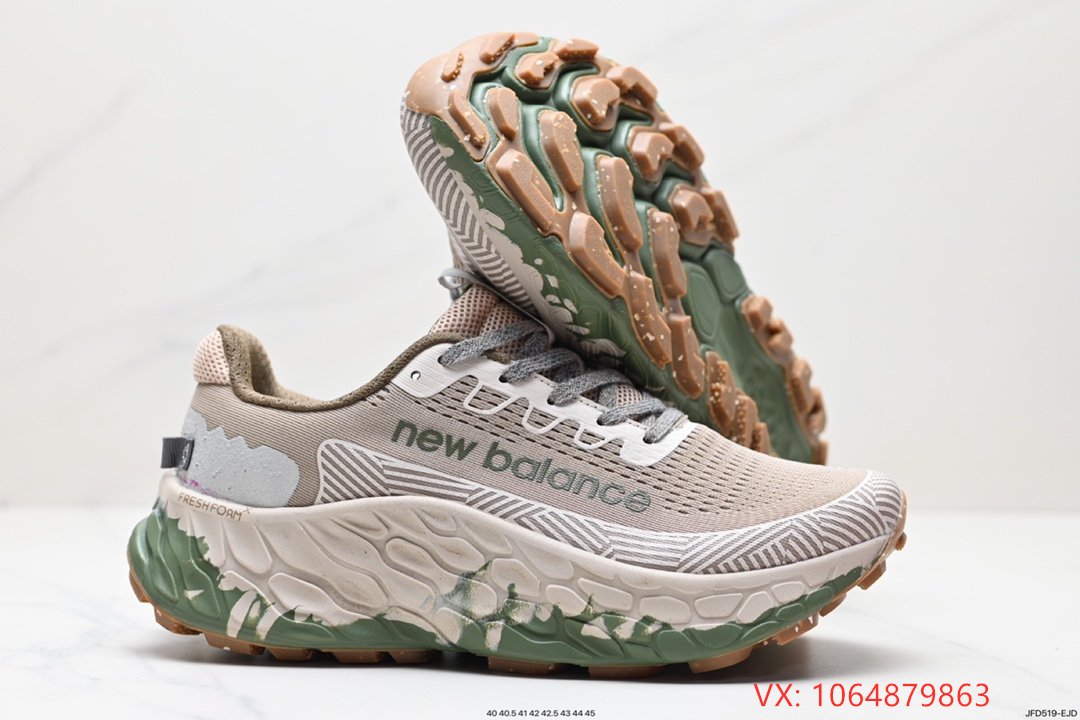
Touch the sole. This is where many overseas buyers get fooled by photos alone. Cheap rubber feels hard and plastic-like, while high-quality versions mimic the specific density of the original foam. Press your thumb into the midsole. Does it bounce back instantly? Does it feel soft yet supportive? Furthermore, check the outsole tread pattern. Counterfeiters often cut corners on the mold depth, making the grip poor. In our market, we source the same TPU plates and rubber compounds as the big brands sometimes, so the tactile experience should be nearly identical to the authentic version if you are buying the top tier.
Navigating the Market: Finding the Right Stall
Anfu City Layout and Stall Hierarchy
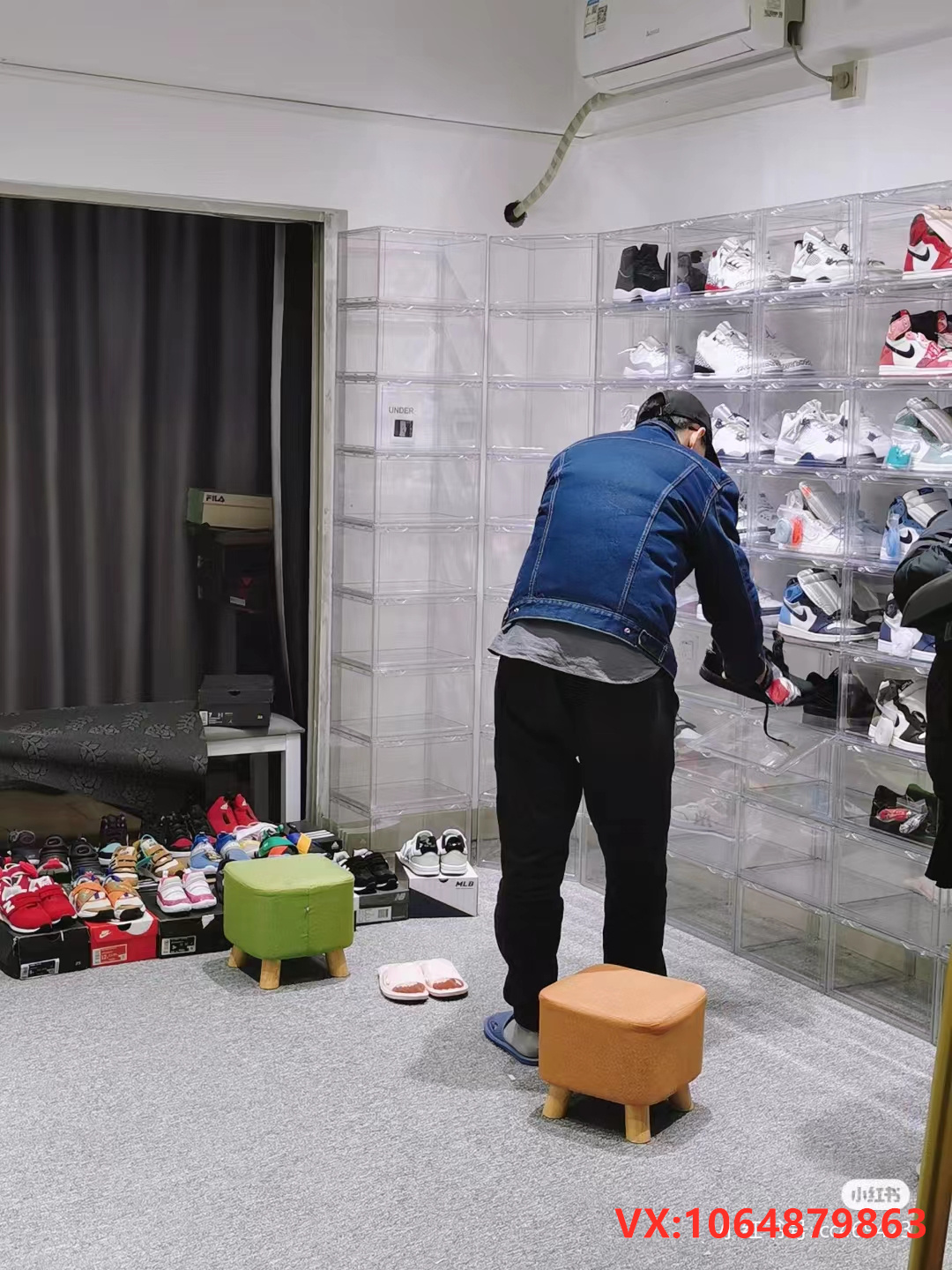
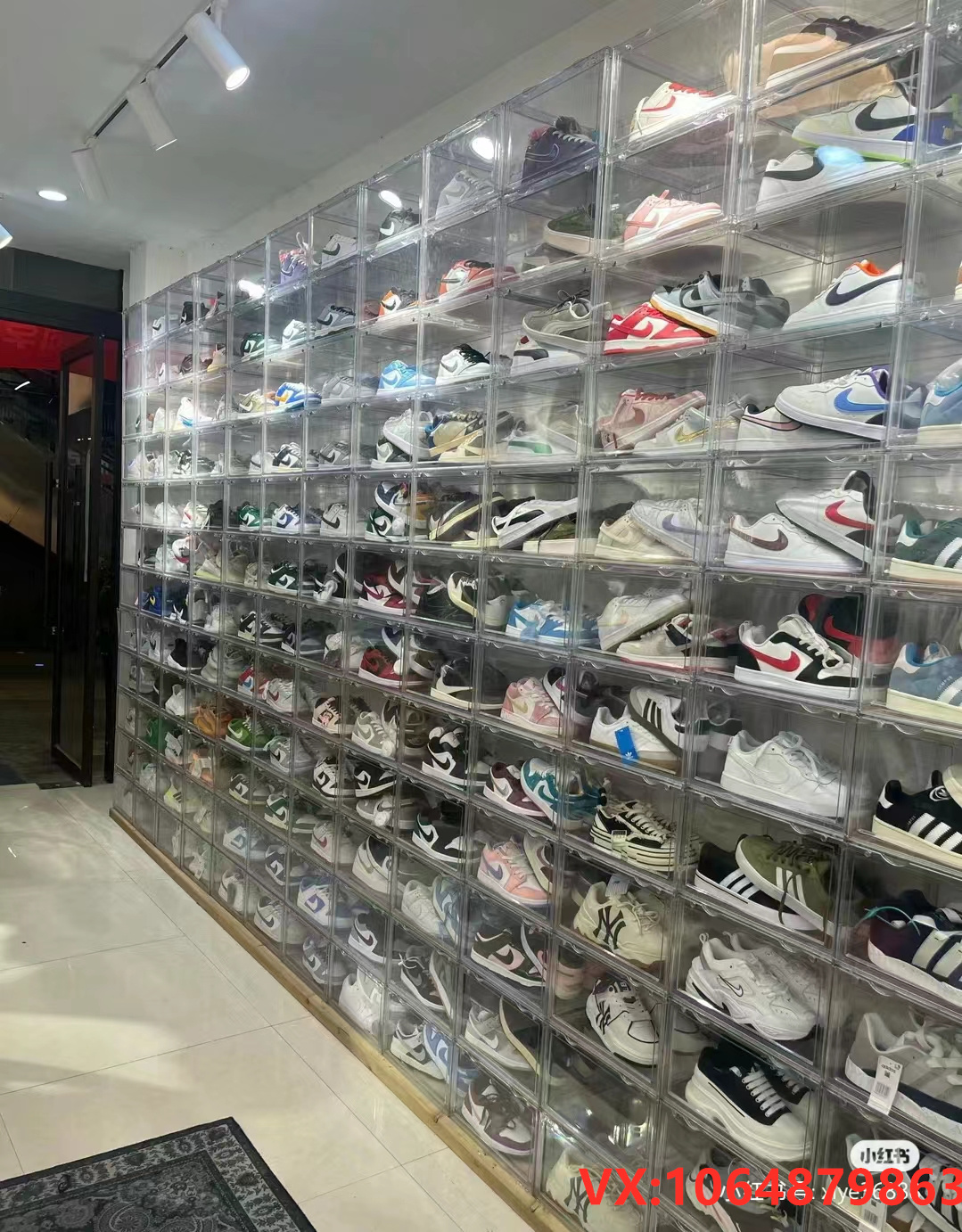
The Anfu market is a maze. It is not just one building but a cluster of interconnected structures filled with hundreds of stalls. Do not trust the guys shouting on the street corner; they are middlemen reselling your money. Go straight to the designated buildings like the 4th Floor of the main hub or the specialized wholesale zones. Look for stalls with glass display cases full of pristine boxes and multiple colorways. These are the serious players. The ones with piles of shoes on the floor and messy tables are usually selling lower-tier goods. Ask to see their "master copy" or "original mold" samples. If they hesitate, they don't have the goods.
Building Trust Through Face-to-Face Interaction
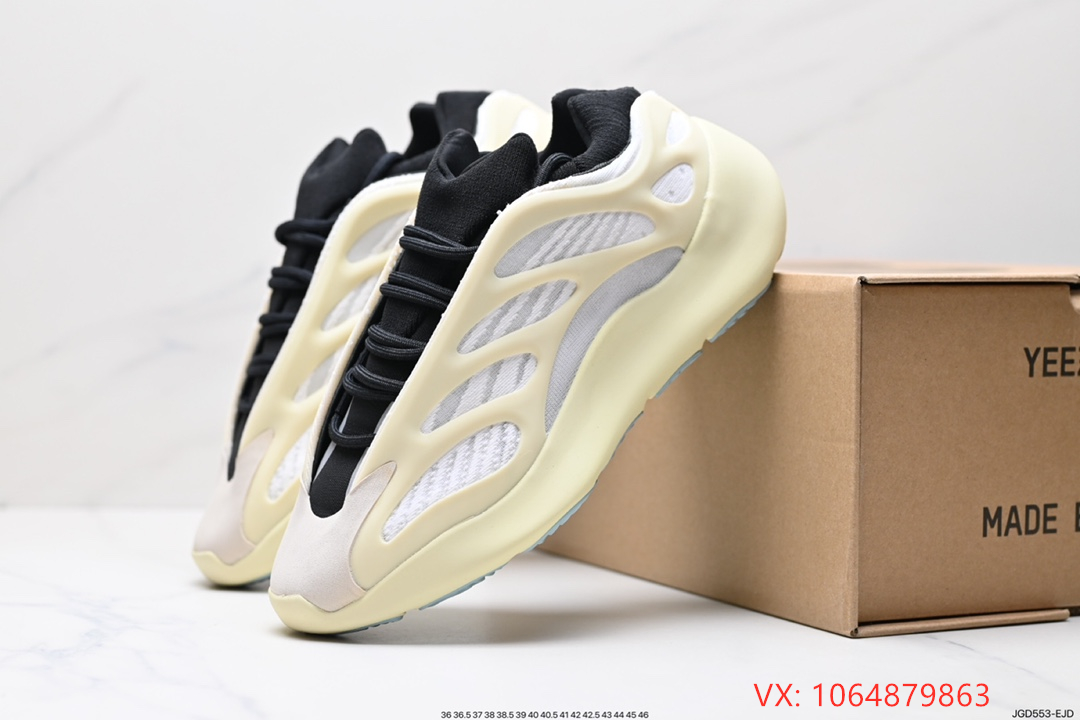
In China, business is built on relationships, especially in Putian. You cannot build trust via WhatsApp alone. You need to sit down, drink tea, and talk. Show me you know the difference between the "LJR" (a famous local factory) and the "Yeezy" molds. When I see a foreigner who understands the technical details of the upper mesh or the carbon plate placement, I treat them differently. I show them the raw materials, the cutting process, and even the packaging options. This transparency is what separates a legitimate supplier from a fly-by-night operator.
Logistics and Quality Control Before Shipping
The importance of Pre-Shipment Photos
Even after you pick the shoes, the work isn't done. Before any box leaves my shop, I insist on sending detailed photos and videos of every single pair. We call this the "QC check." You want to see the size tag, the barcode, the side profile, and the sole close-up. Many scams happen because the seller sends a photo of a perfect shoe but ships a defective one. By requiring video verification, we eliminate this risk. If you are ordering online without visiting, demand a live video call during the packing process. This is standard practice for serious exporters in Anfu.
Avoiding Customs and Shipping Pitfalls
One of the biggest fears for international buyers is customs seizure. As a local veteran, I advise you to choose the right shipping method. Some couriers are stricter than others regarding branded footwear. We often use neutral packaging or declare the items as "sports accessories" rather than specific brand names to reduce risk, though this depends on your destination country's laws. Never ask a supplier to lie on the invoice in a way that violates international trade laws. Instead, focus on finding a logistics partner who specializes in sneaker exports. They know how to handle the paperwork so your package arrives safely without being flagged.
Final Thoughts on Sourcing in Putian
Buying from Putian is not about finding a bargain on fake goods; it is about accessing high-quality manufacturing that is available to the public at a fraction of the retail cost. The key is education. Learn the terminology, understand the physical differences, and visit the market if possible. The Anfu E-Commerce City is a living, breathing entity where quality varies from day to day. By focusing on the details of stitching, material, and vendor reputation, you can navigate this complex landscape successfully. Remember, the best deals are not found in the cheapest stalls, but in the partnerships built on mutual respect and verified quality. If you approach this market with eyes open and a critical mind, you will find that the "fake" label doesn't tell the whole story of what goes on behind those closed doors.