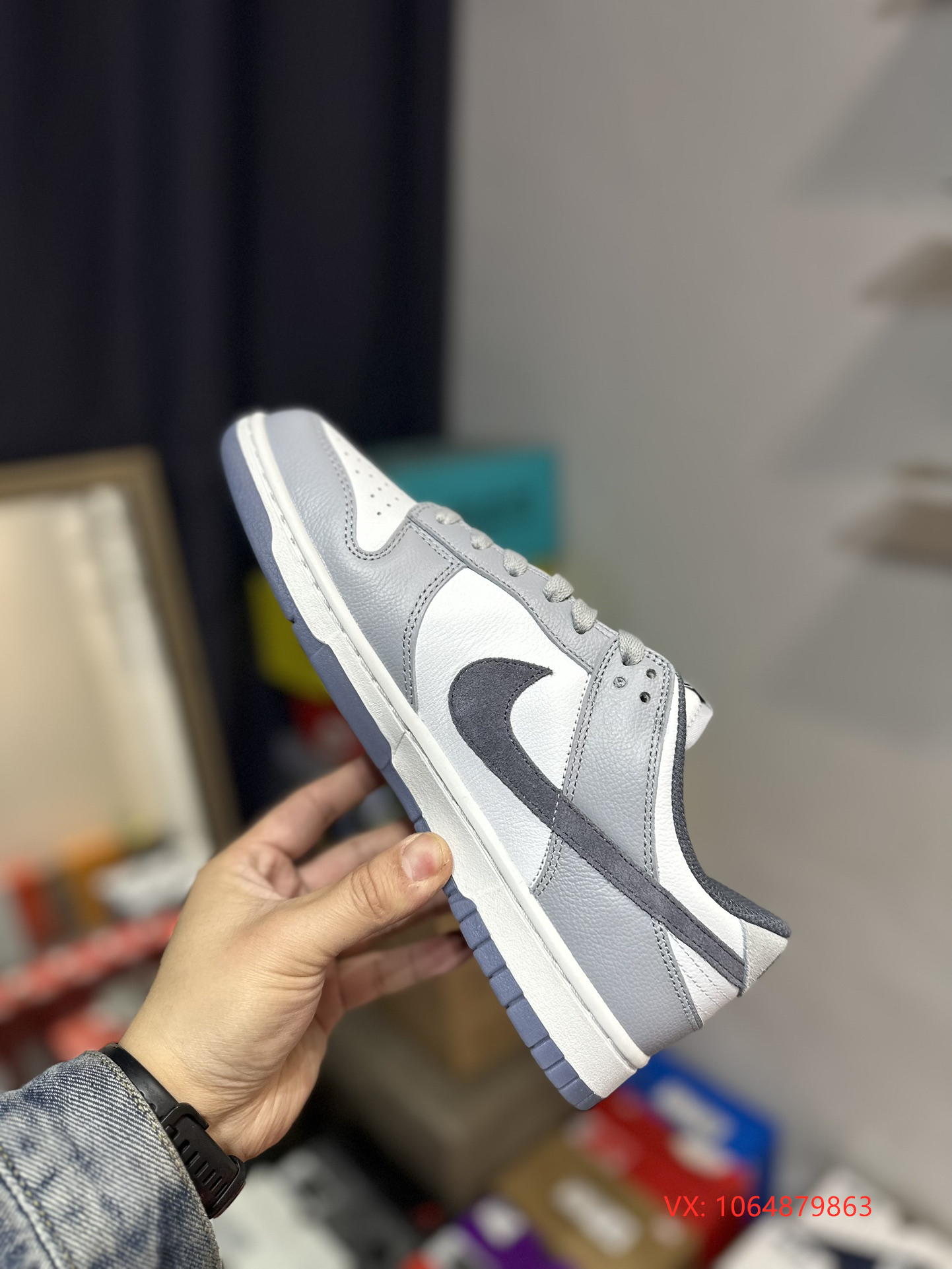
Inside the Anfu Market: The Real Talk on Soles and Glue
Welcome to the chaos of Anfu. If you are reading this, you probably think you know about "Pute shoes," but let me tell you something straight from my shop floor after twenty years in this game: most foreigners come here with a checklist that is completely wrong for our reality. You walk into these narrow alleys, the air smells like rubber dust and strong industrial solvent, and everyone is shouting prices in Mandarin while checking their phones. That is where the real business happens. Today, I want to cut through the noise and talk about what actually matters when you are looking at the construction of these sneakers, specifically the glue application on the insoles. It is not just about sticking two pieces of foam together; it is about the chemistry, the heat, and the pressure that separates a $50 fake from a $150 replica that feels exactly like the real deal.
The Chemistry Behind the Bond
When you ask me how we apply the glue to the insole, I do not give you a textbook answer because textbooks do not work in Anfu. We use a specific type of contact cement, often a water-based polyurethane or a high-solvent neoprene adhesive, depending on the quality tier you are ordering. For the mid-range goods that make up 80% of our trade, we rely heavily on the "open time" technique. This means we spread the glue on both the foam insole and the upper lining, then we wait. We do not rush. In the winter, when the humidity drops, the open time might be thirty seconds; in the rainy season, it could stretch to a minute. If you press them together too soon, the bond fails later, and if you wait too long, the glue dries out and becomes useless. This is why many overseas buyers complain about peeling soles; they are buying from factories that skip the waiting period to speed up production.
Heat and Pressure: The Invisible Steps
Here is the secret that no online listing will ever tell you. Spreading the glue is only half the battle. The real magic happens in the pressing machine. After the glue has dried to the touch, we place the insole into a hydraulic press that applies massive pressure at a controlled temperature. We usually set the heat between 60 to 70 degrees Celsius. This activates the adhesive polymers, making them flow slightly into the pores of the fabric and foam. Without this step, the insole is just sitting on top of the shoe, held by friction. With the heat and pressure, it becomes part of the structure. I have seen foreign buyers try to replicate this process in their own warehouses using cheap irons, and it always fails because they cannot maintain the consistent pressure across the entire surface area. That is why you need to source directly from the workshops in Anfu where the machinery is calibrated daily.
Navigating the Physical Market: Seeing is Believing
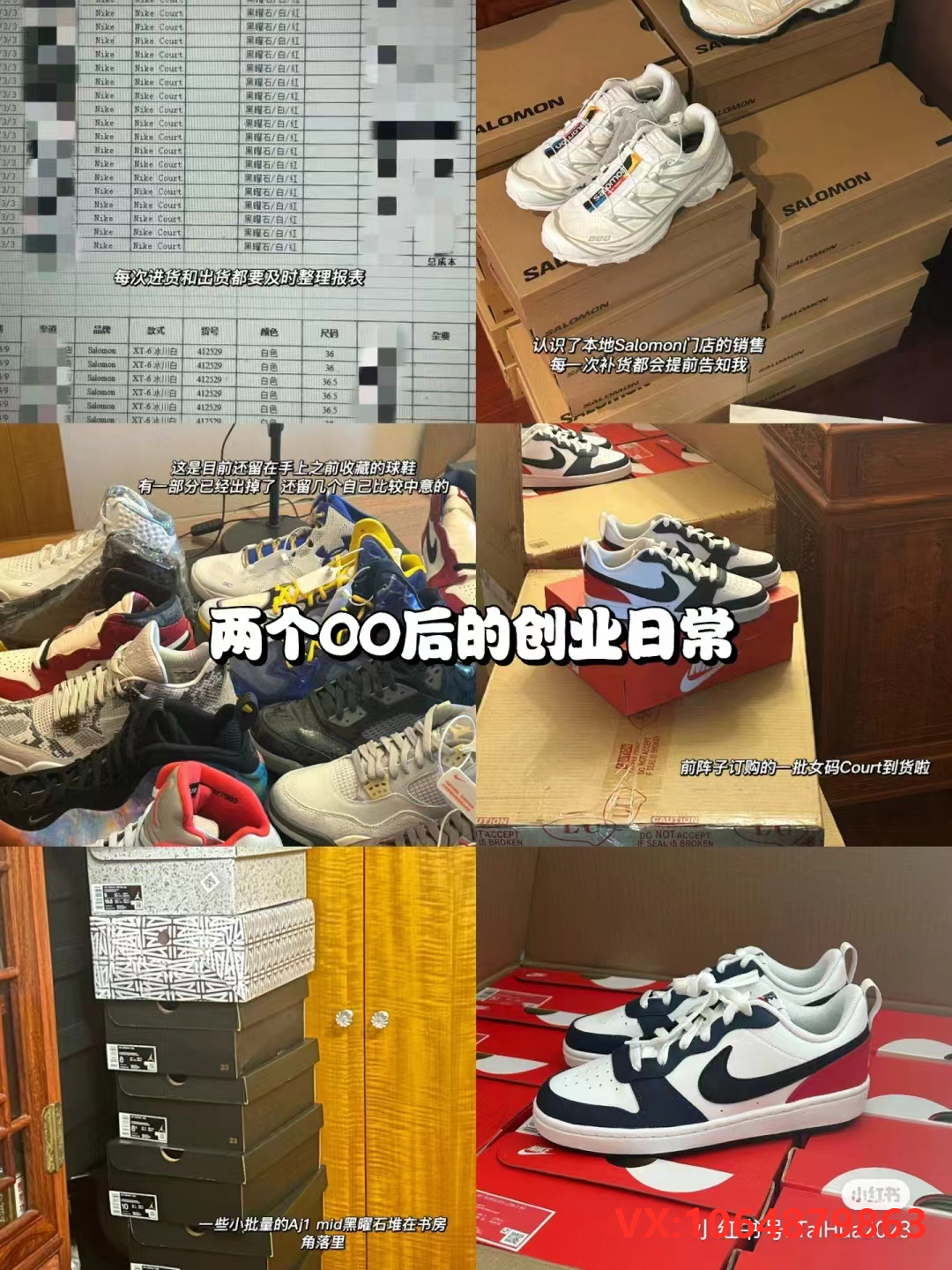
You cannot buy high-quality replicas from a website alone. You must get your boots dirty in the market. When you arrive at Anfu, ignore the flashy storefronts on the main road. Those are for tourists who want to pay retail prices for fakes. Go deeper. Walk down the side corridors where the lights are dimmer and the boxes are stacked to the ceiling. This is where the serious wholesalers operate. They do not have big signs; they have piles of inventory and a phone that never stops ringing. When you approach a stall, do not ask for the price immediately. Ask to see the "sample" or the "master mold." A good boss will show you the internal construction, pointing out the stitching density and the glue lines.
Demoing the Product Quality
When you are standing in front of a counter, look closely at the edge of the insole. If the glue line is thick, uneven, or oozing out, put the shoe back. That indicates a low-quality batch meant for the lowest price point. High-end batches, which we call "top version" or "original grade," have invisible glue lines. The foam is perfectly bonded without any excess residue. I always tell my international clients to bring a small flashlight. Shine it under an angle to check for gaps. Also, smell the shoe. A strong chemical smell that lingers for days means they used cheap, unrefined glue. Good glue should have a mild scent that dissipates quickly once the shoe is aired out. This sensory check is something you simply cannot do when browsing Alibaba or Taobao images.
Dealing with Suppliers: Negotiation and Trust
once you find a stall that looks promising, the negotiation begins. Do not act like a first-time buyer. Speak confidently. Mention that you have visited other shops in the district and compare their pricing. In Anfu, prices are fluid. The price you see on the tag is rarely the final price. We negotiate based on volume. If you are taking fifty pairs, you get one rate; if you take five hundred, the margin changes significantly. Be careful with suppliers who promise "free shipping" or "guaranteed authenticity." There is no such thing as guaranteed authenticity in this market. What you are getting is a high-quality copy. If a seller tries to convince you otherwise, run. The honest bosses will admit they sell replicas and focus on the quality of materials instead.
Avoiding Common Pitfalls
The biggest mistake foreign buyers make is focusing solely on the logo. They care about the swoosh or the jumpman logo being perfect, but they ignore the structural integrity. A shoe can have a perfect logo but fall apart after three wears because the insole glue was applied poorly. Always ask for a video of the actual production line. Many of us in Anfu are willing to send live videos via WhatsApp or WeChat showing the gluing process. This builds trust. Another pitfall is the payment method. Never transfer money to a personal bank account without a contract or a deposit guarantee. Use secure platforms or meet in person for large orders. And remember, shipping is a nightmare if you do not pack correctly. Insist that the supplier uses reinforced boxes, especially for heavy-soled models, to prevent crushing during transit.
Building Long-Term Relationships
My advice to anyone coming to China to source footwear is simple: build relationships, not transactions. The market in Anfu is built on trust and reputation. If you treat the shop owners with respect, learn a few basic phrases in Chinese, and show that you understand the product, they will treat you like family. They will hold the best stock for you, warn you about upcoming material shortages, and help you solve customs issues. The "glue" that holds the shoe together is important, but the human connection that holds the business together is even more critical. Come to the market, look at the shoes, feel the materials, and see the craftsmanship firsthand. That is the only way to truly understand the value of what you are buying.