Walking the Floors: My Real Talk on Sourcing from Putian
Welcome to the real world of Putian. If you are reading this, you probably think I am some faceless corporation or a slick marketing bot trying to sell you "replicas." Let me stop you right there. I have been standing in the Anfu Electronic Commerce City for over fifteen years. I have seen the market rise from a dusty parking lot to a high-tech logistics hub. I have watched thousands of foreign buyers come and go, many of them confused, scared, or just plain ripped off by online scams. Today, I want to talk to you like a neighbor, not a salesman. You asked how to become an agent here? It is not about signing a contract on a website. It is about showing up, sweating, and learning the language of the street.
The Myth of the online Agent
Most foreigners try to find a supplier by Googling "Putian shoe agents" or searching Alibaba. They send emails asking for catalogs and prices. Here is the hard truth: nobody cares about your email until you walk through the door. The people who run these factories and showrooms do not have time to manage remote relationships with strangers they cannot see. When you ask for an "agent," what you really need is a reliable partner who can verify quality before you ship. That trust is built in person. If you stay in your hotel room and order via WeChat without ever meeting the face behind the screen, you are gambling with money that could vanish overnight.
Navigating the Chaos of Anfu Market
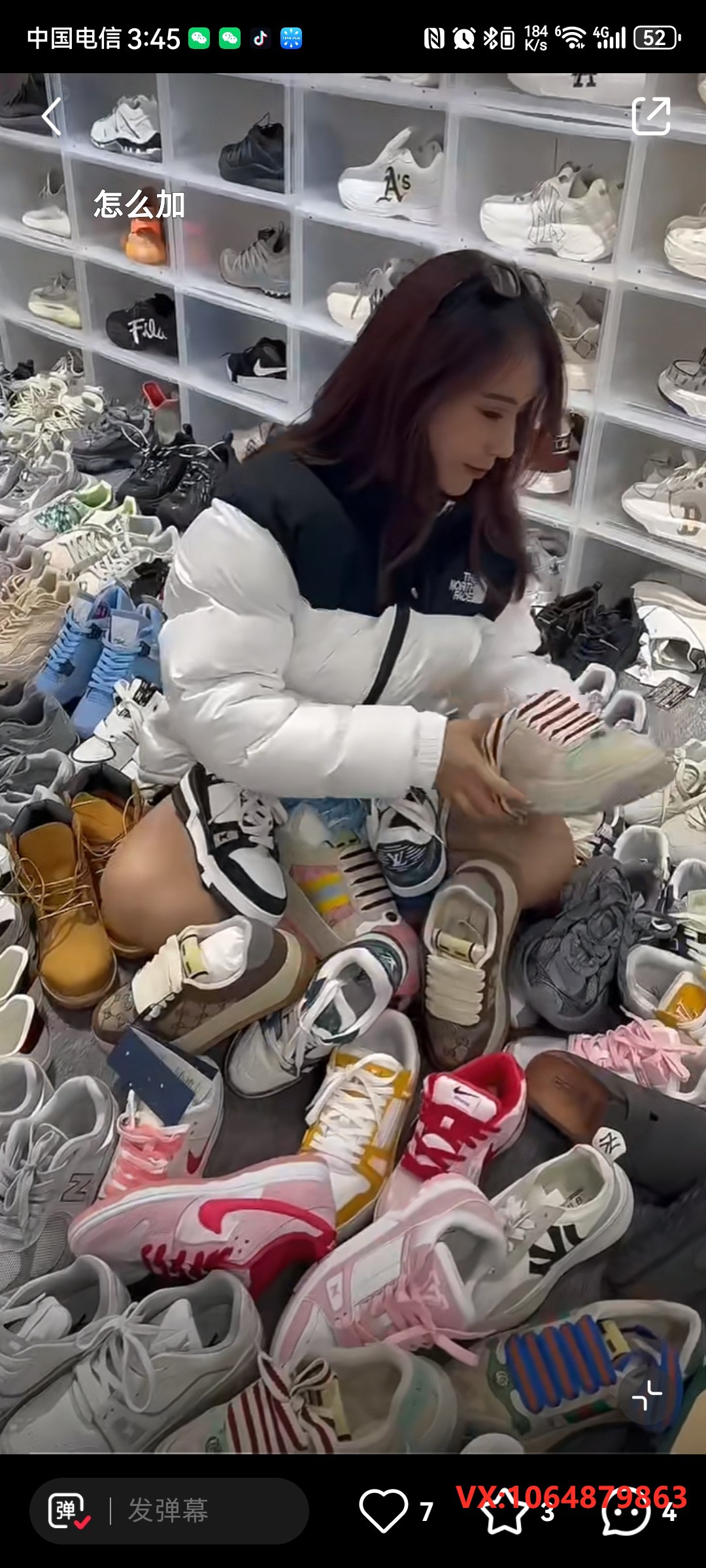
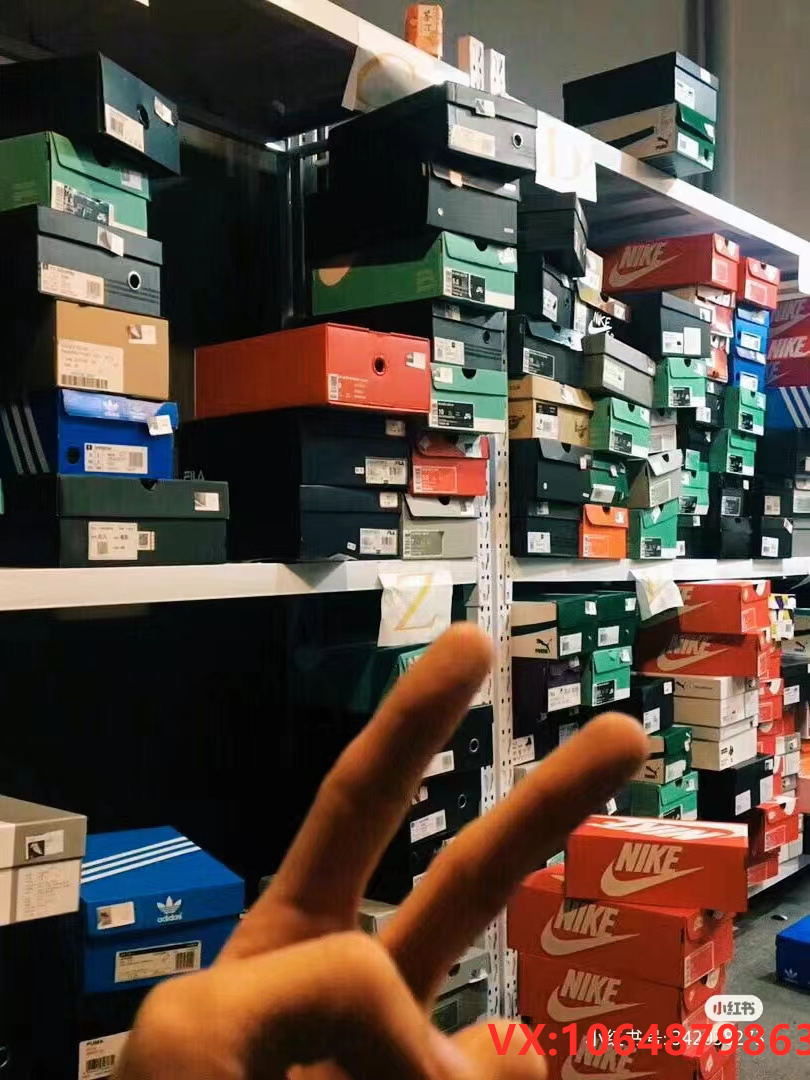
Anfu is not a mall. It is a war zone of commerce. The air smells like glue, rubber, and ambition. To succeed here, you must understand the layout. The main building houses the big brands and the high-end copycats, while the side alleys hold the smaller workshops and the raw material suppliers. Do not expect to find everything in one place. You need to wander. Start at the ground floor where the foot traffic is heaviest. This is where the "showroom" models live. These are the shoes you will eventually buy, but be careful. What you see on the shelf might not be what comes out of the box later.
Reading the Room Before You Speak
When you enter a stall, look at the shoes first. Are they stacked neatly? Is the dust covered? A messy shop often means a messy supply chain. Look at the tags. In Putian, we use specific codes to identify the mold and the factory line. If the seller cannot explain the difference between the "1:1 version" and the "market version," run away. They are lying to you. The best way to start a conversation is to ask about the leather source. Do they use imported Italian calfskin or local synthetic? Do they know the difference between the Nike Air Max 90 molds from 2015 and the 2024 update? If they hesitate, they are just reselling someone else's goods.
The Art of Sampling and Quality Control
This is where most deals die. You find a great pair of sneakers, you pay for them, and then you get a box full of garbage. Never skip the sampling phase. Even if you plan to buy fifty pairs, you must buy one first. Ask the vendor to send you a photo of the actual shoe, not the stock photo. Better yet, ask for a video call where they pick up the shoe and show you the stitching, the sole texture, and the smell. In my experience, the smell tells you more than the picture. Good rubber has a distinct scent; cheap glue stings your nose.
Inspecting the Details Like a Pro
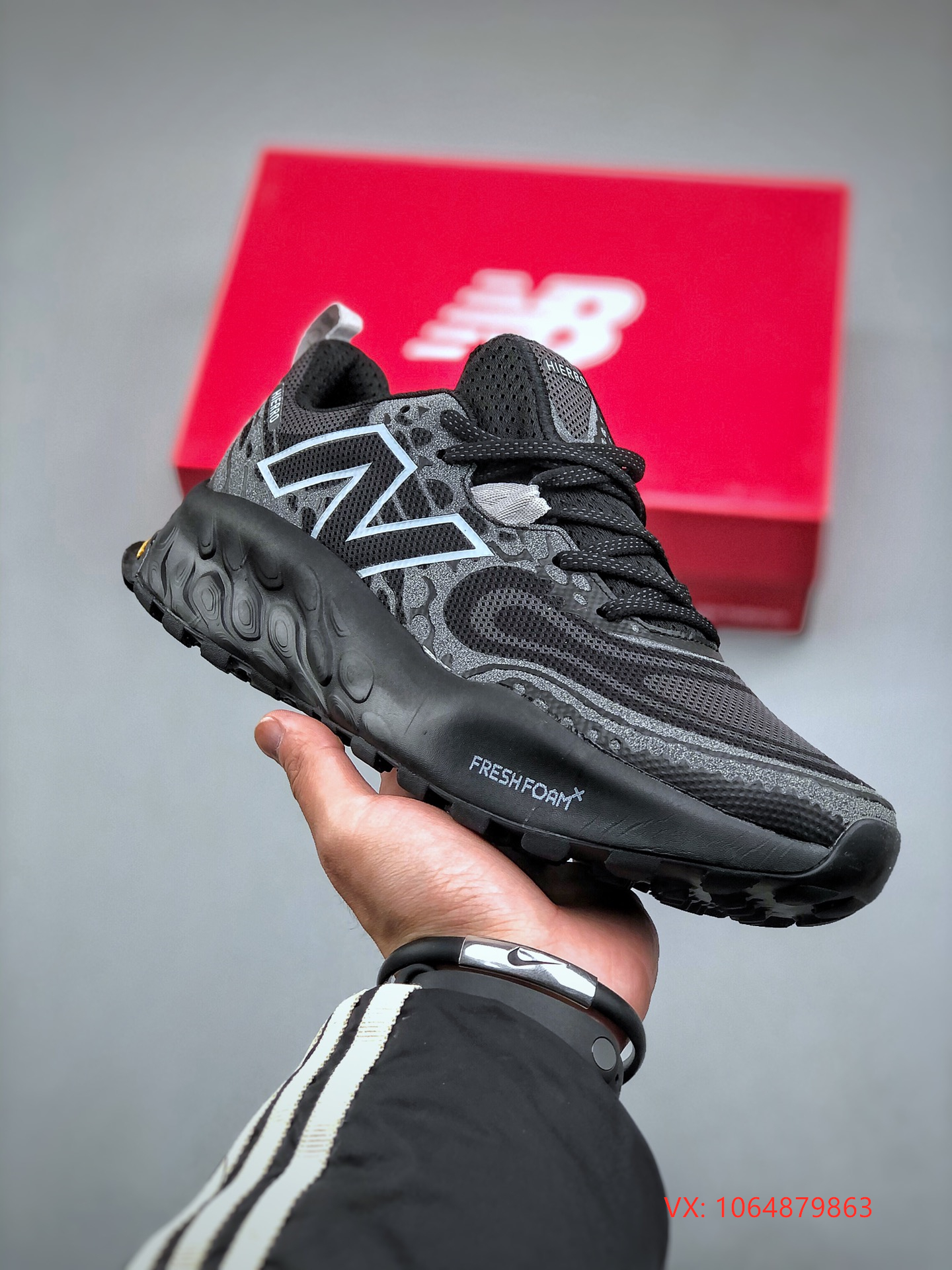
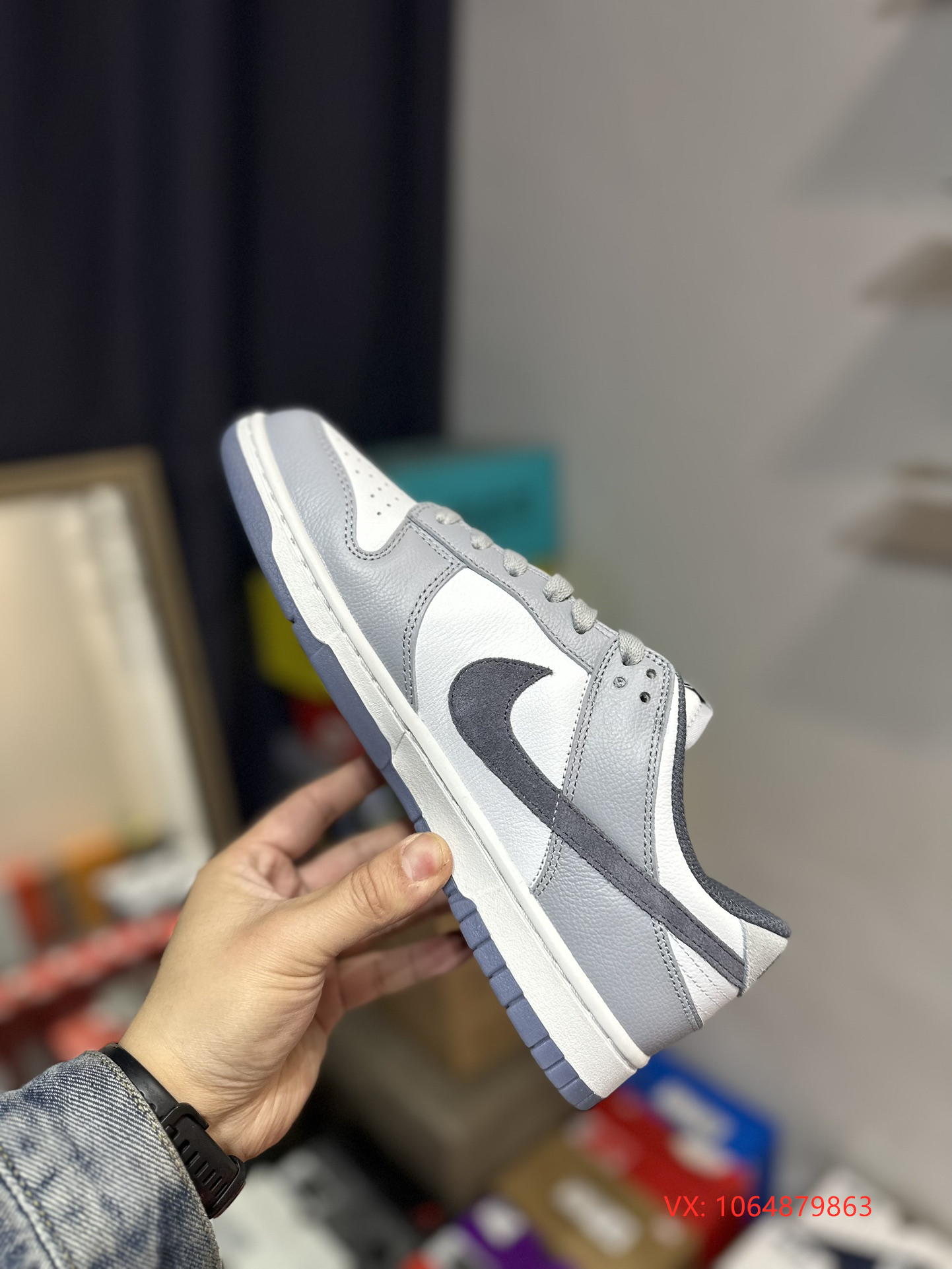
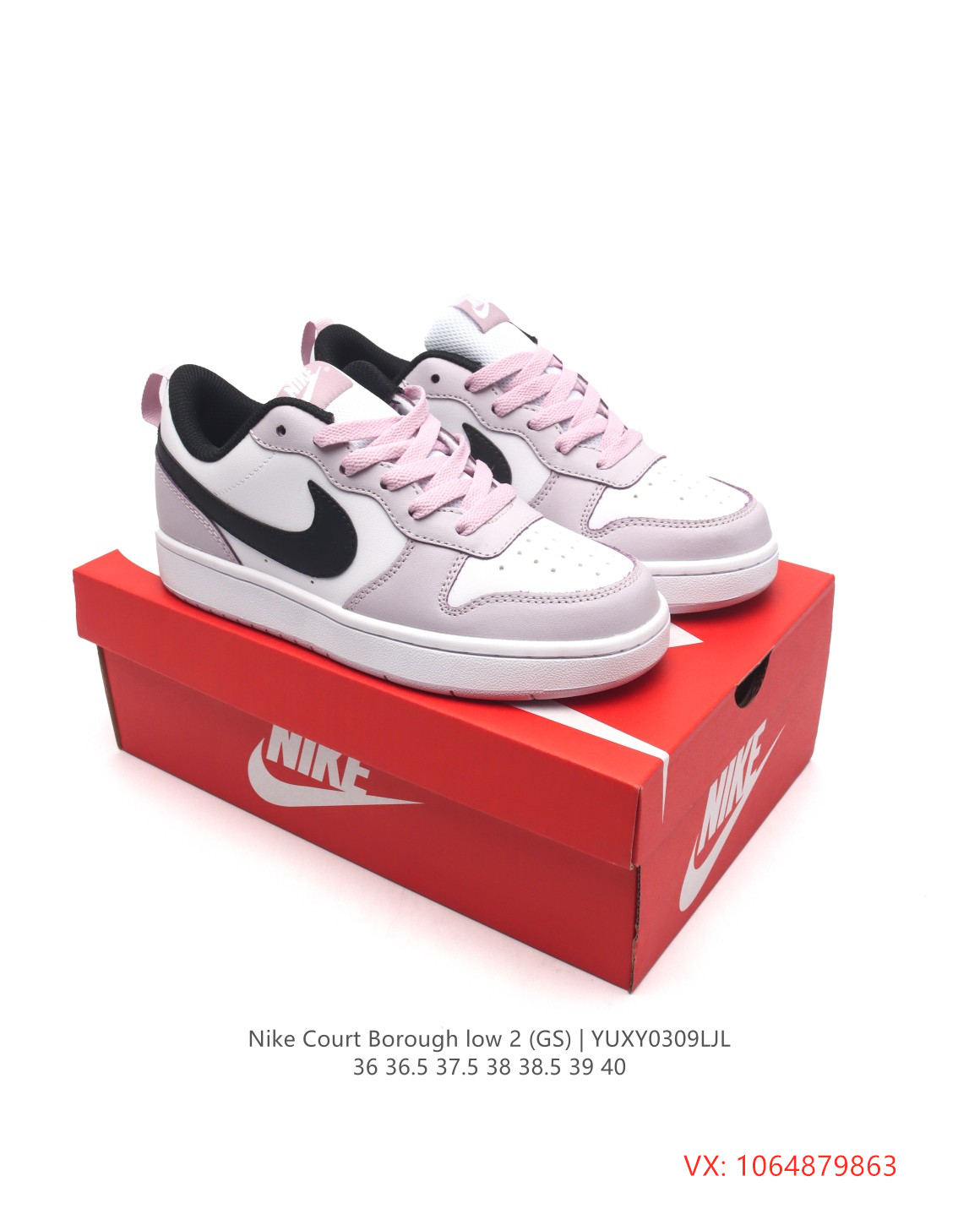
When you finally receive the sample, check the alignment. Look at the swoosh logo. Is it centered? Does the curve match the original design? Check the tongue label. Is the font correct? Many vendors cut corners on the small details because they think no one notices. But you will notice. If the glue is visible on the side, reject it immediately. Do not be polite. In this business, being polite gets you bad products. Tell them exactly what is wrong. If they fix it quickly and offer a discount, they are worth keeping. If they argue or blame you, find a new partner. The goal is to build a relationship where quality is non-negotiable.
Negotiating and Building Long-Term Trust
once you have found a good sample, it is time to talk numbers. Do not just ask for the price. Ask for the volume discount structure. How much does the price drop if you order ten pairs versus fifty? Be honest about your budget. I have seen buyers try to lowball too hard and end up with nothing. The vendors here respect honesty. If you say you are starting a small brand and need high-quality stock to prove yourself, they might give you better terms than if you pretend to be a giant corporation. Also, discuss the shipping method. FOB (Free on Board) is common, but make sure you know who handles the customs clearance. Many foreigners get stuck because they did not clarify the Incoterms.
Avoiding the Common Pitfalls
There are traps everywhere. One common scam is the "deposit trap." Never transfer a large sum of money before seeing the goods. Use a secure payment method or meet in person to handle the cash. Another issue is the "switch." Sometimes, a vendor shows you a perfect shoe, takes your deposit, and then sends a cheaper version. To avoid this, insist on a video inspection before they pack the box. Send them a list of specific checks: count the stitches, measure the sole thickness, check the box label. Make them feel watched. Finally, beware of the middlemen. There are many guys who claim to be agents but are just brokers taking a cut. Try to deal directly with the factory owner or the main showroom manager. It saves money and gives you more control.
Final Thoughts from the Ground
Becoming an agent in Putian is not a quick fix. It requires patience, observation, and a willingness to learn the local culture. The market changes every day. New molds come out, old ones fade, and trends shift. If you treat this as a serious business and invest time in building relationships on the ground, you will find partners who will help you grow. Don't rely on Google reviews alone. Come here, walk the floors, shake hands, and see the product with your own eyes. That is the only way to win in the game of Putian footwear sourcing.