Why Shenzhen Is a Trap for Buying Putian Shoes (And Where You Actually Need to Go)
Listen, I've been running a stall in the Anfu Economic Zone of Putian for over fifteen years. I've seen thousands of foreigners walk into my shop with a map in their hand, asking exactly where in Shenzhen they can buy "Putian shoes." Let me be brutally honest with you: if you are looking for genuine high-quality replicas or factory-direct sneakers in Shenzhen, you are already walking into a trap. Shenzhen is a tech hub, a design center, and a legitimate manufacturing base for big brands, but it is not the source of the "Putian" supply chain. The moment you step off the train in Shenzhen and start searching for "Putian shoes," you are likely going to get scammed by middlemen selling low-quality stock at inflated prices.
The truth is, the entire ecosystem of what the world calls "Putian shoes" is concentrated in one specific place: Fujian Province, specifically the city of Putian and its famous Anfu District. When people ask about Shenzhen, they are usually confused because many logistics companies operate out of Shenzhen, or because some fake shops in Shenzhen claim to have "direct access" to the factories. Don't fall for it. As an old boss who has dealt with buyers from the US, Europe, and Australia for decades, I need to tell you that your money is safer if you skip Shenzhen entirely and fly straight to Putian.
The Reality of the Anfu Market: A Local's Perspective
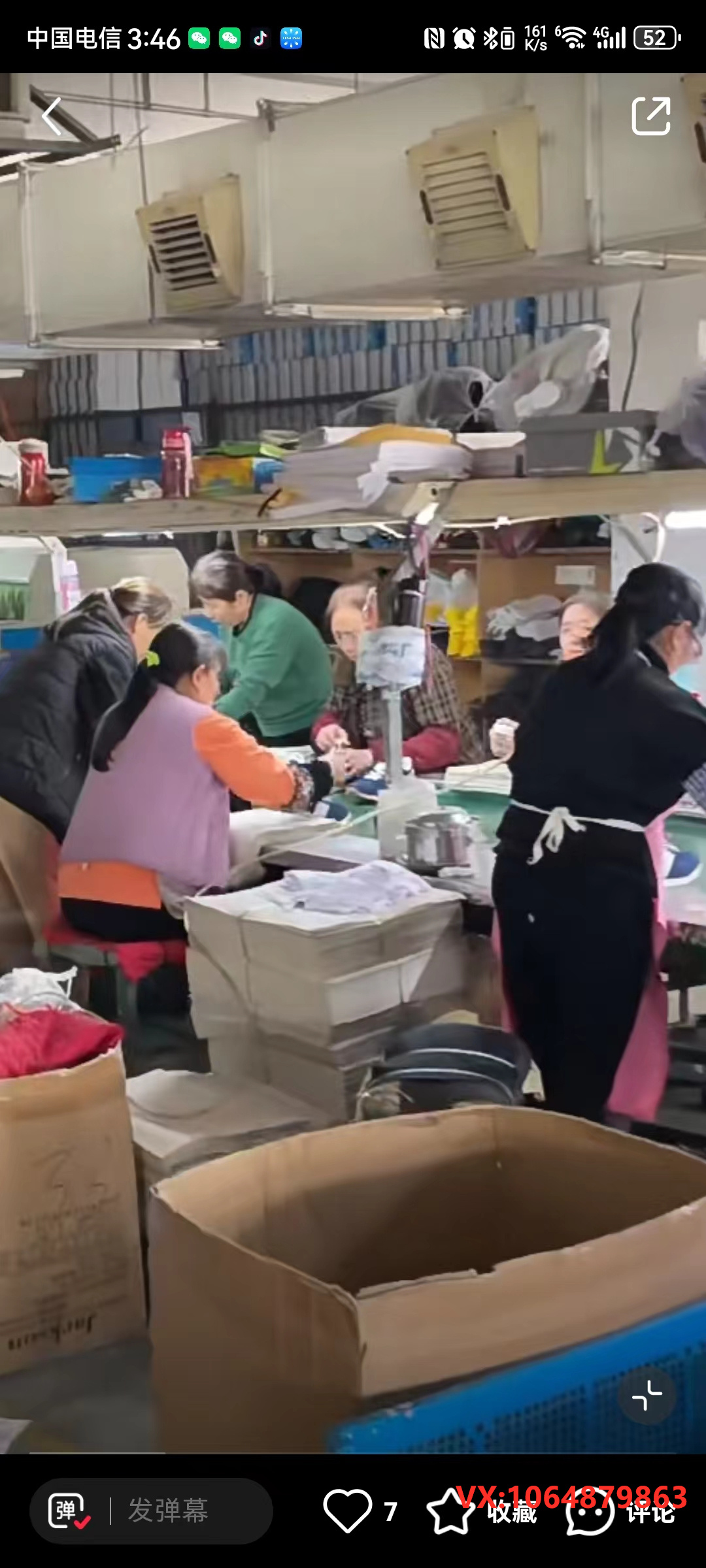
Anfu is not just a market; it is a living, breathing organism of the replica sneaker industry. If you want to find the real deal, this is where you must go. Unlike the clean, air-conditioned malls in Shenzhen, Anfu is gritty, chaotic, and incredibly efficient. It is divided into several main buildings, each specializing in different tiers of quality. You cannot just walk in and expect to find everything in one spot. You need to know which building houses the "1:1" top-tier goods versus the lower-end "market version" stuff.
Navigating the Buildings: Where the Real Goods Are
When you arrive in Anfu, your first stop should be Building 1 and Building 2. These are the historic cores where the most established factories have their showrooms. If you are looking for the highest quality materials—like the real Flyknit uppers, Boost midsoles, and premium leather—you will find them here. However, do not expect to see these products on the shelves openly. That is illegal. Instead, you need to talk to the bosses. They will pull out samples from under the counter or show you photos on their phones. This is the standard operating procedure.
For those looking for slightly more affordable options but still decent quality, head to Building 3 and the surrounding alleyways. Here, you will find smaller workshops and resellers. The prices are lower, but so is the consistency. As someone who has sourced from every corner of Anfu, I can tell you that the gap between a $50 pair and a $150 pair often comes down to the specific factory batch, not just the price tag. In Shenzhen, you might pay $80 for a shoe that looks okay but falls apart in a month. In Anfu, for the same price, you can get a pair that lasts years if you know how to inspect it.
How to Source Like a Pro: Avoiding the Scams
Many foreign buyers come to China expecting a smooth transaction, but the reality of sourcing in Anfu is very different. There is no fixed price list, no English-speaking customer service desk, and no return policy unless you negotiate it beforehand. The biggest mistake I see foreigners make is trying to buy directly from a random stall without building a relationship. In this business, trust is currency. If you walk in as a stranger, you will get the "tourist price," which is often double the wholesale rate.
The Art of Negotiation and Inspection
When you approach a booth, do not ask for the price immediately. Ask about the material, the sole type, and the production time. A good seller will appreciate your knowledge. For example, if you ask about the density of the EVA foam or the stitching pattern on the heel, they will know you are serious. once you establish that rapport, the price drops significantly. I remember a buyer from Canada last year who wanted to buy 50 pairs of Jordan 4s. He started by asking for the cheapest option. The seller quoted him $60 per pair. After I stepped in and explained he was buying for resale and needed consistent quality, we negotiated a deal at $45 per pair for the "top tier" version. That is a $350 difference on a single order just because he didn't know how to talk to the locals.
Inspection is critical. Never accept a shipment based on photos alone. Always ask to see the actual product before paying. Check the glue lines, the alignment of the swoosh, and the smell of the rubber. In Anfu, there are "quality control" experts who work for the sellers, but you need to be your own QC. If you are unsure, bring a local agent or hire a guide. Many buyers think they can save money by skipping this step, but getting stuck with bad stock is the fastest way to lose your reputation.
Logistics and Shipping: Getting Your Goods Home
once you have selected your shoes, the next challenge is shipping. This is where Shenzhen often confuses people. While the factories are in Putian, many shipping agents use Shenzhen as a consolidation point. However, you don't need to go to Shenzhen to ship. Most Anfu vendors have direct relationships with couriers like SF Express or specialized freight forwarders who handle international shipments daily. They can ship directly from Putian to your door in the US or Europe.
If you choose to consolidate in Shenzhen, be aware that you are adding an extra layer of handling. Every time a package moves from Putian to Shenzhen and then to the airport, there is a risk of damage or loss. For small orders, direct shipping from Anfu is faster and cheaper. For large bulk orders, you might want to use a third-party warehouse in Shenzhen, but only if you have a trusted contact there. Do not rely on random Google searches for "Shenzhen shipping agents." Stick to the contacts provided by your Anfu suppliers.
Summary of Key Differences: Shenzhen vs. Putian
| Feature | Shenzhen (The Myth) | Putian Anfu (The Reality) |
|---|---|---|
| Product Quality | Mixed, often low-grade replicas sold as high-end | Wide range from low to ultra-high quality (1:1) |
| Price | Inflated due to middlemen and rent | Direct factory pricing, highly negotiable |
| Selection | Limited stock, mostly older models | Huge inventory, latest releases available within days |
| Communication | Often requires translators, formal tone | Direct access to factory owners, casual negotiation |
| Trust Factor | Low, high risk of scams | High, built on long-term relationships |
Final Thoughts: Trust Your Instincts
As an old boss in the trade, I have seen too many buyers waste money chasing ghosts in Shenzhen. The "Putian shoe" industry is complex, but it is transparent if you know where to look. The key is to go to the source. Visit Anfu, walk the floors, talk to the bosses, and build your network. Don't let anyone tell you that you can get the same experience in Shenzhen. The culture, the speed, and the quality are unique to Putian. If you follow this advice, you won't just find a supplier; you will find a partner who understands your business and helps you grow. Remember, in this game, knowledge is power, and location is everything.