Walking the Floors: How to Spot Real Quality in Putian Shoes
I have been standing behind this counter in the Anfu Electronic City for over fifteen years. While you might see me on Alibaba or WeChat, my real expertise comes from the dust and noise of the wholesale market itself. I have watched thousands of foreign buyers walk through these doors, eyes wide, clutching their phones with translation apps, looking for "the best quality." They often leave disappointed because they are looking at the wrong things. If you want to know where to look for China Putian shoe quality, forget the glossy photos on your screen. You need to get your hands dirty.
The First Rule: Ignore the "Grade" Labels
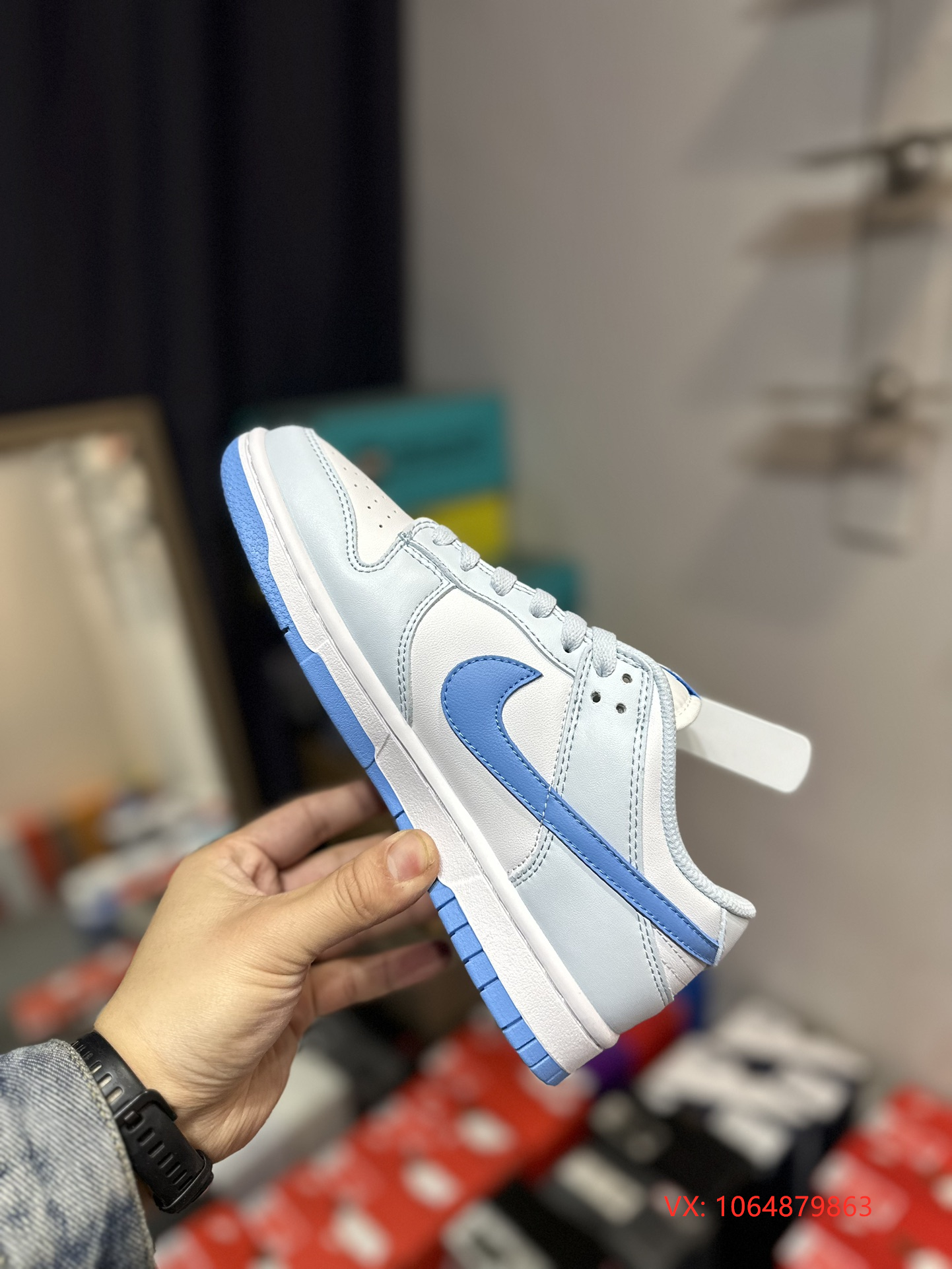
When I first started talking to overseas clients, they would ask, "Do you have the 1:1 version? Or the top tier?" It is a trap. In the Putian market, there is no official standard for "top tier." One factory's "top tier" is another factory's average. The only way to judge quality is by physical inspection. When I show you a pair of shoes, I do not tell you what grade it is. I tell you to look at the glue lines. A genuine high-quality pair will have glue that is barely visible, applied cleanly without excess seepage onto the fabric. If you see white glue stains on the midsole, walk away. That is a sign of a rushed production line, usually found in the cheaper workshops down the street from the main Anfu building.
Where to Stand: The Layout of Anfu Market
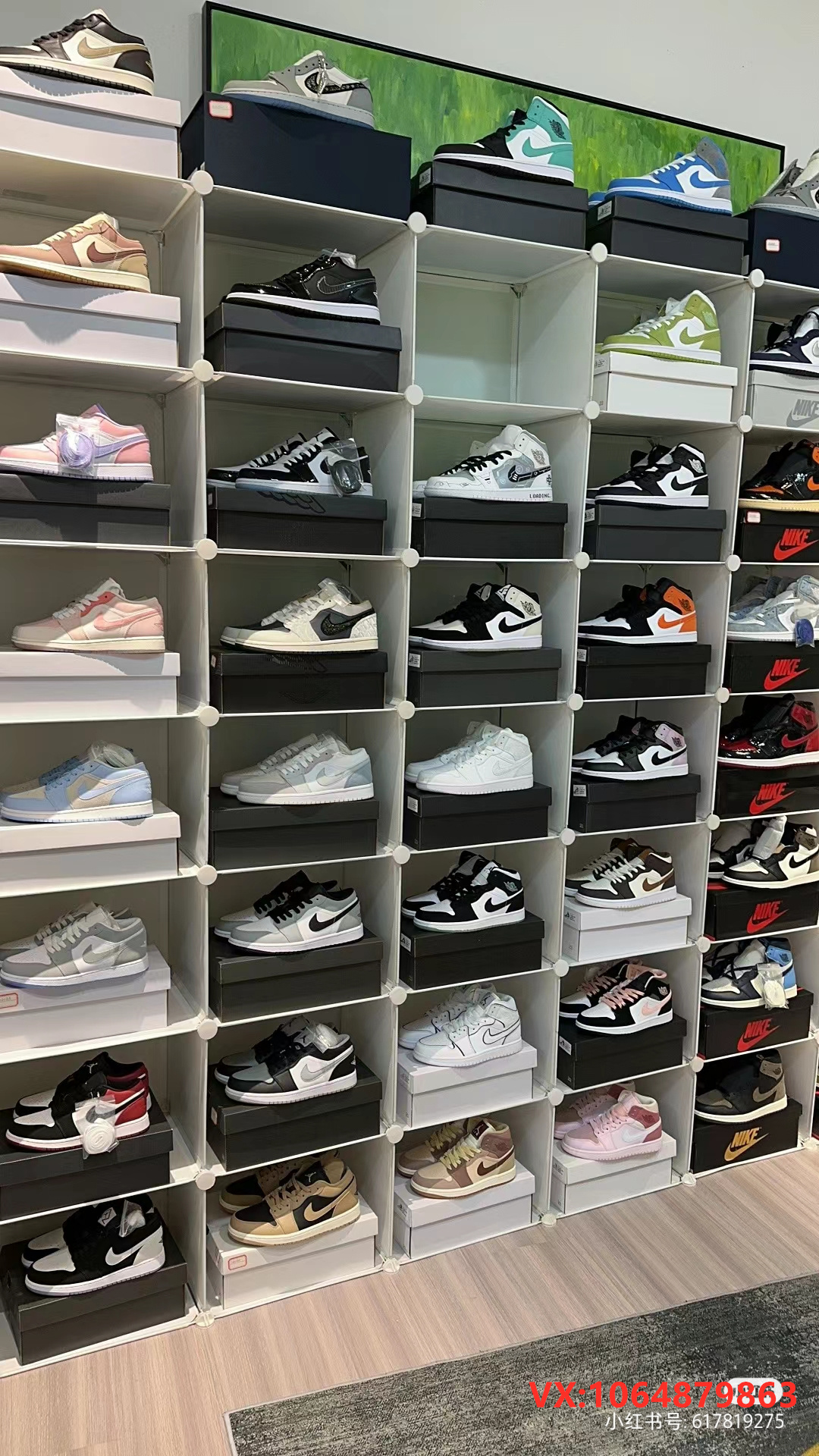
You cannot just wander into any building and expect to find premium goods. The Anfu Electronic City is massive, but the quality varies wildly by floor. The ground floor is mostly for tourists and low-end knockoffs. If you are serious about sourcing, go straight to the third and fourth floors. This is where the serious factories keep their sample rooms. These are not open stalls; they are semi-private offices. You will see rows of boxes stacked high, and the air smells like rubber and fresh leather. This is where the "real" Putian shoe quality is negotiated.
Inspecting the Materials: Leather vs. Synthetic
Let's talk about the upper material. Many buyers think all leather looks the same. It does not. When I am showing you a pair of high-end sneakers, I pull out a magnifying glass. Look at the grain. Real cowhide has natural pores and irregularities. If the pattern repeats perfectly every inch, it is synthetic PU, even if they call it "premium leather." I once had a client from Germany who wanted to buy 500 pairs. He thought he was getting full-grain leather based on the price. When we touched the samples, I showed him the texture under the light. It was too smooth. We switched to a different supplier on the fourth floor who used actual split leather with a better finish. The cost went up by $2 per pair, but the return rate dropped to zero. That is the difference between a good deal and a bad one.
The Midsole and Outsole: The Heart of the Shoe
This is where most scams happen. The foam inside the sole determines the comfort and durability. Cheap versions use recycled foam that feels hard and breaks after a month. High-quality versions use fresh EVA or TPU compounds that bounce back immediately when you press them. I always tell my clients to do the "finger test." Press your thumb into the midsole. If it leaves a deep dent that doesn't pop back instantly, it is low density. Also, check the outsole traction. Run your finger across the bottom. It should feel slightly sticky, not slippery. I remember a batch of Air Jordan replicas that looked perfect from the outside but had a hollow sound when tapped. The internal structure was weak. We rejected the whole order right there in the warehouse.
Negotiating and Avoiding Scams
once you find a stall you trust, the negotiation begins. Do not be afraid to ask for a video call from the factory floor. Some sellers claim they are the factory owner but actually work for a middleman. To verify this, ask to see the specific machine used for stitching. A real factory will show you the sewing machines and the cutting tables. Middlemen usually just have a laptop and a few sample boxes. Also, never pay 100% upfront. The standard practice in Putian is 30% deposit, 70% before shipping. If a seller demands full payment, run. There are too many stories of people losing money to fake suppliers who disappear after the deposit.
Specific Recommendations: Where to Find the Best
If you are coming to Putian, here are some specific locations and names I can vouch for based on my years of experience. For high-end leather materials, head to the Anfu Building, Floor 4, Stall 402. The owner, Mr. Chen, specializes in premium leather sneakers. His shop is small, but the quality control is strict. He does not sell cheap fakes; he focuses on the "original mold" versions. Another great spot is the Hongda Building, Floor 3, Unit 305. This place is known for their running shoes and basketball models. They have their own injection molding machines, which means they control the foam density directly. If you need custom colors or specific sizing, go to Stall 208 in the New Anfu Plaza. The team there is very responsive to foreign buyers and speaks decent English. They have a dedicated QC team that checks every pair before boxing.
| Feature | Low-Quality (Avoid) | High-Quality (Target) |
|---|---|---|
| Glue Lines | Visible white residue, messy application | Clean, minimal glue, seamless edges |
| Midsole Density | Hard, leaves permanent indentations | Bouncy, returns to shape instantly |
| Leather Texture | Perfectly repeating pattern, plastic feel | Natural pores, irregular grain, soft touch |
| Seller Location | Ground floor, tourist traps | Floor 3-4, Anfu/Hongda buildings |
| Payment Terms | 100% upfront required | 30% deposit, 70% before shipment |
Final Thoughts: Trust Your Eyes, Not Your Ears
The Putian market is evolving. It is no longer just about making cheap copies; it is about craftsmanship. But the key remains the same: you must see the product. Do not rely on screenshots sent via WhatsApp. Ask for live videos, ask for close-ups of the stitching, and if possible, come here yourself. The distance between a $20 shoe and a $60 shoe is often just a few millimeters of better material and more hours of labor. As an old shop owner, I respect buyers who know what they are looking for. They are the ones who build long-term relationships with us. So, when you are searching for "China Putian shoe quality," remember: look at the glue, feel the foam, and stand on the right floor. That is how you win.