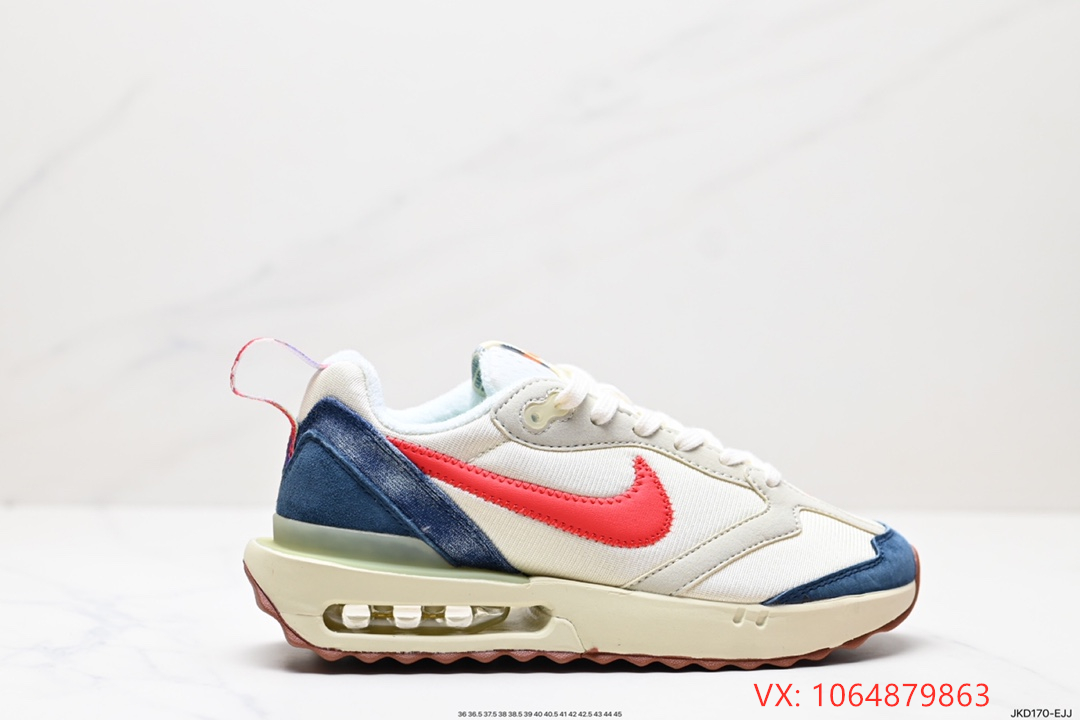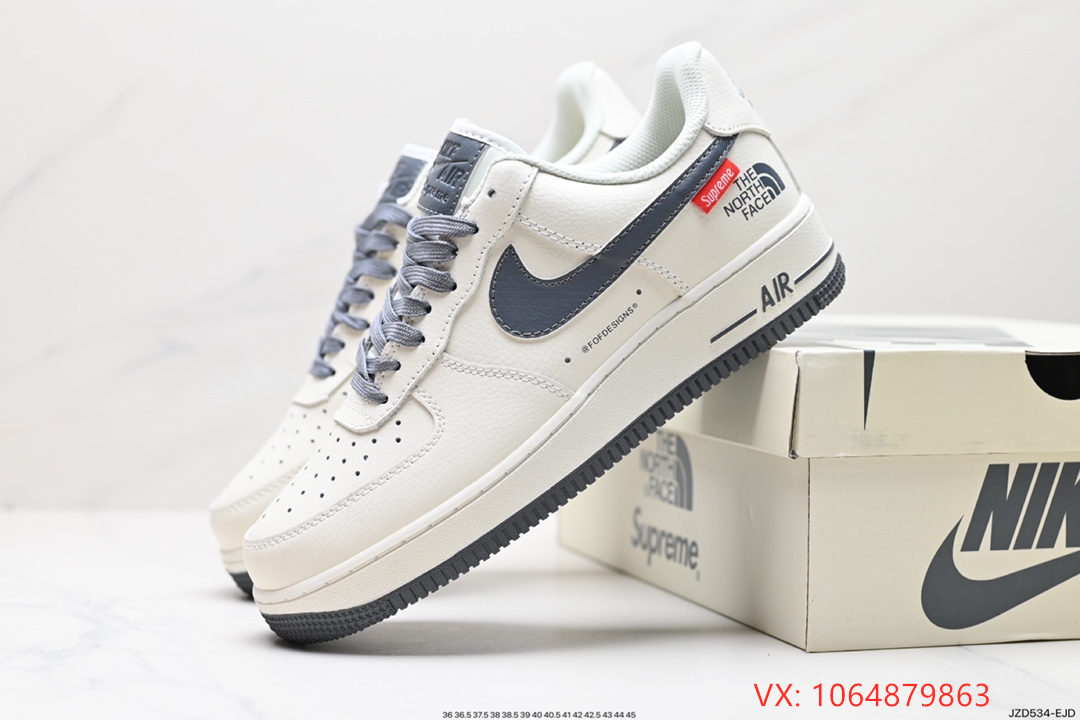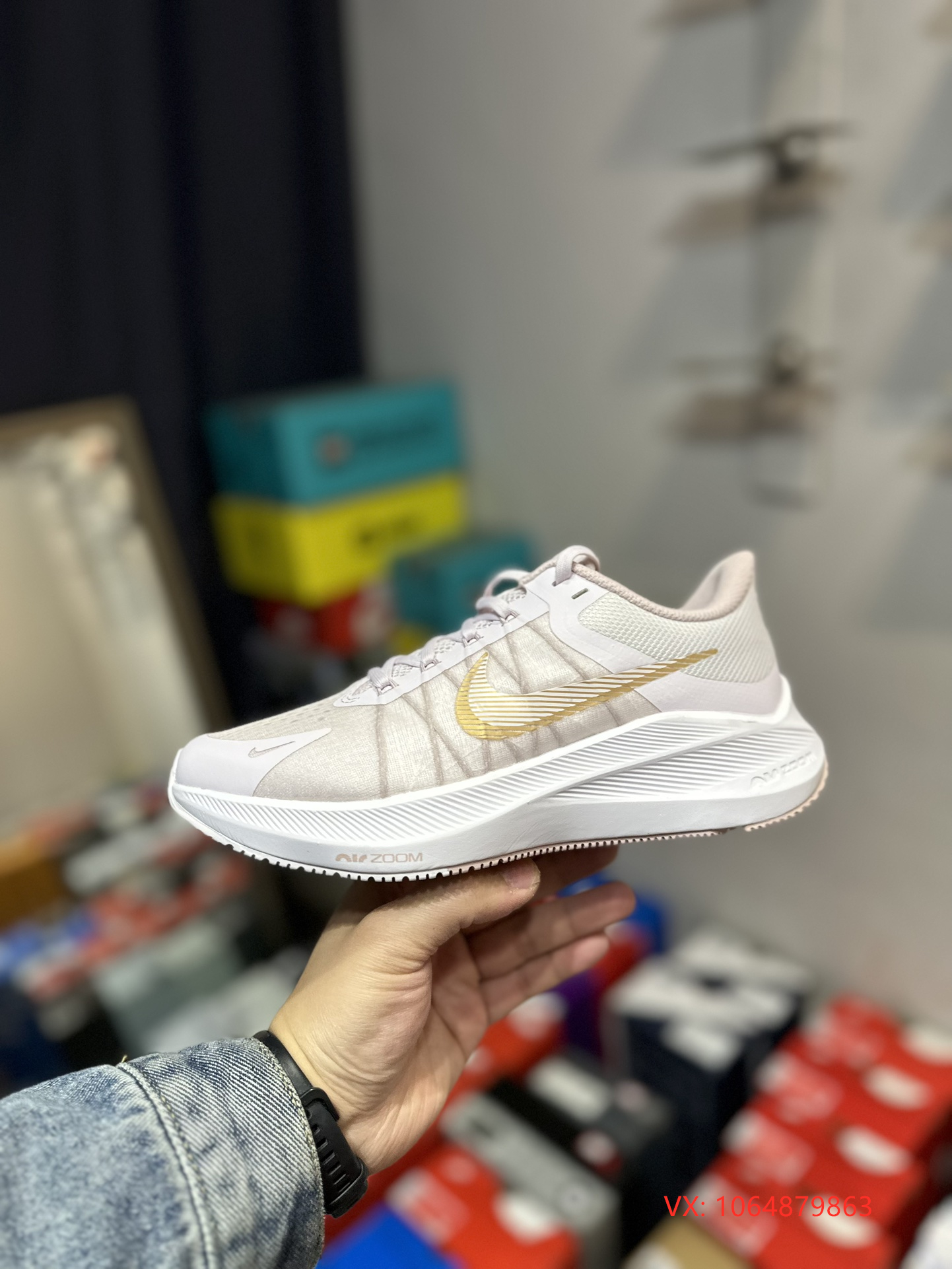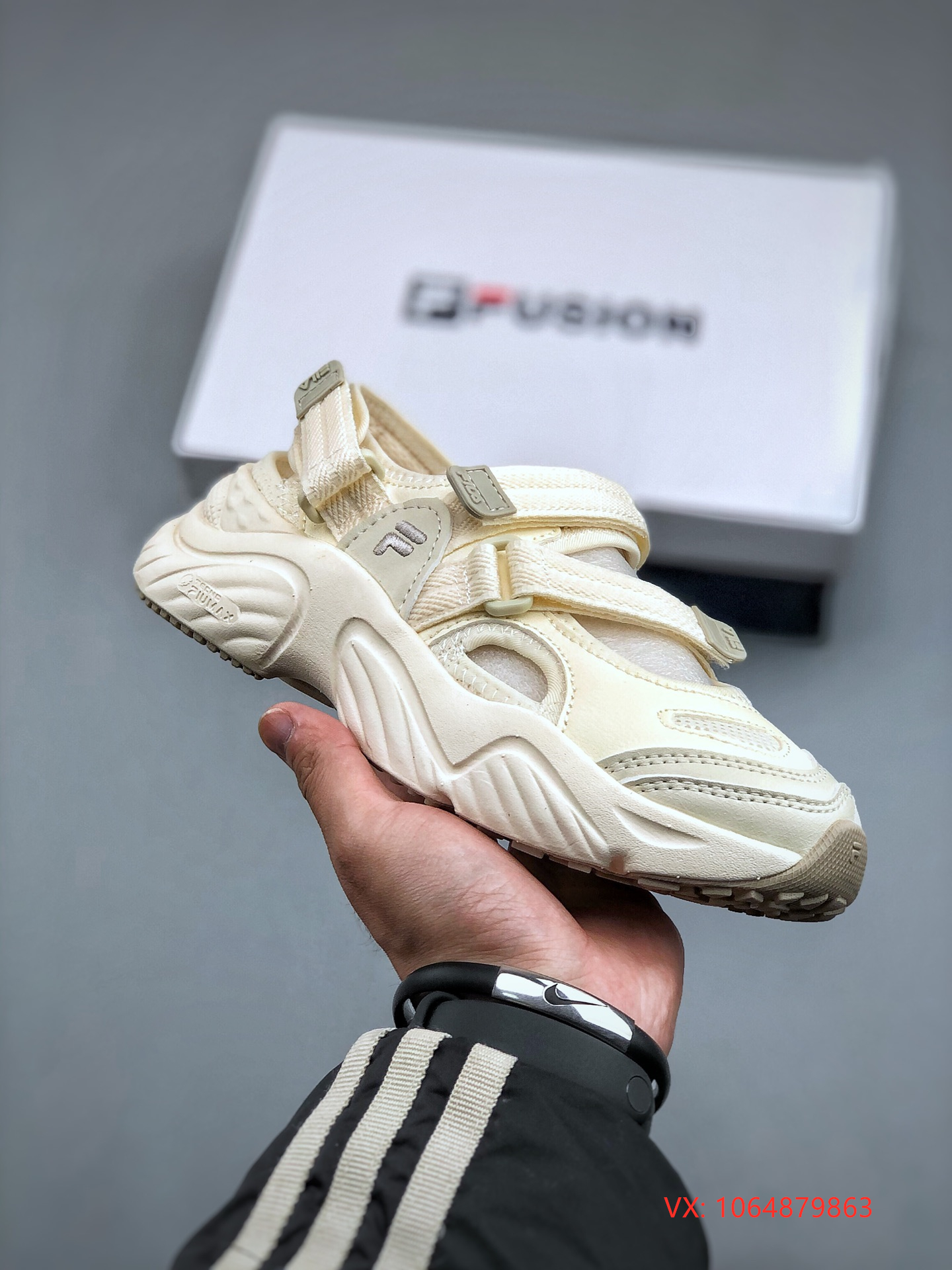
Why You Need to Walk the Streets of Anfu, Not Just Scroll Online
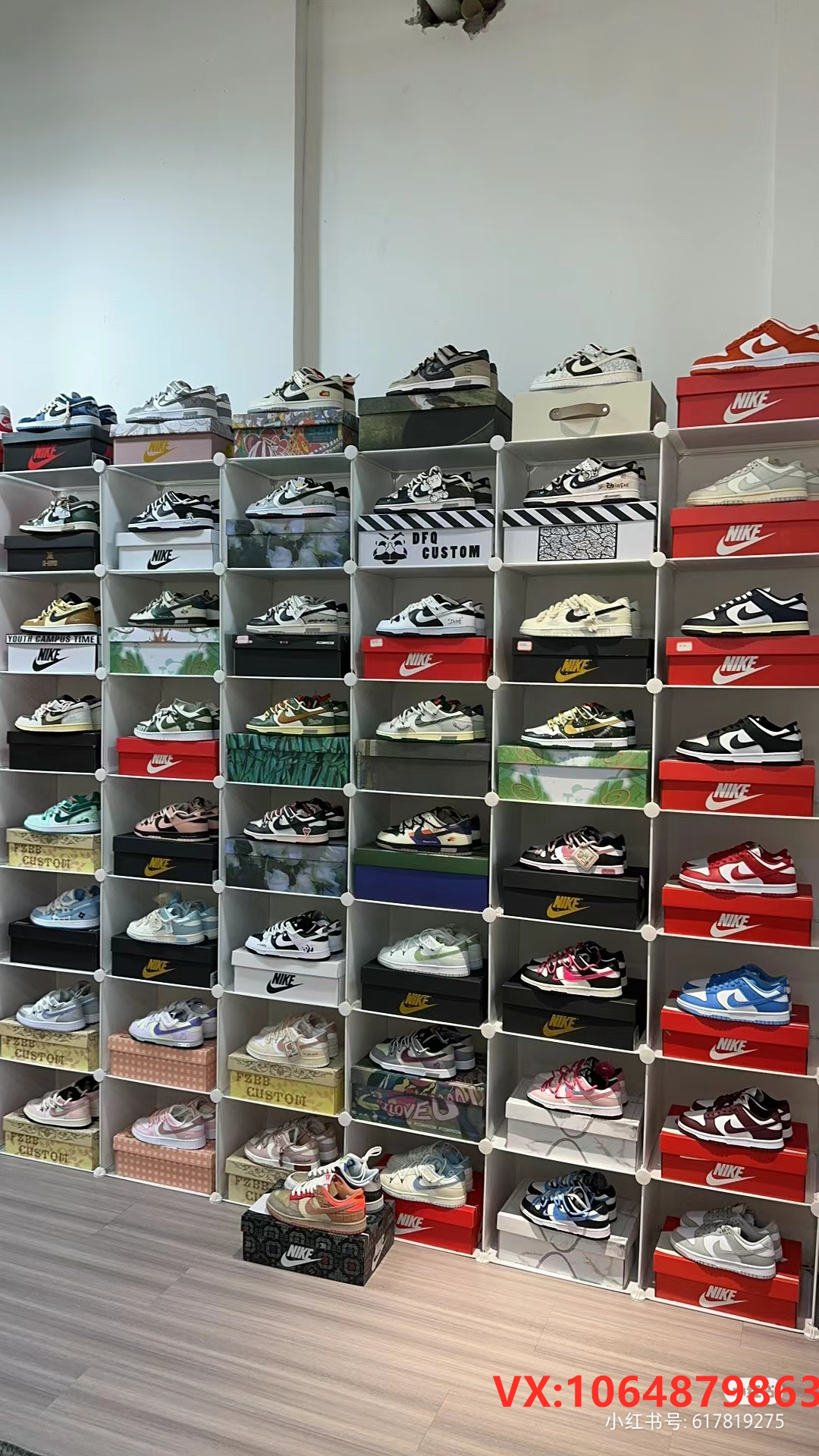
I've been standing behind this counter in the Anfu Electronic City for over fifteen years. I've seen tourists come with their cameras, looking for "the best," and I've seen serious buyers from Europe and America who just want to know where the real goods are hiding. If you are asking me, "Where can I shoot pictures of Putian shoes?" or "How do I find suppliers in Putian?", let me tell you something straight: the answer isn't on a website. It's under your feet.
The internet is full of fake images and stock photos that look nothing like reality. When you walk into the market here, you aren't just looking at a product; you are looking at the heartbeat of the industry. The lighting in these corridors is harsh, the noise is deafening, and the smell of glue and rubber is everywhere. This is where the truth lives. If you want to source high-quality replicas or understand the supply chain, you need to be here physically. No amount of Zoom calls will replace the feeling of holding a shoe made by a factory down the street.
Navigating the Labyrinth: Where to Find the Real Goods
The Heartbeat of Anfu Electronic City
Let's start with the big one: Anfu Electronic City (Anfu Dianzi Cheng). This is not a mall; it is a war zone of commerce. Most foreigners think they can just walk in and buy. That is a mistake. The ground floor is mostly for retail and low-end knockoffs. If you are looking for the "top tier" or what we call the "1:1" versions, you need to go up. Specifically, head to the 3rd and 4th floors. These floors are reserved for the serious wholesalers and the factories that supply the big online sellers.
I remember a buyer from New York last month. He wanted to see the "Luka Doncic" signature line before ordering. On the ground floor, he saw cheap versions with bad stitching. But when we went up to the 4th floor, specifically near the corridor leading to the back exit, we found a stall that had the actual molds used for the production. The difference was night and day. The leather texture, the sole density, the box quality—it all changed once you moved away from the tourist traps.
Beyond Anfu: The Hidden Factories in Xuefeng
Anfu is great for quick sourcing, but if you want to see the manufacturing process, you need to visit the Xuefeng Industrial Zone nearby. This area is less about showrooms and more about the actual workshops. Many of the top-tier brands operate out of small, unmarked buildings here. They don't have flashy signs. You have to know the locals.
For example, there is a specific workshop cluster near the intersection of Xuefeng Road and Huayuan Road. One of my regular partners, a factory owner named Mr. Chen, operates out of Building 7. He doesn't advertise on Google. His business runs entirely on word-of-mouth and WeChat groups. If you ask around the local tea houses in Xuefeng, you might get an introduction. This is where you see the machines running, the workers gluing the soles, and the quality control checks happening in real-time. It is raw, unfiltered, and incredibly efficient.
The Art of Inspection: How to Spot Quality Before You Buy
Reading the Details Like a Pro
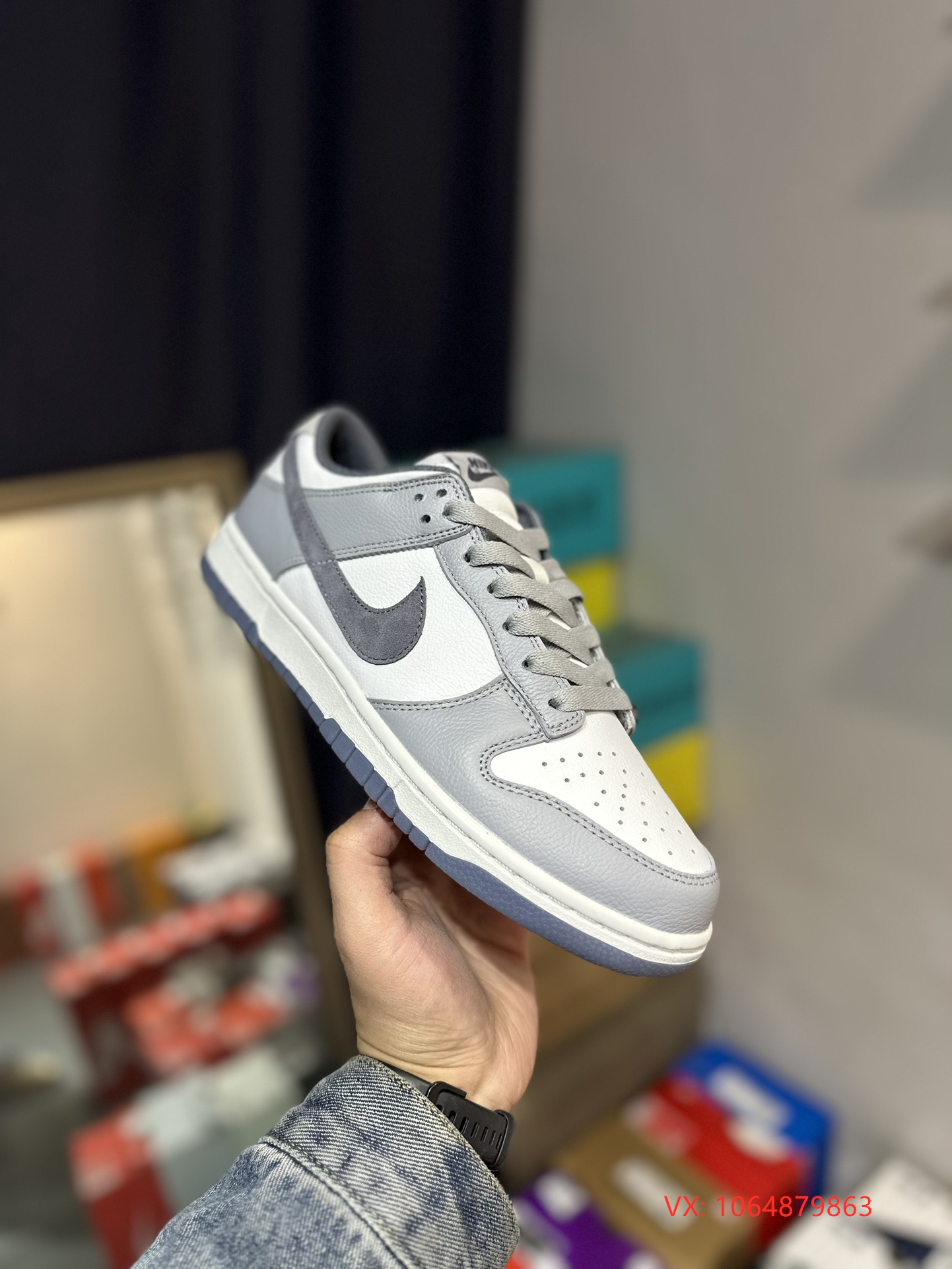
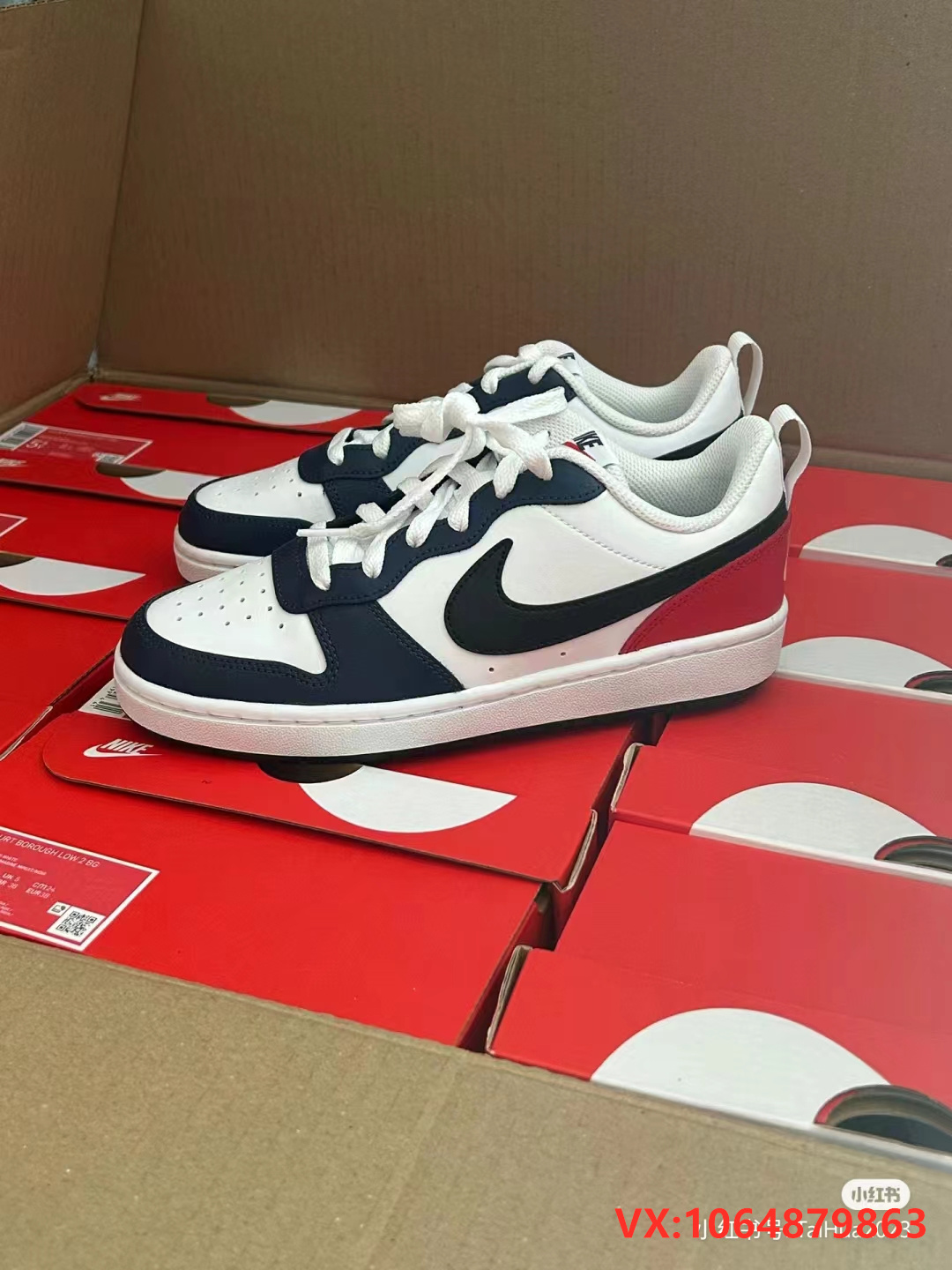
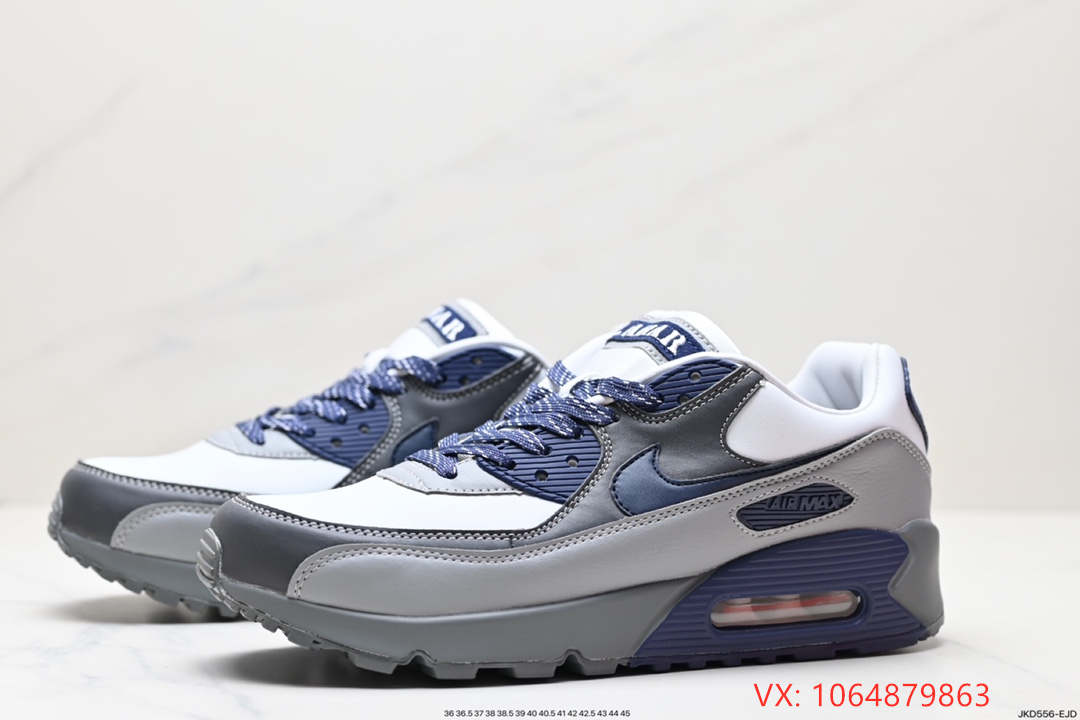
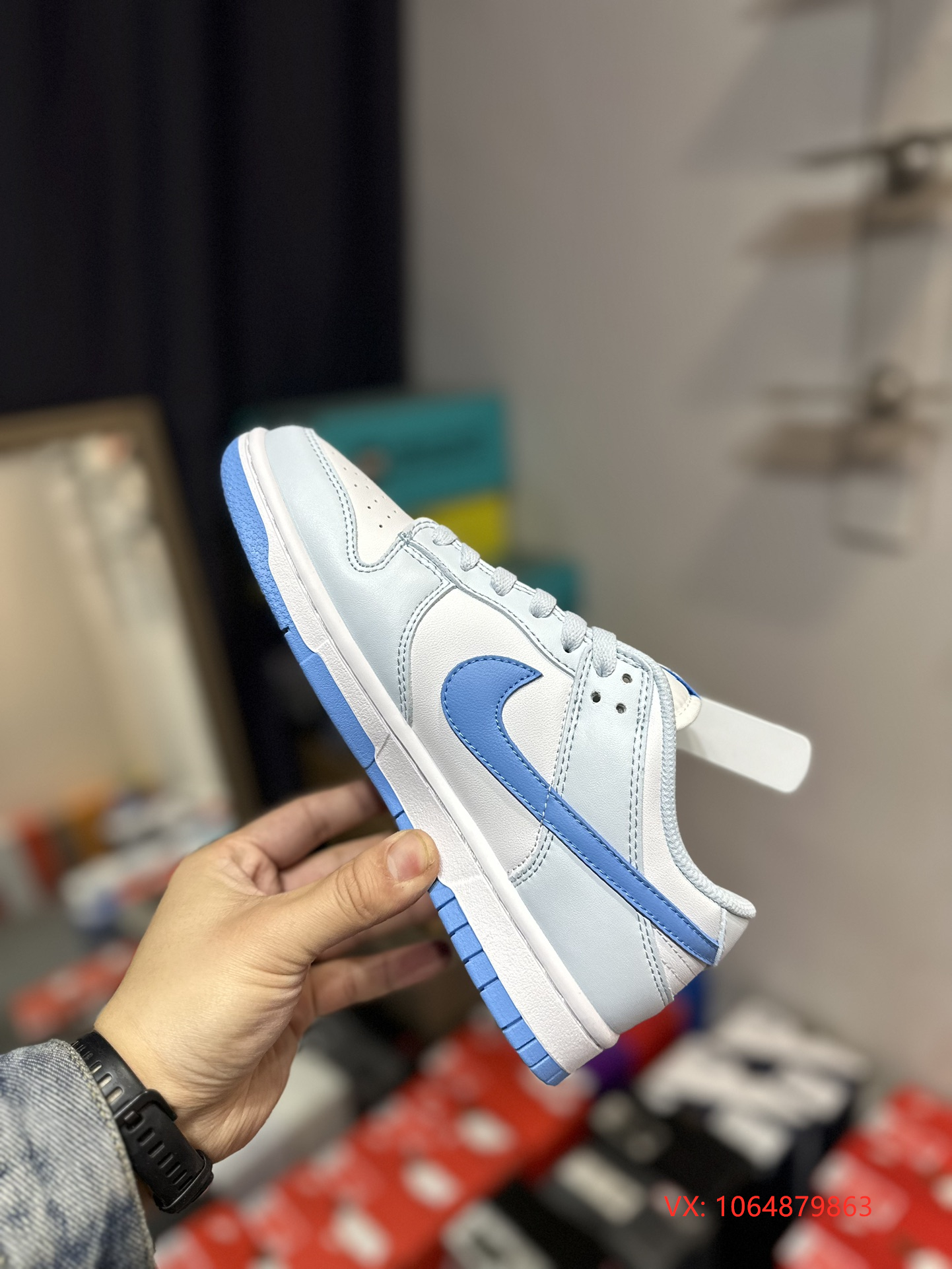
When you are standing in front of a stack of boxes, how do you know if it's worth your money? I teach my international clients to look at three things immediately: the box, the midsole, and the stitching. In Putian, the box is often the first indicator of quality. A cheap box feels flimsy, the color is off, and the barcode doesn't scan correctly. A premium box has a specific weight, a matte finish, and the correct font spacing.
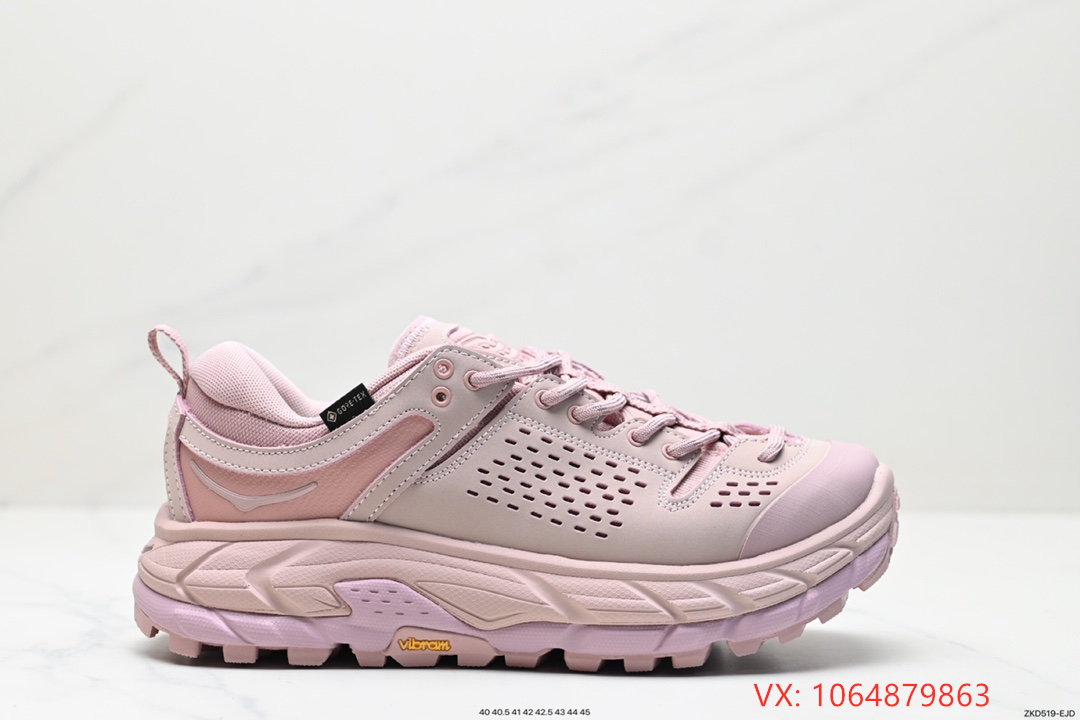
Next, flip the shoe over. Look at the midsole. Does it have the right texture? Is the carbon plate visible and positioned correctly? In the past, we used to hide the carbon plates, but now, with better technology, even the mid-range versions have them. Finally, check the stitching. High-end versions use thread that matches the leather perfectly, with no loose ends. If you see a single loose thread, put it back on the shelf. I've seen buyers lose thousands of dollars because they didn't check the heel tab alignment. It sounds small, but it separates the $50 version from the $80 version.
The "Sample" Strategy: Don't Order Blindly
One of the biggest mistakes foreign buyers make is ordering a bulk shipment without seeing a sample first. Never do this. Even if the seller sends you photos, photos lie. Light angles, camera filters, and editing can make a bad shoe look good. My advice is simple: pay for a sample. Yes, it costs more upfront, maybe $100 to $150 depending on the model, but it saves you from losing thousands later.
When you get the sample, compare it side-by-side with the official product. Check the weight. Check the smell. A high-quality shoe should smell like rubber and glue, not chemical fumes. If the smell is overwhelming, it means they used cheap solvents. I once worked with a client who ordered 500 pairs based on a photo. When they arrived, the smell was toxic. We had to return everything. That cost him $15,000. If he had bought a sample first, he would have caught it immediately.
Dealing with Suppliers: Negotiation and Trust
Building Relationships, Not Just Transactions
In Putian, business is personal. You cannot treat a supplier like a faceless entity on Alibaba. You need to build a relationship. Start by visiting the same stall multiple times. Bring some gifts, maybe some snacks or drinks. Show interest in their work. When you become a familiar face, they will give you better prices and prioritize your orders.
Don't be afraid to negotiate. Prices in Putian are flexible. If you are buying 100 pairs, you can usually get a discount of 10-15%. If you are buying 500 pairs, the margin goes up significantly. But remember, the cheapest price is not always the best. Sometimes, a slightly higher price gets you better packaging and faster shipping. I recommend finding a middle ground. Ask for a "VIP price" after you establish trust.
Avoiding the Scams: Red Flags to Watch For
There are scammers everywhere, even in the heart of the market. Be wary of anyone who asks for 100% payment upfront via Western Union or crypto without a contract. Legitimate suppliers in Anfu usually accept Alipay or bank transfers with a deposit system. Also, be careful of "factory direct" claims. Many stalls claim to be factories, but they are actually middlemen. If they don't have a warehouse nearby or can't show you the production line, they are likely reselling.
Another red flag is the promise of "no questions asked" returns. In the world of replicas, returns are tricky. Most suppliers will only accept returns if the product is defective, not if you simply changed your mind. Make sure you agree on the return policy before you pay. I always advise my clients to record the unboxing video. If there is a defect, you need proof.
Summary: Your Action Plan for Sourcing in Putian
To wrap this up, sourcing in Putian is not about luck; it is about preparation and presence. Here is a quick checklist for your next trip:
| Step | Action | Key Location |
|---|---|---|
| 1. Research | Identify specific models and tiers (e.g., 1:1, Top Tier) | WeChat Groups, Forums |
| 2. Visit | Go to Anfu Electronic City, Floors 3-4 | Anfu Mall |
| 3. Inspect | Check box, sole, stitching, and smell | Stall Counters |
| 4. Sample | Order a sample before bulk purchase | Any Trusted Stall |
| 5. Negotiate | Build rapport, ask for VIP pricing | Tea Houses, Stalls |
| 6. Verify | Check factory location (Xuefeng) if possible | Xuefeng Industrial Zone |
If you follow this plan, you won't just be another tourist taking photos. You will be a serious buyer who understands the market. The shoes in Putian are incredible, but only if you know how to find the right ones. So, pack your bags, bring your camera, and come see the magic for yourself. The real story is waiting for you on the streets of Anfu.