Walking the Floors: My Real Talk on Sourcing High-End Putian Sneakers
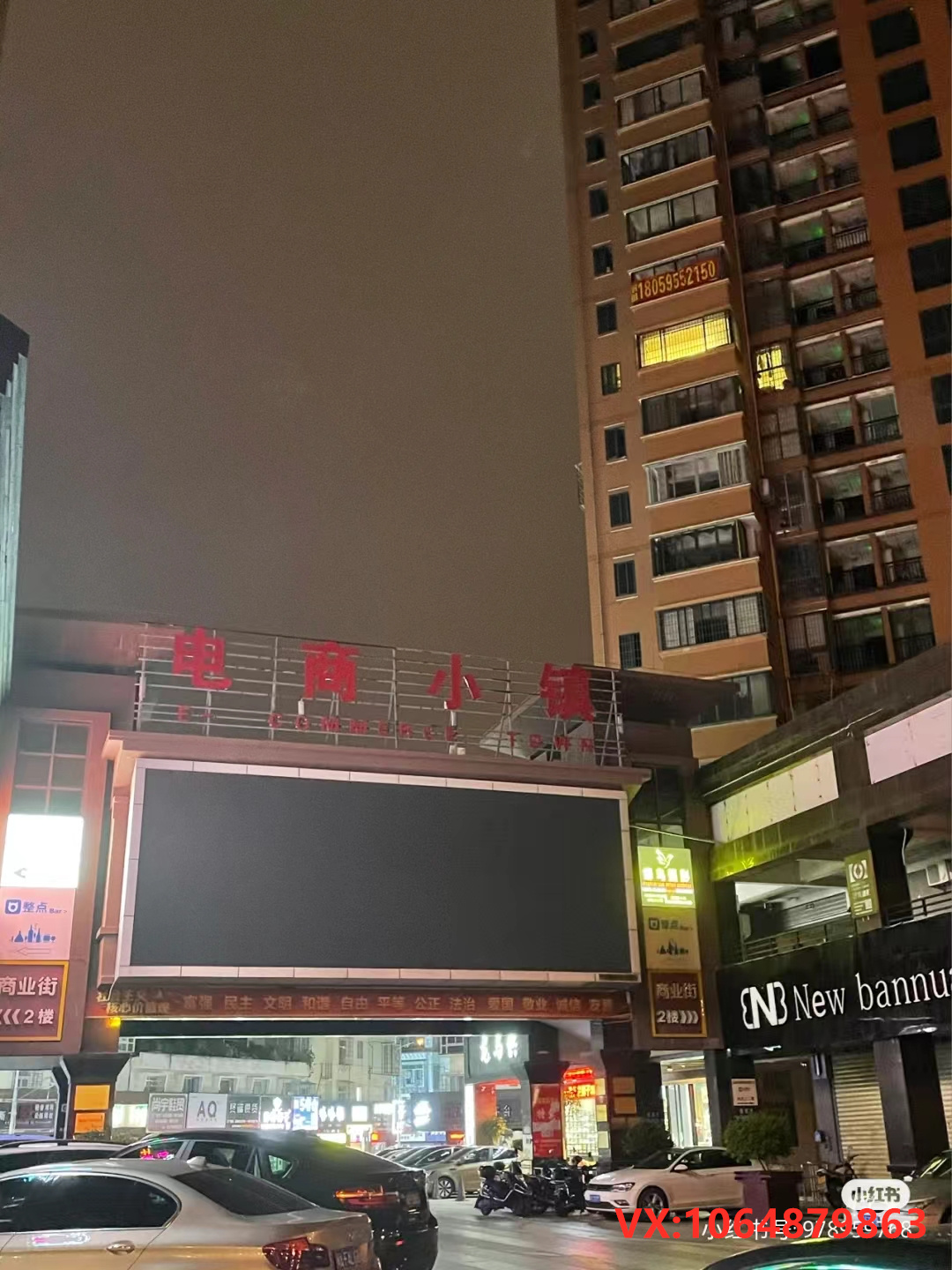
I've been standing behind this counter in the Anfu Electronic City for over fifteen years. While the internet is flooded with generic guides and AI-generated fluff about "where to buy," I want to give you the raw, unfiltered truth from someone who actually lives the supply chain. You are asking about high-end Putian shoes, but let's be honest: there is no single "factory" you can walk into like a retail store. The ecosystem here is complex, layered, and often misunderstood by overseas buyers.
The Myth of the Single Source
First, stop looking for a magic website or a specific factory name that sells everything. If someone tells you they have a direct link to the "top tier" factory without meeting them, they are lying. The reality of sourcing in Putian is about relationships and physical presence. When you arrive at Anfu, you aren't just buying shoes; you are navigating a maze of showrooms, hidden workshops, and quality tiers. The market operates on a strict hierarchy: the "market version" (low end), the "mid-tier," and the "top tier" or "1:1" replicas that are nearly indistinguishable from the originals. To get the real deal, you need to know which floor you are on.
Navigating the Anfu Electronic City: A Local's Map
Anfu isn't just one building; it's a cluster of interconnected structures. Most tourists get lost in the ground-floor retail traps where prices are marked up 50% for foreigners. The real action happens upstairs and in the back alleys.
Floor-by-Floor Breakdown
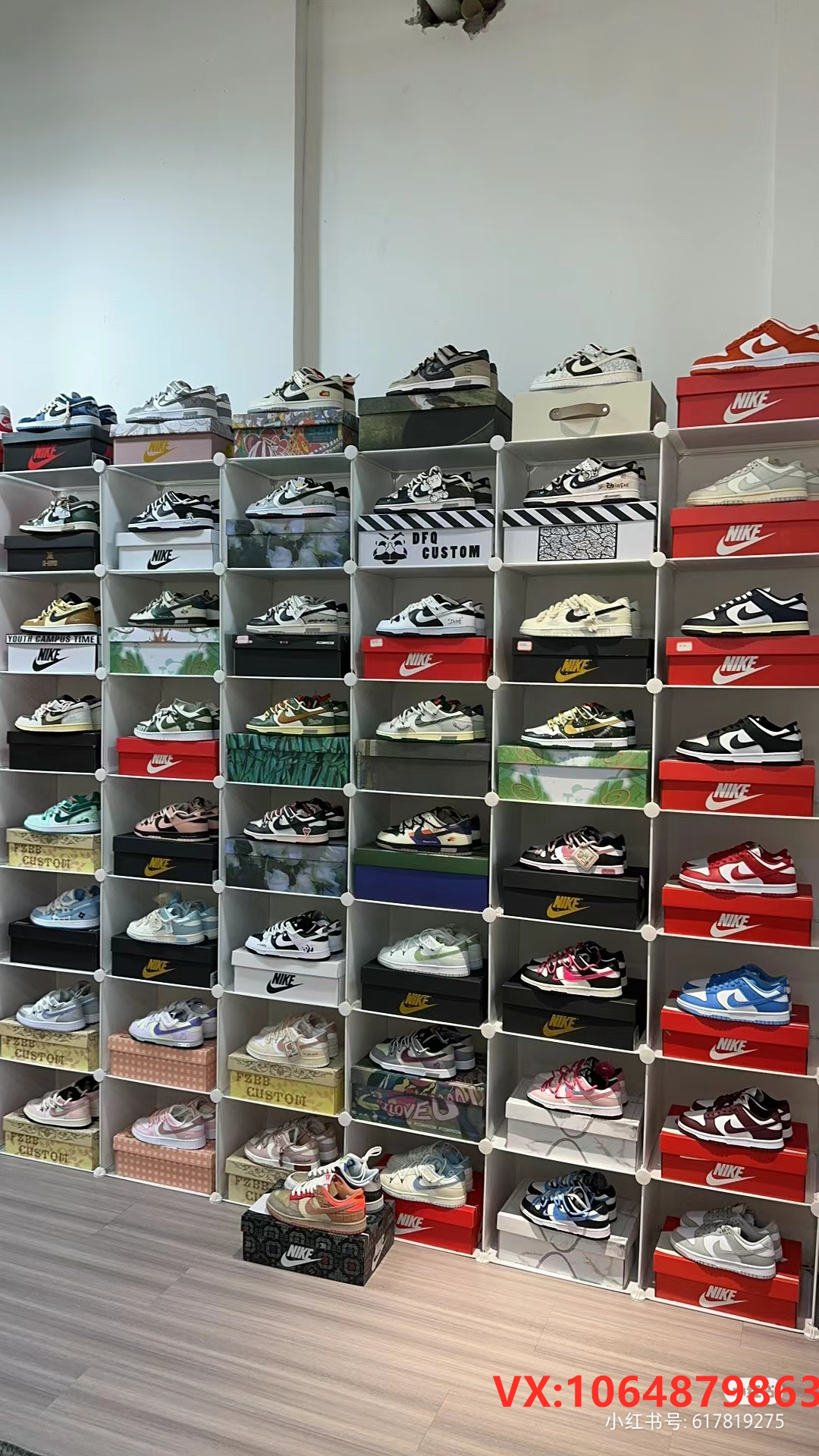
When I guide serious buyers, I tell them to skip the first floor entirely unless you are looking for cheap junk. Head straight to the second and third floors of the main Anfu buildings. This is where the "high-end" vendors operate. Look for shops with glass display cases filled with pristine boxes, not piles of loose shoes on tables. These are your premium suppliers.
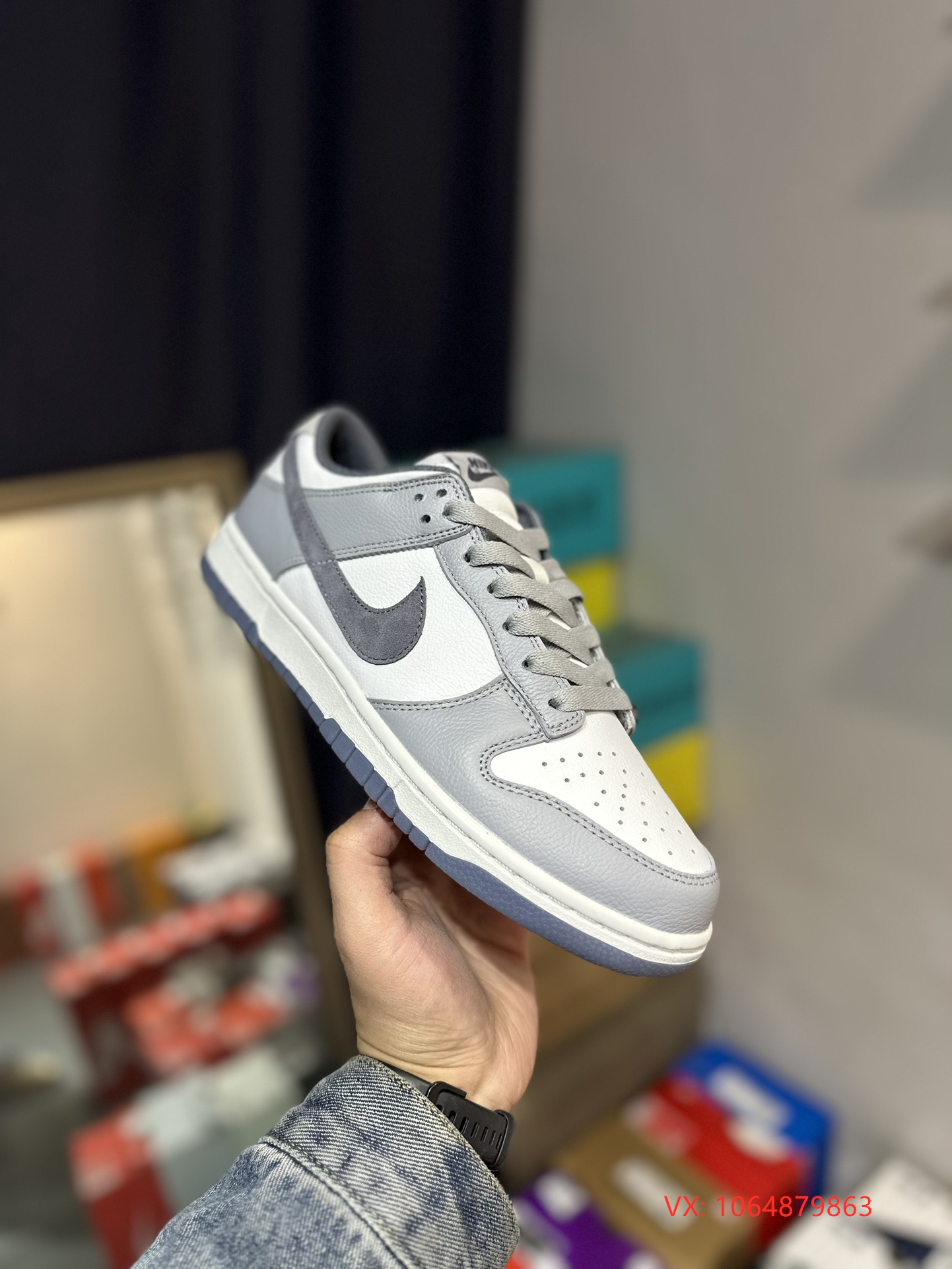
For example, if you are looking for specific Nike Air Jordan 1s or Yeezy models, the vendors on the third floor near the central corridor usually hold the latest molds. They don't advertise on Google Ads; their business comes from word-of-mouth and WeChat referrals. You won't find their names on a public directory, but if you ask around the local tea houses near the market entrance, you'll hear names like "Old Zhang's Workshop" or "The Gold Floor Team." These aren't official brand names; they are nicknames for the most reliable production lines.
The Showroom vs. The Factory
Here is a critical distinction: a showroom is not a factory. Many vendors rent a small office space to display samples while the actual production happens in nearby industrial zones like Chengxiang or Baisha. When you visit a vendor, always ask to see the "raw materials" or the "mold box." If they hesitate, move on. A genuine high-end supplier will proudly show you the difference between the "PU leather" used in mid-tier shoes and the "imported cowhide" used in their top-tier stock. I once had a buyer from the US who bought $5,000 worth of shoes based on photos alone. When they arrived, the stitching was off by two millimeters. That buyer lost money because he didn't verify the physical product.
The Art of Inspection: How to Spot Quality Before You Pay
Sourcing high-end Putian shoes requires a keen eye. The term "1:1" is thrown around loosely, but true quality control is a science. When I inspect goods for my regular clients, I follow a strict checklist that separates the wheat from the chaff.
Material and Construction Checks
Don't just look at the logo. Check the texture of the leather. High-end versions use leather that smells distinctively different from the chemical smell of cheap synthetics. Run your fingers over the heel counter; it should feel firm, not flimsy. Then, look at the glue lines. In the past, Putian shoes were notorious for messy glue stains. Today, the top factories use automated gluing machines that leave almost invisible seams. If you see excess glue, it's likely a lower-tier batch.
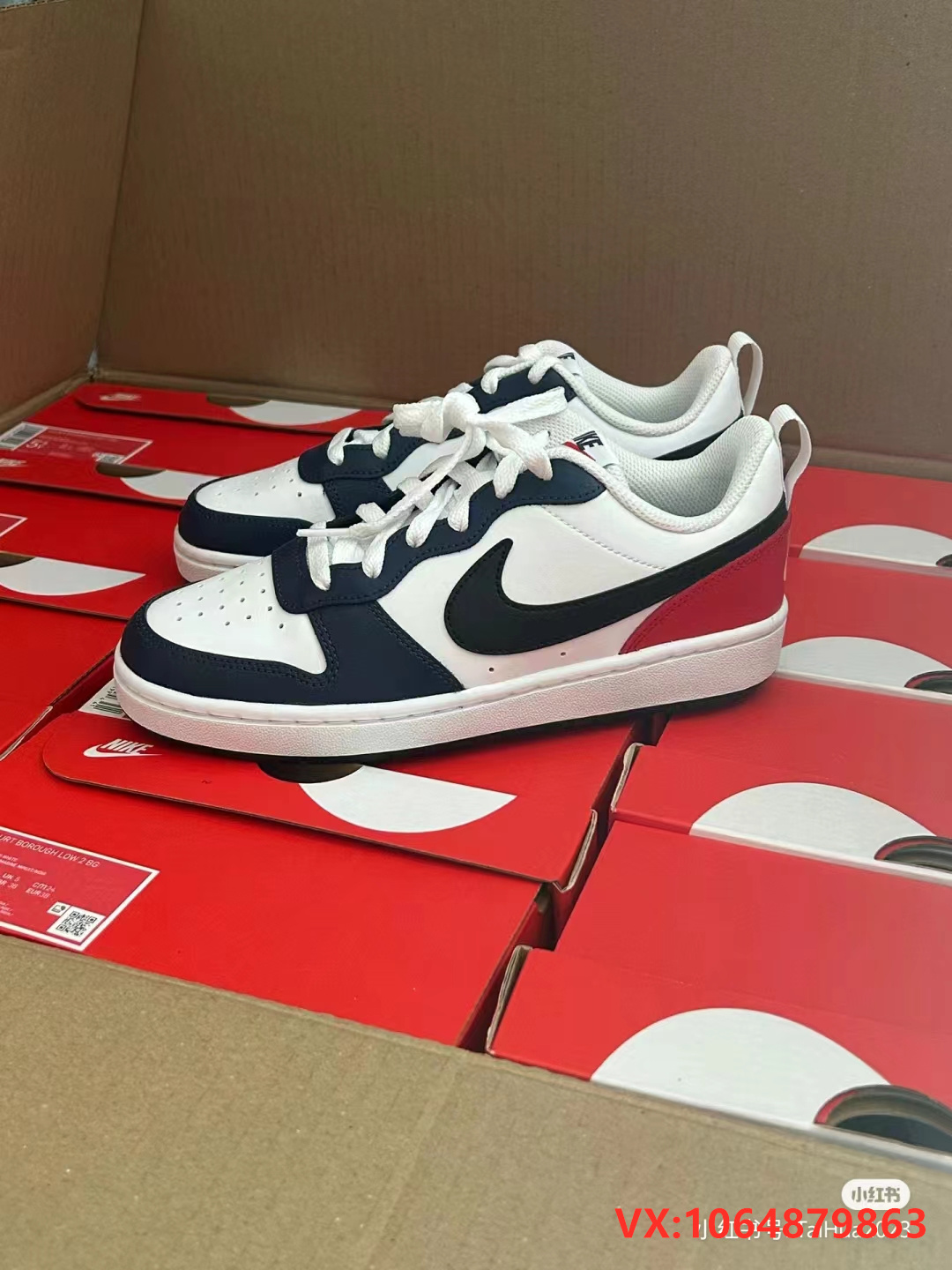
Another trick is checking the midsole foam. The "Boost" technology in Adidas or the "Air" units in Nike have specific densities. Press down on the sole. Does it bounce back immediately? Cheap versions feel spongy and slow. Also, check the box. Authentic-looking boxes are part of the package. The font on the label, the barcode alignment, and even the cardboard thickness matter. I remember a case where a client ordered 100 pairs of "Top Tier" Jordans, but the boxes were slightly too thin. It turned out the vendor swapped the packaging to save costs, ruining the resale value.
The Sample Strategy
Never place a bulk order without seeing a sample first. Even if you trust the vendor, always pay for a sample pair. This is non-negotiable. The cost of a sample ($50-$80) is nothing compared to the risk of a bad bulk order. When you receive the sample, compare it side-by-side with an authentic pair you already own. Measure the length, width, and weight. The weight difference is often the biggest giveaway. High-quality Putian shoes are surprisingly heavy due to better materials, whereas cheap knockoffs feel light and hollow.
Dealing with Vendors: Negotiation and Trust Building
Communication is key. Most high-end vendors speak basic English, but many prefer WeChat. If you are communicating via email or WhatsApp, expect slower responses. WeChat is the lifeblood of this industry. once you establish a connection, you can share photos, videos, and even do live video calls to inspect the stock in real-time.
Pricing and Volume
Let's talk numbers. A top-tier pair might cost you $40 to $60 wholesale, depending on the model and complexity. A mid-tier pair could be $25 to $35. If a vendor quotes you $15, run away. That price point simply cannot cover the cost of high-quality materials and labor. However, prices fluctuate based on volume. If you order 50 pairs, you get a standard discount. If you order 200+, the price per unit drops significantly. But remember, the lowest price doesn't always mean the best quality. Sometimes, a slightly higher price gets you access to the "secret" molds that haven't hit the mass market yet.
Avoiding Scams
The biggest pitfall for foreign buyers is the "deposit scam." Never send 100% payment upfront via Western Union or crypto without a contract. Use Alibaba Trade Assurance or a trusted escrow service if possible. For repeat orders, we usually work on a 30% deposit and 70% before shipping. If a vendor insists on full payment before you see the goods, they are likely a middleman trying to flip your order, not a direct source. Always ask for a video of the specific batch you are buying, not just generic stock footage.
Logistics and Shipping: Getting Your Goods Home
once you have selected your shoes, the next challenge is shipping. Putian has a well-established logistics network for international freight. Most vendors have partnerships with forwarders who specialize in sneaker shipments. They know how to pack the boxes to prevent crushing and how to navigate customs regulations.
Shipping Methods
You have three main options: air express (DHL, FedEx), sea freight, and specialized courier services. Air express takes 3-5 days but is expensive. Sea freight takes 20-30 days but is much cheaper for large volumes. There are also "special lines" that combine air and sea, offering a balance of speed and cost. Be aware that some countries have strict restrictions on replica goods. While Putian vendors are experienced in hiding the contents, you must understand the legal risks in your destination country. Some vendors offer "blind shipping" where the package arrives without any invoice or branding, reducing the risk of seizure.
Summary: Your Action Plan for Success
To summarize my advice after all these years: go to Anfu if you can. If you can't, build a relationship with a trusted agent who knows the market inside out. Don't rely on Google search results alone; the best vendors are offline. Inspect every sample, negotiate based on volume, and never compromise on quality for a few dollars. Here is a quick reference table for what to expect:
| Quality Tier | Wholesale Price Range (USD) | Material Quality | Best For |
|---|---|---|---|
| Market Version | $15 - $25 | Low-grade synthetic, visible glue | Quick sales, low budget |
| Mid-Tier | $25 - $35 | Mixed materials, decent stitching | General retail, casual wear |
| High-End / 1:1 | $40 - $60+ | imported leather, precise molding, clean glue | Resale, collectors, premium brands |
The Putian market is evolving. It's no longer just about copying logos; it's about craftsmanship and attention to detail. If you treat it with respect and approach it with the right strategy, you can find incredible value. But remember, the golden rule of this trade is: trust, but verify. Go to the floor, meet the people, and see the shoes with your own eyes. That is the only way to truly succeed in sourcing high-end Putian sneakers.