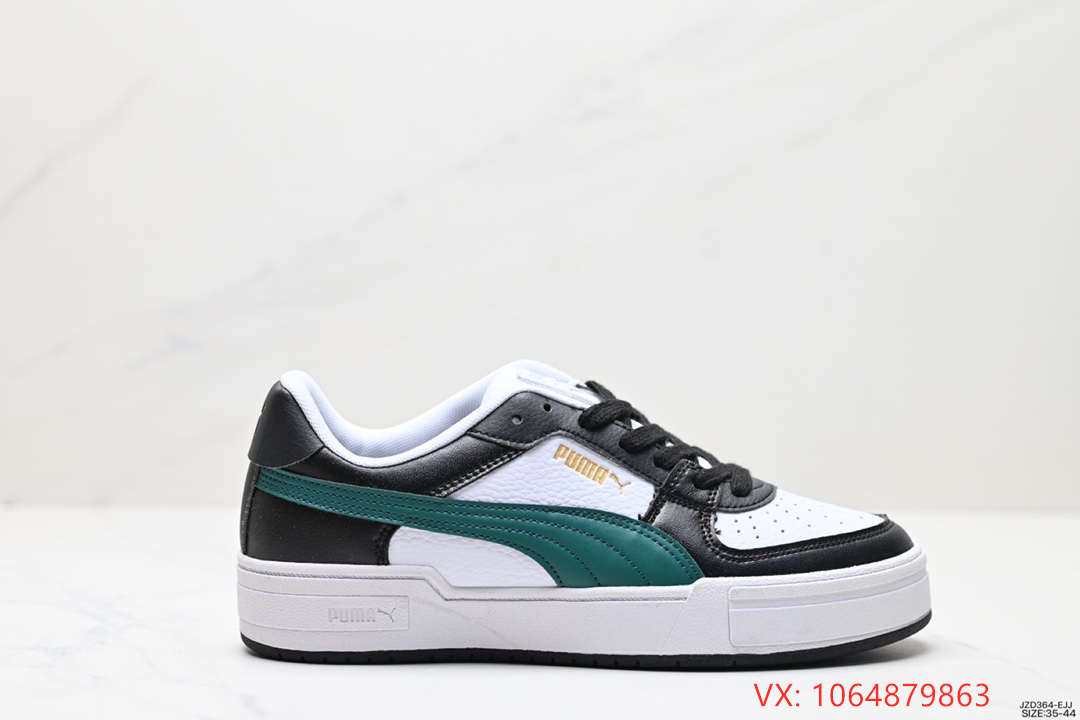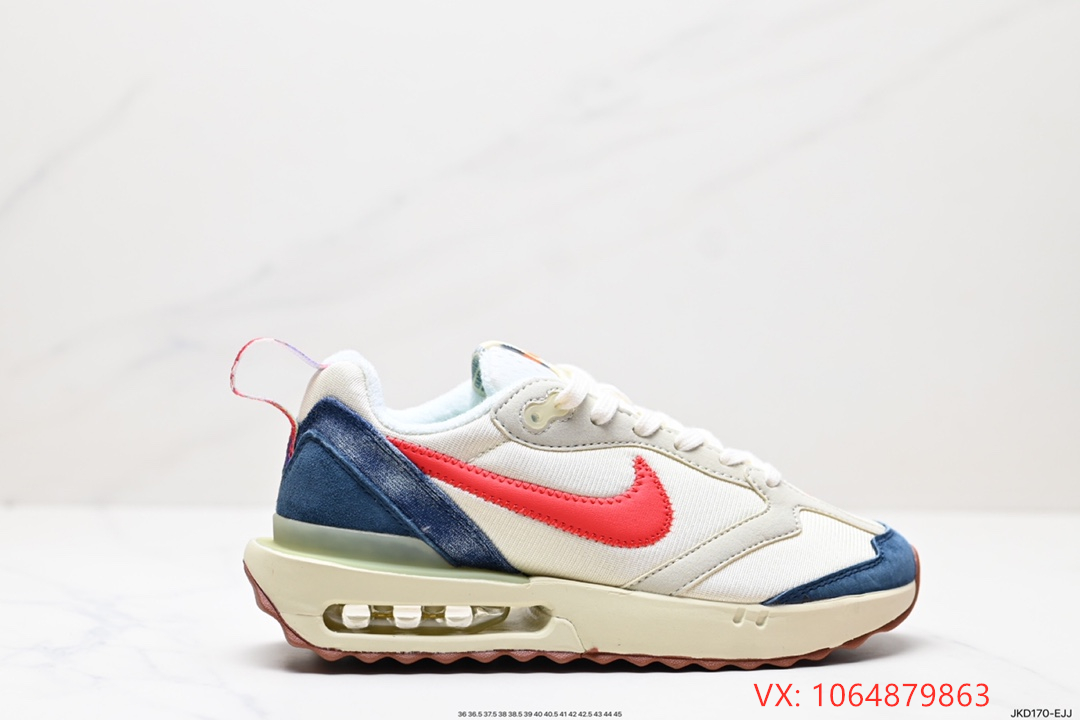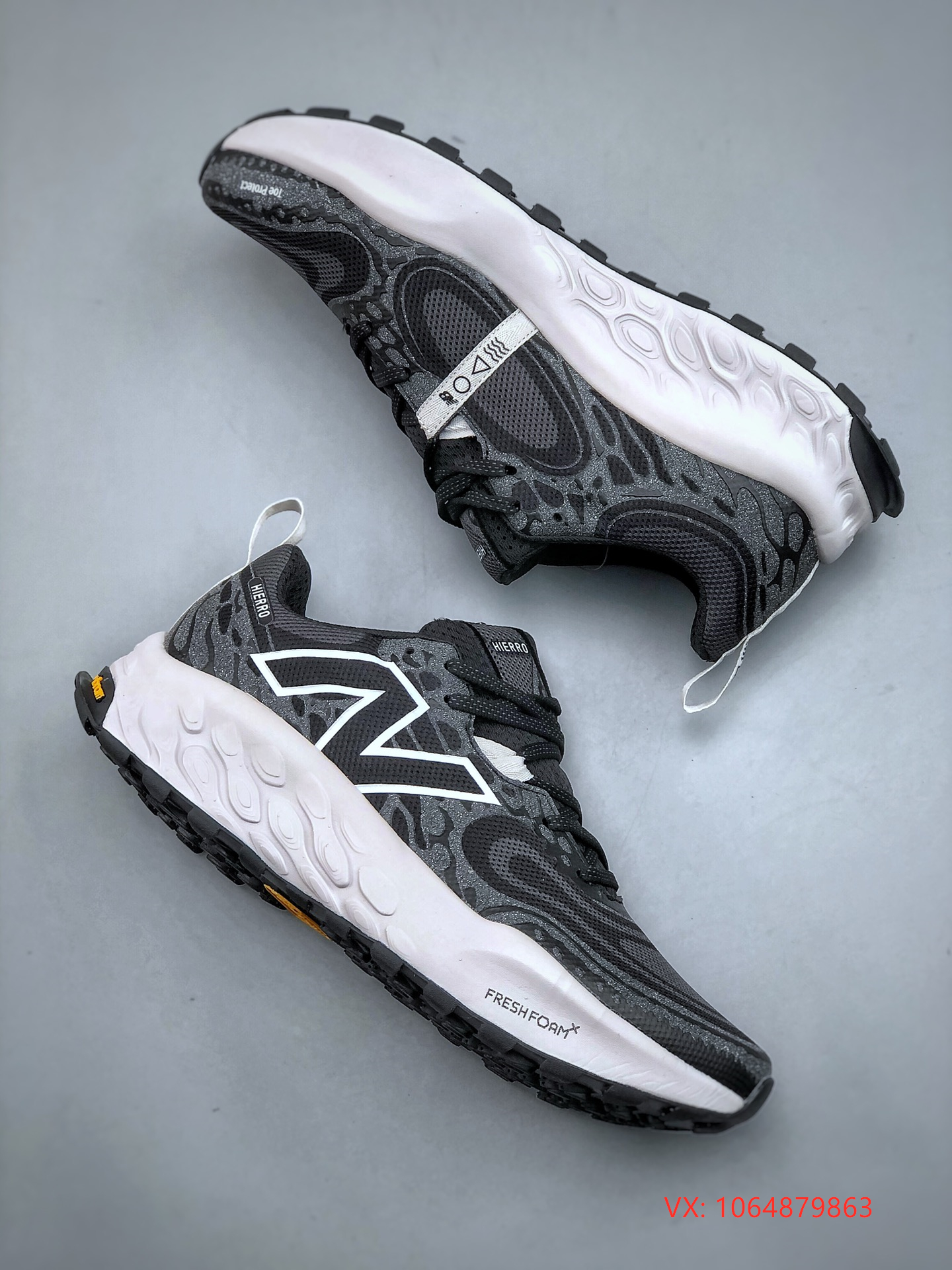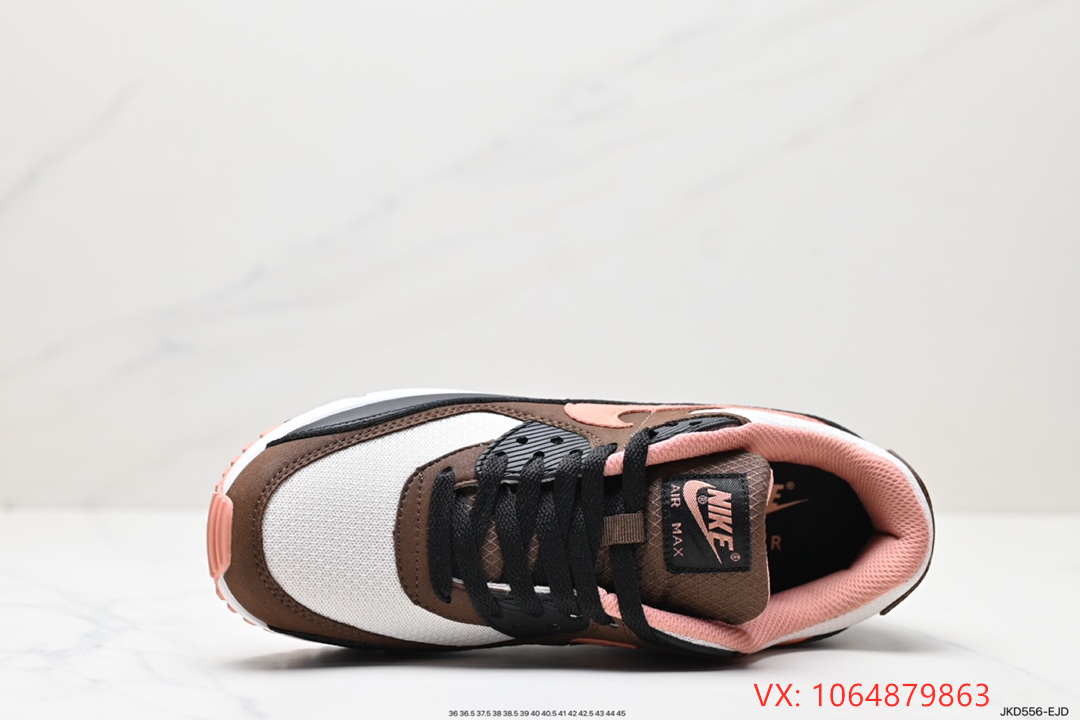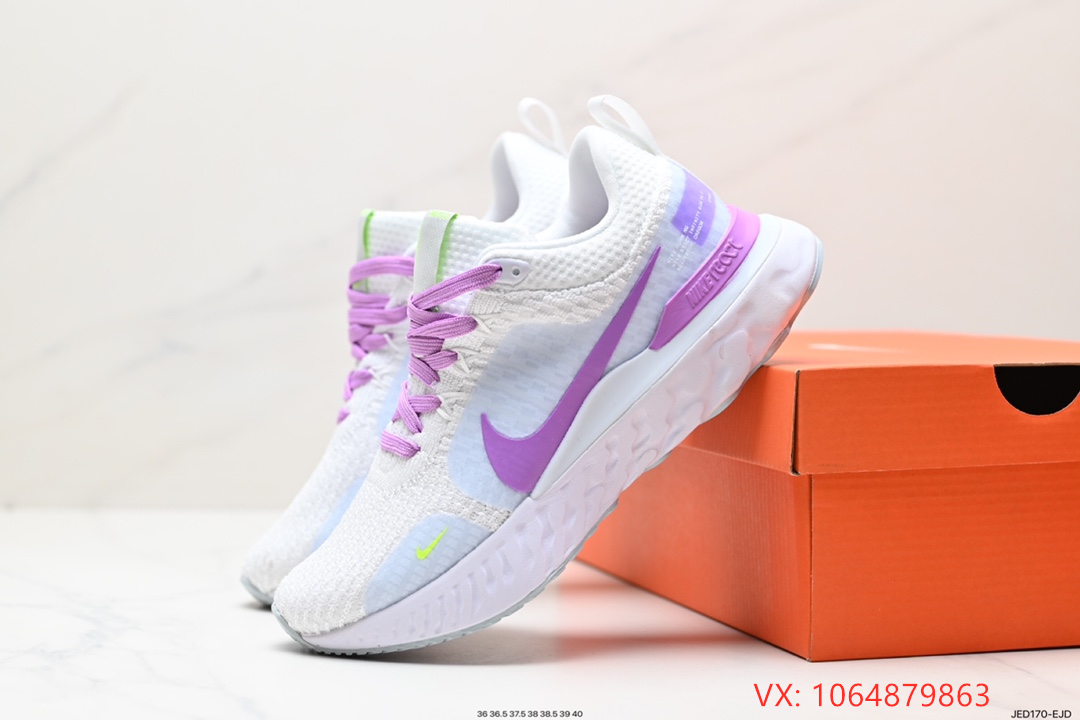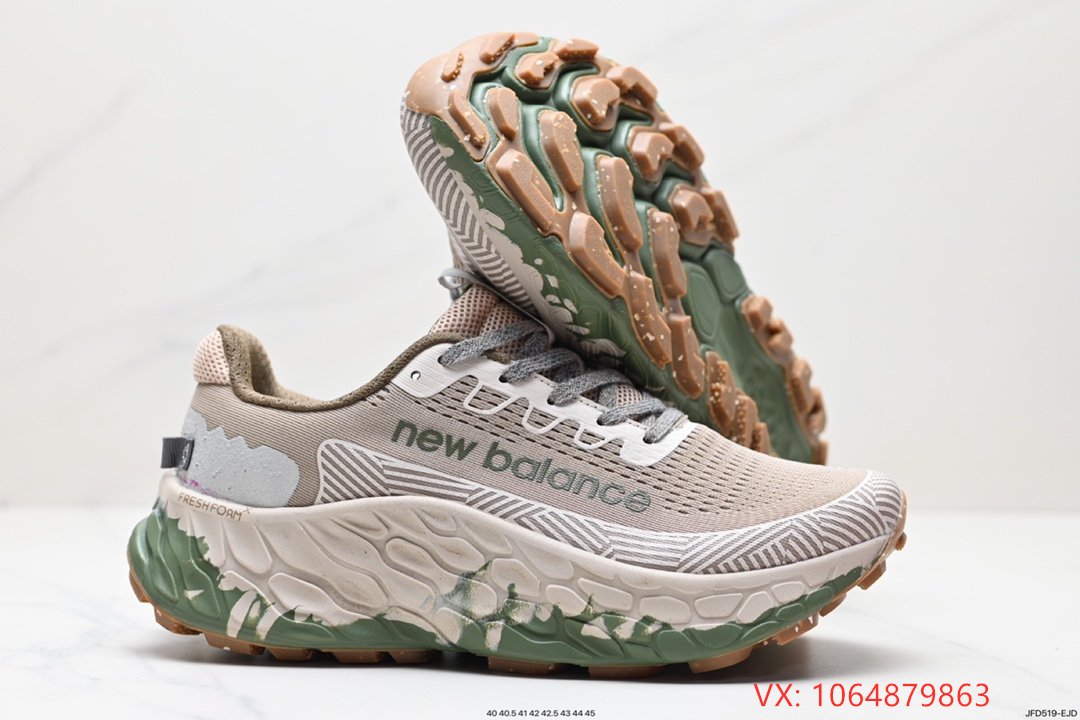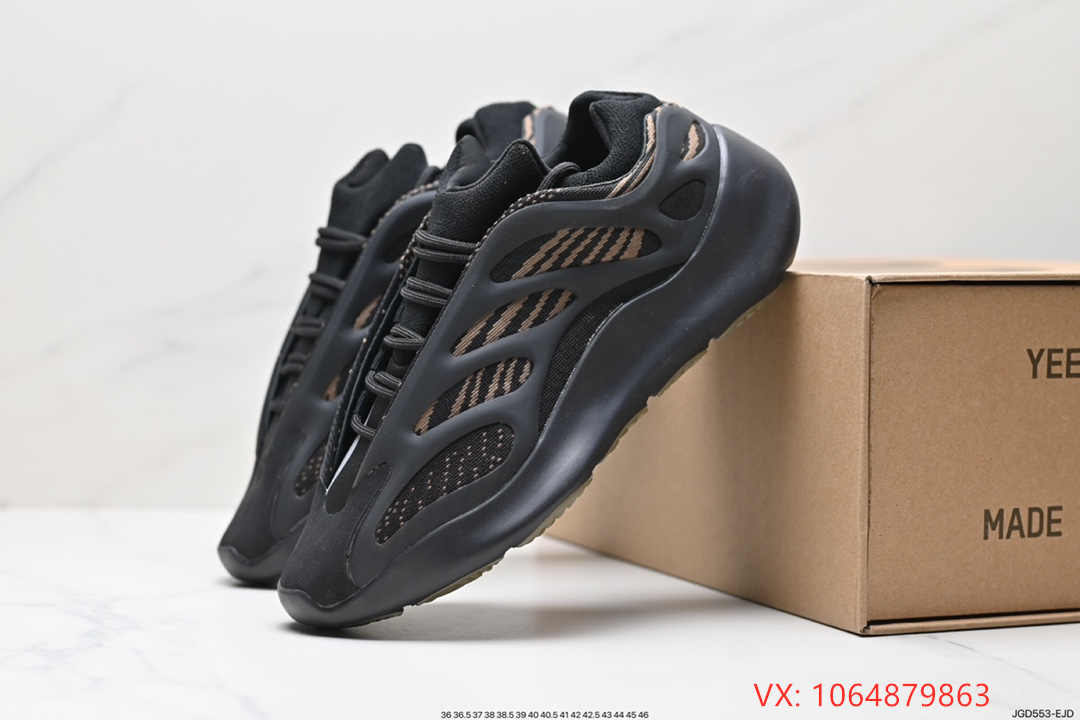
Real Talk: The Leather Landscape of Putian Sneakers
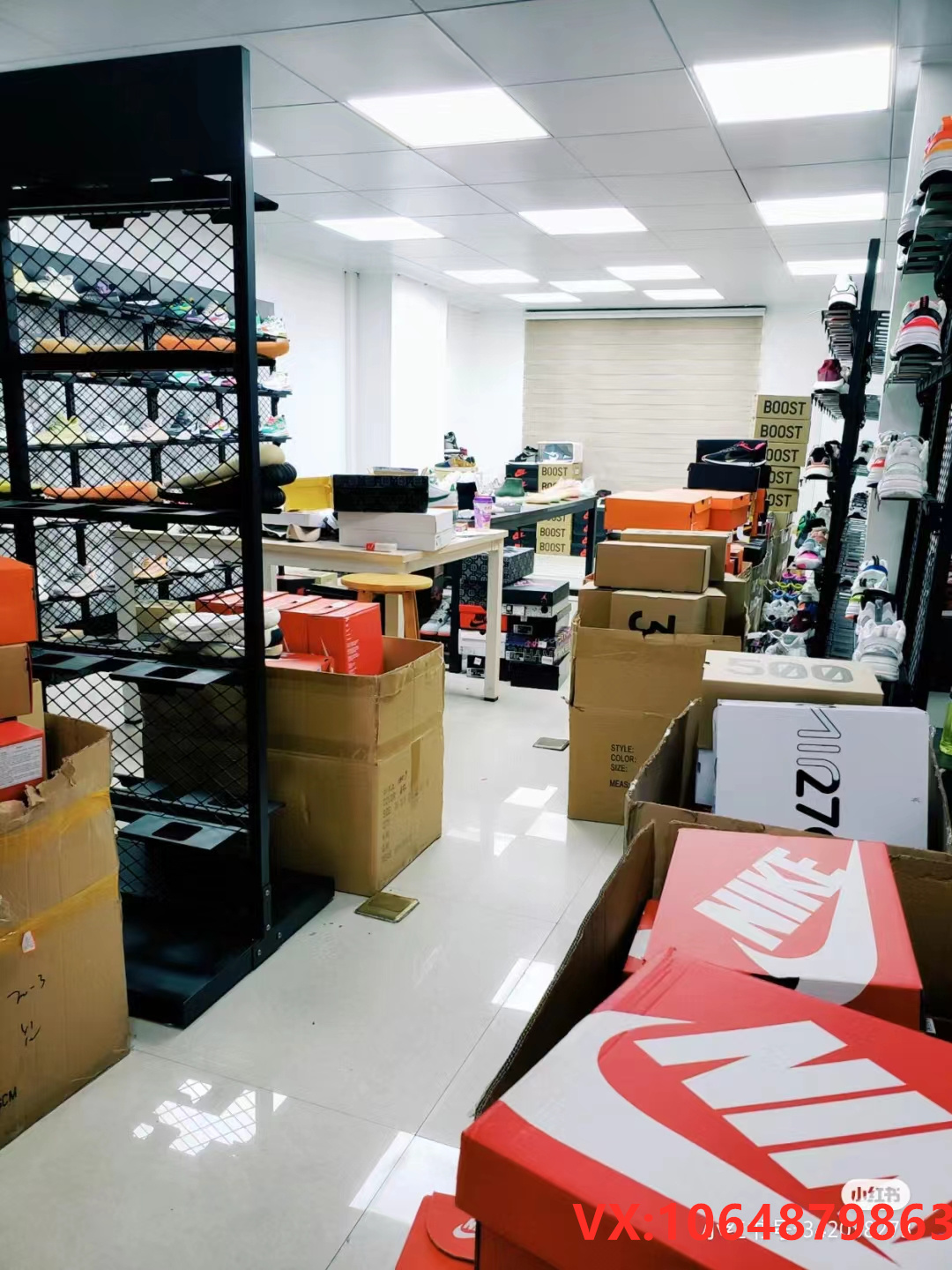
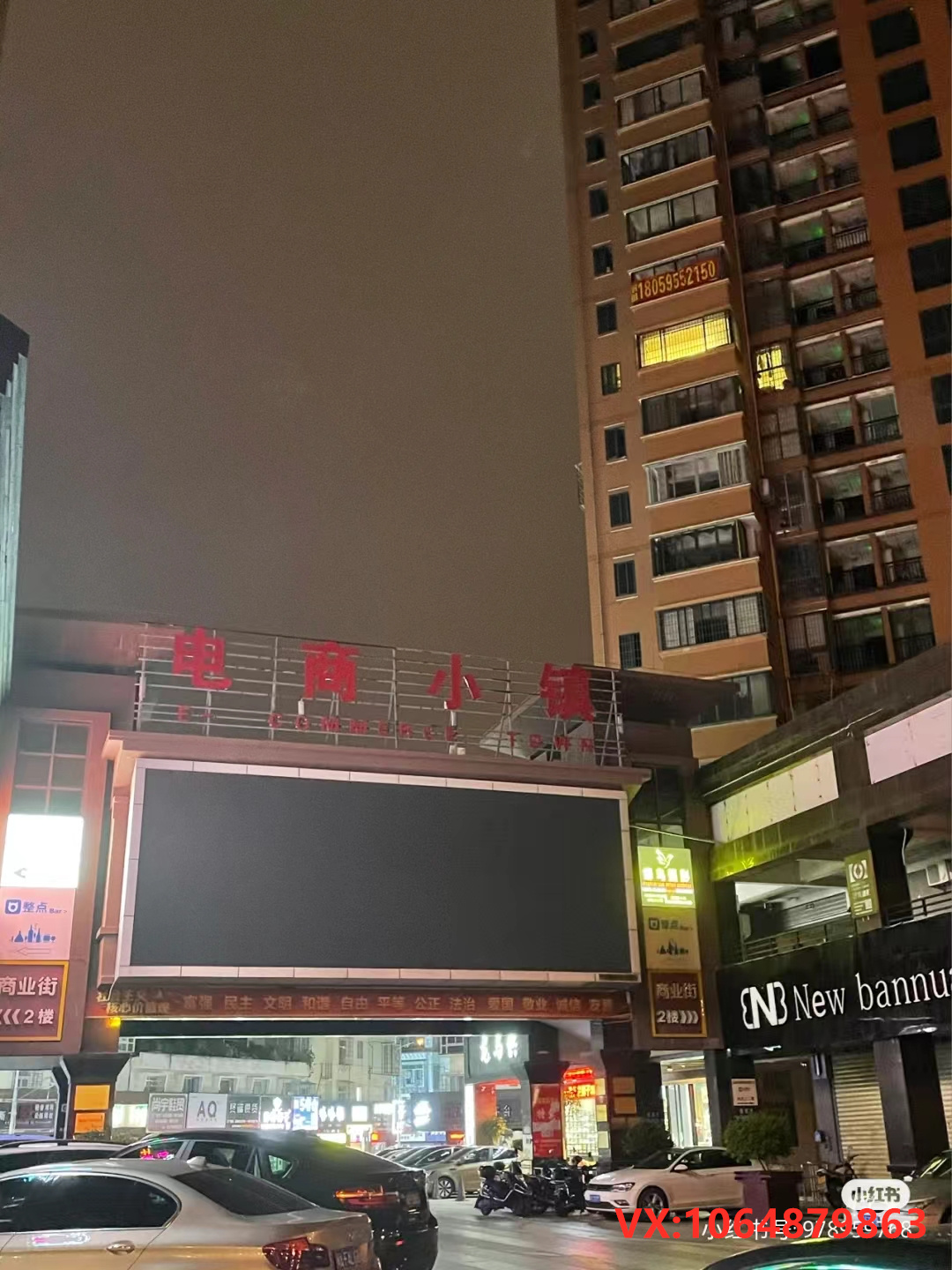
Welcome to the floor. If you are reading this, you probably already know that "Putian shoes" is a term that gets thrown around in every sneaker forum from Reddit to Discord. But let's be honest, most people online just see pictures and price tags. They don't know what it feels like to stand in the humid, chaotic aisles of Anfu E-Commerce City at 6 AM, smelling the mix of fresh glue, rubber, and leather dust. I've been running a stall here for over fifteen years. I've seen thousands of foreign buyers walk through my door, some with bags full of cash, others with nothing but a vague idea of what they want. Today, I'm going to skip the marketing fluff and talk about the actual materials. Specifically, the leather. Because if you think all Putian sneakers are made of cheap plastic, you're walking into a trap.
The Myth of "Fake" vs. The Reality of Grading
First, we need to clear up a massive misconception. When foreigners ask me about "Putian shoe leather," they often assume everything is low-grade synthetic. That is simply not true. In the Anfu market, we have a tiered system that mirrors the global supply chain. We source from the same factories that produce for big brands, sometimes even using the exact same raw material batches before the brand cuts them off. So, when you hear terms like "top grade" or "1:1 copy," it usually refers to the quality of the leather used. We aren't just guessing; we are matching specific textures to specific models. A Jordan 4 needs a different feel than an Air Force 1, and a Yeezy needs something entirely different again.
Decoding the Materials: What You Actually Get
Let's get into the nitty-gritty of the hides. When you are sourcing from Putian, you will encounter three main categories of leather. Understanding these differences is the only way to avoid getting ripped off by middlemen who sell you "premium" PU as genuine leather.
Premium Full Grain and Top Grain Leathers
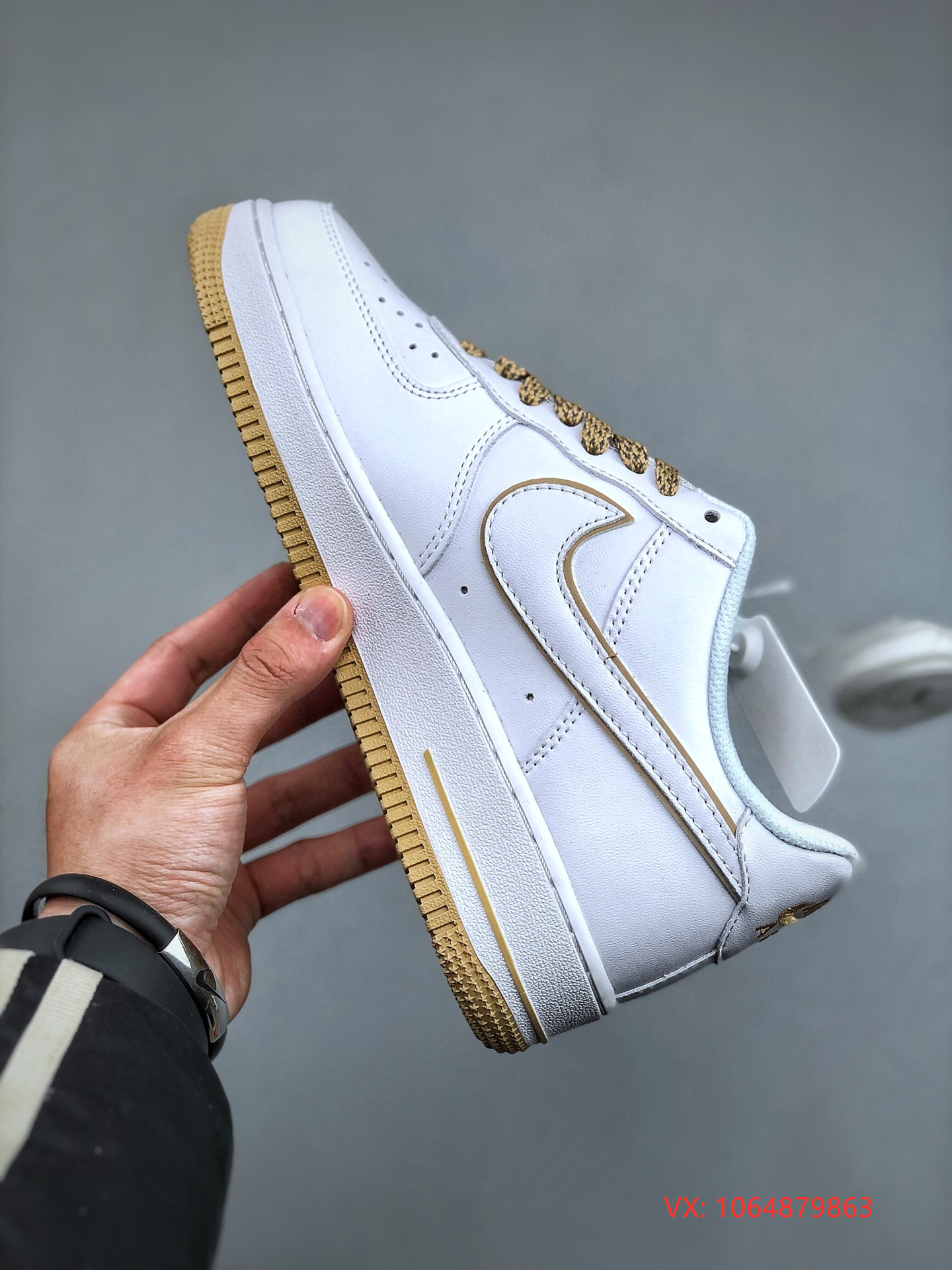
This is the gold standard. For high-end replicas targeting serious collectors, we use full grain or top grain cowhide. This leather comes from the upper layer of the hide, retaining the natural grain and pores. It breathes better, ages more gracefully, and has that distinct smell of real leather that synthetic materials just can't mimic. In my experience, the best full grain leather for basketball silhouettes like the Jordan 1 or 3 comes from suppliers in Fujian province itself, often processed in local tanneries. The texture is slightly rougher but incredibly durable. If you are looking for "high quality leather sneakers," this is what you must specify. The cost is higher, maybe 30% more than standard options, but the resale value and customer satisfaction are night and day different.
High-Quality Synthetic and Microfiber (PU)
Now, don't roll your eyes at PU. Not all synthetic is trash. In the world of sneakers, especially for models like the Yeezy Boost 350 V2 or certain Nike SBs, we use advanced microfiber leather. This isn't the stiff, plastic-like material from the 90s. Modern microfiber mimics the softness and flexibility of suede or nubuck almost perfectly. It is water-resistant, easy to clean, and consistent in color. Many of our regular clients prefer this for daily wear because it doesn't crease as badly as thin leather. When you ask for "soft touch leather" or "suede alternatives," this is what we are talking about. The key is the density of the fibers; high-density microfiber feels warm to the touch, while low-density feels cold and plasticky.
Genuine Suede and Nubuck Variations
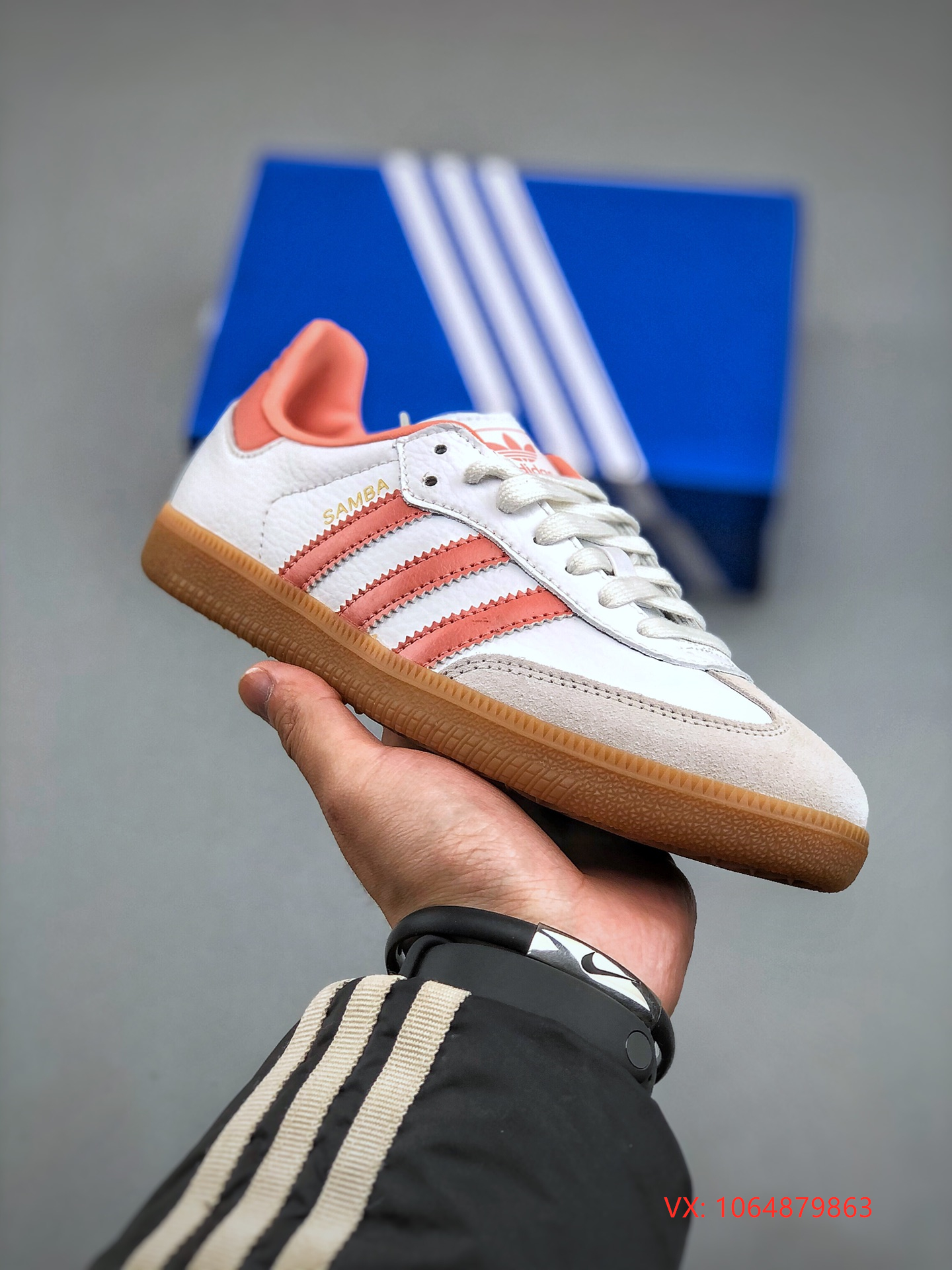
Suede is a nightmare for mass production, which is why so many fake versions look terrible. But here in Putian, we have specialized workshops that handle suede finishing. We use split leather that is sanded down to create that fuzzy nap. The challenge here is consistency. One batch might be too dark, another too light. For authentic-looking suede on models like the Jordan 4 "Military Black" or Travis Scott collaborations, we source from specific vendors who specialize in dyeing techniques. They use a process called "buffing" to ensure the nap stands up evenly. If you buy from a random stall without checking the sample, you will end up with shoes that look like they were dipped in mud. Always ask for a "nap test" where you rub the material against the grain to see how quickly it recovers.
On-The-Ground Sourcing: How to Inspect Like a Pro
So, you are standing in Anfu Market. There are hundreds of stalls. How do you find the right leather? Here is my personal checklist, born from years of watching tourists get scammed.
The Smell Test and The Touch Test
Never trust a photo. Photos can be edited; lighting can hide flaws. When you pick up a sample, close your eyes. Real leather smells earthy, slightly acidic, or like a workshop. Fake leather smells like chemicals or sweet plastic. Run your fingers over the surface. High-quality leather should feel cool initially but warm up quickly. It should have slight imperfections—natural pores, minor scars. If it looks too perfect, it's likely a printed pattern on synthetic material. I once had a client who bought $5,000 worth of stock because the photos looked great. When he touched the shoes in person, the "leather" peeled off after one week of wear. Don't make that mistake.
Checking the Crease Pattern
Leather creases differently than synthetic. When you bend the toe box of a shoe, real leather creates fine, natural wrinkles. Synthetic materials tend to form sharp, white cracks or deep, unnatural folds. Ask the vendor to show you a pair that has been worn for a few days. If they only show you brand new samples, be suspicious. The best way to verify the material is to see how it ages. I always tell my overseas partners: "Show me the crease." If the crease turns white immediately, it's low-grade PU. If it stays dark and blends with the material, it's good leather.
Navigating the Market: Where to Find the Best Sources
You asked for specific locations. The Anfu E-Commerce City is a maze, but there are corridors known for premium materials. Avoid the ground floor where the tourist traps are. Go straight to the upper floors, specifically Floors 3 and 4, where the serious wholesale operations are located.
Specific Vendor Recommendations
I cannot give you a list of every factory name because the industry moves fast, and many operate under shell companies to protect their IP. However, I can point you to the reliable zones. Look for stalls near the central elevator on Floor 3. There is a cluster of shops specializing in "Jordan 1 High" and "Air Force 1" materials. One long-time operator, let's call him Uncle Chen's Workshop (often identified by his red signboard near the stairwell), is famous for sourcing full-grain leather directly from Fujian tanneries. He doesn't push the cheapest options; he pushes durability. Another spot to check is the back alley of Building B, where several small workshops focus on suede and nubuck finishes for Yeezy clones. These are the places where you will find the "OG leather" that matches the original retail specs.
Building Relationships Over Transactions
Here is the secret sauce: Do not treat this like a one-off transaction. If you come to Putian, stay for three days. Drink tea with the owners. Show them your face. When you build a relationship, they will pull out the "secret stash" of leather that they don't put on display. They will show you the difference between Grade A and Grade AA materials. They will let you negotiate based on volume. Foreigners who fly in, buy one pair, and leave never get the real deal. They pay the retail markup disguised as wholesale prices. To get the best leather, you need to become a regular. Tell them your target price, but emphasize quality. Say, "I want the leather that lasts two years, not two months."
Summary Table: Leather Types & Best Use Cases
| Leather Type | Feel & Texture | Best For Models | Price Tier | Key Inspection Tip |
|---|---|---|---|---|
| Full Grain / Top Grain | Firm, natural pores, earthy smell | Jordan 1, Jordan 3, Dunks | High | Check for natural imperfections and crease recovery |
| Microfiber (High-End PU) | Soft, flexible, uniform texture | Yeezy 350, Nike SB, Lifestyle | Medium | Look for warmth to touch and lack of chemical odor |
| Suede / Nubuck | Fuzzy nap, matte finish | Jordan 4, Travis Scott Collabs | Variable | Rub against grain to check nap recovery speed |
| Low-Grade Synthetic | Cold, plastic-like, shiny | Avoid for premium orders | Low | White creasing upon bending indicates poor quality |
Final Thoughts: Quality is King
The Putian market is evolving. It is no longer just about making cheap knockoffs. It is about providing high-quality alternatives that offer incredible value. The leather you choose defines the life of the shoe. Whether you are sourcing for a boutique in New York, a shop in London, or a personal collection, remember that the material is the foundation. Don't settle for the first option you see. Walk the floors, touch the samples, and build trust with the vendors who care about their reputation. If you follow this guide, you won't just find "Putian shoes"; you will find the best footwear supply chain in the world, right here in Fujian.