Where the Legend Started: My Story from the Heart of Putian
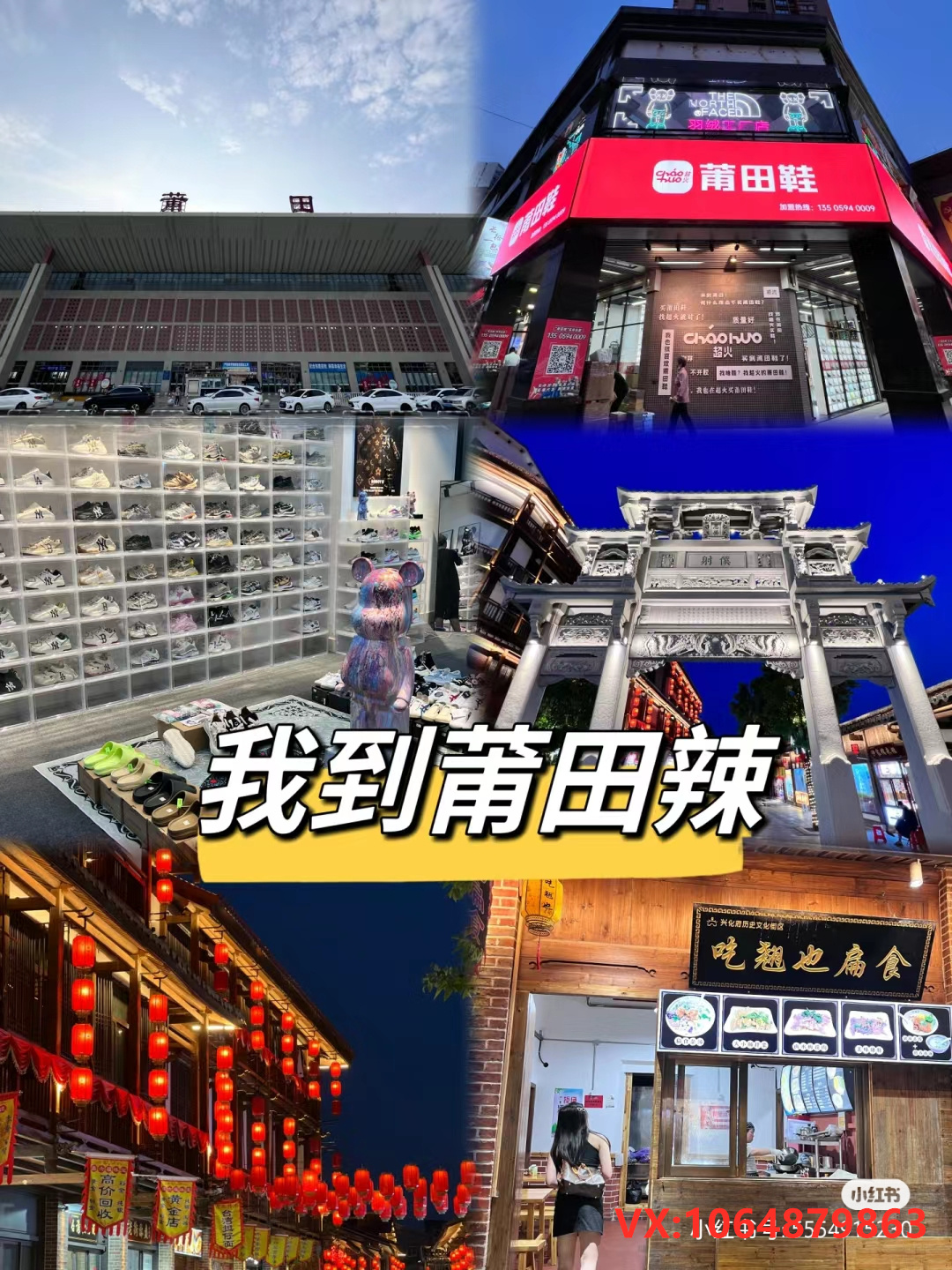
Welcome to Anfu. If you are reading this, you probably think "Putian shoes" means cheap fakes. Let me tell you something I've learned in twenty years standing behind a counter here: that is only half the truth. The origin of what the world calls "Putian shoes" isn't just about copying logos; it's about a manufacturing ecosystem born right here in Fujian Province, China, specifically in this district. Back in the 1980s and 90s, we weren't making sneakers for Nike or Adidas. We were repairing leather soles and assembling parts for big brands that had factories nearby. When those global giants moved their production lines out due to rising labor costs, they left behind thousands of skilled workers, molds, and supply chains. That was the real birth moment. The technology didn't disappear; it stayed. And that is why, today, when you ask where the origin is, the answer is strictly here, in the concrete alleys of Anfu.
The Real Origin Story: From Repair Shops to Global Supply Chains
I remember my father's workshop in the early 90s. It wasn't a factory; it was a small room with sewing machines and glue pots. We fixed shoes for local athletes. Then, the big brands came. They brought the molds. When they left, the molds stayed. Some of us started making "high copies" because the demand was there. But the true origin of the modern Putian shoe industry is the transition from "repairing" to "recreating." We have access to the same raw materials as the big brands now. The rubber compounds from Xiamen, the mesh fabrics from Wenzhou, and the EVA foam from Fuzhou all converge here. This supply chain density is what makes Putian unique. You cannot find this level of vertical integration anywhere else in the world. It is not just a market; it is an industrial hub.
Navigating the Anfu Market: A Buyer's Survival Guide
If you are an overseas buyer looking for sources, do not just walk into Anfu and expect to find a warehouse full of stock. The reality is chaotic. The market is divided into different buildings, each with its own vibe. There is the main building, which is flashy but often has higher prices for tourists. Then there are the side streets and older residential buildings where the real heavy hitters operate. I have seen many foreign buyers get scammed because they looked for "official stores." There are no official stores here. Everything is B2B, wholesale, and negotiation-based.
How to Spot the Real Factories vs. Middlemen
This is the most critical part. In Anfu, there are three types of sellers: pure middlemen, hybrid shops, and actual factory owners. A middleman will show you samples from ten different factories but won't know the stitching details. A factory owner will take you to the back room to see the molding machine running. Here is a trick I use: Ask about the "mold number." If they hesitate or say "we don't track that," run. Real factories know their mold numbers by heart. Also, look at the inventory. If a shop has hundreds of boxes stacked high with the same SKU, they are likely a distributor. If they have a few boxes and a pile of loose shoes on the table, they might be a smaller workshop. For serious volume, you want the latter, but you need to verify their capacity.
My Personal Experience: The "Ghost" Factory Myth
I once had a client from the US who wanted to buy 5,000 pairs of a specific Jordan model. He found a shop on Taobao claiming to be a direct factory. He paid a deposit. Two weeks later, he received low-quality shoes that fell apart after one week. Why? Because the "factory" was actually a front for a trading company that outsourced to a sub-par workshop. I lost money on that deal too, learning a hard lesson. The best way to avoid this is to visit the physical location. Go to the floor where the machinery is humming. I recommend visiting Building 3 and Building 4 of Anfu during the morning hours (around 9 AM). That is when the managers are checking the production line. If you see workers cutting leather and gluing soles right in front of you, you are in the right place.
Sourcing Strategy: What to Look for When Inspecting Goods
When you are standing in a booth, how do you judge quality? Do not just look at the box. The box can be fake even if the shoe is good. Focus on the "midsole" and the "outsole." In Putian, the difference between a Grade A copy and a Grade C junk piece lies in the density of the foam. Press your thumb into the midsole. If it bounces back instantly, it's good. If it stays dented, it's cheap material. Also, check the glue lines. High-end Putian shoes use water-based glue and have clean lines. Cheap ones use solvent glue and smell terrible. I always tell my international clients: "Smell the shoe." If it smells like chemical paint, walk away.
Specific Recommendations: Where to Find Quality
You asked for specific names and locations. While I cannot endorse every single shop, I can share the areas where the top-tier workshops cluster. For high-end replicas that mimic the original craftsmanship, head to the upper floors of Anfu Building 2, specifically around Floor 3. There is a shop called "Golden Step" (often referred to locally as Jin Bu) that has been operating for over 15 years. They specialize in basketball shoes and have their own mold-making department. Another reliable spot is "Sky Walker" located in the Old Anfu District, near the alleyway entrance. They focus on lifestyle sneakers and have a very strict QC process. For those looking for custom orders, try "Fujian Elite Footwear" in Building 5, Floor 2. They are known for handling large volumes and have a dedicated English-speaking manager who understands international shipping logistics. Remember, these are not "official" brand stores; they are independent manufacturers who happen to produce high-quality footwear.
The Negotiation Dance: Getting the Best Price
Pricing in Putian is not fixed. It is a dance. If you walk in asking for the price of one pair, you will pay retail. If you ask for 100 pairs, you get wholesale. But if you ask for 1,000 pairs, you get the factory price. I usually advise my clients to start by asking for the "MOQ" (Minimum Order Quantity). For standard models, MOQ is often 50 pairs per color. For custom designs, it jumps to 200. Never accept the first quote. Always ask, "What is the price if I order 200 more?" The margin is usually hidden in the volume. Also, clarify the shipping terms. FOB (Free on Board) is common, but many small shops prefer EXW (Ex Works), meaning you handle the pickup. Be clear about who pays for the customs clearance in your country.
Avoiding Pitfalls: Common Mistakes Foreign Buyers Make
The biggest mistake I see is trusting photos without verification. Many online agents send you pictures of perfect shoes, but the actual shipment is different. This is called "sample swapping." To prevent this, insist on video calls while they pack the order. Watch them seal the boxes. Another pitfall is ignoring the "tax risk." When importing from China, especially if the goods are branded, customs can seize them. I always suggest using a neutral packaging strategy. Remove the brand tags before shipping if possible, or use a third-party logistics provider that specializes in "grey market" handling. It is risky, but necessary for this industry.
Data Comparison: Quality vs. Cost Reality
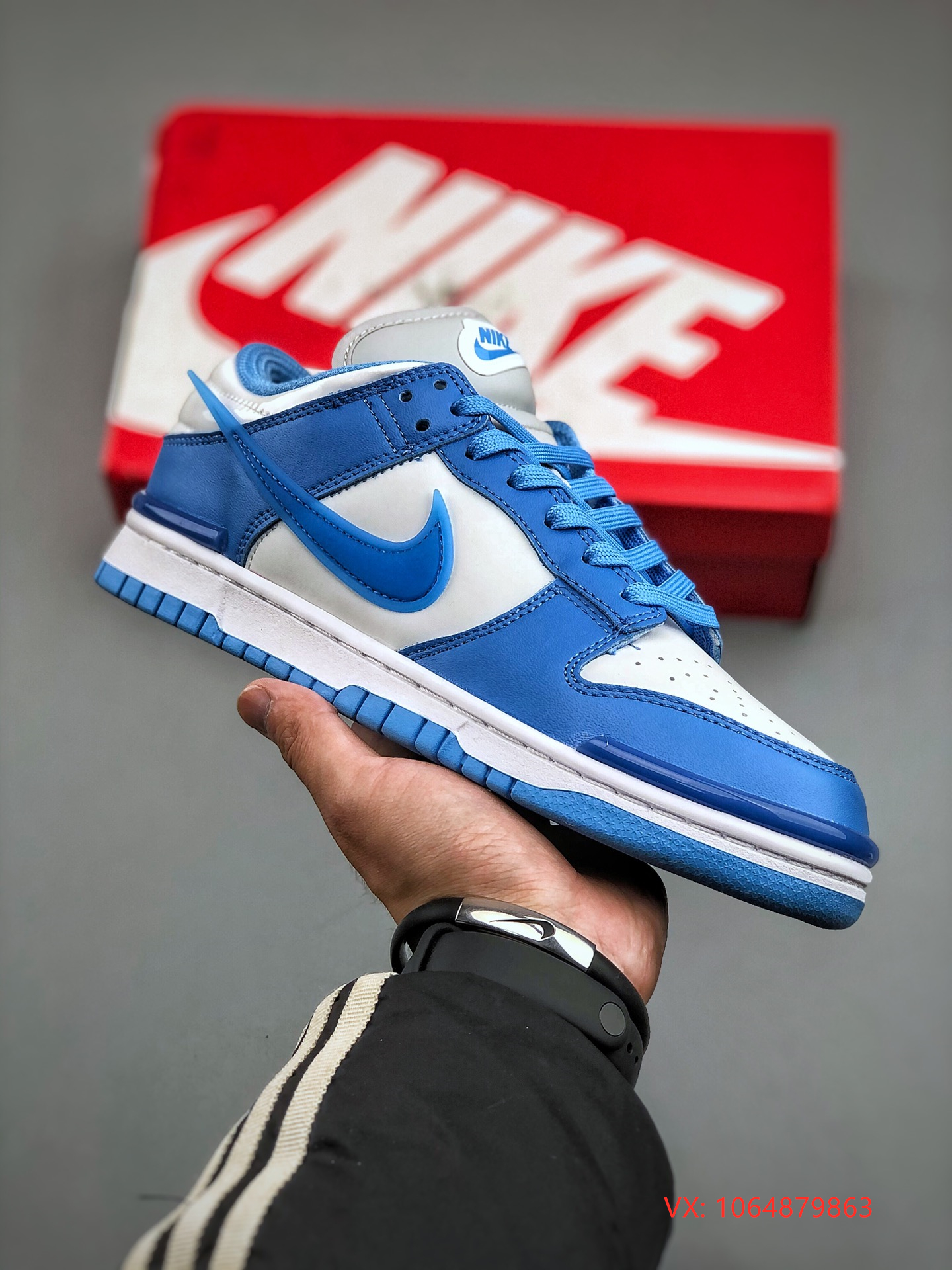
Let's talk numbers. A genuine Nike Air Jordan 1 retails for $180. A high-quality Putian version (Grade AA+) sells for $35-$45 wholesale. A medium quality version (Grade A) is $20-$25. A low quality version is $10-$15. The profit margin for a reseller buying from Putian is massive, but the risk of returns is also high if the quality control fails. I have seen resellers lose 30% of their stock because they bought the wrong grade. Always order a sample first. Even if it costs extra, it saves you thousands. Here is a quick comparison table based on my experience:
| Quality Grade | Price Range (USD) | Material Quality | Best For |
|---|---|---|---|
| Grade AAA+ (Top Tier) | $35 - $45 | Identical to Original, Same Molds | High-end Resellers, Collectors |
| Grade AA (Mid Tier) | $25 - $30 | Good Leather, Slight Material Differences | Daily Wear, Budget Conscious |
| Grade A (Low Tier) | $15 - $20 | PU Leather, Basic Foam | Short-term Use, Promotional Items |
| Factory Direct (Custom) | $20 - $35 | Depends on Specs, No Branding | Private Label Brands |
Final Thoughts: The Future of Putian Shoes
The industry is changing. With stricter IP laws globally, many factories are moving towards unbranded production or creating their own original designs. However, the reputation of Putian remains tied to the ability to replicate complex designs quickly. As a local boss, I see the future lying in transparency. The days of hiding behind vague descriptions are ending. Smart buyers are coming back, not for the fakes, but for the value. If you treat us with respect, understand the process, and build long-term relationships, we will give you the best product we have. Don't just look for the cheapest price; look for the best partnership. That is the real secret of Putian.