Why Your "Putian" Shoes Ship from Shanghai: The Real Story Behind the Logistics
Listen, I've been standing in the Anfu Economic and Trade City for over fifteen years. You know me as that old guy who knows every corner of the market, from the bustling main hall to the back alleys where the sample rooms hide. Every day, I talk to guys like you—foreign buyers, dropshippers, and resellers from the US, Europe, and Australia. And let me tell you, the number one question I get asked, usually with a confused look on their face, is: "My boss told me these are Putian shoes, but why does the tracking say they shipped from Shanghai?" It's a classic mix-up that happens more often than you think.
The Myth of the Direct Factory Doorstep
First off, let's clear up a big misconception. Many people think if it says "Putian," the box must come out of a warehouse right there in Fujian. While we do have massive warehouses in the city, the reality of modern e-commerce logistics is much more complex. When you order high-volume sneakers, especially those destined for international shipping, the most efficient route isn't always the shortest distance on a map. Shanghai is the logistics hub of China. It has the biggest ports, the most direct flights to the West, and the most sophisticated customs clearance systems. For many of our clients, consolidating goods from multiple suppliers in Putian into one central hub in Shanghai makes perfect sense.
Consolidation Centers: The Hidden Heroes of Shipping
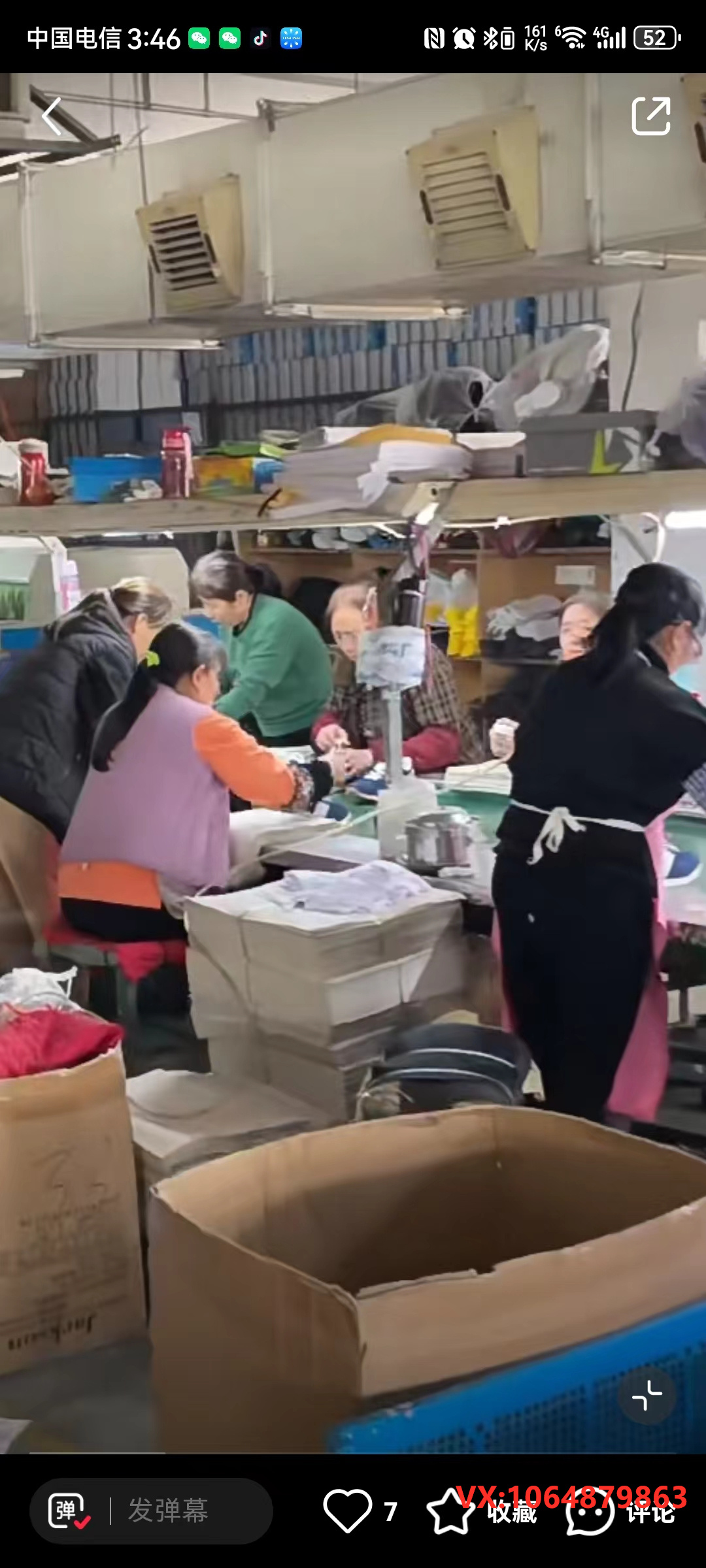
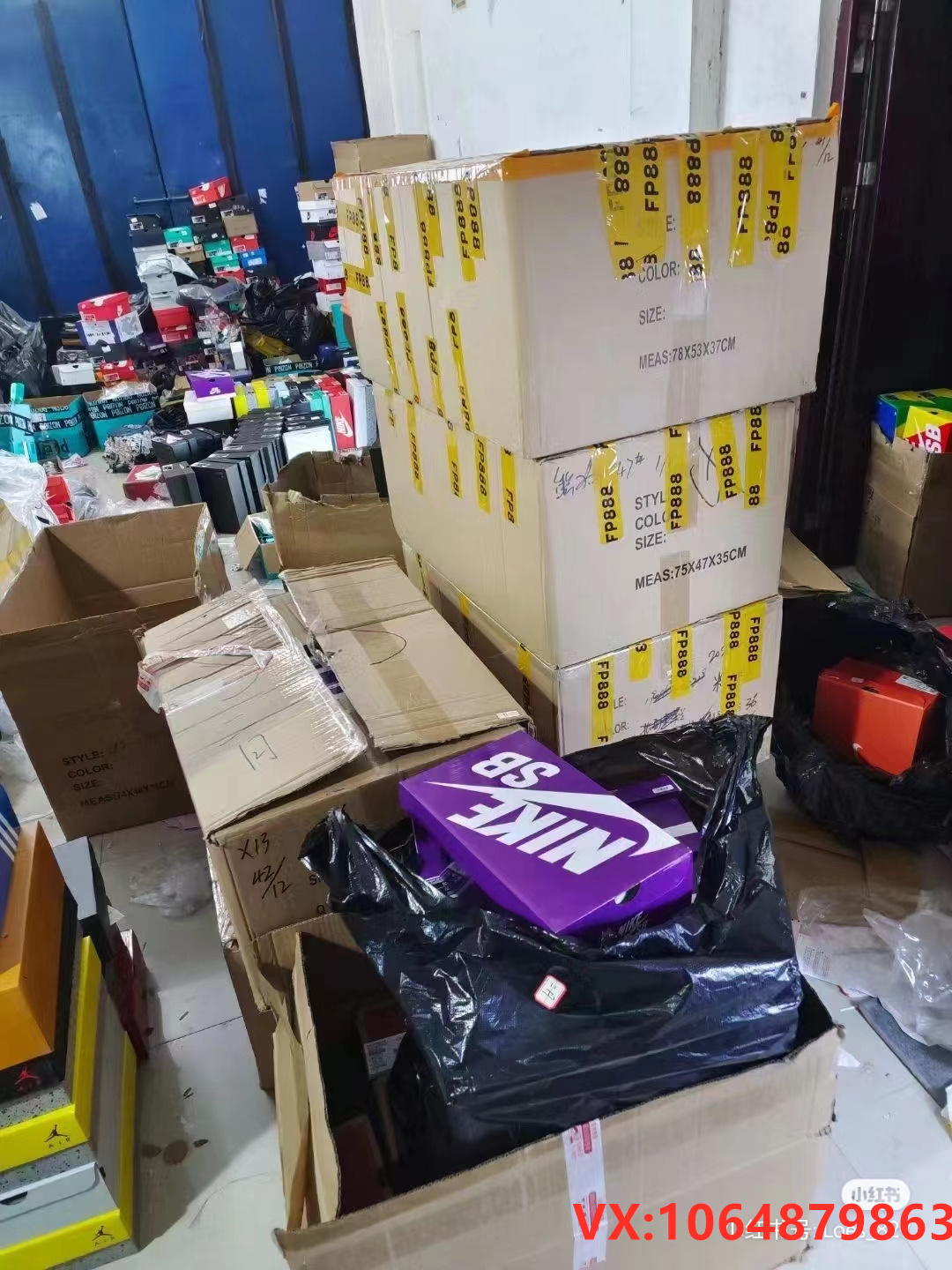
Here is how it actually works behind the scenes. Let's say you are buying five different styles of sneakers. One style comes from my shop in Anfu, another from a factory in Xuefeng, and a third from a smaller workshop in Chengbei. If we tried to ship all five individually from Putian to your country, the shipping costs would be astronomical, and the delivery times would be a nightmare. Instead, what happens is this: All the goods are sent via local courier trucks to a consolidation center in Shanghai. These centers are everywhere near the port. They receive the packages, scan them, remove the original packaging, repack everything into one sturdy carton, and then apply the international label. So, when you check the tracking number, the first scan shows "Shanghai." This is standard procedure for serious bulk orders.
Navigating the Market: What Foreign Buyers Need to Know
I see too many foreign friends trying to buy directly from random websites or using translation apps to chat with us. It's risky. The market here is fierce, and trust is hard to earn. If you want to avoid getting scammed or receiving low-quality "fake fakes," you need to understand the physical layout of the trade.
The Anfu Experience: Seeing is Believing
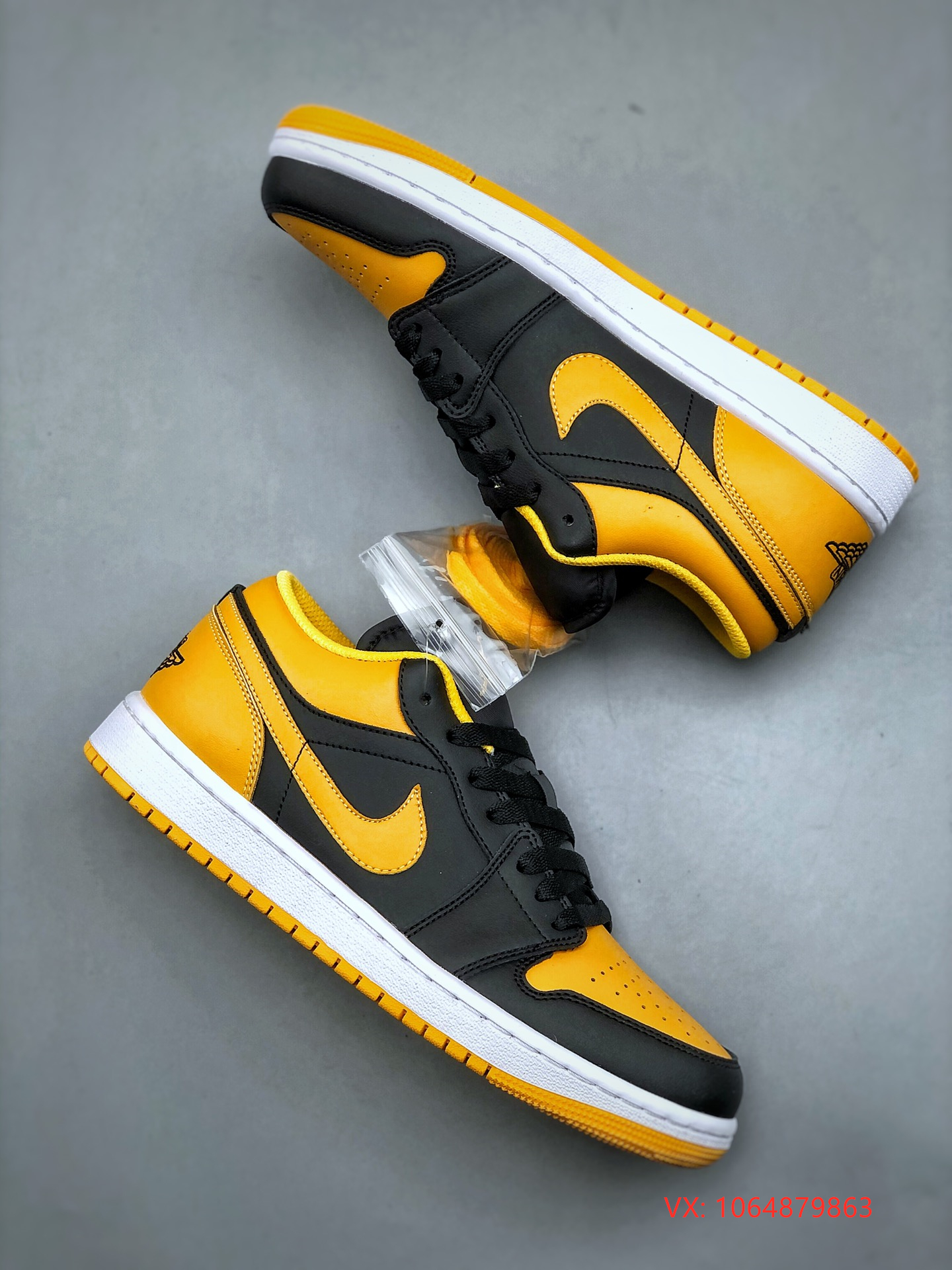
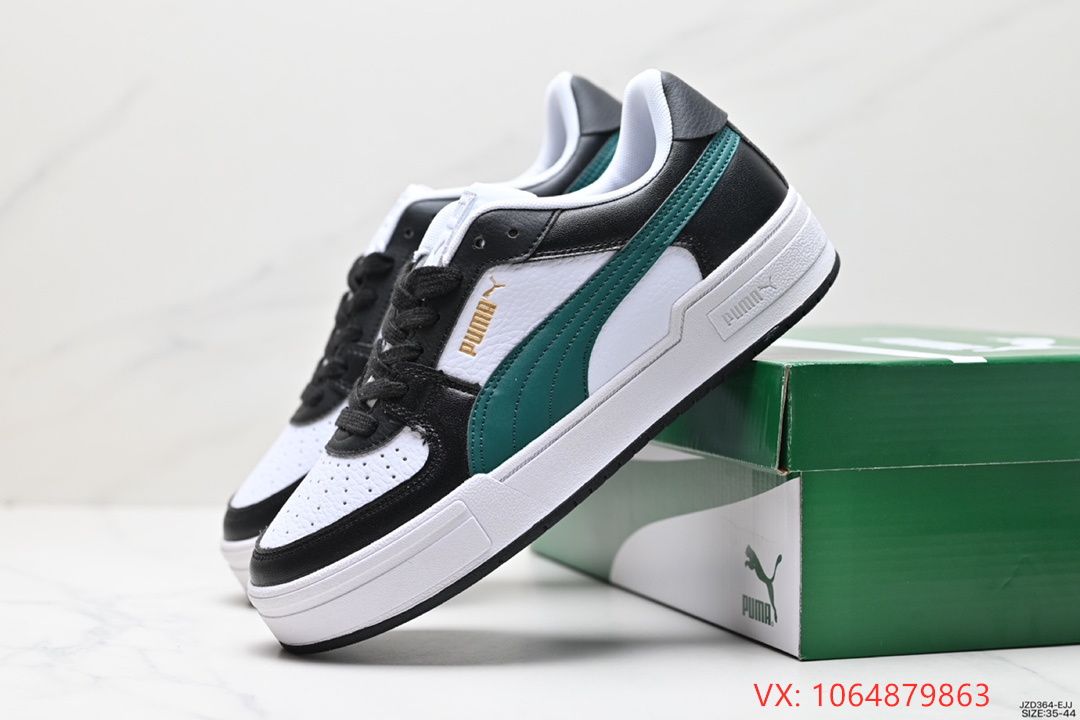
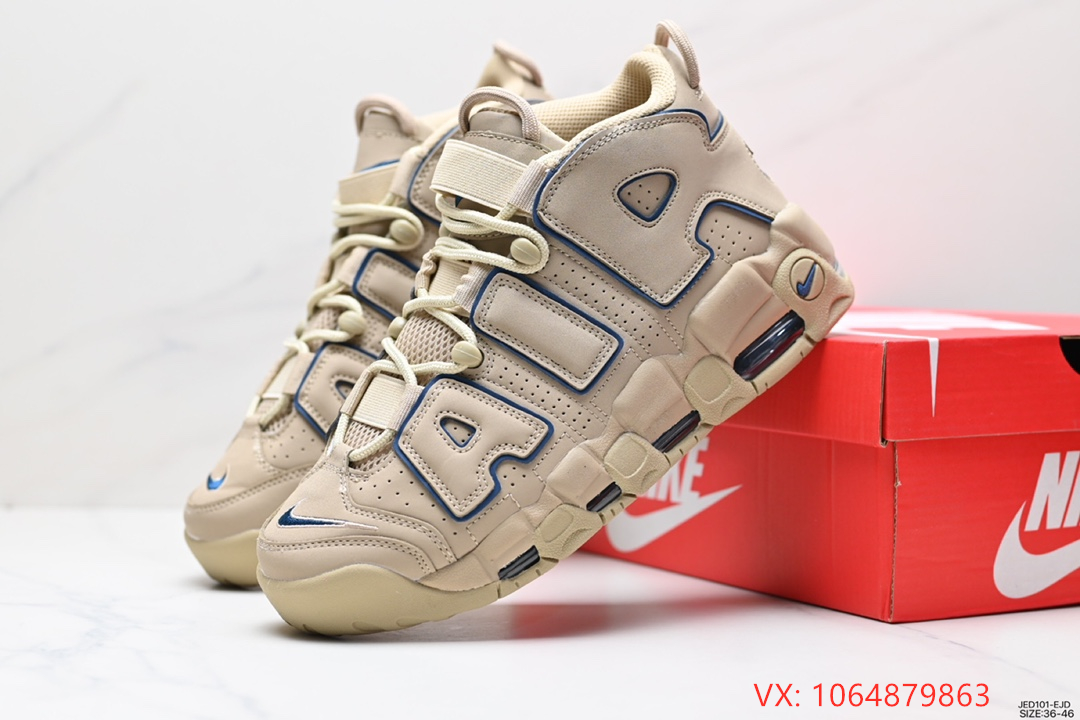
If you can make it to Putian, do not skip the Anfu Economic and Trade City. It is not just a mall; it is a fortress of sneaker culture. Walking through the corridors, you will see rows upon rows of stalls. Some sell the top-tier replicas, known locally as "1:1" or "OG quality," while others sell lower-grade versions. The key is to talk to the bosses of the stalls. Don't just look at the photos on WeChat. Ask to see the actual shoes in hand. Feel the leather, check the stitching density, and smell the glue. In my experience, the best deals are made face-to-face. When you stand in front of a stall, you can negotiate prices better because you show you know what you are looking at.
Differentiating Quality Tiers
You need to know the difference between the tiers. There is the "market version," which is okay for casual wear, and then there is the "top tier" that uses the same molds and materials as the big brands. When I talk to my regular overseas clients, I always advise them to ask for the "lucky shoe" or "high version" samples before placing a bulk order. Many sellers will send you a photo of a premium pair but ship you a cheap one. That is why I insist on video calls where we walk around the warehouse together. Show me the sole, show me the tongue tag, show me the box code. If they hesitate, run away.
Logistics and Customs: Avoiding the Pitfalls
One of the biggest headaches for international buyers is customs. Even though the shoes might physically leave from Shanghai, the declaration needs to be handled carefully. As a veteran seller, I have seen many shipments get stuck or seized because of poor documentation.
Smart Packaging and Declaration
We never declare the value as $500 for a pair of shoes. That is a sure way to get taxed heavily or confiscated. We use neutral packaging. No brand logos on the outside boxes unless specifically requested for a specific market. The shipping agents in Shanghai are experts at this. They know how to label the packages as "sports shoes" or "leather footwear" rather than specific brand names to keep things smooth. However, this requires a good relationship with the forwarder. Do not just pick the cheapest shipping option online. Find a forwarder who specializes in sneakers and understands the nuances of the Putian market.
Building Trust Without Meeting
For those of you who cannot travel to China, building trust remotely is crucial. Use platforms like Alibaba or specialized sourcing agents, but verify them. Ask for a live video call. Ask them to show you the stock room. A legitimate supplier in Anfu will never mind showing you their inventory. If they refuse, or if they only send static images, that is a red flag. Also, be wary of payment methods. Never send money via Western Union or direct bank transfer without a contract. Use secure escrow services or credit card payments that offer buyer protection.
The Future of Sourcing from Putian
The industry is changing. More and more factories are upgrading their technology. The gap between the real thing and the replica is narrowing, but so is the price gap for the consumer. However, the logistics chain remains the backbone of this trade. Whether it ships from Putian, Fuzhou, or Shanghai, the goal is efficiency. Shanghai offers the best connectivity for global shipping, which is why you see that origin code so often.
So, next time you see "Shanghai" on your tracking number, don't panic. It doesn't mean the shoes aren't from Putian. It means your supplier is smart enough to use the best logistics network available to get your product to you faster and cheaper. Keep doing your research, stay skeptical, and always prioritize quality over the lowest price. If you follow these tips, you will find that sourcing from the heart of China's sneaker market is a rewarding experience. Just remember, in this business, knowledge is power, and seeing is believing.