Why Half Sizes Don't Exist in Putian: A Veteran's Guide to Sizing for Overseas Buyers
Welcome to the floor of Anfu, where the air smells like fresh glue and the noise never stops. I've been running a stall here for over fifteen years, watching thousands of foreign buyers walk through these doors with confusion written all over their faces. The number one question I hear every single day from guys trying to source "Putian shoes" is, "My boss needs size 10.5, but you only have 10 and 11. How do I handle half sizes?" It's a valid panic, especially when you are used to the precision of Nike or Adidas retail stores back home. But let me tell you straight from the horse's mouth: in the Putian wholesale ecosystem, half sizes simply don't exist as a standard SKU. This isn't a conspiracy; it's pure logistics and economics.
The Math Behind the Missing Half
You need to understand how our factories operate. We aren't making custom orders for individual consumers. We are mass-producing based on mold runs. When a factory decides to make a specific model, they cut the molds for whole sizes only—9, 10, 11, 12. Why? Because creating a mold for a half size adds cost without adding significant volume. In the world of high-volume manufacturing, that extra cost eats into margins that are already razor-thin. If we made half sizes, we would end up with dead stock because the demand for a specific half size in a specific colorway is too low to justify the tooling expense. So, when you see a listing on Taobao or ask a supplier on WeChat about a specific batch, you will almost always see gaps between whole numbers.
Navigating the Market Floor: How to Actually Find Your Size
So, if you are standing in front of my stall at Anfu Electronic City and you need a 10.5, what do you do? Do you just leave empty-handed? Absolutely not. Here is the real-world strategy I teach every overseas client who wants to build a sustainable supply chain.
The "One Size Up" Strategy
The most common solution we use here is simple: go up a full size. If you need a 10.5, you buy a 11. Most of the sneakers produced in Putian, especially the popular Jordan 1s, Yeezy clones, and Dunks, run slightly large or have generous toe boxes. A size 11 often fits a foot that requires a 10.5 perfectly. However, this is not a hard rule. You cannot just guess. You have to physically try them on. That is why I always tell my foreign partners: come to the market. Do not rely on screenshots or descriptions alone. Bring your own feet, or better yet, bring a sample shoe from your target customer base. Walk around the concrete floor of the market. Feel the stiffness of the sole. Check the width. If the 11 feels tight on the heel, then maybe you need to look for a different brand or model that runs narrower.
The Custom Order Exception
There is a second path, but it comes with a price tag. Some larger factories in the surrounding industrial zones of Xuefeng or near the airport can produce half sizes, but they require a Minimum Order Quantity (MOQ). Usually, this means ordering at least 50 pairs per style per size. For a small dropshipper or a startup retailer, this is a massive risk. You are tying up capital in inventory you might not sell. Unless you are moving hundreds of units a month, sticking to whole sizes is the smarter business move. It keeps your cash flow healthy and your inventory turnover fast.
Inspection and Quality Control: Don't Get Scammed on Fit
When you are sourcing from Putian, the biggest fear isn't just the sizing; it's getting ripped off with poor quality goods that don't fit right even if the size label says so. I've seen too many buyers get burned by "high copy" sellers who claim their shoes are perfect replicas but fail on the last shape. The last is the internal mold that determines the volume and fit of the shoe. Cheap factories use old, worn-out lasts that result in narrow heels or cramped toes.
The "QC" Checklist Before Payment
Before you wire any money, you must insist on a detailed video inspection. Ask the seller to show you the inside of the shoe. Look at the stitching density. Check the tongue thickness. Does the insole feel supportive or flimsy? When you are dealing with half-size issues, the margin for error is zero. If you order a size 11 thinking it will fit a 10.5, but the shoe was made on a narrow last, you are stuck with a return nightmare. Always ask for a comparison photo against a genuine pair if possible. Many of us reputable dealers keep reference pairs in the back room specifically for this purpose. We want you to succeed because happy customers come back for repeat orders.
Building Trust: Communication is Key
Let's talk about the human element. In the West, you might expect a formal email chain. Here in Anfu, everything happens on WeChat. It's fast, direct, and personal. When you message a supplier, be clear about your sizing dilemma immediately. Don't say "I need size 10.5." Say, "I need a fit equivalent to US 10.5. Which whole size should I order for this specific model? Is the last wide or narrow?" A good supplier will answer this instantly because they know their product line inside out. They might tell you, "For this Jordan 4 clone, go with 11. For the Yeezy 350, go with 10.5 rounded down to 10." This level of detail is something you won't find on an automated website.
Avoiding the Middleman Trap
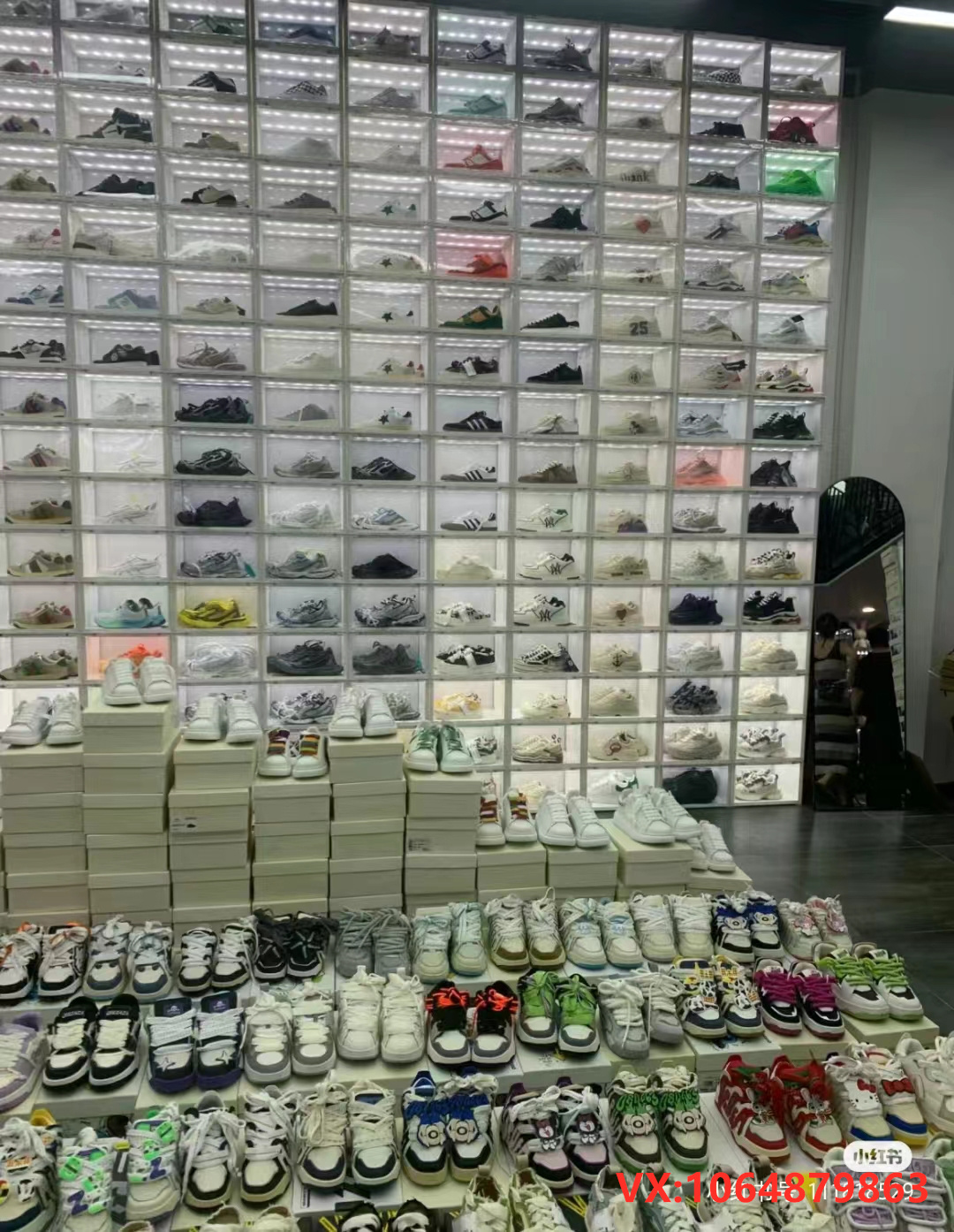
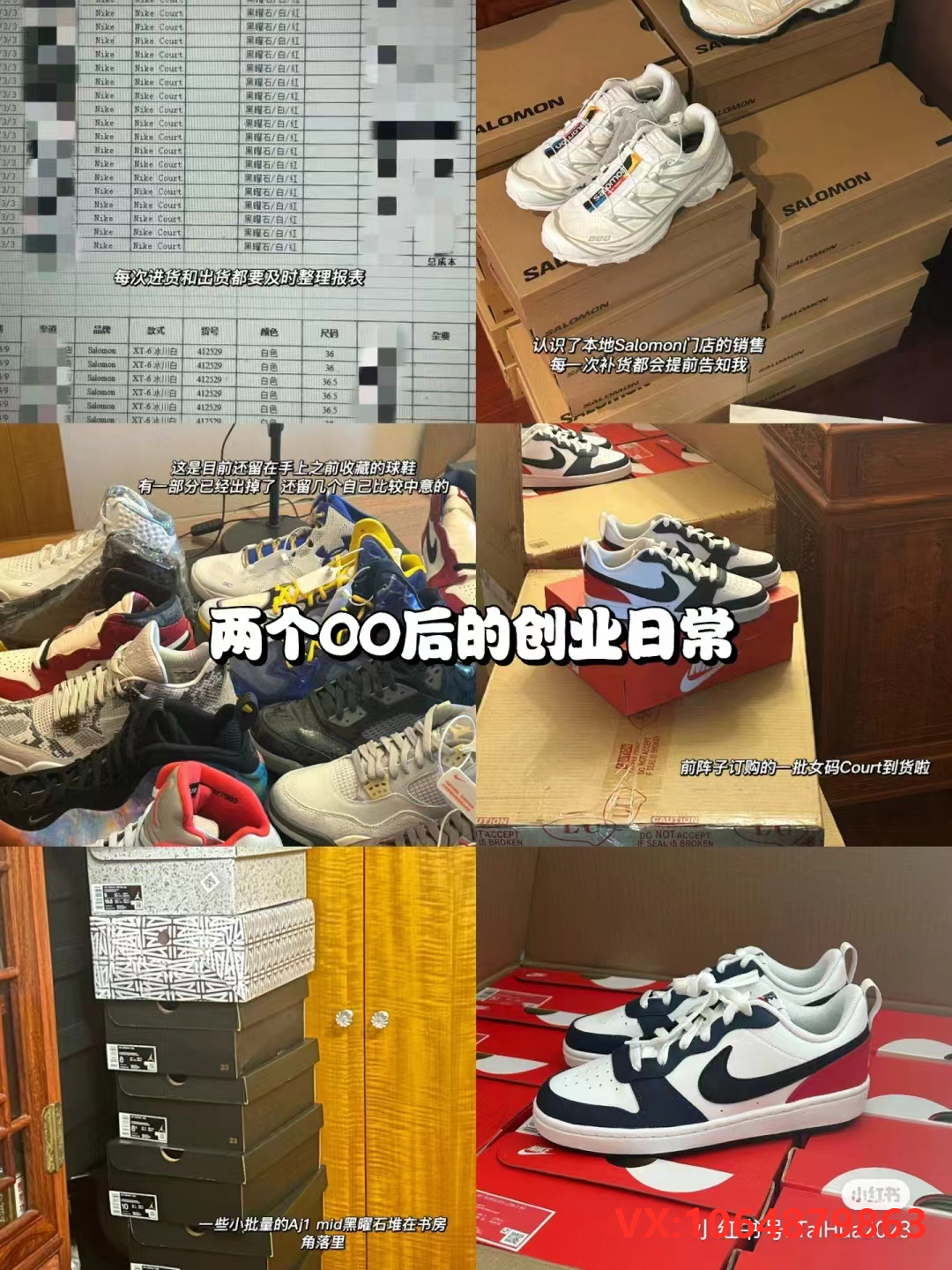
Be careful of agents who claim they can solve everything for you. Sometimes, middlemen add layers of confusion regarding sizing. They might not know the difference between a factory mold and a retail fit. Try to deal directly with the stall owner or the factory representative. Visit the physical location if you can. There is no substitute for shaking hands and looking at the inventory pile. When you see the shoes stacked in crates, you realize the scale of production. You see that they have thousands of pairs of size 10 and 11, but maybe only a few pairs of 10.5 sitting in a corner, waiting to be sold. That visual confirms why they push whole sizes.
Final Thoughts for the Smart Buyer
Sourcing from Putian is a game of adaptation. You have to adapt to the local manufacturing reality. The lack of half sizes is not a bug; it's a feature of the system designed to keep costs low and speed high. By understanding the "one size up" logic, insisting on rigorous QC, and building direct relationships with vendors on the ground, you can navigate these challenges successfully. Don't let the missing half sizes scare you away from the best deals in the sneaker world. Come to the market, trust your eyes, and work with people who know the trade. That is how you win in the long run.