Walking the Streets of Anfu: A Local's Guide to Sourcing Authentic-Grade Footwear
Welcome to my shop. If you are reading this, chances are you have been scrolling through endless forums or chatting with bots that promise "top quality" but deliver nothing but disappointment. I have been standing right here in the Anfu Electronic Commerce City for over fifteen years. I have seen thousands of foreigners walk through these doors, some with a clear plan, others completely lost and ready to be ripped off. Let me tell you something straight from the heart: buying shoes in Putian is not about finding a website; it is about building relationships on the ground. The market here is chaotic, loud, and incredibly fast-paced. If you want to source genuine high-quality replicas, often referred to as "1:1" or "pure original" by us locals, you need to know how to navigate the physical reality of Anfu.
The Myth of online Ordering vs. Reality on the Ground
Many overseas buyers think they can just Google "Putian shoe supplier" and place an order via WeChat without ever visiting. While this happens, it is the fastest way to get scammed. The market is too fragmented. There are hundreds of factories and dozens of trading companies operating out of small apartments and office buildings. When you deal online without meeting face-to-face, you are trusting a stranger with your money based on photos that can be easily faked. In Anfu, the real power lies in the physical inspection. You cannot judge the glue smell, the stitching density, or the softness of the midsole just by looking at a JPEG. That is why I always tell my international friends: come here first. Walk the floors. See the boxes. Talk to the bosses behind the counters.
Navigating the Anfu Market: Where to Start Your Search
Anfu is not a single building; it is a sprawling complex of interconnected malls and side streets. For a newcomer, it looks like a maze. The main entrance is bustling with delivery trucks and local workers carrying massive cardboard boxes. But if you are looking for serious wholesale deals, you need to ignore the flashy storefronts on the ground floor that cater to tourists. Those shops often sell lower-tier goods at inflated prices to catch the eye of the uninitiated.
Finding the Right Stall and Identifying the Boss
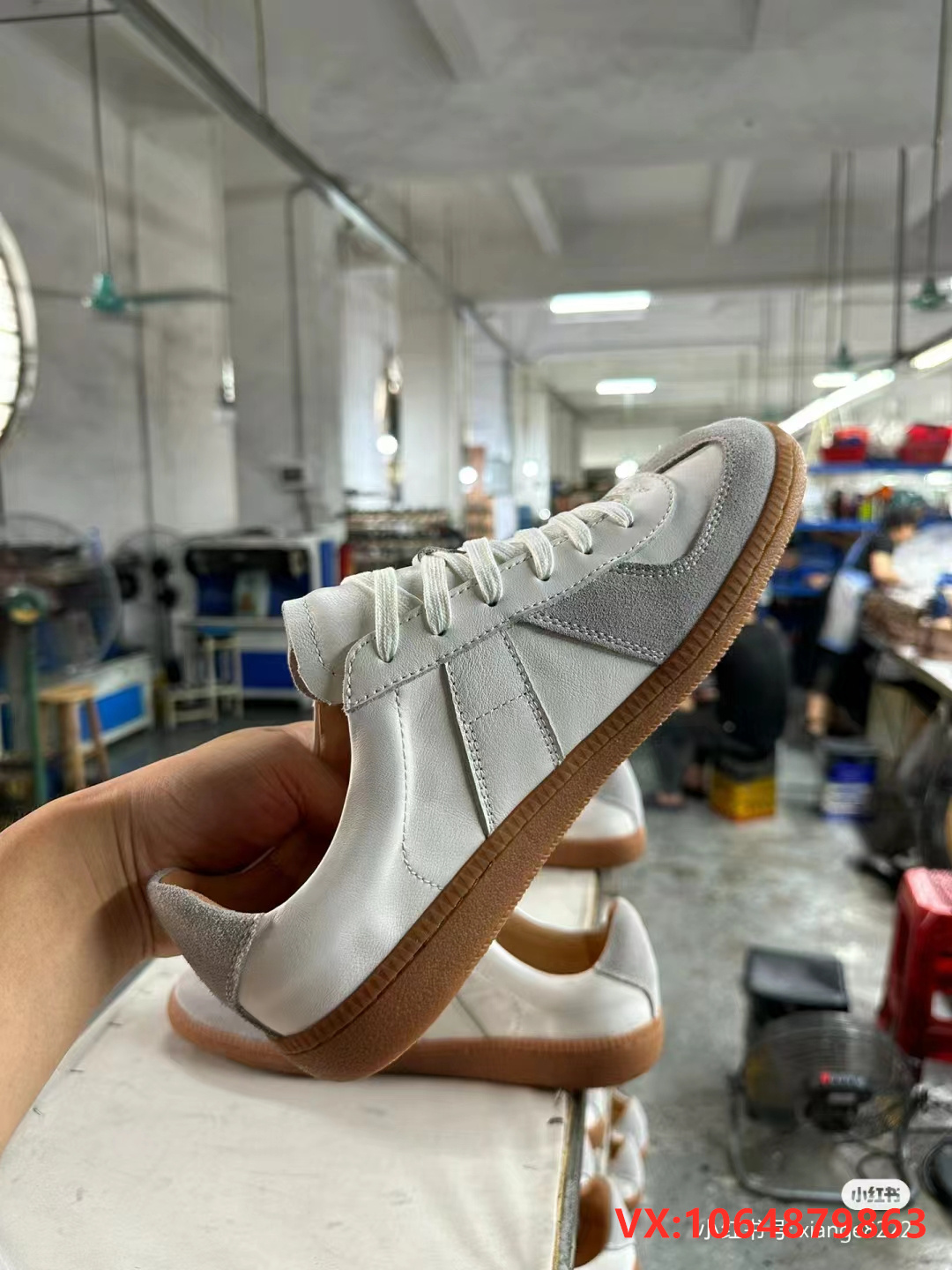
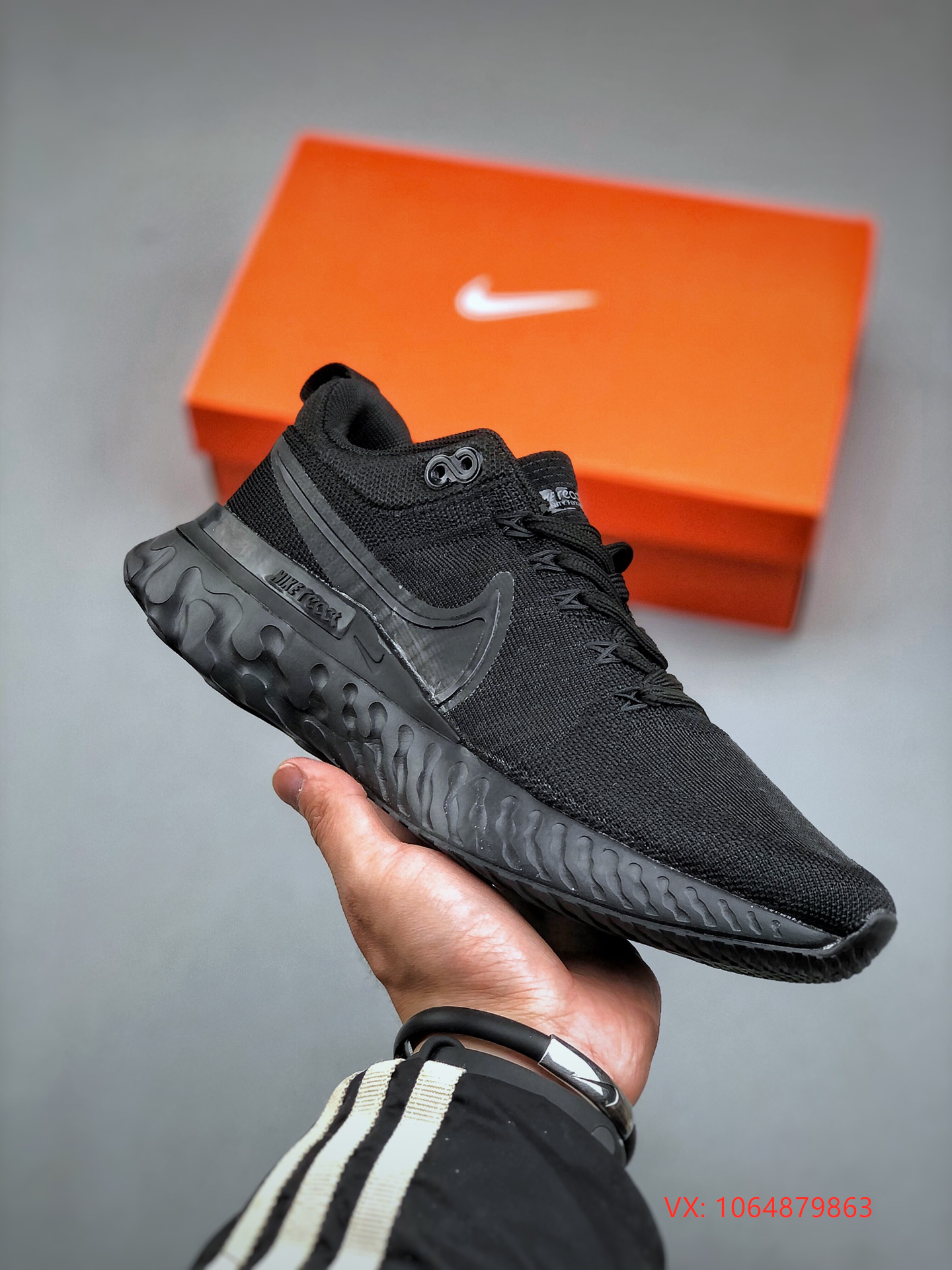
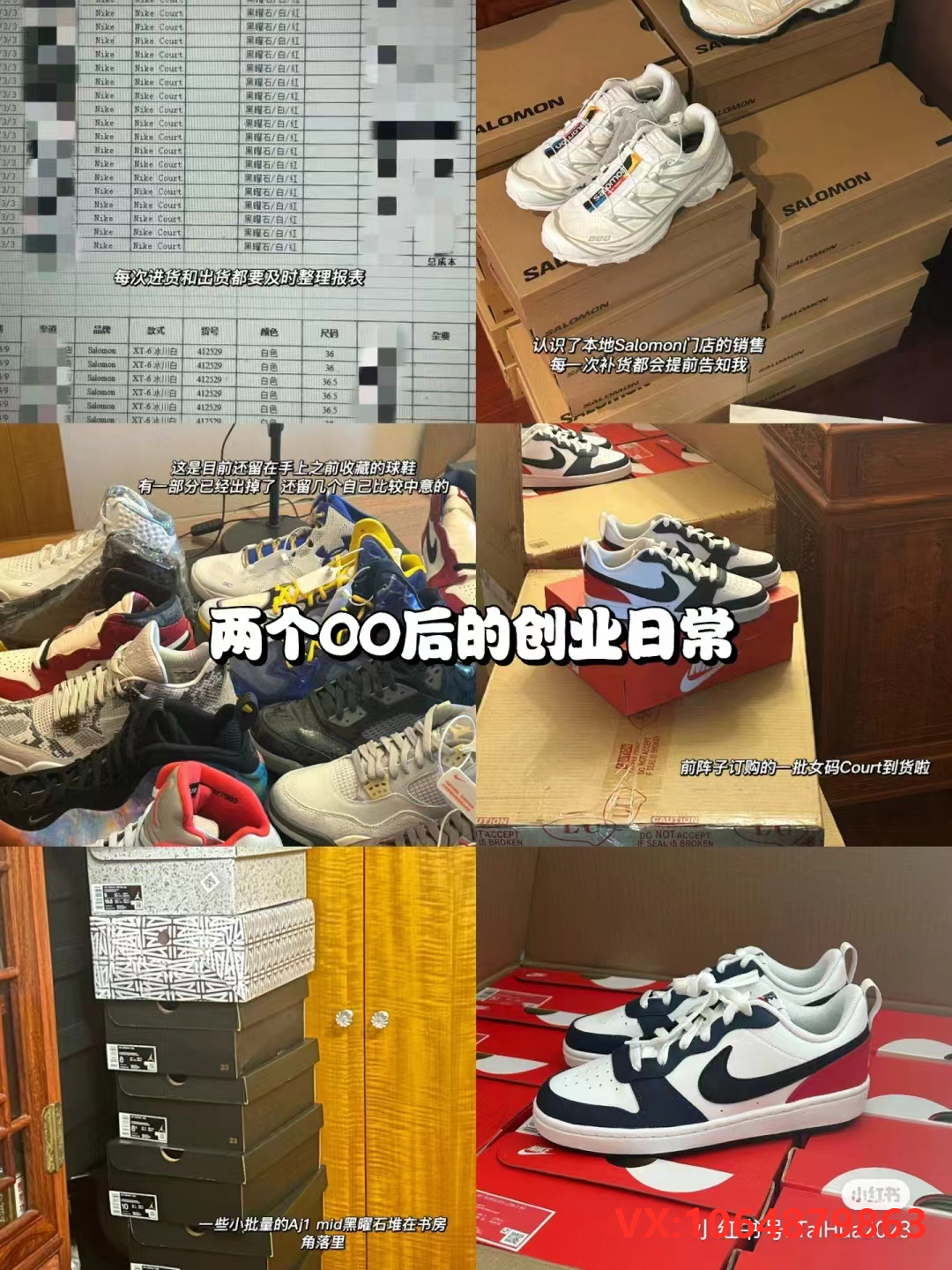
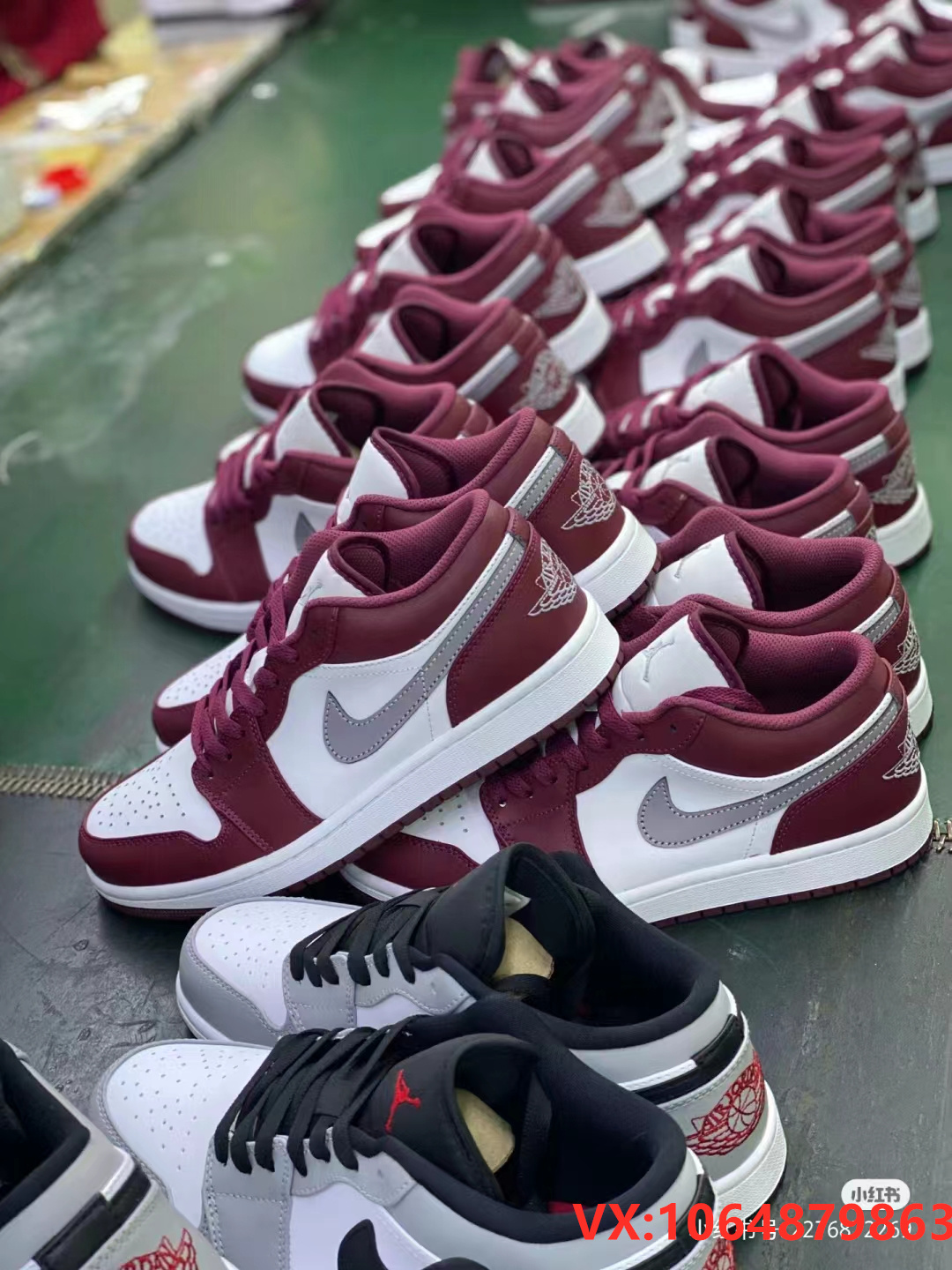
You need to head upstairs or into the deeper alleys where the actual traders operate. Look for stalls that are cluttered with open boxes, showing different versions of the same model. This is a sign of a serious vendor who has access to multiple production lines. When you approach a stall, do not ask for "cheap shoes." Instead, ask specific questions about the factory origin, the mold used, and the material composition. A good boss will immediately recognize you as a potential partner rather than a tourist. They will show you their "master copy" inventory, which is usually kept under the counter or in the back room. These are the shoes made with the exact same molds as the big brands, using the same raw materials sourced from Fujian province.
The Art of Sampling and Quality Verification
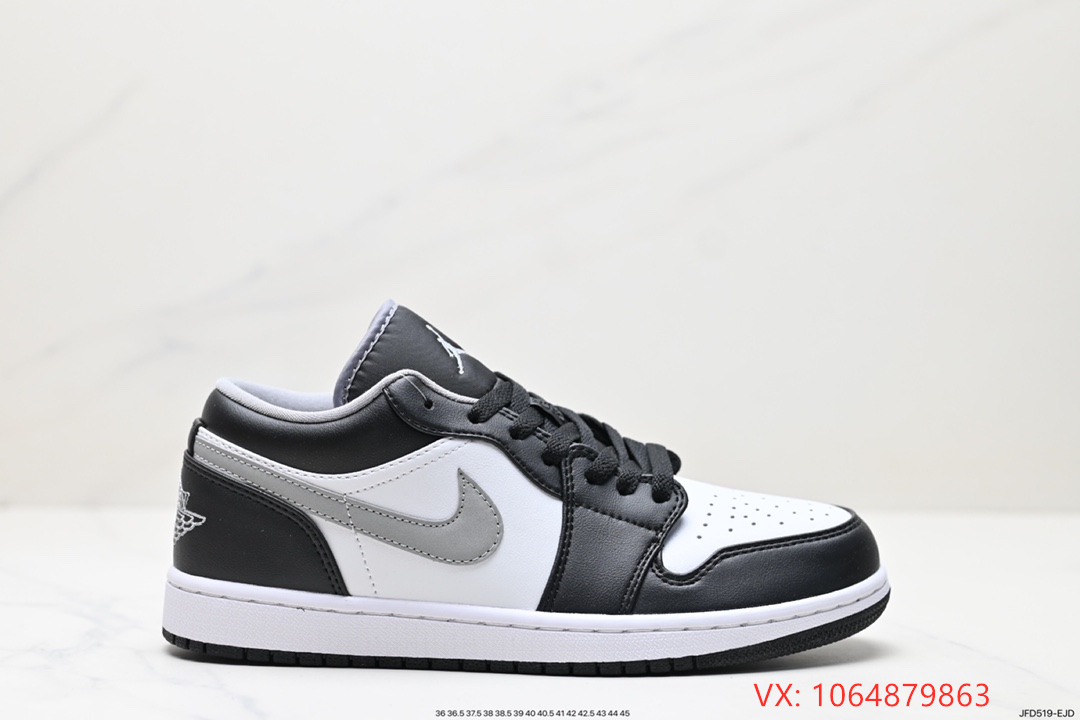
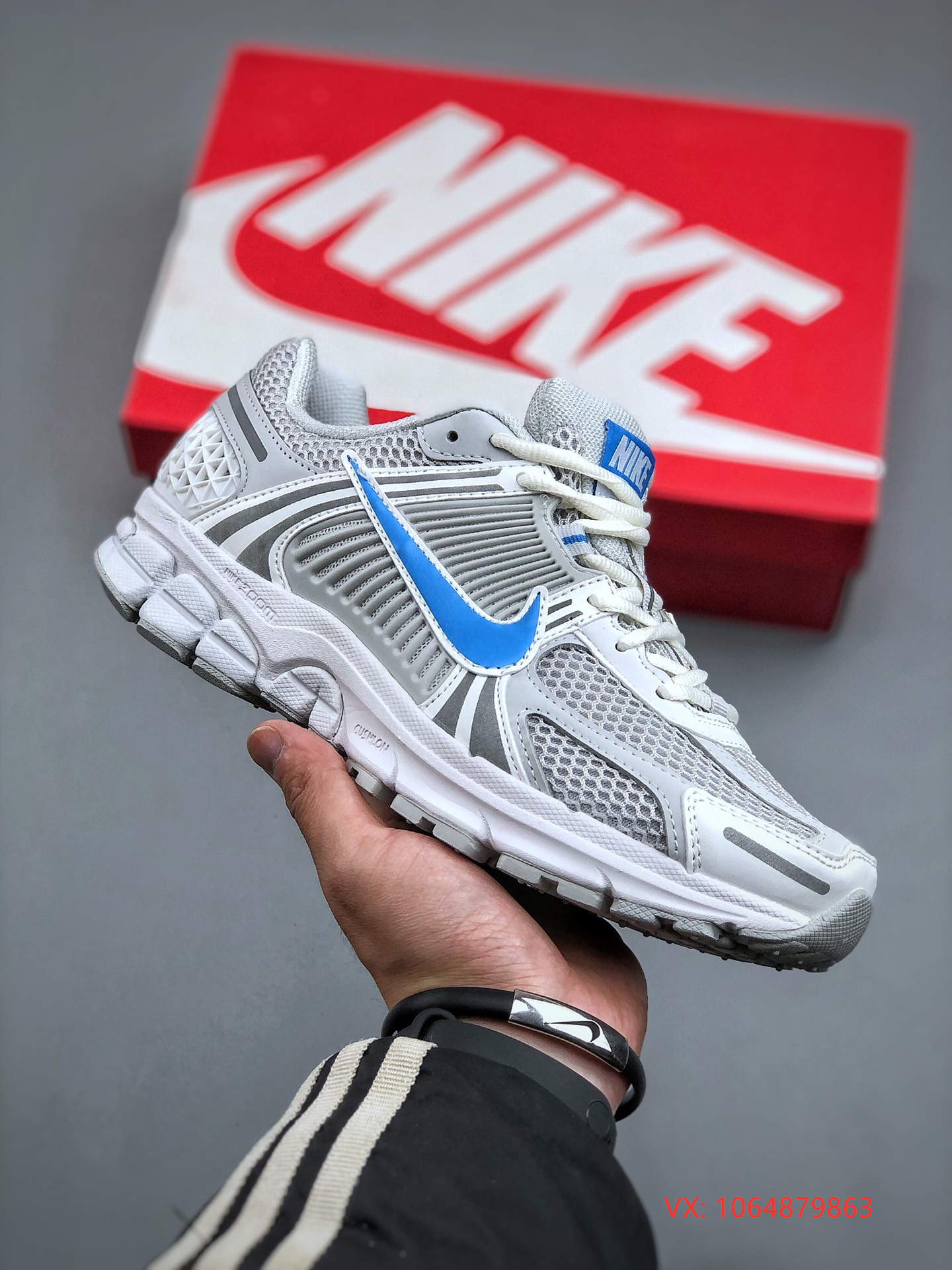
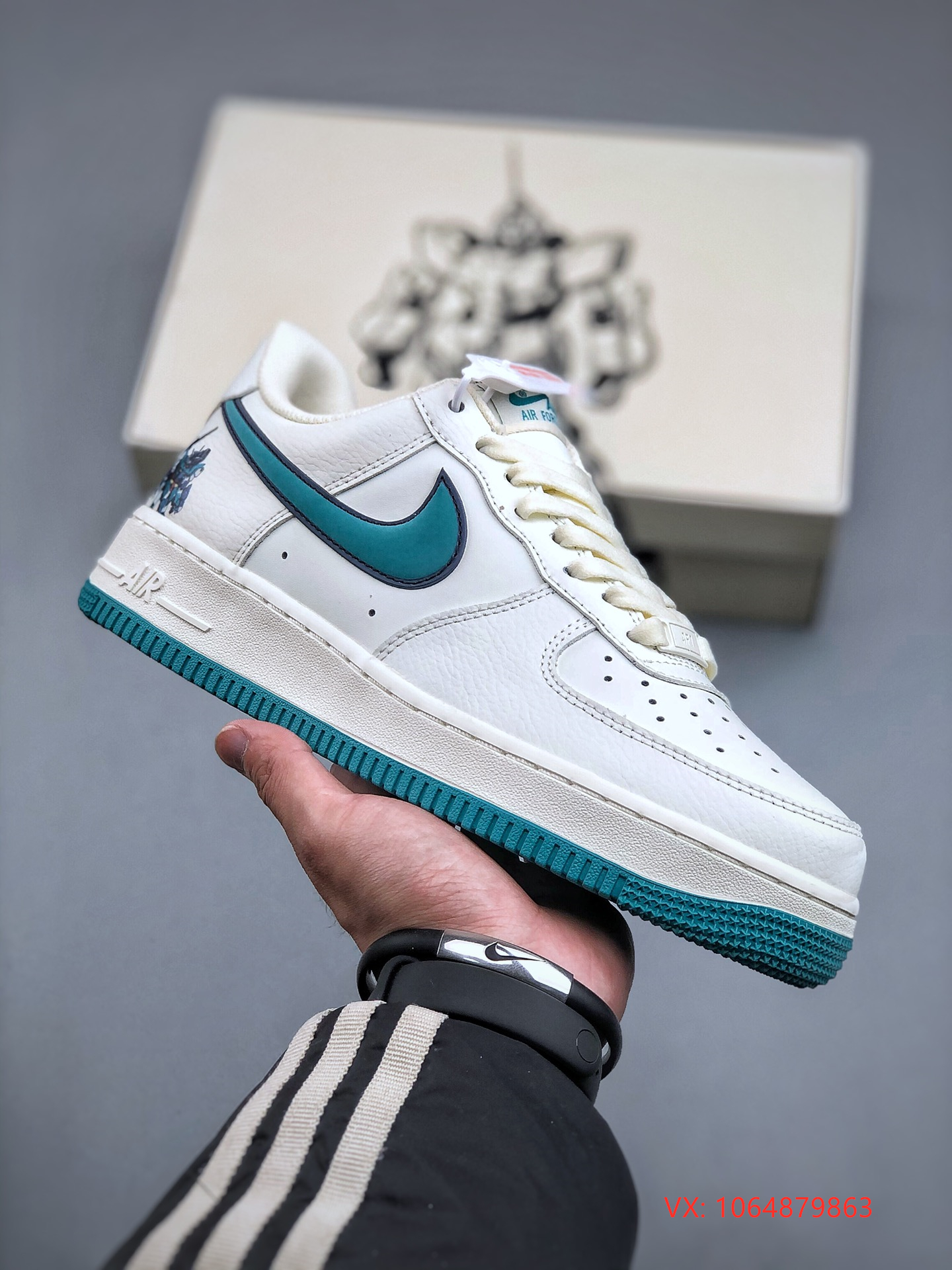
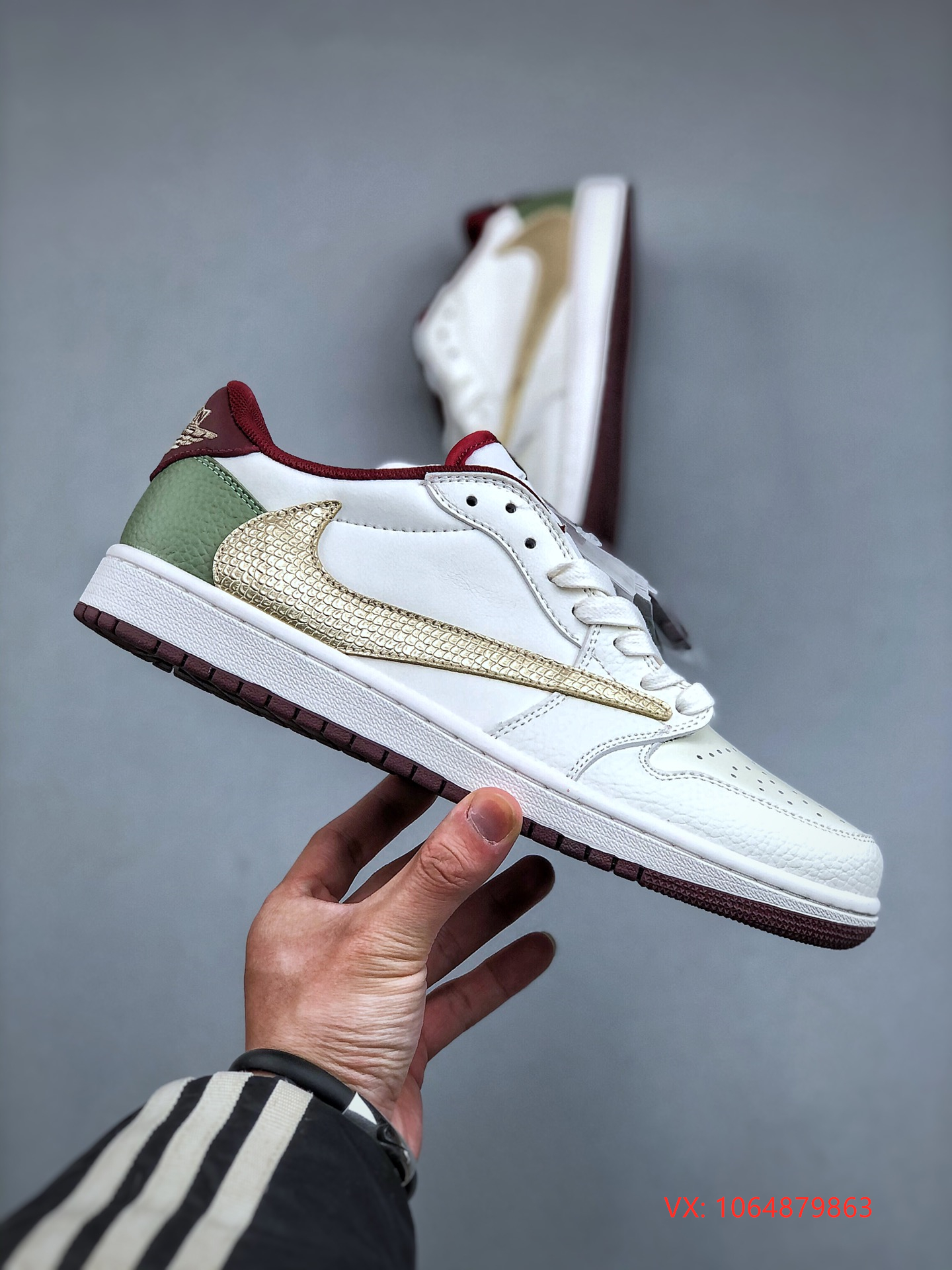
once you find a few promising stalls, the next step is sampling. Never buy a full pallet without seeing the sample first. In our business, we call this "checking the water." Bring a pair of your own reference shoes if you have them, or ask the vendor to compare their product against the official retail version. Pay attention to the details: the alignment of the swoosh, the texture of the leather, and the weight of the sole. A common pitfall for foreign buyers is focusing only on the upper design while ignoring the midsole technology. In Putian, the difference between a $50 pair and a $150 pair often comes down to the foam density and the carbon plate integration. Take your time. Walk around the block in the sample shoes. Feel the bounce. If the vendor gets impatient, move on. Real suppliers understand that quality control takes time.
Building Trust and Negotiating the Deal
After you have selected your samples and verified the quality, the negotiation phase begins. This is where many people fail because they try to act like a corporate buyer when they are actually running a small operation. Be honest about your volume. If you are starting small, say so. Many vendors in Anfu are willing to work with smaller orders if they see you are serious and respectful. Do not haggle over pennies; focus on the margin and the consistency of supply. Establishing a long-term relationship is key. once a vendor trusts you, they will give you priority access to new releases and better pricing on future orders.
Avoiding Scams and Hidden Costs
There are always risks in any trade, especially in a gray market like this. One major trap is the "deposit scam." Never transfer a large sum of money upfront without a contract or a secure payment method. Use platforms that offer buyer protection or meet in person to settle payments. Another issue is shipping. Some vendors quote low prices but add hidden fees for packaging or logistics later. Always clarify the Incoterms before signing anything. Ask specifically about the packaging—do they use the original box? Is there a dust bag? How do they handle customs declarations? A professional vendor in Anfu will have a clear answer for all these questions. They know that if you get stopped at customs, they lose a customer forever.
Logistics and Shipping to Your Country
once the deal is done, the final hurdle is getting the goods to you. Anfu has a dense network of logistics companies that specialize in international shipping. They know how to pack the boxes to avoid damage and how to label them to minimize customs scrutiny. However, you must provide accurate information about your destination country. Different countries have different regulations regarding footwear imports. Some agents in Anfu offer "DDP" (Delivered Duty Paid) services, meaning they handle everything including taxes, though this comes at a premium cost. For most small businesses, using a freight forwarder that consolidates shipments from multiple vendors is the most cost-effective strategy. This allows you to mix and match styles from different stalls in one container, saving significantly on shipping costs.
Final Thoughts: Patience Pays Off in Putian
Sourcing shoes from Putian is not a get-rich-quick scheme. It requires patience, persistence, and a willingness to learn the local culture. The market changes every season, and new trends emerge faster than anyone can predict. By walking the streets of Anfu, talking to the locals, and verifying every detail yourself, you separate yourself from the average buyer. Remember, the best deals are not found on a screen; they are found shaking hands with the people who make the products. If you treat these vendors with respect and approach the process with a clear mind, you will build a sustainable supply chain that lasts for years. Welcome to the real world of Putian footwear sourcing.