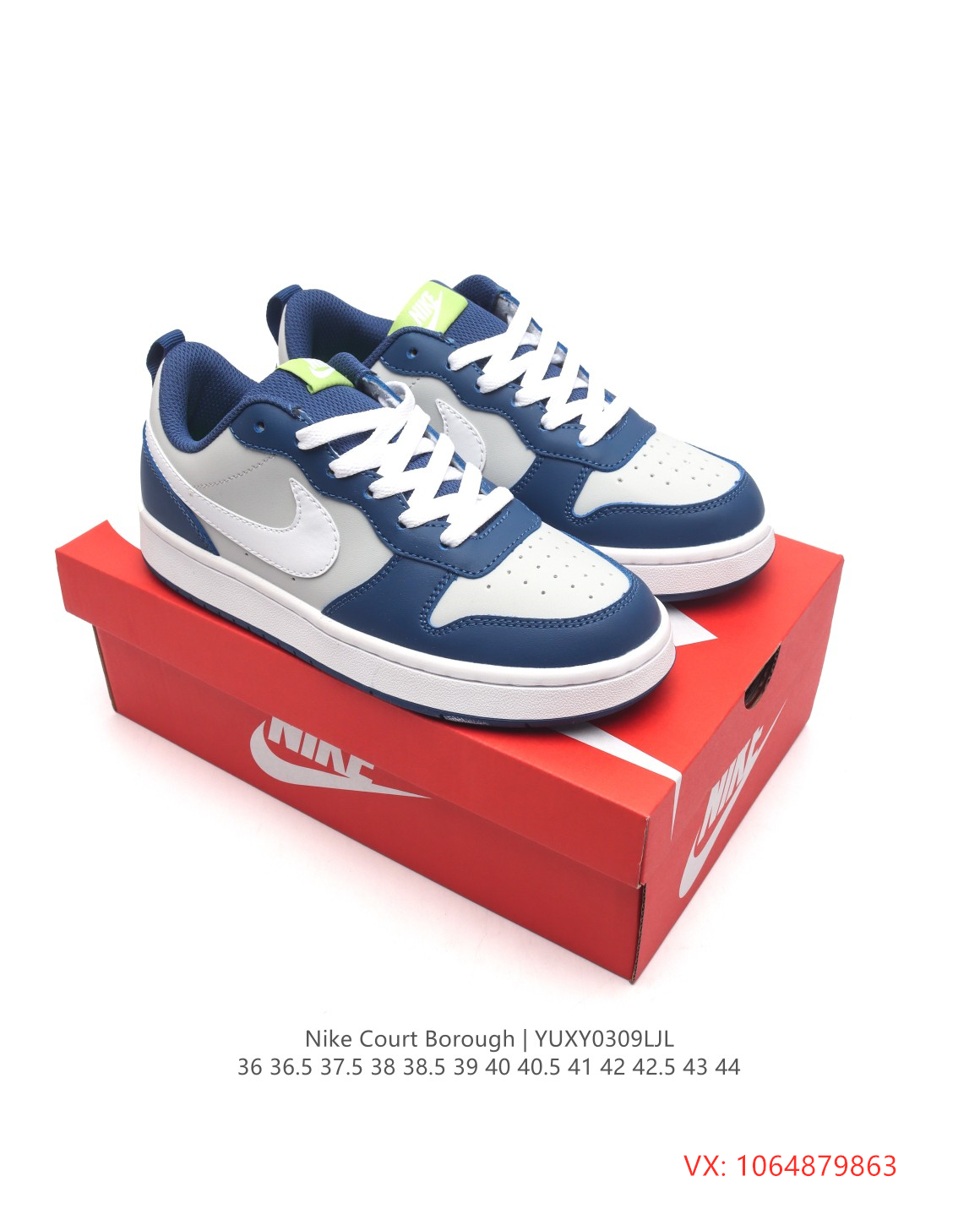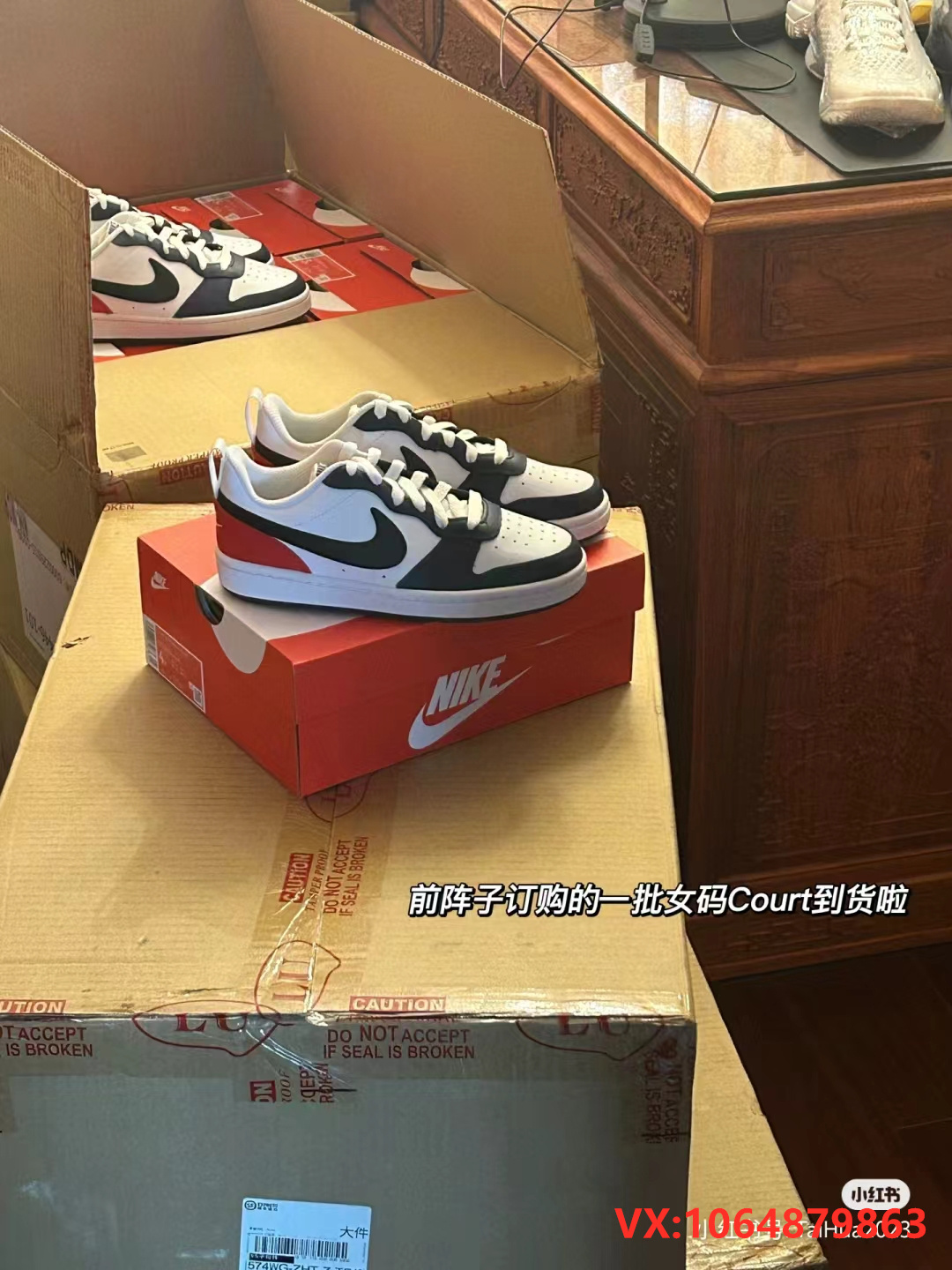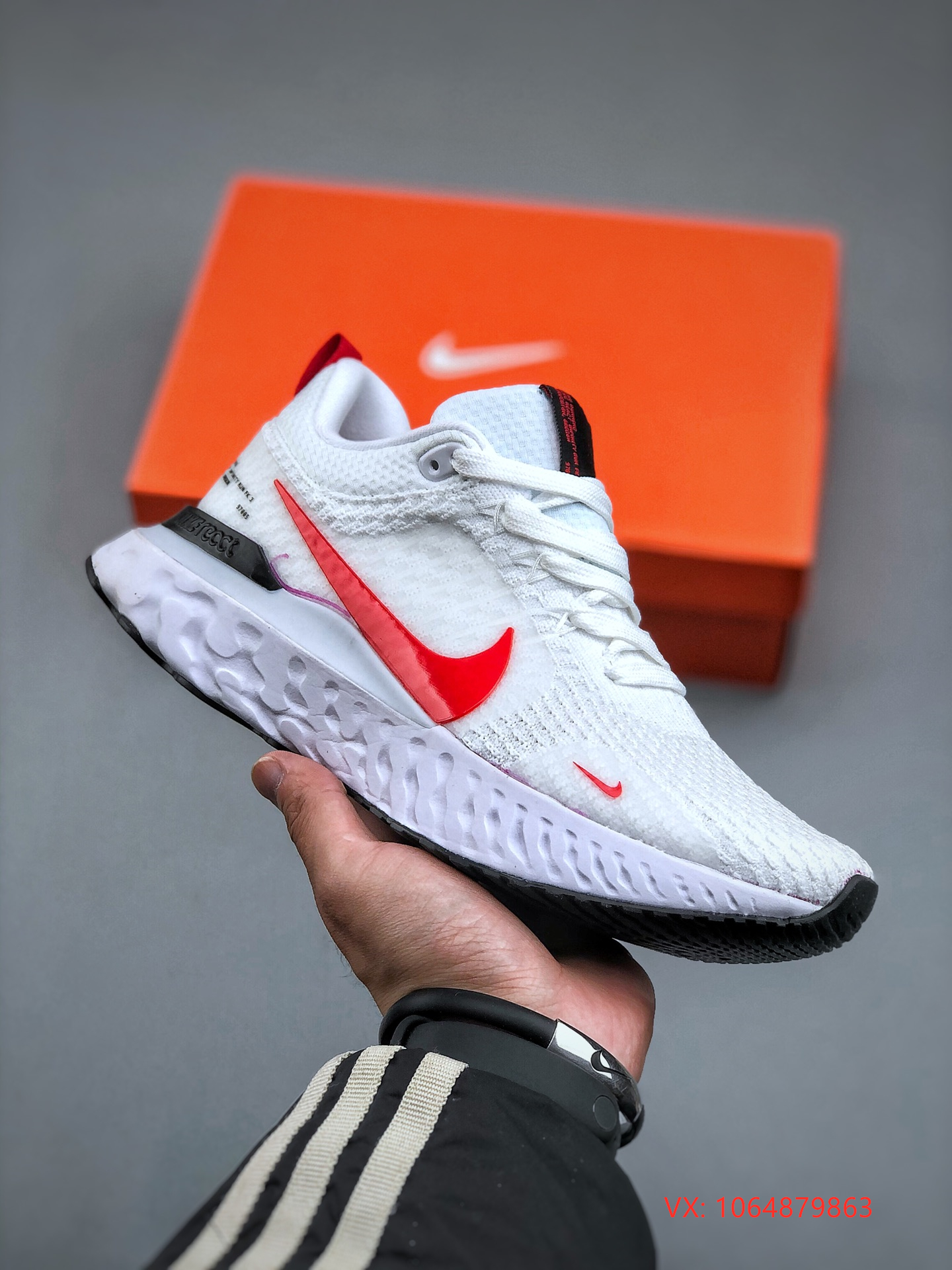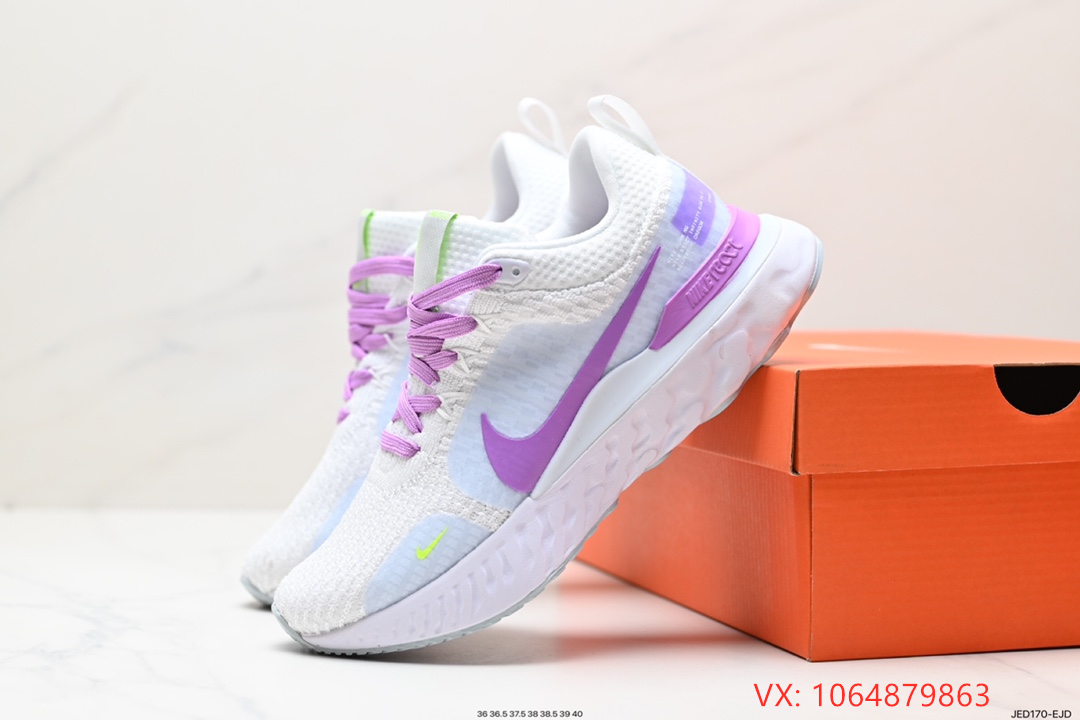
Why "Fake" Sneakers Are Harder to Spot Than You Think
Welcome to the real world of Putian. I've been standing behind these counters in the Anfu E-commerce City for over fifteen years, watching thousands of pairs of shoes walk out those doors every single day. You know, a lot of my foreign friends come to me with this one question: "How can I tell if these are fakes?" They think there is some magic trick, some secret stamp, or a specific smell that gives it away. But here is the honest truth from someone who has built his life on this supply chain: The problem isn't that we are bad at making them; the problem is that the definition of "fake" has completely changed.
When you ask why Putian sneakers are impossible to identify, you are asking about a system that has evolved faster than any brand's quality control team. In the early days, maybe ten years ago, yes, you could spot a fake from a mile away. The glue was too strong, the stitching was sloppy, and the box looked like a toy. But today? Today, the gap between what you see on the official website and what sits on my shelf is so thin that even the brand's own factory managers sometimes get confused. We aren't just copying logos anymore; we are copying the entire DNA of the product.
The Supply Chain Secret No One Talks about
Let me explain how this works when you actually visit the market. Most foreigners think we buy materials from a cheap warehouse and slap a logo on top. That is a myth. The reality is much more complex. Many of the factories in Putian, especially the ones deep inside the industrial zones near Xuefeng Road, used to be the exact same factories that made shoes for Nike, Adidas, and New Balance before the contracts ended. When the big brands moved production to Vietnam or Indonesia, they left behind the molds, the machinery, and most importantly, the skilled workers.
So, when I show you a pair of "high copy" sneakers, I am not showing you a knock-off made from inferior rubber. I am showing you a shoe made on the same assembly line, using the same raw leather batches, often by the same people who worked on the original run. The only difference is the label. If you bring a sample from your local store and compare it side-by-side with a pair from my shop, the weight, the flexibility, and the feel will be identical. This is why the term "replica" feels so outdated. It implies something lesser, but the physical object is indistinguishable from the authentic version because the source material is the same.
The Anfu Market Reality: How to Navigate the Chaos
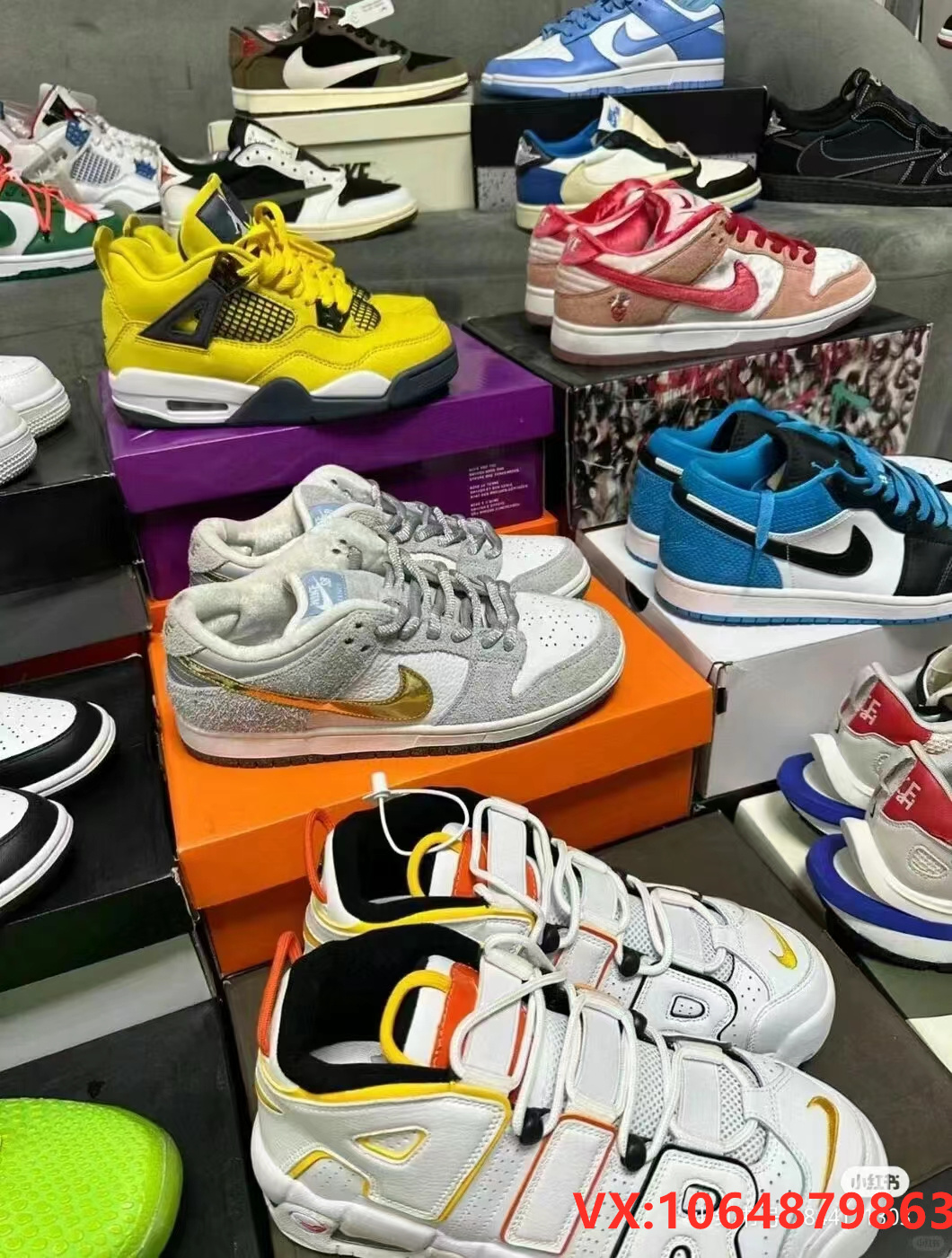
If you are planning to come down to Putian to find suppliers, do not expect to walk into a clean showroom and sign a contract immediately. The Anfu E-commerce City is a beast. It is loud, chaotic, and filled with hundreds of small booths stacked floor to ceiling. This environment is exactly why identification is so hard. Every booth claims to have the "best quality," but the reality is that quality varies based on the price tier you negotiate.
When I talk to buyers from the US or Europe, I always tell them to stop looking for a "brand" and start looking for a "grade." In Putian, we don't sell "Nike"; we sell different versions of the same design. There is the "market version," which is okay for casual wear, then the "mid-high version," and finally the "top version" or "1:1 version." The top version is what confuses the experts. These shoes go through a rigorous inspection process where we check the alignment of the swoosh, the density of the foam, and even the texture of the sole. If you are buying online without seeing the product in person, you are gambling. You might get the top version, or you might get the market version packaged in a fancy box.
On-Site Inspection: What I Look For Before Shipping
Let me share a few practical tips on how to verify goods when you are physically here. First, never trust the photos sent via WhatsApp or WeChat. Those images are often taken under perfect lighting with professional cameras to hide minor flaws. When you are at my stall, I will pull out a fresh pair from the back room. I want you to look at the heel counter. In the past, the heel would collapse easily. Now, we use the same TPU injection molding machines as the big brands. The structure is rigid.
Second, check the smell. Authentic shoes have a distinct chemical smell from the glue and foam. Our top-tier products replicate this perfectly. If a shoe smells like nothing, it means the glue is cheap. If it smells like burning plastic, the curing process was rushed. But the best test is the fit. Put the shoe on. Walk around the shop. Does the arch support feel right? Does the tongue slide smoothly? If the answer is yes, then the internal construction is likely identical to the genuine article. This is why overseas buyers often struggle to distinguish them; the functional experience is the same.
Dealing with Buyers: Avoiding Pitfalls in Sourcing
Many of my international clients make the mistake of trying to order a huge batch of mixed styles without building a relationship first. They want to jump straight to "dropshipping" or bulk orders. This is dangerous. In the Putian market, trust is everything. If you try to buy 500 pairs of random sizes from a stranger on Taobao, you will likely receive a mix of low-quality goods. The "impossible to identify" nature of these shoes becomes a trap if you don't know who you are dealing with.
I always advise my foreign partners to start small. Order a sample pack. Ask for the "quality check" video. I will record a video of myself inspecting the specific pair you want, zooming in on the stitching, checking the box code against the size tag, and even bending the sole to show the flexibility. This transparency is our biggest selling point. We know that if the shoe looks good, you will come back. If you are worried about getting scammed, remember that the best way to avoid bad goods is to build a direct line with a trusted wholesaler like me.
The Legal Gray Area and Your Strategy
We also need to talk about the elephant in the room: the legal status. I am not going to lie to you. Selling these shoes as "authentic" is illegal everywhere. That is why you cannot find them on Amazon or eBay under their real names. But if you are sourcing for personal resale or for a niche market that understands the value of high-quality replicas, the rules change. The challenge for you is not identifying the shoe; the challenge is marketing it without getting banned.
This is why many buyers ask me about "custom packaging" or "no branding." We can remove the tags, put the shoes in plain boxes, or even print your own custom labels. This adds another layer of complexity to identification. If a shoe has no logo, no box, and no tags, how can anyone prove it is a fake? It becomes a generic sneaker. This strategy protects both you and me. It shifts the focus from the brand name to the craftsmanship. When you are sourcing, always clarify your needs. Do you want the full branding for a streetwear crowd, or do you want the unbranded version for a boutique that sells "inspired by" designs?
Final Thoughts from the Front Line
To wrap this up, the reason Putian sneakers are so hard to identify is not a conspiracy; it is simply the result of advanced manufacturing and a mature supply chain. We have closed the gap so effectively that the only difference between a $200 shoe and a $40 shoe is the story attached to it, not the material itself. As a local boss who has seen this industry grow from a small village operation to a global phenomenon, I can tell you that the future of footwear is blurring these lines even further.
For you, the buyer, the key is not to become a forensic expert trying to find flaws. Instead, focus on finding the right partner. Come to Anfu, meet me, touch the leather, and smell the glue. once you understand the quality tiers and build a relationship with a reliable supplier, the confusion disappears. You won't need to worry about whether a shoe is fake or real; you will know exactly what you are paying for and why it is worth it. That is the real secret of the Putian market.