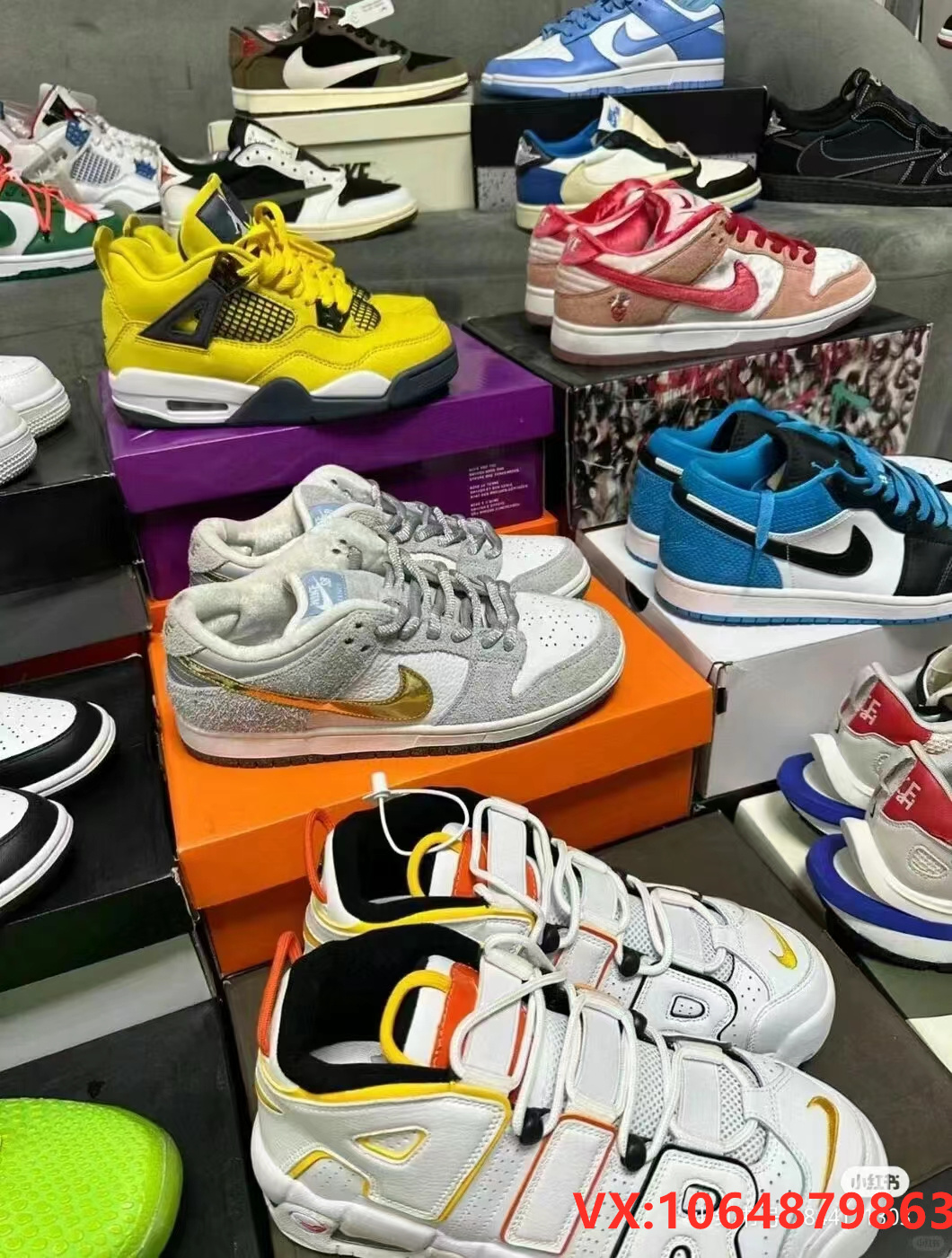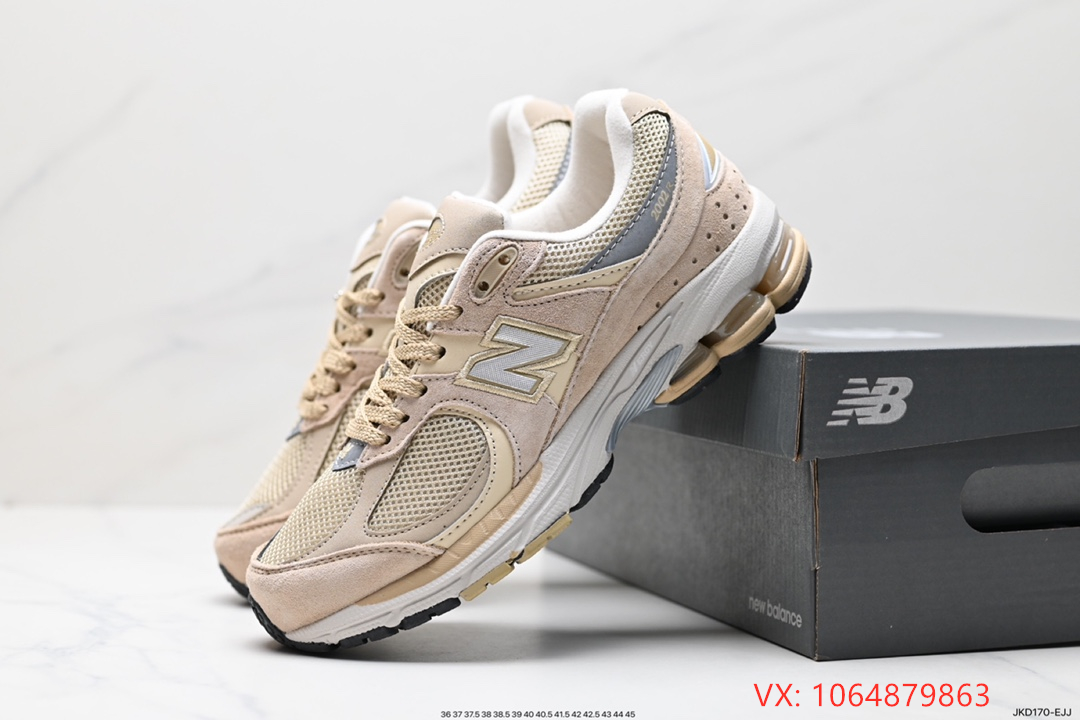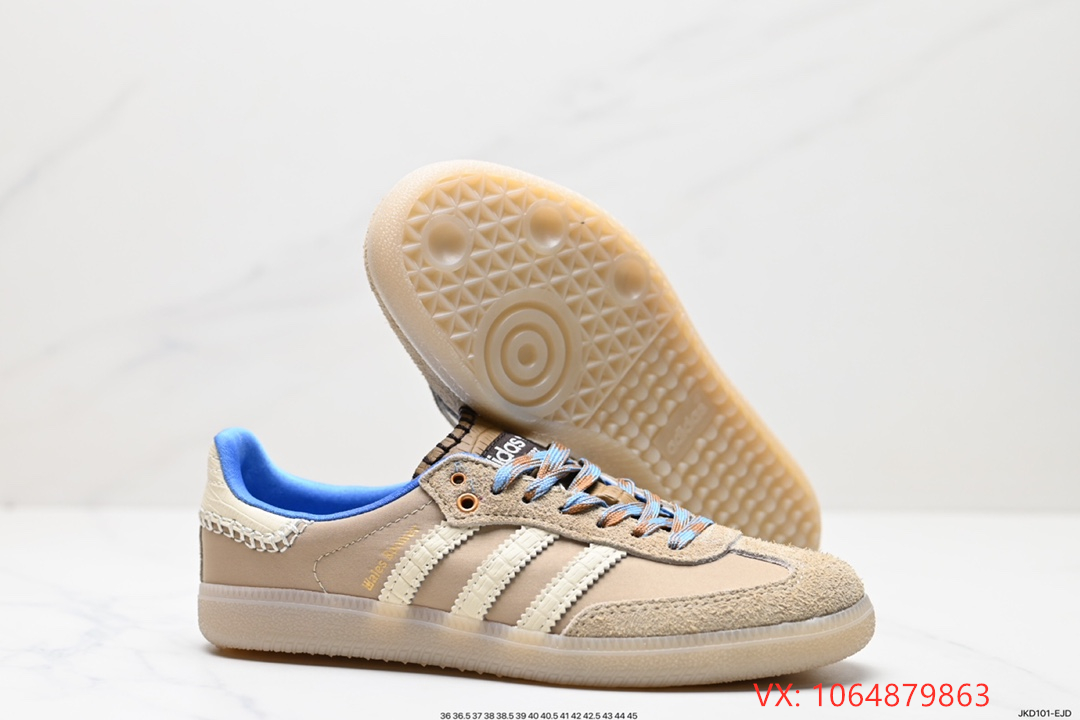
What's Actually Inside the "Cotton" of Putian Shoes?
Listen, I've been standing behind this counter in Anfu Street for over fifteen years. You walk in here, and you smell that mix of fresh glue, synthetic leather, and old cardboard. It's a specific scent that tells me you're either a serious buyer or just another tourist looking for a bargain. Now, I see a lot of questions online from guys in the US and Europe asking about "Chinese Putian shoe cotton." They think there is some secret, magical fiber hidden inside these sneakers that makes them different from Nike or Adidas. Let me tell you something straight from my experience: there is no such thing as a special "Putian Cotton."
When people ask me this, they are usually confused by marketing terms they read on forums or saw in YouTube videos. In the real world of the Putian wholesale market, we don't use magic ingredients. We use standard materials, but the quality varies wildly depending on who you talk to and how much you pay. If you are an overseas buyer trying to source goods, you need to stop worrying about the name of the fiber and start understanding the construction. The "cotton" you hear about is almost always just high-density polyester mesh or a cotton-poly blend used in the lining, not the structural core of the shoe.
The Truth about Materials in Anfu Market
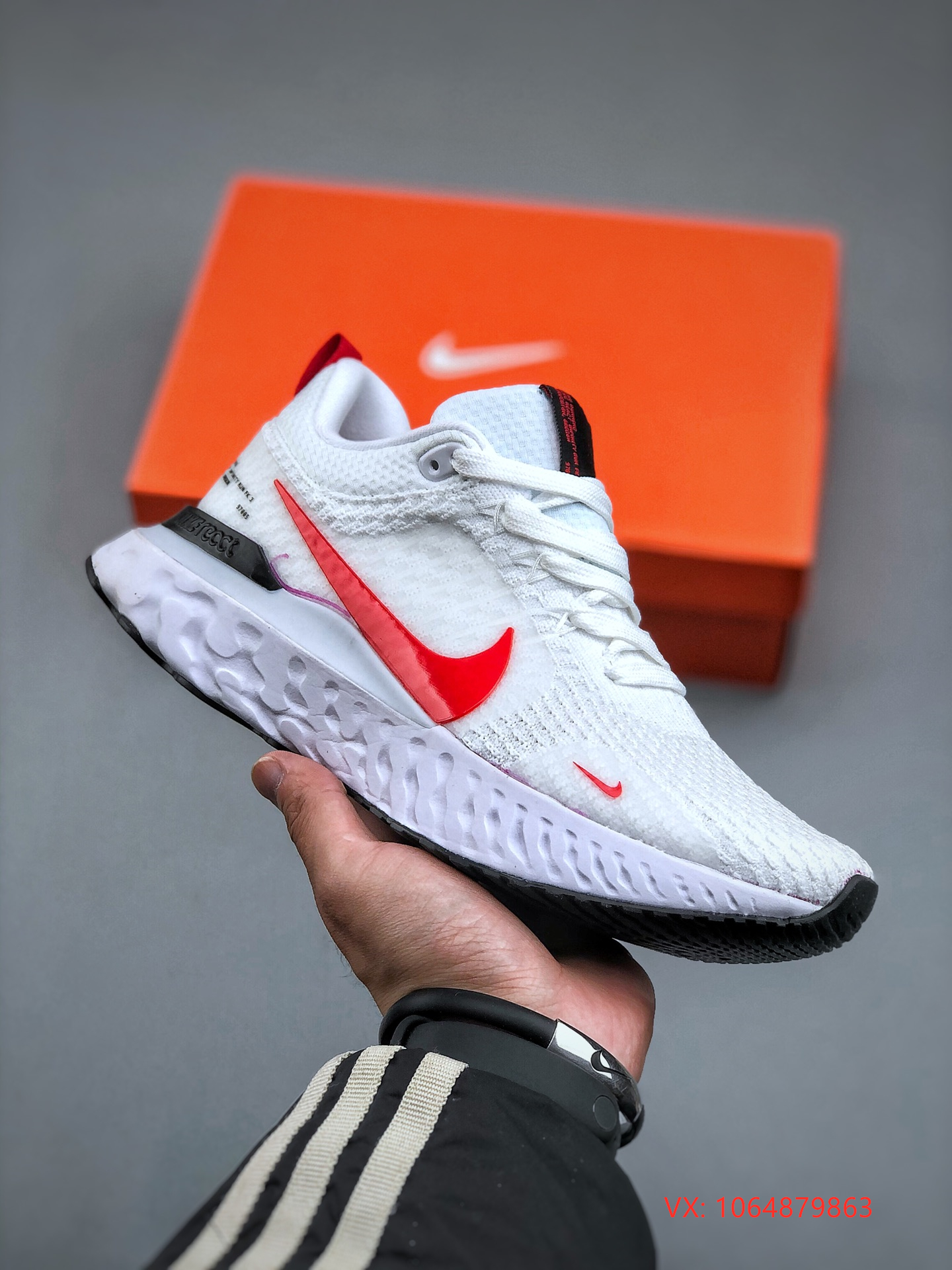
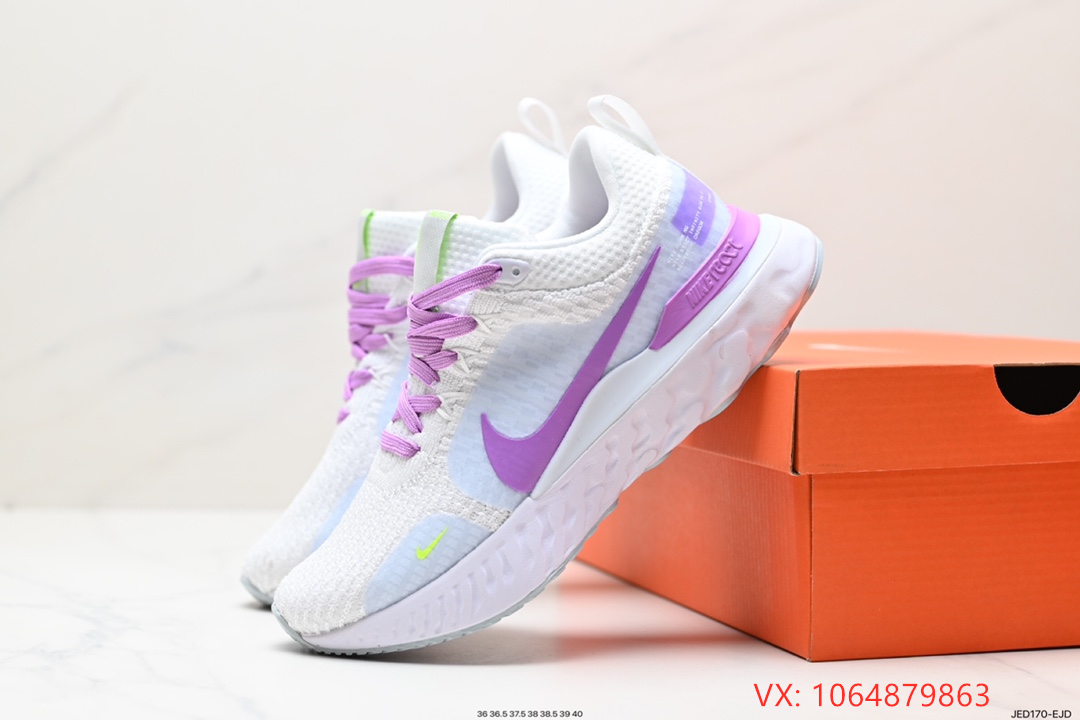
Let's get into the nitty-gritty of what you actually find when you walk through the stalls in Anfu. When I show you a sample pair, the upper material is rarely pure cotton. Pure cotton would rot if it got wet with sweat, and it wouldn't hold its shape after a few runs. What you are seeing is usually Flyknit-style polyester, which mimics the look of knitted fabric but is far more durable. Sometimes, for cheaper models, we use a lower-grade polyester that feels rougher, like a cheap t-shirt. That might be what some people are calling "cotton," but technically, it's synthetic.
Understanding the Lining vs. The Upper
This is where most foreign buyers get tripped up. They touch the inside of the shoe and feel a soft, fuzzy texture. They assume it's premium cotton because it feels comfortable against the skin. In reality, this is often a brushed polyester fleece or a microfiber lining designed to wick moisture. In the higher-end replicas we make here, we try to match the breathability of the original brands using advanced mesh technology. But if you are buying the budget tier, you will get a thick, non-breathable lining that traps heat. It feels like cotton at first, but once you run in them, you'll know the difference immediately. Don't let the softness fool you; check the tag and ask for the material composition sheet before you commit.
Why the Confusion Exists
I have seen many inquiries from buyers asking for "100% cotton shoes." I have to laugh a little because that is practically impossible for performance footwear. Even the original big brands don't use 100% cotton for the main body of their running shoes. The confusion comes from the fact that some sellers use vague language to describe the comfort level. They say "cotton-like feel" to imply softness. As a local boss, I advise you to ignore the buzzwords. Focus on the density of the weave and the thickness of the sole. If a seller promises you a shoe made entirely of natural cotton, they are likely selling you something that will fall apart in two weeks.
Navigating the Physical Market: A Buyer's Guide
If you are planning to come to Putian, do not rely solely on WeChat messages. The best deals happen face-to-face. When you step into the Anfu complex, you are entering a maze of hundreds of small shops. Some are legitimate factories with samples, while others are just middlemen reselling goods from other stalls. Here is how I handle my regular international clients when they visit.
How to Spot a Real Factory Stall
Walk past the flashy displays with the neon lights first. Those are usually for tourists or one-off sales. Go deeper into the corridors where the lighting is a bit dimmer and the floor is covered in dust. Look for stalls with stacks of boxes labeled with factory codes rather than brand logos. These are the real sources. When you talk to the owner, ask to see the molds. A real factory will show you the steel molds used to create the soles. If they only have finished shoes and no molds, they are probably just a reseller. Also, ask about the "grade" of the product. We have different tiers: the "market version" (low quality), the "super copy" (high quality), and the "original mold" (closest to the real deal). Be honest about your budget so I can give you the right option.
Inspecting the Goods Before You Pay
Never pay for a full order without inspecting the samples first. This is the golden rule. When you are holding the shoe, pull on the stitching. Check the glue lines around the sole. In Putian, the glue quality is what separates a $50 shoe from a $100 shoe. If the glue is messy or smells like strong chemicals, skip it. For the "cotton" question again, stretch the fabric. Does it snap back? Or does it stay stretched out? Good polyester mesh has excellent elasticity. If it feels flimsy, it will tear during shipping or wear. Also, check the insole. Many cheap shoes use a thin foam that compresses instantly. High-quality ones use memory foam or dense EVA that provides actual support.
Avoiding Scams and Building Trust
There are plenty of scams targeting foreigners who want to buy Putian shoes. You will find agents online claiming to have exclusive access to "secret cotton blends" or "military grade materials." Ignore them. The truth is boring. The success of our industry lies in supply chain efficiency and material consistency, not in mythical fibers.
Communication and Payment Safety
When dealing with us locally, trust is built on transparency. Do not send money via Western Union or untraceable methods. Use platforms that offer buyer protection or establish a relationship where you pay a deposit and the balance upon shipment inspection. I have had clients who were scammed because they trusted a photo sent over WhatsApp without verifying the stock. Always ask for video calls of the actual warehouse. If you are sourcing large quantities, consider hiring a third-party inspection service in China. They can go to the factory, check the materials, verify the "cotton" content (or lack thereof), and ensure the packaging matches your order.
The Long-Term Strategy
Don't just look for the cheapest price. In Putian, the price reflects the quality of the rubber, the precision of the molding, and the durability of the threads. If you want to build a sustainable business, focus on the mid-to-high range products. These use better materials that mimic the originals closely enough to satisfy customers but are priced competitively. Stop searching for a "special ingredient" and start focusing on the craftsmanship. The best shoes we make here are the result of skilled labor and precise machinery, not a secret recipe of cotton.
So, next time someone asks you about the "Putian shoe cotton," you can tell them the truth. It's about the blend, the weave, and the workmanship. Come down to Anfu, meet me at the stall, and let's look at the shoes together. You will see that the quality speaks for itself without needing any fancy names.