
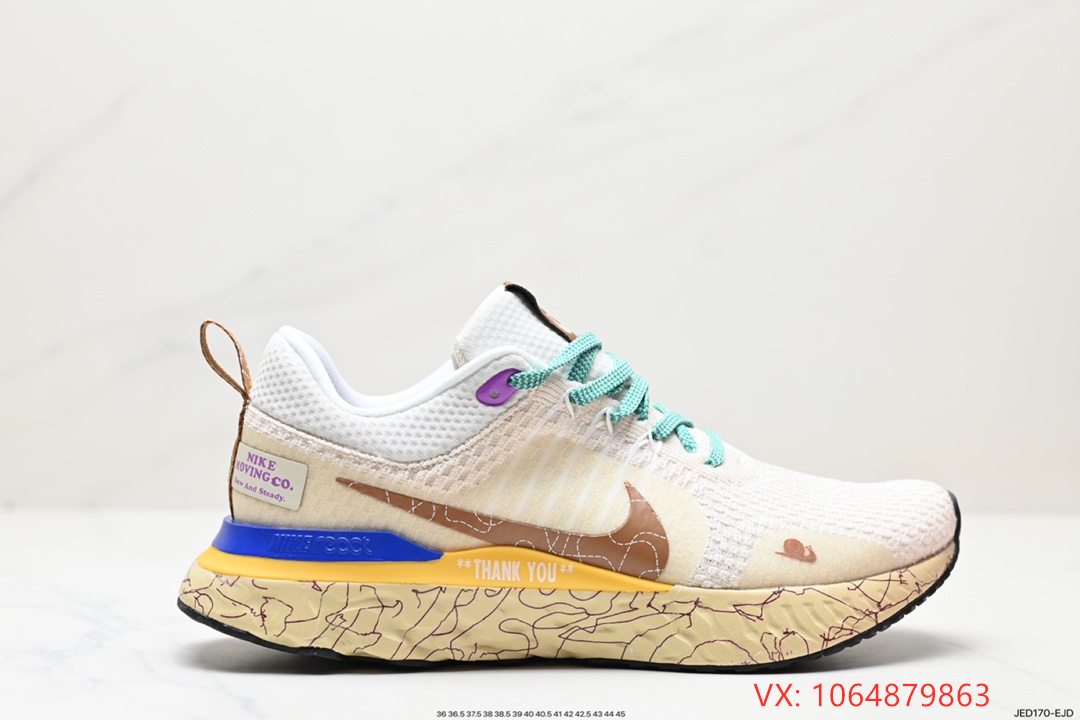
Inside the Anfu Market: How Many Grades of Putian Shoes Are There Really?
Welcome to the real deal. I've been standing behind my counter in the Anfu E-Commerce City for over fifteen years, watching thousands of foreign buyers walk through those heavy glass doors, looking confused and overwhelmed. You come here asking about "Putian shoe grades," thinking there is a simple chart like A, B, C, D that tells you exactly what you are getting. Let me tell you something straight from the floor: that's a myth sold by middlemen who want to keep you guessing. The reality on the ground is much more fluid, messy, and fascinating than any textbook definition.
The Myth of the Official Grade List
When you first arrive, you might hear people talking about "L1," "Top Version," or "Super Copy." These terms sound official, but they aren't standardized across the entire market. If you ask ten different shop owners in the same building, you will get ten slightly different answers. Why? Because the supply chain is fragmented. One factory might call their highest quality "God Version," while another calls it "Original Quality." As a local boss who has seen every scam and every genuine bargain, I can tell you that the grading system isn't fixed; it changes based on the specific mold, the leather supplier, and even the day of the week.
Navigating the Hierarchy: From Street Level to Factory Direct
To understand the grades, you have to look at wher the shoes come from. We don't just sell one type of product. We have a whole ecosystem. When you are looking for "high quality replica sneakers" or "best Putian shoes," you need to know which tier matches your budget and your customer base.
The Entry-Level: The "Street" Versions
Let's start with the bottom rung. This is what you see in the street stalls outside the main buildings or in the back rooms of smaller shops. These are often called "low version" or "market standard." The materials are okay, maybe synthetic leather instead of real skin, and the glue smell is strong. The stitching might be slightly off if you look closely. For a buyer looking for cheap stock to sell online as "replicas" without worrying about details, this works. But if you are an American importer looking for brand loyalty, stay away. The return rate on these is too high.
The Mid-Tier: The "Market Standard" Upgrade
This is the bread and butter of the Anfu market. Most of the shops you walk into initially will show you this level. They use better molds, closer to the original design. The foam cushioning feels decent, and the logo placement is accurate. In our industry, we sometimes call this the "A-grade" or "mid-high version." It's not perfect, but for 80% of the casual wearers, it passes. If you are sourcing for a mid-range e-commerce store, this is wher you should focus your negotiation. Don't let them upsell you to the top tier immediately; test this first.
The Top Tier: The "God Version" and Beyond
Now, this is what serious buyers are hunting for. When you hear terms like "1:1," "Ultra High Quality," or "Factory Direct Original," they are referring to this tier. These shoes come from the same factories that produce for big brands, sometimes using the exact same raw material suppliers. The only difference is the lack of the branded box and the tag. The sole compound, the knit texture, the air unit response—it all mimics the authentic pair almost perfectly. To find this, you cannot just browse the front display. You have to dig deep into the warehouse or build a relationship with a trusted contact who has access to the "secret" batches.
On-the-Ground Sourcing: How to Spot the Real Deal
I've seen too many foreigners get burned because they relied on photos sent via WhatsApp before they even stepped foot in the market. Photos lie. Lighting hides flaws. The only way to truly grade a shoe is to touch it, bend it, and smell it. Here is my advice for anyone coming to Fuzhou or ordering remotely.
The Physical Inspection Ritual
When you are in my shop, don't just look at the side profile. Grab the heel. Squeeze the tongue. Check the alignment of the swoosh or the three stripes. In the top-tier versions, the symmetry is flawless. In the lower grades, you will see gaps or uneven lines. Also, check the box. Even the best shoes often come in generic boxes unless you pay extra for the branded packaging. If a seller claims it's "top quality" but the box looks flimsy, run. The attention to detail in the packaging usually mirrors the attention to detail in the shoe itself.
Negotiating and Building Trust
Don't be afraid to ask questions. Ask about the leather source. Ask if the mold was bought directly from the brand or copied. A confident seller will answer honestly because they know their product. If they get defensive or vague, that's a red flag. We locals prefer long-term relationships over one-time sales. If you buy a few pairs of the mid-tier first and they pass inspection, you can negotiate better prices on the top-tier later. Trust is the currency here, not just dollars.
Avoiding Pitfalls: What Every Foreign Buyer Must Know
The biggest mistake I see is trying to buy everything at once. Newcomers often try to order fifty pairs of the "highest grade" immediately. They end up with mixed inventory because different batches vary. My advice? Start small. Order samples of different grades from different shops. Compare them side-by-side. once you know what "good" looks like to you, you can scale up.
The Shipping and Customs Reality
Also, remember that shipping these goods carries risks. While we have reliable logistics partners who handle customs clearance carefully, you must be aware of the legal landscape in your country. Some agents offer "tax-free" shipping, but it's a gamble. Always verify the tracking number and ensure the package is disguised properly. We have seen shipments held up because the declaration value was too high or the description was too obvious. Work with a forwarder who knows the Anfu market inside out.
Final Thoughts from the Floor
So, how many grades are there? Honestly, it's a spectrum, not a list. There are infinite variations depending on the factory, the batch, and the time of production. But if you strip away the marketing jargon, you really have three main categories: the cheap street stuff, the solid mid-market workhorse, and the premium factory-direct masterpiece. As someone who has spent decades in this trade, I can tell you that the magic happens when you stop chasing the lowest price and start focusing on the value. Come to Anfu, talk to us, inspect the goods, and build a network. That is the only way to win in this game. The market is vast, but with the right guidance, you can find exactly what you need.

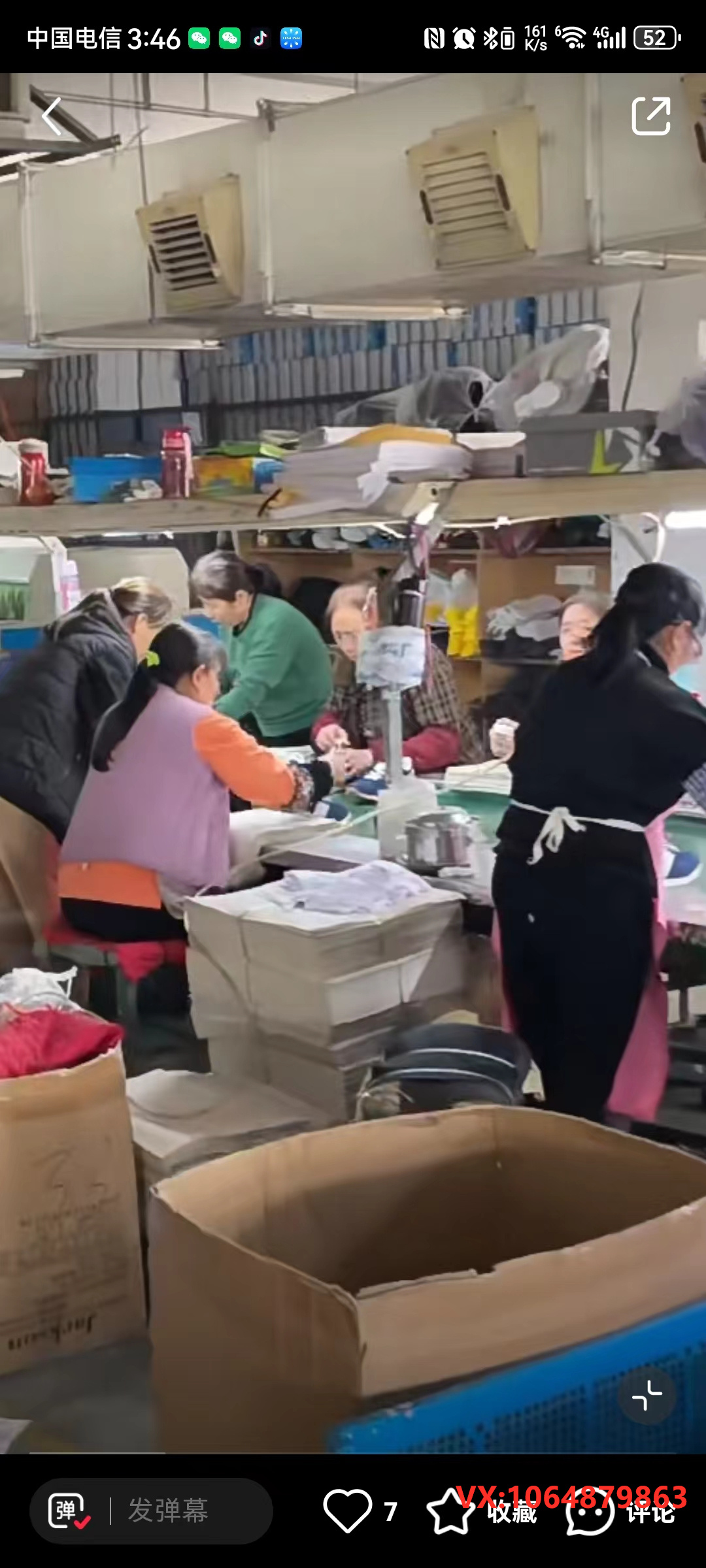
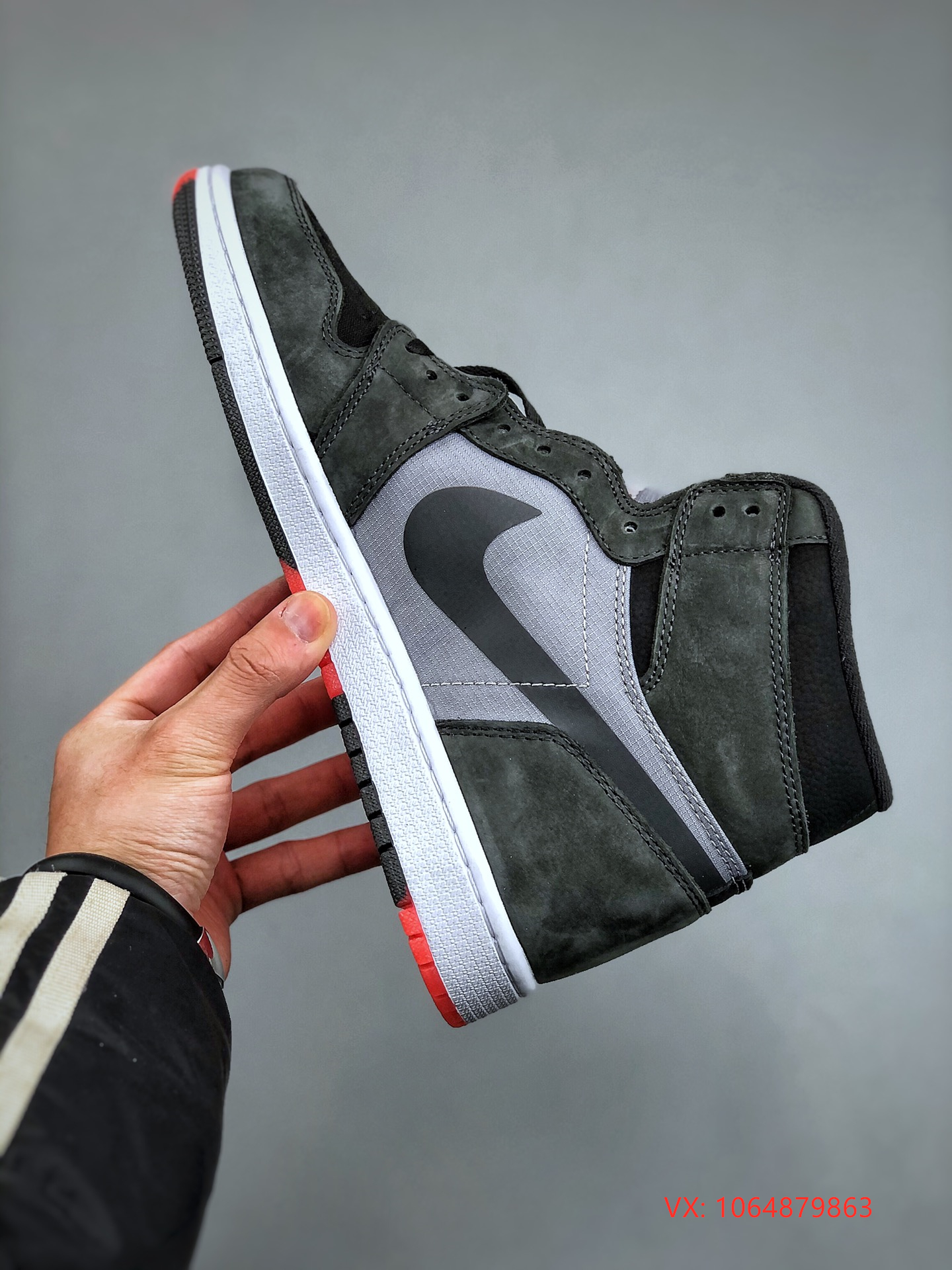
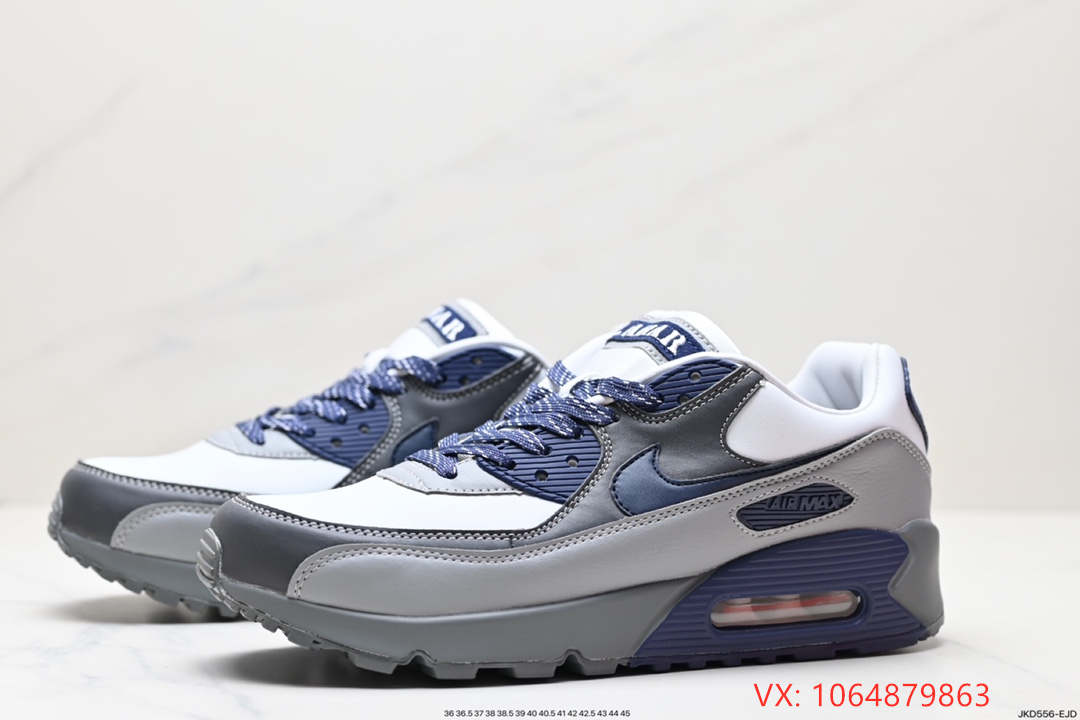
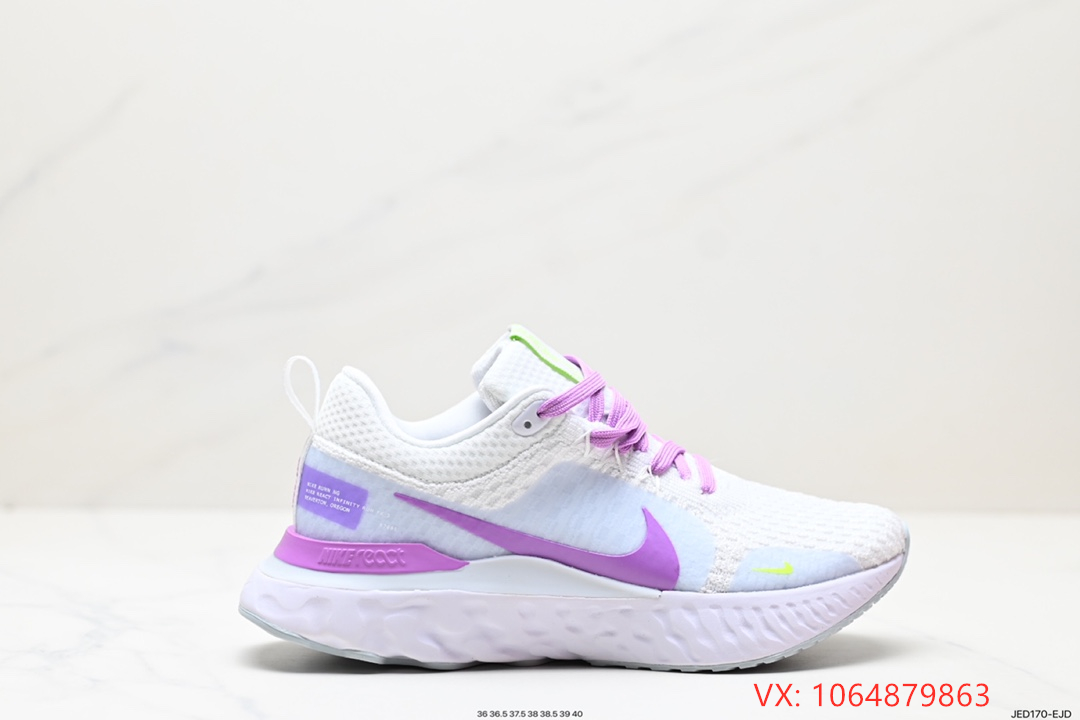
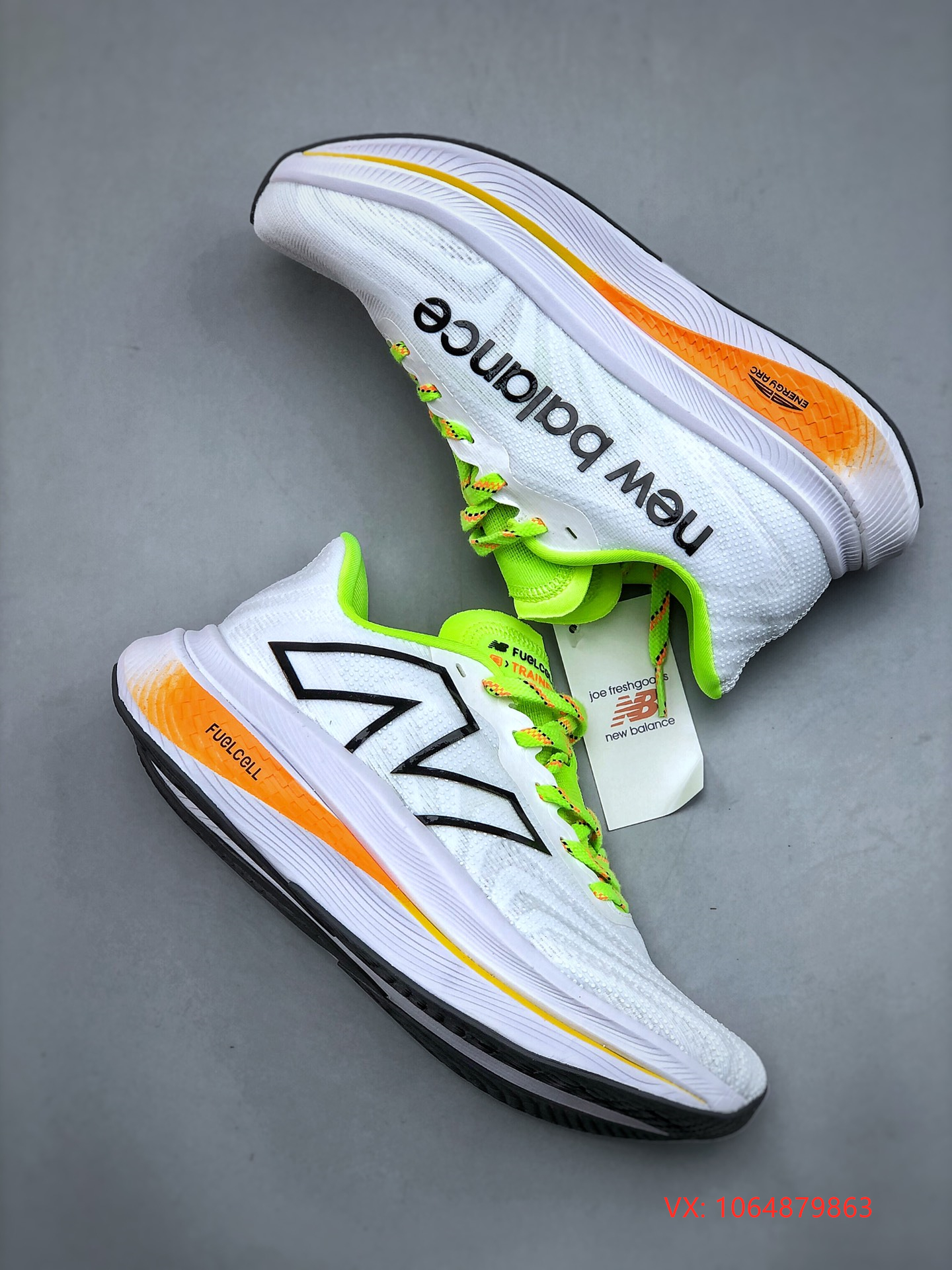
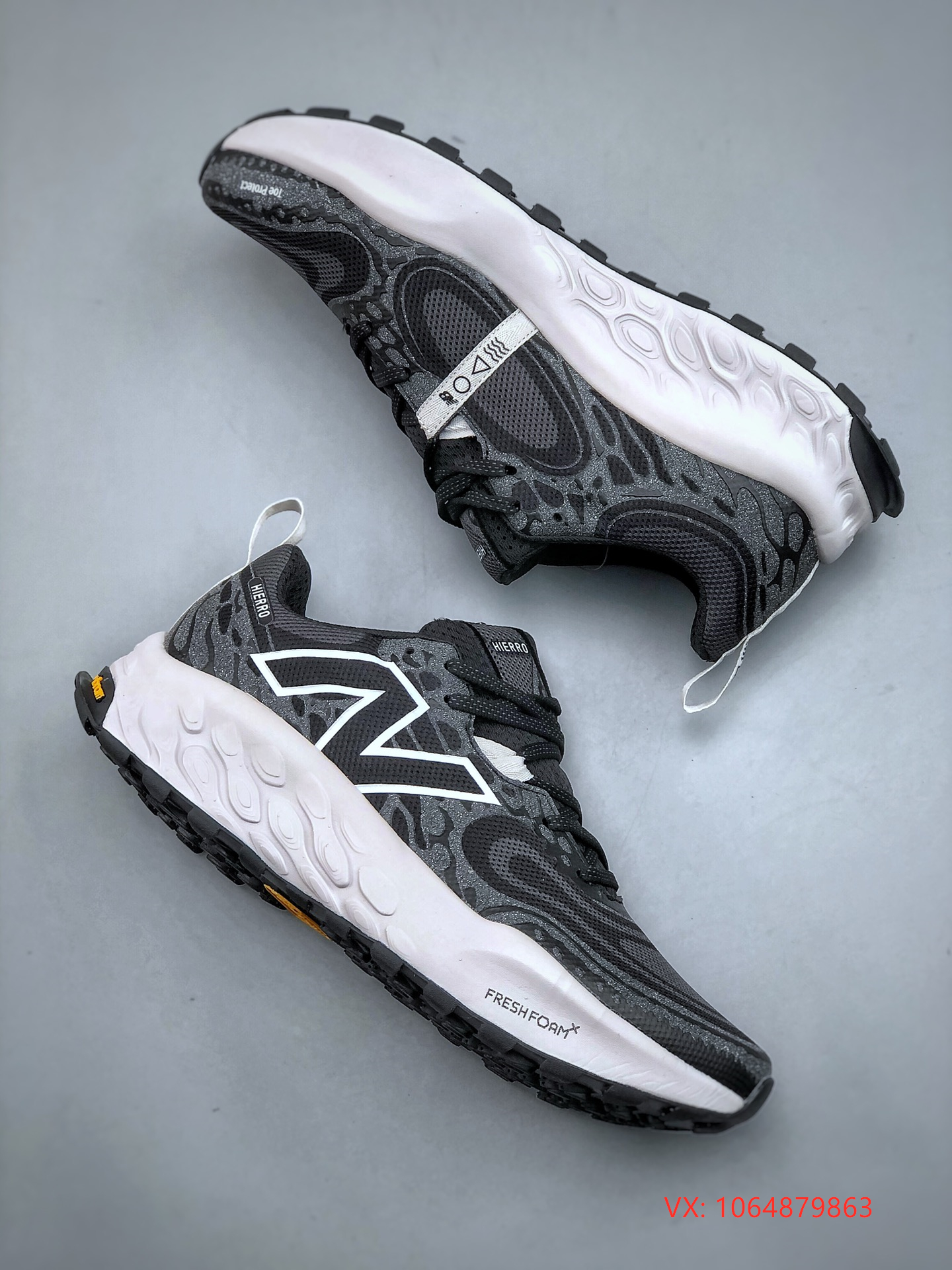
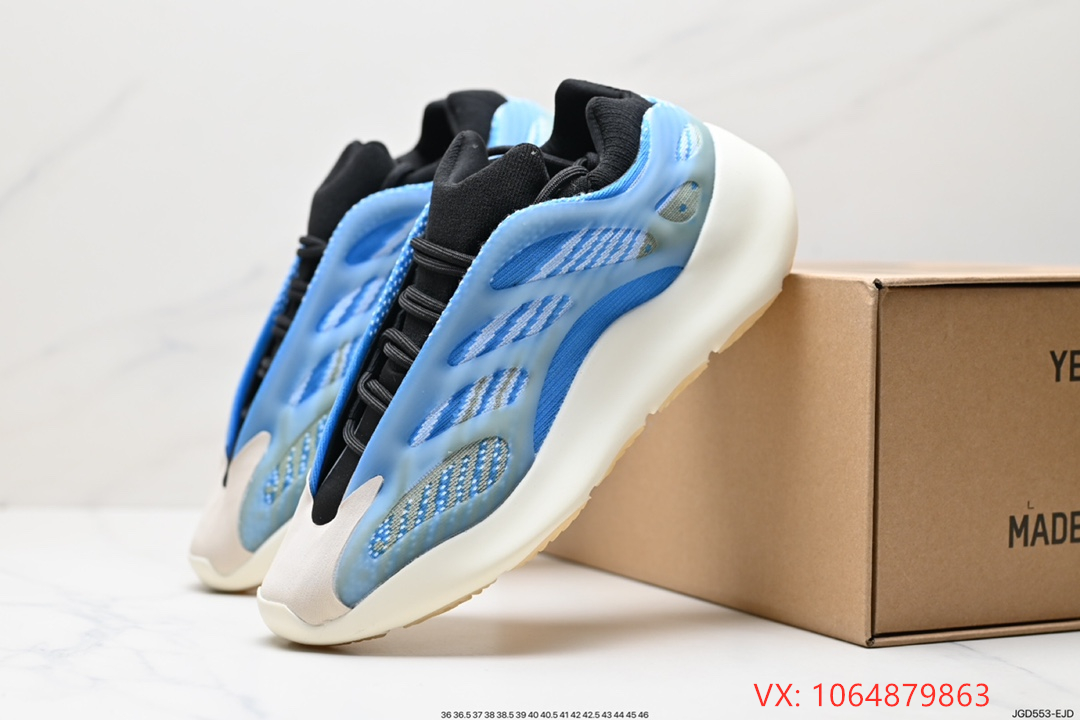
 On-site Visits
 Free Sharing
 Avoid Scams
 Updated Frequently
 For Reference Only