
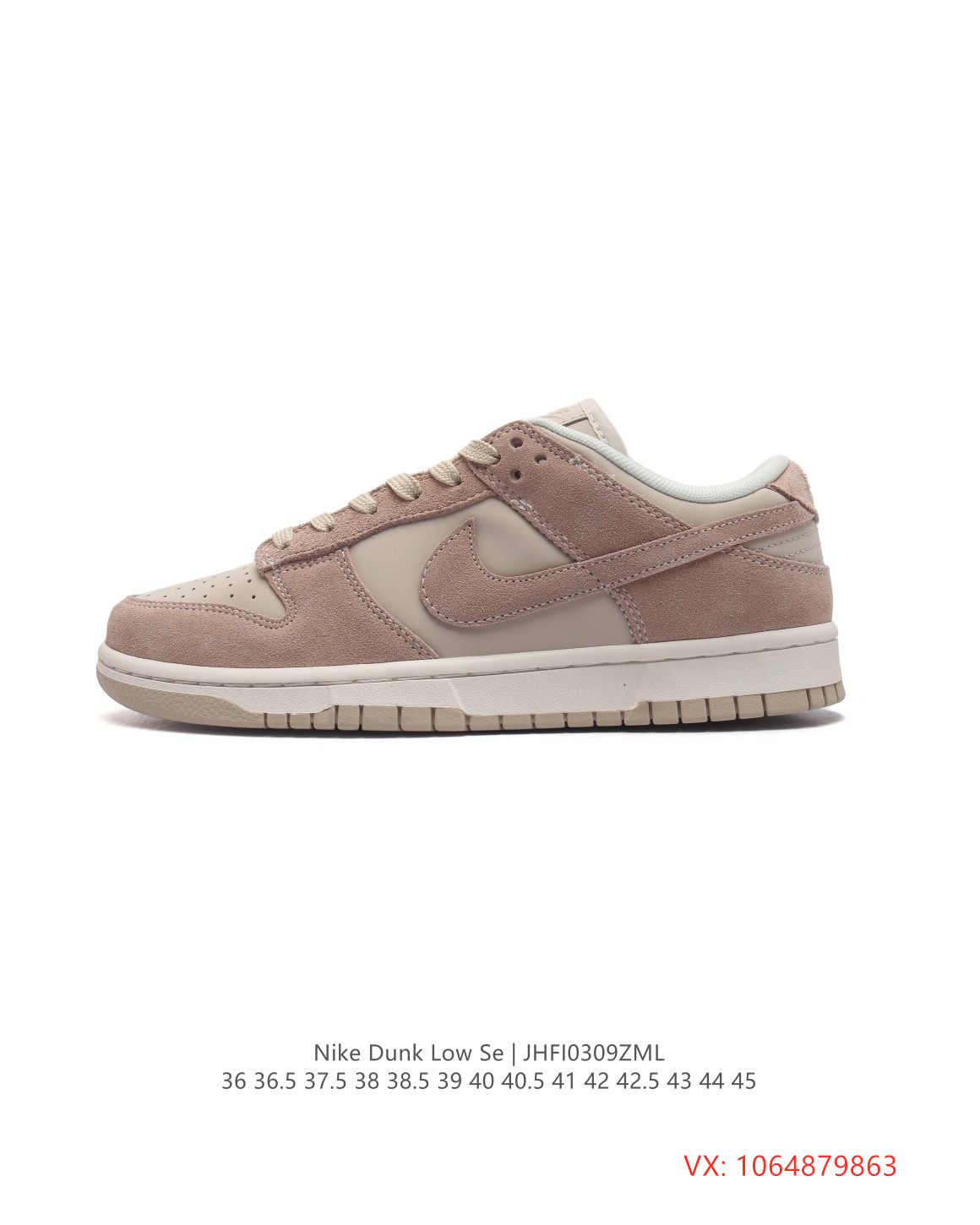
The Real Numbers Behind the "Made in Putian" Myth
Look, I've been standing behind this counter in Anfu for over fifteen years. I've seen the crowds come and go, from the local students looking for a cheap pair of kicks to the serious buyers flying in from New York, London, and Dubai. You keep asking me, "How many shoes in China actually come from Putian?" or "What percentage of the world's sneakers are made here?" Let me tell you something straight from the horse's mouth: nobody can give you an exact official number. The government doesn't release a report saying "50% of all athletic footwear is produced in Fujian." But if you walk through the streets of Xuefeng and Anfu, you'll feel the answer in the air.
Here is the truth that big brands don't want to shout about. Putian isn't just making a few pairs; it is the heartbeat of the global sneaker supply chain. When you see a shoe on a shelf in a mall in Europe or a streetwear store in LA, there is a very high probability that the mold, the factory, or at least the assembly line started right here in our city. We have the molds. We have the leather. We have the glue. We have the guys who know how to stitch a sole so tight that even the original factory workers can't tell the difference. So, while we can't say "exactly 40 percent," we can say that if you take away Putian, the global sneaker market would collapse overnight. It is the engine room.
Walking the Floor: What Foreign Buyers Actually See
I remember when foreigners first started coming here five years ago. They were scared. They thought they needed a translator, a lawyer, and a guide to find a single factory. Now? They just show up with their phones open, ready to scan QR codes. But let me tell you, walking into Anfu Market without knowing what you are doing is like walking into a shark tank blindfolded. The place is chaotic, loud, and smells like rubber and sweat. That smell? That is the smell of money being made.
Navigating the Chaos of Anfu Street
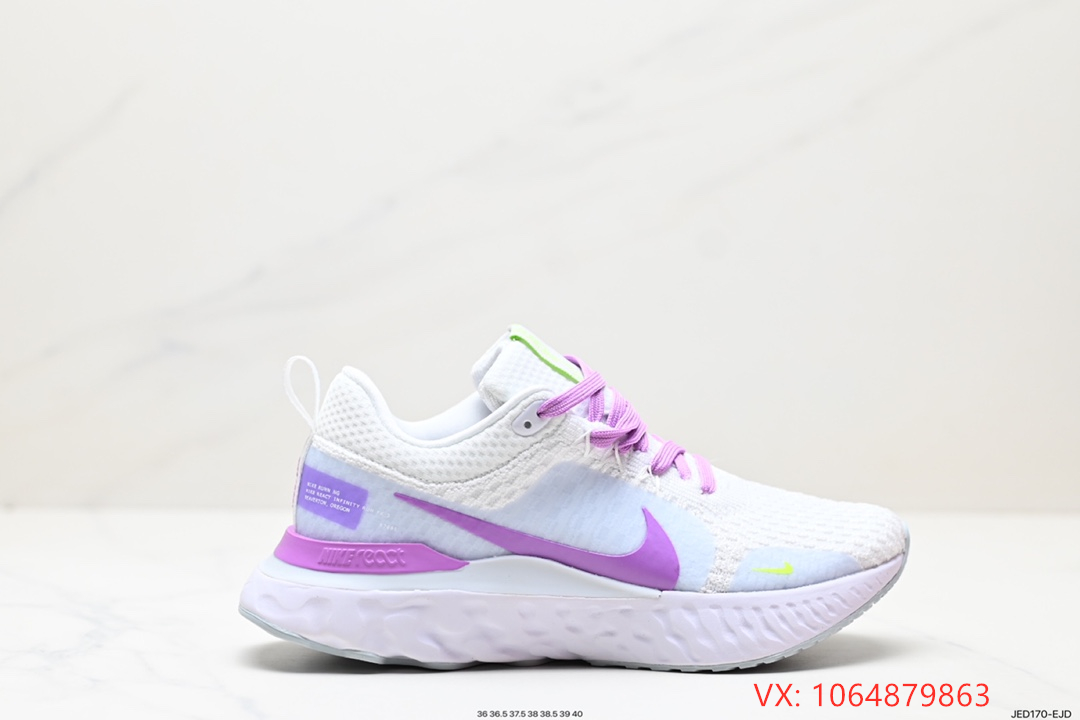
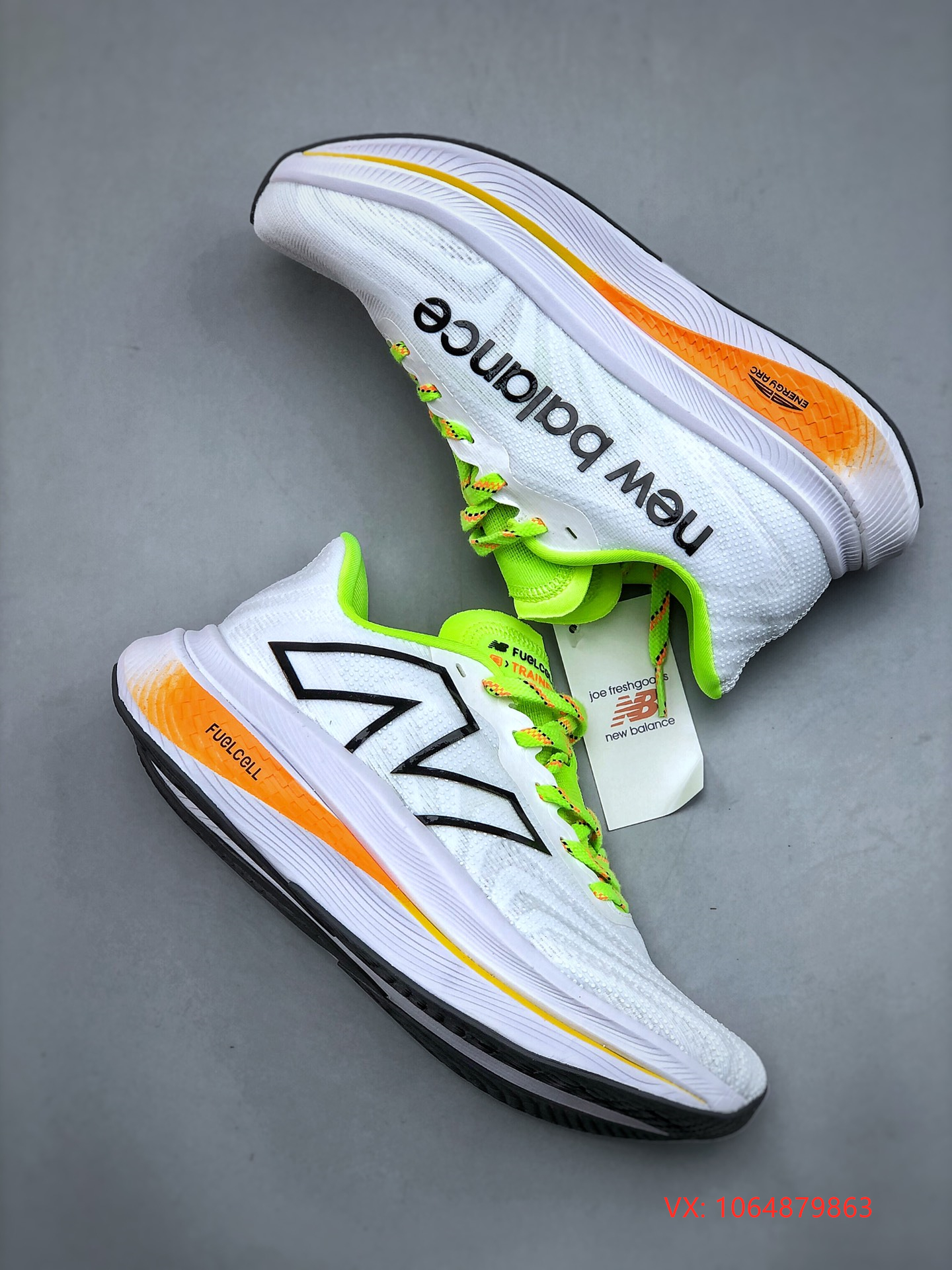
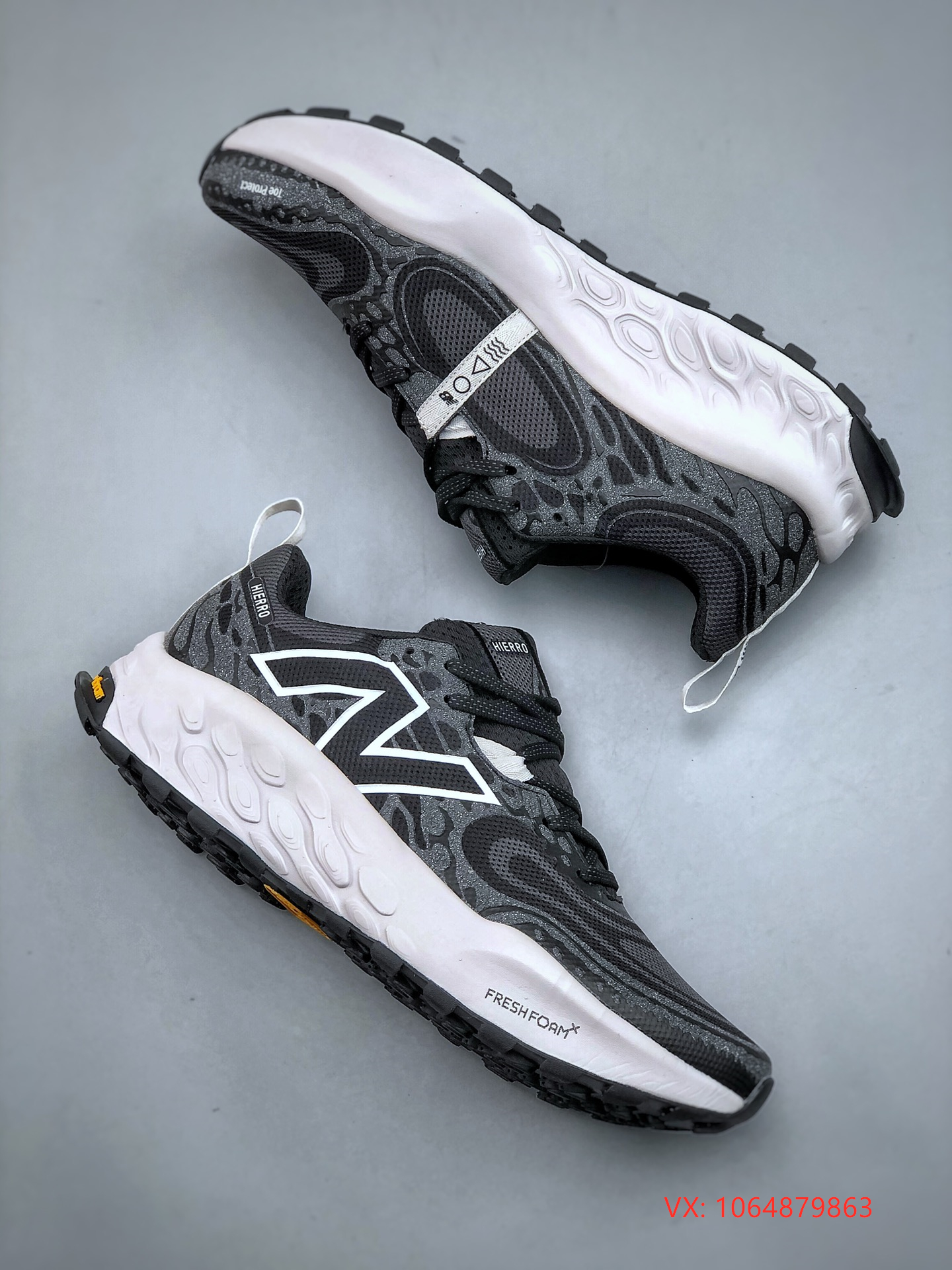
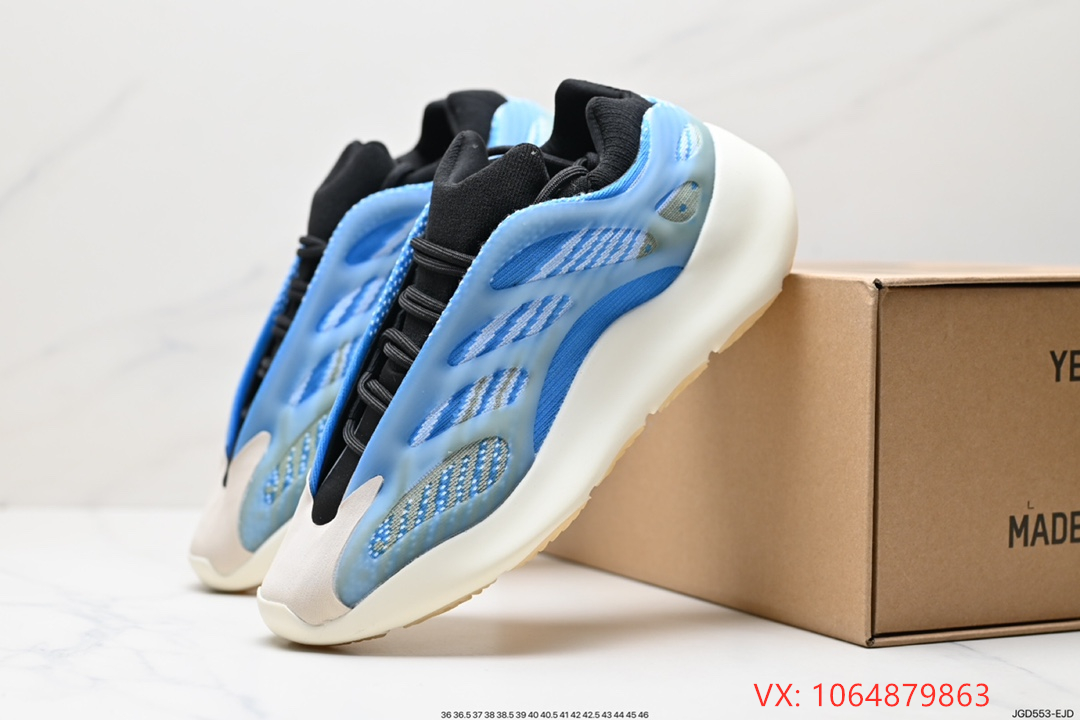
When you step onto Anfu Street, you aren't just looking at shoes; you are looking at a hierarchy. There are the "high version" shops on the second floor wher the real deals happen, and the ground floor stalls selling the cheap junk that will fall apart after two weeks. If you are a serious buyer, you ignore the ground floor. You head straight for the back rooms. These aren't public showrooms. You need a connection, or you need to be persistent enough to ask the shop owner, "Do you have the '1:1' stock?" once you get past the front door, you enter a warehouse filled with boxes stacked to the ceiling. This is wher the magic happens. You see rows of Nike Air Max, Adidas Yeezy, and Jordan 1s sitting next to each other. Some look brand new, some have tags, some are just loose pairs waiting to be boxed.
The Art of the Handshake Deal
In Putian, business isn't done with contracts signed in triplicate. It's done with a handshake and a nod. I've seen guys fly in from California, spend three hours tasting tea with me, checking the stitching on a pair of Dunks, and then order $50,000 worth of inventory without ever signing a piece of paper. Why? Because trust is built on the quality of the product. If I sell you a bad batch, my reputation dies, and I lose my customers for life. In this market, your word is your bond. When you are negotiating, don't talk about "minimum order quantities" like a corporate robot. Talk about volume discounts. Ask for the "factory price." If you buy fifty pairs, you get one price. If you buy five hundred, you get another. The margins are thin, but the volume is massive.
Quality Tiers: How to Spot the Difference
This is the biggest question I get from overseas clients. "Is it fake? Is it real? Is it good?" Let's break it down. Not all Putian shoes are created equal. There is a spectrum, and if you don't know wher you stand, you will get ripped off.
The Low-End vs. The High-End
You have the "market grade" shoes. These are the ones you see sold for $20 online. They use cheap foam, the glue smells terrible, and the logo is slightly off. Do not buy these if you plan to resell them as premium goods. Then you have the "mid-range," which is decent for personal wear but won't fool anyone. Finally, there is the "top tier" or "1:1" version. This is what I specialize in. These shoes use the same materials as the originals—real leather, proper Boost foam, correct stitching density. I have had buyers send these to authenticators, and sometimes they pass, sometimes they fail depending on the specific model and the date code. But for the average consumer, the difference is invisible.
The importance of Sampling
Never, ever place a bulk order without seeing a sample first. I always tell my foreign friends: "Send me a photo of the box, then I send you a video of the shoe." But better yet, come here. Walk around. Touch the material. Smell the glue. Check the inside lining. Look at the sole pattern. In Anfu, you can compare ten different versions of the same shoe side-by-side. You can see why one costs $80 and another costs $120. The $120 pair has better padding, a more accurate swoosh, and a sole that grips better. This is why physical inspection is king. You cannot judge the quality of a sneaker from a blurry Instagram photo.
Logistics and Avoiding Scams
once you pick your shoes, the real work begins: shipping. Many buyers think they can just mail a package to their house. Don't do it. Customs in the US and EU are cracking down hard on counterfeit goods. If you ship directly from Putian to your address, you risk havin your package seized and destroyed.
Using the Right Freight Forwarders
We have relationships with dozens of freight forwarders who specialize in "grey market" shipping. They consolidate your orders, repackage them, and ship them via channels that minimize the risk of seizure. They handle the paperwork, the labeling, and the customs declaration. When you work with us, we don't just hand you a box; we hand you a solution. We know which carriers are safe for this season. We know how to label the boxes so they look like regular gifts or samples. This is crucial for international buyers who want to avoid legal trouble.
Red Flags to Watch Out For
There are scammers everywher. You will find people on social media claiming to be "official suppliers" or "factory owners." Most of them are middlemen trying to mark up prices by 20%. If someone asks for payment via Western Unio or Bitcoin before you see the goods, run. Real dealers in Anfu accept Alipay, WeChat Pay, or bank transfers once trust is established. Also, beware of the "too good to be true" prices. If someone is selling "Nike Air Force 1s" for $15, it is trash. Good quality Putian shoes cost between $60 and $100 wholesale. Anything cheaper is likely using substandard materials that will ruin your resale business. Always verify the seller's history. Ask for references. Ask to see their warehouse live via video call.
Why Putian Will Always Be the King
So, back to your original question: how many shoes come from here? The answer is simple. As long as there is demand for affordable, stylish sneakers, Putian will be the source. We have the infrastructure, the skill, and the speed that no other region can match. We can produce a new design within days of it hitting the runway. We can scale up production instantly when a trend explodes. For foreign buyers, Putian offers the best balance of price and quality in the world. It is not just about copying logos; it is about understanding the craft of sneaker manufacturing. If you treat us with respect, bring your own standards, and do your due diligence, you will find that sourcing from Anfu is the smartest move you can make for your business. Come visit us. Bring your friends. Let's drink some tea, look at some shoes, and build a partnership that lasts.

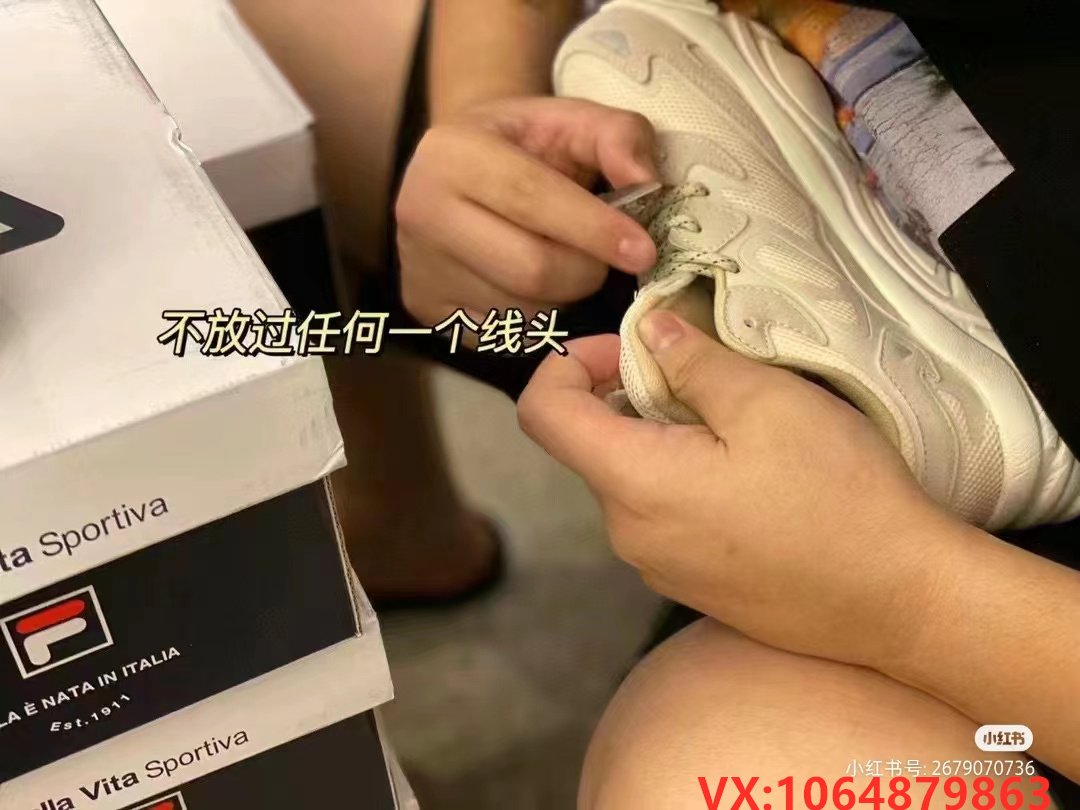
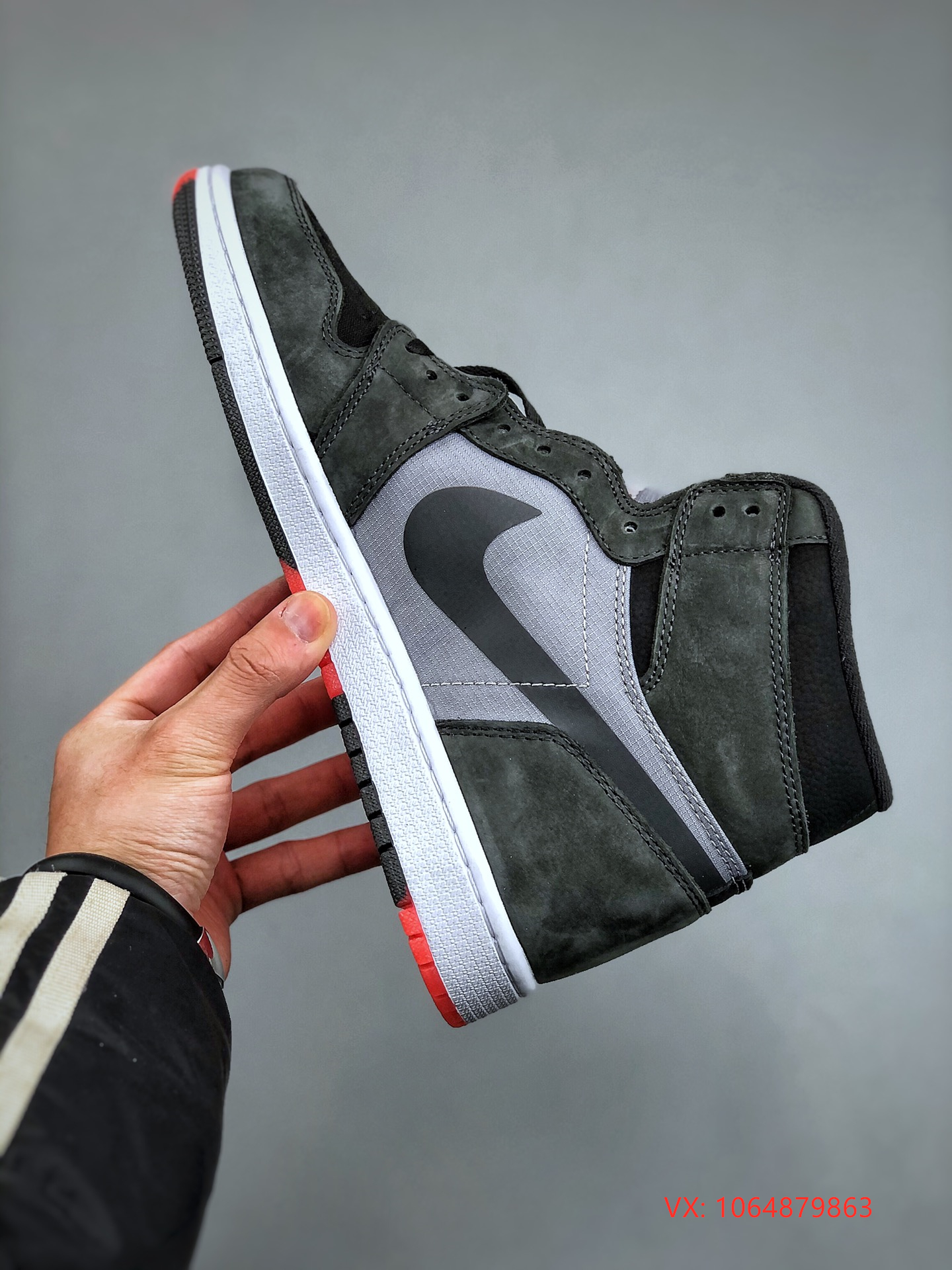
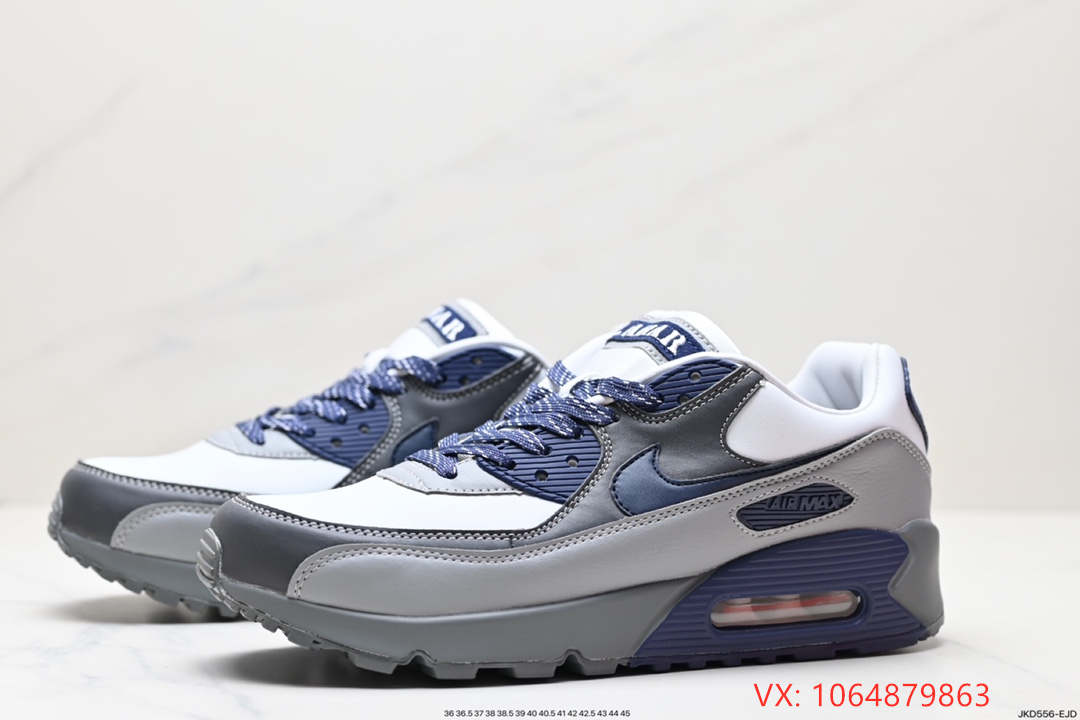
 On-site Visits
 Free Sharing
 Avoid Scams
 Updated Frequently
 For Reference Only