
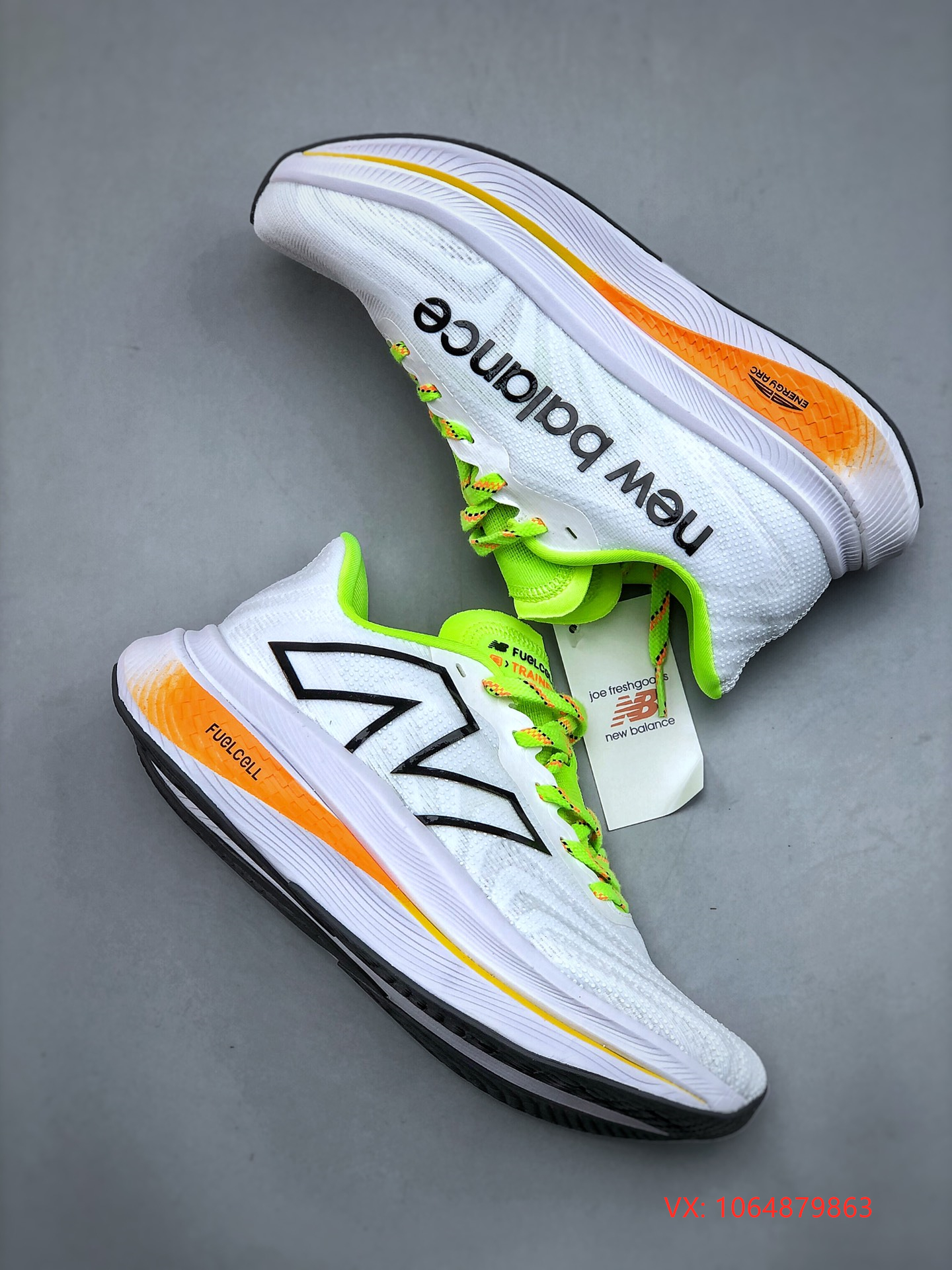
Why "Putian Shoes" Are the Hidden Gem for Global Buyers
Welcome to Anfu, the beating heart of the sneaker world. I've been standing in this chaotic, electric corridor for over fifteen years. You walk in here and you smell it immediately: a mix of fresh glue, rubber, and the sweat of thousands of workers rushing to meet deadlines. People ask me all the time, "What are the best-looking Putian shoes?" They think I'm going to give them a list of fake brands. But that's not how we do business here. The real answer isn't about copying logos; it's about finding the specific factories that mastered the art of "1:1" quality before anyone else did.
When foreign buyers come to my shop, they often look confused by the sheer volume. There are thousands of stalls, but only a handful actually produce what I call "top-tier replicas." These aren't the cheap $30 slippers you see on random websites. We are talking about shoes that use the same molds, the same TPU outsoles, and even the same air units as the originals. If you want to know what looks good, you have to understand that "good" in Putian means "indistinguishable from the source." It's about the stitching density, the leather grain, and the way the shoe sits on the foot.
Navigating the Anfu Market: A Local's Guide to Physical Inspection
Let's be honest: buying online without seeing the product is a gamble. I've seen too many overseas clients lose money because they trusted a photo that was photoshopped or taken under perfect lighting. The only way to find the truly great-looking Putian shoes is to get your boots on the ground in Xiangyu Road. When you step into the market, ignore the flashy signs on the first floor. That's mostly for tourists and low-end bulk orders.
The Real Action is on Floors 3 and 4
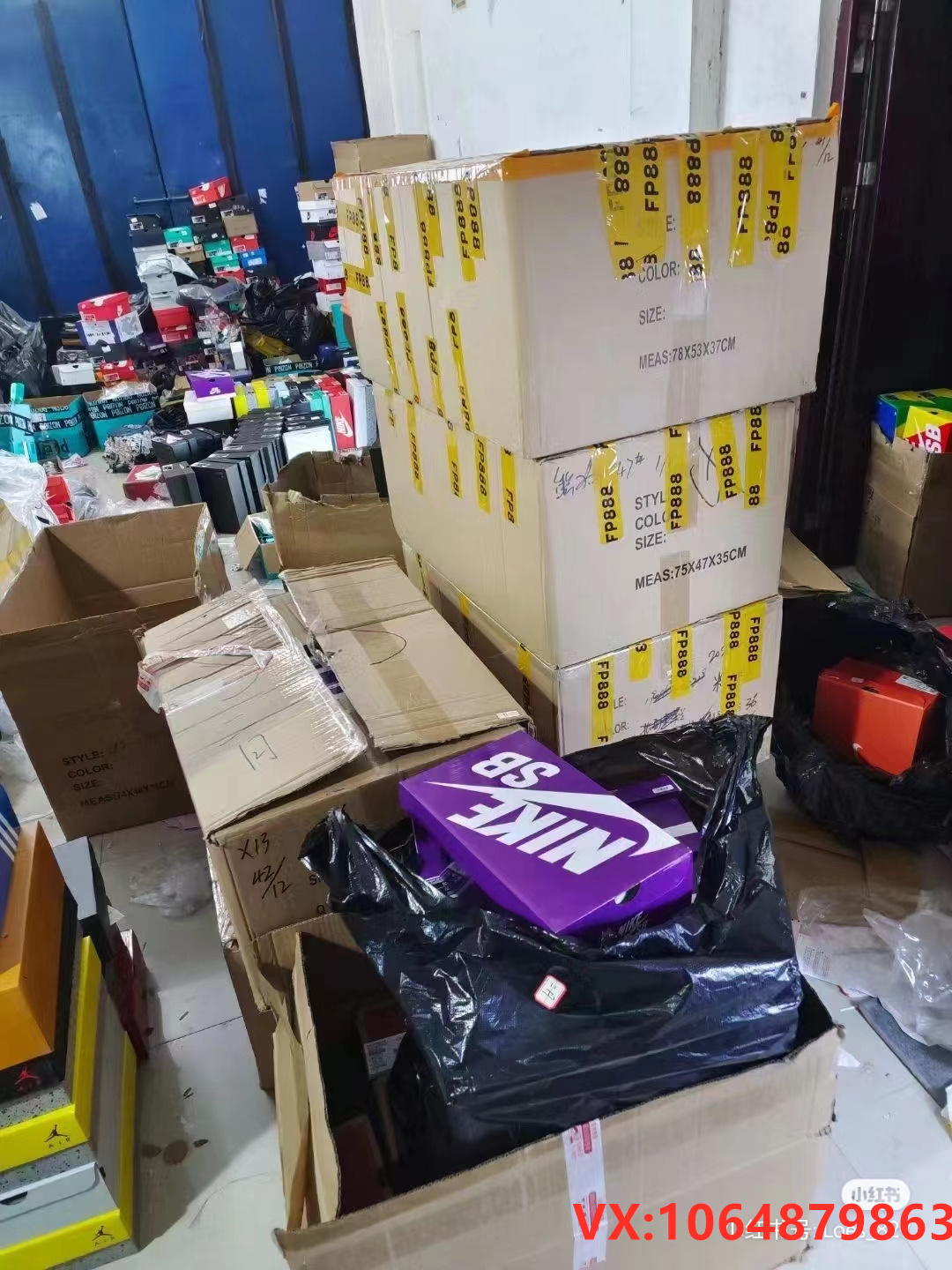
If you are serious about sourcing high-quality sneakers, head straight to the upper floors. This is wher the actual production teams operate. I remember a client from Germany who wanted to restock his store with premium Jordan 4s. He was initially looking at the ground floor, wher the prices were tempting but the quality was trash. once I took him up to the third floor, he saw the difference immediately. The leather on these shoes had that specific "bumpy" texture that cheap versions just can't replicate. In my experience, the best-looking models are always found in the back rooms of these stalls, not displayed on the front counters.
How to Spot the "Top Version" vs. The "Market Version"
You need to know the difference between the "market version" (the average stuff) and the "top version" (the gold standard). The top version will cost you maybe 20% more per pair, but the visual difference is night and day. Look at the tongue tag. On a bad copy, the font is slightly off, or the spacing is wrong. On a top-tier Putian shoe, the embroidery is tight, the thread color matches the original perfectly, and the holographic sticker on the box has the correct depth. I once checked a batch of Yeezy 350 V2s. The "market version" had a sole that was too yellow. The "top version" had the exact translucent gum sole that fades correctly after wear. That attention to detail is what makes them look good.
Direct Factory Connections: Wher the Magic Happens
Many buyers ask me for specific factory names or stall numbers. As a local boss, I have to tell you something important: the best factories don't advertise their names publicly. If a factory puts its name on a big sign in Anfu, it usually means they are selling to the lowest common denominator. The real powerhouses operate quietly. However, I can guide you to the specific areas and the types of stalls that consistently deliver the best results.
Stall Locations and Specific Recommendations
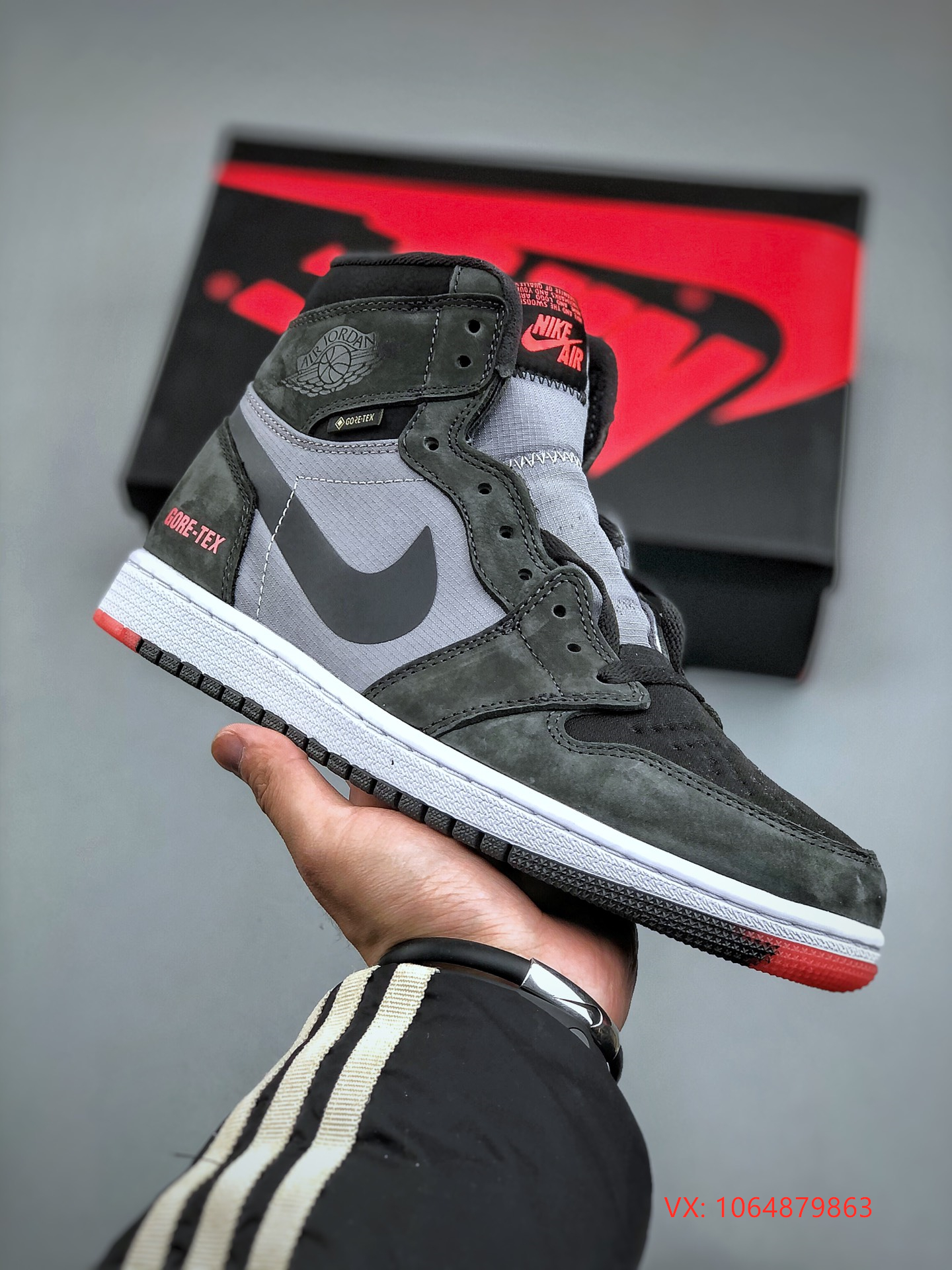
While I won't give you a public directory that gets flooded with scammers, I can point you to the reliable clusters. For Nike Air Max and Jordan retros, focus on the stalls located near the central elevator shaft on the fourth floor of Building B. Specifically, look for the stalls with names like "Elite Sneakers" or "Pro Quality" (these are common aliases used by long-term partners). One specific contact I trust is a manager named Old Chen, whose stall is tucked away in the corner of the second corridor on the third floor. He specializes in the "Lucky" series of molds. His Jordan 1 Highs are legendary here; the toe box shape is perfect, and the heel counter doesn't collapse like the cheaper versions.
Building Trust with the Right Suppliers
Don't just walk in and demand the cheapest price. That strategy fails every time. Instead, show that you know what you are looking for. Ask to see the "mid-cut" samples. Show them you care about the glue lines and the insole material. When you speak to a supplier like Old Chen, mention that you are looking for the "original mold" versions. This signals that you are a serious buyer, not a tourist. once they realize you understand the craft, they will open their private inventory to you. This is wher you find the hidden gems—the limited colorways that haven't hit the mass market yet.
Quality Control and Avoiding Common Pitfalls
Even with the best suppliers, mistakes happen. I've made my share of errors over the years. The biggest pitfall is assuming that "Putian" automatically means "fake." While the industry is built on replicas, the quality varies wildly. Another major issue is the "shipping trap." Some sellers promise to ship directly from China, but they send you a package from a warehouse in Vietnam or Malaysia to hide the origin. Always insist on knowing the shipping route.
The "Box and Laces" Test
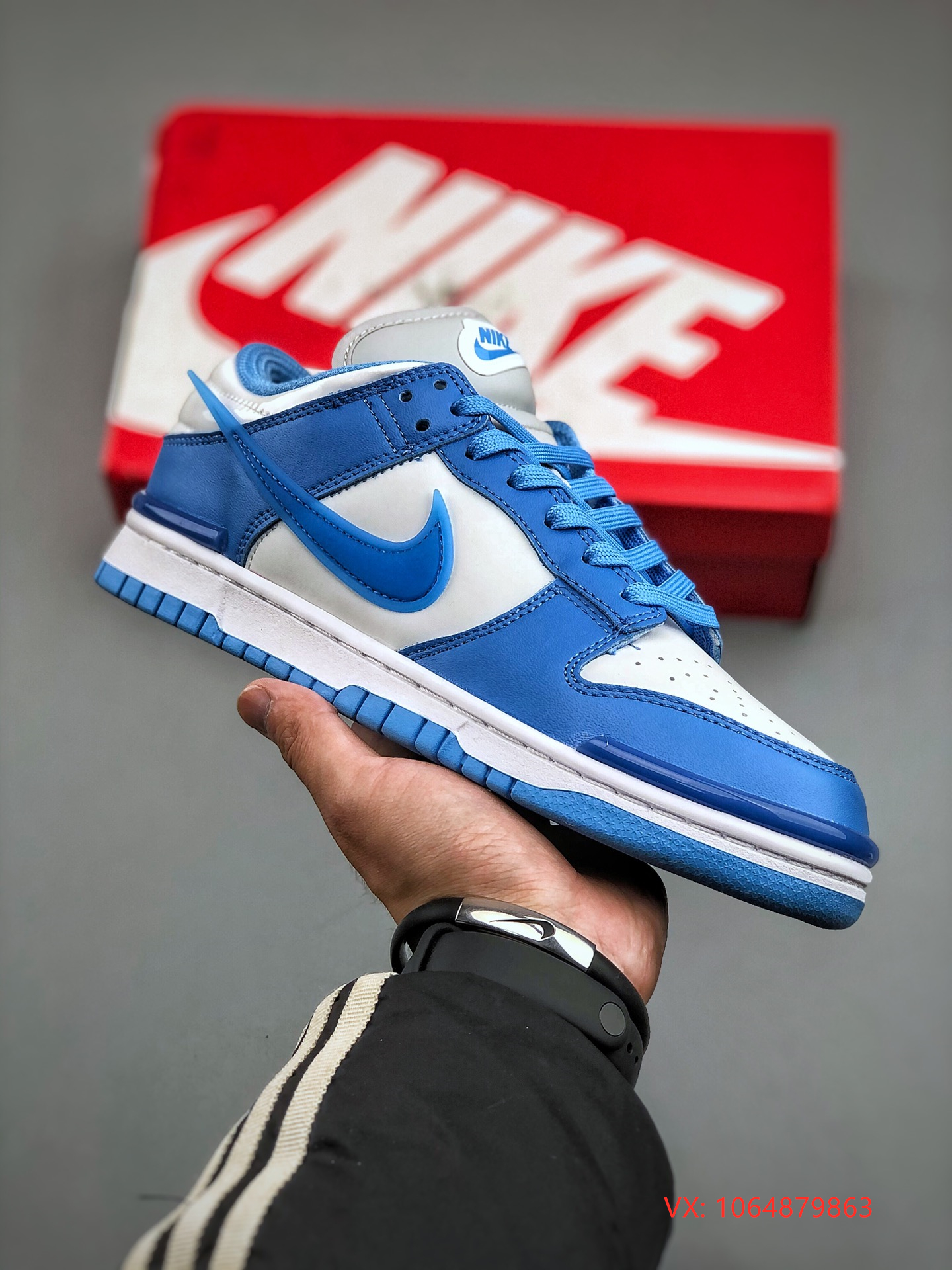
When you receive your shipment, do a quick audit. Check the laces first. Are they the right thickness? Do they have the aglets (the plastic tips)? Then check the box. Does it have the correct barcode? Does the size label match the shoe inside? I once had a client who ordered 50 pairs of Dunks. The shoes looked fine, but the boxes were slightly different colors than the previous batch. It turned out the factory had switched to a cheaper cardboard supplier. It wasn't a huge deal for the shoes themselves, but for branding, it mattered. Always inspect the packaging as carefully as the product.
Price vs. Value Reality Check
Here is a hard truth: if a pair of shoes costs $20, it is not good. Period. The materials alone cost more than that. To get a shoe that looks and feels like the $200 retail version, you should expect to pay between $60 and $90 per pair for high-end models. Anything lower is likely using inferior foam and synthetic leather that will crack within months. Don't fall for the "wholesale bargain" traps. The best-looking Putian shoes come from factories that invest in R&D, not just cutting corners.
Summary of Sourcing Strategy
To wrap this up, if you want to succeed in sourcing Putian shoes, you need to shift your mindset. Stop looking for the cheapest option and start looking for the most authentic craftsmanship. Go to Anfu, visit the upper floors, talk to the managers who know their molds, and never compromise on quality control. The market is full of opportunities, but only for those willing to dig deep.
| Category | Key Indicator | Red Flag |
|---|---|---|
| Location | Floors 3-4, Back Corridors | Ground Floor, Main Entrance Stalls |
| Quality | Original Molds, Correct Leather Grain | Generic Shapes, Smell of Strong Chemicals |
| Pricing | $60-$90 per pair (High End) | Under $30 per pair |
| Communication | Detailed Questions about Materials | Asking only for Lowest Price |
Remember, the secret to finding the best-looking Putian shoes lies in the details. Whether it's the precise alignment of the swoosh or the softness of the inner lining, these are the things that separate the pros from the amateurs. Come to Anfu, talk to us locals, and you'll find that the quality here is nothing short of amazing. Happy sourcing!

 On-site Visits
 Free Sharing
 Avoid Scams
 Updated Frequently
 For Reference Only