
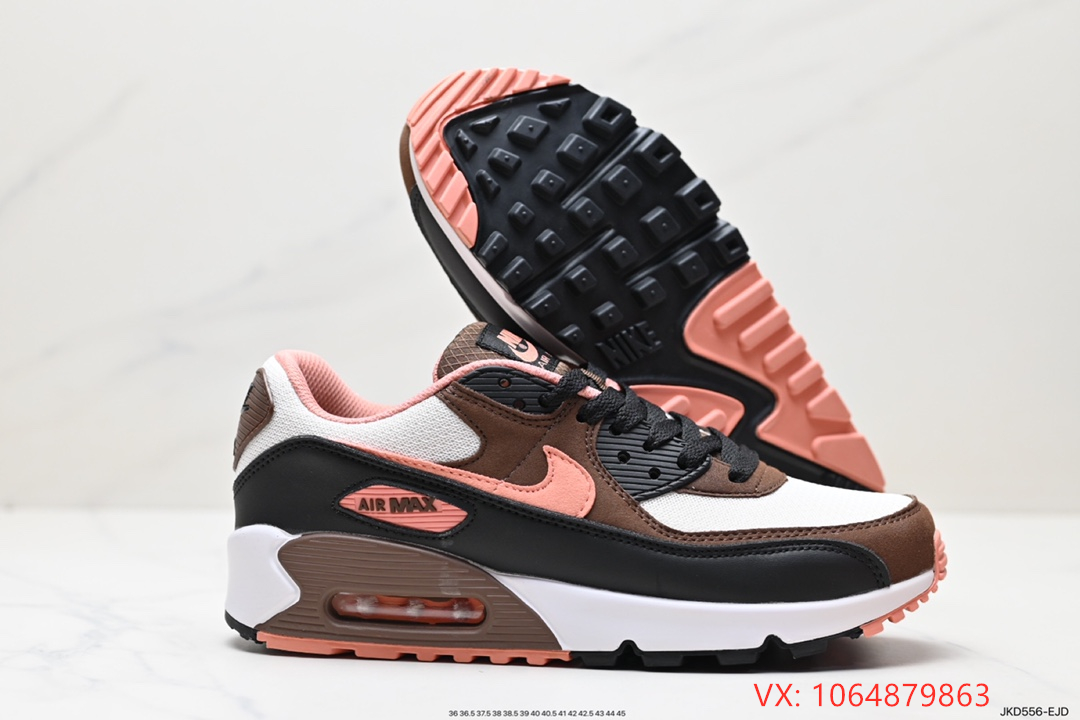
Why "Brands" Don't Exist in Putian: A Veteran's Truth about Anfu Market
Welcome to the real world of Putian. If you are scrolling through Google looking for a list of "Putian shoe brands" like Nike, Adidas, or New Balance, I need to stop you right there. You are asking the wrong question. In my twenty years running a stall in the heart of the Anfu E-Commerce City, I have seen thousands of foreign buyers make this exact mistake. They walk in expecting to find a store named "Putian Brand X," but that simply does not exist. The truth is, Putian doesn't manufacture under its own brand names in the way Western companies do. Instead, we are the invisible engine behind the global sneaker industry. When you hear about "Putian shoes," you aren't buying a specific local label; you are buying the highest quality replica of a global icon, or more accurately, the same molds and materials used by the giants, sold without the logo tax.
Let me be blunt with you as a fellow trader. The concept of a "Putian Brand" is a myth created by marketing agencies trying to sell you something different. Here, we talk about "versions." There is the market version, the top version, the OG version, and the pure original. My job isn't to sell you a fake logo; it's to help you navigate the supply chain wher the lines between "original factory" and "high-end replica" blur. If you want to source from here, you need to understand that we don't have a catalog of our own brands. We have access to the molds of every major brand on earth, and we produce them based on your demand. This is why searching for "Putian shoe manufacturers" yields better results than searching for "Putian brands."
The Anatomy of the Supply Chain: From Mold to Market
To understand what you are actually buying, you must first understand wher these shoes come from. Most foreigners think Putian is just a place wher people copy logos. That is a half-truth. The reality is far more complex. Many of the factories in the surrounding areas of Xiuyu and Chengxiang districts were originally OEM (Original Equipment Manufacturer) suppliers for big international brands. When orders fluctuate, or when the margins get too tight, they utilize their existing molds to produce high-quality versions for the domestic and export markets.
The "Version" Hierarchy Explained
When I sit down with a buyer from the US or Europe, the first thing we discuss is the "version." This is the critical metric that determines price and quality. It is not about the brand name; it is about the craftsmanship level. At my stall, I deal with three main tiers daily:
- Market Version: This is the entry-level product. It uses standard materials and basic molds. The glue might smell stronger, and the stitching might be slightly off. Prices usually range from $30 to $50 per pair. Good for bulk testing, bad for reputation.
- Top Version (High Copy): This is wher the magic happens. These shoes use the same rubber compounds, the same air units, and often the same leather tanneries as the originals. The only difference is the lack of the official tag. Prices hover around $60 to $80. This is what 90% of serious resellers look for.
- OG/Factory Direct: These are the leftovers from the actual production lines of the big brands, sometimes with minor defects, or produced in the same facility using identical specs. Prices can go up to $100+. This is rare and requires deep connections.
If you search for "best Putian sneakers for resale," you are likely looking for the Top Version. Do not let anyone convince you that a $20 pair is the same as an $80 pair. The material cost alone makes that impossible. I have seen buyers lose money because they bought the "market version" thinking it was the "top version." Always ask for the photo comparison of the sole, the tongue label, and the box code before you pay.
Navigating Anfu E-Commerce City: A Local's Guide
Walking into the Anfu Market is like entering a maze designed for speed. It is chaotic, loud, and incredibly fast-paced. For a foreigner, it can be overwhelming. Let me give you the layout strategy I use every day. The market is divided into several buildings, each specializing in different styles and quality levels.
Wher to Find the Real Goods
You cannot just wander in and expect to find the best stock. The best goods are hidden in the back rooms or require a relationship. However, if you are new, start at Building 1 and Building 2. These are the hubs for the latest releases. But be warned: the front stalls are mostly for tourists and low-ballers. The real action happens in the offices upstairs or in the private showrooms connected to the stalls.
I will share some specific locations I trust, not because I am promoting them, but because they represent the standard of quality I see daily. For example, if you are looking for Jordan 4s or Yeezys, head to the upper floors of Building 3. Specifically, look for the area near the stairwell wher the lighting is brighter. Many of the top-tier vendors operate out of small offices there rather than open counters. One well-known operation I've seen consistently deliver high-quality "Top Versions" is located in Room 405 of Building 3, though they rarely advertise publicly. They rely on word-of-mouth from repeat clients like you.
Another spot worth mentioning is the "Shoe Street" adjacent to the main market. Here, you will find smaller workshops that specialize in custom modifications. If you need a specific colorway that isn't in the main catalog, these are the places to go. They can take a mold and change the dye batch within 48 hours. This flexibility is something you won't find in any official brand store.
The Art of Negotiation and Quality Control
once you have found the right stall, the real work begins. Negotiation in Putian is not about haggling over pennies; it is about volume and relationship building. Foreigners often try to negotiate a single pair down to $10. This gets you nowher. I treat every client as a potential partner. If you say you are going to order 500 pairs, the price dros significantly, and the quality control becomes stricter.
The Inspection Protocol
Never accept a shipment without checking. I always tell my clients: "Trust, but verify." When I inspect a batch for a client, I follow a strict protocol. First, I check the box codes. Every pair should match the number on the side of the box. Second, I check the smell. High-quality leather shouldn't have a chemical burn. Third, I check the stitching density. On a good pair, the stitches should be uniform, with no loose threads. Finally, I test the flexibility of the sole. Cheap rubber cracks after a few miles; good rubber bends and returns to shape instantly.
I once had a client who ordered 200 pairs of a popular model without seeing the photos. When they arrived, the heel tab was slightly misaligned. It was a minor defect, but for a reseller, it meant the whole batch was unsellable. That cost him $10,000. If he had asked for a video call inspection before shipping, he would have caught it. Always request a video call via WhatsApp or WeChat before the final payment. Show me the specific batch you are sending. I can spot a fake box or a mismatched sole from a video feed.
Common Pitfalls and How to Avoid Them
There are traps everywher in this market. The most common one is the "Sample Trap." A vendor sends you a perfect sample, and then the bulk order arrives with inferior materials. This is called "sample vs. bulk" discrepancy. To avoid this, always pay a deposit for the sample, but insist on a contract that states the bulk order must match the sample exactly. Another pitfall is the "Fake Shipping Label." Some scammers print labels that look legitimate but ship nothing. Always use a secure payment method and track the package yourself.
Also, be careful with the "Brand Name" confusion. If a vendor tells you they have "Nike" in their shop, they are lying. They have "Nike-style" shoes. If they claim to sell authentic Nike, they are either selling stolen goods or fakes. Be clear about what you want. Say "I want the top version of the Jordan 1 Chicago," not "I want Nike Jordans." This clarity prevents misunderstandings and ensures you get the product you paid for.
Summary Table: Quick Reference for Buyers
| Category | What to Look For | Avoid | Estimated Price Range (USD) |
|---|---|---|---|
| Quality Tier | Check sole flexibility, stitching density, and leather grain. | Strong chemical smell, loose threads, mismatched box codes. | $30 - $100+ |
| Location | Anfu Building 1-3, Upper Floors, Private Offices. | Street-side stalls with no inventory visible. | N/A |
| Communication | Video calls, detailed photo comparisons, clear contracts. | Vague promises, refusal to show samples. | N/A |
| Payment | Secure escrow, partial deposits, verified tracking. | Full upfront payment without verification. | N/A |
Final Thoughts: Building Your Own Supply Chain
In conclusion, there is no such thing as a "Putian Brand." There is only a sophisticated network of factories, molds, and skilled workers producing high-quality footwear that rivals the biggest brands in the world. If you want to succeed in sourcing from here, you need to shift your mindset from buying a "brand" to buying a "product." Focus on the quality, the version, and the relationship with the vendor. Visit the market, meet the people, and learn the language of the trade. The Anfu Market is a treasure trove for those who know how to dig. Don't be afraid to ask questions, don't be afraid to walk away from a bad deal, and always prioritize quality over price. With the right approach, you can build a profitable business that stands the test of time. Remember, in Putian, the value is in the details, not the logo.

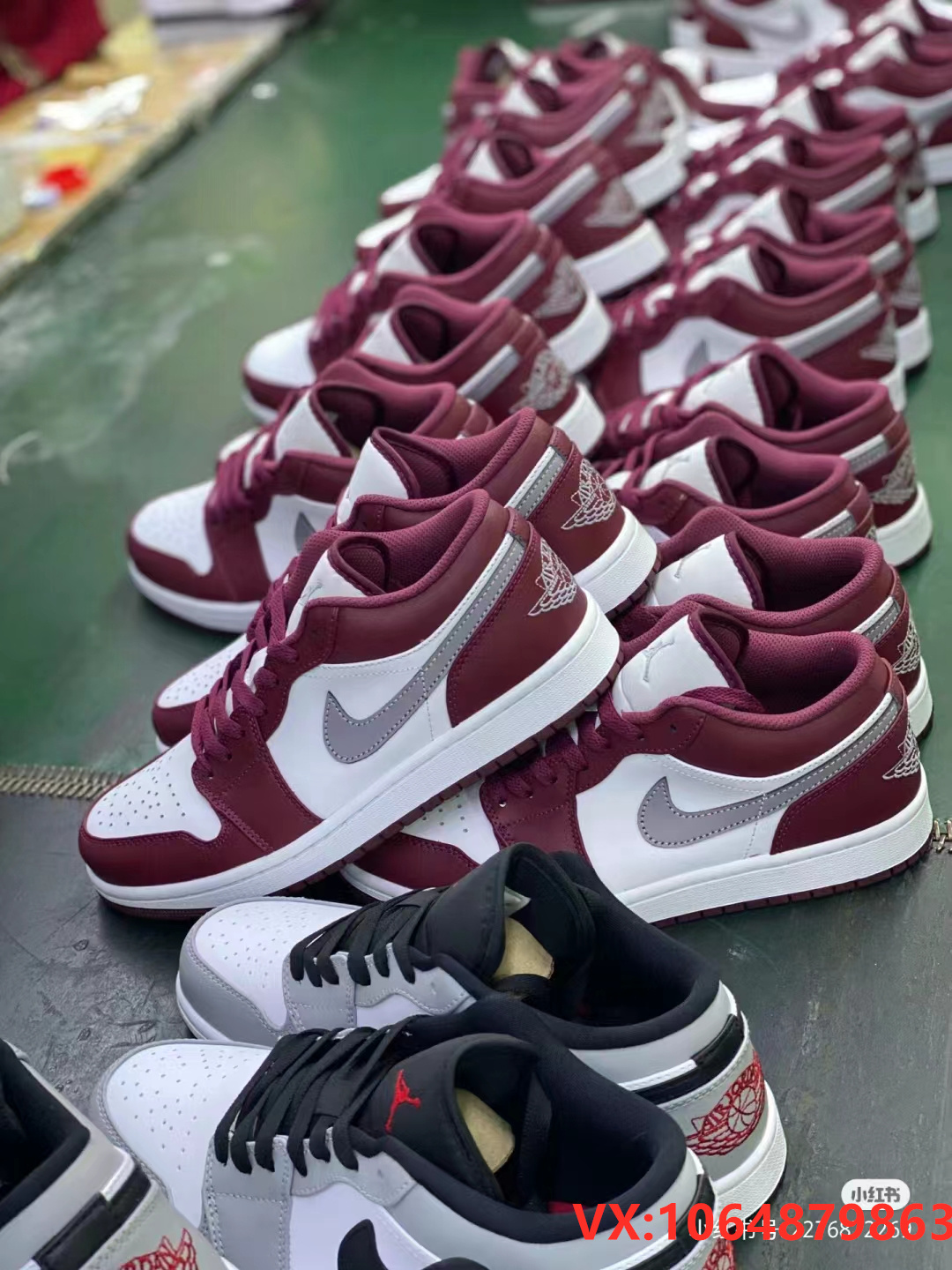
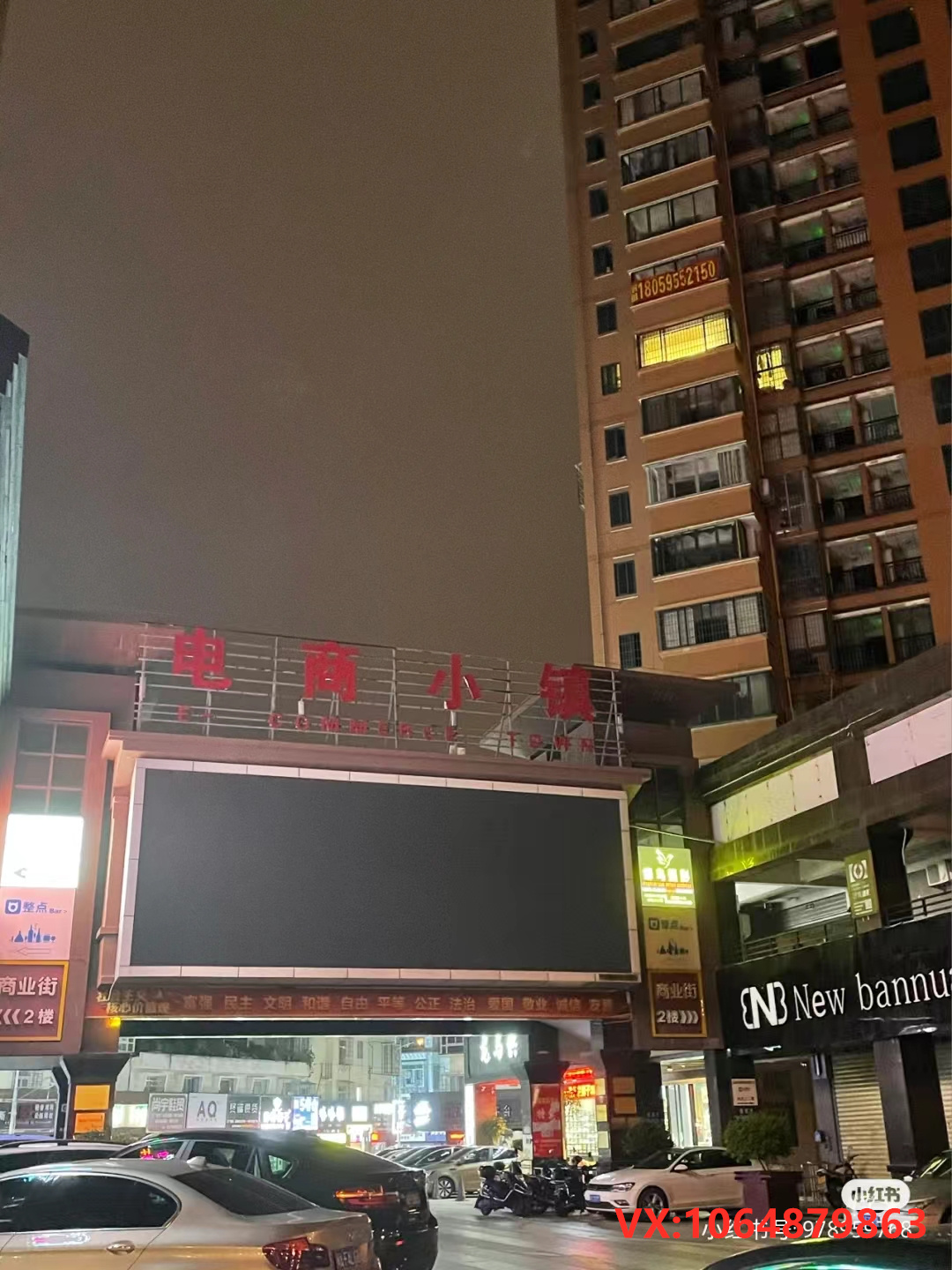
 On-site Visits
 Free Sharing
 Avoid Scams
 Updated Frequently
 For Reference Only